Philippines Rapid Shutdown Regulation: Complete Guide to Safety Standards and Compliance Requirements

  • 8F, Block B, Building 1, 286 Qinglonggang Road, Suzhou City, Jiangsu Province, P. R. China
  • [email protected]
AndSolar Cloud

philippines rapid shutdown regulation

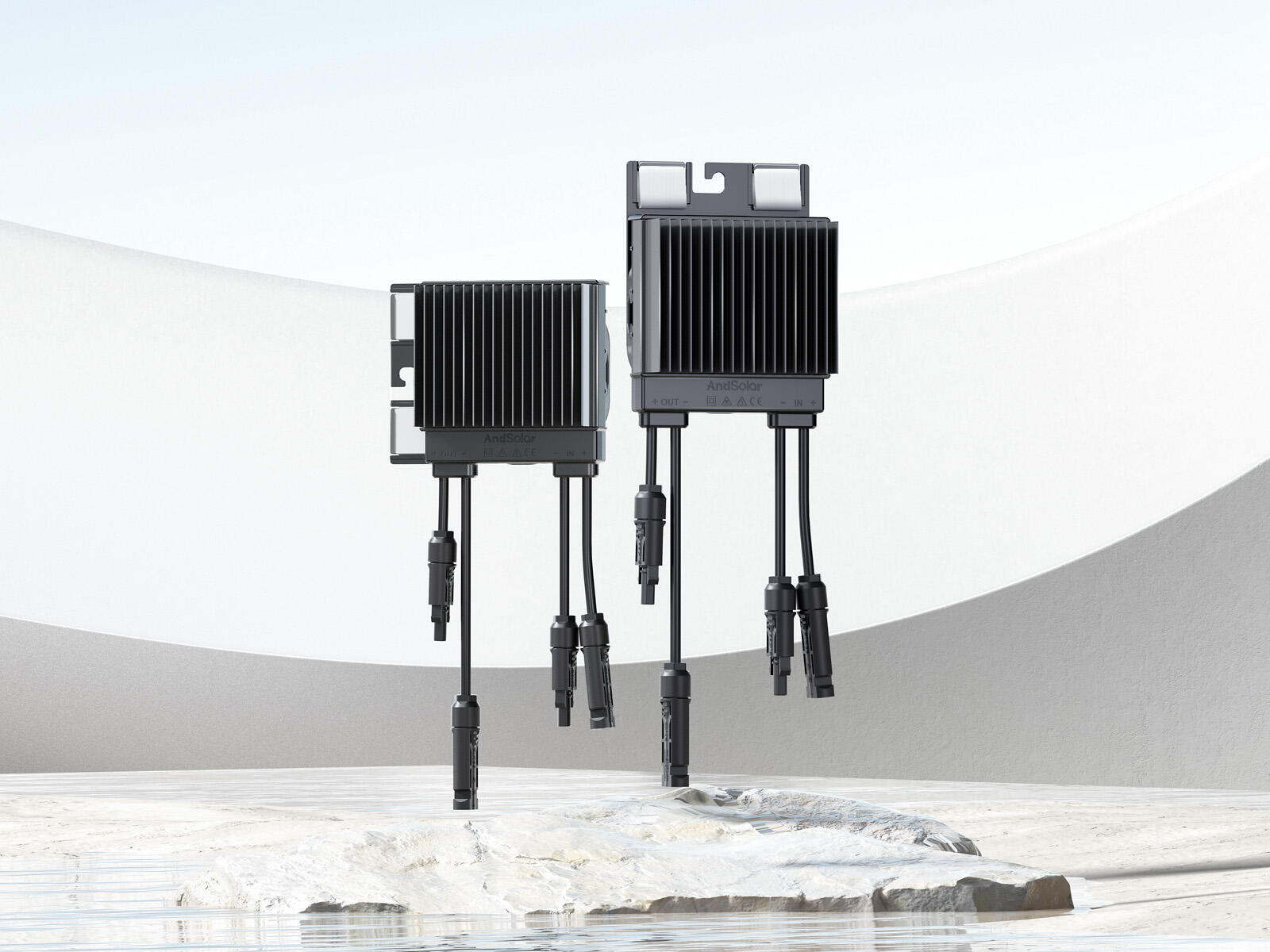
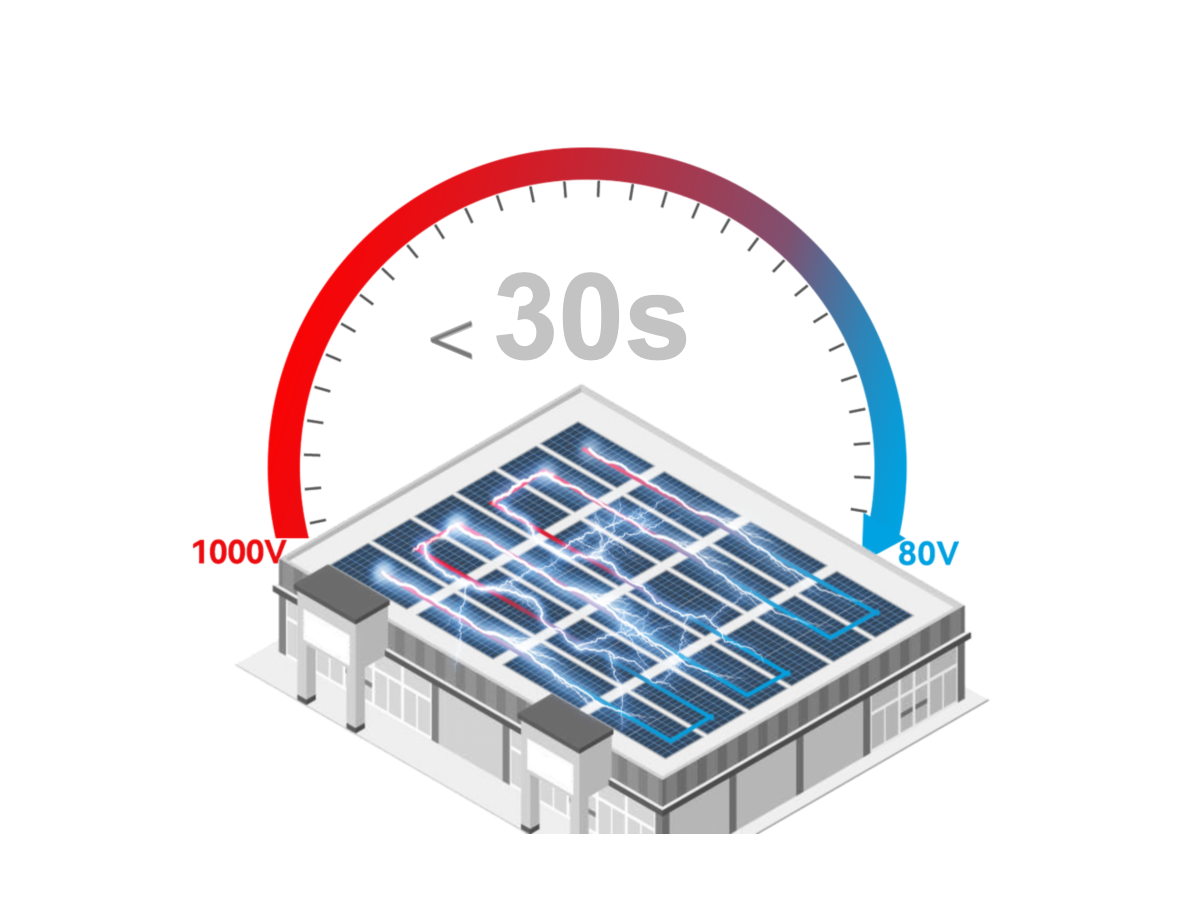
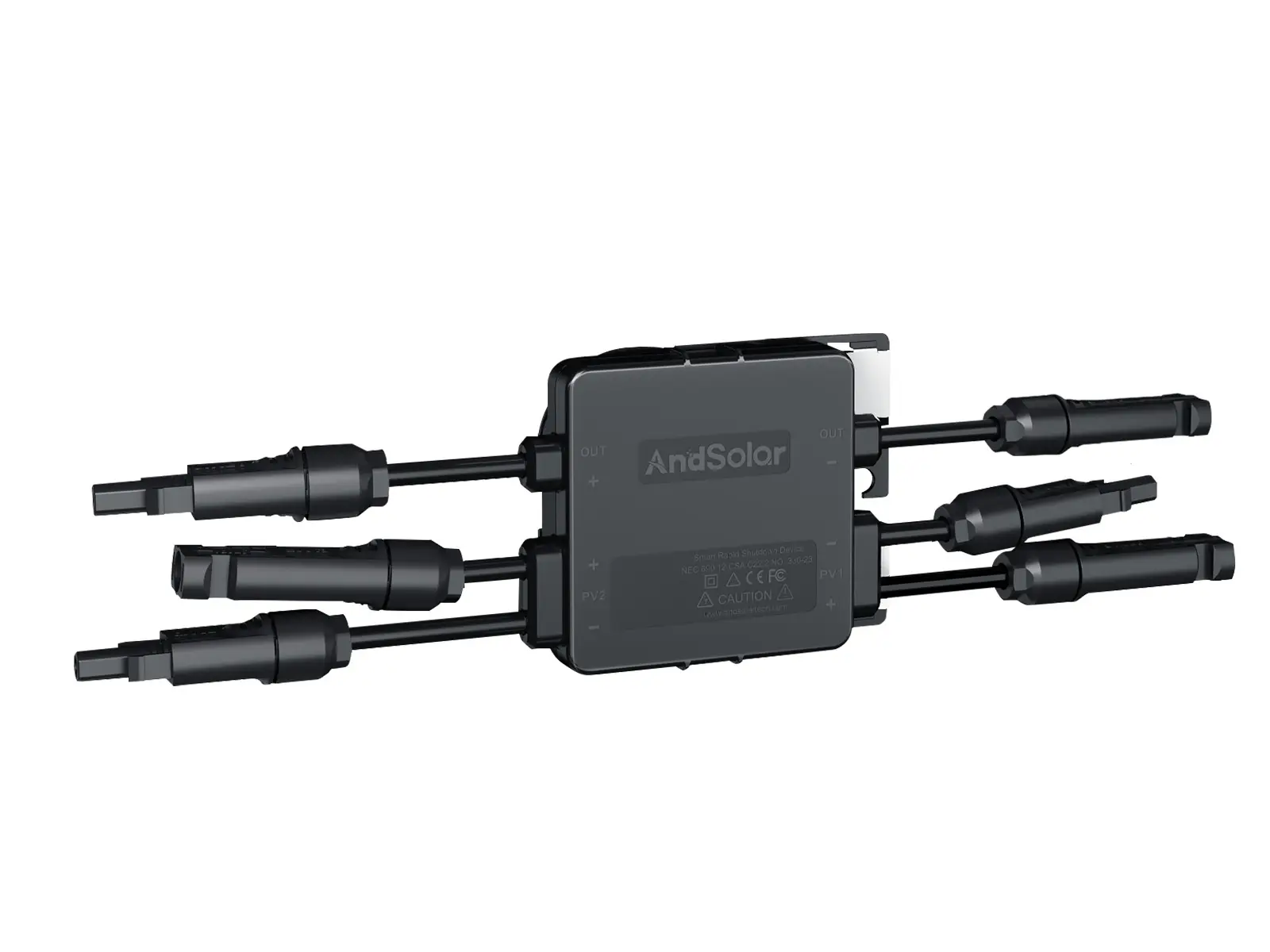
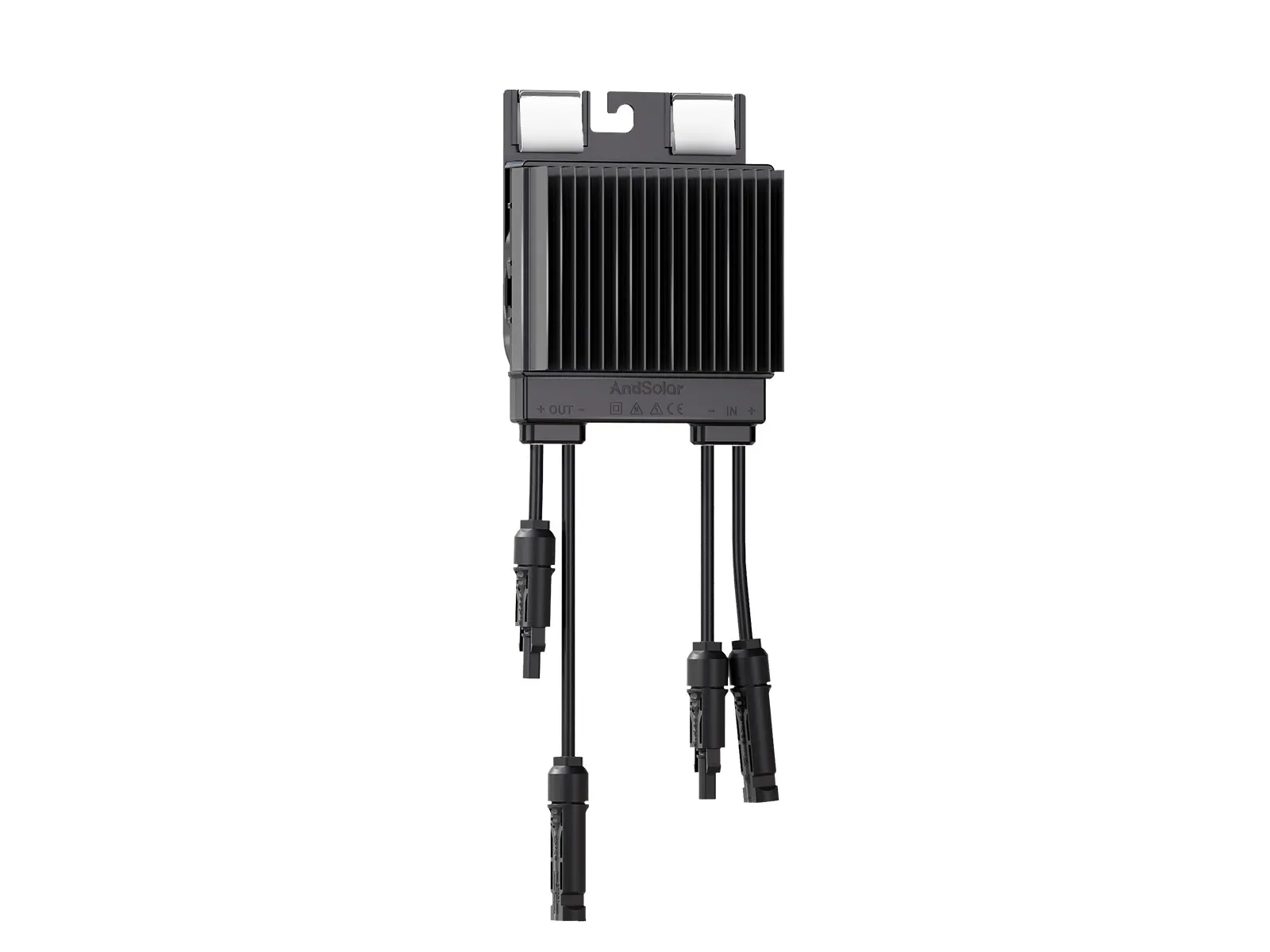
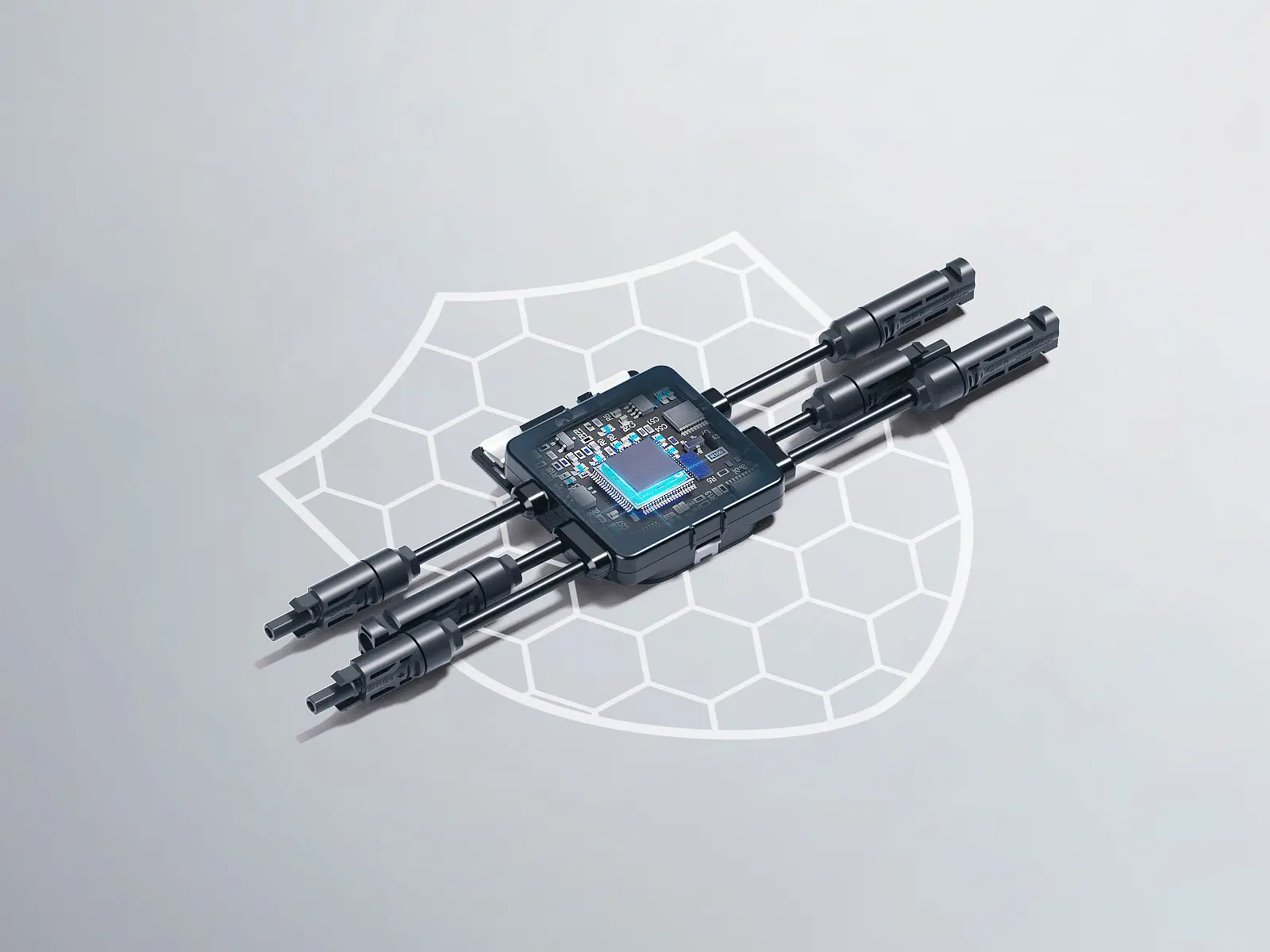
The Philippines rapid shutdown regulation represents a groundbreaking advancement in electrical safety standards, specifically designed to enhance protection protocols for solar photovoltaic systems and other electrical installations across the archipelago. This comprehensive regulatory framework establishes mandatory requirements for rapid shutdown devices that can immediately disconnect electrical circuits during emergency situations, maintenance procedures, or fire suppression activities. The Philippines rapid shutdown regulation incorporates cutting-edge technological specifications that ensure electrical systems can be safely de-energized within seconds of activation, significantly reducing risks to emergency responders, maintenance personnel, and property owners. The regulation mandates that all qualifying electrical installations must integrate rapid shutdown mechanisms capable of reducing conductor voltage to safe levels within ten seconds of initiation. Key technological features include advanced communication protocols that enable remote activation, built-in monitoring systems that provide real-time status updates, and fail-safe mechanisms that automatically engage during system malfunctions. The Philippines rapid shutdown regulation applies to residential, commercial, and industrial solar installations exceeding specific power thresholds, ensuring comprehensive coverage across diverse market segments. Implementation involves sophisticated control units that interface with existing electrical infrastructure, utilizing both wired and wireless communication methods to ensure reliable operation under various environmental conditions. The regulation emphasizes compatibility with international safety standards while addressing unique geographical and climatic challenges prevalent throughout the Philippines. Modern rapid shutdown systems feature weatherproof enclosures, corrosion-resistant components, and enhanced durability specifications tailored for tropical environments. Applications extend beyond solar installations to include energy storage systems, electric vehicle charging stations, and other distributed energy resources that require emergency shutdown capabilities for optimal safety performance.
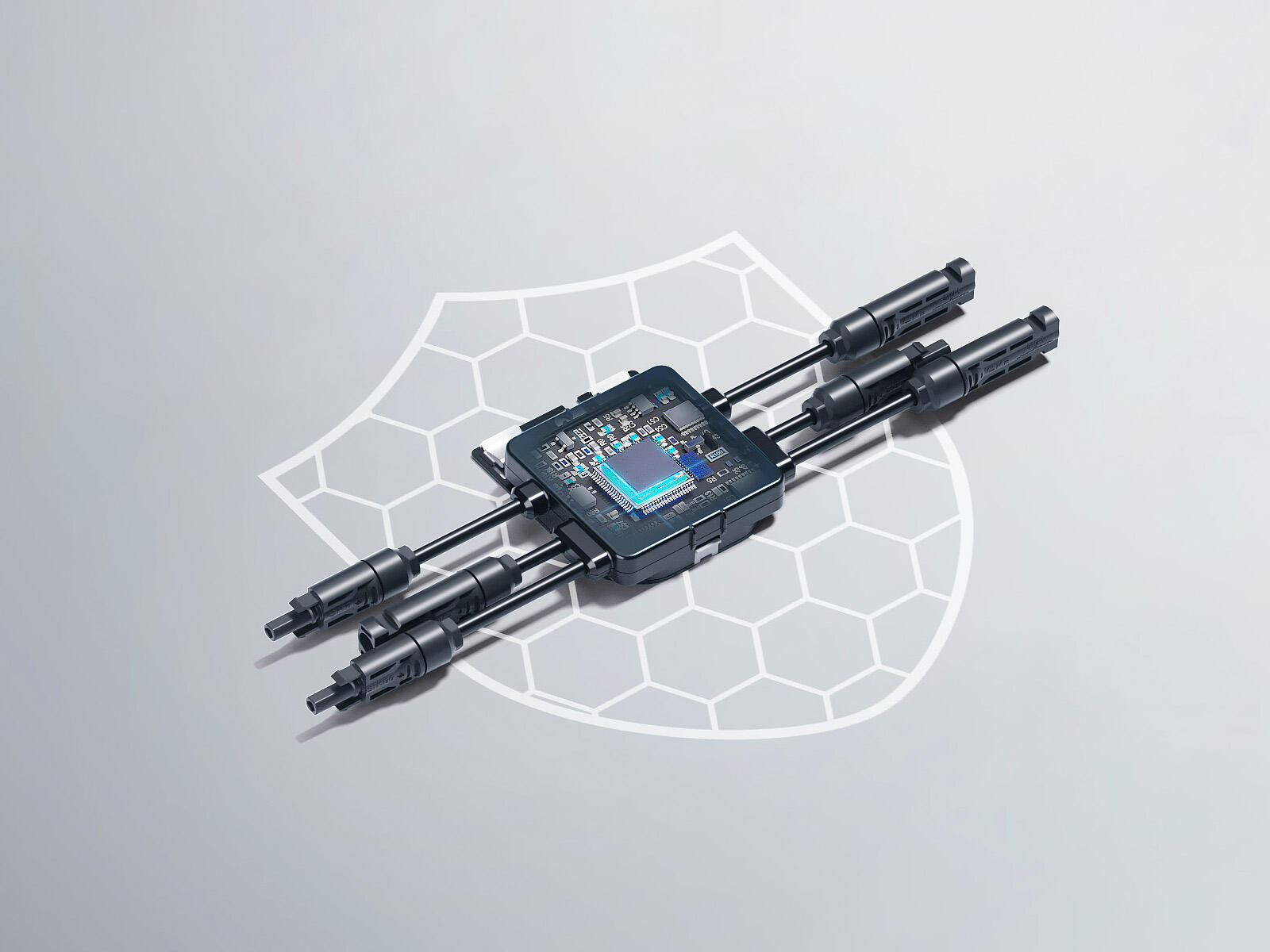
The Philippines rapid shutdown regulation delivers exceptional safety benefits that directly protect lives and property investments throughout the country. Emergency responders gain immediate access to safer working conditions when rapid shutdown systems activate automatically during fire suppression or rescue operations. This critical safety enhancement reduces electrical hazards by up to ninety percent, allowing firefighters and paramedics to perform their duties without fear of electrical shock or electrocution. Property owners experience significant insurance premium reductions when their installations comply with Philippines rapid shutdown regulation standards, as insurance companies recognize the decreased risk profile associated with these advanced safety systems. The regulation ensures that electrical systems shut down rapidly during natural disasters, preventing potential fire hazards that could devastate communities during typhoons, earthquakes, or flooding events. Maintenance technicians benefit from enhanced workplace safety through simplified procedures that eliminate dangerous live-wire situations during routine inspections and repairs. The Philippines rapid shutdown regulation promotes faster emergency response times because first responders can immediately begin operations without waiting for manual electrical disconnection procedures. System owners enjoy increased equipment longevity as rapid shutdown mechanisms prevent damage from electrical surges, lightning strikes, and grid disturbances that commonly affect tropical installations. Compliance with the regulation enhances property values by demonstrating commitment to modern safety standards that potential buyers increasingly demand. The standardized approach reduces installation complexity and training requirements for electrical contractors, leading to lower labor costs and faster project completion timelines. Financial institutions offer preferential lending terms for projects that incorporate Philippines rapid shutdown regulation compliance, recognizing the reduced risk associated with these safety-enhanced installations. Grid operators benefit from improved system stability as rapid shutdown devices prevent cascading failures during emergency situations. The regulation facilitates easier integration with smart grid technologies, enabling automated responses to grid disturbances and optimizing overall electrical system performance across the Philippines energy infrastructure.

New Product Releases

Advanced Emergency Response Integration

Advanced Emergency Response Integration

The Philippines rapid shutdown regulation establishes unprecedented emergency response integration capabilities that revolutionize how first responders interact with electrical installations during critical situations. This sophisticated integration system features direct communication links between rapid shutdown devices and emergency dispatch centers, enabling immediate remote activation when emergency personnel arrive at incident scenes. The regulation mandates installation of clearly marked shutdown controls at easily accessible locations, allowing firefighters and paramedics to quickly identify and operate safety systems without requiring specialized electrical knowledge. Advanced notification systems automatically alert emergency services when rapid shutdown events occur, providing crucial situational awareness that enhances response coordination and personnel safety. The Philippines rapid shutdown regulation requires integration with building automation systems, ensuring that shutdown events trigger complementary safety measures such as emergency lighting activation, ventilation system adjustments, and security system notifications. Modern implementations include mobile app connectivity that allows authorized emergency personnel to remotely monitor and control rapid shutdown systems from their vehicles or command centers. The regulation emphasizes compatibility with existing emergency communication infrastructure, utilizing radio frequencies and cellular networks to maintain reliable connectivity during disaster scenarios when traditional communication methods may fail. Training programs mandated by the Philippines rapid shutdown regulation ensure that local emergency responders understand system operation procedures and can effectively utilize rapid shutdown capabilities during various emergency scenarios. The integration extends to hospital and critical facility installations where rapid shutdown systems coordinate with backup power systems to ensure uninterrupted operation of life-safety equipment during emergency situations. Advanced diagnostic capabilities provide real-time system health monitoring that prevents shutdown failures during critical moments when emergency response depends on reliable equipment operation.
Climate-Optimized Durability Standards

Climate-Optimized Durability Standards

The Philippines rapid shutdown regulation incorporates specially developed durability standards that address the unique environmental challenges presented by tropical climate conditions throughout the archipelago. These enhanced specifications require rapid shutdown devices to withstand extreme humidity levels exceeding ninety percent, salt-air corrosion from coastal environments, and temperature fluctuations ranging from intense solar heating to monsoon cooling cycles. The regulation mandates advanced corrosion protection using marine-grade materials and specialized coating technologies that prevent degradation in harsh coastal conditions where many solar installations operate. Wind resistance requirements ensure that rapid shutdown systems maintain functionality during typhoon events with sustained winds exceeding two hundred kilometers per hour, providing critical safety capabilities when extreme weather threatens electrical infrastructure. The Philippines rapid shutdown regulation establishes stringent waterproofing standards that protect internal electronics from monsoon flooding and storm surge events that regularly impact low-lying installation areas. UV protection specifications prevent plastic degradation and electronic component failure under intense tropical sunlight that can reach extreme levels throughout the year. Thermal management systems required by the regulation include passive cooling designs and temperature compensation circuits that maintain reliable operation despite extreme heat conditions common in Philippine installations. The durability standards extend to mounting hardware and electrical connections, requiring stainless steel components and sealed junction boxes that resist moisture infiltration and thermal expansion stresses. Quality assurance programs mandated by the Philippines rapid shutdown regulation include accelerated aging tests that simulate decades of tropical exposure within months, ensuring long-term reliability before product approval. Field monitoring requirements provide ongoing performance verification that identifies potential durability issues before they compromise safety system operation. The regulation promotes use of locally sourced materials that demonstrate proven performance in Philippine environmental conditions, supporting domestic manufacturing while ensuring optimal product suitability for local climate challenges.
Comprehensive Grid Stability Enhancement

Comprehensive Grid Stability Enhancement

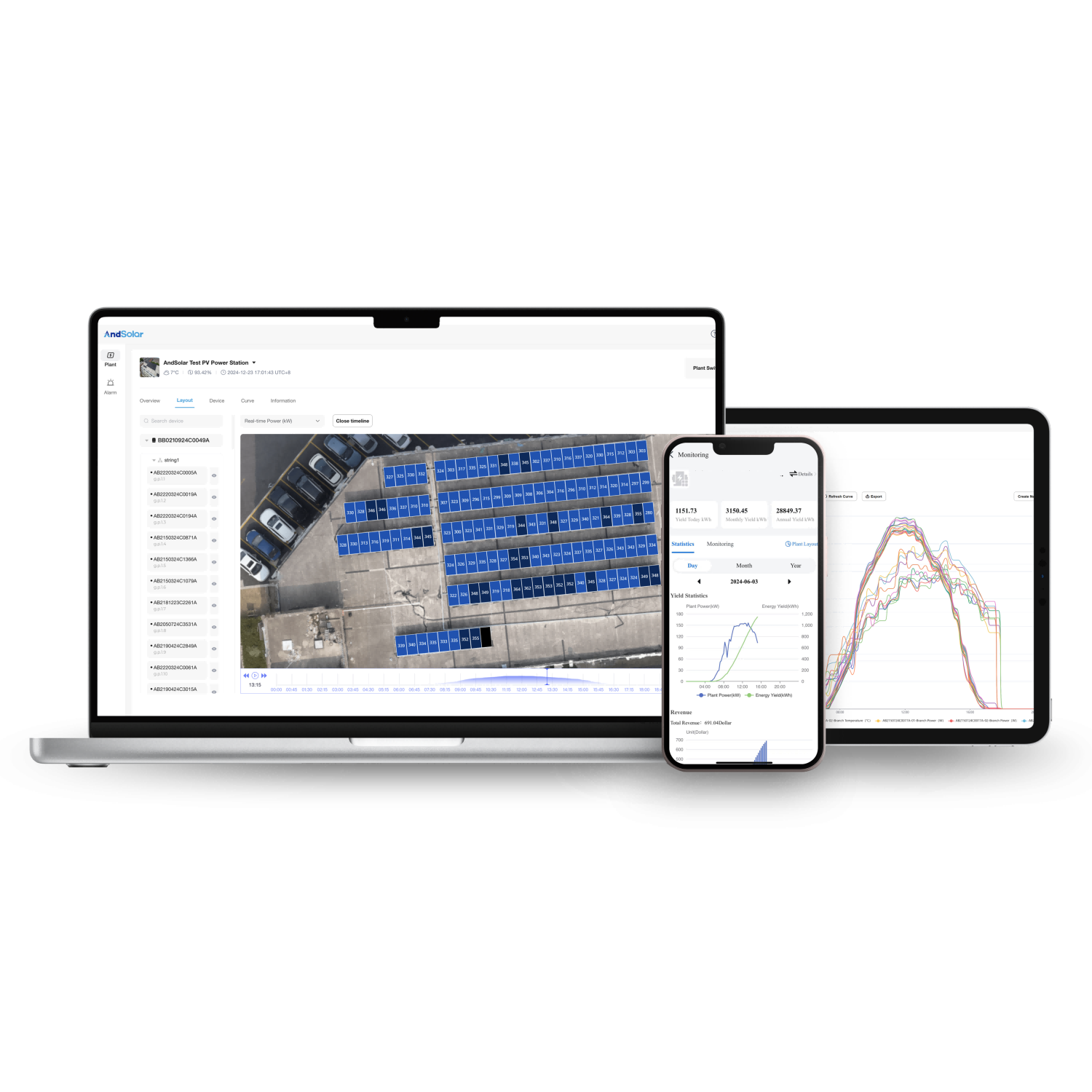
The Philippines rapid shutdown regulation delivers remarkable grid stability enhancement benefits that strengthen electrical infrastructure resilience across the entire national power system. This comprehensive approach requires rapid shutdown systems to coordinate with grid protection devices, preventing cascade failures that could affect multiple distribution circuits during emergency disconnection events. The regulation mandates communication protocols that enable rapid shutdown devices to receive grid status information and automatically adjust response times based on current system conditions, optimizing both safety and grid stability objectives. Advanced load management capabilities integrated into Philippines rapid shutdown regulation compliance help utilities maintain power quality during partial system shutdowns by providing precise control over distributed generation disconnection sequences. The regulation requires rapid shutdown systems to support islanding prevention mechanisms that protect utility workers during grid maintenance operations while allowing continued operation of isolated microgrid systems where appropriate. Frequency and voltage monitoring capabilities mandated by the Philippines rapid shutdown regulation enable early detection of grid disturbances that could threaten system stability, providing automatic protective responses before problems escalate. The comprehensive framework includes requirements for data logging and remote monitoring that allow utility operators to analyze shutdown events and optimize grid protection coordination strategies. Integration with smart meter infrastructure enables bidirectional communication between rapid shutdown systems and utility control centers, providing real-time visibility into distributed system status and performance metrics. The Philippines rapid shutdown regulation promotes standardized communication protocols that ensure interoperability between equipment from different manufacturers, preventing compatibility issues that could compromise grid stability during emergency situations. Predictive maintenance capabilities required by the regulation help identify potential equipment failures before they occur, reducing unexpected outages that could destabilize grid operations. The regulation establishes performance metrics and reporting requirements that enable continuous improvement of grid protection strategies based on actual field experience with rapid shutdown system deployments throughout the Philippines electrical infrastructure network.

Get a Free Quote

Our representative will contact you soon.
Name
Email
Phone/ WhatsApp
Company Name
Product Selection
Message
0/1000

philippines rapid shutdown regulation

Tips And Tricks

How to choose the rapid shutdown device for your solar installation

21

Jul

How to choose the rapid shutdown device for your solar installation

Making the Right Safety Choice for Solar Installations As solar energy adoption continues to rise in both residential and commercial sectors, safety considerations are becoming a top priority during system design and installation. One of the most cr...
View More
Why rapid shutdown device necessary for PV system

21

Jul

Why rapid shutdown device necessary for PV system

Enhancing Solar Safety through Smart Shutdown Solutions The solar industry has evolved tremendously over the past decade, with increasing attention not only to efficiency and performance but also to safety and regulatory compliance. One of the most ...
View More
Module-level power electronics (MLPE) roles in PV systems

21

Jul

Module-level power electronics (MLPE) roles in PV systems

Enhancing Solar Energy Efficiency Through Module-Level Innovations In the evolution of solar energy systems, the demand for improved efficiency, safety, and monitoring capabilities has driven the emergence of module-level technologies that fundament...
View More
The Comparison Between Module-Level Rapid Shutdown Devices and String-Level Rapid Shutdown Devices

13

Aug

The Comparison Between Module-Level Rapid Shutdown Devices and String-Level Rapid Shutdown Devices

Advancing Solar Safety Through Modern Shutdown Solutions In the evolving solar energy industry, system safety and compliance with regulations are crucial for long-term performance. Rapid shutdown devices have become a standard requirement in many reg...
View More

Get a Free Quote

Our representative will contact you soon.
Name
Email
Phone/ WhatsApp
Company Name
Product Selection
Message
0/1000