malaysia rapid shutdown regulation
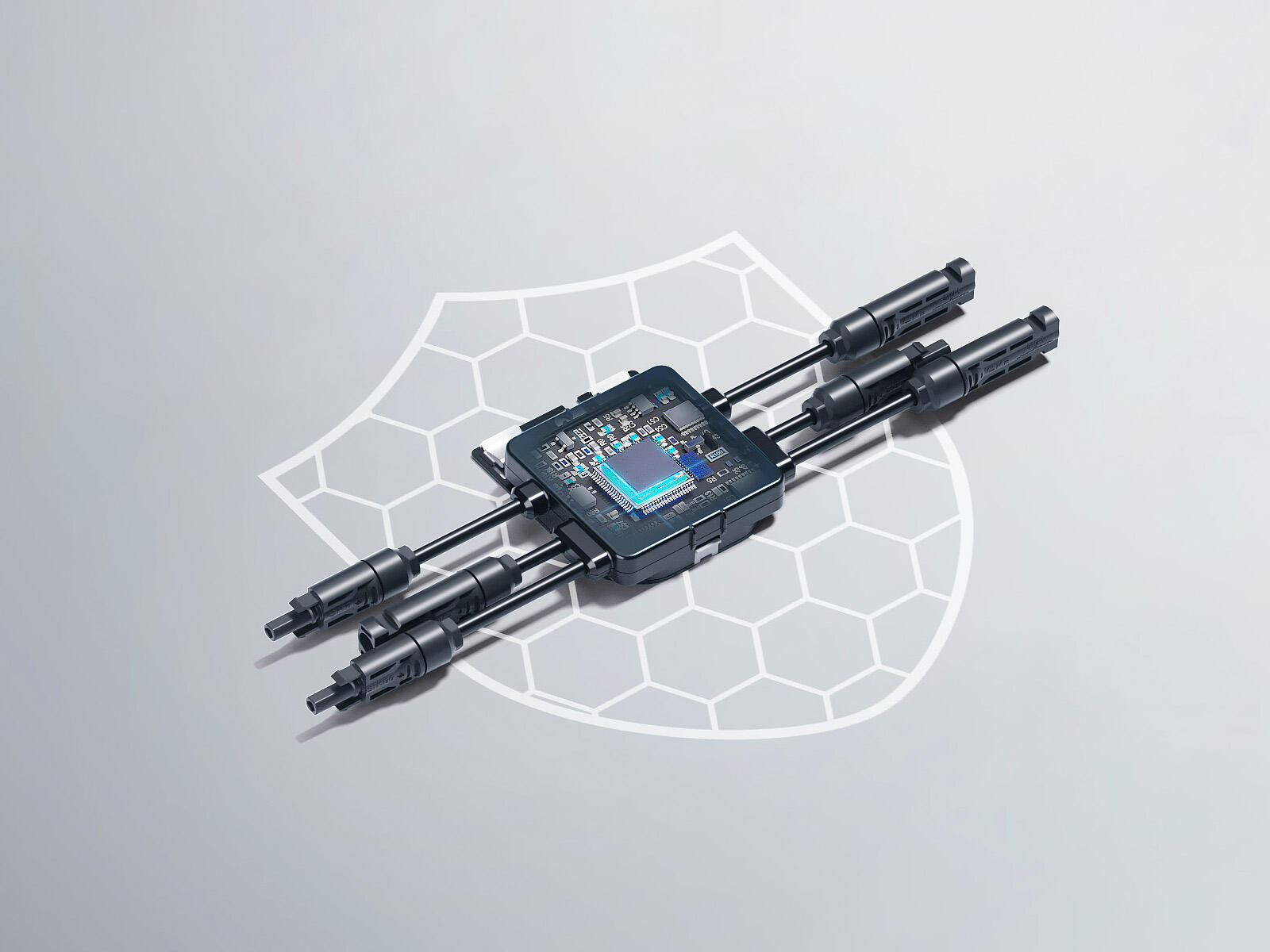
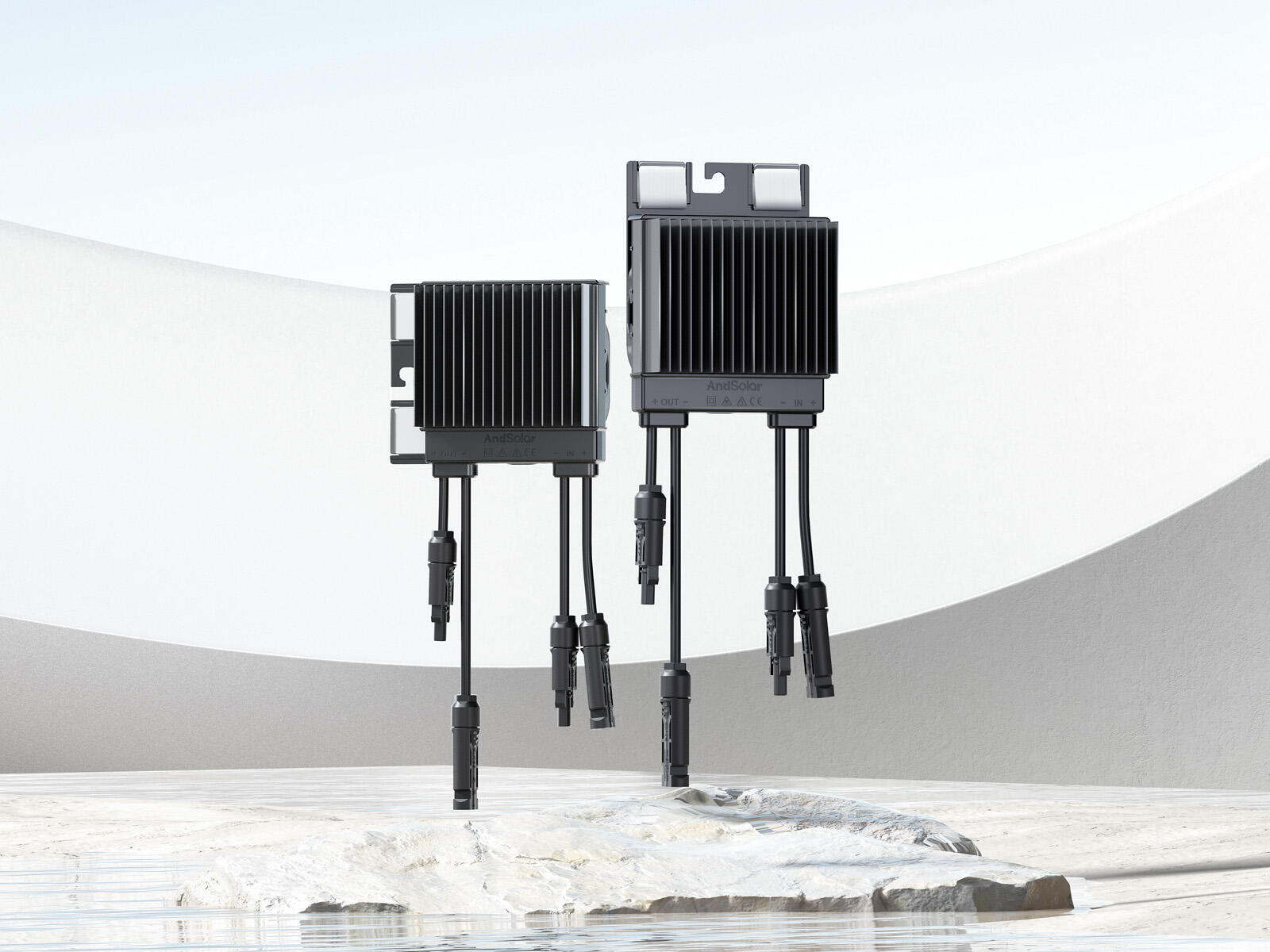
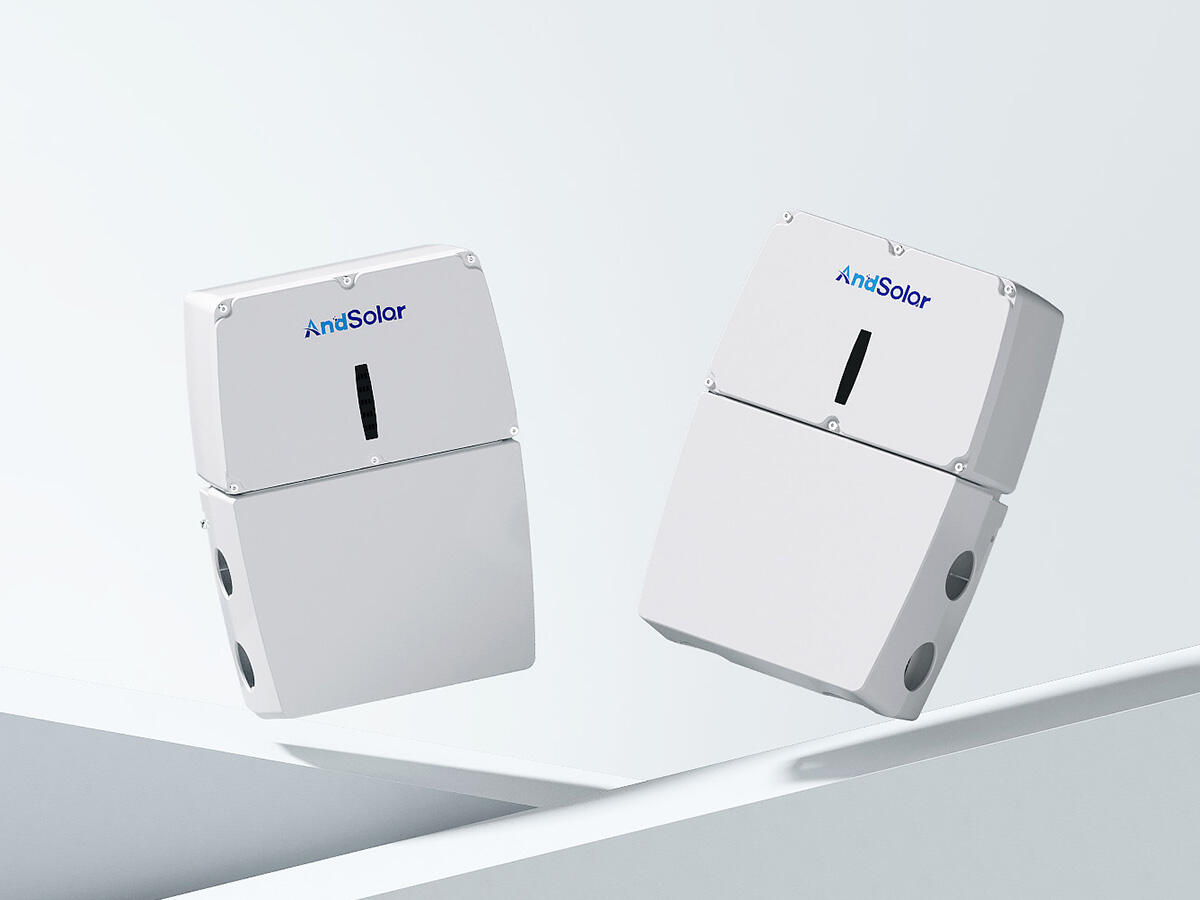
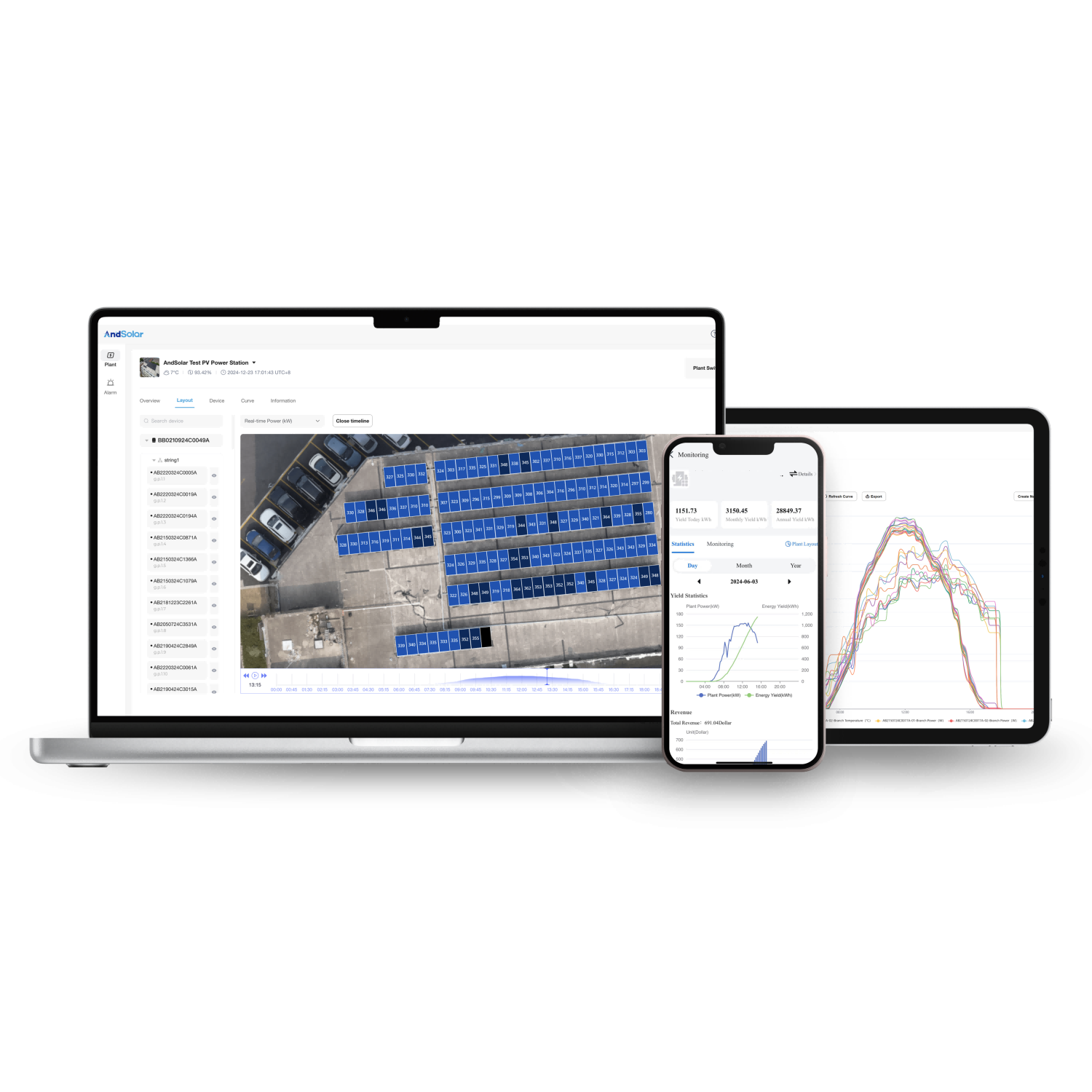
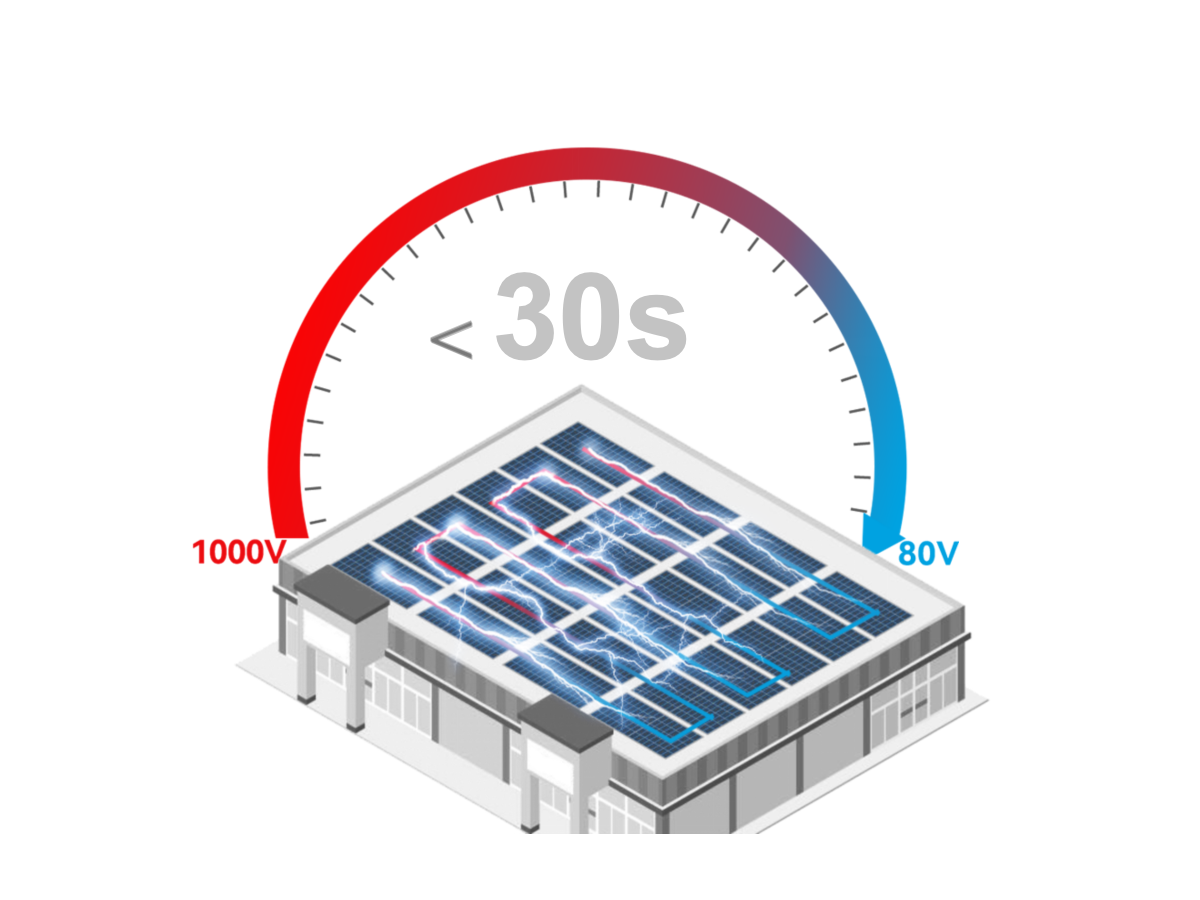
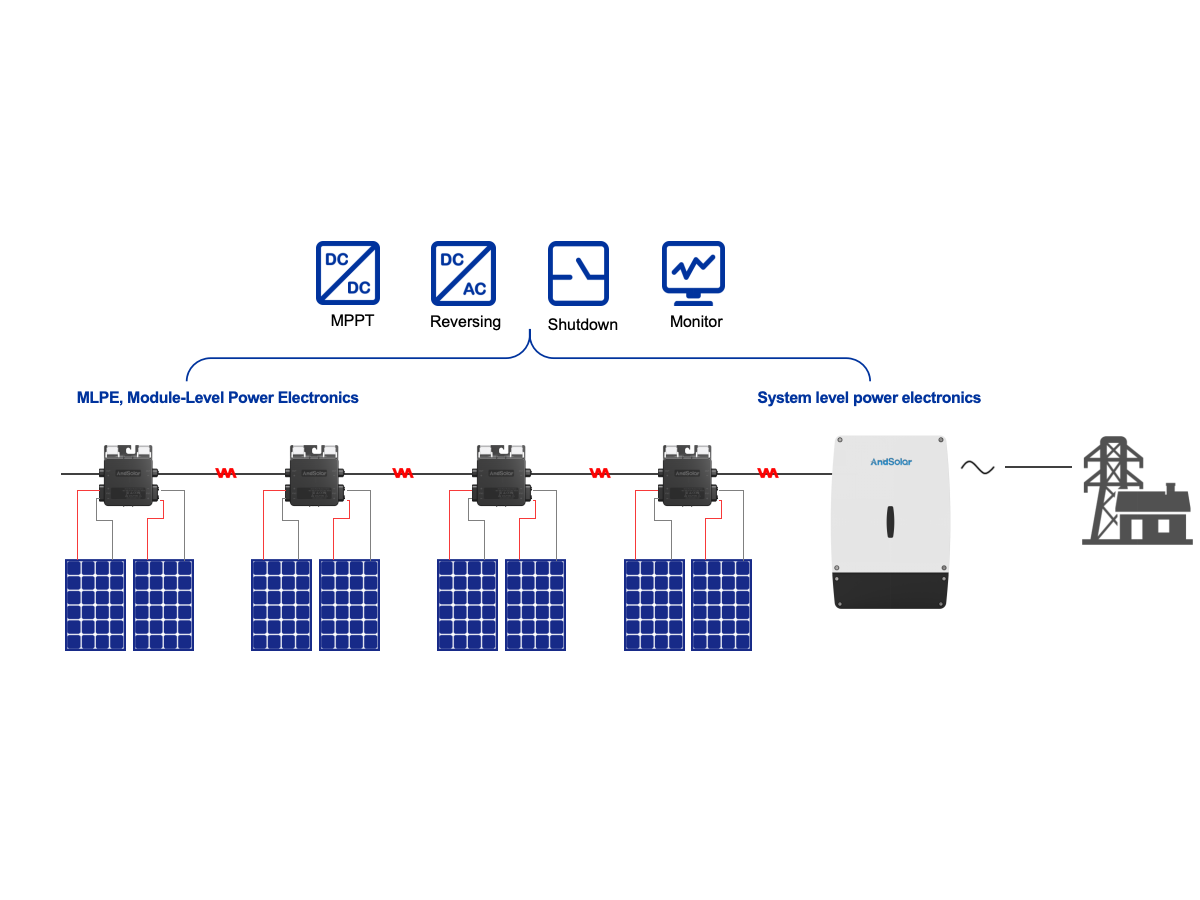
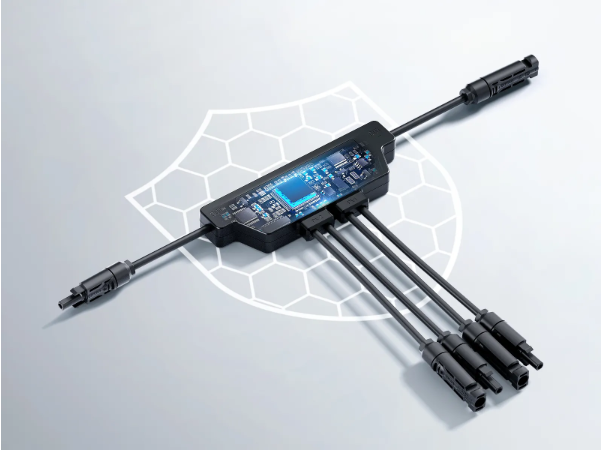
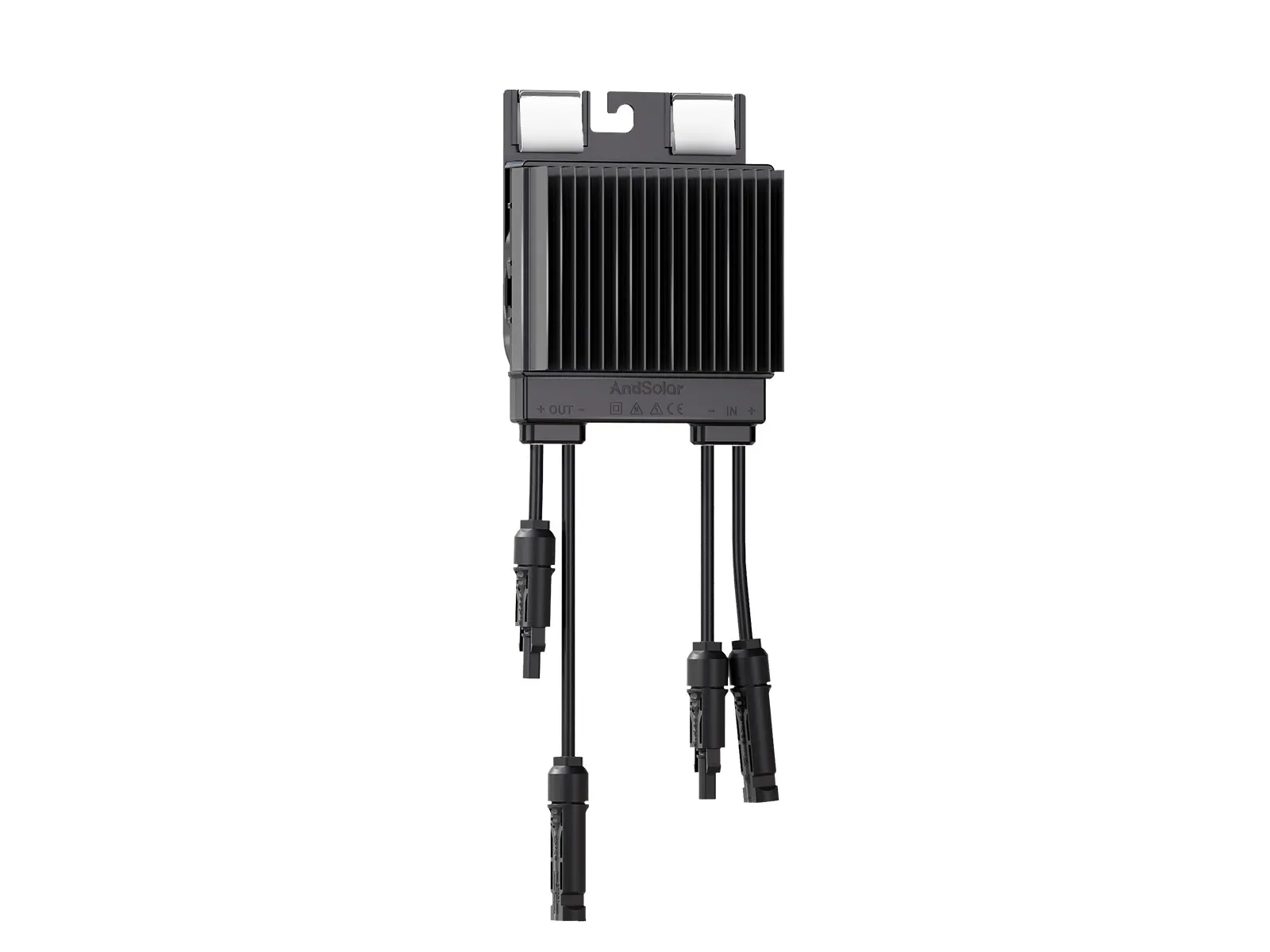
The malaysia rapid shutdown regulation represents a comprehensive safety framework designed to enhance the protection of solar photovoltaic installations throughout Malaysia. This critical regulation mandates the implementation of rapid shutdown devices and systems in solar energy installations to ensure the safety of emergency responders, maintenance personnel, and the general public. The malaysia rapid shutdown regulation establishes specific requirements for how quickly solar systems must be de-energized when necessary, typically requiring shutdown within 30 seconds of activation. The regulation applies to both residential and commercial solar installations, ensuring consistent safety standards across all sectors of the renewable energy industry. Key technological features of the malaysia rapid shutdown regulation include module-level power electronics integration, centralized shutdown controllers, and communication protocols that enable remote monitoring and control capabilities. These systems must be capable of reducing DC voltage to safe levels at both the module and system levels, preventing electrical hazards during emergencies or maintenance activities. The regulation specifies that rapid shutdown devices must be installed at strategic points throughout the solar array, including individual modules, combiner boxes, and inverter locations. Installation requirements under the malaysia rapid shutdown regulation encompass proper labeling, accessible shutdown switches, and integration with existing electrical safety systems. The regulation also addresses communication requirements between different system components, ensuring reliable and instantaneous response when shutdown commands are initiated. Applications of the malaysia rapid shutdown regulation extend beyond basic safety compliance, as it enables enhanced system diagnostics, improved maintenance procedures, and better integration with smart grid technologies. The regulation supports various deployment scenarios, from small residential rooftop installations to large-scale commercial and utility projects, providing scalable safety solutions that adapt to different system configurations and requirements while maintaining consistent protection standards.