ABNT NBR 17193: Comprehensive Energy Management Standard for Brazilian Industries and Commercial Facilities

  • 8F, Block B, Building 1, 286 Qinglonggang Road, Suzhou City, Jiangsu Province, P. R. China
  • [email protected]
AndSolar Cloud

ABNT NBR 17193

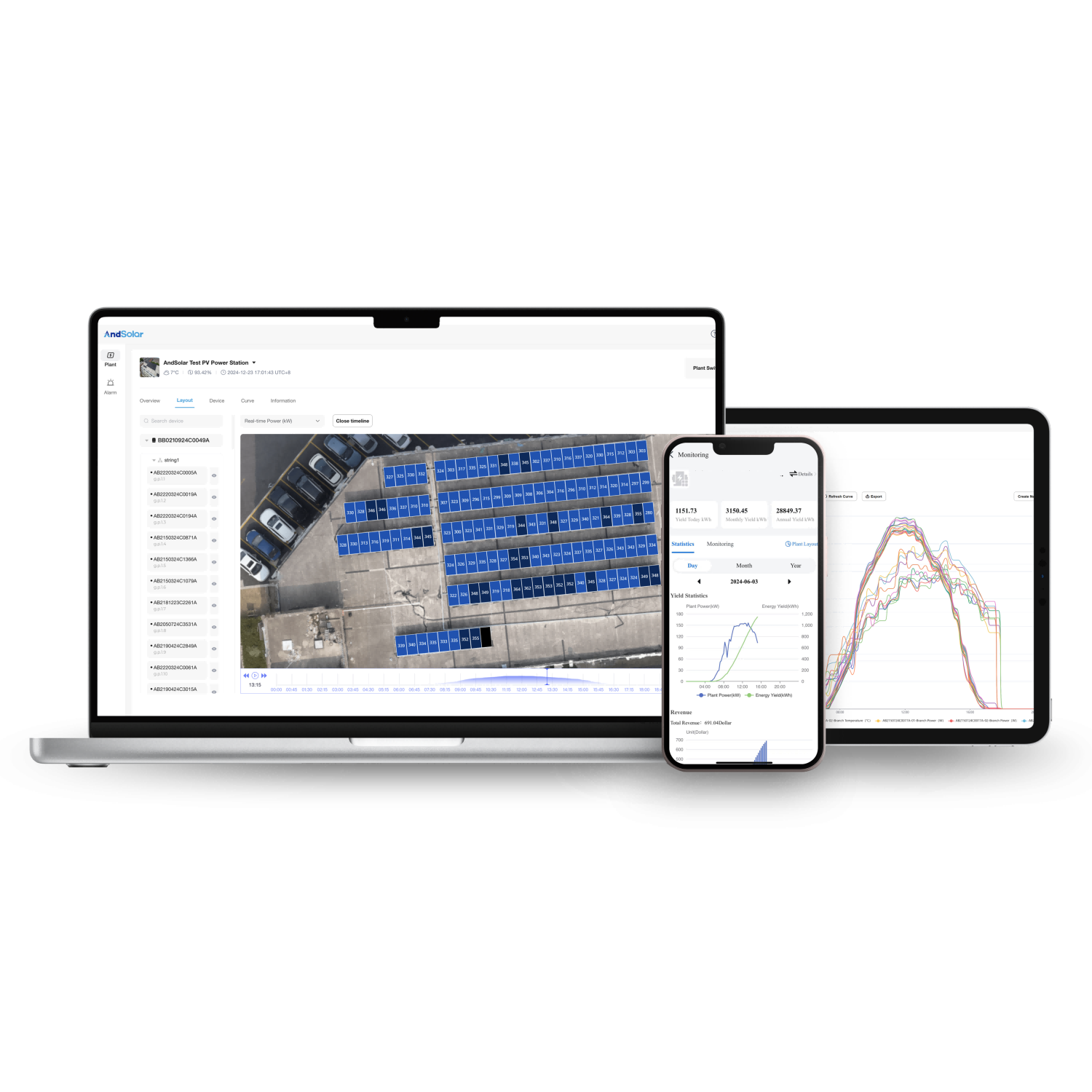
ABNT NBR 17193 represents a comprehensive Brazilian technical standard that establishes critical guidelines for energy management systems in industrial and commercial facilities. This standard serves as a fundamental framework for organizations seeking to optimize their energy consumption while maintaining operational efficiency and regulatory compliance. The ABNT NBR 17193 standard encompasses detailed protocols for energy monitoring, measurement methodologies, and performance evaluation criteria that enable businesses to achieve significant cost reductions and environmental sustainability goals. As a cornerstone document in Brazil's energy management landscape, ABNT NBR 17193 provides systematic approaches to energy auditing, consumption analysis, and efficiency improvement strategies. The standard incorporates advanced technological features including real-time monitoring capabilities, automated data collection systems, and comprehensive reporting mechanisms that facilitate informed decision-making processes. Organizations implementing ABNT NBR 17193 benefit from standardized procedures for energy baseline establishment, target setting, and continuous improvement cycles that drive measurable results. The technological architecture supporting ABNT NBR 17193 includes integration capabilities with existing building management systems, IoT sensors, and cloud-based analytics platforms. These features enable seamless data flow between various energy consumption points and central monitoring stations. The standard's applications span across manufacturing facilities, commercial buildings, healthcare institutions, educational establishments, and government facilities throughout Brazil. ABNT NBR 17193 addresses critical aspects of energy management including load forecasting, peak demand optimization, equipment efficiency assessment, and renewable energy integration strategies. The standard's comprehensive approach ensures that organizations can effectively track, analyze, and optimize their energy usage patterns while maintaining compliance with Brazilian energy regulations and international best practices for sustainability initiatives.

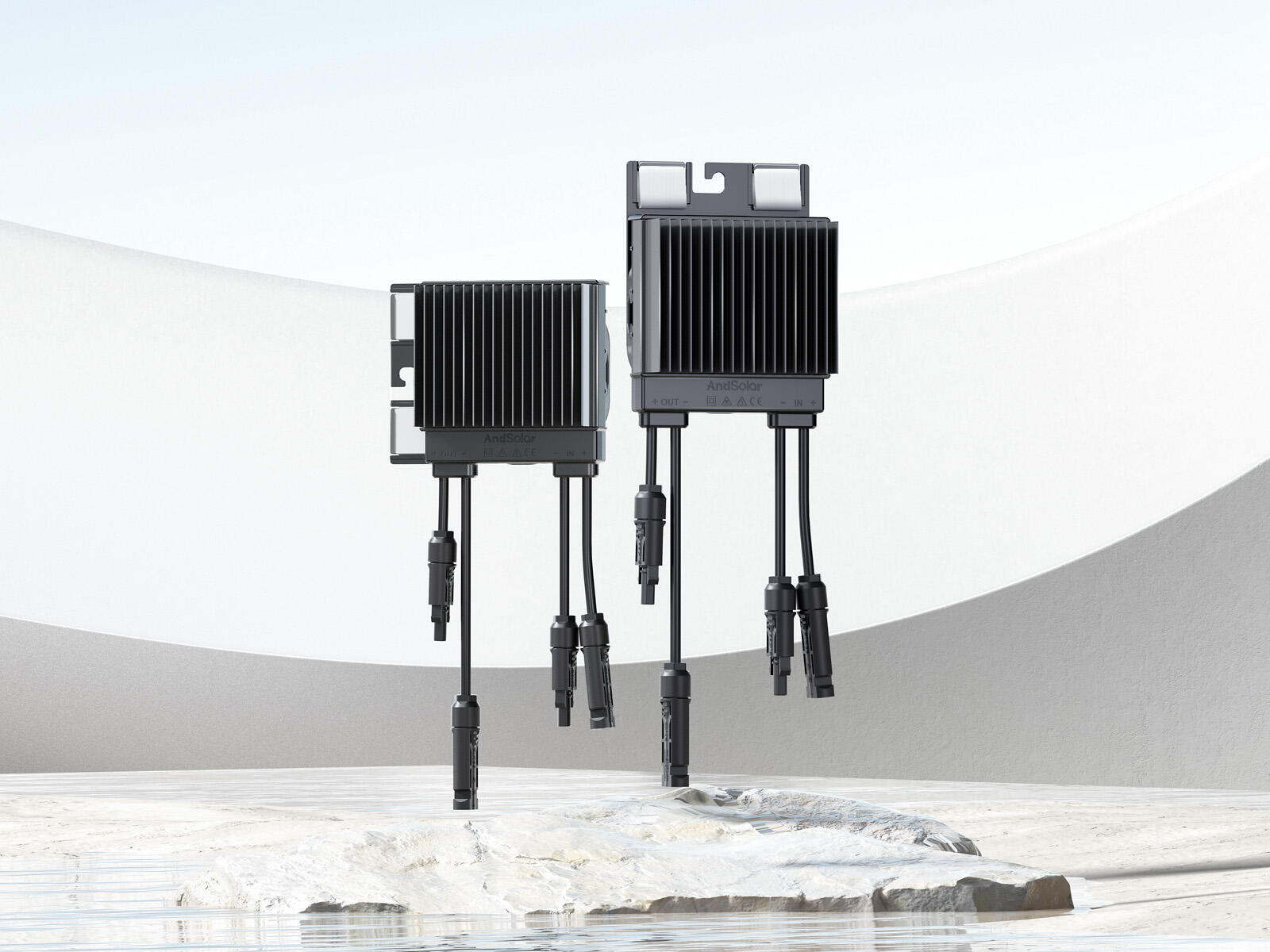
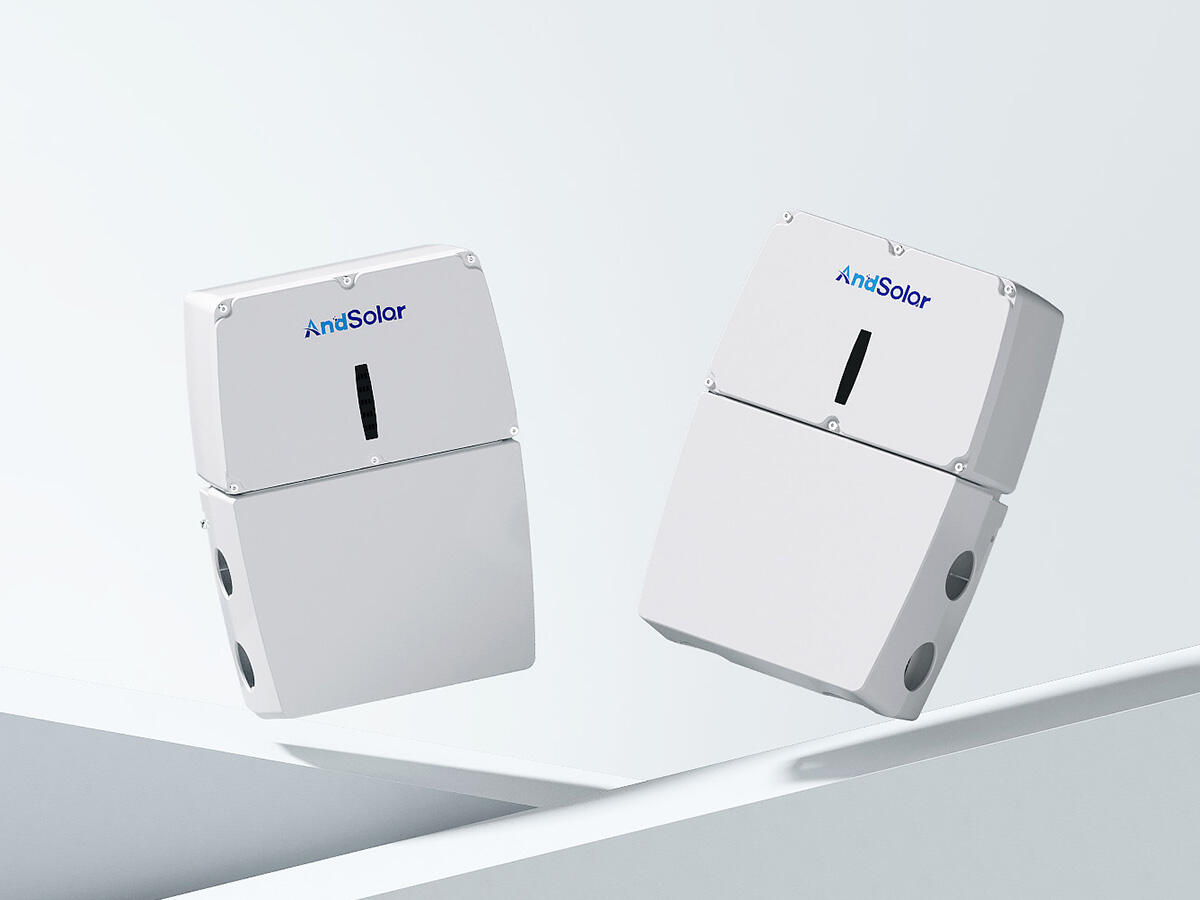
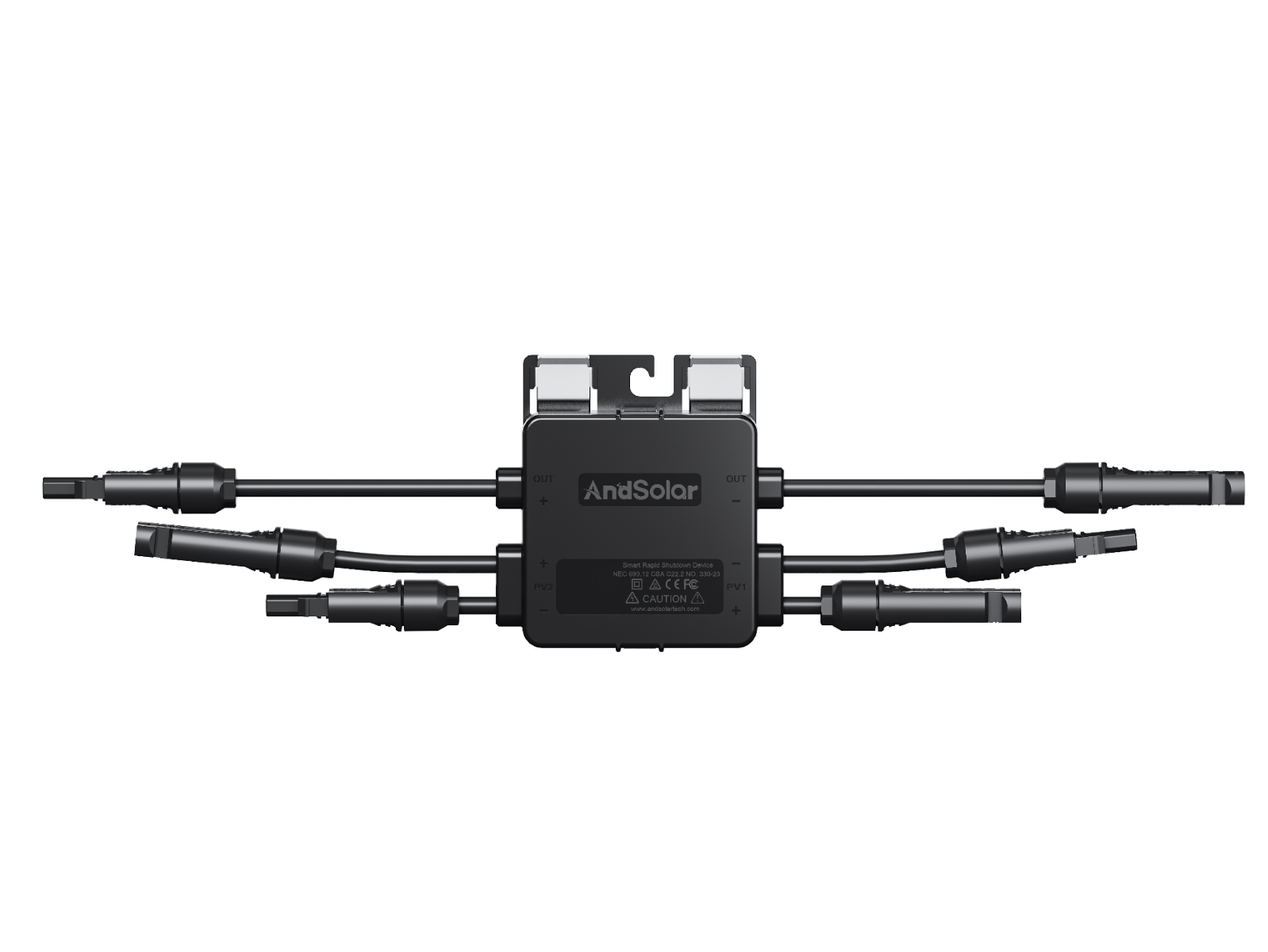
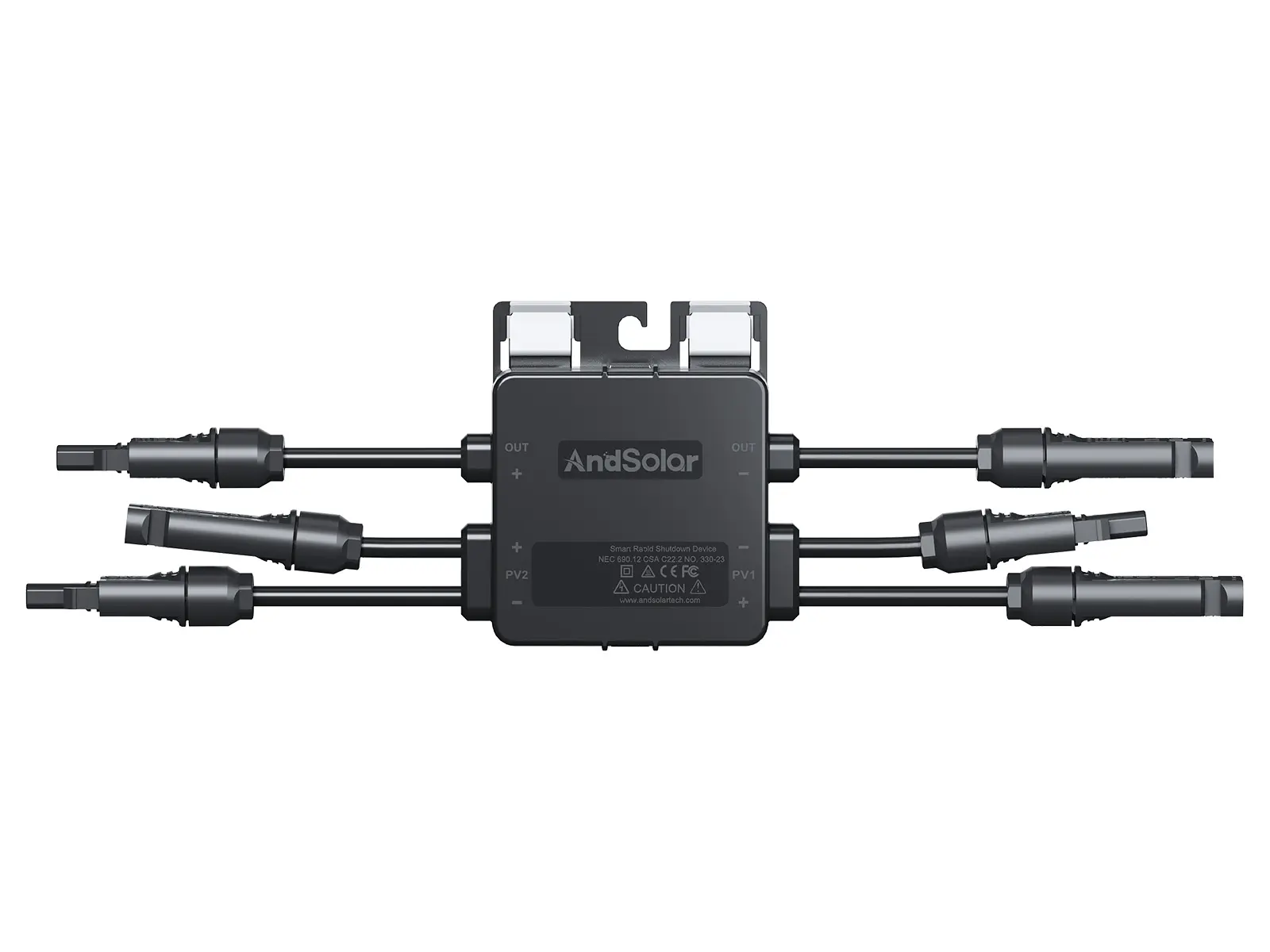
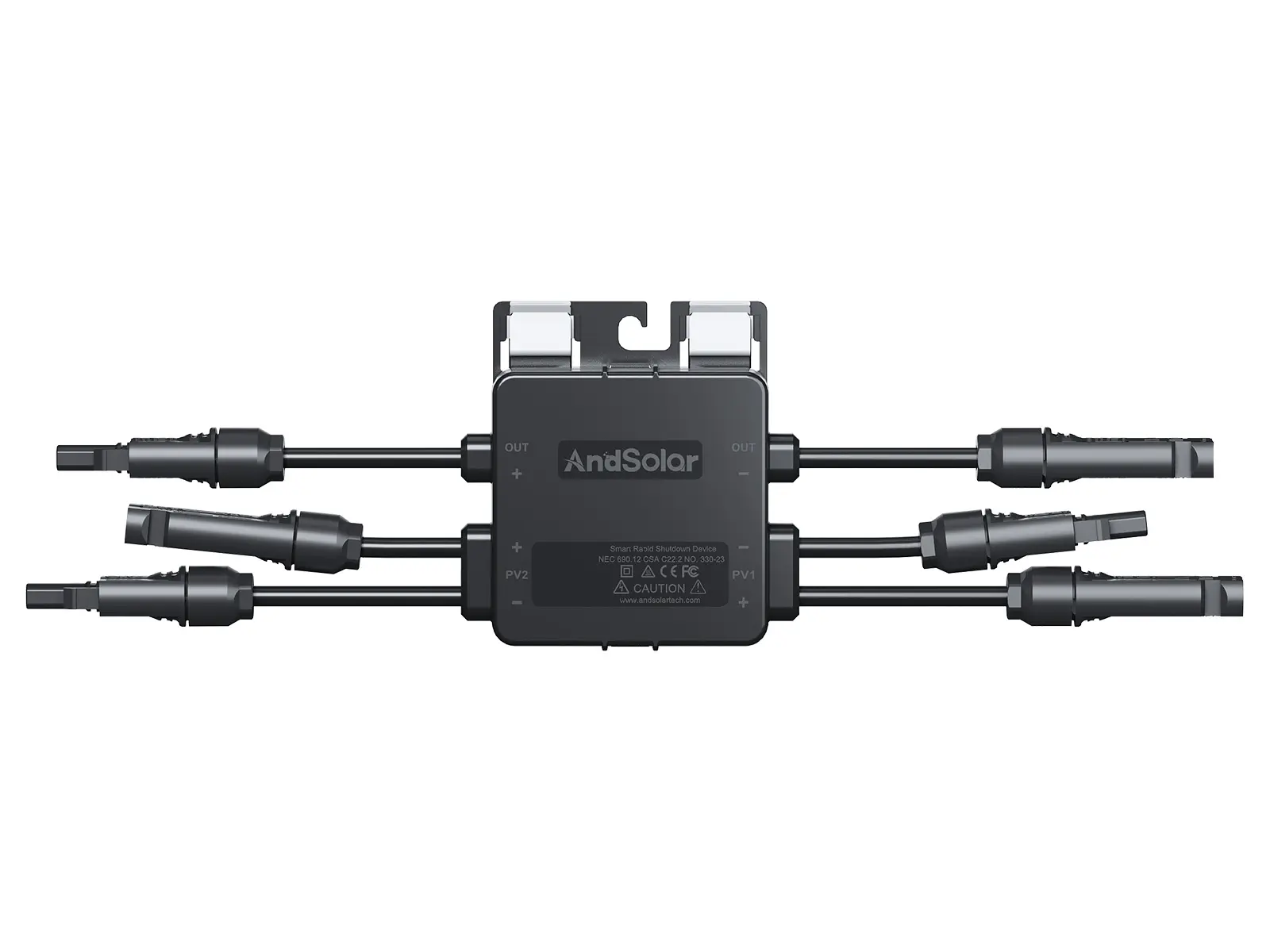
ABNT NBR 17193 provides important safety benefits for photovoltaic systems by supporting the implementation of rapid shutdown functions that quickly reduce DC voltage during emergency situations. Systems designed according to this standard improve safety for firefighters, installers, and maintenance personnel by enabling fast de-energization of PV conductors and equipment. Rapid shutdown solutions help ensure that hazardous voltage levels are reduced when the system is turned off, minimizing electrical risks during firefighting or maintenance activities.The use of compliant rapid shutdown equipment improves operational safety and simplifies system shutdown procedures in residential, commercial, and industrial solar installations. Installers benefit from clear safety guidelines when integrating module-level shutdown devices, controllers, and communication units into PV systems. Rapid shutdown technology also enhances maintenance conditions, allowing technicians to work on systems with reduced electrical risk.ABNT NBR 17193 supports safer solar system operation by promoting consistent shutdown performance and improved electrical protection. The integration of rapid shutdown devices with inverters and PV modules ensures that voltage levels are quickly reduced when shutdown is activated. These solutions contribute to safer installation, inspection, and servicing of photovoltaic systems while supporting the continued growth of solar energy adoption.

Popular Products

Comprehensive Real-Time Energy Monitoring and Analytics Platform

Comprehensive Real-Time Energy Monitoring and Analytics Platform

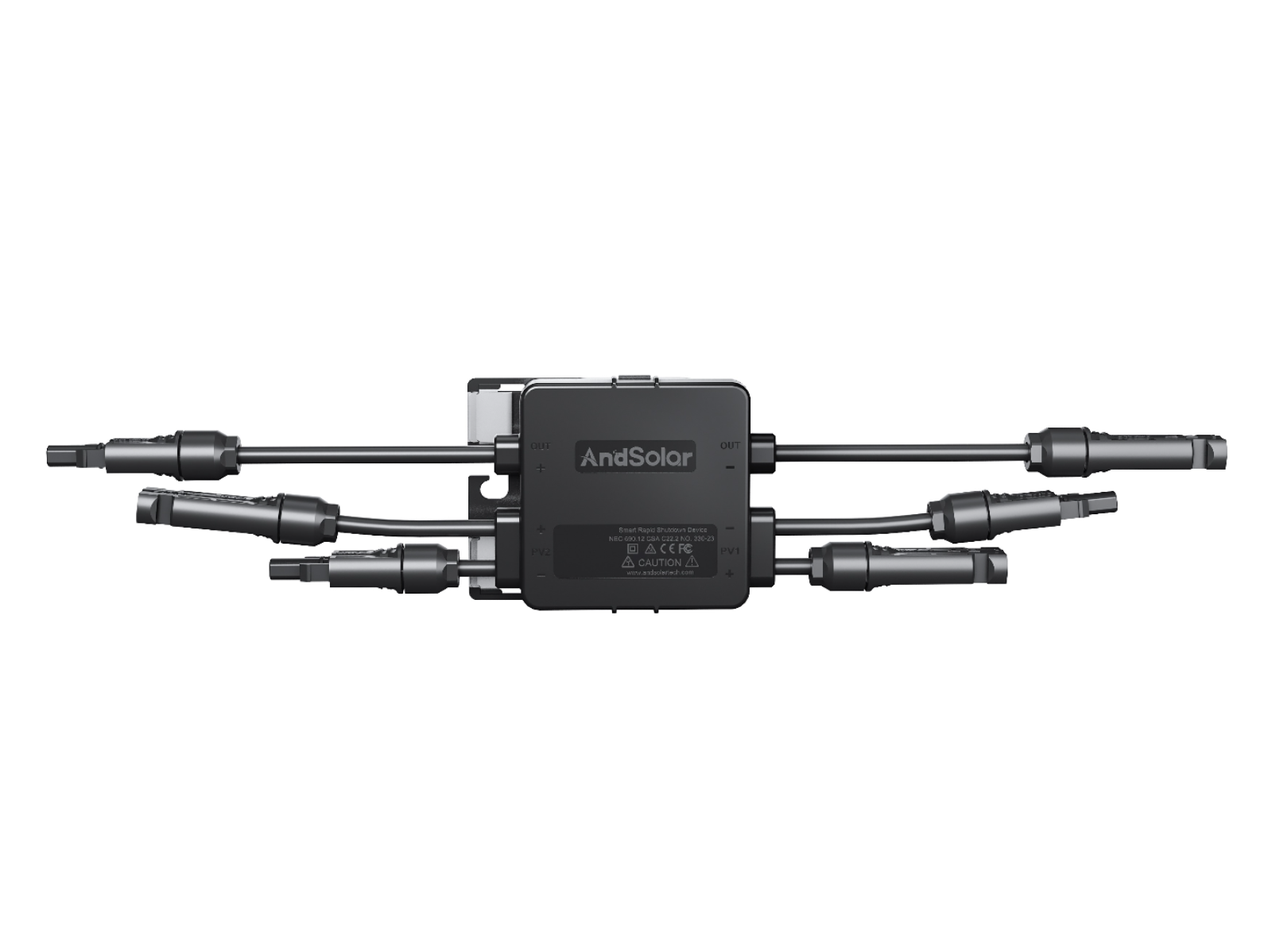
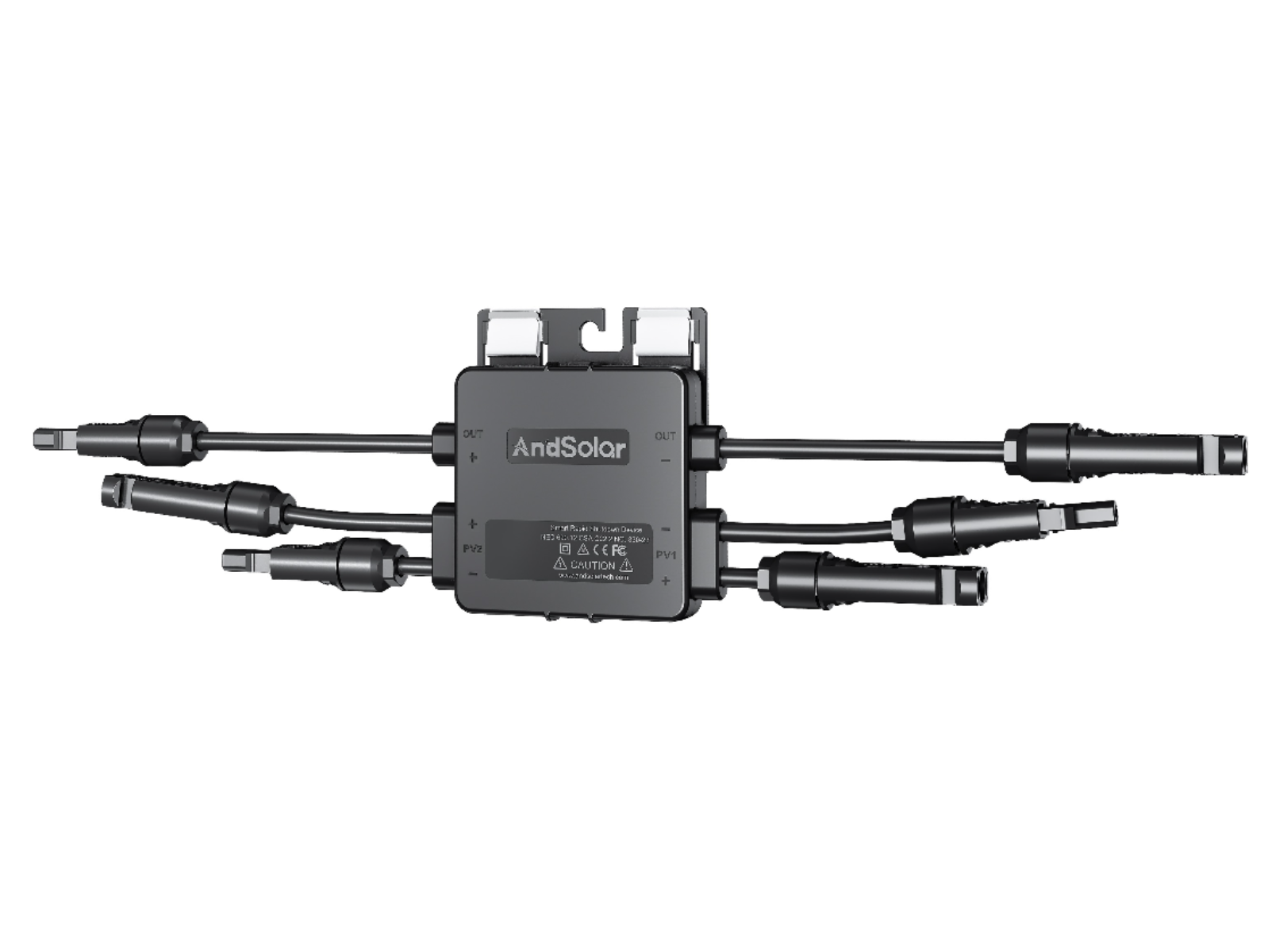
ABNT NBR 17193 defines safety requirements that support rapid shutdown functions in photovoltaic systems. The standard requires PV installations to include devices that quickly reduce DC voltage in conductors and equipment when shutdown is activated. Rapid shutdown solutions may include module-level devices, controllers, and communication units that coordinate shutdown across the solar array. These systems help reduce electrical hazards for firefighters and maintenance personnel. The framework also supports clear shutdown procedures and reliable response when a PV system is turned off. Shutdown devices integrated with inverters and modules ensure voltage reduction within required time limits, improving safety during installation, inspection, and servicing of solar photovoltaic systems.
Automated Energy Optimization and Control Systems Integration

Automated Energy Optimization and Control Systems Integration

ABNT NBR 17193 establishes safety requirements that support rapid shutdown control in photovoltaic systems. The framework requires PV installations to include devices capable of quickly reducing DC voltage when shutdown is activated. Rapid shutdown systems may integrate module-level devices, controllers, and communication units that coordinate the response across the solar array. This control approach helps reduce hazardous voltage in conductors and equipment, improving safety for firefighters, installers, and maintenance personnel.The shutdown control process also supports reliable system response during emergencies or maintenance. When rapid shutdown is triggered, integrated devices work with inverters and PV modules to reduce voltage within the required time limits. By defining clear shutdown procedures and equipment integration practices, ABNT NBR 17193 improves electrical safety and supports safer installation, inspection, and servicing of solar photovoltaic systems.
Regulatory Compliance and Sustainability Certification Framework

Regulatory Compliance and Sustainability Certification Framework

ABNT NBR 17193 provides a comprehensive regulatory compliance and sustainability certification framework that positions organizations at the forefront of environmental responsibility while ensuring adherence to Brazilian energy efficiency mandates and international sustainability standards. This robust framework encompasses detailed documentation requirements, audit protocols, and reporting mechanisms that satisfy government regulations while supporting applications for prestigious sustainability certifications such as LEED, BREEAM, and ISO 50001. The standard's compliance architecture includes automated data collection and reporting systems that eliminate manual documentation errors and reduce administrative overhead associated with regulatory submissions and certification maintenance. Organizations implementing ABNT NBR 17193 benefit from structured approaches to carbon footprint calculation and reduction that align with corporate sustainability goals and stakeholder expectations for environmental stewardship. The framework includes comprehensive baseline establishment procedures that provide accurate measurement starting points for tracking progress toward energy reduction targets and sustainability objectives. Regular compliance assessments built into ABNT NBR 17193 ensure organizations maintain certification status while identifying opportunities for continuous improvement in environmental performance metrics. The standard's documentation requirements create transparent audit trails that demonstrate commitment to sustainability principles and facilitate third-party verification processes required for many certification programs. Organizations gain access to benchmarking capabilities that compare their energy performance against industry standards and best practices, providing competitive intelligence and goal-setting guidance for sustainability initiatives. The compliance framework includes training protocols that ensure personnel understand their roles in maintaining certification status and contributing to organizational sustainability objectives. ABNT NBR 17193 supports integration with carbon credit programs and renewable energy certificate systems, enabling organizations to monetize their environmental improvements while further reducing operational costs through sustainable practices and regulatory incentives.

Get a Free Quote

Our representative will contact you soon.
Name
Email
Phone/ WhatsApp
Company Name
Product Selection
Message
0/1000

ABNT NBR 17193

Latest News

The Role of MLPE in PV Systems.

30

Jun

The Role of MLPE in PV Systems.

Understanding MLPE in Solar PV Systems Defining MLPE Technologies MLPE, (Module-Level Power Electronics), is a crucial factor in increasing the performance of a solar PV system. This includes technology like microinverters and DC optimize...
View More
How Does the Rapid Shutdown Policy Improve Solar Safety Standards?

13

Aug

How Does the Rapid Shutdown Policy Improve Solar Safety Standards?

Strengthening Solar Power Systems Through Advanced Safety Measures In the rapidly expanding solar industry, safety has emerged as one of the most critical aspects of system design and operation. As more residential, commercial, and utility-scale inst...
View More
How Can the Optimizers Maximize the Energy Output?

11

Aug

How Can the Optimizers Maximize the Energy Output?

Driving Solar Efficiency to New Heights In the fast-evolving world of renewable energy, technology plays a crucial role in making solar systems more effective and profitable. Beyond choosing high-quality panels, the way each panel operates can greatl...
View More
Global Rapid Shutdown Standards: How AndSolar Meets the Standards

23

Sep

Global Rapid Shutdown Standards: How AndSolar Meets the Standards

Understanding Solar Safety Through Rapid Shutdown Innovation The evolution of solar energy systems has brought unprecedented focus on safety protocols, with rapid shutdown standards emerging as a crucial component in modern solar installations. These...
View More

Get a Free Quote

Our representative will contact you soon.
Name
Email
Phone/ WhatsApp
Company Name
Product Selection
Message
0/1000