Rapid Shutdown Regulation Guide: Safety Standards, Benefits & Compliance Solutions

  • 8F, Block B, Building 1, 286 Qinglonggang Road, Suzhou City, Jiangsu Province, P. R. China
  • [email protected]
AndSolar Cloud

rapid shutdown regulation

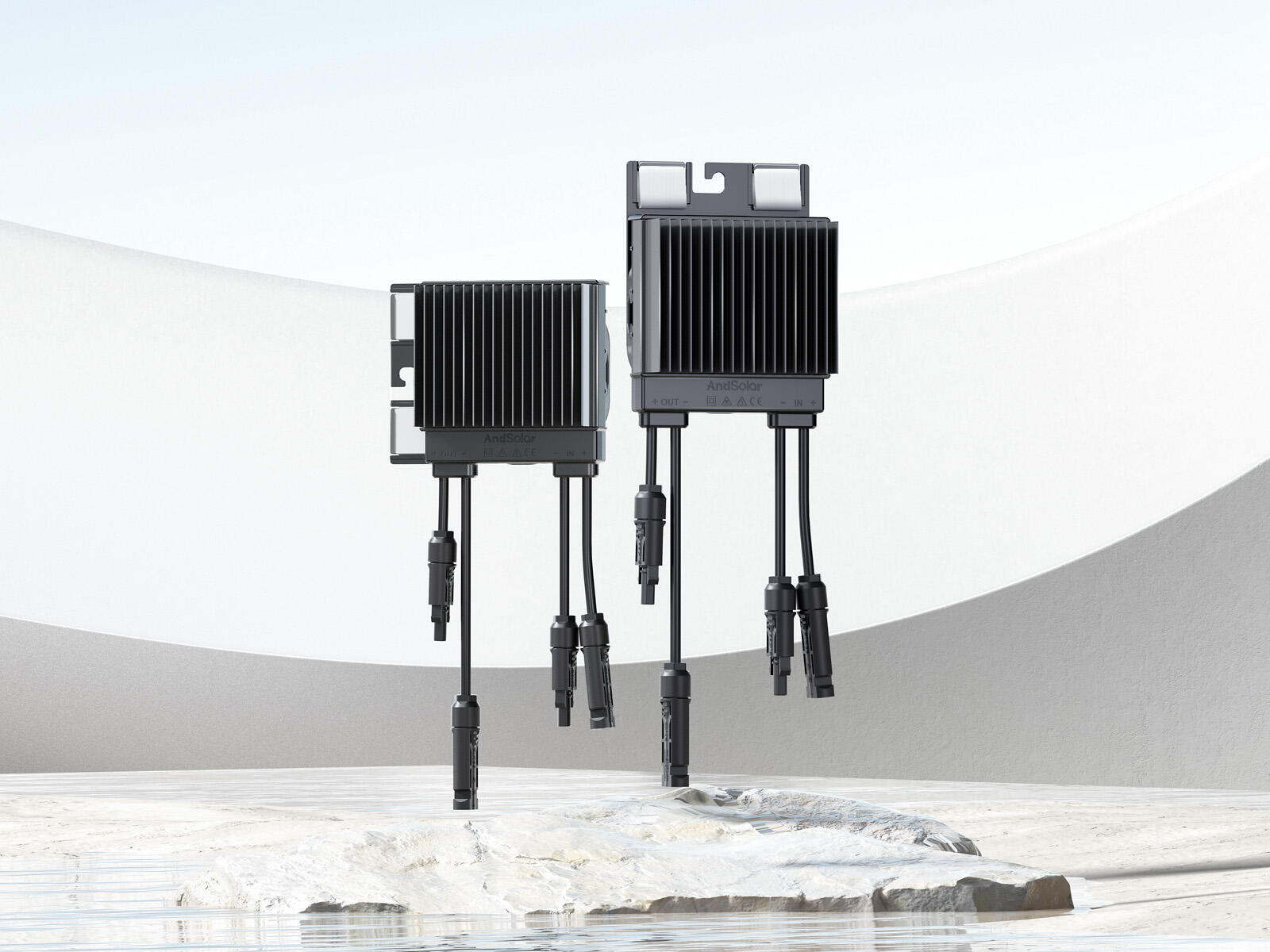
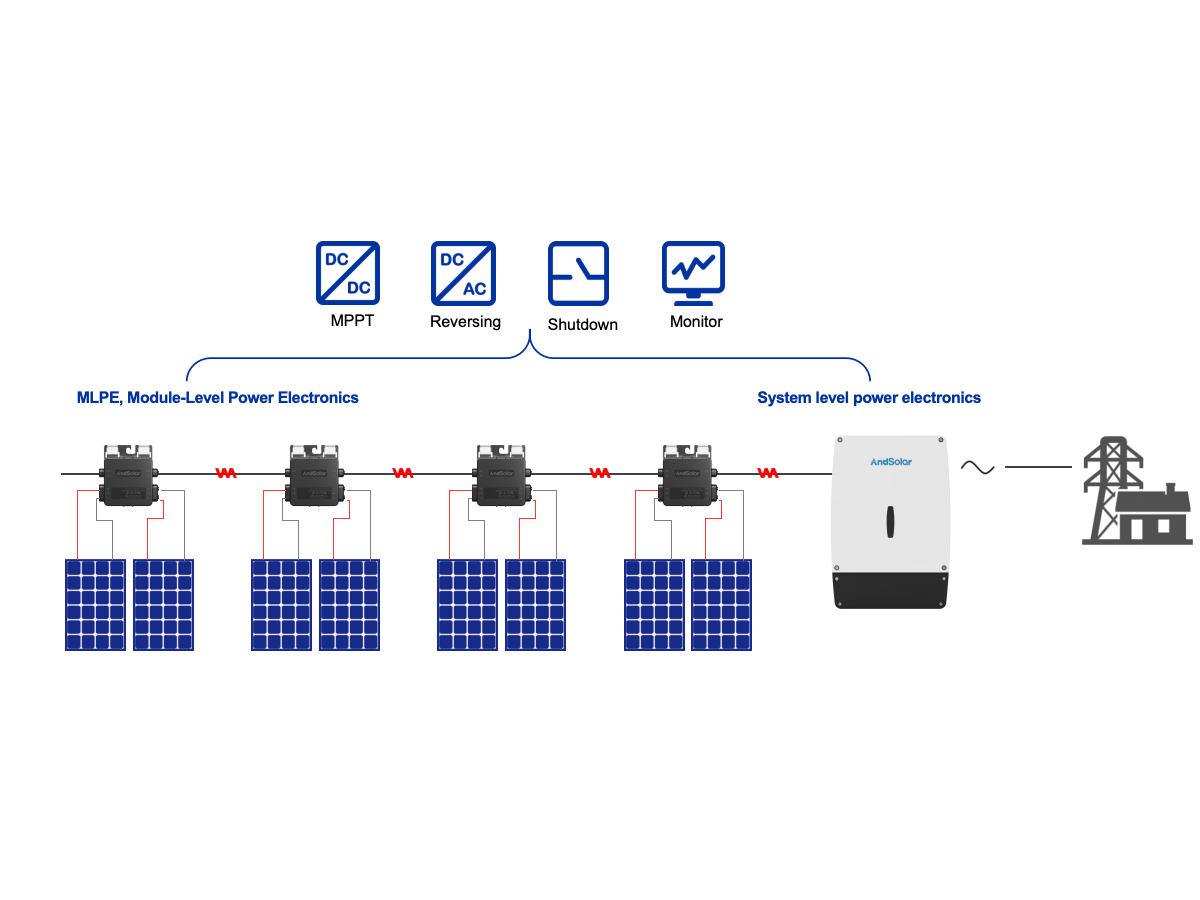
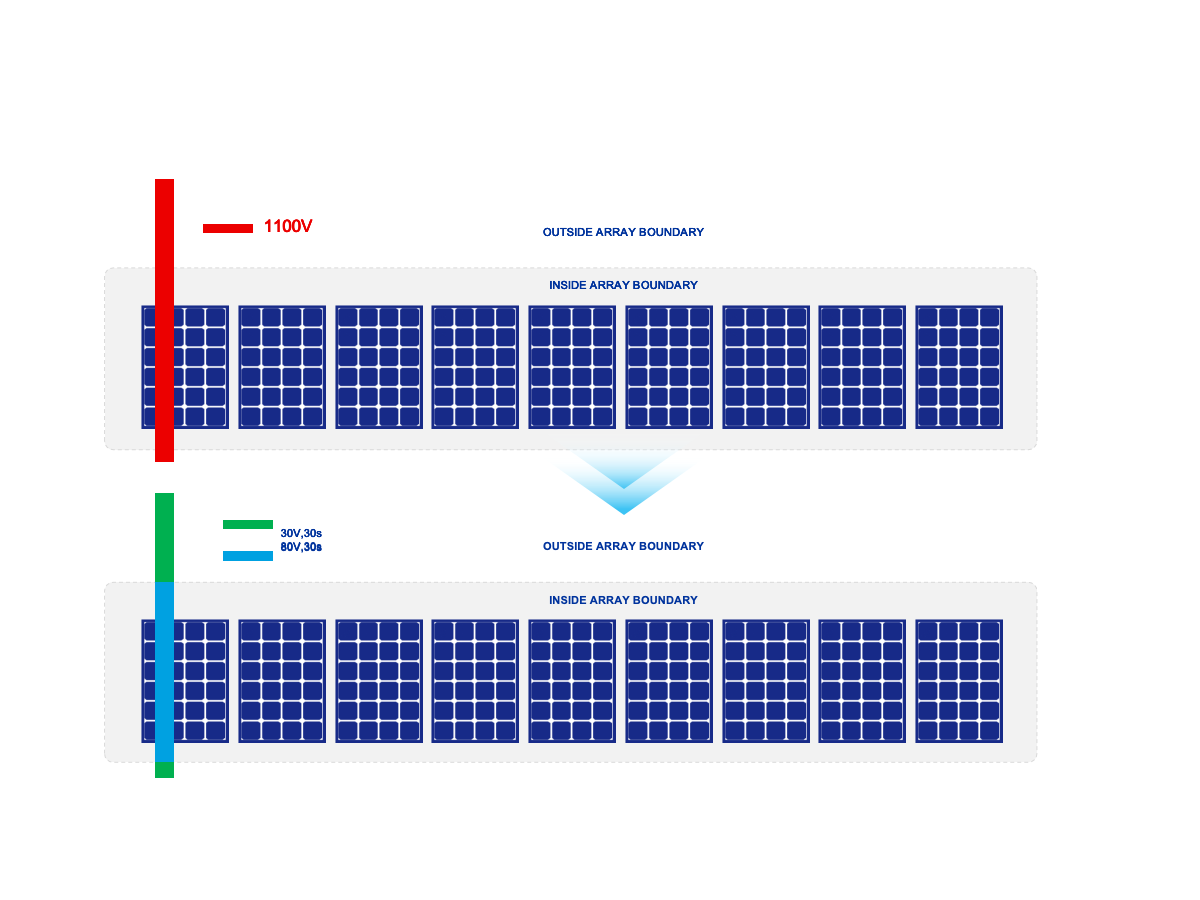
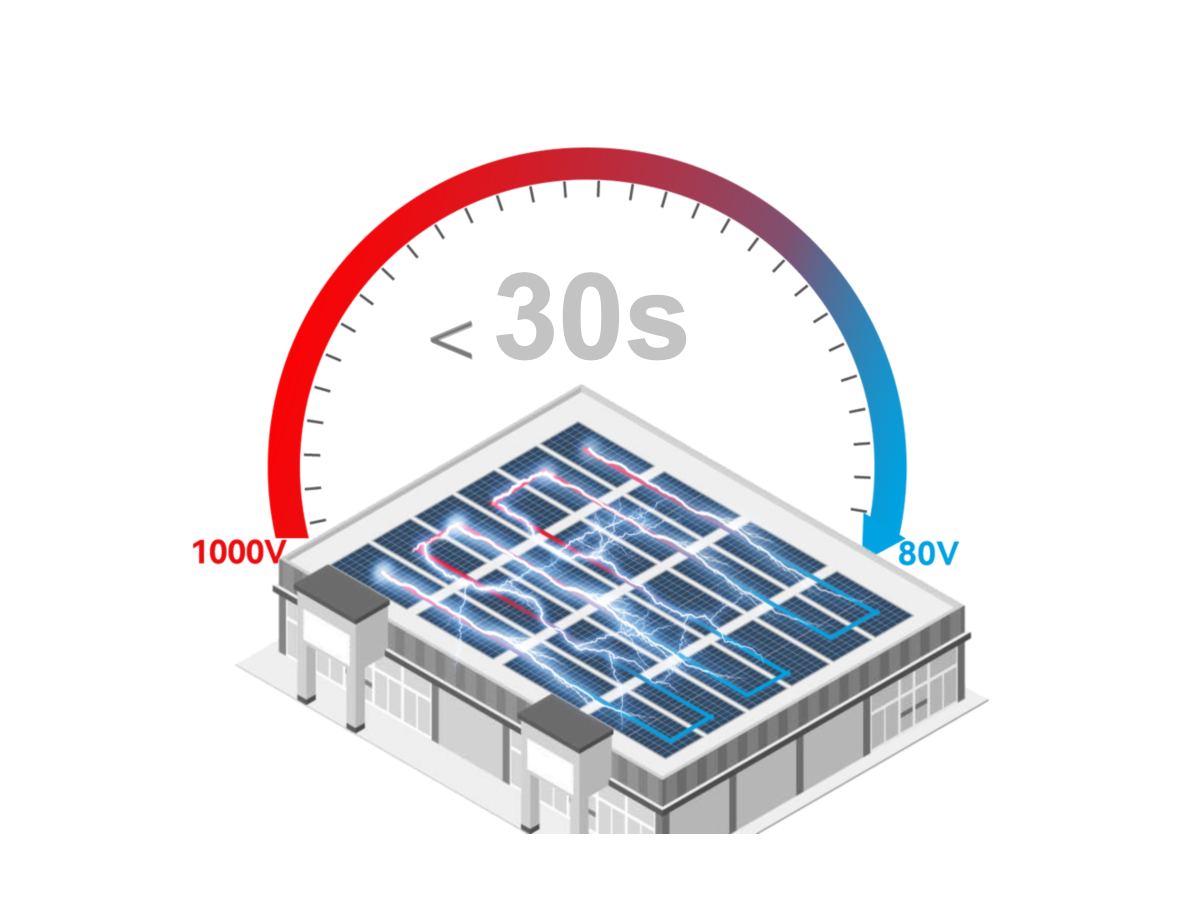
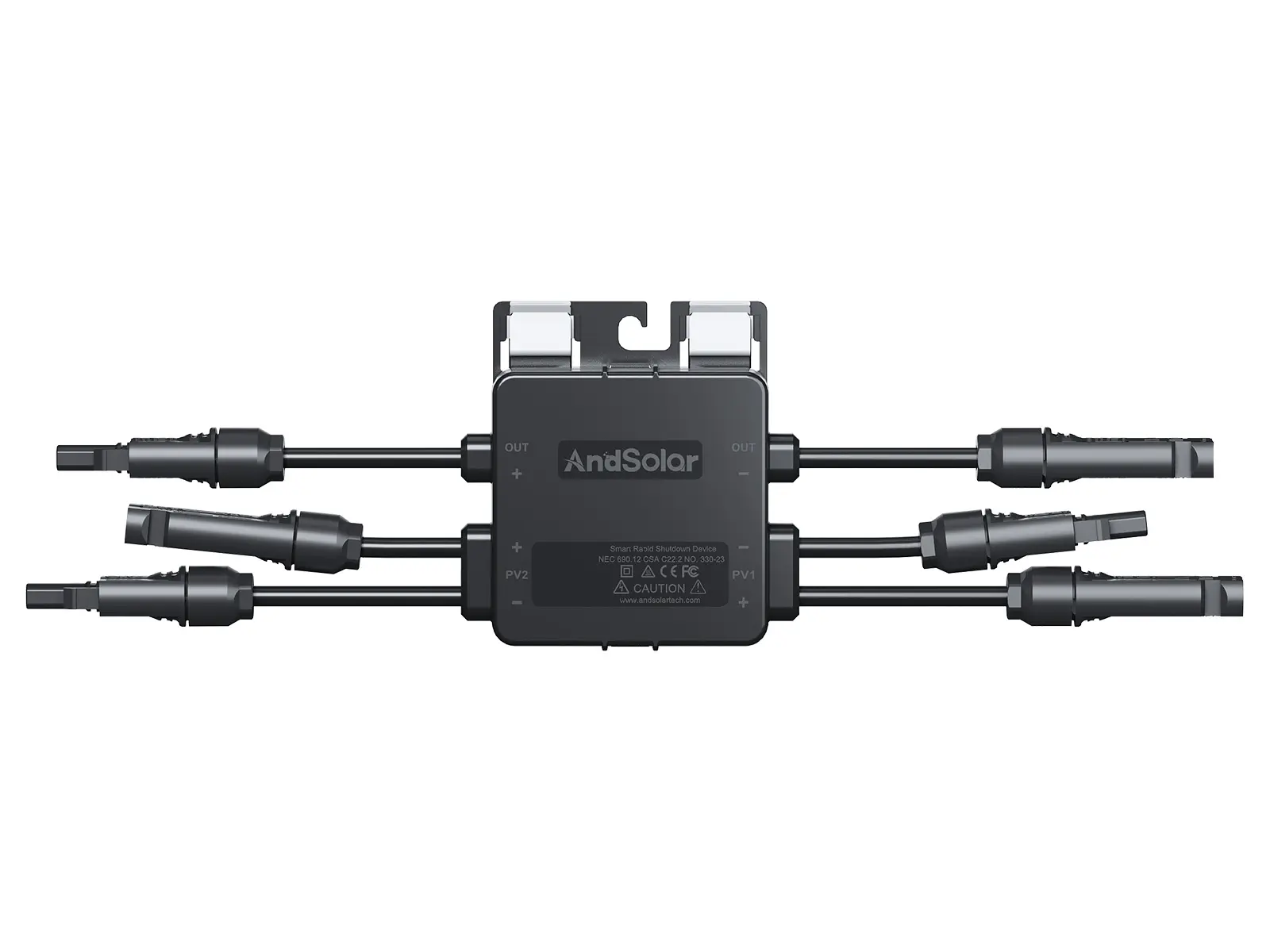
The rapid shutdown regulation is a key safety requirement in modern solar photovoltaic systems, designed to protect firefighters, installers, and maintenance personnel from electrical hazards. This framework requires solar installations to include technology that quickly reduces DC voltage during emergencies or maintenance. The rule originates from the National Electrical Code (NEC) Article 690.12.At its core, the regulation requires solar arrays to limit conductor voltage to 80 volts or less within 30 seconds after shutdown is activated. Rapid shutdown systems commonly use module-level power electronics such as optimizers, microinverters, or dedicated shutdown devices to interrupt electrical flow. Proper installation and testing ensure reliable shutdown and improved safety for photovoltaic systems.
The rapid shutdown regulation delivers substantial benefits that significantly enhance safety protocols while providing practical advantages for solar system stakeholders. First responders experience dramatically improved safety conditions when responding to emergencies at properties equipped with compliant rapid shutdown systems. Firefighters can confidently approach solar-equipped structures knowing that electrical hazards have been minimized through automated voltage reduction, eliminating the risk of electrocution during rescue operations or fire suppression activities. This enhanced safety framework reduces liability concerns for property owners and insurance providers while demonstrating compliance with established electrical safety standards. Installation professionals benefit from simplified maintenance procedures enabled by rapid shutdown regulation compliance, as technicians can safely perform system inspections, component replacements, and troubleshooting activities without extensive safety protocols or specialized equipment. The regulation creates standardized safety procedures across the solar industry, reducing training complexity and ensuring consistent safety practices regardless of installation location or system configuration. Property owners gain increased confidence in their solar investments knowing that their systems meet stringent safety requirements and provide protection for both residents and emergency personnel. Insurance companies often recognize rapid shutdown regulation compliance through reduced premiums or favorable policy terms, acknowledging the decreased risk profile associated with properly equipped solar installations. The regulation promotes technological innovation within the solar industry by encouraging manufacturers to develop more sophisticated and reliable safety systems that integrate seamlessly with existing solar components. Utility companies benefit from improved grid stability and safety as rapid shutdown systems can respond to grid disturbances or maintenance requirements without manual intervention. The standardization aspect of rapid shutdown regulation creates economies of scale in manufacturing and installation, potentially reducing overall system costs while maintaining high safety standards. Legal compliance with rapid shutdown regulation protects stakeholders from potential litigation related to electrical safety incidents, providing clear documentation of adherence to established safety protocols. The regulation supports the continued growth of solar energy adoption by addressing safety concerns that might otherwise create barriers to installation approvals or public acceptance. Training and certification programs related to rapid shutdown regulation create professional development opportunities for solar installers and electrical contractors, enhancing their marketability and expertise in safety-critical installations.

Popular Products

Advanced Module-Level Safety Technology

Advanced Module-Level Safety Technology

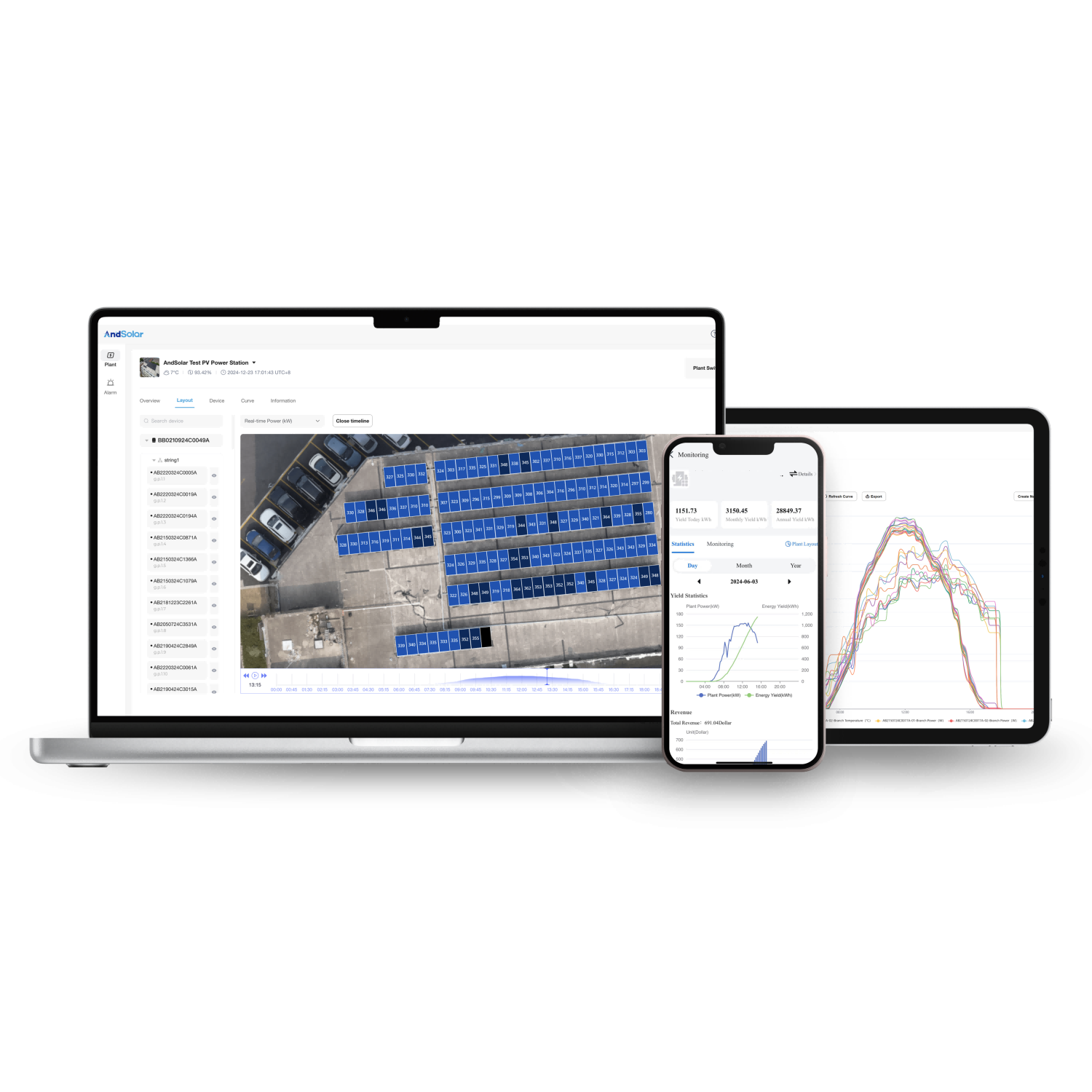
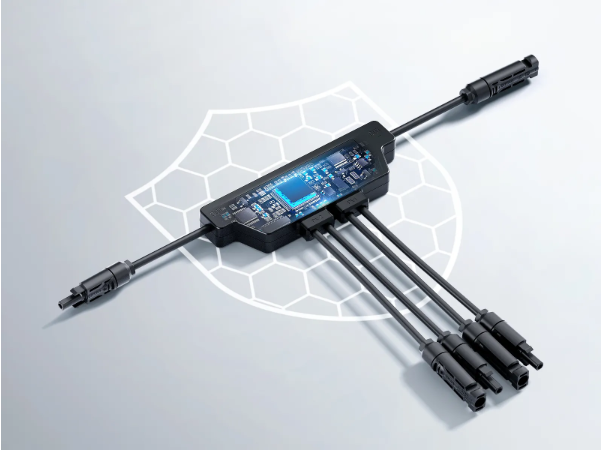
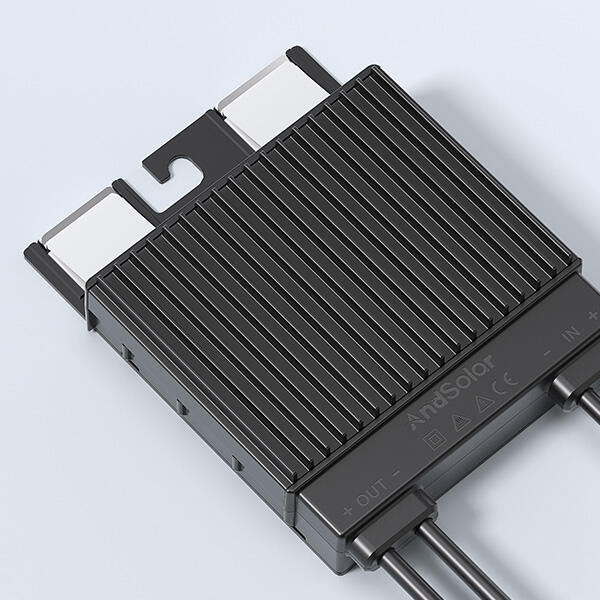
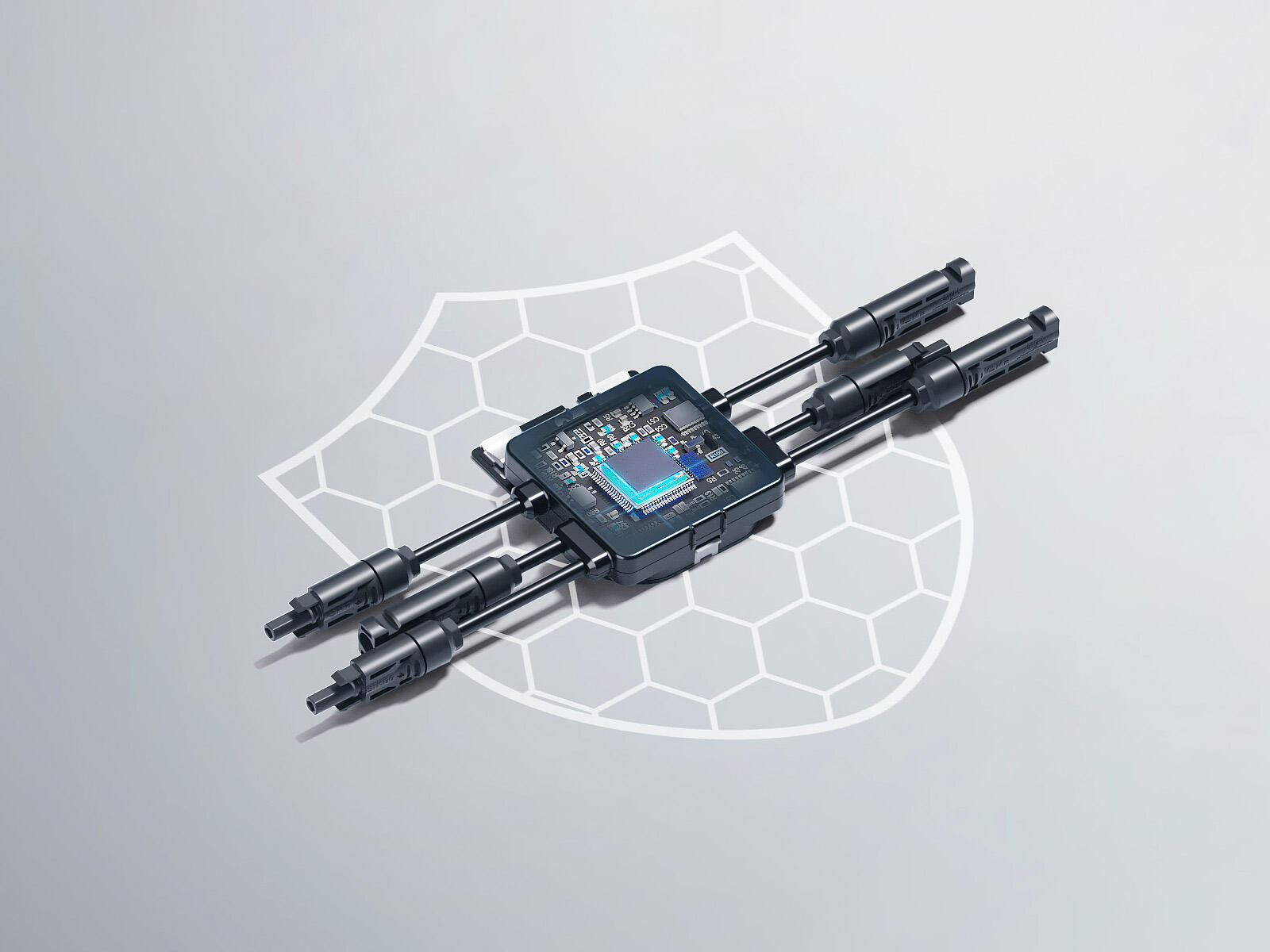
The rapid shutdown regulation drives the implementation of cutting-edge module-level safety technology that revolutionizes how solar installations manage electrical hazards. This technological advancement centers on sophisticated power electronics integrated directly at the solar module level, creating multiple points of control throughout the entire system architecture. Module-level power electronics (MLPE) such as power optimizers and microinverters serve dual purposes by maximizing energy harvest while providing granular control over electrical safety parameters. These devices utilize advanced semiconductor switching technology, typically employing insulated gate bipolar transistors (IGBTs) or metal-oxide-semiconductor field-effect transistors (MOSFETs) that can interrupt electrical current flow within milliseconds of receiving shutdown commands. The communication infrastructure supporting this technology employs multiple redundant pathways including power line communication (PLC) protocols that transmit control signals through existing DC wiring, eliminating the need for additional control cables while ensuring reliable signal propagation throughout the array. Wireless communication options utilizing radio frequency (RF) technology provide alternative control pathways that remain functional even if primary communication channels experience disruption. The intelligent monitoring capabilities inherent in module-level safety technology enable continuous assessment of system performance and safety parameters, automatically identifying potential hazards before they escalate into dangerous situations. Real-time diagnostics provide installers and maintenance personnel with detailed information about individual module performance, allowing for proactive identification of failing components that could compromise safety or system efficiency. The integration of these advanced safety systems creates a distributed intelligence network throughout the solar installation, where each module can independently respond to safety commands while contributing to overall system coordination. This technological approach significantly reduces the complexity of safety system maintenance since individual components can be tested and verified without disrupting the entire installation. The scalability of module-level safety technology ensures that rapid shutdown regulation compliance remains consistent regardless of installation size, from small residential systems to large commercial arrays spanning multiple rooftops or ground-mount configurations.
Comprehensive Emergency Response Protection

Comprehensive Emergency Response Protection

The rapid shutdown regulation establishes a comprehensive emergency response protection framework that fundamentally transforms how first responders approach incidents involving solar-equipped properties. This protection system addresses the critical safety gap that previously existed when emergency personnel encountered energized solar installations during fire suppression, rescue operations, or other emergency situations. The regulation mandates that solar systems reduce conductor voltages to safe levels within specific timeframes, typically requiring voltage reduction to 30 volts or less within 30 seconds of activation, creating a predictable and reliable safety environment for emergency personnel. Fire departments across the country have recognized the value of rapid shutdown regulation compliance, as it eliminates the guesswork and specialized training previously required when responding to solar-equipped structures. The automatic activation features built into compliant systems ensure that safety protocols engage without requiring emergency personnel to locate and operate unfamiliar equipment during high-stress situations. This automation extends to grid disconnection events where utility outages automatically trigger rapid shutdown sequences, preventing back-feed conditions that could endanger utility workers performing line repairs or maintenance. The comprehensive nature of this protection encompasses various emergency scenarios including structure fires, electrical faults, severe weather events, and medical emergencies where rapid access to rooftop or electrical areas becomes necessary. Training protocols developed in conjunction with rapid shutdown regulation requirements provide emergency responders with standardized procedures for identifying and verifying system shutdown status, creating consistency across different jurisdictions and installation types. The visual indicators and labeling requirements associated with rapid shutdown regulation ensure that emergency personnel can quickly identify system status and safety conditions without extensive technical knowledge of solar system operation. Documentation and testing requirements create audit trails that demonstrate system functionality and provide emergency responders with confidence in safety system reliability. The protection framework extends beyond immediate emergency response to include routine maintenance and inspection activities performed by utility personnel, building inspectors, and other professionals who may encounter solar installations during normal work activities. This comprehensive approach to emergency response protection has contributed to increased acceptance of solar energy installations by fire departments, building officials, and insurance providers who previously expressed concerns about electrical safety risks.
Streamlined Regulatory Compliance and Industry Standardization

Streamlined Regulatory Compliance and Industry Standardization

The rapid shutdown regulation creates a streamlined regulatory compliance pathway that standardizes safety requirements across the solar industry while simplifying the approval process for installations and ensuring consistent implementation of safety protocols. This standardization eliminates the confusion and inconsistency that previously existed when different jurisdictions applied varying safety requirements to solar installations, creating a unified framework that benefits installers, manufacturers, and regulatory authorities. The National Electric Code (NEC) foundation of rapid shutdown regulation provides a widely recognized and accepted standard that aligns with existing electrical safety practices, facilitating adoption by local building departments and electrical inspectors who are already familiar with NEC requirements. Compliance verification procedures established by the regulation create clear testing protocols and documentation requirements that demonstrate system functionality and safety performance, reducing subjective interpretation and ensuring consistent enforcement across different markets. The standardized approach enables manufacturers to develop products that meet universal requirements rather than customizing solutions for specific jurisdictions, creating economies of scale that reduce costs while maintaining high safety standards. Installation companies benefit from standardized training programs and certification requirements that create portable skills and knowledge applicable across different markets and installation types. The regulation establishes clear timelines and performance parameters that eliminate ambiguity about compliance requirements, allowing installers to confidently design and implement systems that meet regulatory expectations. Documentation standards associated with rapid shutdown regulation create comprehensive records of system design, installation, and testing that support warranty claims, insurance requirements, and future maintenance activities. The regulatory framework facilitates technological innovation by establishing performance targets while allowing flexibility in implementation methods, encouraging manufacturers to develop creative solutions that exceed minimum requirements. International harmonization efforts based on rapid shutdown regulation principles promote technology transfer and market expansion opportunities for manufacturers and installers who can leverage standardized approaches across multiple markets. The compliance pathway includes provisions for existing installations through retrofit requirements and upgrade timelines that balance safety improvements with practical implementation considerations. Regular updates to rapid shutdown regulation requirements reflect technological advances and industry feedback, ensuring that standards remain current with evolving safety practices and equipment capabilities while maintaining backward compatibility with existing installations.

Get a Free Quote

Our representative will contact you soon.
Name
Email
Phone/ WhatsApp
Company Name
Product Selection
Message
0/1000

rapid shutdown regulation

Latest News

Rapid shutdown for solar: What you need to know

16

Jun

Rapid shutdown for solar: What you need to know

What Is Solar Rapid Shutdown? Definition and Core Purpose Solar rapid shutdown is an essential safety measure referring to the quick disconnection of photovoltaic (PV) panels from the power system. This process ensures the system stops producing ele...
View More
The Role of MLPE in PV Systems.

30

Jun

The Role of MLPE in PV Systems.

Understanding MLPE in Solar PV Systems Defining MLPE Technologies MLPE, (Module-Level Power Electronics), is a crucial factor in increasing the performance of a solar PV system. This includes technology like microinverters and DC optimize...
View More
A detailed comparison between microinverters and optimizers

21

Jul

A detailed comparison between microinverters and optimizers

Understanding Modern Solar Panel Efficiency Technologies As solar energy systems become more mainstream for residential and commercial applications, the conversation has moved beyond panels themselves to the technologies that enhance their performan...
View More
Global Rapid Shutdown Standards: How AndSolar Meets the Standards

23

Sep

Global Rapid Shutdown Standards: How AndSolar Meets the Standards

Understanding Solar Safety Through Rapid Shutdown Innovation The evolution of solar energy systems has brought unprecedented focus on safety protocols, with rapid shutdown standards emerging as a crucial component in modern solar installations. These...
View More

Get a Free Quote

Our representative will contact you soon.
Name
Email
Phone/ WhatsApp
Company Name
Product Selection
Message
0/1000