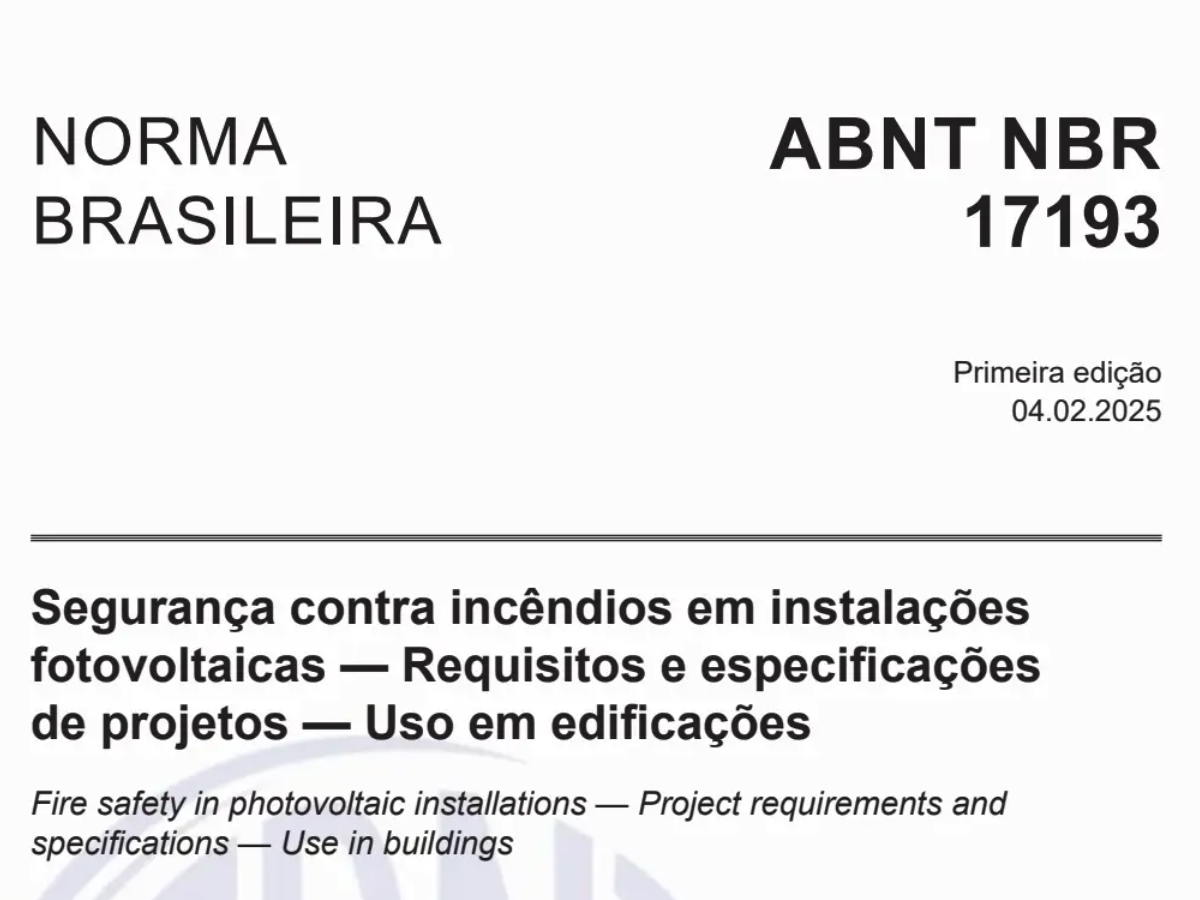
brazil rapid shutdown regulation
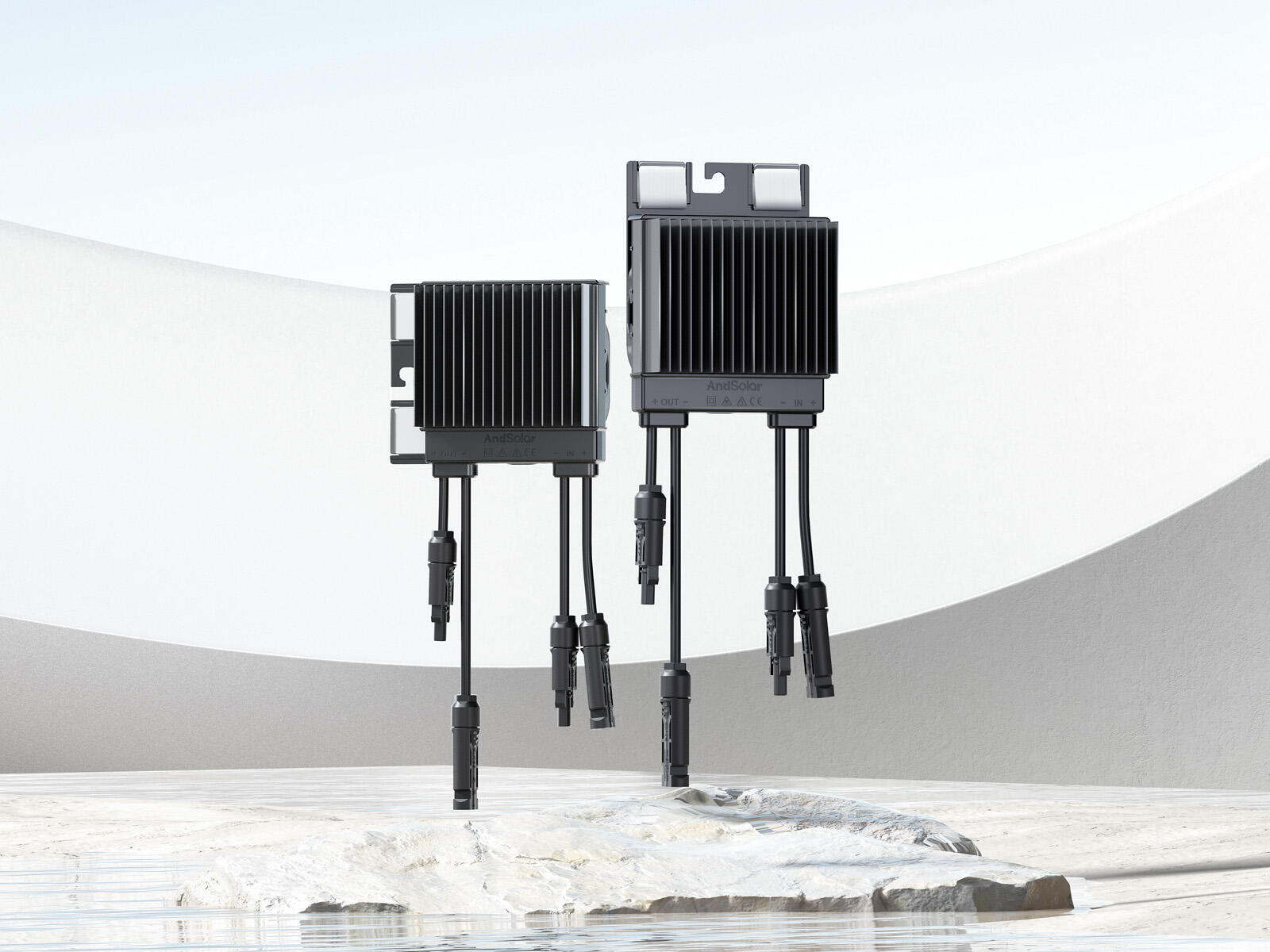
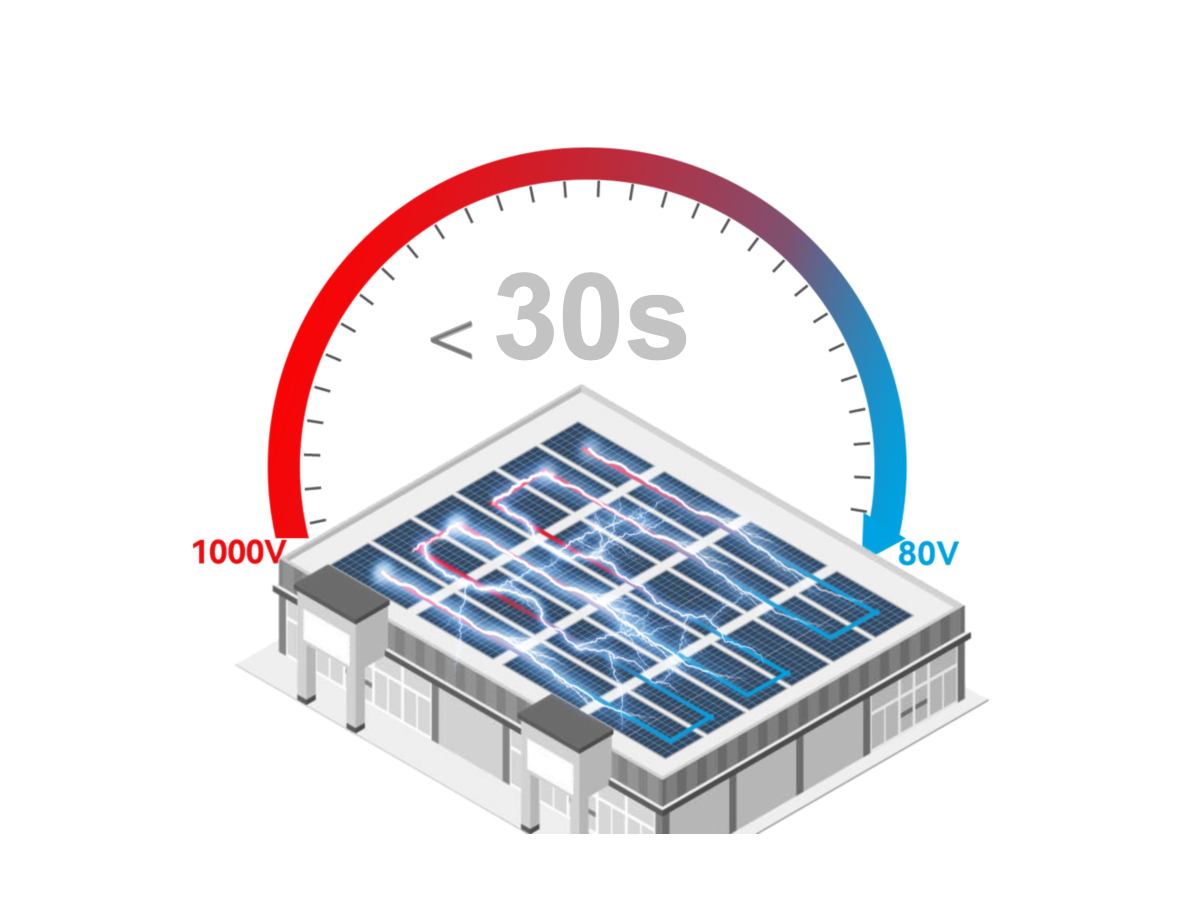
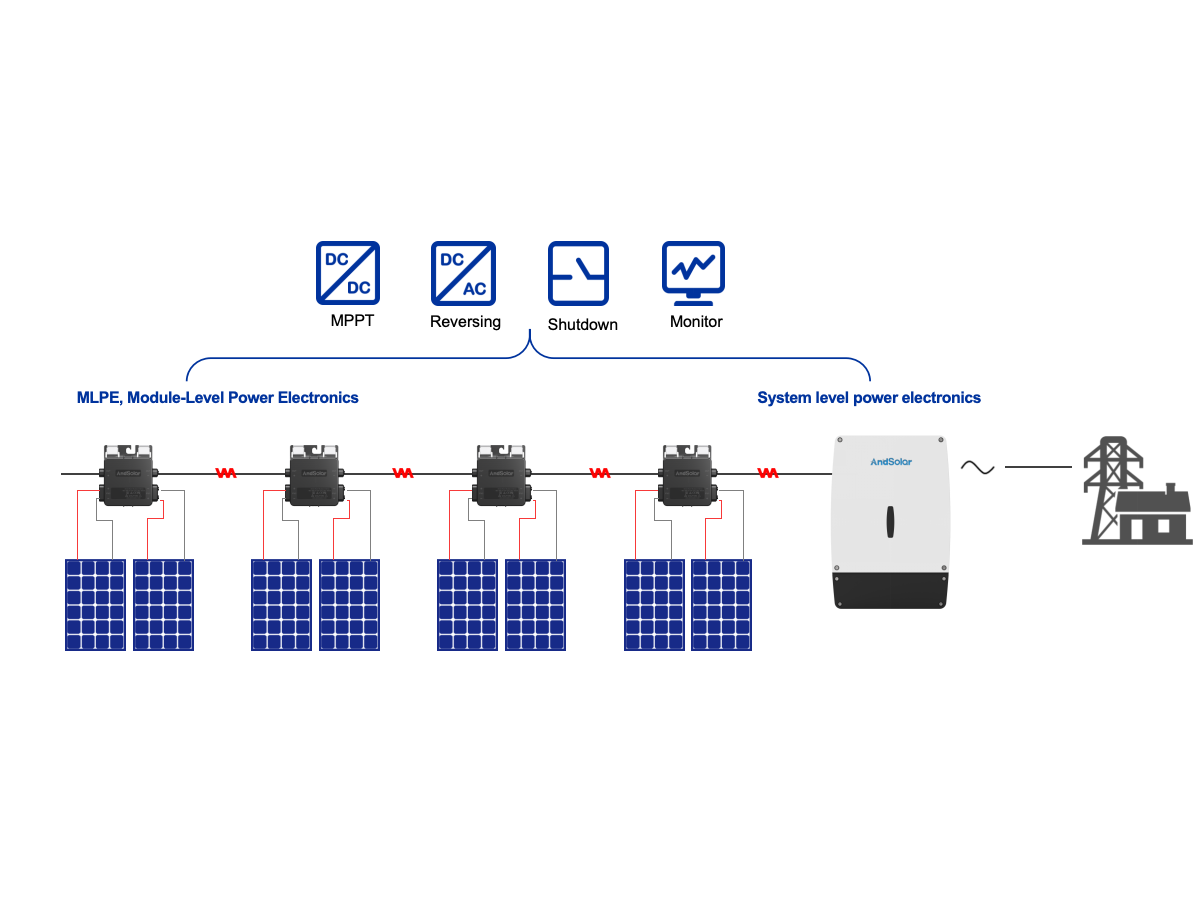
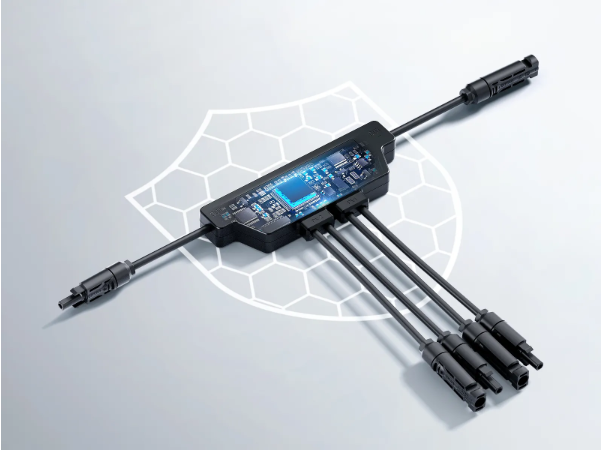
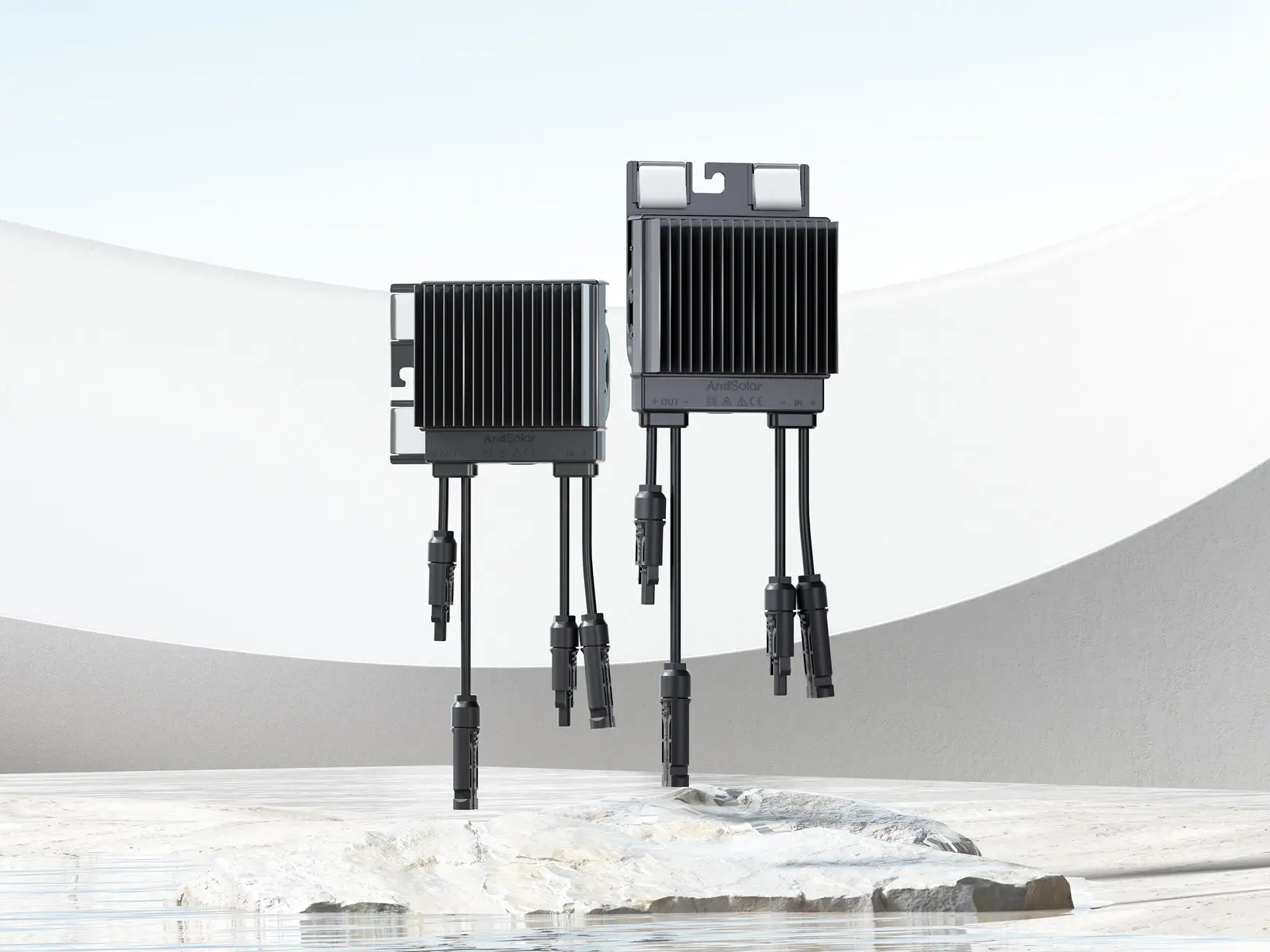
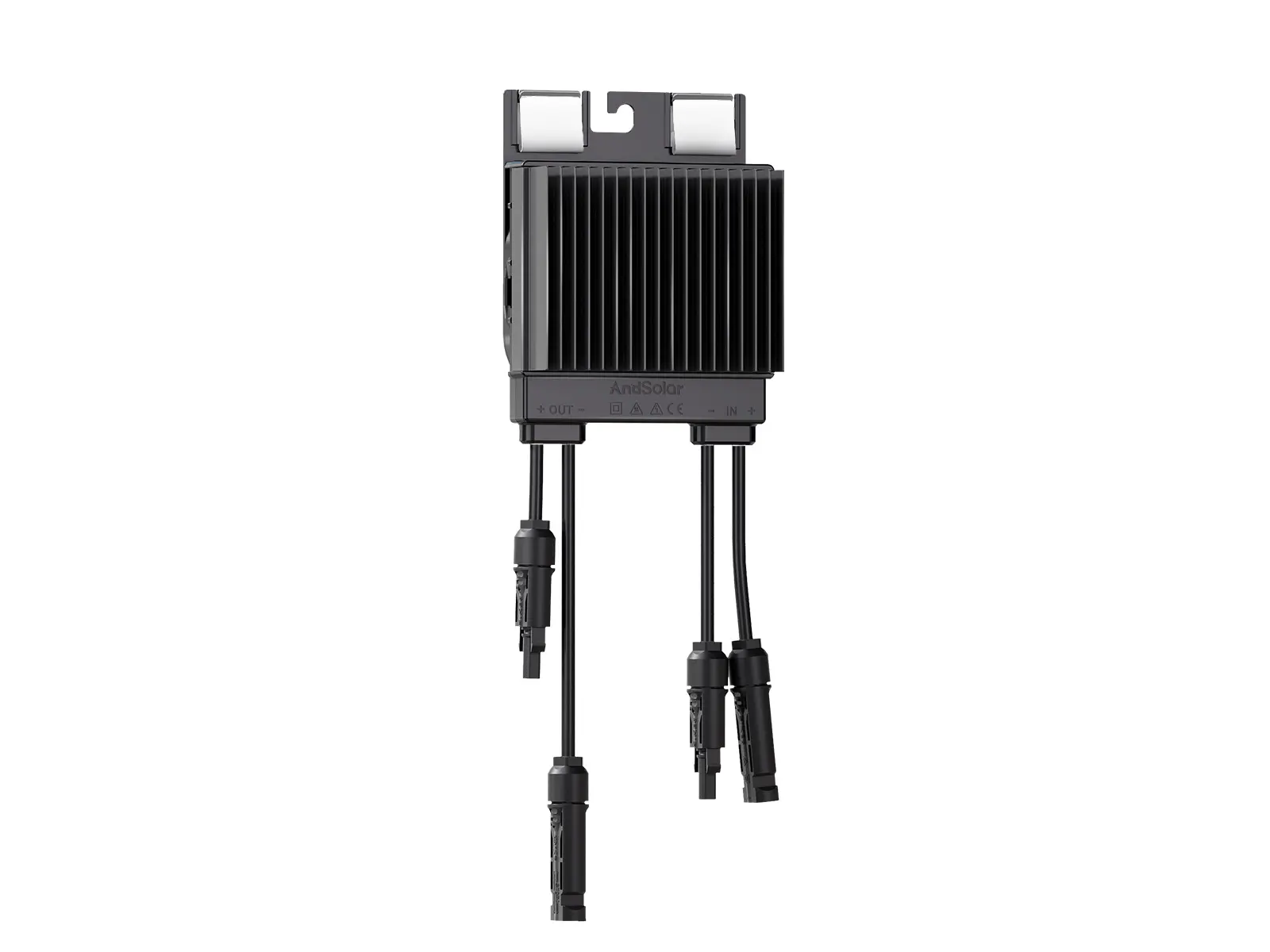
The Brazil rapid shutdown regulation represents a comprehensive safety framework designed to enhance the protection of photovoltaic solar installations across the country. This regulatory standard establishes mandatory requirements for solar energy systems to incorporate rapid shutdown capabilities that can quickly de-energize solar panels and associated electrical components during emergency situations or maintenance procedures. The Brazil rapid shutdown regulation was developed in response to growing safety concerns within the solar industry, particularly focusing on protecting first responders, maintenance personnel, and property during fire emergencies or electrical incidents. The regulation mandates that all photovoltaic systems must include devices and mechanisms capable of reducing DC voltage levels to safe thresholds within specified timeframes when activated. At its core, the Brazil rapid shutdown regulation requires solar installations to implement technology that can swiftly interrupt electrical current flow from solar panels to inverters and other system components. This technological requirement ensures that dangerous voltage levels are eliminated or significantly reduced, creating safer working conditions for emergency responders and maintenance technicians. The regulation encompasses various technological features including module-level power electronics, DC optimizers, and specialized shutdown devices that communicate through wireless or powerline communication protocols. These components work together to create a coordinated shutdown sequence that effectively isolates individual solar panels or entire system sections. Applications of the Brazil rapid shutdown regulation extend across residential, commercial, and utility-scale solar installations throughout the country. The regulation applies to new installations as well as existing systems undergoing significant modifications or upgrades. Implementation requires careful consideration of system design, component selection, and installation practices to ensure full compliance with safety standards. The Brazil rapid shutdown regulation also addresses communication protocols between shutdown devices and monitoring systems, ensuring reliable activation during emergency scenarios while maintaining system performance during normal operations.