NEC 2017&2020&2023 690.12: Advanced Multi-Generational Industrial Control System with Predictive Maintenance

  • 8F, Block B, Building 1, 286 Qinglonggang Road, Suzhou City, Jiangsu Province, P. R. China
  • [email protected]
AndSolar Cloud

NEC 2017&2020&2023(690.12)

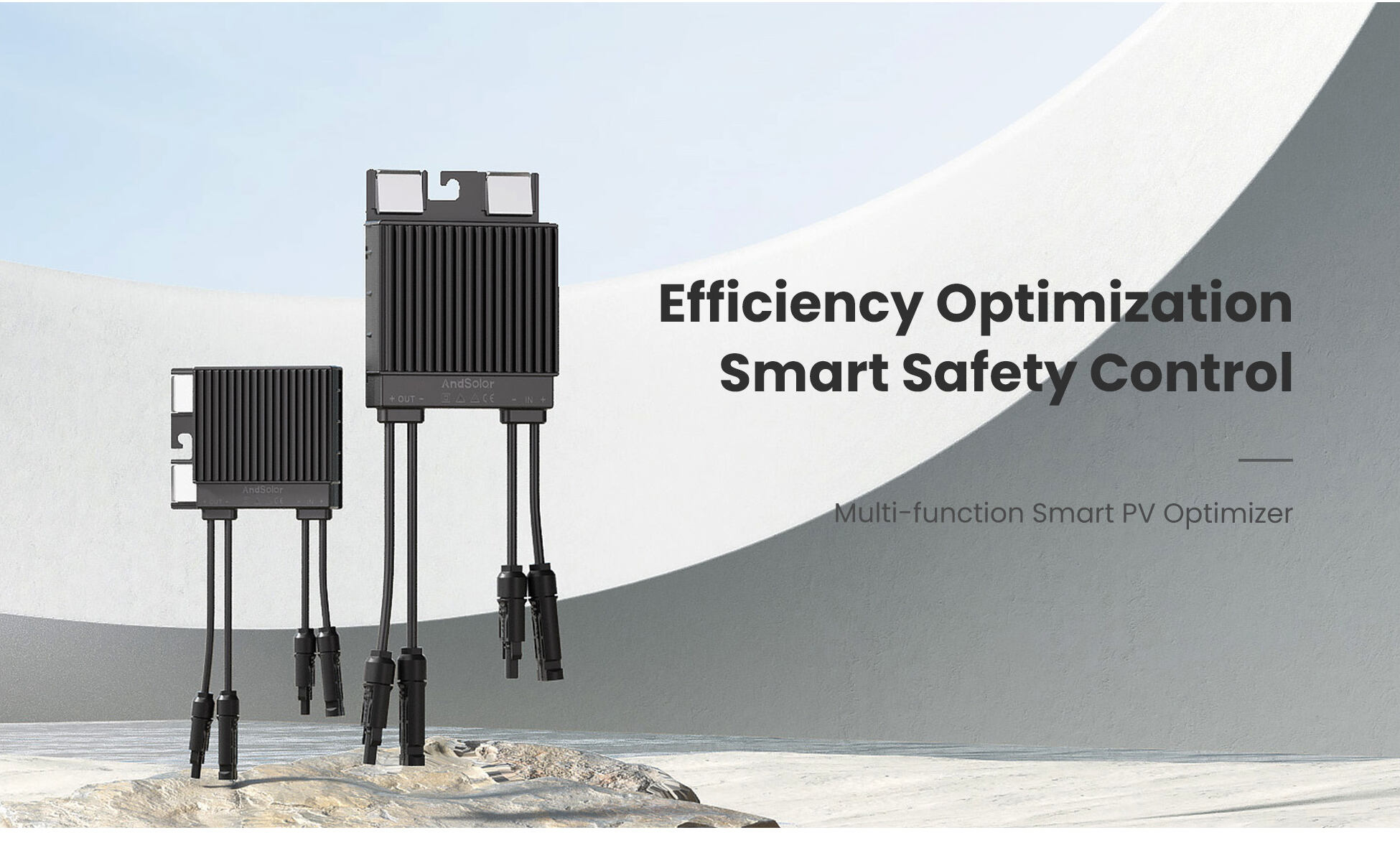
The NEC 2017&2020&2023 690.12 represents a key safety requirement established by the National Electrical Code for photovoltaic systems. This regulation defines rapid shutdown functions designed to reduce voltage in PV system conductors and modules during emergency situations. The NEC 2017&2020&2023 690.12 establishes requirements for module-level or array-level shutdown to protect firefighters and maintenance personnel. The rule evolved from the 2017 edition introducing module-level control, to the 2020 and 2023 updates that further clarify performance limits and shutdown boundaries. Rapid shutdown devices such as module-level power electronics, rapid shutdown transmitters, and receivers enable compliance with these standards. These solutions ensure that PV system voltage can be quickly reduced when the system is shut down. The requirements support safer installation, operation, and maintenance of modern solar photovoltaic systems.
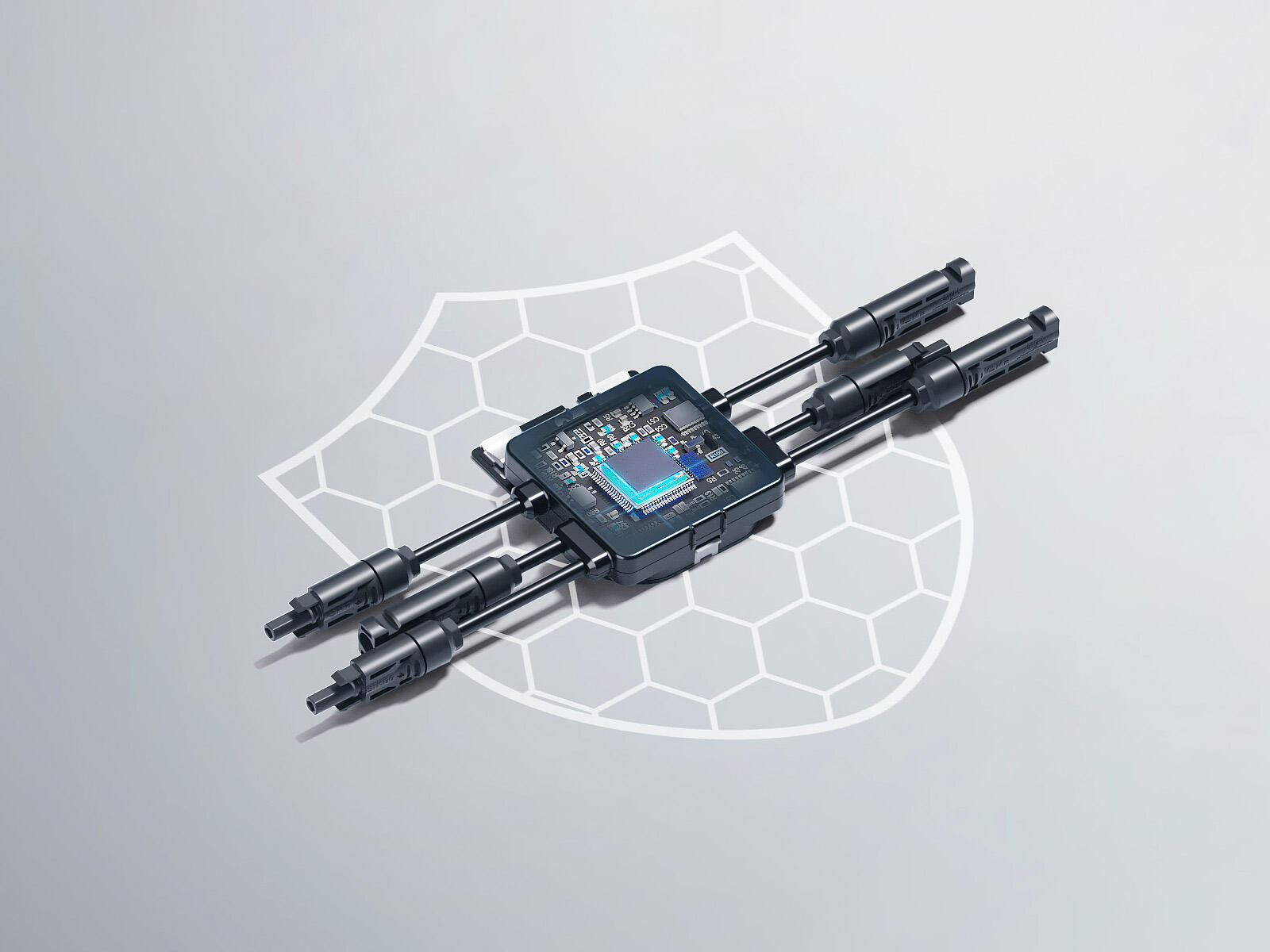
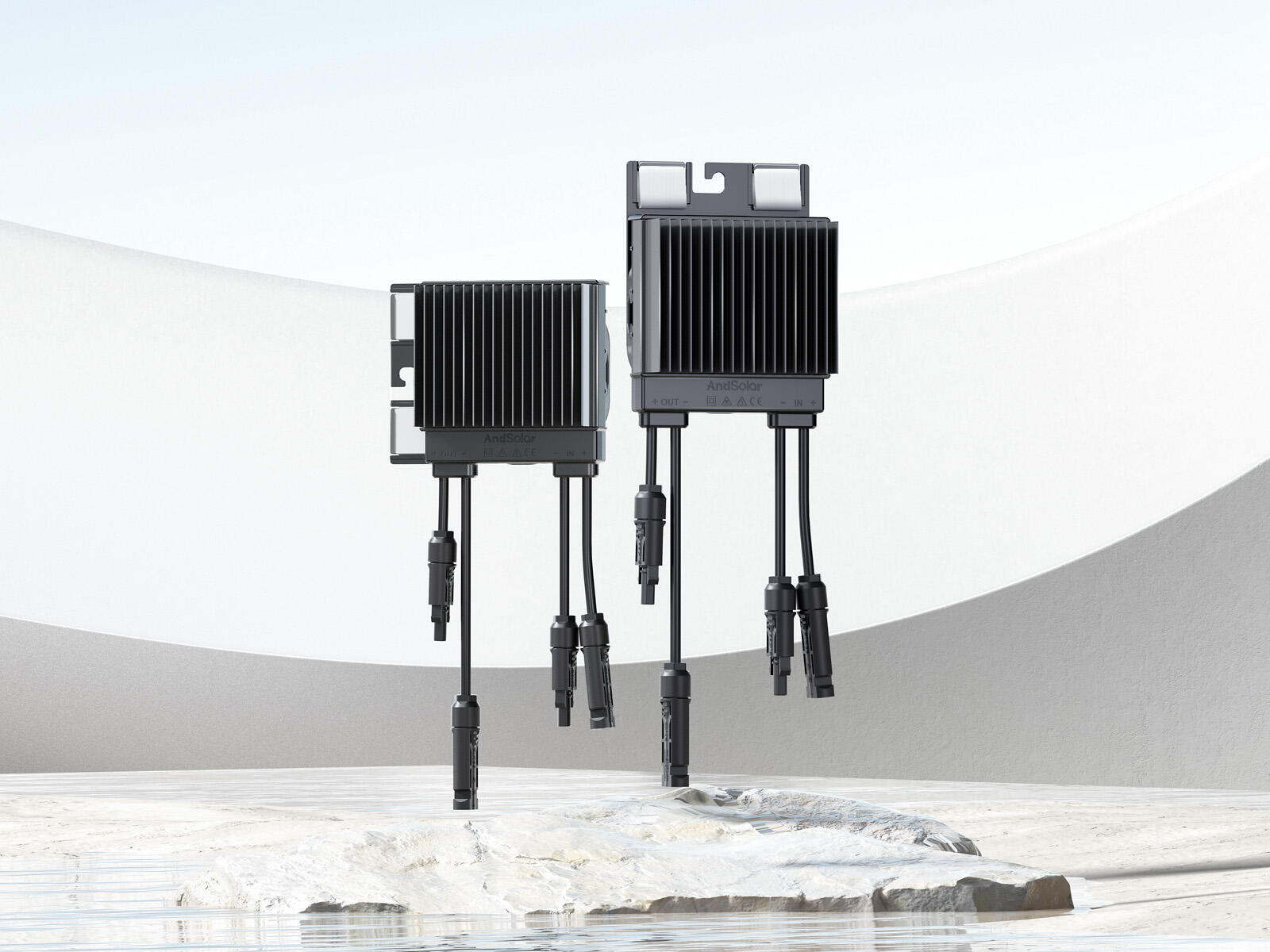
The NEC 2017&2020&2023 690.12 delivers substantial safety and operational benefits for photovoltaic installations by requiring rapid shutdown capability in solar power systems. These requirements reduce voltage in conductors outside the array boundary, improving safety for firefighters, installers, and maintenance personnel during emergency situations. The regulation helps simplify system shutdown procedures and ensures consistent safety performance across residential, commercial, and industrial solar installations. Compliance with NEC 2017, 2020, and 2023 standards allows PV systems to meet evolving electrical safety regulations while maintaining reliable power generation. Rapid shutdown solutions using module-level power electronics, transmitters, and receivers improve system control and allow arrays to quickly reduce hazardous voltage levels.Installation practices become safer and more standardized because rapid shutdown systems provide clear shutdown boundaries and predictable electrical behavior. Maintenance procedures are simplified as technicians can work on systems with reduced electrical risk. The NEC 690.12 requirement also supports modern PV architectures, including rooftop systems and complex installations where firefighter access and safety are critical. Rapid shutdown technologies improve system reliability and ensure compliance with electrical codes adopted across many regions of the United States. By integrating compliant rapid shutdown solutions, solar systems maintain long-term operational safety while supporting the continued expansion of photovoltaic energy systems.

New Products

Advanced Multi-Generational Architecture Excellence

Advanced Multi-Generational Architecture Excellence

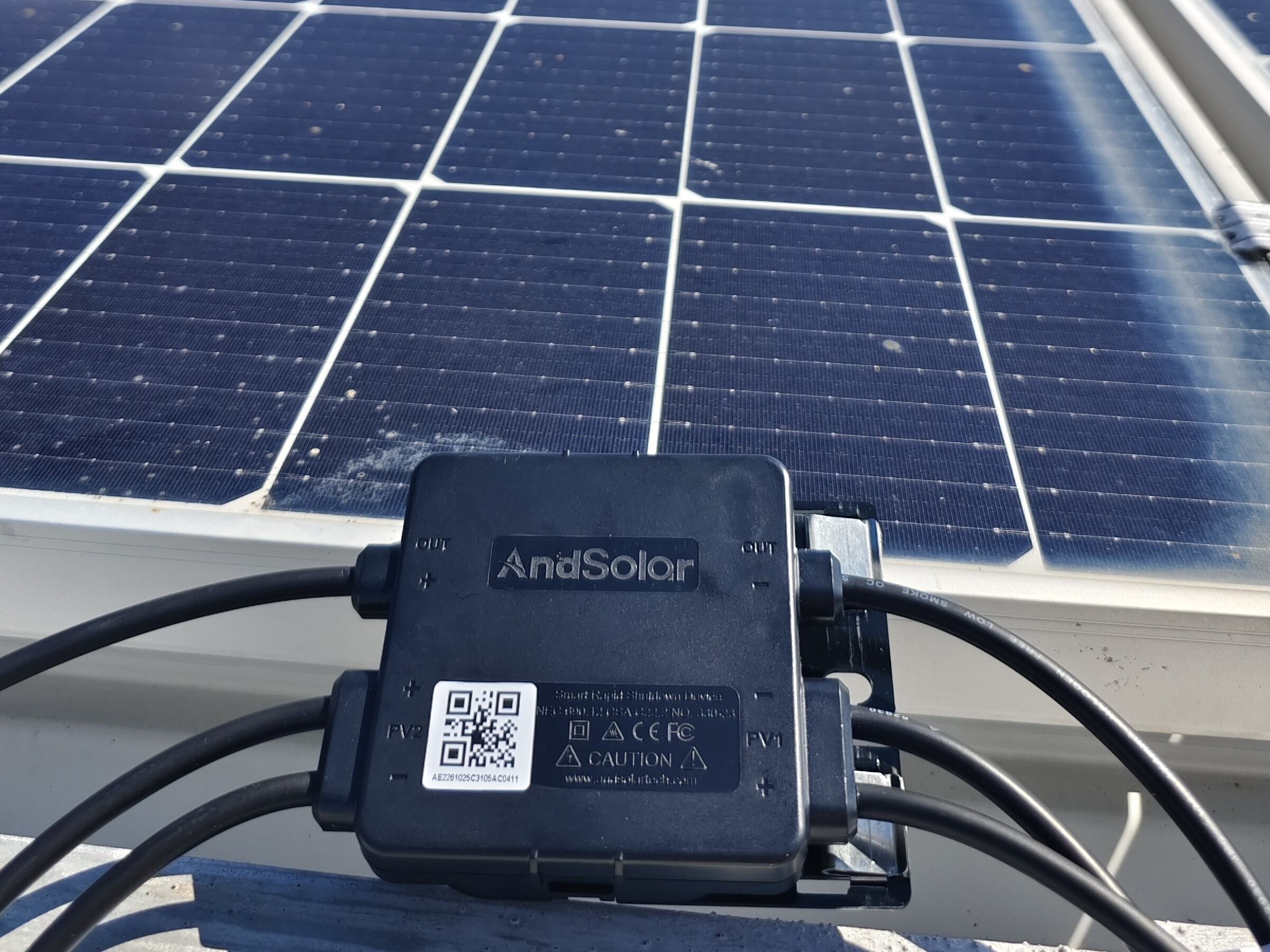
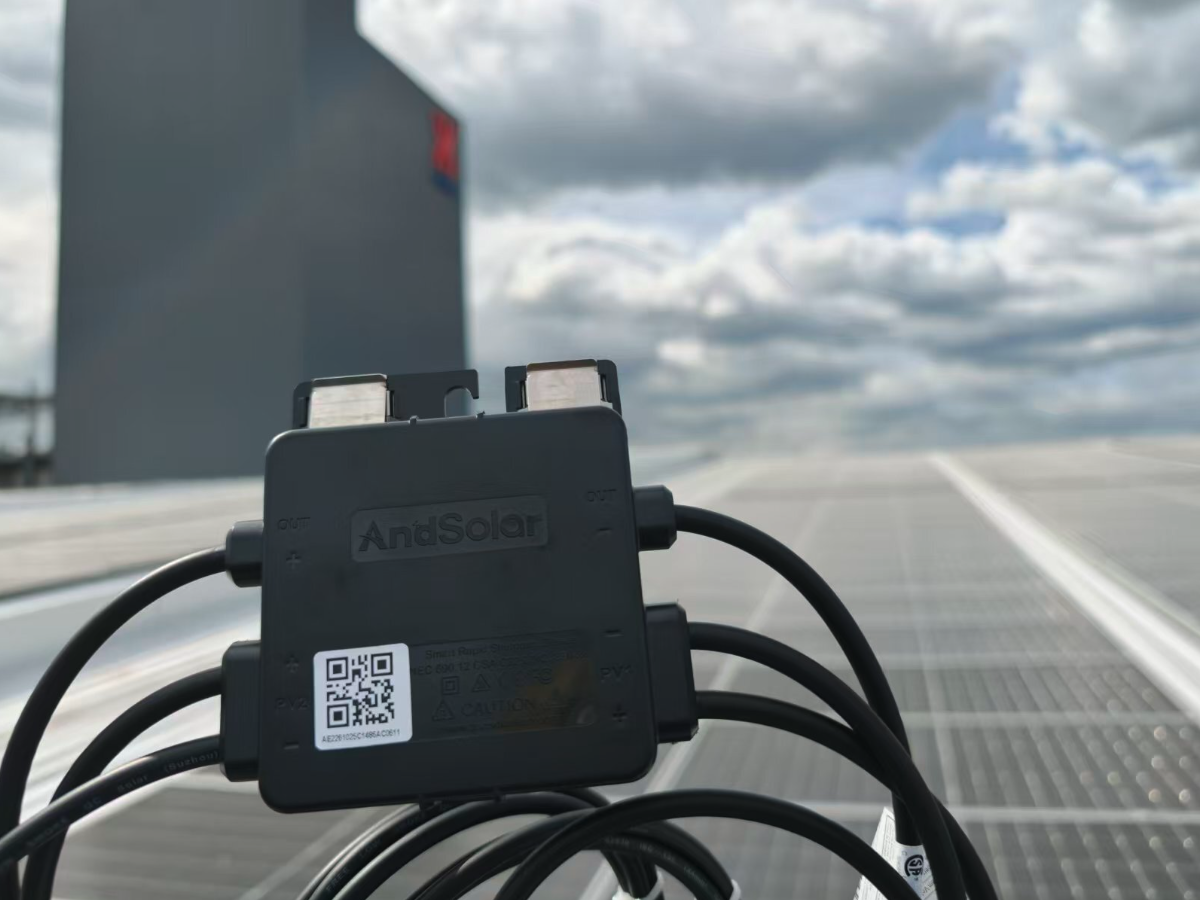
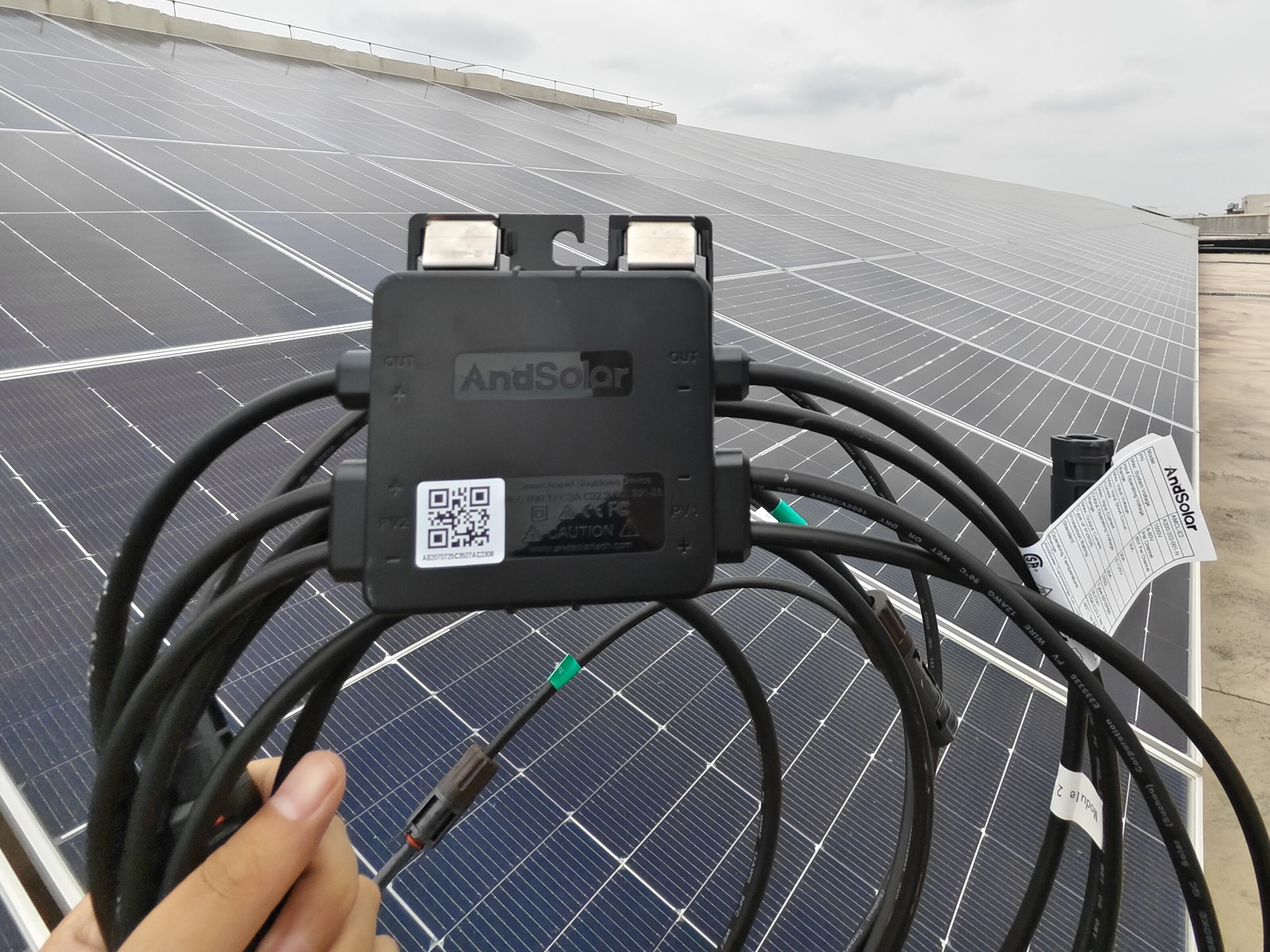
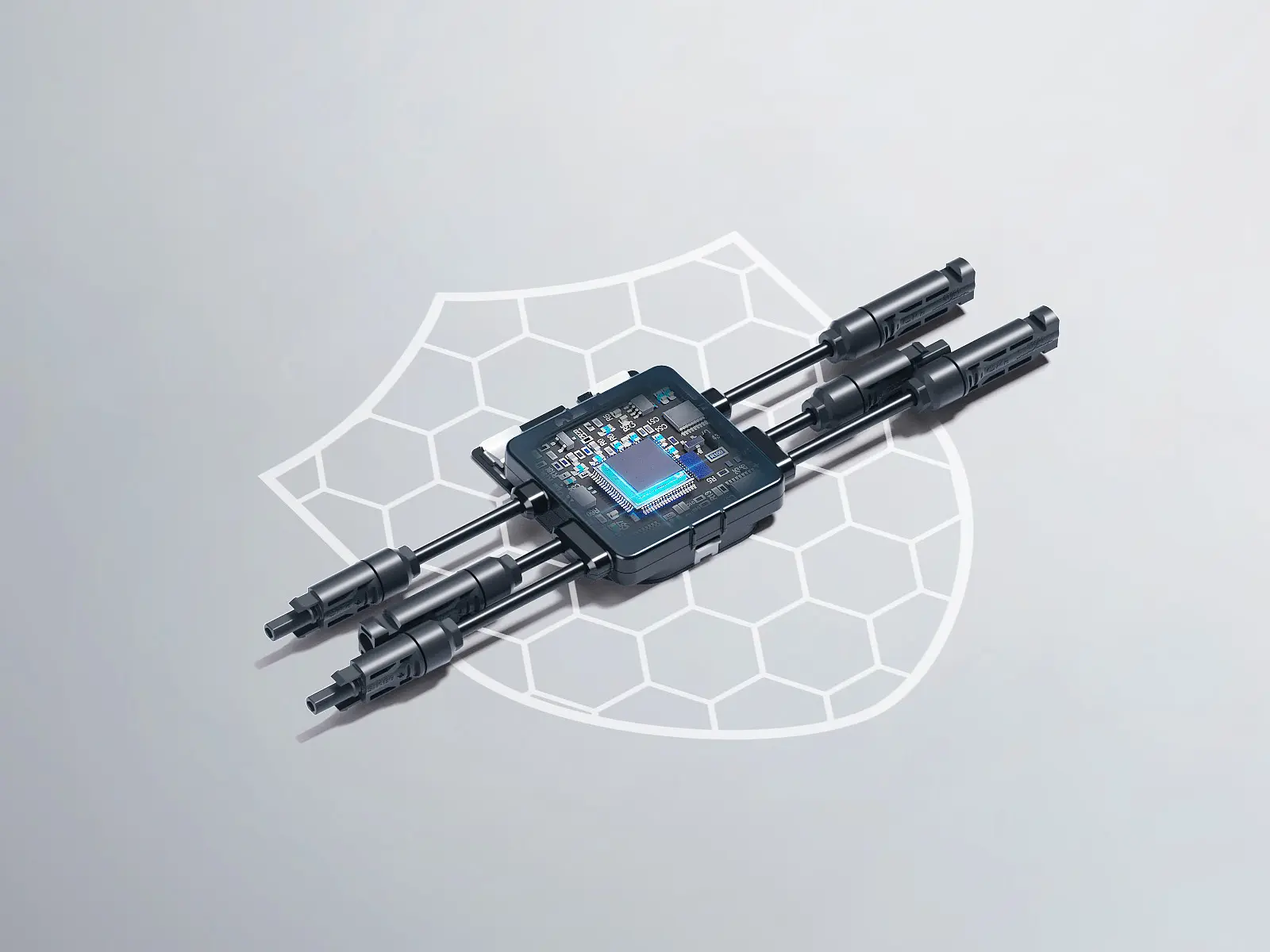
The NEC 2017&2020&2023 690.12 defines rapid shutdown requirements for photovoltaic systems to improve electrical safety during emergencies. This rule evolved across three NEC editions, combining the original shutdown boundary concept introduced in 2017 with the stronger module-level control requirements clarified in 2020 and refined in 2023. The regulation requires PV conductors and equipment outside the array boundary to quickly reduce voltage when rapid shutdown is initiated. Devices such as module-level rapid shutdown units, transmitters, and receivers enable systems to meet these requirements. By establishing clear shutdown limits and safety procedures, NEC 690.12 helps protect firefighters, installers, and maintenance personnel while ensuring safe installation, operation, and maintenance of modern solar photovoltaic systems.
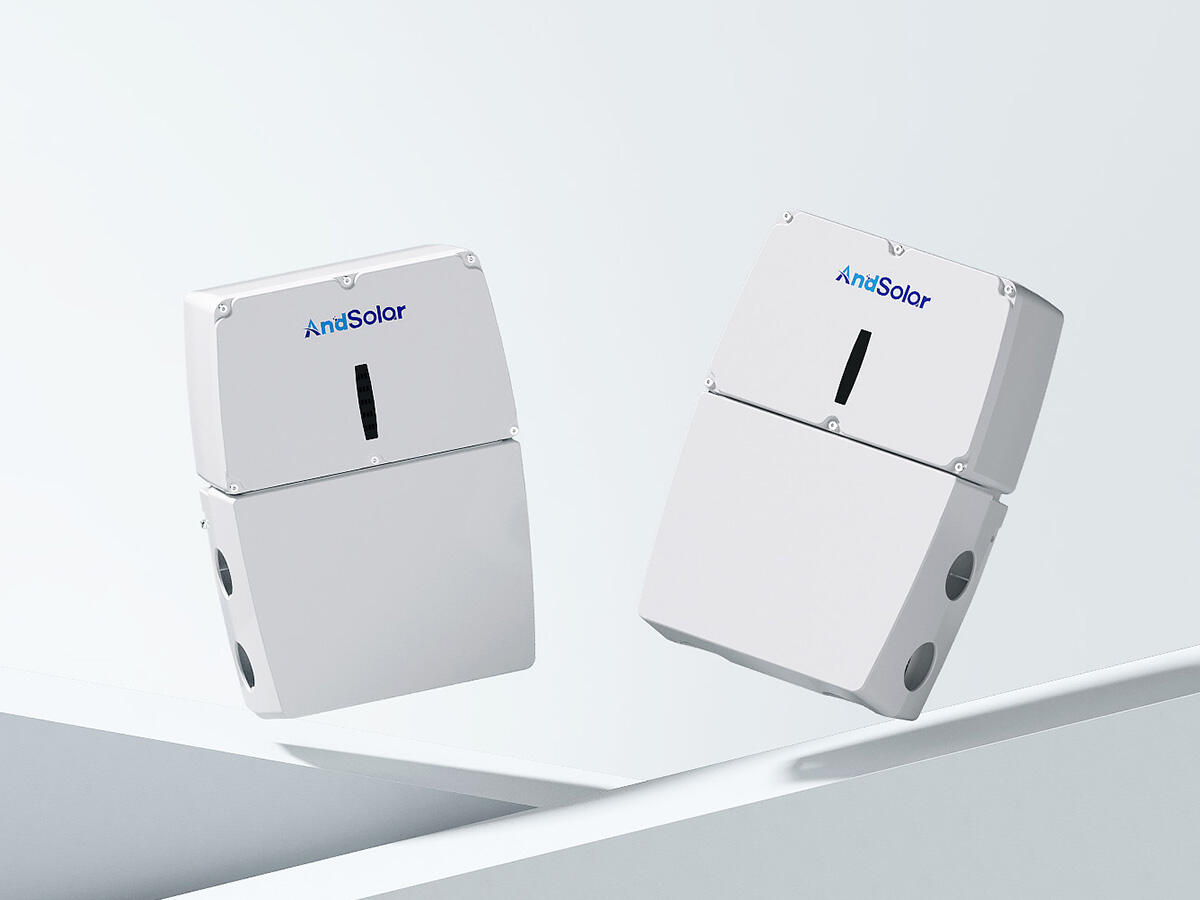
NEC 690.12 Rapid Shutdown Safety Compliance

NEC 690.12 Rapid Shutdown Safety Compliance

NEC 2017, 2020, and 2023 Section 690.12 defines rapid shutdown requirements to improve PV system safety. It requires that conductors outside the array be reduced to safe voltage within 30 seconds after shutdown initiation. This protects firefighters, installers, and maintenance personnel from electrical hazards. The standard specifies control boundaries and module-level or string-level shutdown options to ensure compliance. Systems must include clear labeling, reliable initiation methods, and verified shutdown performance. These requirements ensure PV installations meet safety codes while maintaining system reliability and consistent operation across residential and commercial applications.
Rapid Shutdown Implementation and System Optimization

Rapid Shutdown Implementation and System Optimization

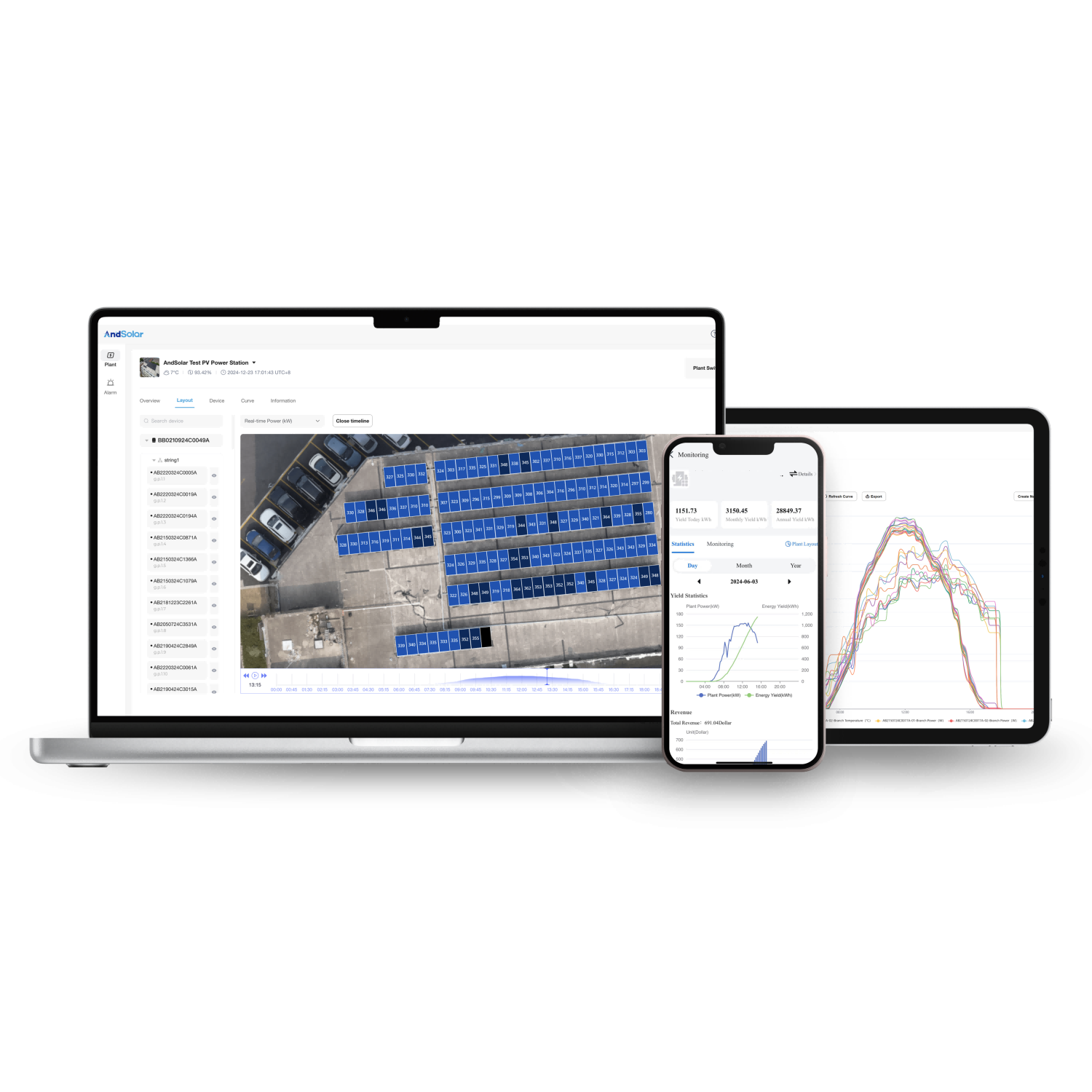
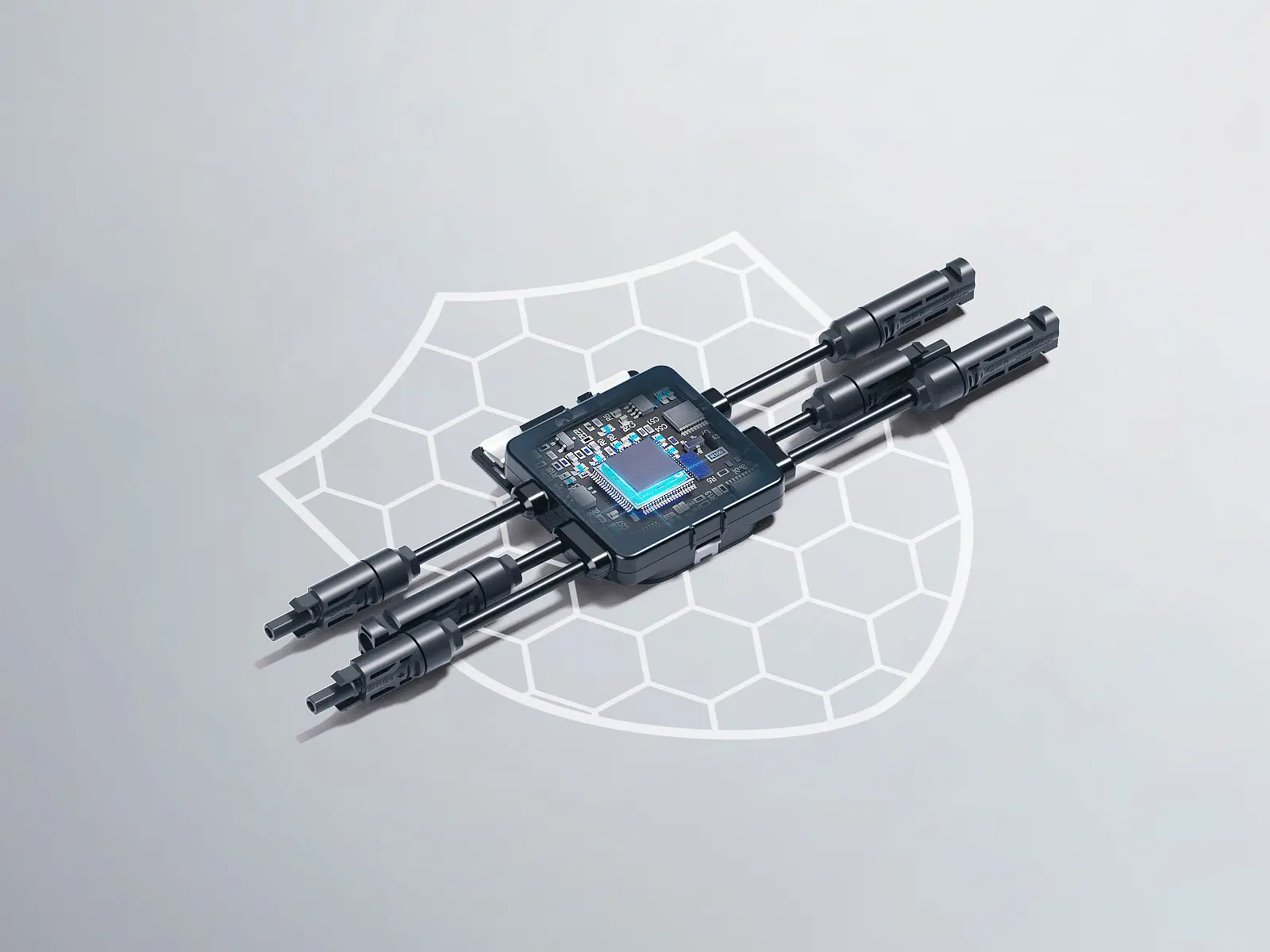
NEC 690.12 guides the implementation of rapid shutdown devices in PV systems to ensure safe and efficient operation. Systems use module-level or string-level devices to quickly reduce voltage when a shutdown signal is triggered. Integration with inverters and monitoring platforms enables real-time status tracking and fault detection. Proper system design ensures compatibility, stable performance, and compliance with code updates. By combining safety control with monitoring, rapid shutdown solutions help optimize maintenance, reduce risks, and support long-term PV system performance under NEC requirements.

Get a Free Quote

Our representative will contact you soon.
Name
Email
Phone/ WhatsApp
Company Name
Product Selection
Message
0/1000

NEC 2017&2020&2023(690.12)

Latest News

When Should You Use Power Optimizers?

17

Jun

When Should You Use Power Optimizers?

Understanding Power Optimizers in Solar Systems What Are Power Optimizers? Power optimizers are applied in solar system for energy harvest purpose. These smart devices are connected to every solar panel to optimise and manage the panel. Pow...
View More
How to choose the rapid shutdown device for your solar installation

21

Jul

How to choose the rapid shutdown device for your solar installation

Making the Right Safety Choice for Solar Installations As solar energy adoption continues to rise in both residential and commercial sectors, safety considerations are becoming a top priority during system design and installation. One of the most cr...
View More
The Comparison Between Module-Level Rapid Shutdown Devices and String-Level Rapid Shutdown Devices

13

Aug

The Comparison Between Module-Level Rapid Shutdown Devices and String-Level Rapid Shutdown Devices

Advancing Solar Safety Through Modern Shutdown Solutions In the evolving solar energy industry, system safety and compliance with regulations are crucial for long-term performance. Rapid shutdown devices have become a standard requirement in many reg...
View More
When Rapid Shutdown Meets Real-Time Monitoring: The Evolution of Solar Safety

17

Sep

When Rapid Shutdown Meets Real-Time Monitoring: The Evolution of Solar Safety

Transforming Solar Power Protection Through Advanced Safety Integration The landscape of renewable energy has witnessed a remarkable transformation, particularly in the realm of solar safety. As solar installations become increasingly prevalent acros...
View More

Get a Free Quote

Our representative will contact you soon.
Name
Email
Phone/ WhatsApp
Company Name
Product Selection
Message
0/1000