Global Rapid Shutdown Regulation: Complete Guide to Solar Safety Standards and Compliance Benefits

  • 8F, Block B, Building 1, 286 Qinglonggang Road, Suzhou City, Jiangsu Province, P. R. China
  • [email protected]
AndSolar Cloud

global rapid shutdown regulation

The global rapid shutdown regulation represents an international framework designed to enhance safety protocols in solar photovoltaic (PV) systems worldwide. This standard requires solar installations to include safety mechanisms that quickly reduce DC voltage to safe levels during emergencies or maintenance. PV systems must implement technology capable of rapidly deenergizing solar panels and associated wiring when activated, typically reducing voltage to 80 volts or less within 30 seconds. The regulation supports emergency response, maintenance safety, and fire prevention measures. Rapid shutdown technologies include module-level power electronics, centralized shutdown controllers, and communication systems that coordinate fast response across solar arrays. These solutions help ensure safer installation, operation, and servicing of modern photovoltaic systems across residential, commercial, and utility-scale applications globally.
The global rapid shutdown regulation delivers substantial practical benefits that directly impact system owners, maintenance professionals, and emergency responders. Enhanced safety represents the primary advantage, providing immediate protection for anyone working on or near solar installations. When emergencies occur, the global rapid shutdown regulation enables first responders to quickly eliminate electrical hazards, allowing them to focus on their primary mission without worrying about energized solar equipment. This capability saves precious time during critical situations and reduces liability concerns for property owners. Maintenance efficiency improves significantly under the global rapid shutdown regulation framework. Technicians can perform routine inspections, cleaning, and repairs more quickly because they can deenergize systems instantly rather than waiting for complex shutdown procedures. This efficiency translates to reduced service costs and shorter system downtime, maximizing energy production and financial returns for system owners. Insurance benefits represent another compelling advantage of the global rapid shutdown regulation compliance. Many insurance providers offer reduced premiums for solar installations that meet these safety standards, recognizing the decreased risk profile associated with rapid shutdown capabilities. Property owners often recover the additional equipment costs through insurance savings within a few years. System longevity increases when the global rapid shutdown regulation protocols are properly implemented. Regular safe maintenance enabled by quick shutdown features helps identify potential issues before they become costly problems. This proactive approach extends equipment lifespan and maintains optimal performance levels throughout the system's operational life. Installation flexibility improves because the global rapid shutdown regulation compliance opens access to previously restricted locations. Some building codes and zoning regulations specifically require rapid shutdown capabilities, making compliant systems eligible for installation in high-value locations such as urban commercial buildings and dense residential areas. Market competitiveness strengthens for solar installers who specialize in global rapid shutdown regulation compliant systems. These professionals can bid on projects that specifically require safety certifications, accessing premium market segments with higher profit margins and more sophisticated clientele who prioritize safety and regulatory compliance.

New Product Releases

Advanced Module-Level Safety Technology

Advanced Module-Level Safety Technology

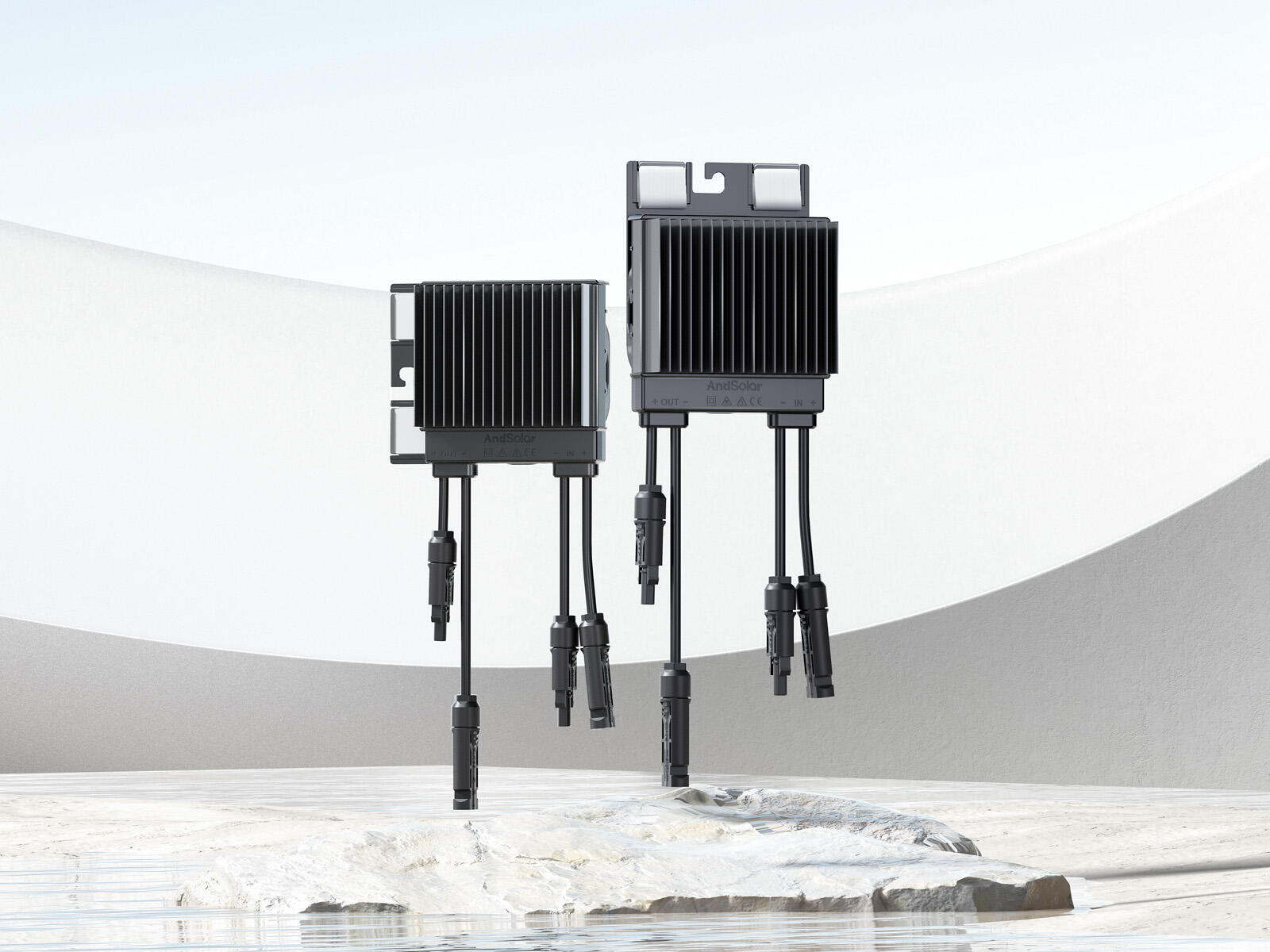
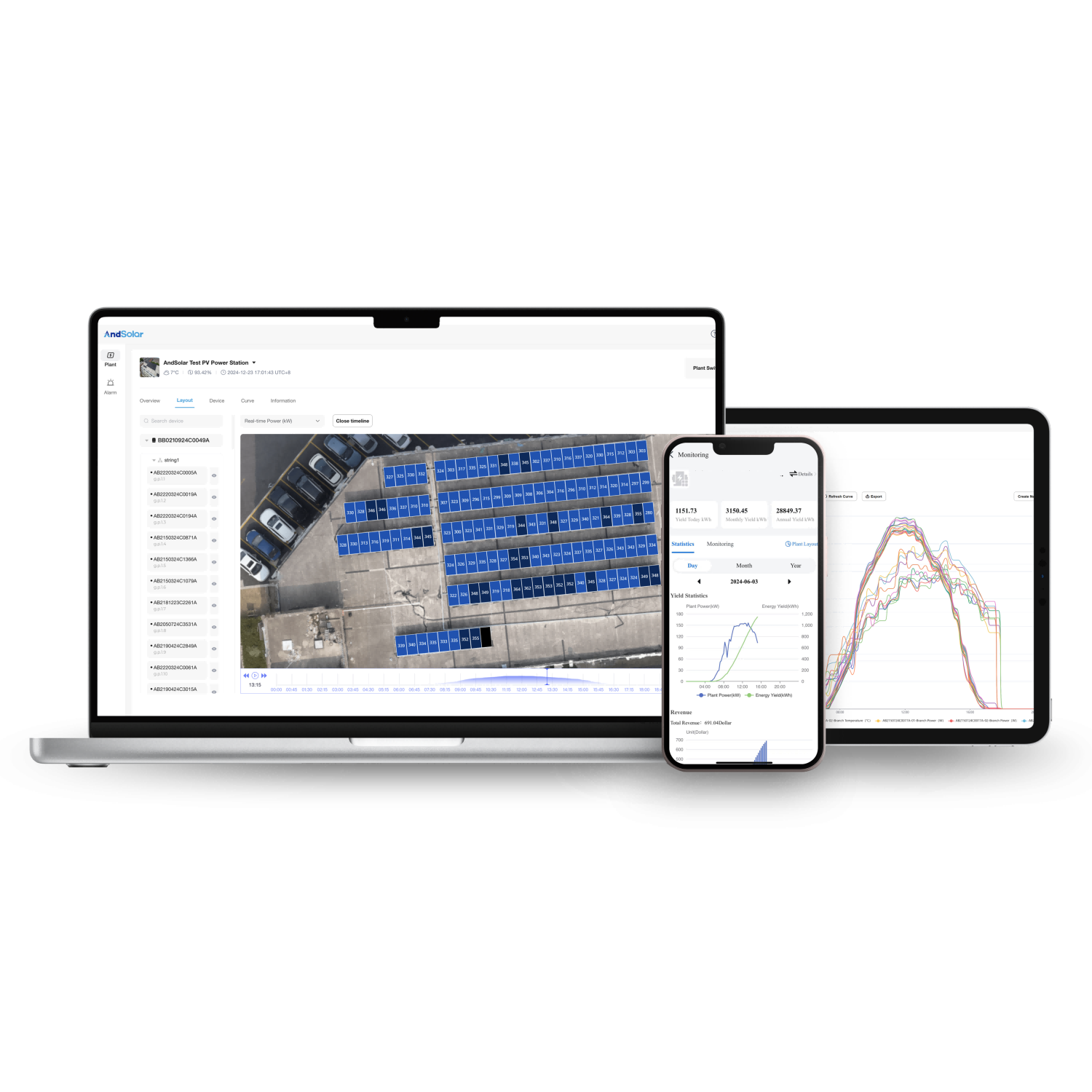
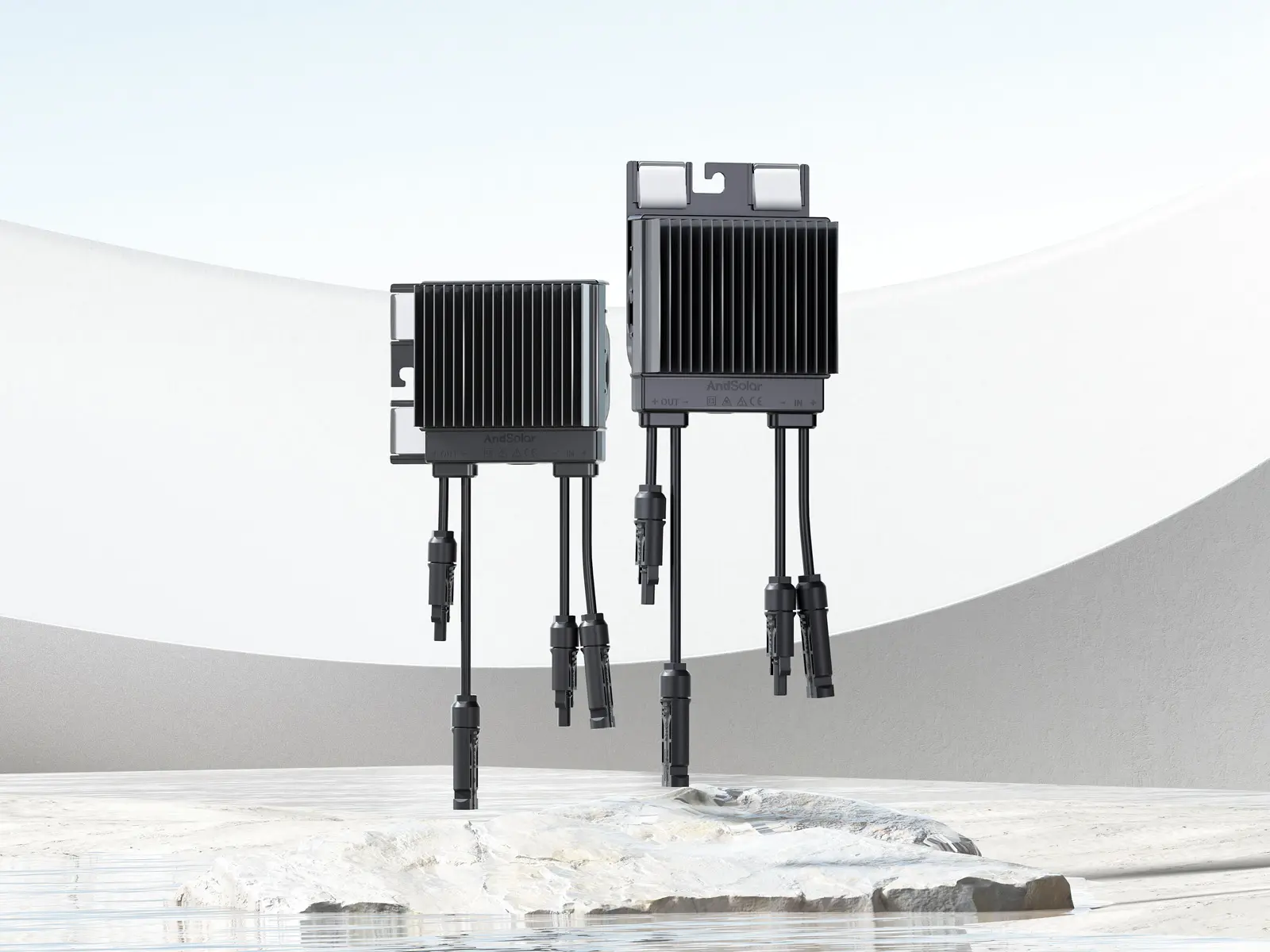
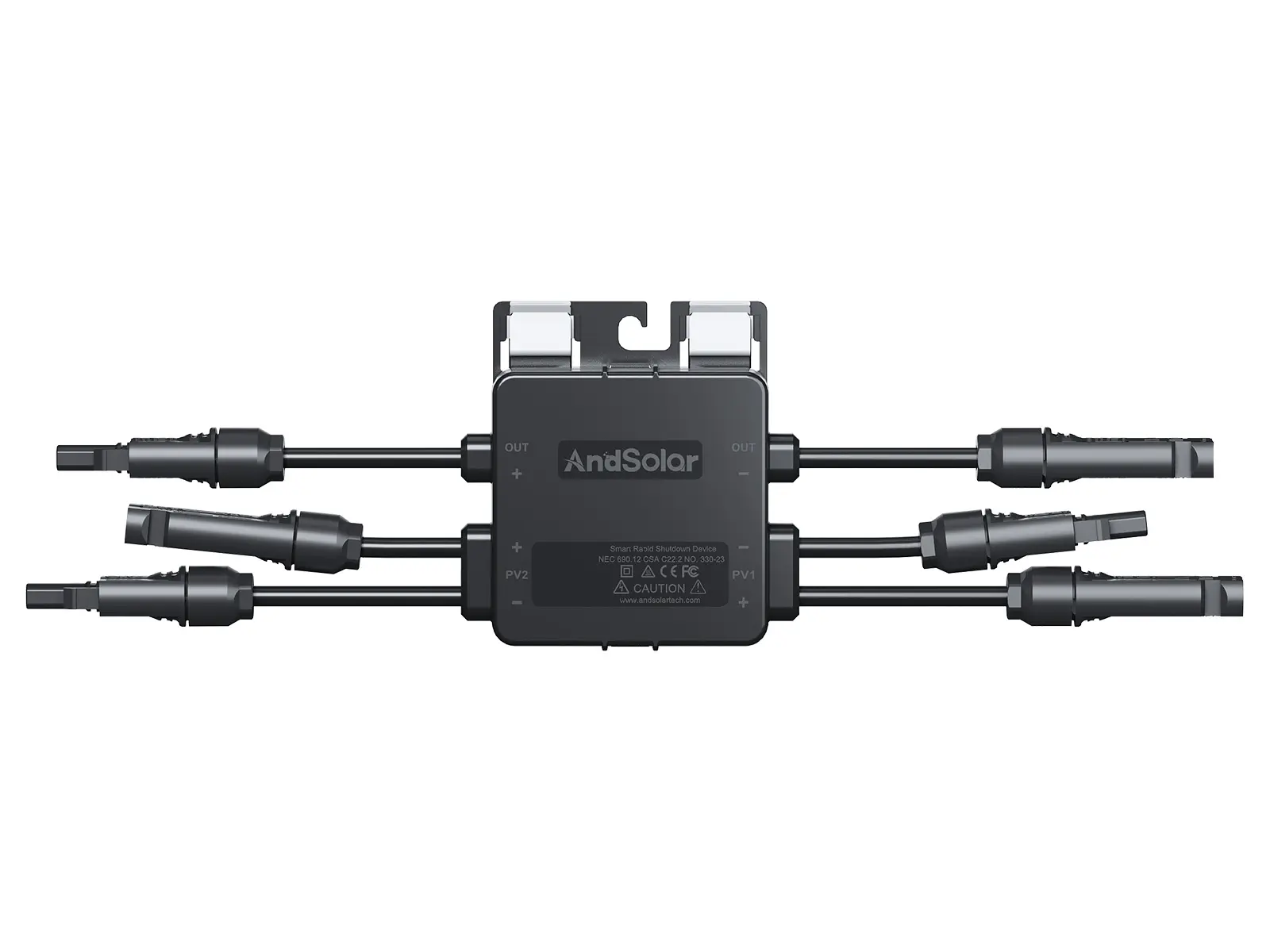
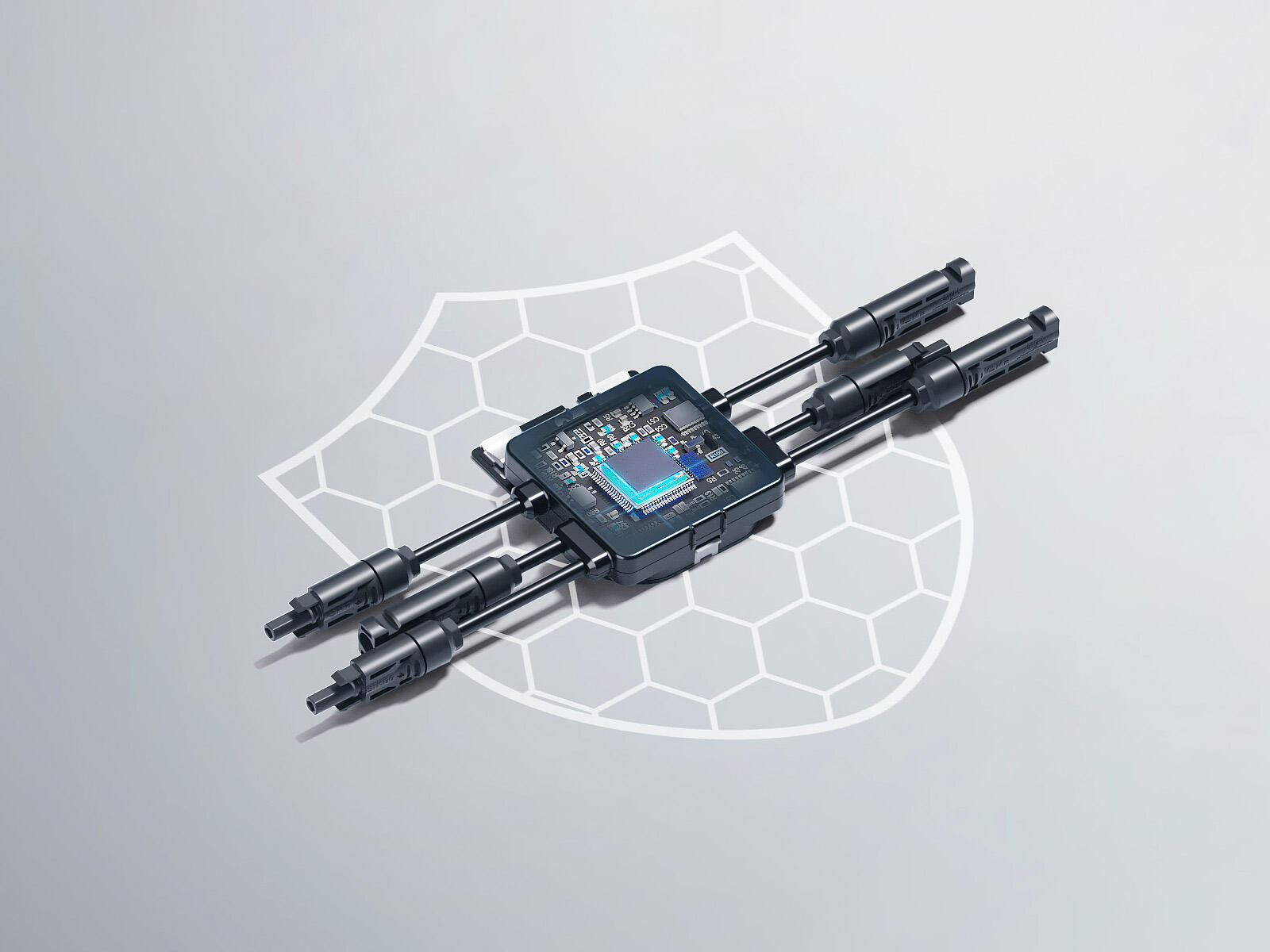
The global rapid shutdown regulation drives innovation in module-level safety technology, creating sophisticated systems that provide unprecedented control over solar panel operations. This technology represents a fundamental shift from traditional string-level controls to granular, panel-by-panel management capabilities. Each solar module equipped with rapid shutdown technology contains embedded electronics that can receive and execute shutdown commands within seconds of activation. These module-level devices communicate through various protocols including powerline communication, wireless mesh networks, or dedicated control wiring, ensuring reliable command transmission even in challenging environmental conditions. The technology integrates seamlessly with existing solar equipment while adding minimal complexity to installation procedures. Professional installers appreciate how modern rapid shutdown systems simplify wiring requirements and reduce installation time compared to traditional safety approaches. The global rapid shutdown regulation compliance through module-level technology provides superior safety outcomes because it eliminates energized conductors throughout the entire DC circuit, not just at central disconnect points. This comprehensive approach protects workers and emergency responders regardless of where they access the solar installation. Module-level rapid shutdown technology also enables advanced monitoring capabilities that extend beyond basic safety functions. System owners gain detailed visibility into individual panel performance, allowing early detection of maintenance needs or performance degradation issues. This monitoring capability transforms the global rapid shutdown regulation from a simple safety requirement into a valuable system optimization tool. The technology supports remote activation capabilities, enabling system owners or monitoring services to initiate shutdown procedures from distant locations. This remote access proves invaluable during emergency situations when physical access to shutdown switches may be dangerous or impossible. Installation versatility increases significantly with module-level rapid shutdown technology because it adapts to virtually any system configuration without requiring major design modifications or specialized equipment placements.
Comprehensive Emergency Response Integration

Comprehensive Emergency Response Integration

The global rapid shutdown regulation establishes comprehensive emergency response integration that fundamentally transforms how first responders approach incidents involving solar-equipped buildings. This integration creates standardized procedures and equipment interfaces that emergency personnel can rely on regardless of the specific solar installation they encounter. Fire departments, emergency medical services, and law enforcement agencies benefit from consistent rapid shutdown capabilities that eliminate guesswork during high-stress emergency situations. Training programs now incorporate global rapid shutdown regulation procedures, ensuring emergency responders understand how to quickly identify and activate safety systems. The integration extends beyond simple on-off switches to include clear labeling requirements, standardized placements, and intuitive activation methods that work effectively even in low-visibility conditions or when responders are wearing protective equipment. Emergency response integration under the global rapid shutdown regulation includes coordination with building management systems, fire alarm networks, and security systems. When smoke detectors activate or manual fire alarms trigger, integrated rapid shutdown systems can automatically deenergize solar installations without requiring manual intervention. This automation proves critical during situations where human response might be delayed or impossible due to evacuation requirements or hazardous conditions. Communication capabilities built into modern rapid shutdown systems enable real-time status reporting to emergency command centers. Incident commanders can verify that solar systems have been successfully deenergized and monitor their status throughout emergency operations. This visibility reduces uncertainty and allows more effective resource allocation during complex emergency scenarios. The global rapid shutdown regulation integration supports post-incident analysis through detailed logging capabilities that record activation times, system responses, and any anomalies that occurred during emergency shutdown procedures. This data helps emergency services improve their response protocols and provides valuable feedback for system manufacturers to enhance future safety designs. Training resources developed specifically for the global rapid shutdown regulation help emergency services understand the technology and practice activation procedures during routine training exercises, building confidence and competency before real emergencies occur.
Economic and Regulatory Compliance Benefits

Economic and Regulatory Compliance Benefits

The global rapid shutdown regulation creates substantial economic and regulatory compliance benefits that extend far beyond basic safety requirements, delivering measurable financial value to system owners and installers. Regulatory compliance represents the foundation of these benefits, as adherence to the global rapid shutdown regulation ensures solar installations meet current and anticipated safety codes across multiple jurisdictions. This compliance eliminates costly retrofits and modifications that might otherwise be required as safety standards evolve. Property values increase when solar installations incorporate global rapid shutdown regulation compliance because these systems meet the highest current safety standards and are positioned to satisfy future regulatory requirements. Real estate professionals recognize that compliant systems reduce liability concerns and insurance complications for future property owners. Market research indicates that properties with compliant solar installations command premium prices compared to those with older, non-compliant systems. Installation permits process more efficiently when projects demonstrate global rapid shutdown regulation compliance from the initial application stage. Building departments and electrical inspectors familiar with these standards can approve compliant designs more quickly because they understand the safety implications and regulatory framework. This efficiency reduces project timelines and associated carrying costs for developers and system owners. Financing advantages emerge for projects that incorporate global rapid shutdown regulation compliance because lenders recognize the reduced risk profile associated with safety-compliant installations. Many commercial lending institutions now require rapid shutdown capabilities as a condition for solar project financing, making compliance essential for accessing competitive interest rates and favorable loan terms. Insurance premium reductions represent ongoing economic benefits of global rapid shutdown regulation compliance. Risk assessments by insurance companies consistently show lower claim frequencies and severities for compliant installations, leading to reduced premiums that accumulate into significant savings over system lifespans. Some insurance providers offer immediate discounts of ten to fifteen percent for compliant systems. Long-term maintenance costs decrease under global rapid shutdown regulation implementations because the technology enables safer, more frequent maintenance activities that prevent minor issues from developing into major system failures. This preventive approach maximizes system performance and extends equipment lifespans, improving the overall return on solar investments.

Get a Free Quote

Our representative will contact you soon.
Name
Email
Phone/ WhatsApp
Company Name
Product Selection
Message
0/1000

global rapid shutdown regulation

Practical Tips

How to choose the rapid shutdown device for your solar installation

21

Jul

How to choose the rapid shutdown device for your solar installation

Making the Right Safety Choice for Solar Installations As solar energy adoption continues to rise in both residential and commercial sectors, safety considerations are becoming a top priority during system design and installation. One of the most cr...
View More
Benefits of MLPE VS. traditional PV system

21

Jul

Benefits of MLPE VS. traditional PV system

Comparing Modern and Traditional Approaches to Solar Power Management As solar energy adoption continues to grow globally, both homeowners and commercial operators face critical choices in system architecture. Among the most significant is the decis...
View More
When Rapid Shutdown Meets Real-Time Monitoring: The Evolution of Solar Safety

17

Sep

When Rapid Shutdown Meets Real-Time Monitoring: The Evolution of Solar Safety

Transforming Solar Power Protection Through Advanced Safety Integration The landscape of renewable energy has witnessed a remarkable transformation, particularly in the realm of solar safety. As solar installations become increasingly prevalent acros...
View More
Global Rapid Shutdown Standards: How AndSolar Meets the Standards

23

Sep

Global Rapid Shutdown Standards: How AndSolar Meets the Standards

Understanding Solar Safety Through Rapid Shutdown Innovation The evolution of solar energy systems has brought unprecedented focus on safety protocols, with rapid shutdown standards emerging as a crucial component in modern solar installations. These...
View More

Get a Free Quote

Our representative will contact you soon.
Name
Email
Phone/ WhatsApp
Company Name
Product Selection
Message
0/1000