solar module-level power electronics
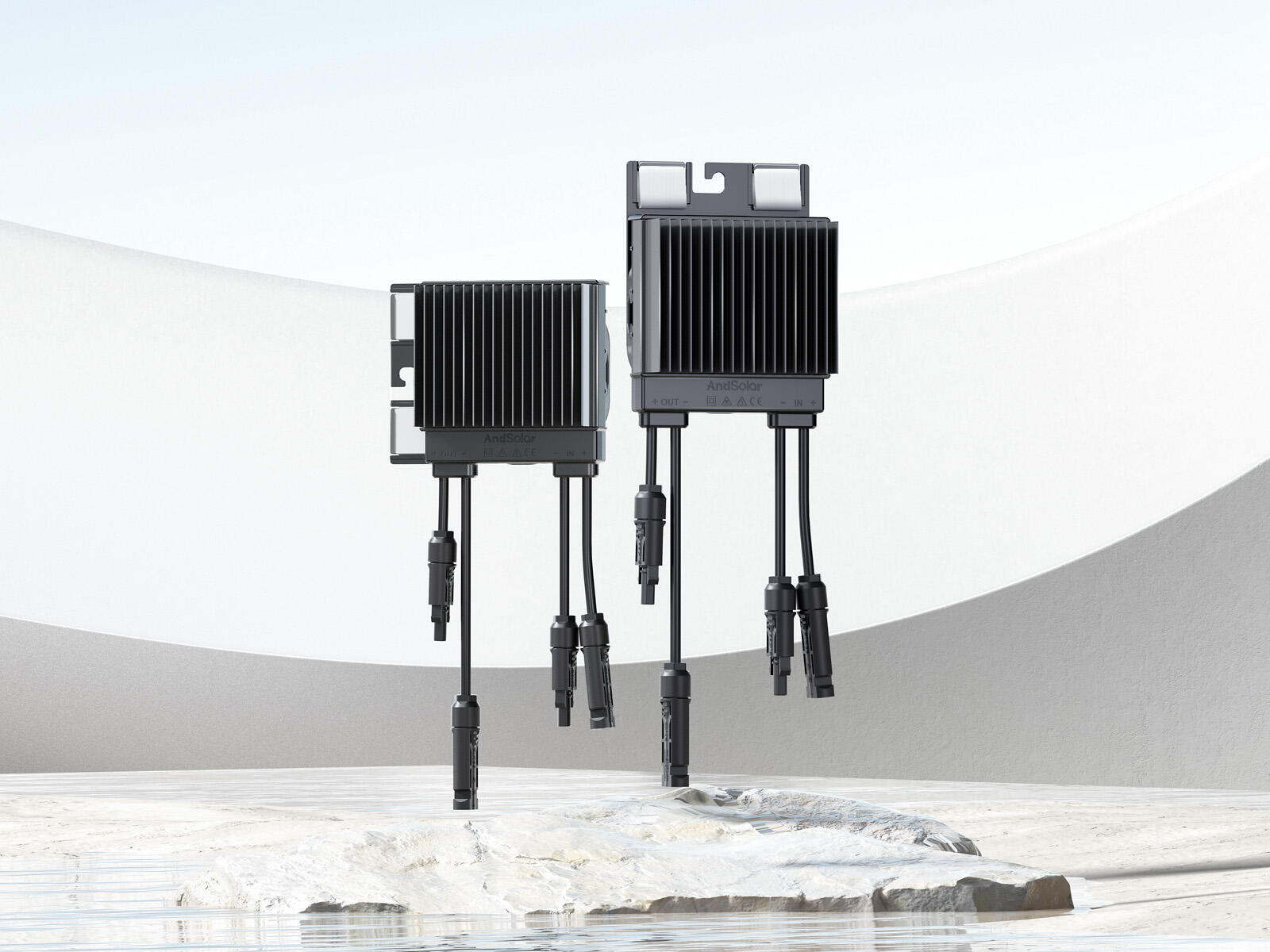
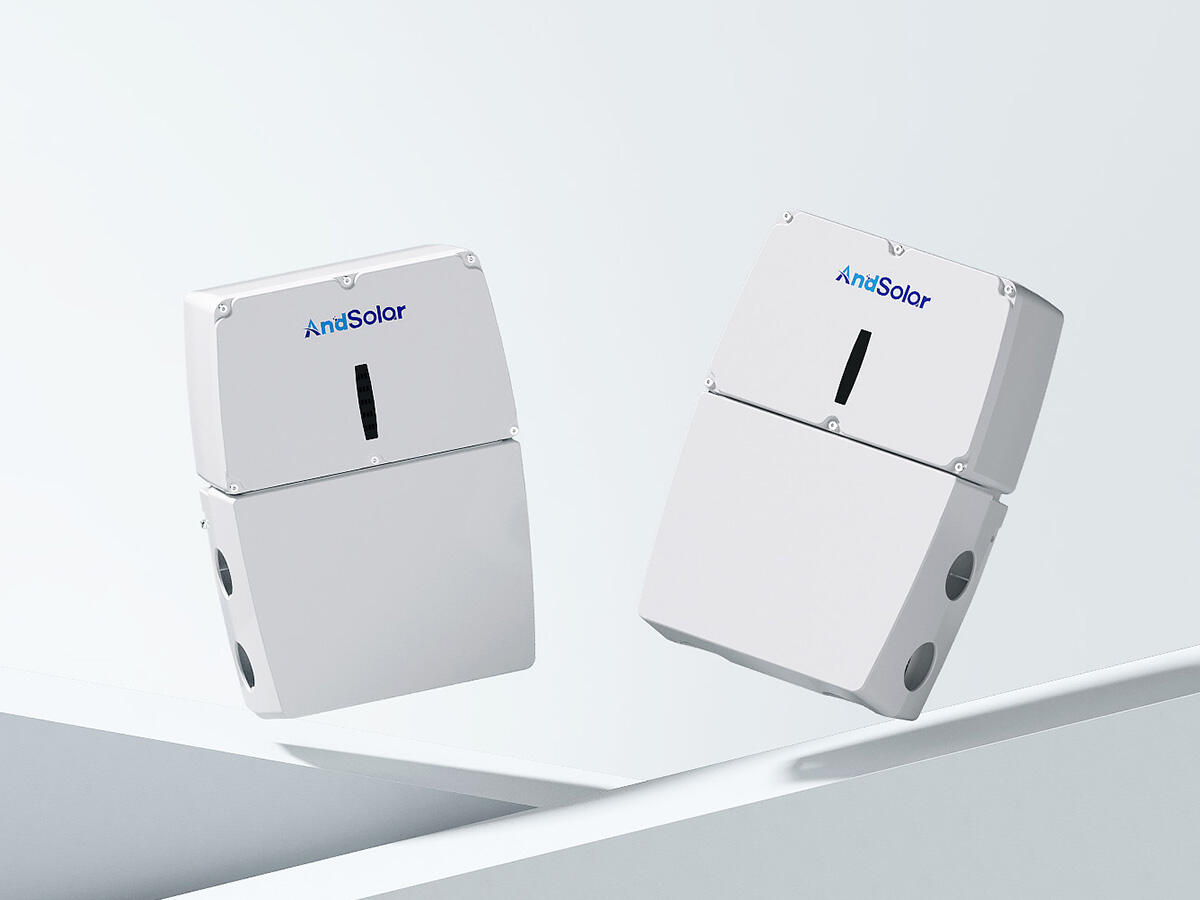
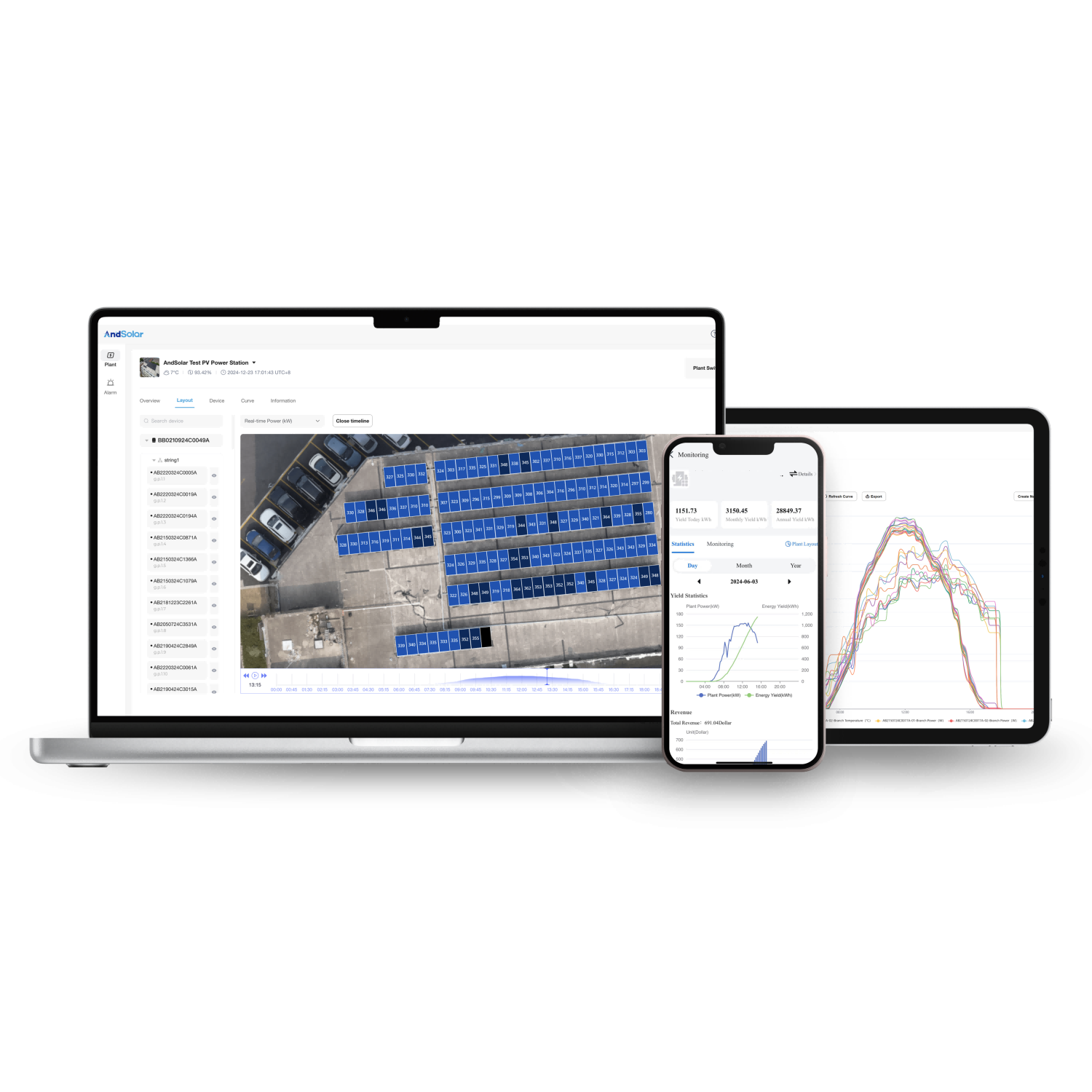
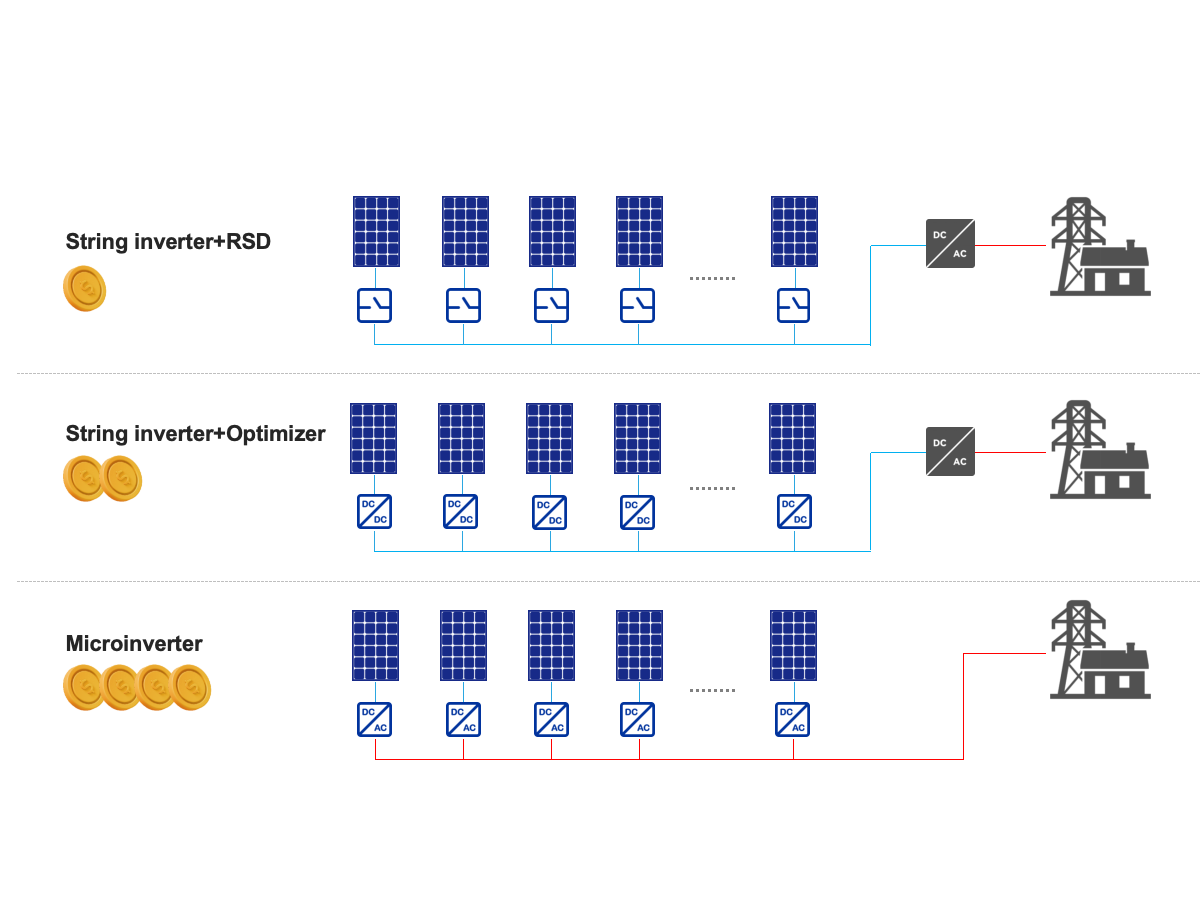
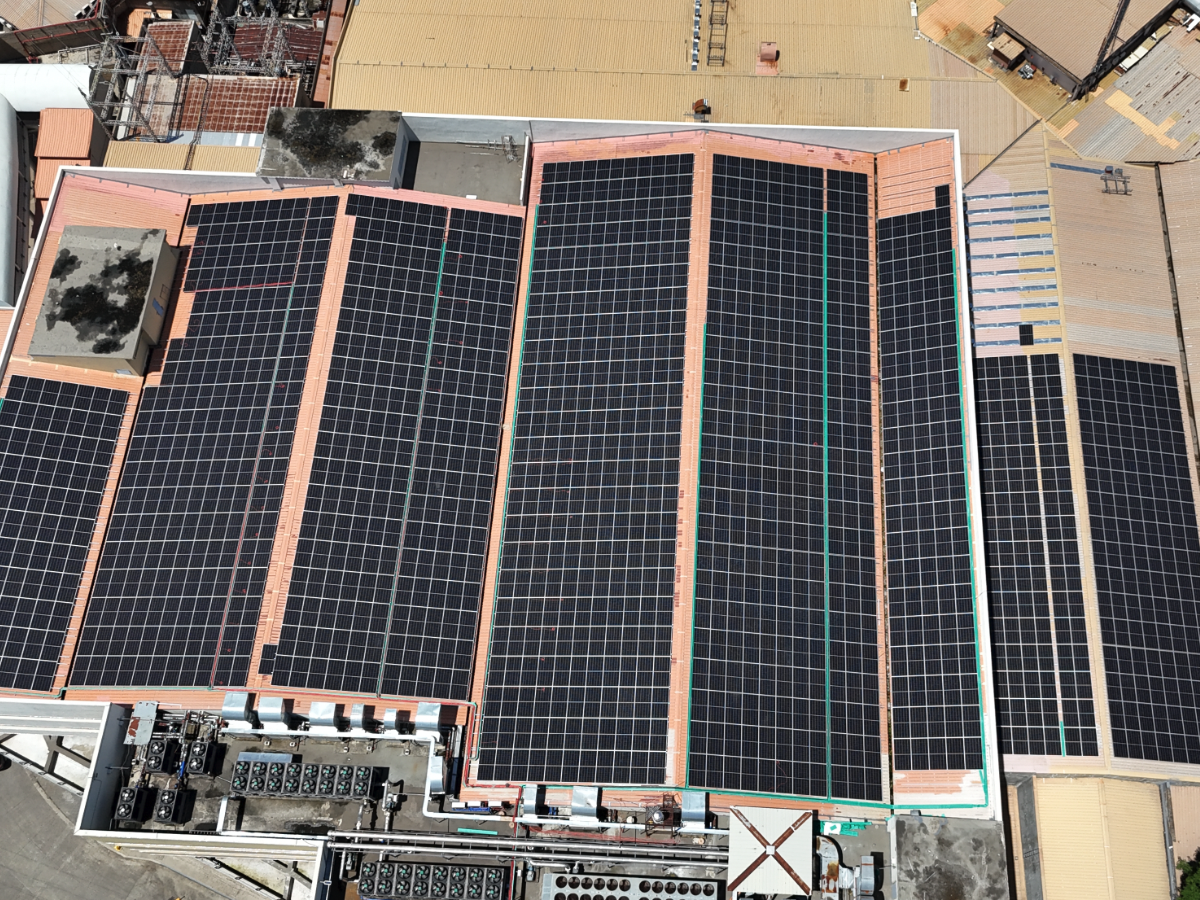
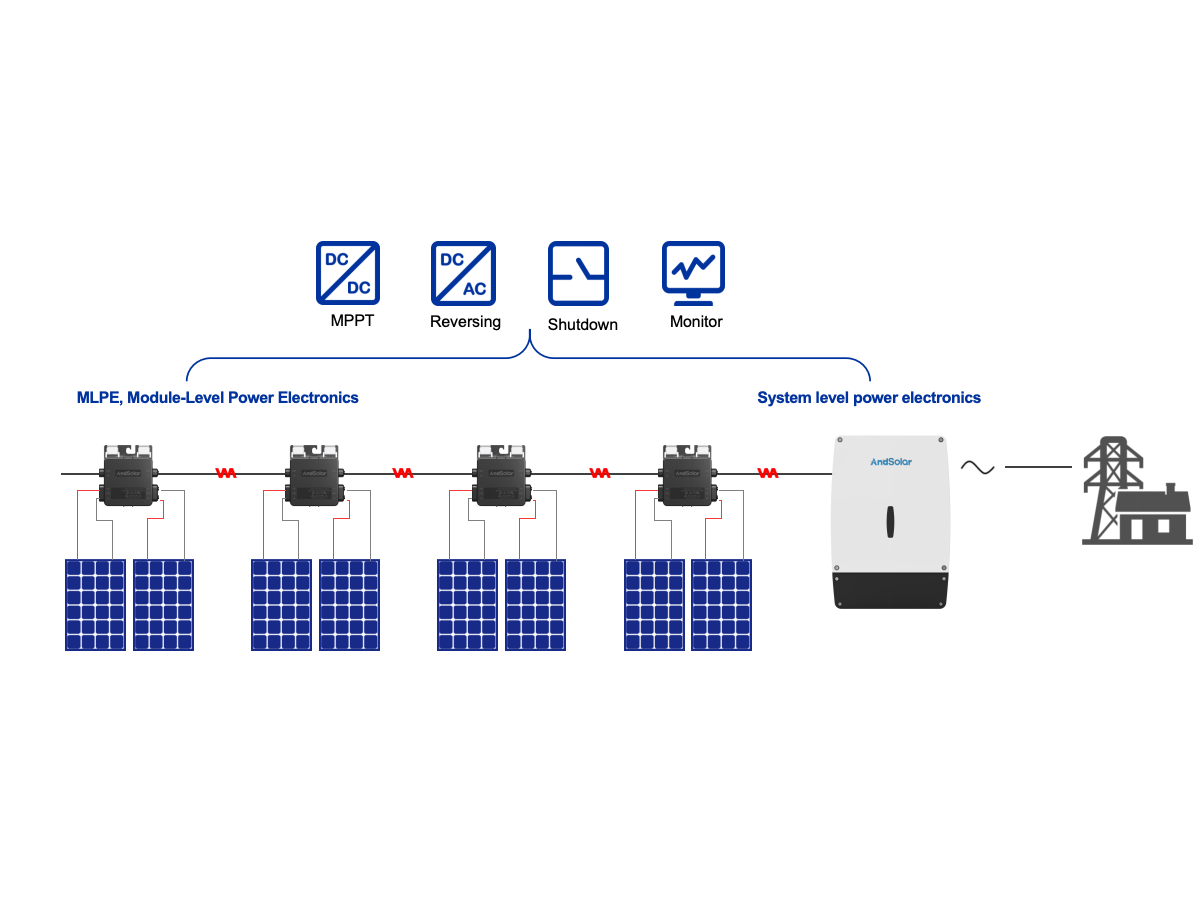
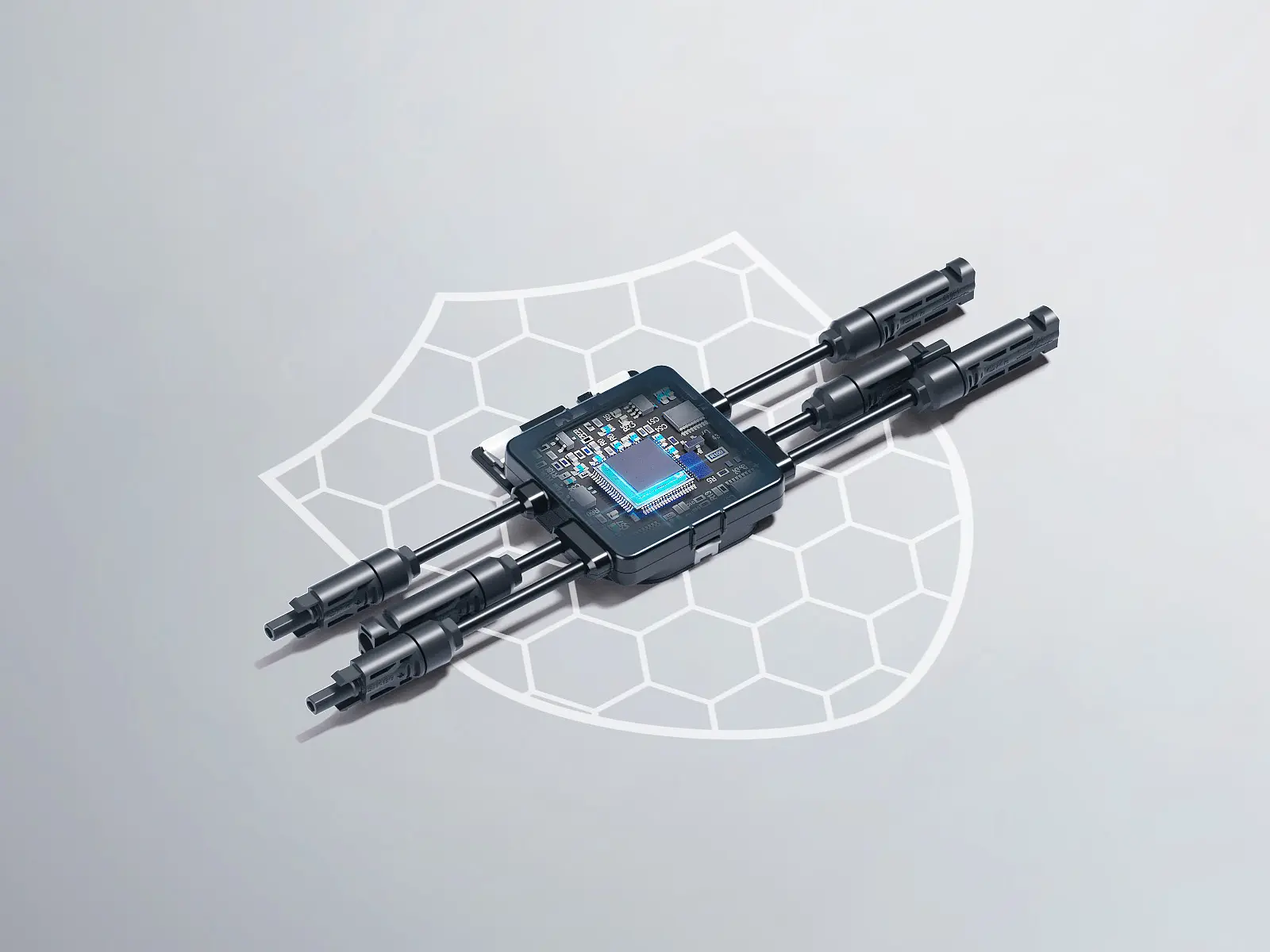
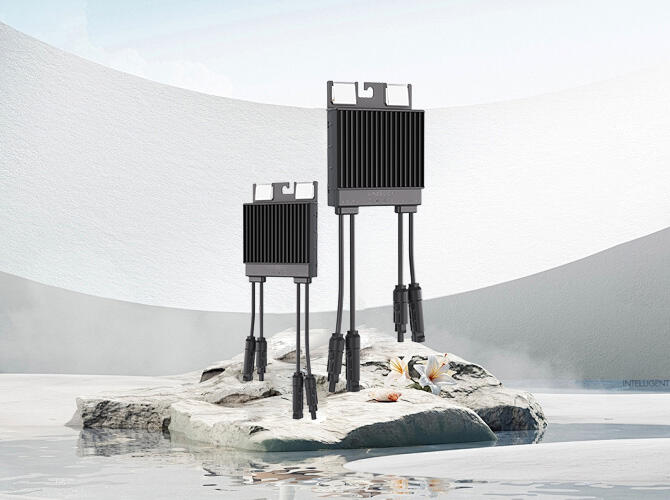
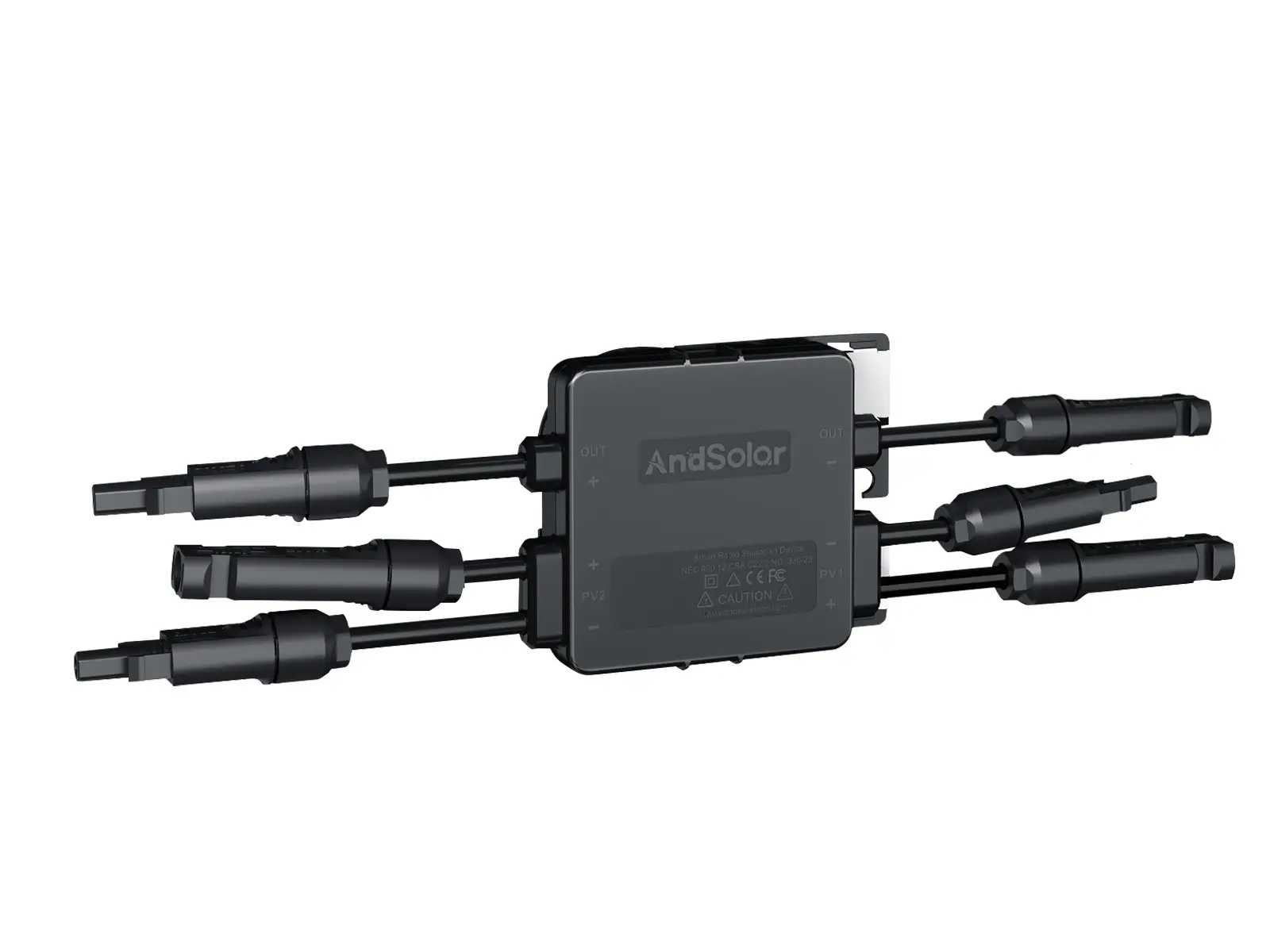
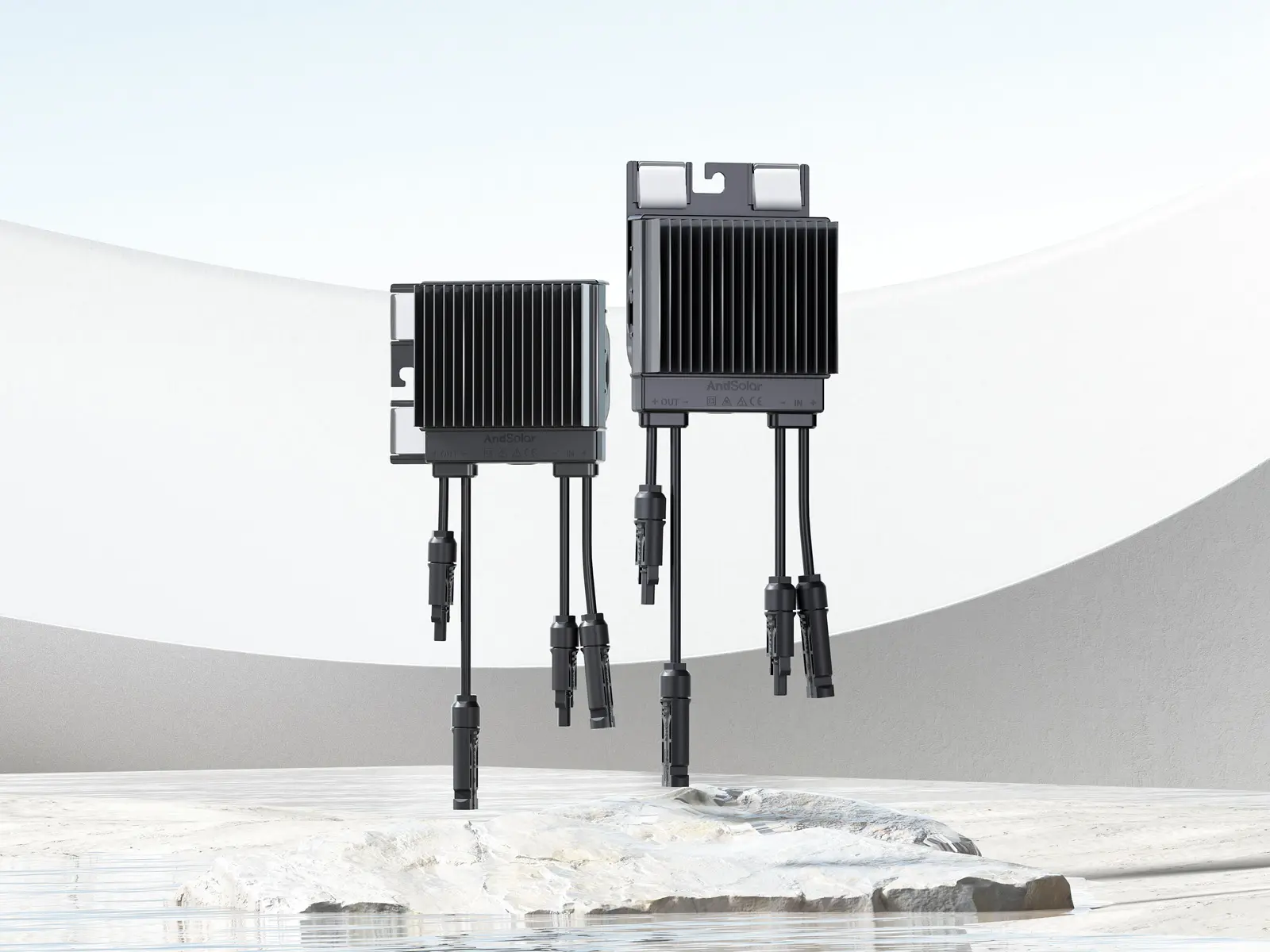
Solar module-level power electronics represent a revolutionary advancement in photovoltaic energy systems, fundamentally transforming how solar installations operate and perform. These sophisticated electronic devices are integrated directly at the individual solar panel level, providing unprecedented control, monitoring, and optimization capabilities for each module within a solar array. Unlike traditional string inverter systems that manage multiple panels collectively, solar module-level power electronics ensure that every single panel operates at its maximum potential, regardless of external conditions affecting neighboring modules. The primary functions of solar module-level power electronics include maximum power point tracking for individual modules, real-time performance monitoring, safety shutdown capabilities, and detailed energy production analytics. These systems utilize advanced semiconductor technology, microprocessors, and communication protocols to deliver superior energy harvest and system reliability. The technological features encompass rapid shutdown compliance, arc fault detection, ground fault protection, and wireless or powerline communication for comprehensive system monitoring. Applications span residential rooftops with complex shading patterns, commercial installations requiring detailed performance tracking, utility-scale projects demanding maximum energy yield, and specialized environments where individual module optimization is critical. The integration of solar module-level power electronics enables installers and system owners to achieve higher energy production, improved system reliability, enhanced safety compliance, and granular visibility into system performance. These devices effectively eliminate the weakest link problem inherent in traditional string configurations, where one underperforming panel can significantly impact the entire string's output. By implementing module-level optimization, solar installations can achieve energy gains of 10-25% compared to conventional systems, while providing unprecedented insight into individual panel health and performance characteristics that enable proactive maintenance and troubleshooting strategies.