MLPE Solar Monitoring Technology
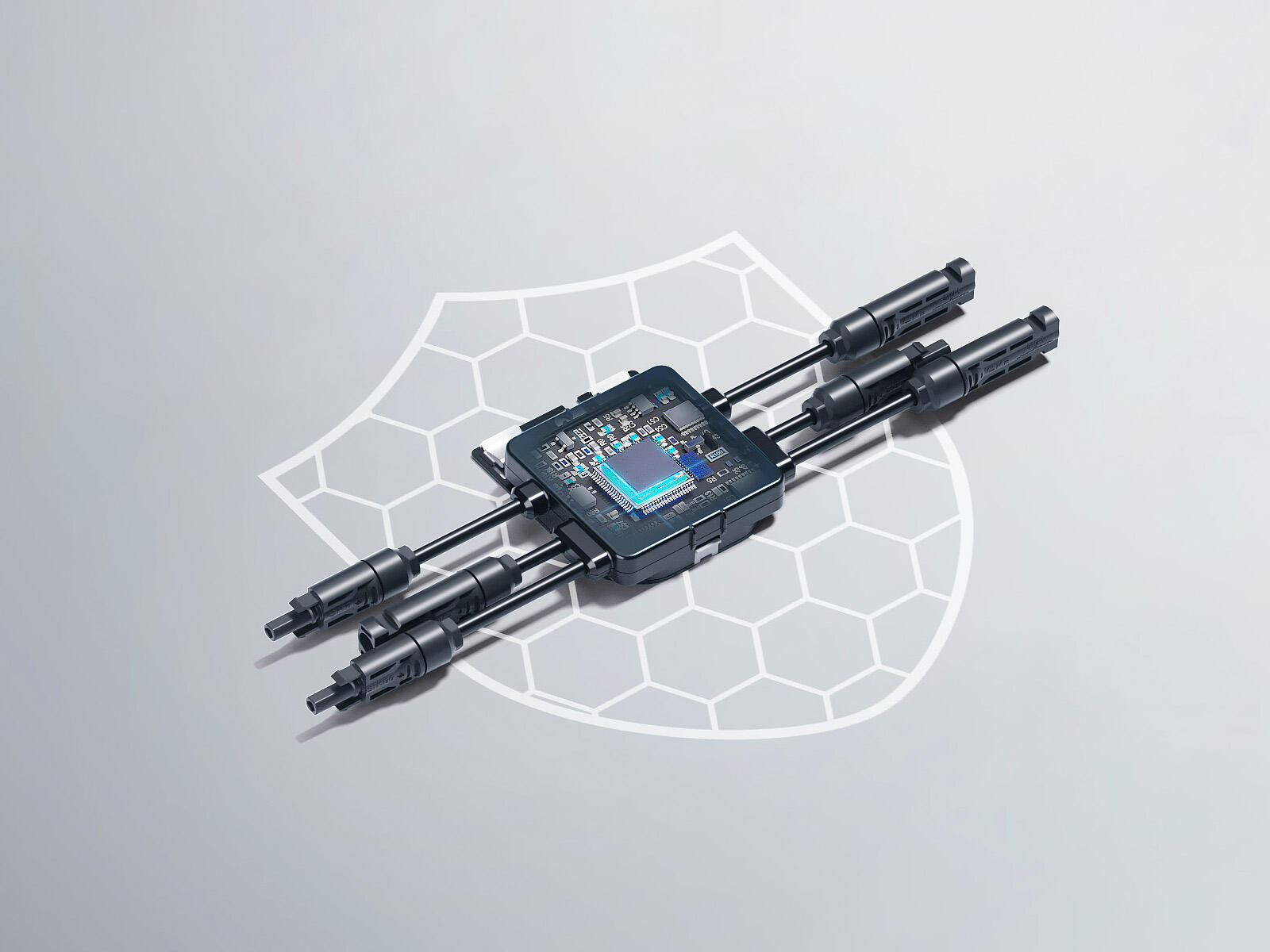
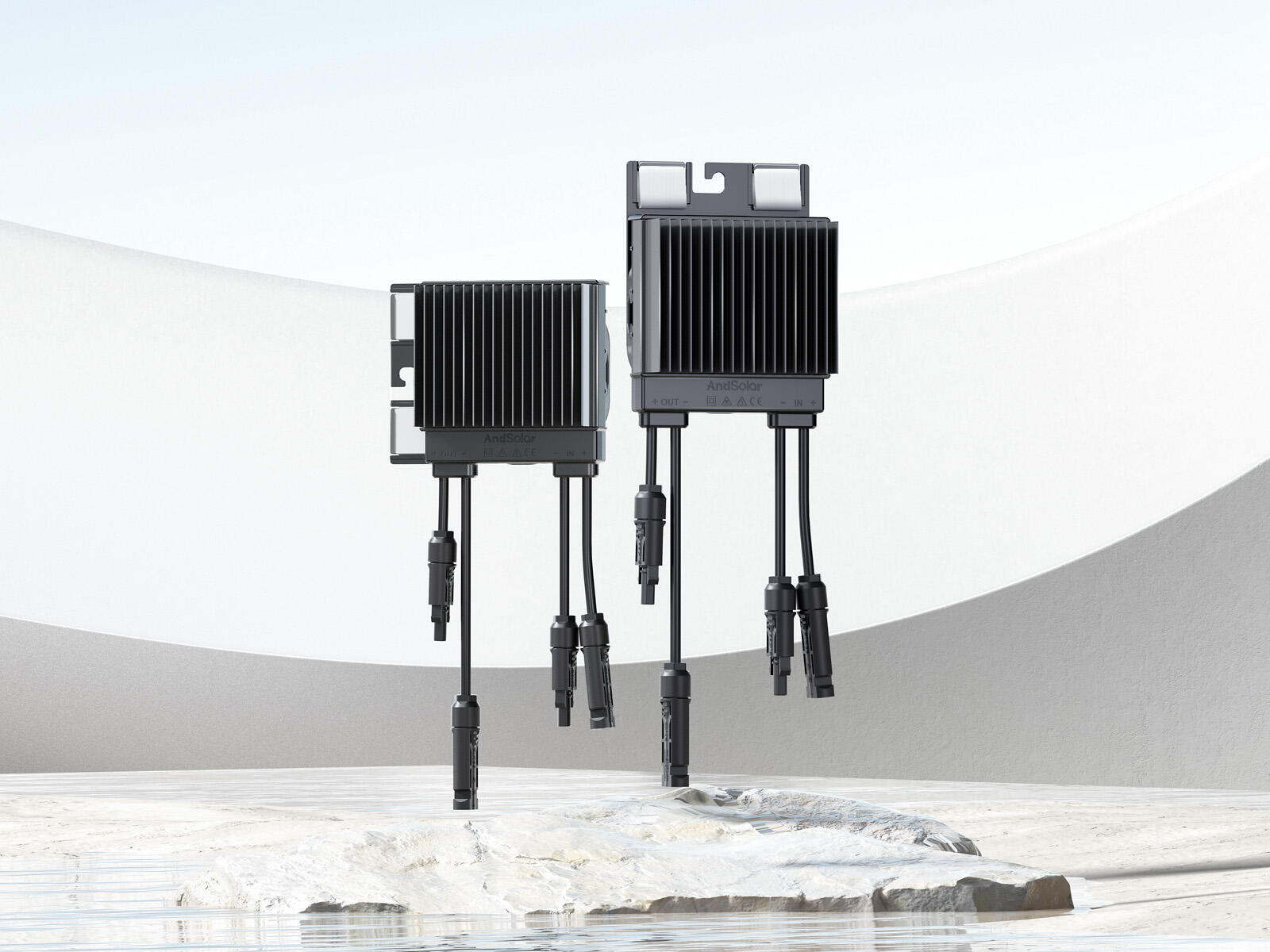
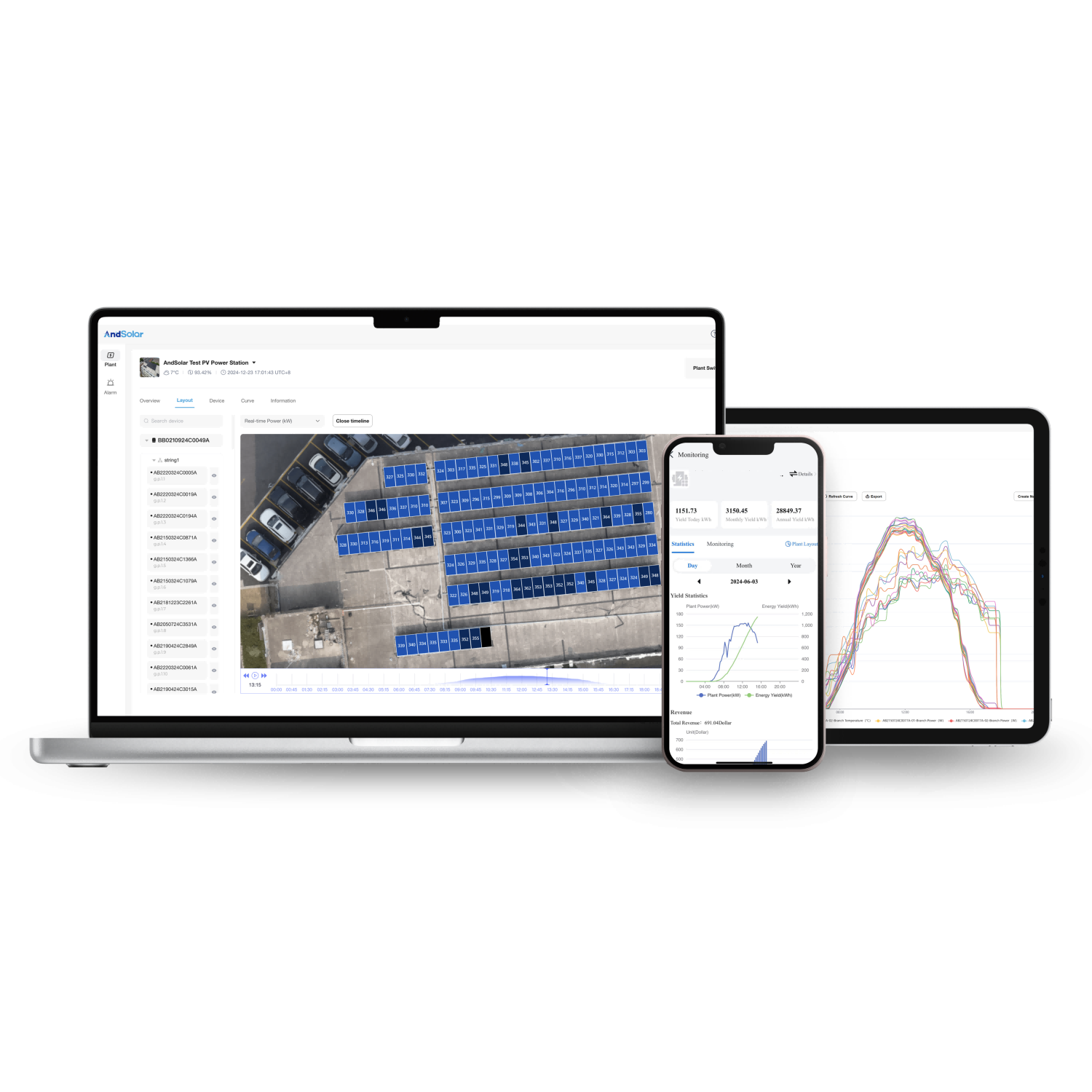
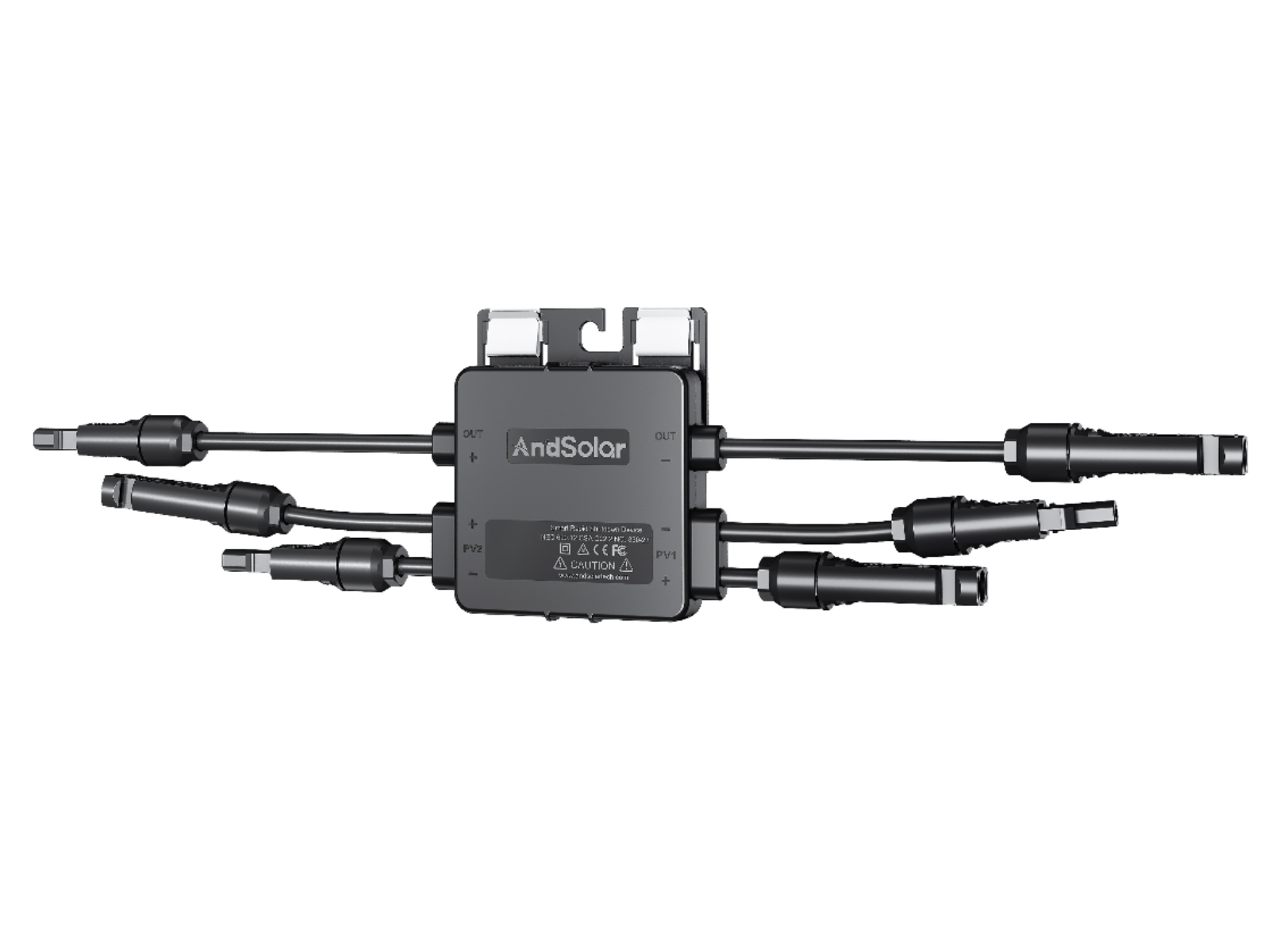
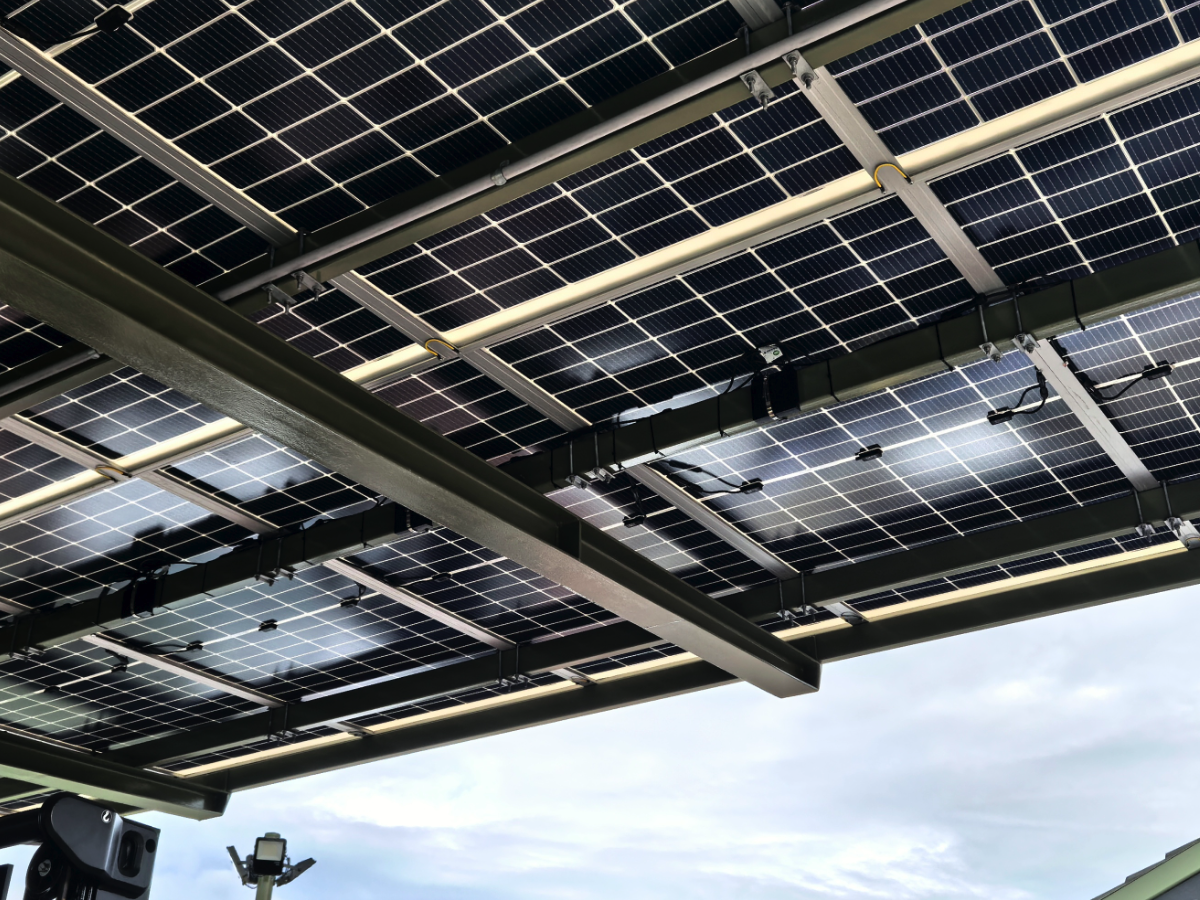
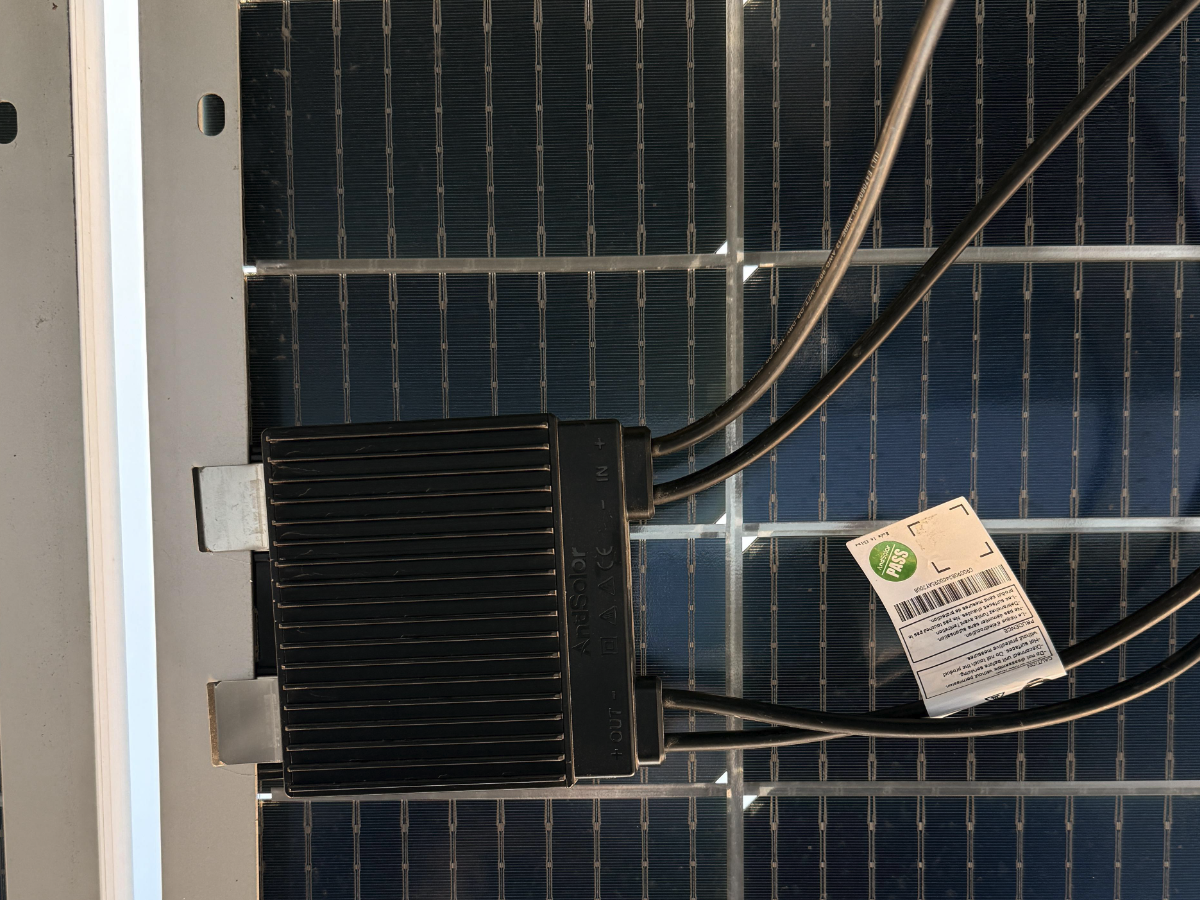
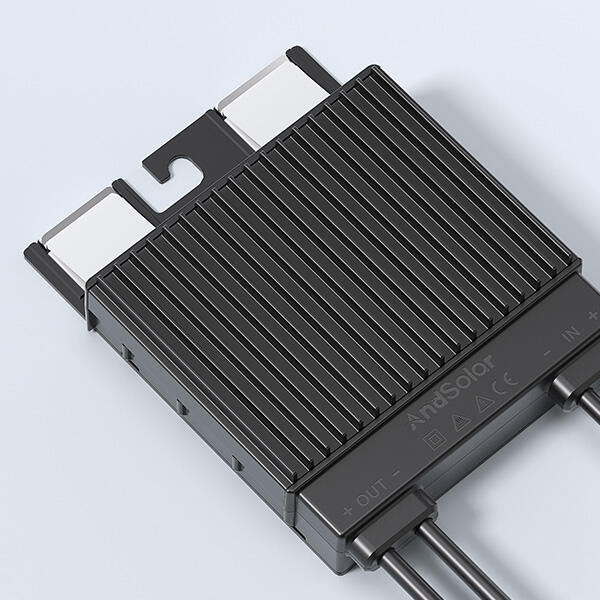
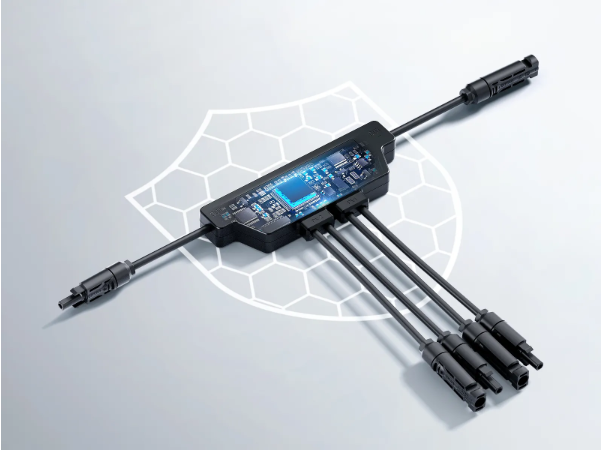
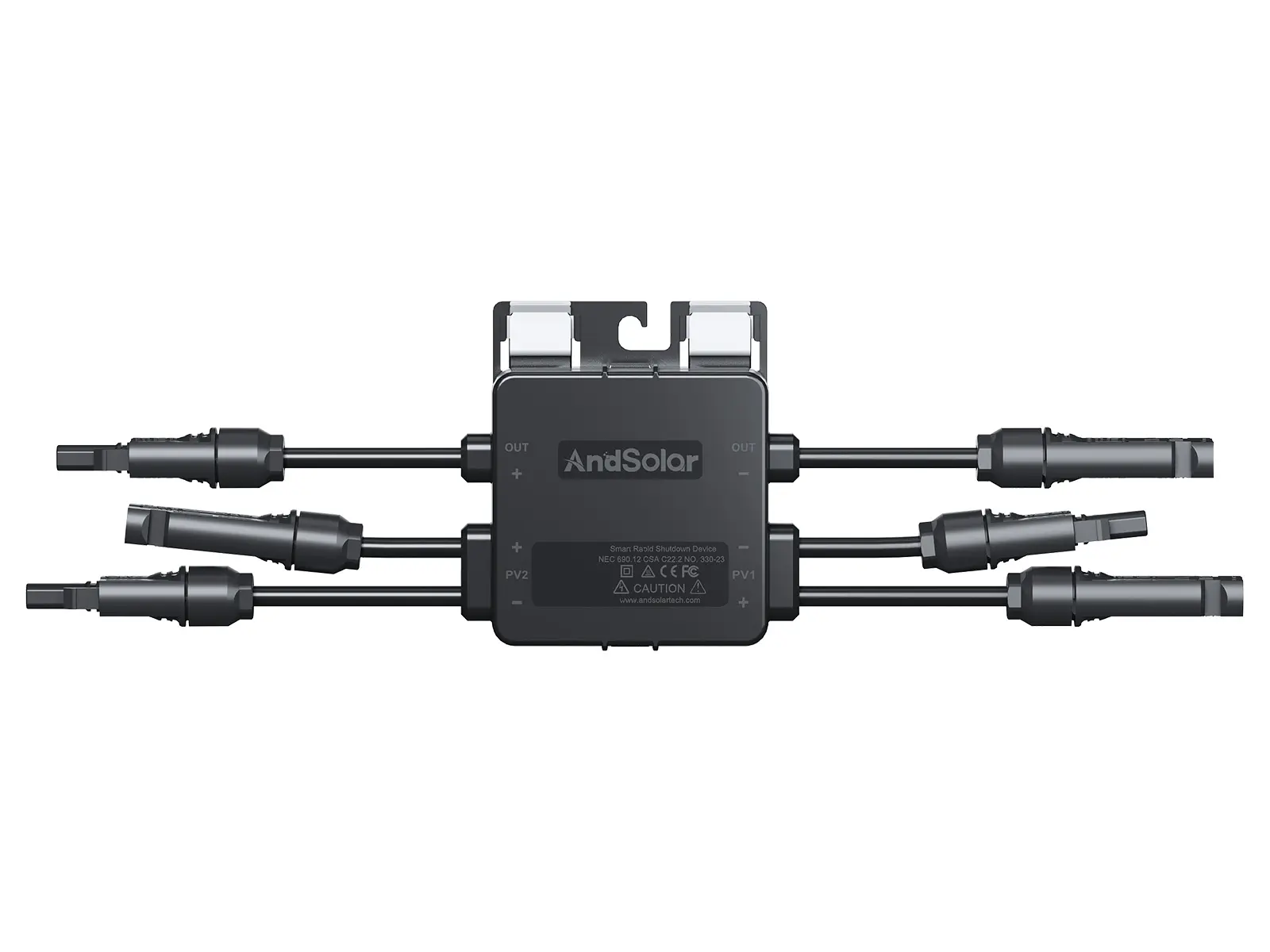
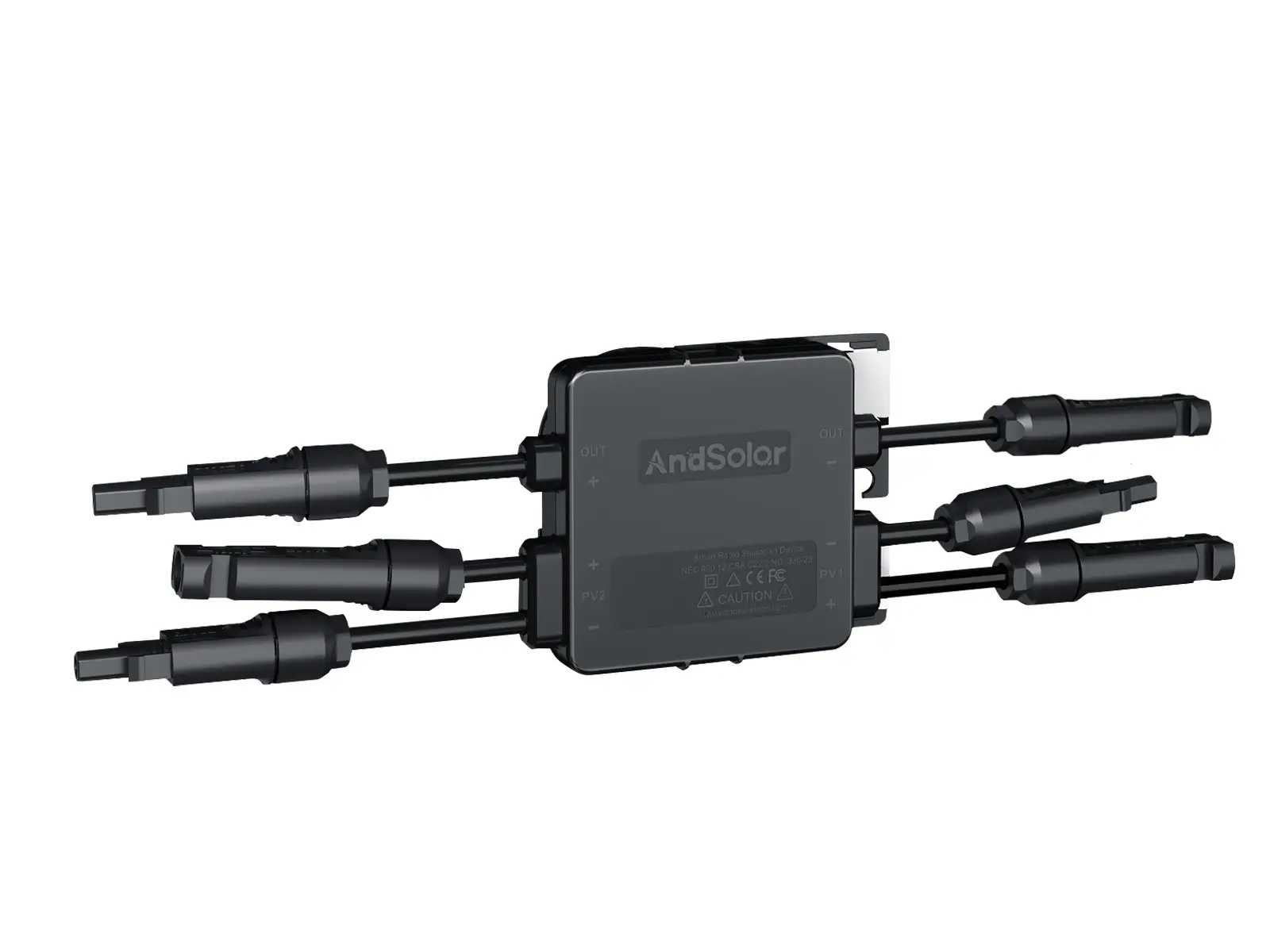
MLPE solar monitoring technology represents a revolutionary advancement in photovoltaic system management, fundamentally transforming how solar installations operate and perform. Module Level Power Electronics (MLPE) monitoring systems provide unprecedented visibility into individual solar panel performance, enabling operators to optimize energy production at the most granular level possible. This sophisticated technology integrates advanced monitoring capabilities directly into each solar module or power optimizer, creating a comprehensive network that tracks real-time performance data across entire solar arrays. The mlpe solar monitoring technology operates through intelligent communication protocols that collect detailed performance metrics from every connected component within the solar installation. These systems capture critical data points including voltage output, current generation, temperature fluctuations, and overall power production statistics for each individual panel. This granular approach contrasts sharply with traditional string-level monitoring systems that can only provide aggregate performance data for groups of panels connected in series. The technological architecture of mlpe solar monitoring technology incorporates sophisticated microprocessors and wireless communication modules embedded within power optimizers or microinverters. These components continuously analyze panel performance while transmitting data to centralized monitoring platforms through various communication protocols including WiFi, cellular networks, or proprietary wireless systems. The monitoring infrastructure typically includes cloud-based analytics platforms that process vast amounts of performance data, generating actionable insights for system operators and maintenance personnel. Modern mlpe solar monitoring technology applications span across residential, commercial, and utility-scale solar installations, providing scalable solutions that adapt to diverse system configurations and operational requirements. These systems excel in complex installations where shading conditions, panel orientations, or environmental factors vary significantly across different sections of the solar array, making individual panel monitoring essential for optimal performance management.