Solar Module-Level Power Electronics for Factories: Advanced Industrial Photovoltaic Solutions

  • 8F, Block B, Building 1, 286 Qinglonggang Road, Suzhou City, Jiangsu Province, P. R. China
  • [email protected]
AndSolar Cloud

solar module-level power electronics for factories

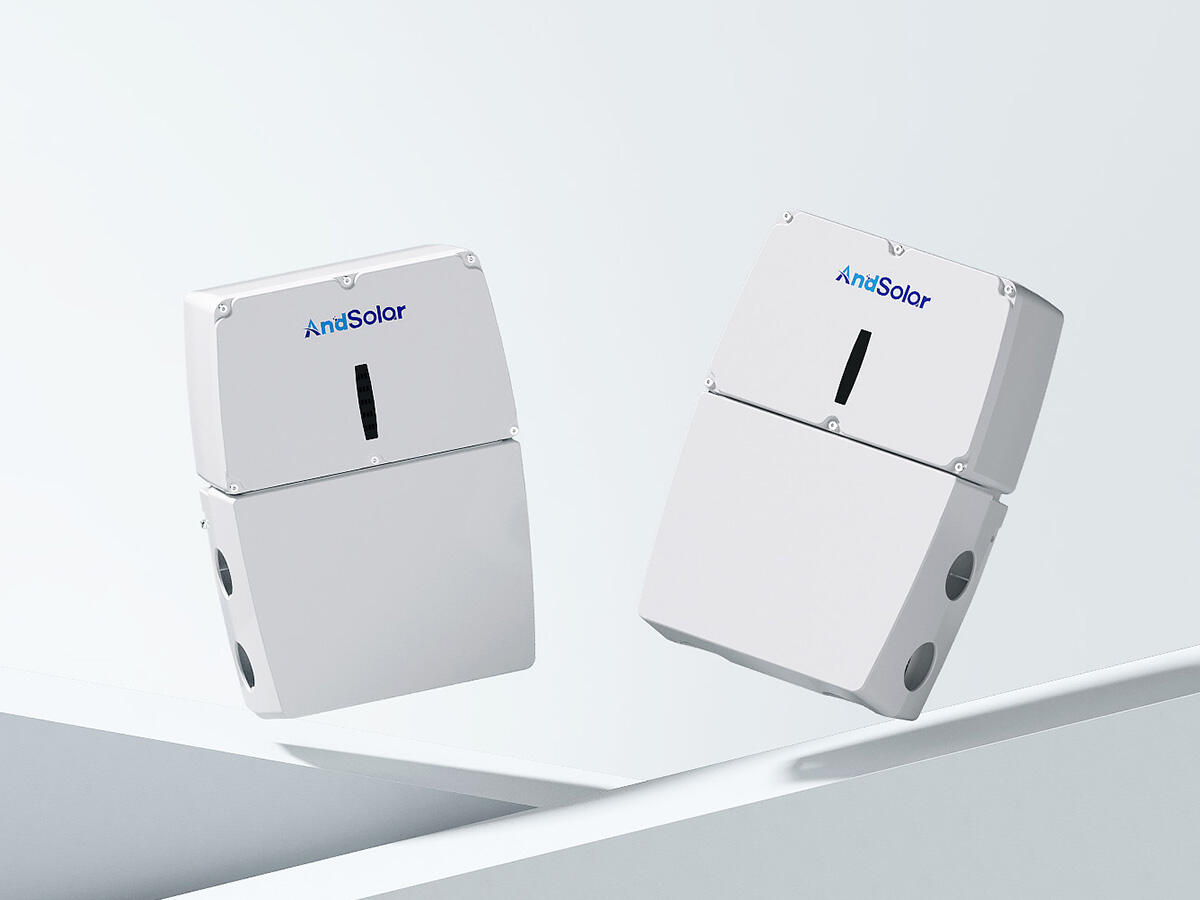
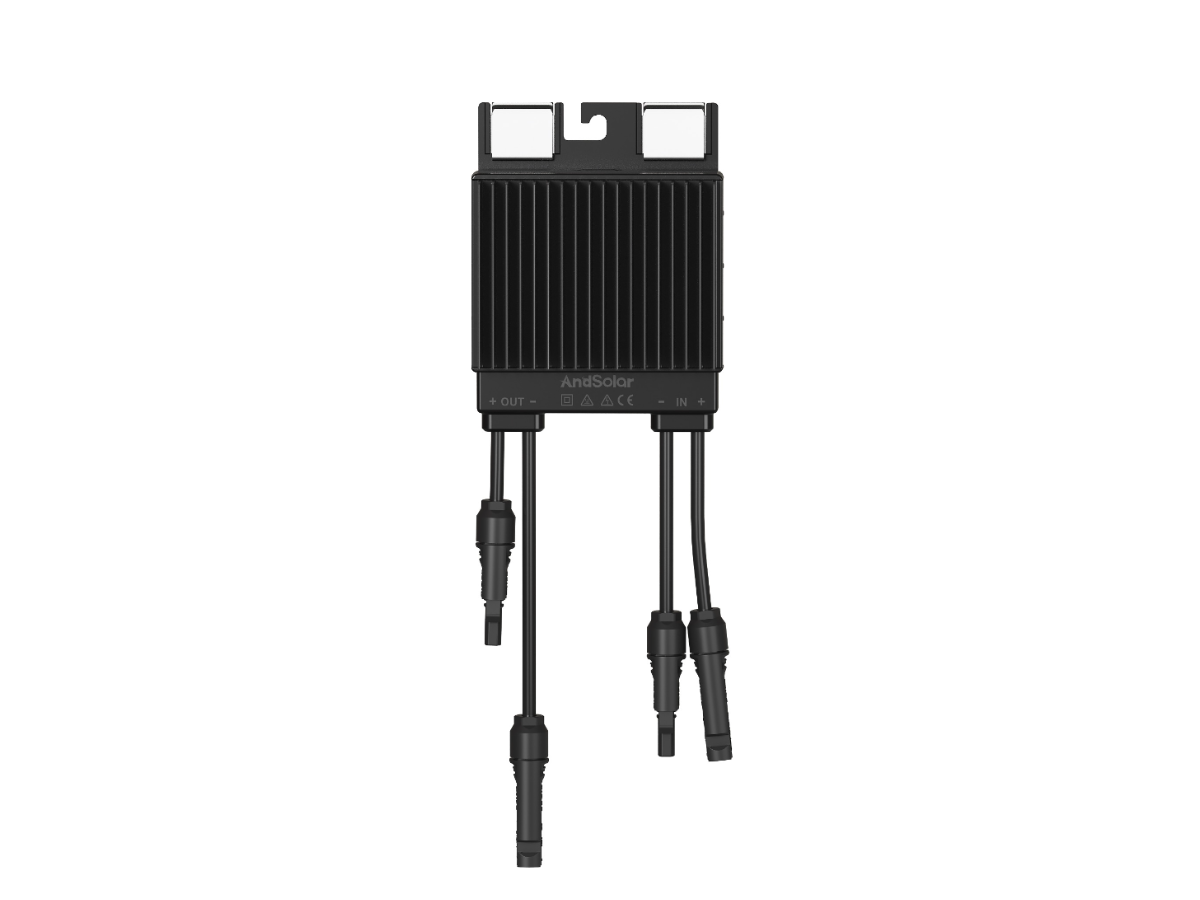
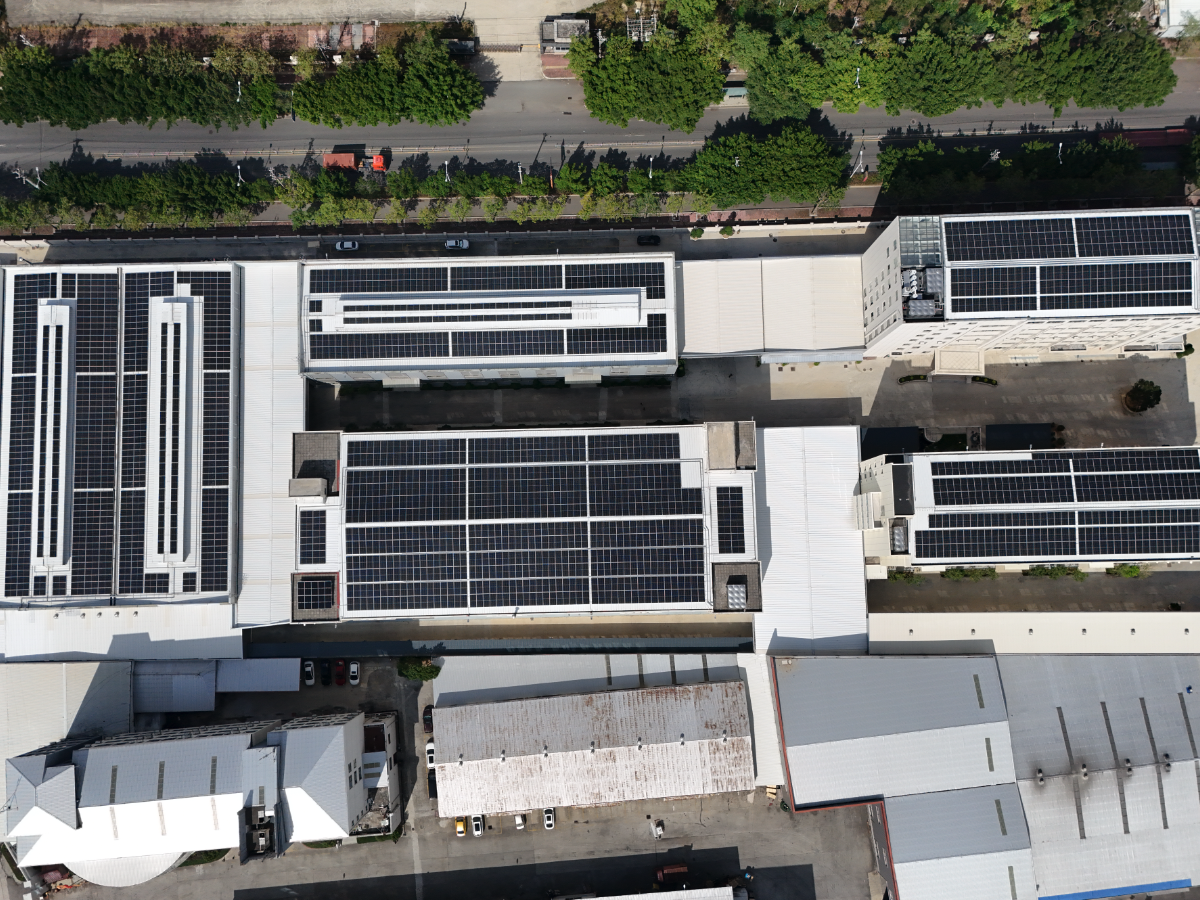
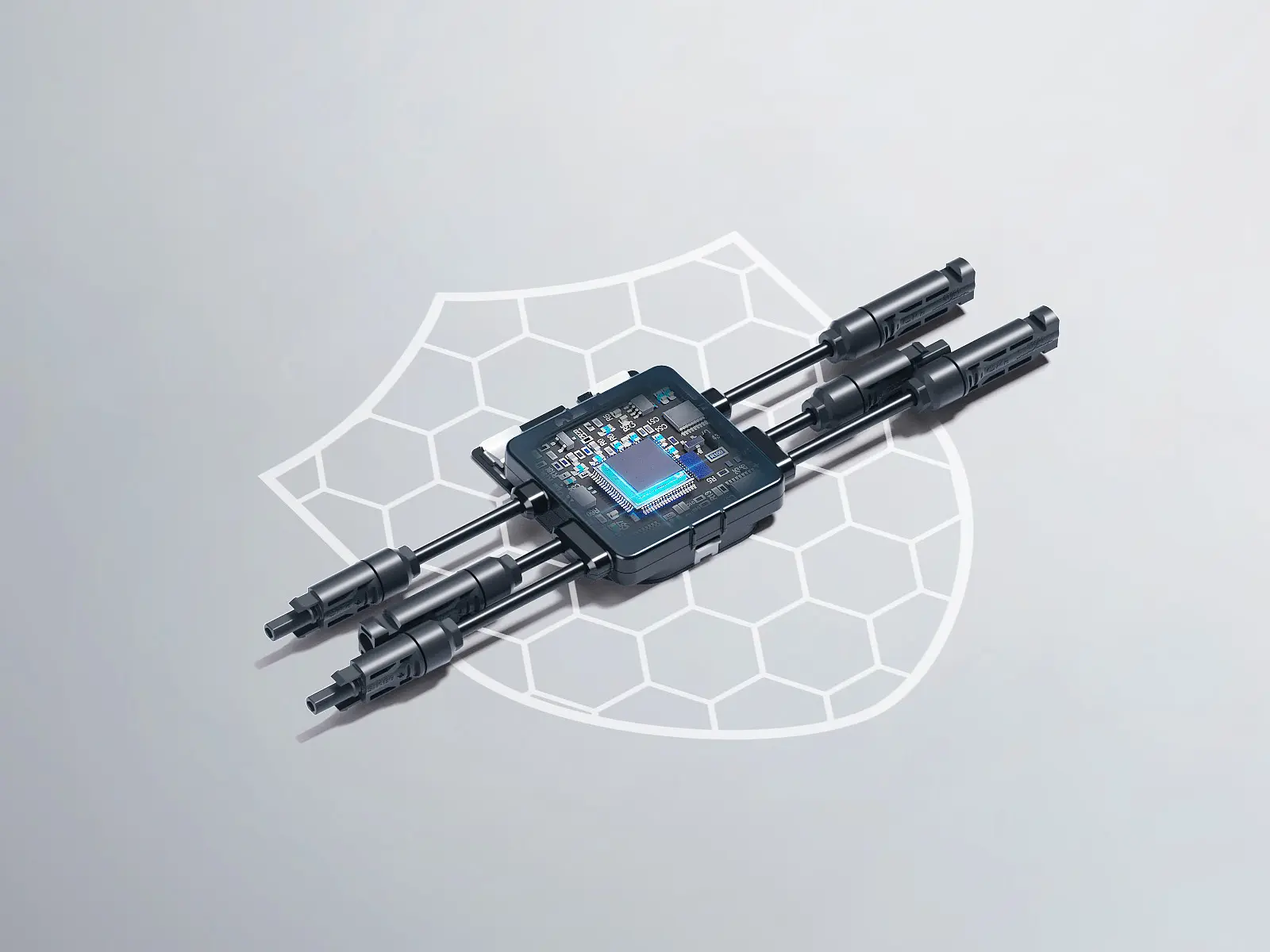
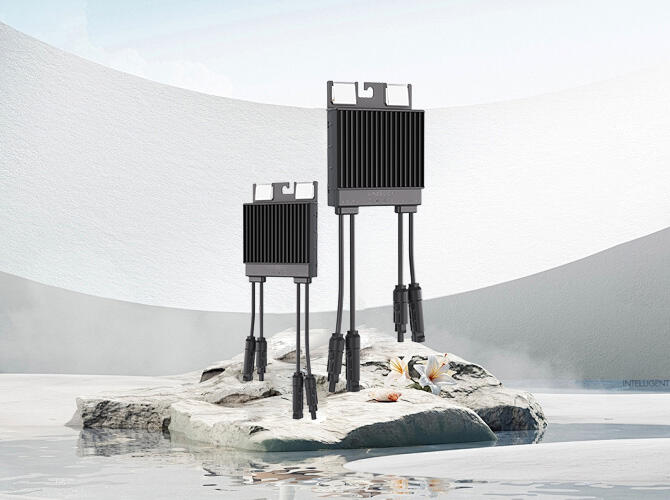
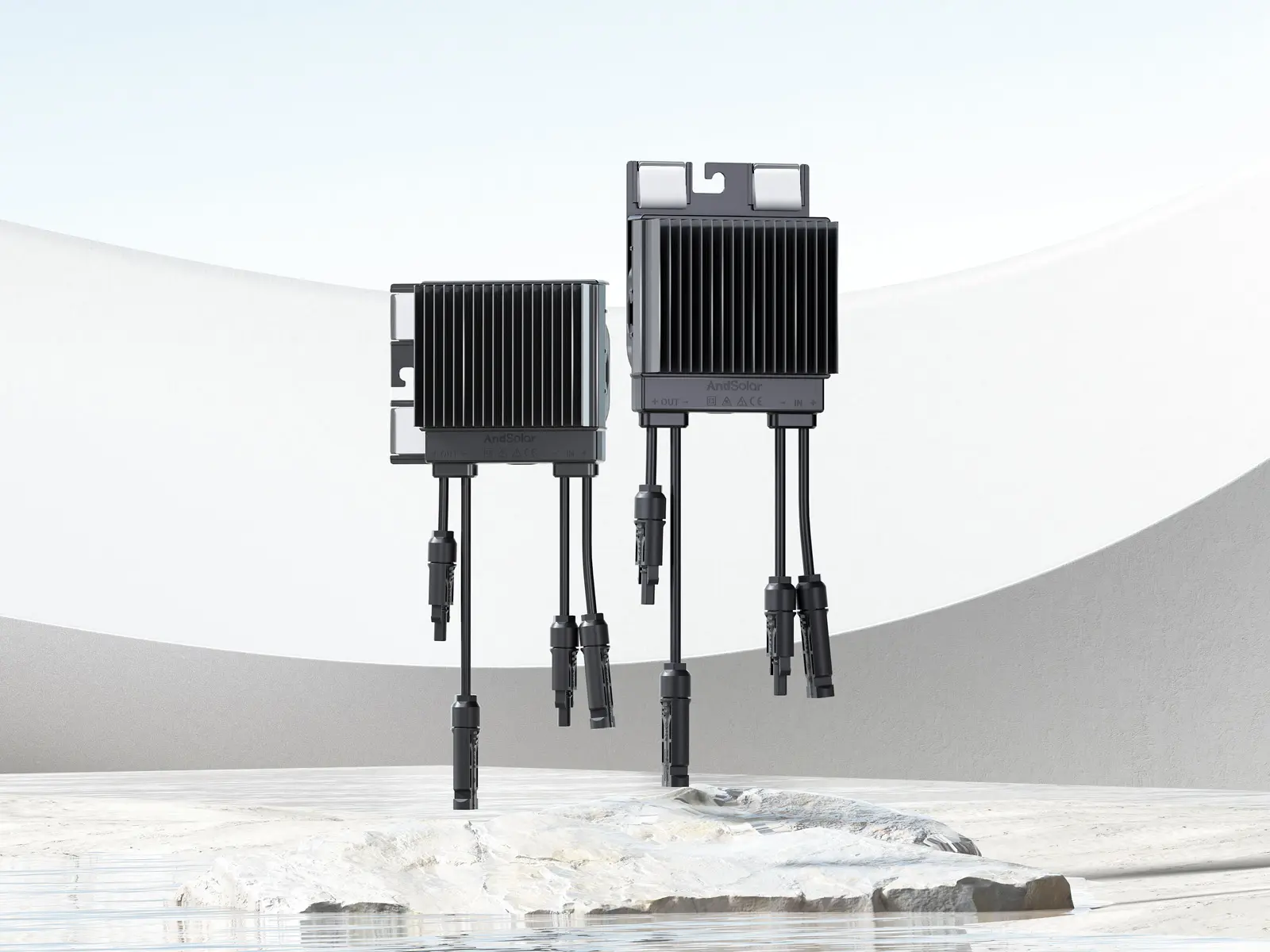
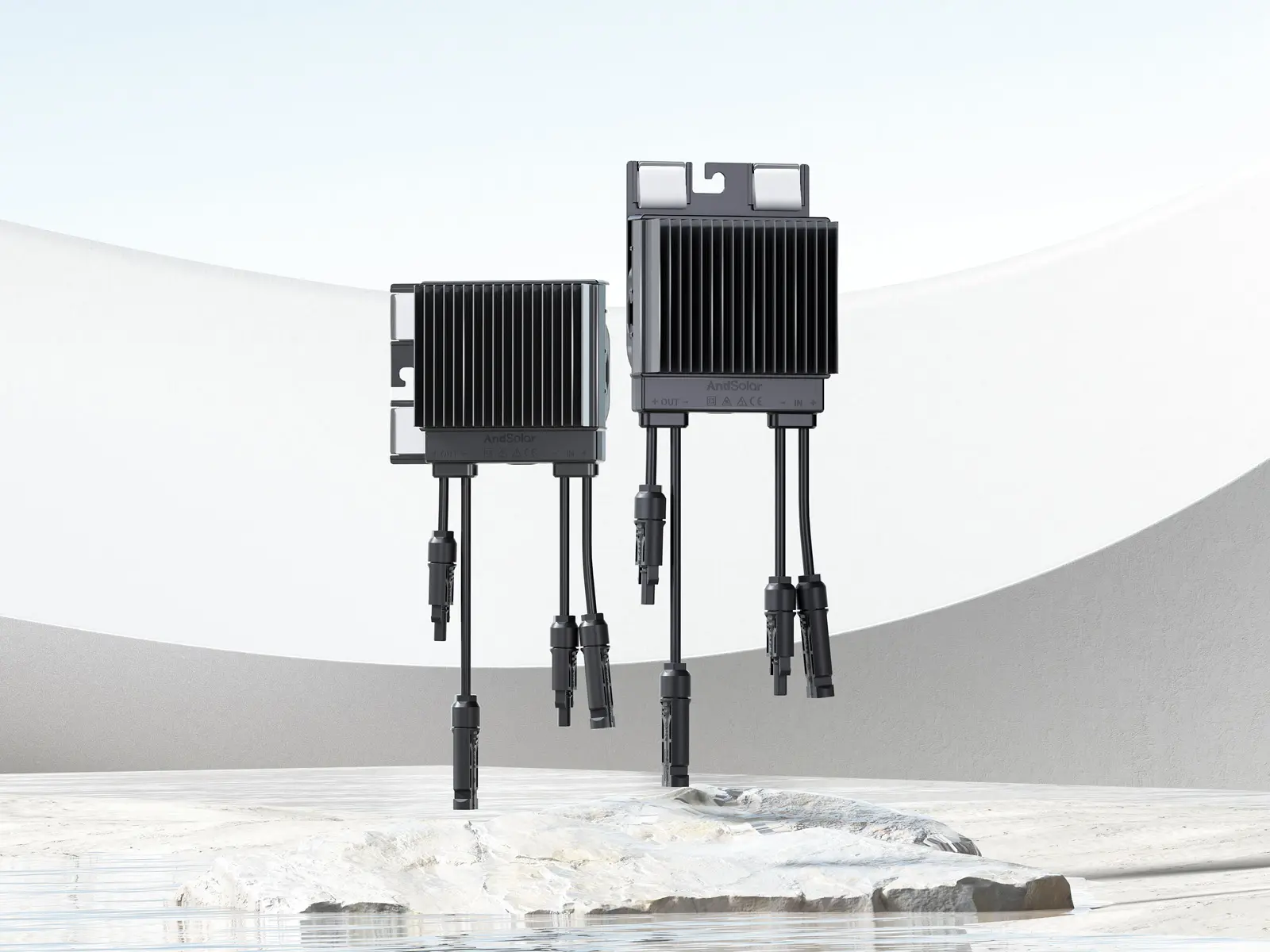
Solar module-level power electronics for factories represent a revolutionary advancement in industrial photovoltaic systems, transforming how manufacturing facilities harness solar energy for their operations. These sophisticated devices function as intelligent power optimizers that attach directly to individual solar panels, creating a decentralized energy management system that maximizes power output while providing unprecedented monitoring capabilities. The primary function of solar module-level power electronics for factories involves converting direct current generated by each panel into alternating current at the module level, eliminating the traditional dependency on centralized string inverters. This technology incorporates advanced maximum power point tracking algorithms that continuously adjust operating parameters to ensure each solar panel performs at its peak efficiency regardless of environmental conditions. The technological features of solar module-level power electronics for factories include built-in monitoring systems that provide real-time performance data for every individual panel, enabling facility managers to identify and address issues before they impact overall system performance. These devices utilize sophisticated power conversion technologies that can handle varying voltage and current levels, ensuring stable power delivery even when individual panels experience shading, soiling, or technical problems. The robust construction of solar module-level power electronics for factories incorporates weather-resistant enclosures designed to withstand harsh industrial environments, including temperature extremes, humidity, and chemical exposure common in manufacturing settings. Applications of solar module-level power electronics for factories span across diverse industrial sectors, from automotive manufacturing plants requiring consistent power for assembly lines to food processing facilities needing reliable energy for refrigeration systems. Chemical plants benefit from the enhanced safety features these systems provide, while textile factories appreciate the improved energy efficiency that translates into reduced operational costs and enhanced sustainability profiles.
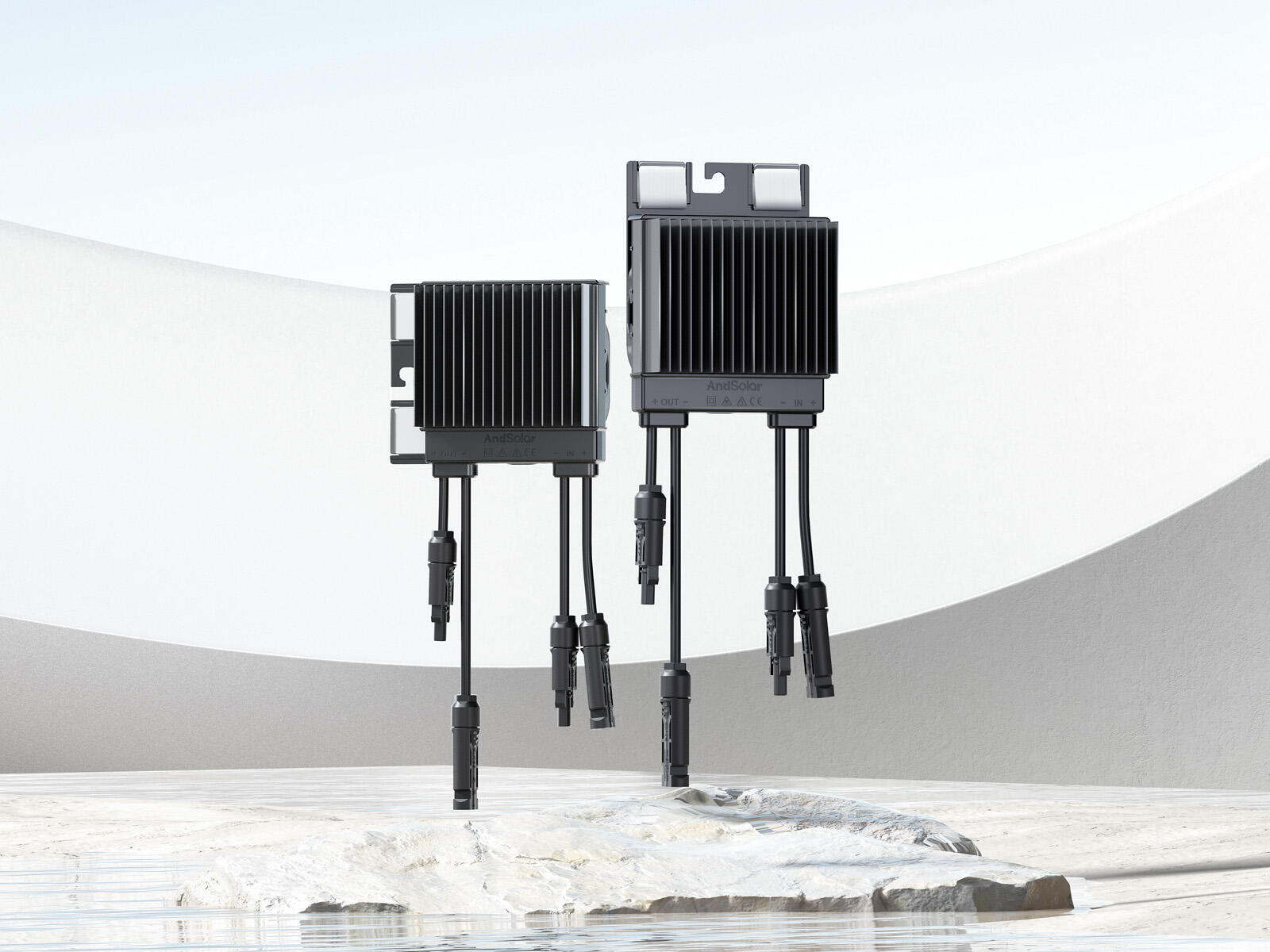
Solar module-level power electronics for factories deliver substantial operational benefits that directly impact manufacturing efficiency and profitability. The most significant advantage is the elimination of single points of failure that plague traditional string inverter systems. When one solar panel experiences problems in conventional setups, it can reduce the performance of the entire string, but solar module-level power electronics for factories ensure that each panel operates independently, maintaining maximum energy production even when individual units encounter issues. This independence translates into higher overall system efficiency, with studies showing energy yield improvements of fifteen to twenty-five percent compared to traditional systems. Factory operators gain unprecedented visibility into their solar installations through the detailed monitoring capabilities built into solar module-level power electronics for factories. Real-time data collection allows maintenance teams to identify underperforming panels immediately, enabling proactive maintenance strategies that prevent minor issues from becoming costly repairs. This granular monitoring capability proves invaluable for large manufacturing facilities where traditional systems might mask localized problems until they become severe enough to impact overall production. The modular design of solar module-level power electronics for factories provides exceptional scalability for growing manufacturing operations. Facilities can start with smaller installations and expand their solar capacity incrementally without redesigning their entire power system. This flexibility proves particularly beneficial for factories experiencing growth or seasonal production variations. Installation complexity decreases significantly with solar module-level power electronics for factories because technicians work with lower DC voltages at the module level rather than dangerous high-voltage strings. This enhanced safety reduces installation time and costs while minimizing electrical hazards for maintenance personnel. The distributed architecture also simplifies system design, eliminating the need for complex string calculations and reducing the likelihood of design errors that can compromise system performance. Manufacturing facilities benefit from improved return on investment through enhanced energy production, reduced maintenance costs, and extended system lifespan. The ability to optimize each panel individually means solar module-level power electronics for factories can compensate for the natural degradation differences between panels, maintaining higher system performance throughout the installation's operational lifetime.

New Product Releases

Advanced Individual Panel Optimization Technology

Advanced Individual Panel Optimization Technology

Solar module-level power electronics for factories incorporate cutting-edge individual panel optimization technology that represents a paradigm shift from traditional solar energy harvesting methods. This sophisticated technology employs dedicated maximum power point tracking algorithms for each solar panel, ensuring optimal energy extraction regardless of varying environmental conditions or panel-specific performance characteristics. Unlike conventional string inverter systems where the weakest panel determines the entire string's performance, solar module-level power electronics for factories allow each panel to operate at its individual peak power point, maximizing energy yield across the entire installation. The optimization technology continuously monitors voltage and current characteristics of each panel, making real-time adjustments to maintain optimal power output throughout changing weather conditions, seasonal variations, and daily solar irradiance cycles. This granular control becomes particularly valuable in industrial environments where buildings, equipment, or temporary structures may create partial shading conditions that would significantly impact traditional systems. Manufacturing facilities often have complex rooflines, ventilation systems, and industrial equipment that create challenging installation environments with varying shading patterns throughout the day. Solar module-level power electronics for factories excel in these conditions by allowing unaffected panels to maintain full production while automatically compensating for shaded or underperforming units. The technology also addresses the natural manufacturing tolerances and aging differences between solar panels, which can create power mismatches in string configurations. By optimizing each panel individually, solar module-level power electronics for factories ensure that high-performing panels are not constrained by lower-performing units in the same string. This optimization capability extends beyond immediate performance benefits to include long-term system reliability and longevity. The technology can detect and adapt to gradual panel degradation, component aging, and environmental factors that affect individual panel performance over time. Factory operators benefit from consistent, predictable energy production that supports reliable manufacturing processes and enables more accurate energy cost forecasting for operational planning purposes.
Comprehensive Real-Time Monitoring and Diagnostics

Comprehensive Real-Time Monitoring and Diagnostics

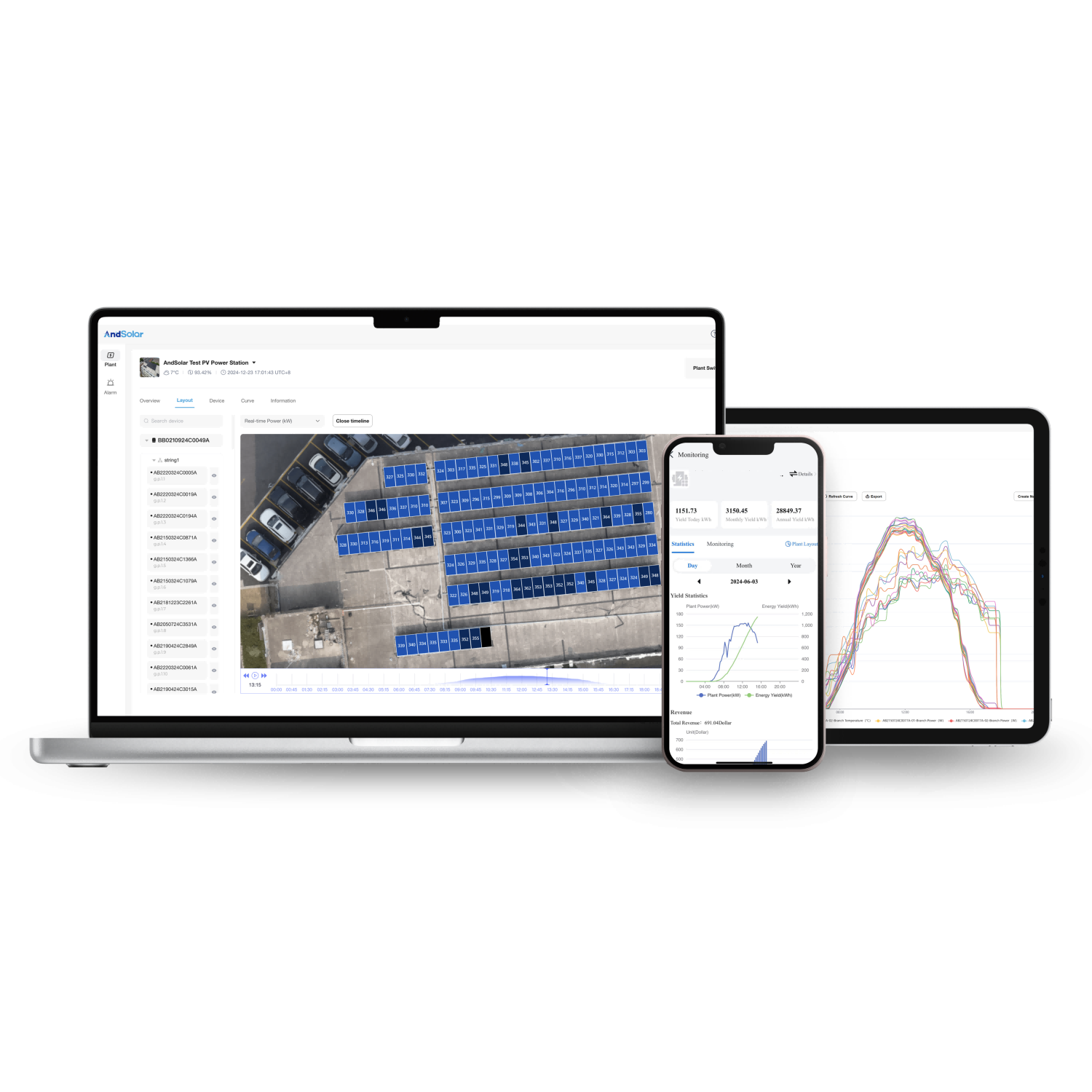
Solar module-level power electronics for factories provide unparalleled monitoring and diagnostic capabilities that transform how industrial facilities manage their solar energy systems. The comprehensive monitoring system built into each power electronic device creates a detailed, real-time picture of every solar panel's performance, enabling facility managers to make informed decisions about maintenance, optimization, and system expansion. This granular monitoring capability represents a significant advancement over traditional string monitoring systems that only provide aggregate data for groups of panels, making it difficult to identify specific issues or optimize individual panel performance. The monitoring system tracks multiple performance parameters for each panel, including power output, voltage, current, temperature, and efficiency metrics, creating a comprehensive database of system performance that proves invaluable for both immediate troubleshooting and long-term system optimization. Factory maintenance teams can access this information through user-friendly dashboards and mobile applications, enabling remote monitoring and diagnostics that reduce the need for physical inspections and minimize system downtime. The diagnostic capabilities of solar module-level power electronics for factories extend beyond simple performance monitoring to include predictive maintenance features that identify potential issues before they impact system performance. Advanced algorithms analyze performance trends, identifying patterns that indicate developing problems such as connection degradation, component aging, or environmental factors affecting specific panels. This predictive capability allows maintenance teams to schedule repairs during planned downtime periods, avoiding unexpected system failures that could disrupt manufacturing operations. The monitoring system also provides valuable data for optimizing factory energy management strategies, helping operators understand how solar production varies throughout different seasons, weather conditions, and operational periods. This information enables better integration of solar energy with existing power systems and supports informed decisions about energy storage, grid interaction, and demand management strategies. Manufacturing facilities benefit from detailed reporting capabilities that support sustainability initiatives, regulatory compliance, and corporate environmental reporting requirements. The comprehensive data collection enables accurate measurement of carbon footprint reductions, energy cost savings, and return on investment calculations that demonstrate the value of solar installations to company stakeholders and regulatory agencies.
Enhanced Safety and Simplified Maintenance Operations

Enhanced Safety and Simplified Maintenance Operations

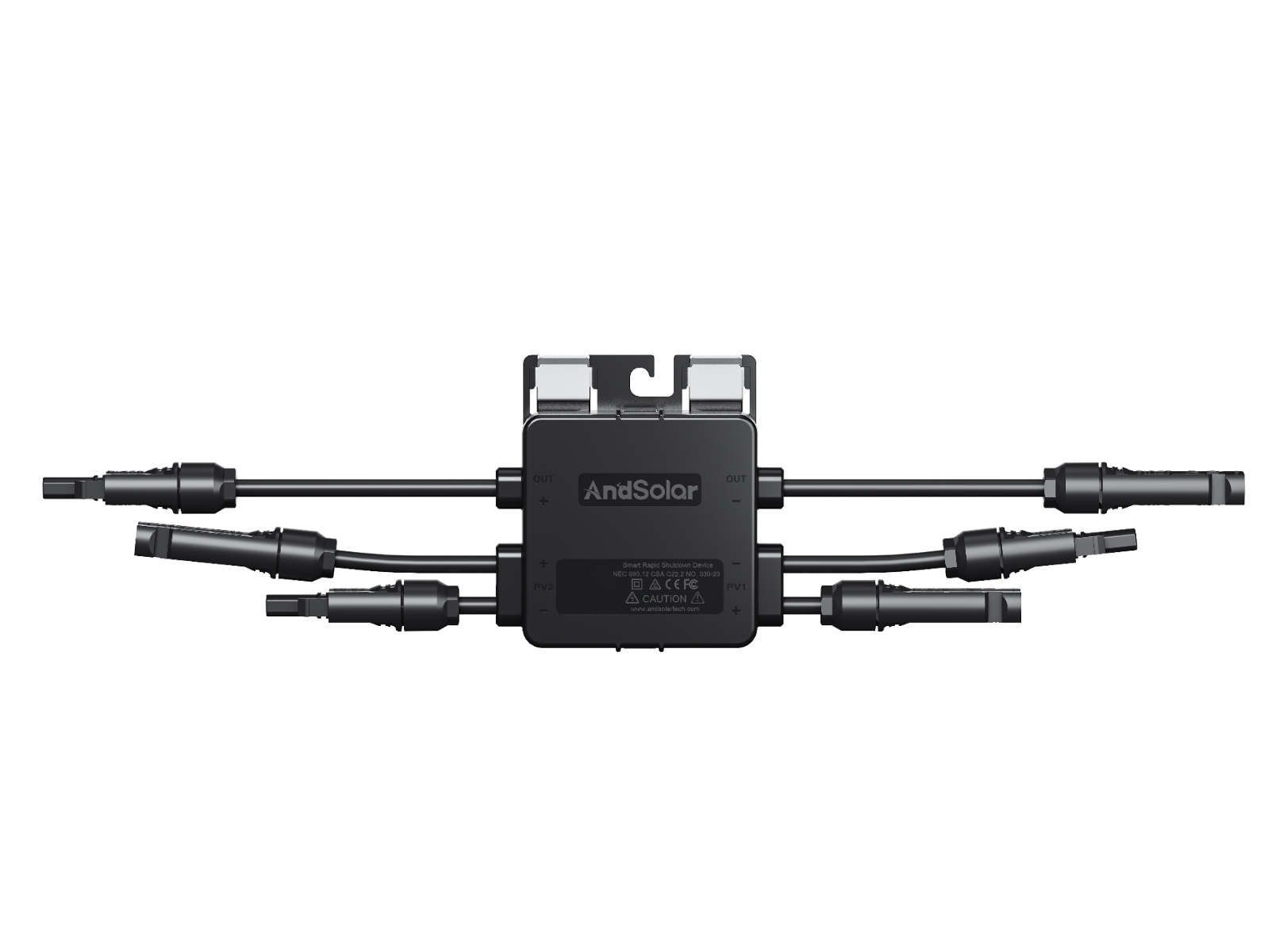
Solar module-level power electronics for factories revolutionize installation and maintenance safety through innovative design features that significantly reduce electrical hazards while simplifying ongoing system maintenance requirements. Traditional solar installations require technicians to work with high-voltage DC strings that can generate dangerous electrical potentials, creating serious safety risks during installation, maintenance, and emergency response situations. Solar module-level power electronics for factories eliminate these high-voltage DC risks by converting power at the individual panel level, ensuring that maintenance personnel work with much lower, safer voltage levels throughout the system. This enhanced safety profile proves particularly important in industrial environments where multiple contractors and maintenance teams may access rooftop areas for various facility maintenance activities. The rapid shutdown capabilities built into solar module-level power electronics for factories provide critical safety features for emergency responders and maintenance personnel. When system shutdown is required, either manually or through automatic safety systems, these devices can immediately reduce DC voltages to safe levels within seconds, eliminating the persistent electrical hazards that exist with traditional string configurations. This capability meets stringent safety codes and regulations while providing peace of mind for facility managers responsible for worker safety and emergency response coordination. Maintenance operations become significantly more straightforward with solar module-level power electronics for factories because technicians can troubleshoot, service, or replace individual components without affecting the entire system's operation. This modular approach reduces system downtime and allows maintenance activities to occur during regular working hours without disrupting manufacturing operations. The simplified maintenance procedures also reduce the technical expertise required for routine system care, enabling facility maintenance teams to handle many tasks that previously required specialized solar technicians. The diagnostic capabilities integrated into solar module-level power electronics for factories provide maintenance teams with precise information about component performance and potential issues, eliminating the time-consuming process of manually testing and troubleshooting large arrays of panels. When problems occur, the monitoring system can pinpoint the exact location and nature of the issue, allowing maintenance teams to arrive on-site with the correct tools and replacement parts. This efficiency reduces maintenance costs and minimizes the impact of system issues on overall facility operations. Manufacturing facilities also benefit from reduced insurance costs and improved compliance with safety regulations due to the enhanced safety features of solar module-level power electronics for factories, creating additional value beyond the direct operational benefits of improved system performance and simplified maintenance procedures.

Get a Free Quote

Our representative will contact you soon.
Name
Email
Phone/ WhatsApp
Company Name
Product Selection
Message
0/1000

solar module-level power electronics for factories

Tips And Tricks

How to choose the rapid shutdown device for your solar installation

21

Jul

How to choose the rapid shutdown device for your solar installation

Making the Right Safety Choice for Solar Installations As solar energy adoption continues to rise in both residential and commercial sectors, safety considerations are becoming a top priority during system design and installation. One of the most cr...
View More
A detailed comparison between microinverters and optimizers

21

Jul

A detailed comparison between microinverters and optimizers

Understanding Modern Solar Panel Efficiency Technologies As solar energy systems become more mainstream for residential and commercial applications, the conversation has moved beyond panels themselves to the technologies that enhance their performan...
View More
Benefits of MLPE VS. traditional PV system

21

Jul

Benefits of MLPE VS. traditional PV system

Comparing Modern and Traditional Approaches to Solar Power Management As solar energy adoption continues to grow globally, both homeowners and commercial operators face critical choices in system architecture. Among the most significant is the decis...
View More
How Much Will the Optimizer Improve My Power Generation?

11

Aug

How Much Will the Optimizer Improve My Power Generation?

Unlocking Higher Energy Yields Through Advanced Optimization The evolution of solar technology has shifted the conversation from simply installing panels to maximizing their potential. Today, system owners are looking for ways to extract every possib...
View More

Get a Free Quote

Our representative will contact you soon.
Name
Email
Phone/ WhatsApp
Company Name
Product Selection
Message
0/1000