Commercial Solar Module-Level Power Electronics Solution - Maximize C&I Solar Performance

  • 8F, Block B, Building 1, 286 Qinglonggang Road, Suzhou City, Jiangsu Province, P. R. China
  • [email protected]
AndSolar Cloud

Solar Module-Level Power Electronics Solution For C&I

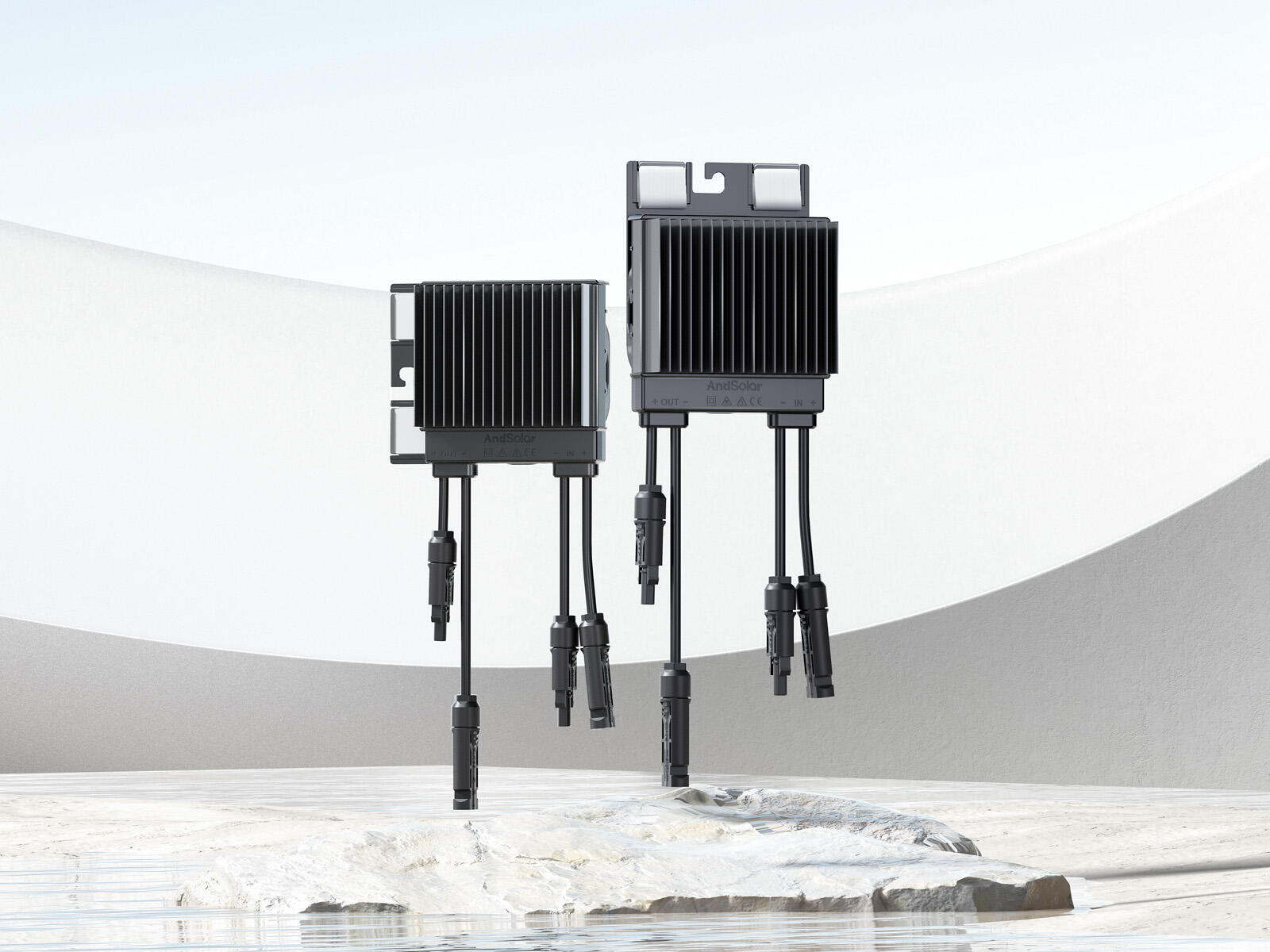
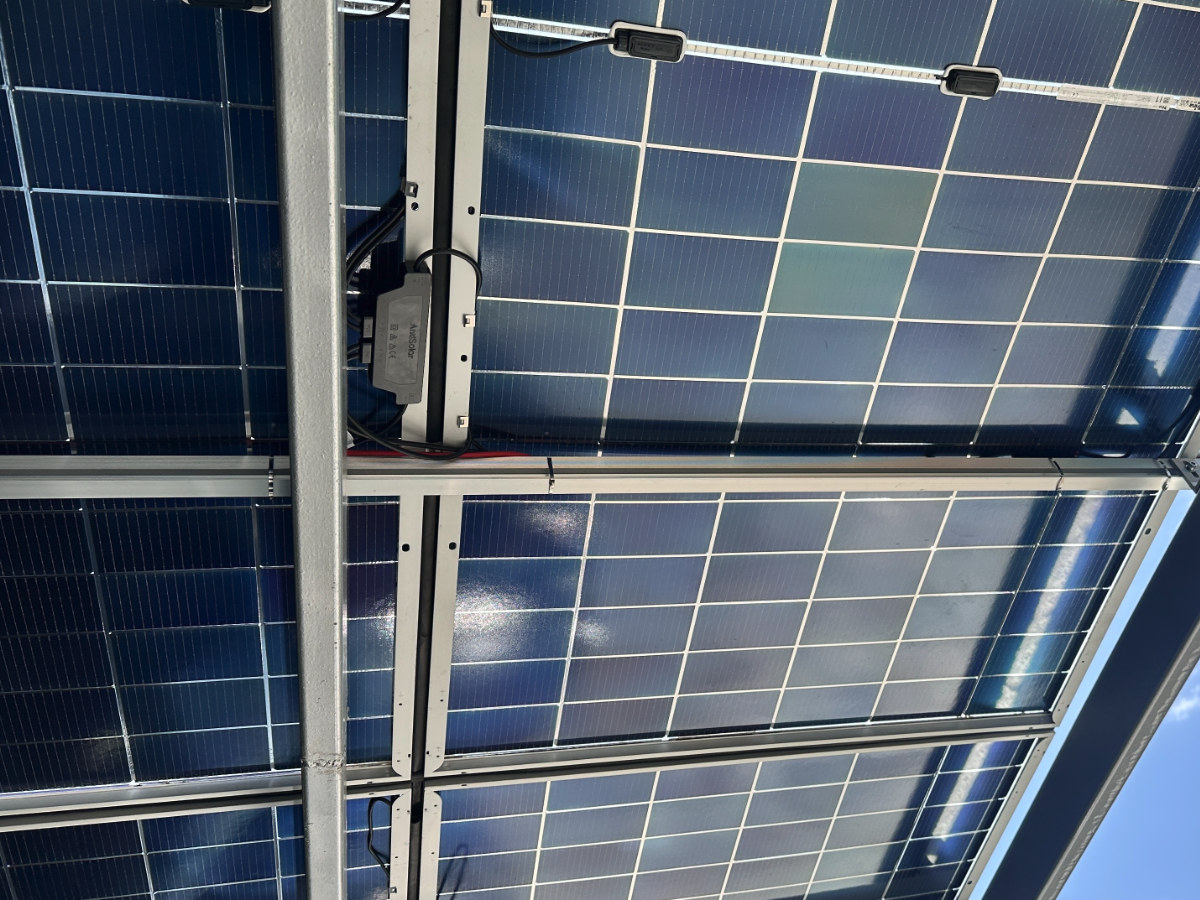
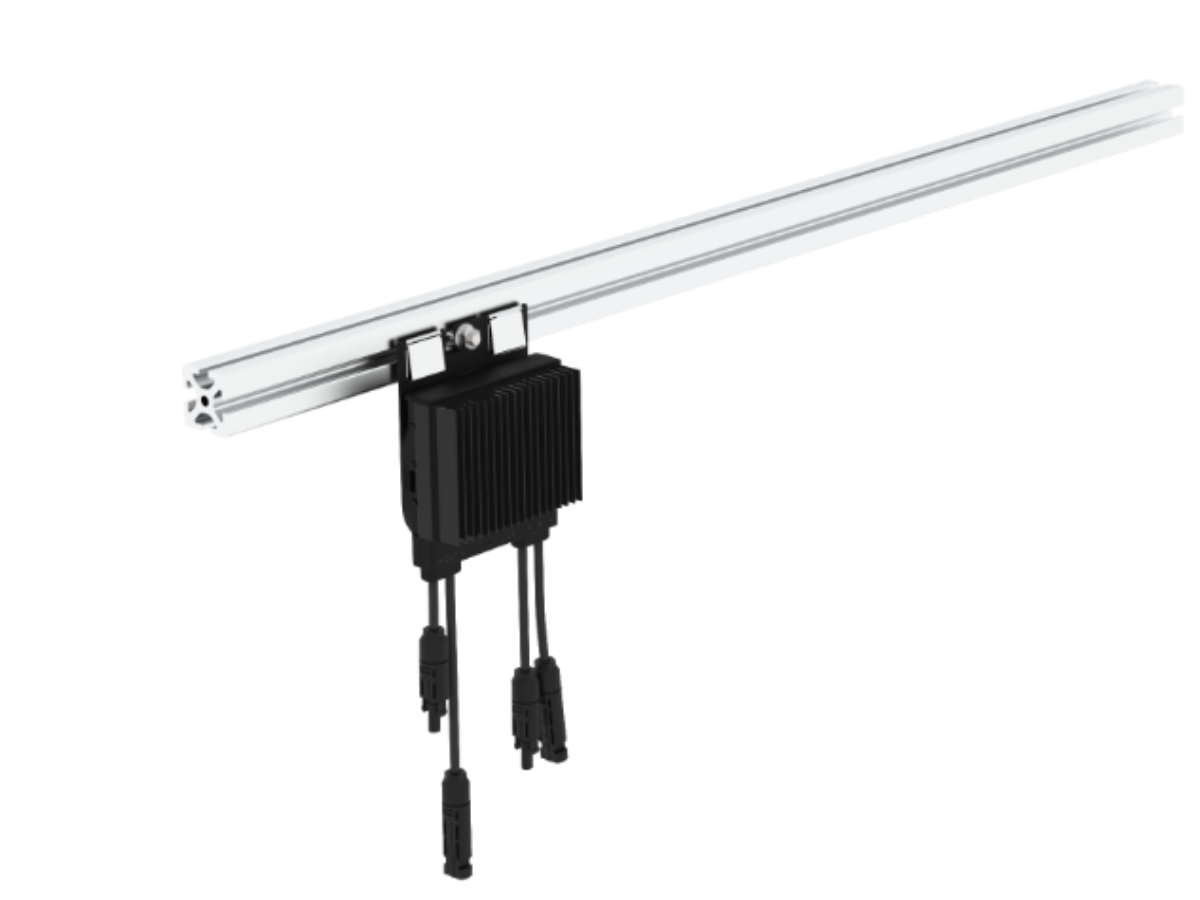
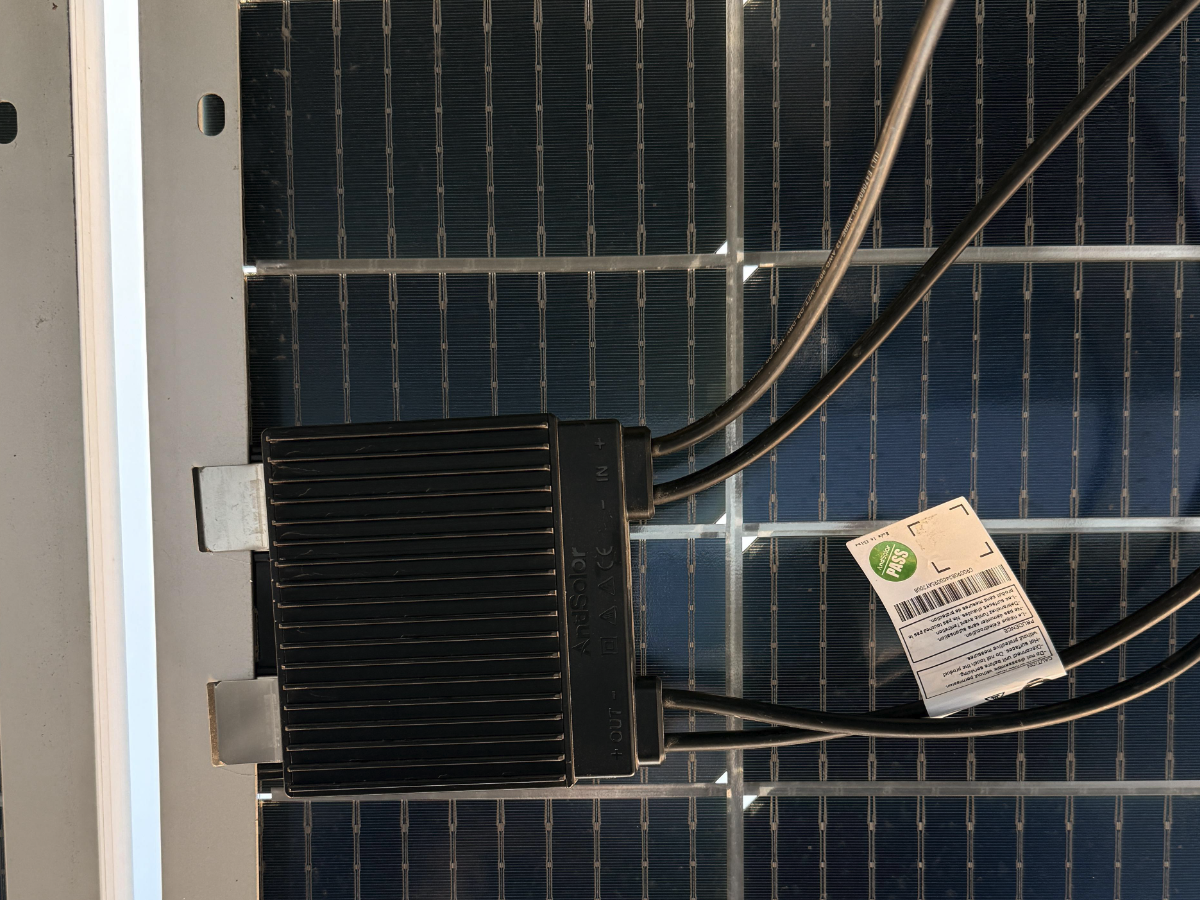
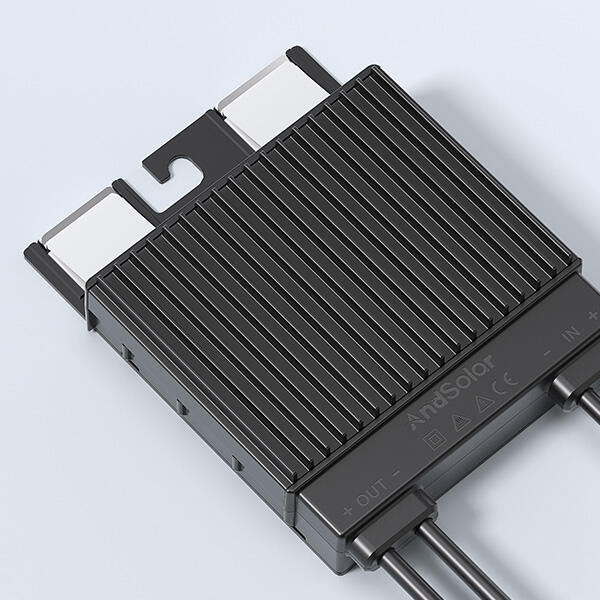
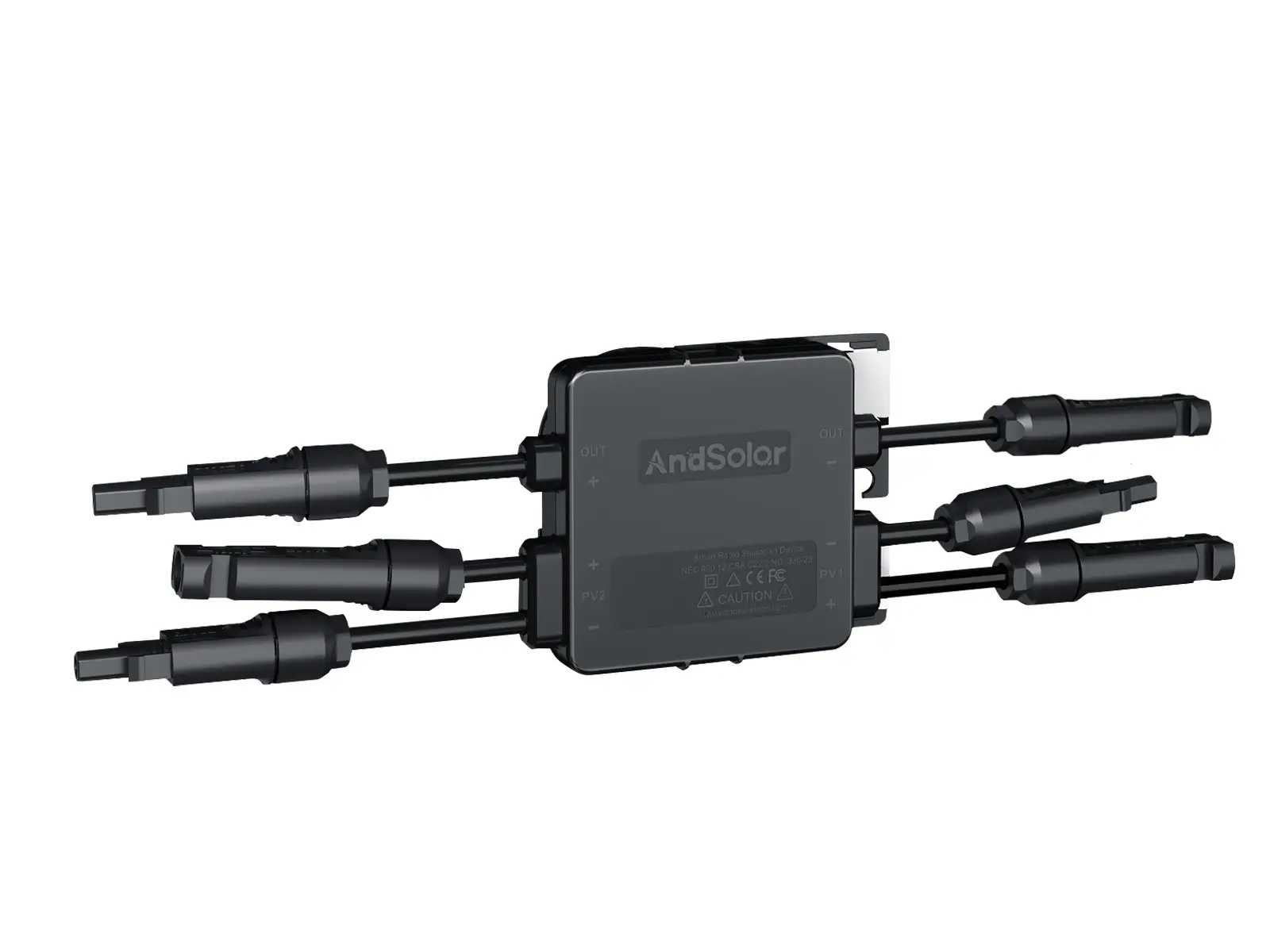
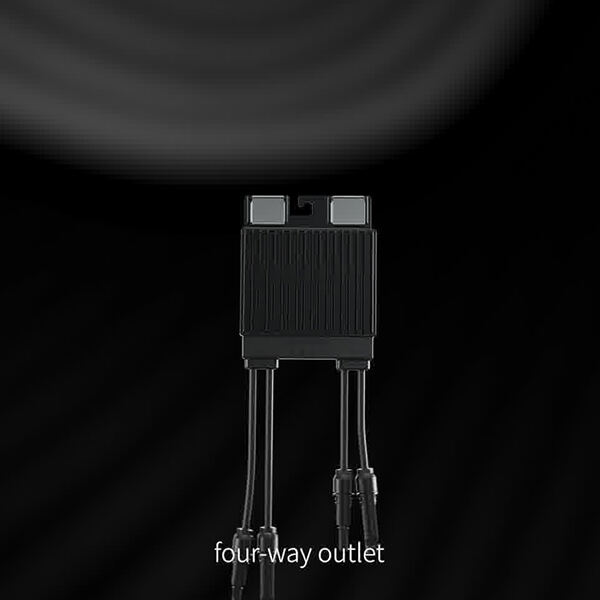
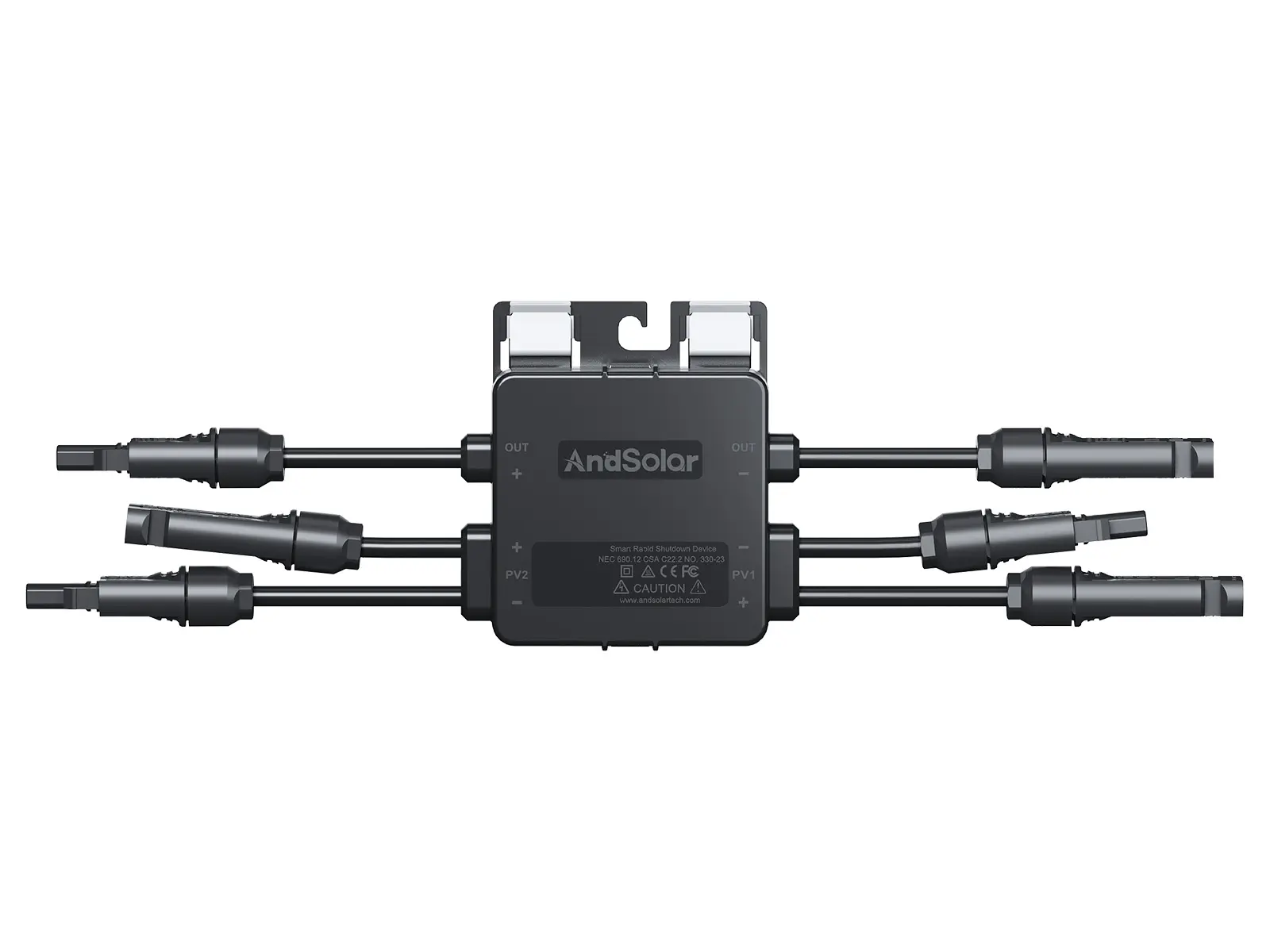
The solar module-level power electronics solution for c&i represents a revolutionary approach to commercial and industrial solar energy systems, transforming how businesses harness and optimize solar power generation. This advanced technology integrates sophisticated power electronics directly at the individual solar panel level, creating a comprehensive system that maximizes energy production while providing unprecedented visibility and control over each module's performance. Unlike traditional string inverter systems, the solar module-level power electronics solution for c&i employs power optimizers or microinverters that connect to each solar panel, enabling independent operation and optimization. The main functions of this technology include maximum power point tracking for each individual module, real-time monitoring and diagnostics, enhanced safety features through rapid shutdown capabilities, and improved system reliability through distributed architecture. The technological features encompass advanced MPPT algorithms that continuously adjust voltage and current to extract maximum power from each panel regardless of shading, soiling, or orientation differences. The solution incorporates robust communication protocols that transmit detailed performance data from each module to a centralized monitoring platform, providing facility managers with granular insights into system performance. Safety enhancements include module-level shutdown functionality that reduces DC voltage to safe levels during maintenance or emergency situations, addressing critical safety concerns in commercial installations. The distributed nature of the solar module-level power electronics solution for c&i eliminates single points of failure common in centralized systems, ensuring continued operation even when individual components require service. Applications span across various commercial and industrial sectors including manufacturing facilities, office buildings, retail centers, warehouses, schools, hospitals, and agricultural operations. The scalability of this technology makes it suitable for installations ranging from small commercial rooftops to large industrial complexes, providing consistent performance benefits regardless of system size. Integration capabilities with existing building management systems allow seamless incorporation into smart building infrastructures, enabling automated energy management and optimization strategies that align with operational requirements and utility rate structures.
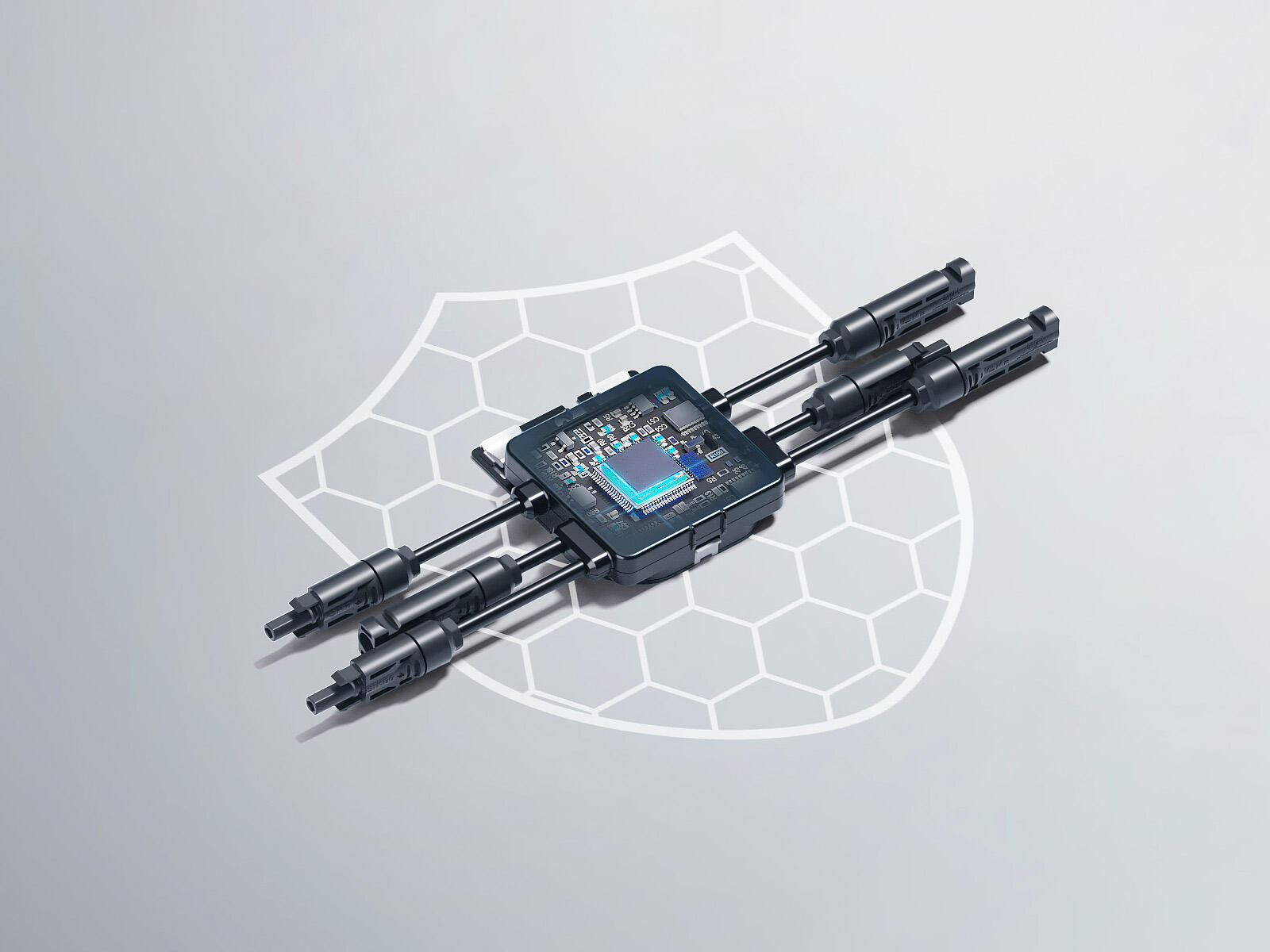
The solar module-level power electronics solution for c&i delivers substantial practical benefits that directly impact the bottom line for commercial and industrial energy users. Energy production increases significantly compared to traditional systems, with businesses typically experiencing 15-25% higher electricity generation from the same solar array. This enhanced performance stems from individual module optimization that eliminates the weakest link problem inherent in string configurations, where one underperforming panel reduces the output of an entire string. Shading mitigation becomes a major advantage, as partial shading from buildings, equipment, or vegetation affects only the shaded modules while others continue operating at full capacity. This feature proves invaluable for complex commercial rooftops with HVAC equipment, skylights, and other obstructions that create shading patterns throughout the day. Maintenance efficiency improves dramatically through module-level monitoring that identifies specific underperforming panels, enabling targeted maintenance rather than system-wide troubleshooting. Facility managers receive detailed performance data showing exactly which modules need attention, reducing diagnostic time and maintenance costs while minimizing system downtime. The solar module-level power electronics solution for c&i provides enhanced safety through rapid shutdown capabilities that reduce DC voltage to safe levels within seconds, protecting maintenance personnel and first responders. This safety feature addresses growing code requirements while demonstrating corporate responsibility for worker protection. Financial benefits extend beyond energy production improvements, as many utility companies and financing institutions offer better terms for installations with module-level monitoring and safety features. Insurance premiums often decrease due to enhanced safety capabilities and reduced fire risk associated with rapid shutdown functionality. System reliability increases through distributed architecture that eliminates single points of failure, ensuring continued operation even during component maintenance or replacement. The modular design allows for easy system expansion as business energy needs grow, providing flexibility for companies planning future facility expansions or increased production capacity. Real-time monitoring capabilities enable proactive maintenance scheduling based on actual performance data rather than predetermined maintenance cycles, optimizing operational efficiency and extending system lifespan. Design flexibility accommodates complex roof geometries and mixed orientations that would be problematic for traditional string systems, maximizing usable roof space for solar installations.

New Product Releases

Advanced Module-Level Monitoring and Analytics

Advanced Module-Level Monitoring and Analytics

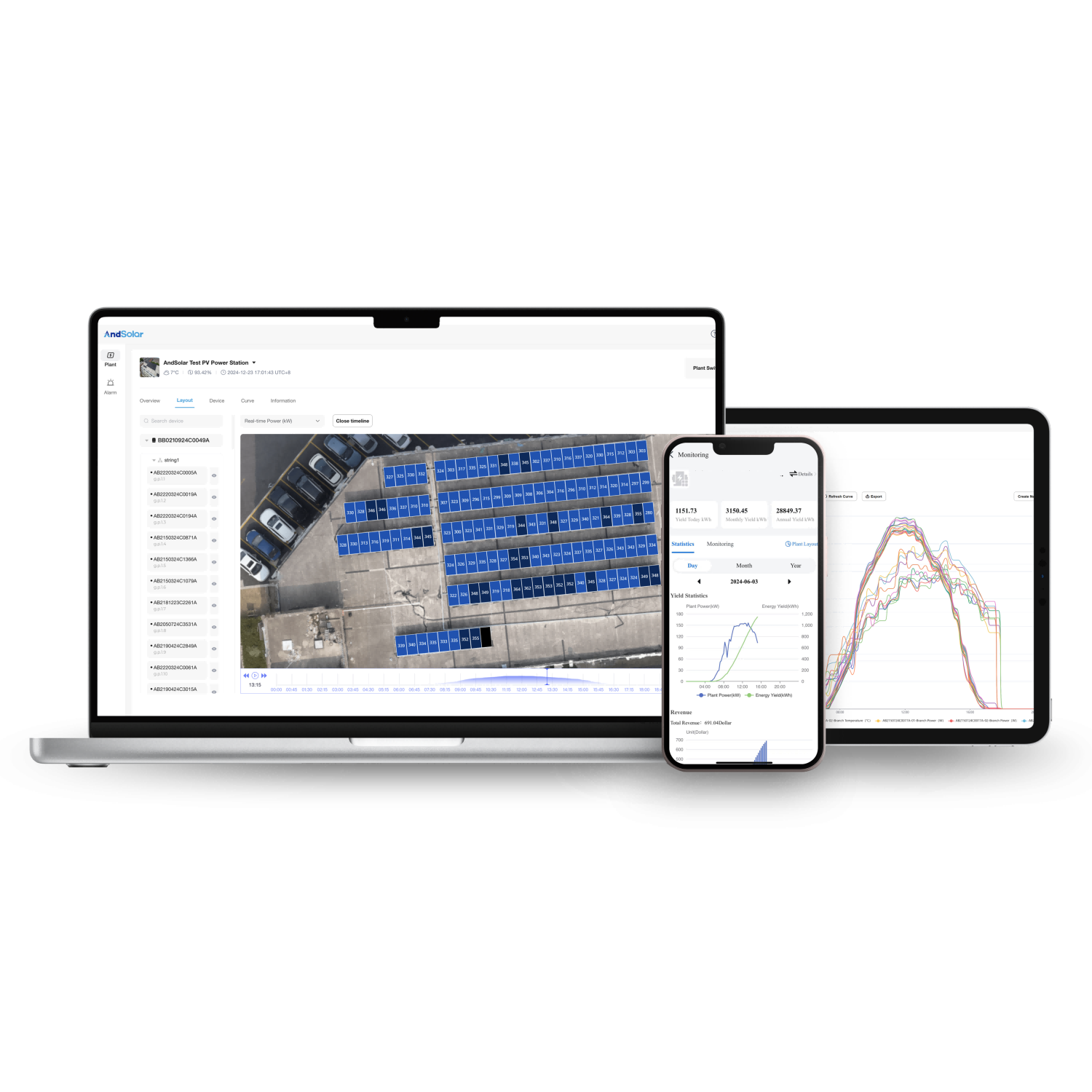
The comprehensive monitoring capabilities of the solar module-level power electronics solution for c&i transform how businesses understand and manage their solar investments, providing unprecedented visibility into system performance at the individual panel level. This sophisticated monitoring system captures and transmits real-time performance data from each solar module, including power output, voltage, current, temperature, and operational status indicators that enable facility managers to optimize energy production and identify maintenance needs proactively. The monitoring platform presents this information through intuitive dashboards that display system-wide performance metrics alongside detailed module-specific data, allowing users to quickly identify trends, anomalies, and optimization opportunities without requiring technical expertise. Historical data analysis capabilities enable long-term performance tracking that helps businesses understand seasonal variations, degradation patterns, and the impact of maintenance activities on system performance over time. Automated alert systems notify facility managers immediately when modules fall below performance thresholds or experience operational issues, enabling rapid response that minimizes energy production losses and prevents minor problems from developing into major system failures. The analytics platform integrates weather data, utility rate information, and facility energy consumption patterns to provide comprehensive insights into solar system contribution to overall energy management strategies. Advanced reporting features generate detailed performance summaries for stakeholder presentations, utility interconnection requirements, and regulatory compliance documentation, streamlining administrative responsibilities while demonstrating return on investment achievements. Remote monitoring capabilities allow expert technicians to diagnose many issues without on-site visits, reducing service costs and response times while ensuring optimal system performance. The monitoring system's ability to identify specific underperforming modules eliminates the time-consuming process of manually testing individual panels during troubleshooting procedures, significantly reducing diagnostic costs and system downtime. Mobile application access ensures facility managers can monitor system performance from anywhere, enabling immediate response to alerts and the ability to demonstrate system benefits to stakeholders during meetings or presentations. Integration with building management systems creates opportunities for automated energy optimization strategies that coordinate solar production with facility energy consumption patterns, maximizing the value of generated electricity through intelligent load scheduling and demand response participation.
Enhanced Safety Through Rapid Shutdown Technology

Enhanced Safety Through Rapid Shutdown Technology

The rapid shutdown capabilities integrated into the solar module-level power electronics solution for c&i address critical safety concerns that have historically limited commercial solar adoption, providing comprehensive protection for maintenance personnel, first responders, and facility occupants during emergency situations or routine maintenance activities. This advanced safety technology automatically reduces DC voltage at the module level to safe levels within seconds of activation, eliminating dangerous high-voltage conditions that could pose electrocution risks during maintenance, repair, or emergency response activities. The rapid shutdown functionality operates through multiple activation methods including manual switches, automatic fire detection systems, utility grid disconnection events, and remote communication signals, ensuring reliable safety protection regardless of the circumstances requiring system shutdown. Unlike traditional safety measures that rely on centralized disconnect switches located at ground level, module-level rapid shutdown eliminates high DC voltages throughout the entire solar array, providing comprehensive protection that extends from individual panels to all DC wiring and combiner equipment. This enhanced safety feature addresses growing National Electrical Code requirements while demonstrating corporate commitment to worker safety and regulatory compliance, factors increasingly important to insurance providers, regulatory agencies, and corporate safety programs. The technology enables safer maintenance procedures by allowing technicians to work on specific system sections while maintaining power production from unaffected areas, minimizing business disruption during routine maintenance while ensuring worker protection. First responder safety improves significantly through rapid shutdown capabilities that eliminate concerns about high-voltage DC systems during fire suppression, rescue operations, or other emergency activities on commercial buildings with solar installations. Training requirements for maintenance personnel become more manageable with module-level safety systems that reduce the complexity of safety procedures compared to traditional high-voltage DC systems, enabling more efficient workforce development and lower training costs. The automatic nature of rapid shutdown activation eliminates human error factors that could compromise safety during emergency situations, providing reliable protection even when facility personnel are unavailable or unable to manually activate safety systems. Documentation and compliance benefits include simplified permitting processes, reduced insurance premiums, and easier regulatory approvals for installations incorporating module-level rapid shutdown technology. The safety system's diagnostic capabilities continuously monitor shutdown functionality to ensure reliable operation when needed, providing maintenance alerts if safety systems require attention and maintaining detailed logs for compliance documentation and safety audits.
Maximum Power Point Tracking and Performance Optimization

Maximum Power Point Tracking and Performance Optimization

The individual module maximum power point tracking capabilities inherent in the solar module-level power electronics solution for c&i represent a fundamental advancement in solar energy harvesting technology, enabling each solar panel to operate at its optimal power point regardless of conditions affecting neighboring modules or system-wide performance constraints. This sophisticated optimization technology continuously monitors and adjusts the electrical characteristics of each individual solar module, ensuring maximum energy extraction even when panels experience different environmental conditions such as partial shading, soiling, snow coverage, or variations in temperature and irradiance levels throughout the day. Traditional string inverter systems operate all connected panels at the same voltage and current levels, forcing high-performing modules to operate below their optimal point when any panel in the string experiences reduced performance, a limitation completely eliminated by module-level power electronics that allow independent optimization of each panel's electrical output. The advanced MPPT algorithms integrated into module-level power electronics continuously calculate the optimal operating point for each panel based on real-time measurements of voltage, current, and environmental conditions, making thousands of adjustments per second to maintain peak performance as conditions change throughout the day. This optimization capability proves particularly valuable for commercial installations with complex roof geometries, multiple orientations, or unavoidable shading from building features, HVAC equipment, or surrounding structures that would significantly impact traditional string systems. Performance improvements from individual module optimization typically range from 15-25% compared to string systems, with even greater gains possible in installations experiencing partial shading or having modules with different orientations or tilt angles. The technology accommodates mixed module types within the same installation, allowing businesses to incorporate different panel technologies or replace individual modules with newer, more efficient models without compromising system-wide performance optimization. Seasonal performance variations are minimized through continuous optimization that adapts to changing sun angles, weather patterns, and environmental conditions, ensuring consistent energy production throughout the year and maximizing the return on solar investment. The module-level optimization approach extends system lifespan by preventing hotspot formation and reducing thermal stress on individual panels, common problems in string systems where current mismatches can cause localized heating and accelerated degradation. System design flexibility increases significantly with module-level MPPT, enabling optimal utilization of available roof space regardless of orientation constraints, structural limitations, or shading obstacles that would compromise traditional system designs, ultimately maximizing energy production potential for commercial and industrial applications.

Get a Free Quote

Our representative will contact you soon.
Name
Email
Phone/ WhatsApp
Company Name
Product Selection
Message
0/1000

Solar Module-Level Power Electronics Solution For C&I

Latest News

The Role of MLPE in PV Systems.

30

Jun

The Role of MLPE in PV Systems.

Understanding MLPE in Solar PV Systems Defining MLPE Technologies MLPE, (Module-Level Power Electronics), is a crucial factor in increasing the performance of a solar PV system. This includes technology like microinverters and DC optimize...
View More
Will Rapid Shutdown Devices Affect Solar System Performance?

13

Aug

Will Rapid Shutdown Devices Affect Solar System Performance?

Optimizing Solar System Safety Without Compromising Efficiency In the modern solar energy landscape, safety and performance go hand in hand. The industry has evolved from focusing solely on maximizing energy yield to ensuring that systems operate wit...
View More
How Can the Optimizers Maximize the Energy Output?

11

Aug

How Can the Optimizers Maximize the Energy Output?

Driving Solar Efficiency to New Heights In the fast-evolving world of renewable energy, technology plays a crucial role in making solar systems more effective and profitable. Beyond choosing high-quality panels, the way each panel operates can greatl...
View More
Global Rapid Shutdown Standards: How AndSolar Meets the Standards

23

Sep

Global Rapid Shutdown Standards: How AndSolar Meets the Standards

Understanding Solar Safety Through Rapid Shutdown Innovation The evolution of solar energy systems has brought unprecedented focus on safety protocols, with rapid shutdown standards emerging as a crucial component in modern solar installations. These...
View More

Get a Free Quote

Our representative will contact you soon.
Name
Email
Phone/ WhatsApp
Company Name
Product Selection
Message
0/1000