PV Module-Level Power Electronics
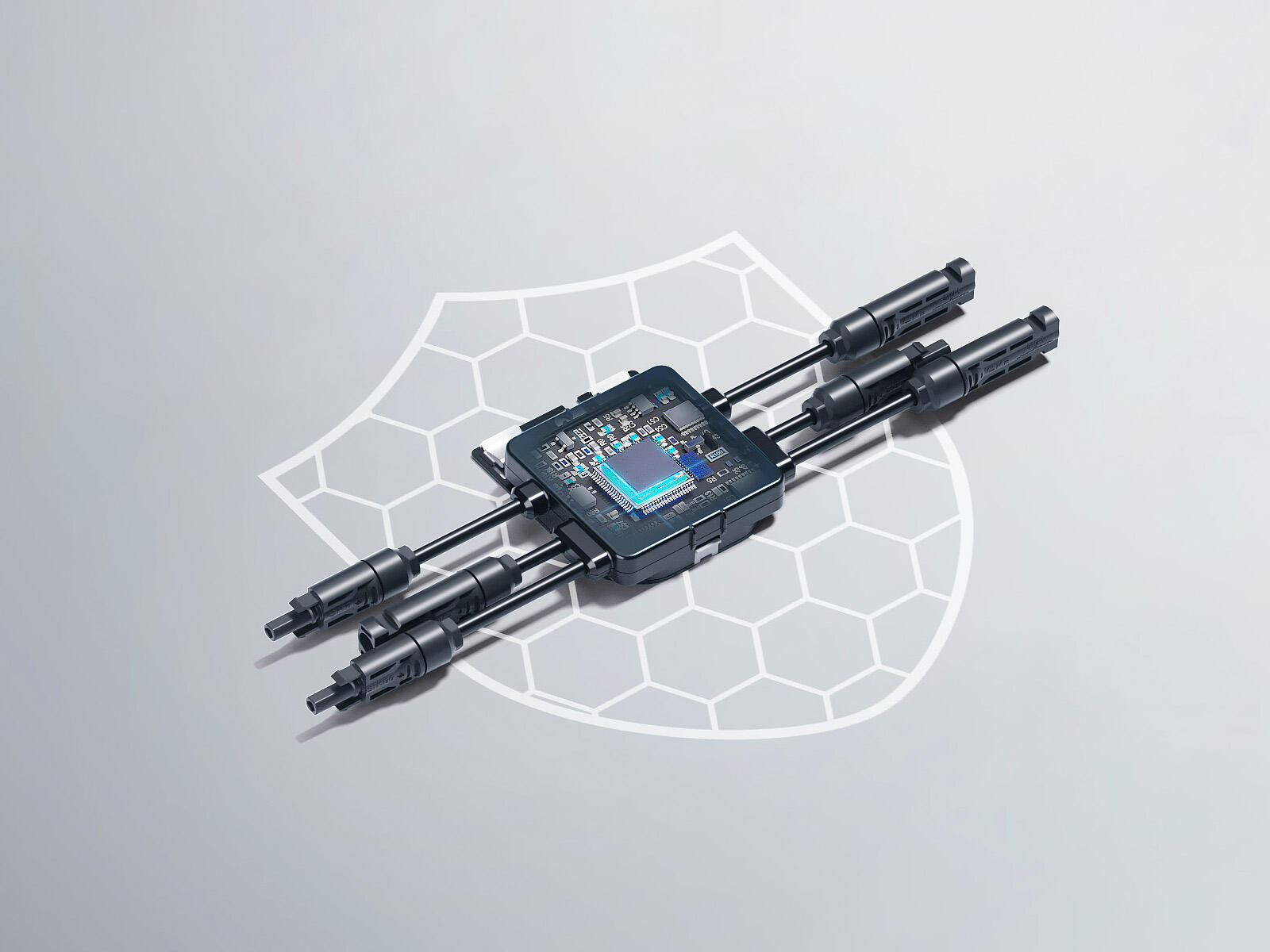
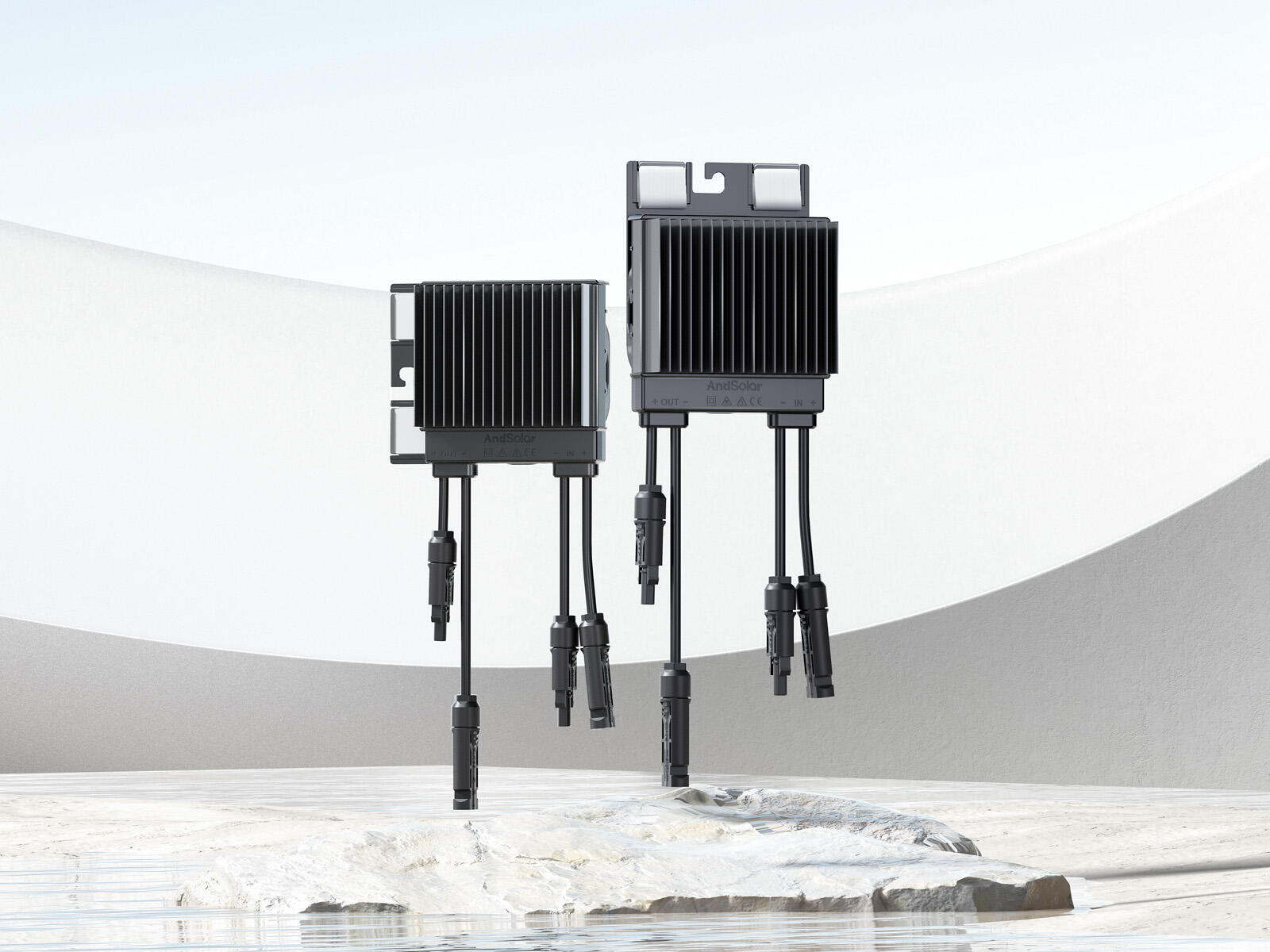
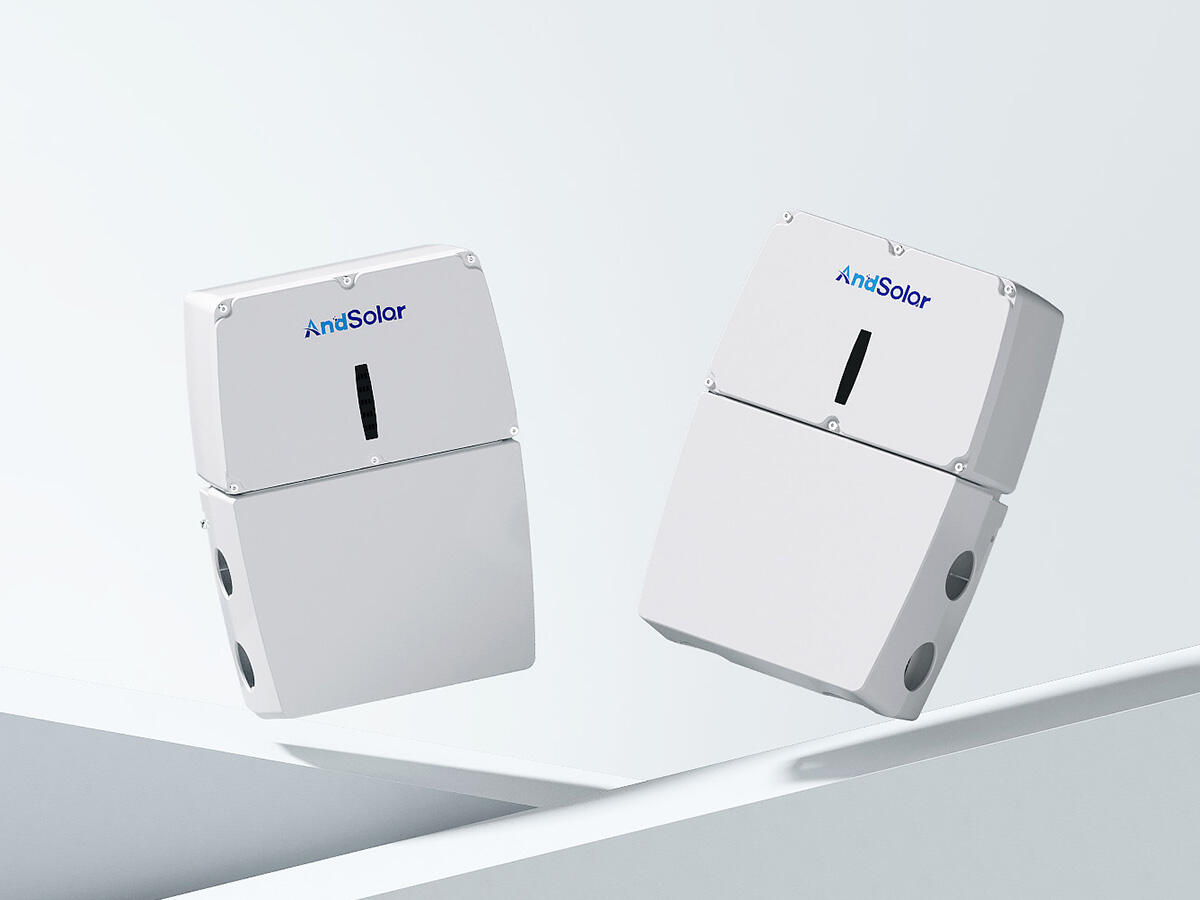
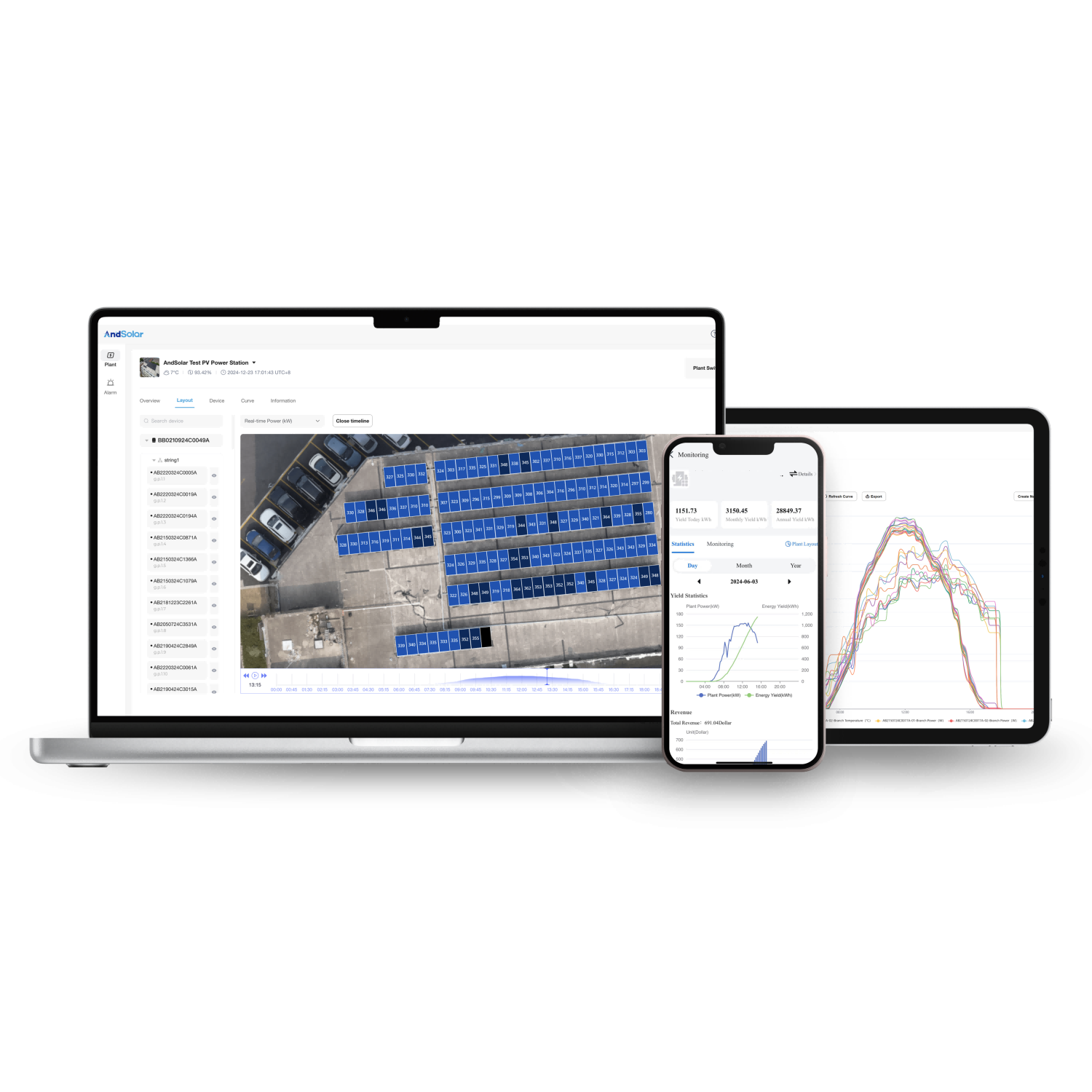
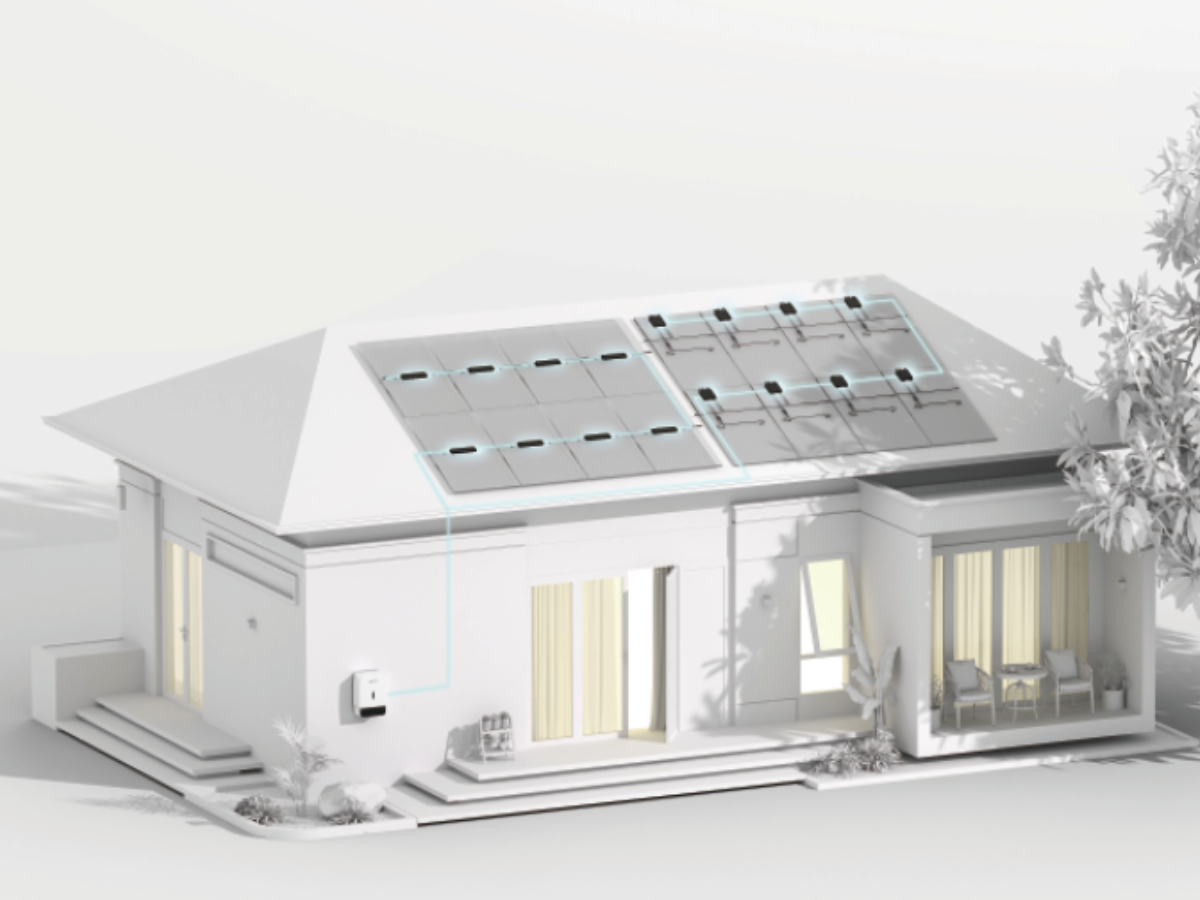
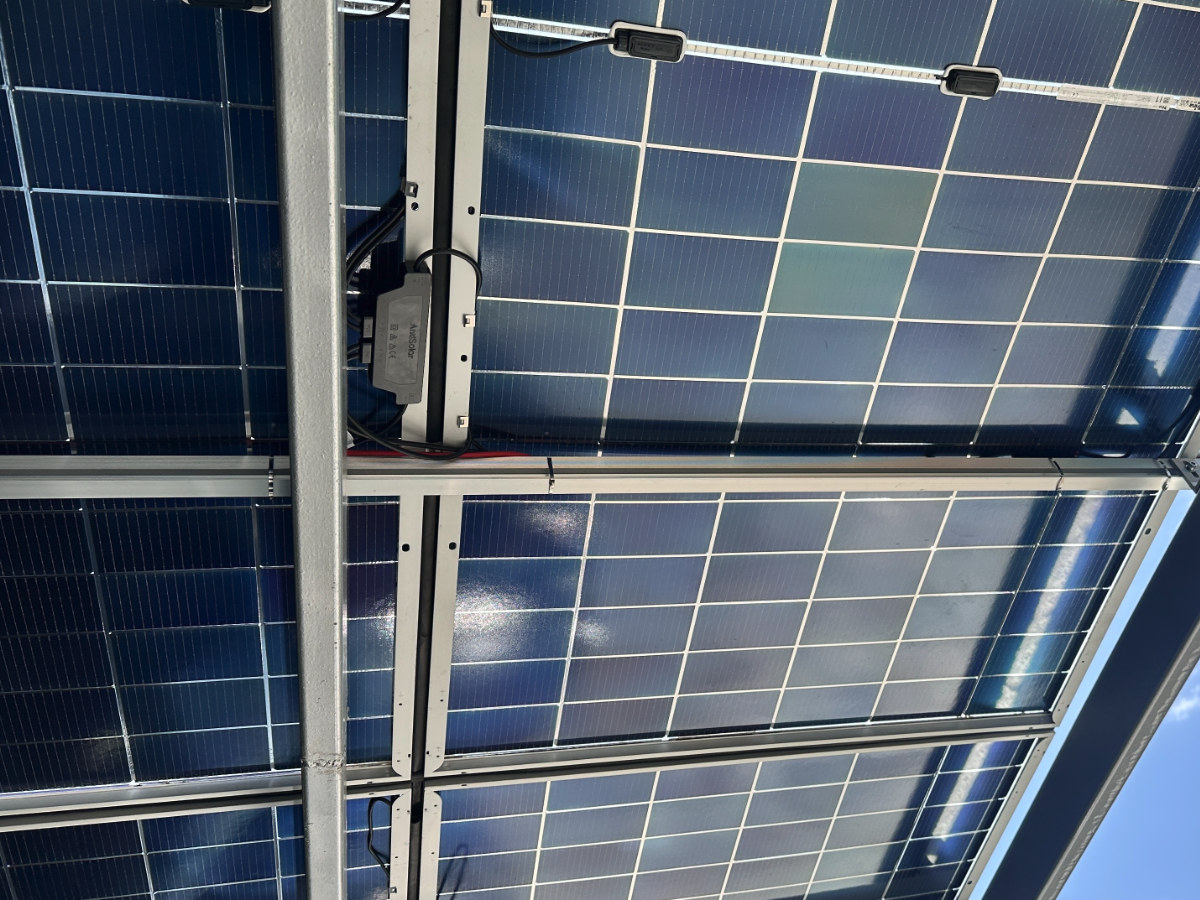
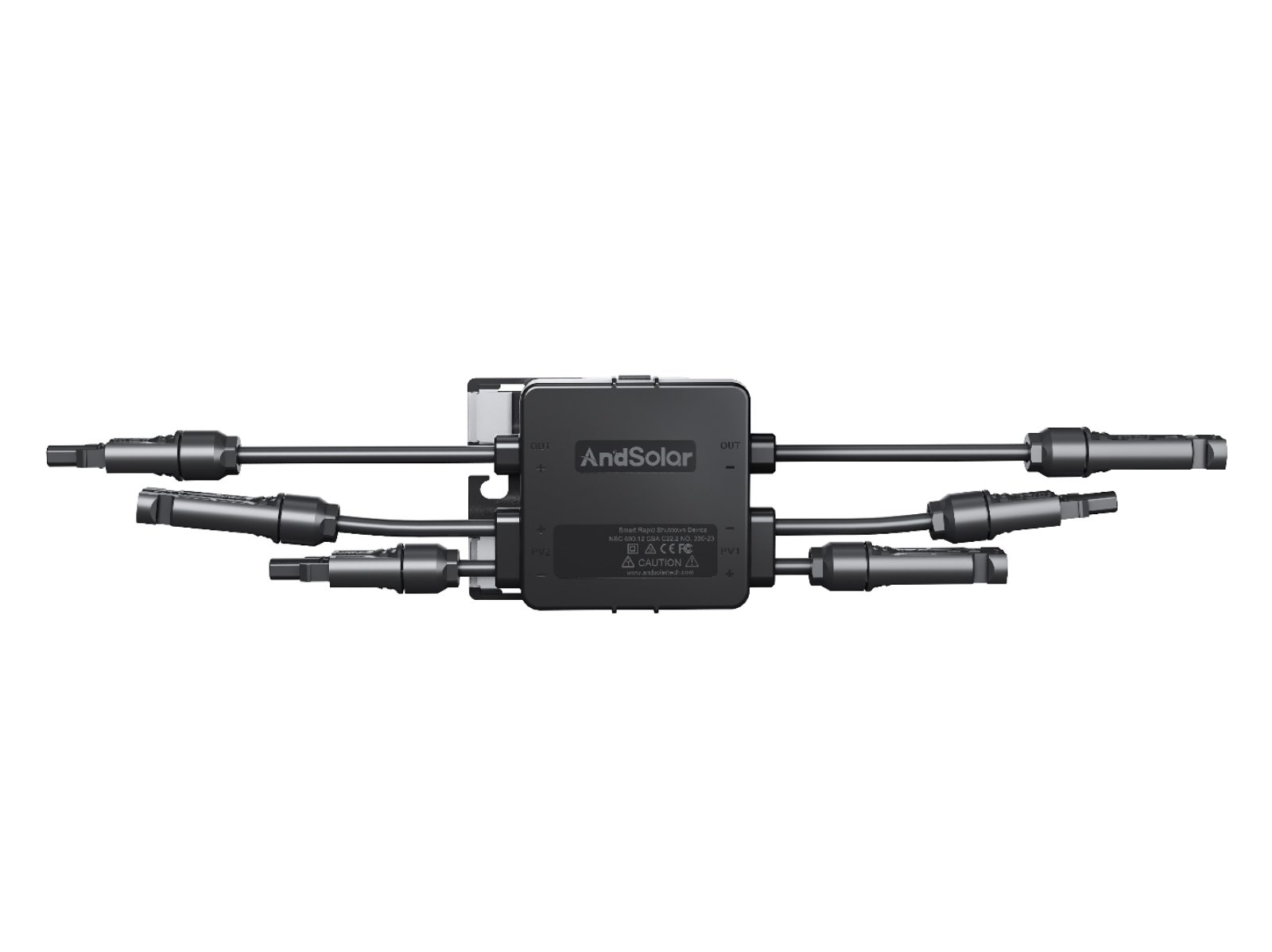
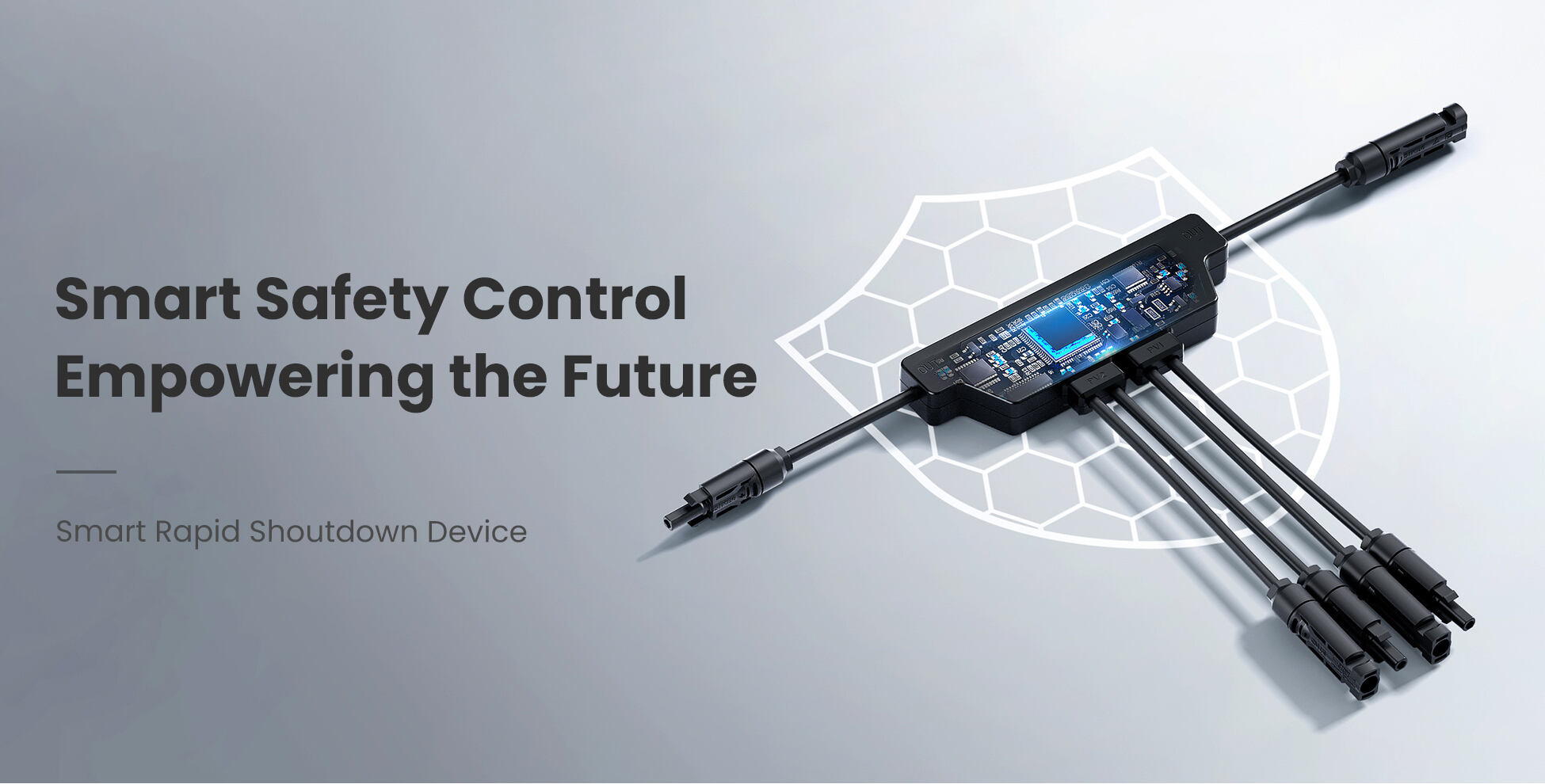
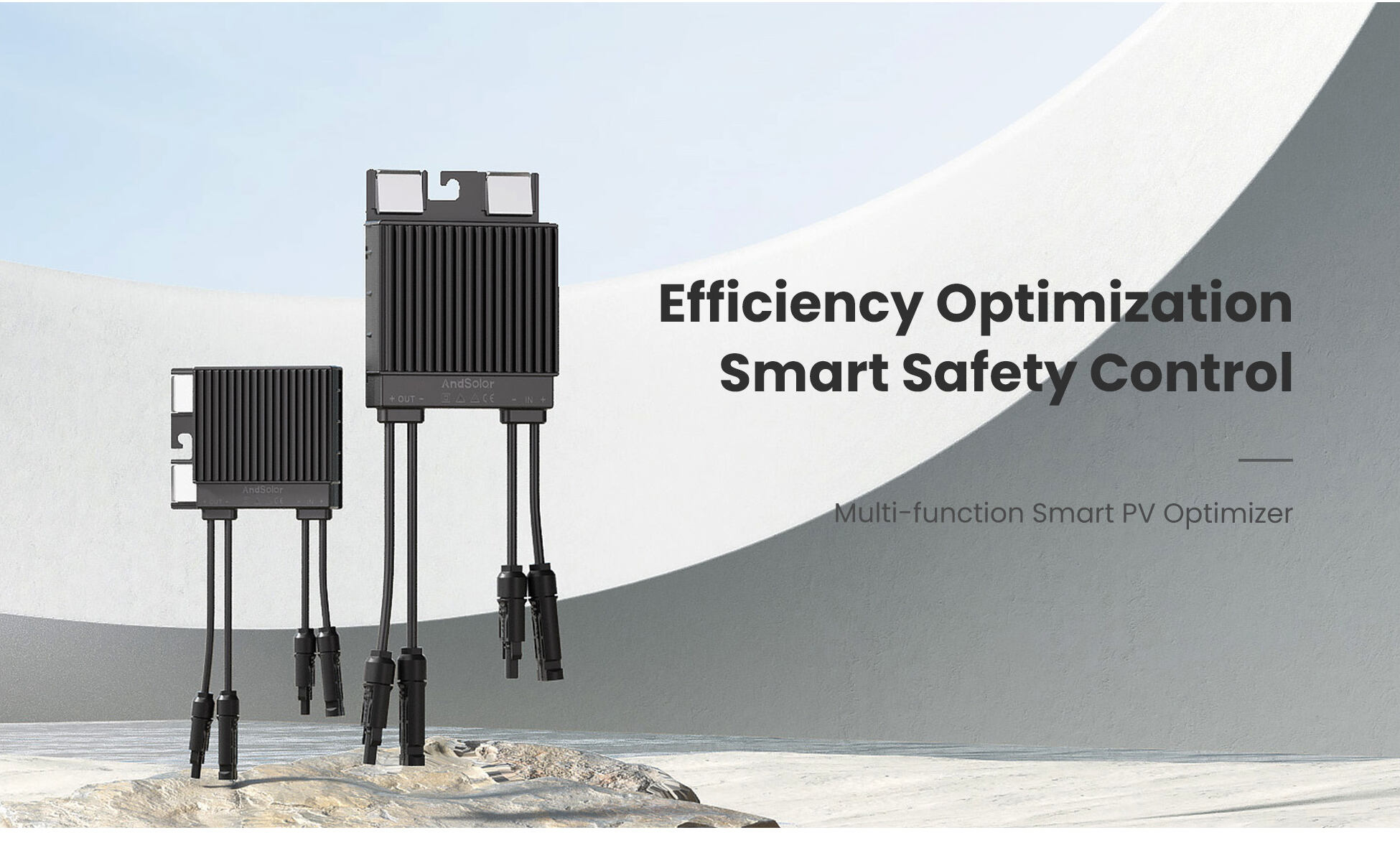
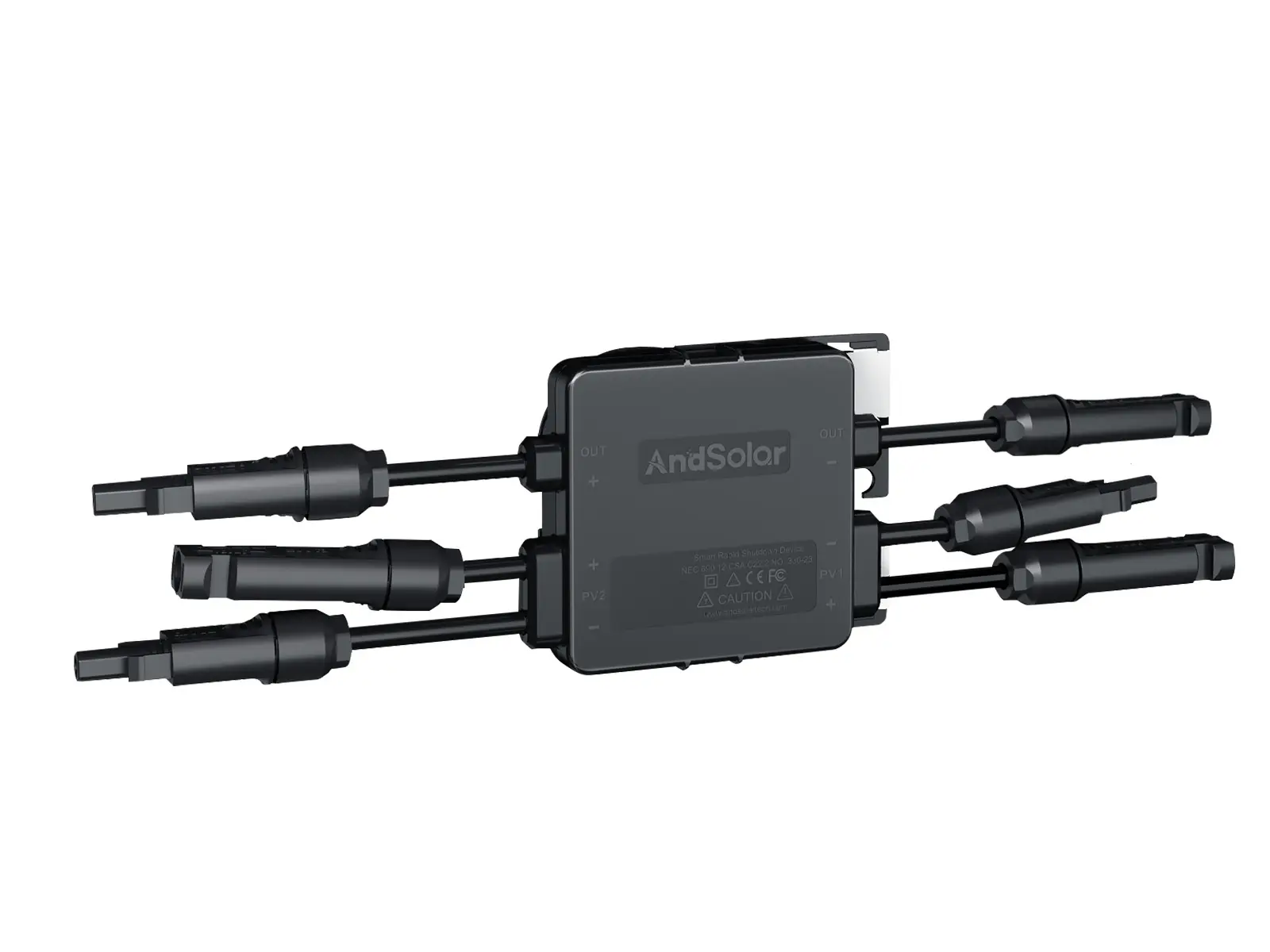
PV module-level power electronics represent a revolutionary advancement in solar energy technology, transforming how photovoltaic systems operate and perform. These sophisticated electronic components are installed directly at each solar panel, creating a distributed approach to power conversion and system management. Unlike traditional string inverters that handle multiple panels collectively, pv module-level power electronics work independently with each individual module, providing unprecedented control and optimization capabilities. The primary functions of these systems include maximum power point tracking, DC-to-AC conversion, monitoring, and safety shutdown capabilities. Each unit continuously analyzes the performance of its associated solar panel, ensuring optimal energy harvest regardless of shading, soiling, or module mismatch conditions. The technological features encompass advanced microprocessor control, rapid shutdown compliance, real-time communication protocols, and robust environmental protection ratings. These power electronics utilize sophisticated algorithms to track the maximum power point of each module independently, dramatically improving overall system efficiency. The wireless or powerline communication capabilities enable comprehensive monitoring of individual panel performance, allowing for precise fault detection and maintenance scheduling. Applications span across residential rooftops, commercial installations, and utility-scale projects where module-level optimization proves beneficial. The technology particularly excels in installations with complex roof geometries, partial shading conditions, or mixed panel orientations. Integration with smart grid systems and energy storage solutions further expands the application scope. Modern pv module-level power electronics incorporate safety features including rapid shutdown functionality, arc fault detection, and ground fault protection. The compact form factor and weather-resistant enclosures ensure reliable operation in diverse environmental conditions. These systems support various communication protocols, enabling seamless integration with monitoring platforms and energy management systems for comprehensive solar installation oversight.