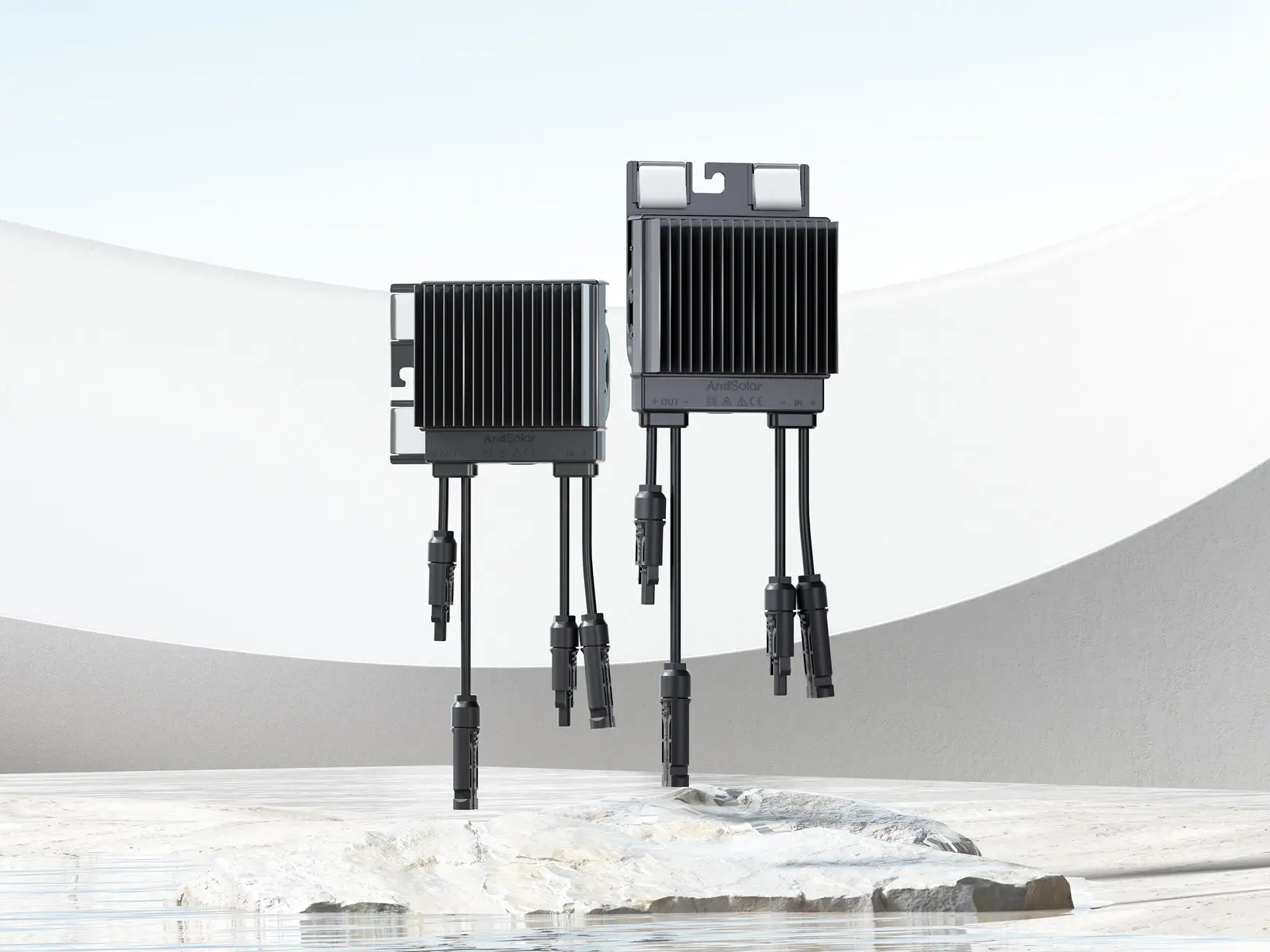
Module-Level Power Electronics Solution: Advanced Solar Optimization Technology

  • 8F, Block B, Building 1, 286 Qinglonggang Road, Suzhou City, Jiangsu Province, P. R. China
  • [email protected]
AndSolar Cloud

module-level power electronics solution

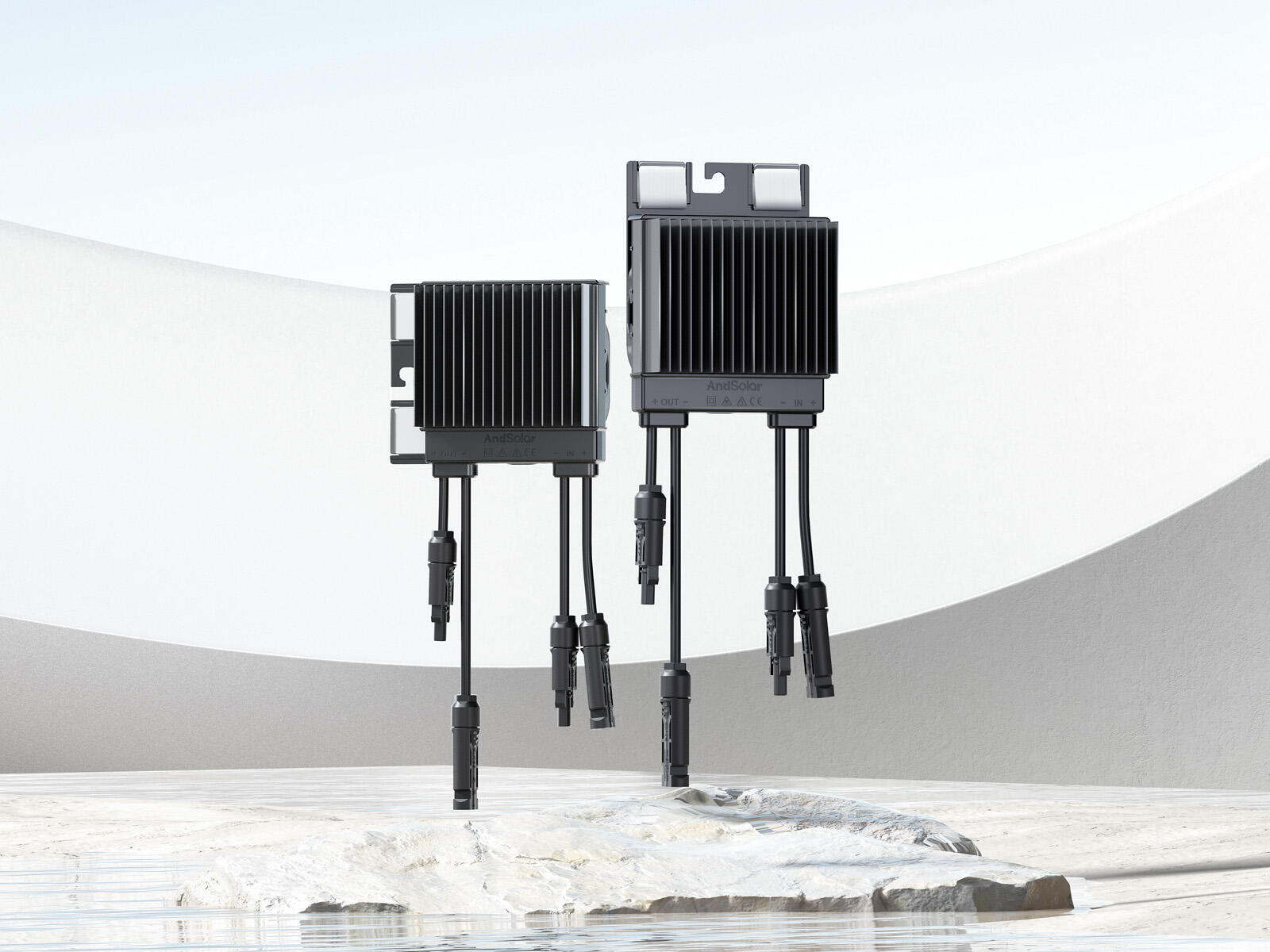
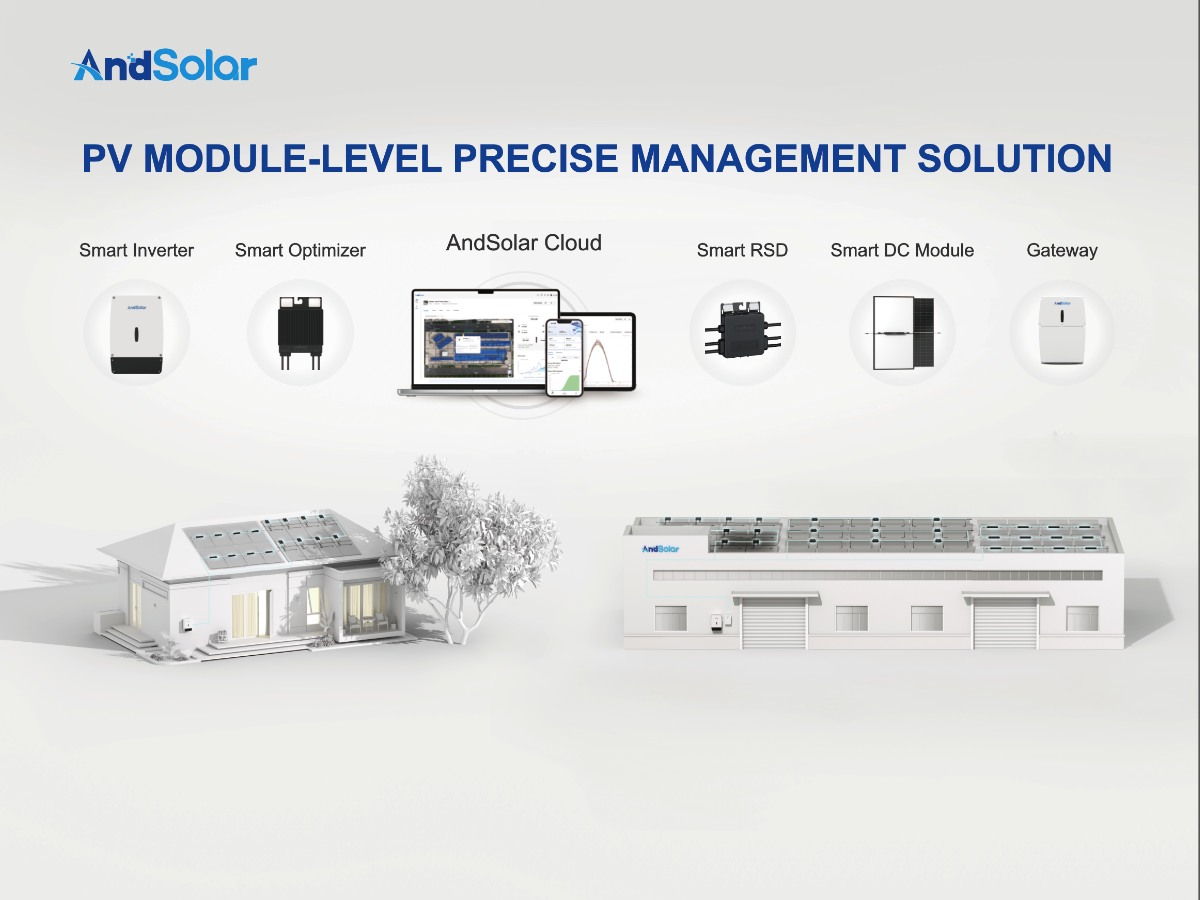
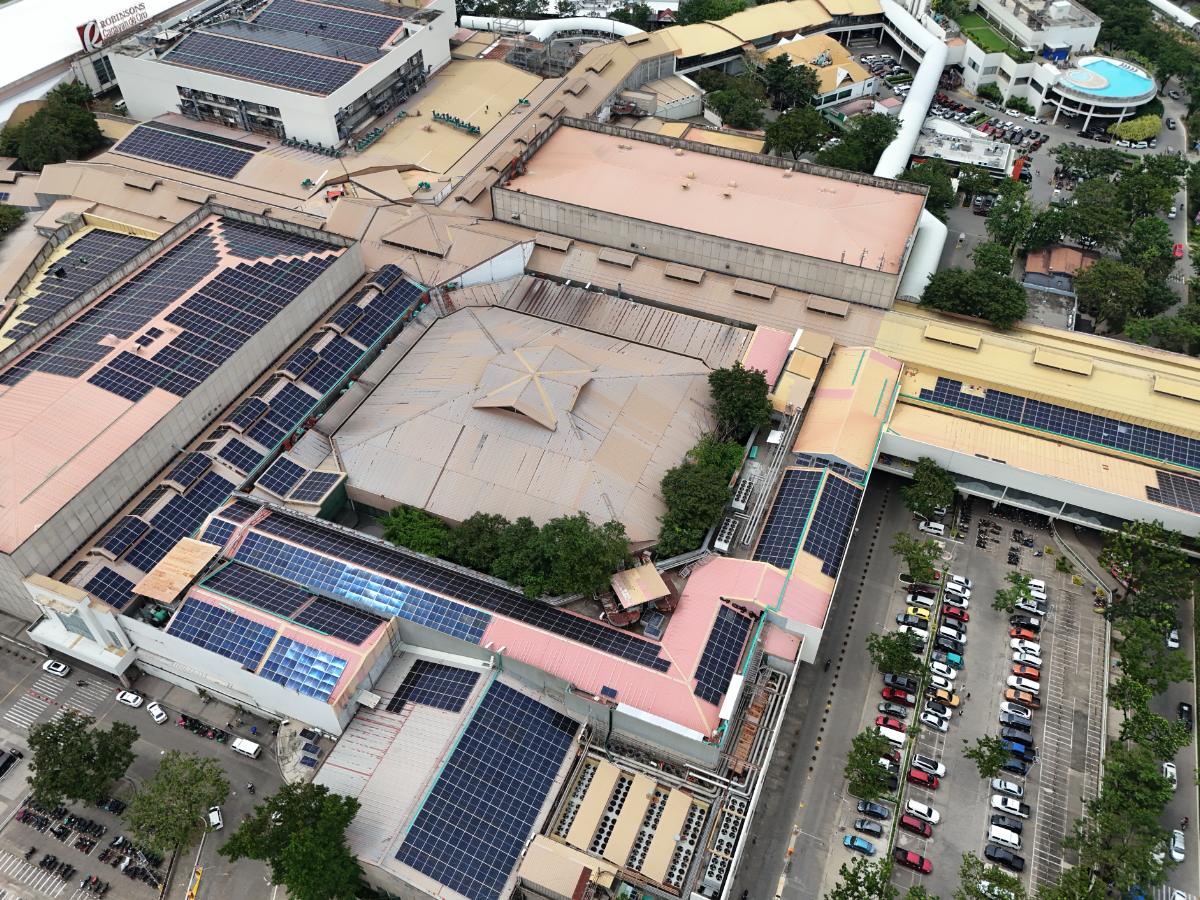
Module-level power electronics solution represents a revolutionary approach to power management and energy optimization in solar photovoltaic systems and energy storage applications. This advanced technology operates at the individual module level rather than traditional string-level configurations, providing granular control and enhanced performance monitoring capabilities. The module-level power electronics solution integrates sophisticated power conversion components directly into each solar panel or energy storage unit, enabling independent operation and optimization of every module within the system. The primary functions of module-level power electronics solution include maximum power point tracking for each individual module, real-time performance monitoring, safety isolation, and intelligent power conversion. These systems utilize advanced microprocessor-controlled algorithms to continuously optimize energy harvest from each module, regardless of shading conditions, debris accumulation, or module degradation that might affect neighboring units. The technological features of module-level power electronics solution encompass high-frequency switching power converters, embedded communication protocols, thermal management systems, and robust safety mechanisms. These components work together to ensure reliable operation under diverse environmental conditions while maintaining optimal energy conversion efficiency. The module-level power electronics solution incorporates galvanic isolation between modules, preventing cascading failures and enhancing overall system safety. Applications for module-level power electronics solution span residential rooftop installations, commercial solar arrays, utility-scale power plants, and distributed energy storage systems. In residential settings, homeowners benefit from improved energy harvest and detailed monitoring capabilities that help identify maintenance needs early. Commercial installations utilize module-level power electronics solution to maximize return on investment through enhanced energy production and reduced maintenance costs. Utility-scale deployments leverage these solutions for improved grid integration, enhanced fault detection, and streamlined maintenance operations across large solar installations.
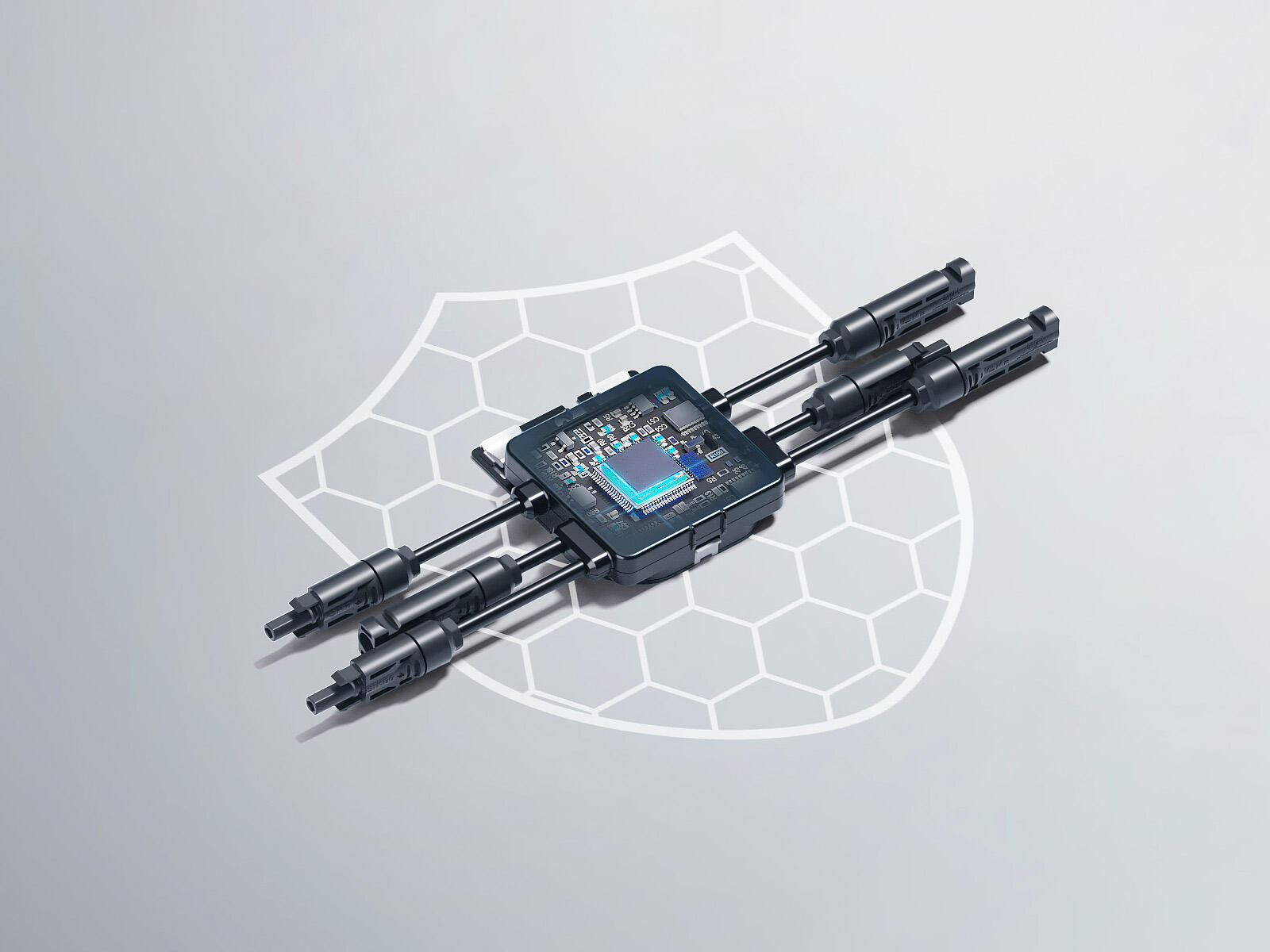
The module-level power electronics solution delivers significant advantages that transform how energy systems perform and operate. First, this technology maximizes energy production by eliminating the weakest-link effect common in traditional string configurations. When one panel experiences shading or performance issues, the module-level power electronics solution ensures other panels continue operating at peak efficiency, dramatically increasing overall system output. This independent operation capability translates directly into higher energy yields and improved financial returns for system owners. Enhanced monitoring represents another major benefit of module-level power electronics solution implementation. System owners gain unprecedented visibility into individual module performance, enabling proactive maintenance strategies that prevent minor issues from becoming costly repairs. This granular monitoring capability helps identify underperforming modules quickly, optimize cleaning schedules, and extend overall system lifespan through data-driven maintenance decisions. Safety improvements constitute a critical advantage of module-level power electronics solution deployment. These systems provide automatic shutdown capabilities during emergency situations, reduce fire risks through voltage limitation, and enable safer maintenance procedures for technicians. The module-level power electronics solution incorporates multiple safety layers that protect both equipment and personnel, meeting stringent electrical safety standards while providing peace of mind for property owners. Installation flexibility becomes significantly enhanced with module-level power electronics solution integration. These systems accommodate complex roof configurations, multiple orientations, and challenging shading conditions that would compromise traditional string inverter performance. Installers can design systems around architectural constraints while maintaining optimal energy production, expanding installation possibilities for customers with unique requirements. The module-level power electronics solution also simplifies system expansion, allowing customers to add panels incrementally without requiring expensive redesign of existing infrastructure. Long-term reliability benefits emerge from the distributed architecture of module-level power electronics solution systems. Unlike centralized inverters that create single points of failure, these distributed systems continue operating even when individual components require maintenance. This resilience ensures consistent energy production and reduces revenue losses during maintenance periods, providing superior long-term value for system investments.

New Product Releases

Maximum Energy Harvest Optimization

Maximum Energy Harvest Optimization

The module-level power electronics solution revolutionizes energy harvest optimization by implementing individual maximum power point tracking for every solar module in the installation. This sophisticated approach eliminates the performance limitations imposed by traditional string configurations, where the lowest-performing module dictates the output of the entire string. Each module-level power electronics solution unit continuously monitors voltage, current, and power characteristics of its associated panel, dynamically adjusting operating parameters to maintain optimal energy extraction under all conditions. This technology proves particularly valuable in installations facing partial shading, where traditional systems experience dramatic power losses. The module-level power electronics solution ensures that shaded panels operate at their reduced but optimal output while unshaded panels maintain peak performance, resulting in significantly higher total energy production. Environmental factors such as dust accumulation, bird droppings, or leaf coverage that might affect individual panels no longer compromise the entire system's performance. The intelligent algorithms within each module-level power electronics solution continuously adapt to changing conditions throughout the day, automatically compensating for temperature variations, irradiance fluctuations, and aging effects. This real-time optimization capability extends beyond simple power point tracking to include predictive algorithms that anticipate optimal operating conditions based on historical performance data and weather patterns. Customers benefit from energy yield improvements typically ranging from fifteen to twenty-five percent compared to traditional string systems, with even greater gains possible in challenging installation environments. The module-level power electronics solution also enables energy production during low-light conditions where string systems might shut down entirely, extending daily production hours and maximizing return on investment.
Advanced Real-Time Monitoring and Diagnostics

Advanced Real-Time Monitoring and Diagnostics

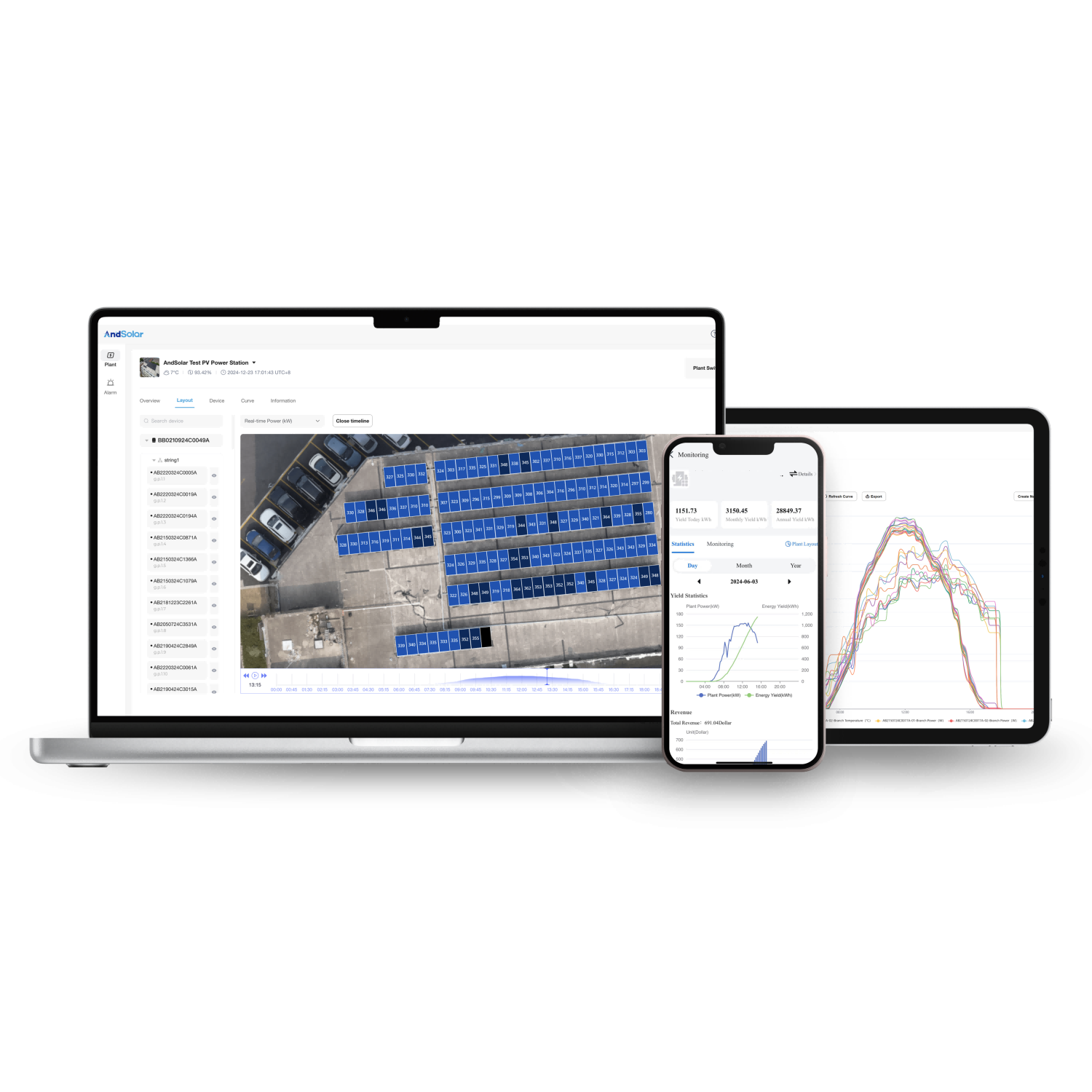
The module-level power electronics solution provides unprecedented monitoring capabilities that transform system maintenance from reactive to proactive management strategies. Each unit continuously collects detailed performance data including power output, voltage levels, current flow, temperature readings, and operational status indicators, transmitting this information through integrated communication protocols to centralized monitoring platforms. This comprehensive data collection enables system owners and maintenance teams to identify performance anomalies, predict component failures, and optimize maintenance schedules based on actual equipment condition rather than arbitrary time intervals. The module-level power electronics solution monitoring system alerts users to various issues including individual module degradation, connection problems, inverter malfunctions, and environmental factors affecting performance. Advanced analytics platforms process this data to provide actionable insights, helping customers understand their system's performance patterns and identify opportunities for improvement. Remote monitoring capabilities eliminate the need for frequent physical inspections while providing more detailed information than traditional monitoring approaches. Service technicians can diagnose problems remotely, arrive at installations with appropriate tools and replacement parts, and complete repairs more efficiently. The module-level power electronics solution monitoring data proves invaluable for warranty claims, insurance purposes, and performance guarantees, providing documented evidence of system operation and maintenance history. Fleet management capabilities enable large-scale operators to monitor hundreds or thousands of installations from centralized control centers, optimizing maintenance resources and minimizing system downtime. Historical performance data collected by module-level power electronics solution systems supports long-term planning decisions, helping customers understand degradation patterns, plan equipment replacement cycles, and evaluate the effectiveness of different maintenance strategies over time.
Enhanced Safety and Code Compliance

Enhanced Safety and Code Compliance

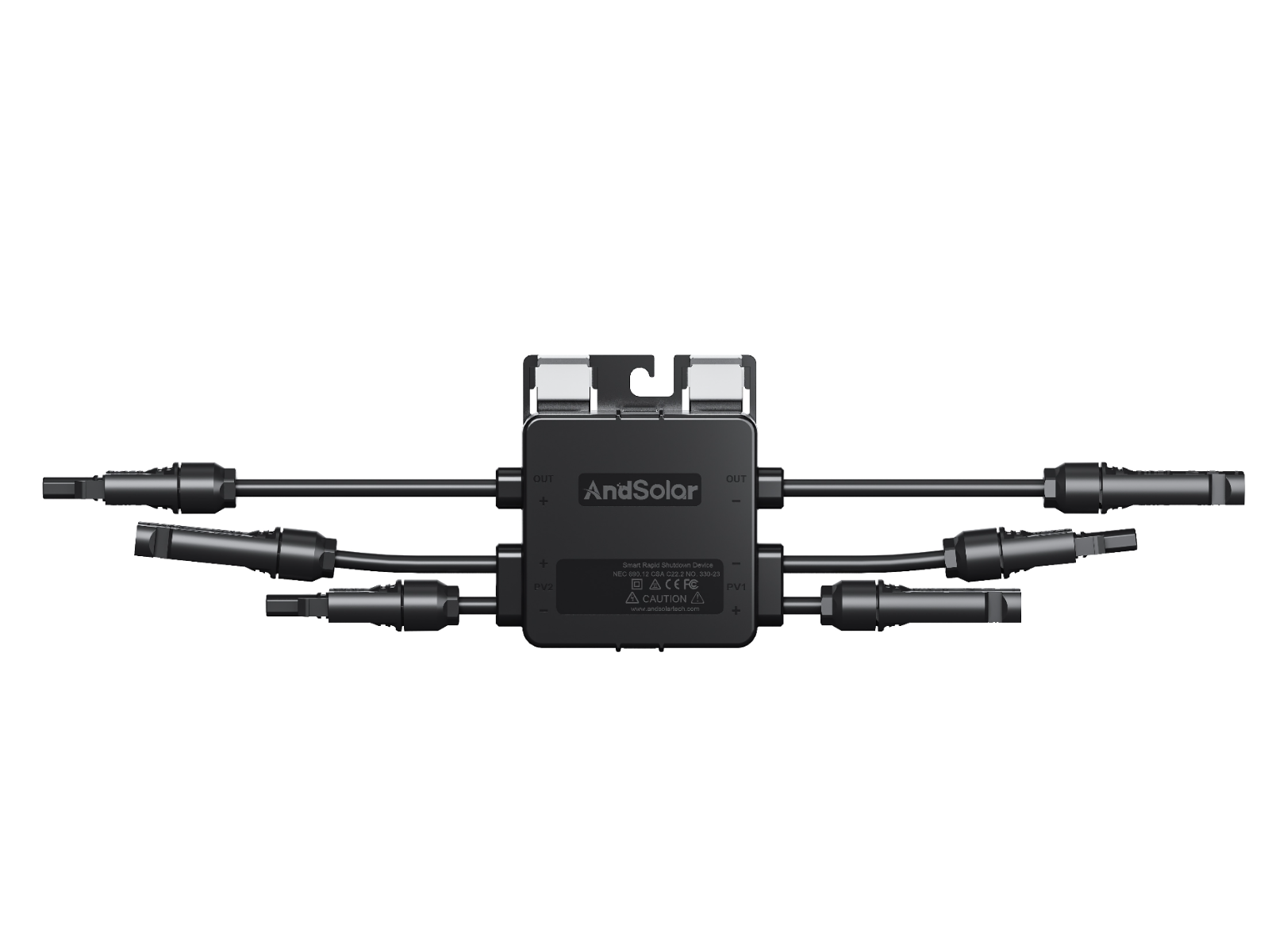
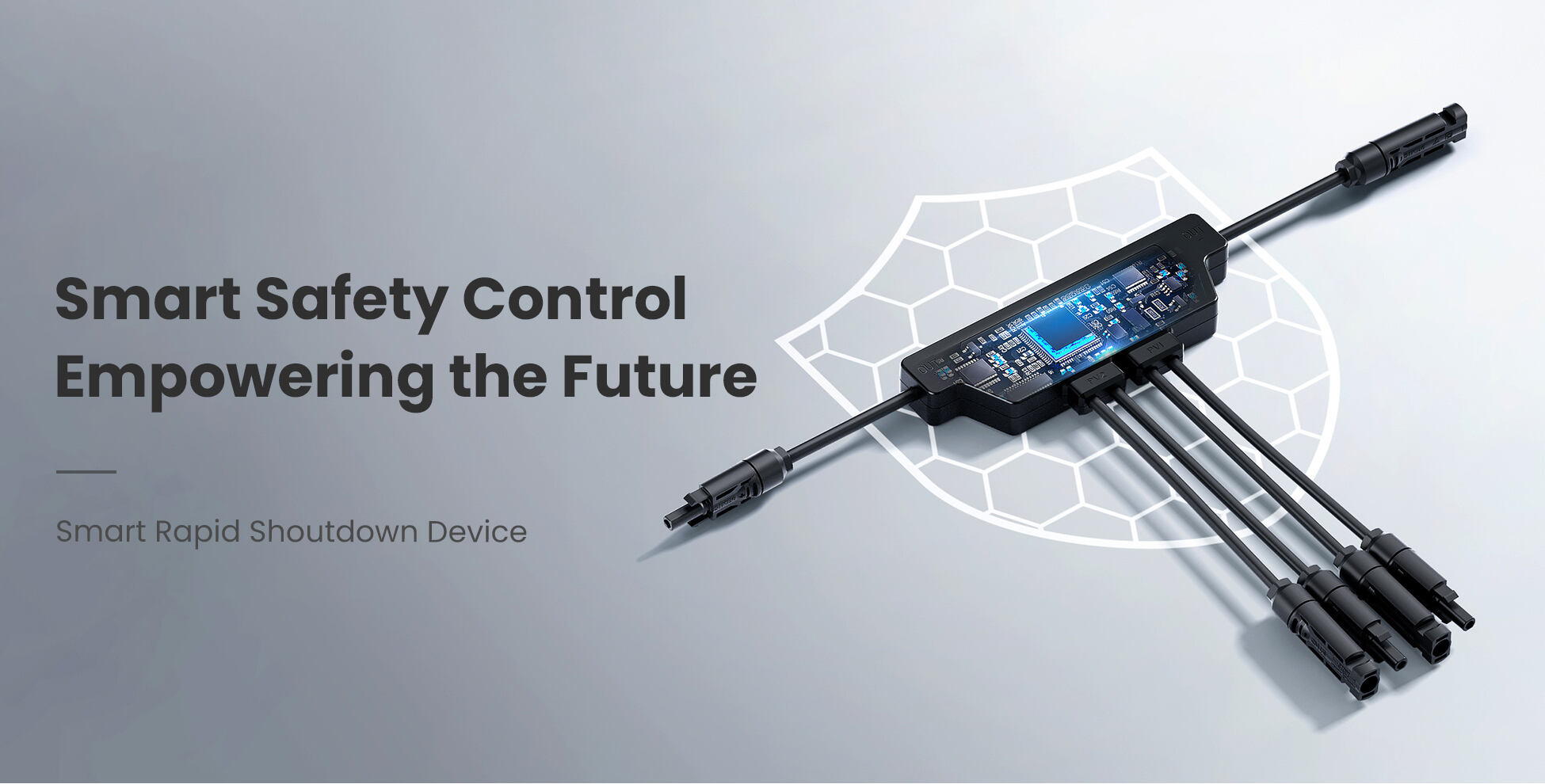
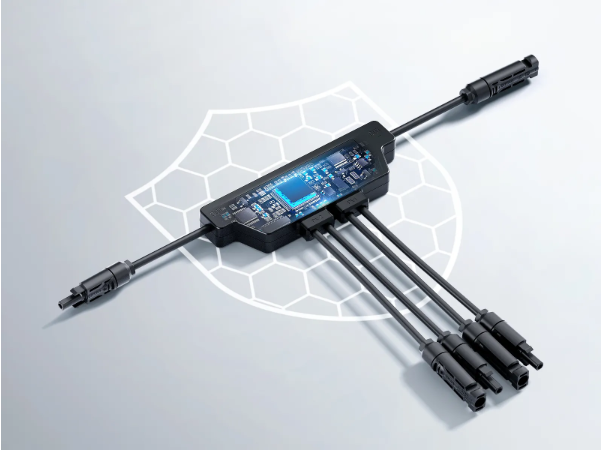
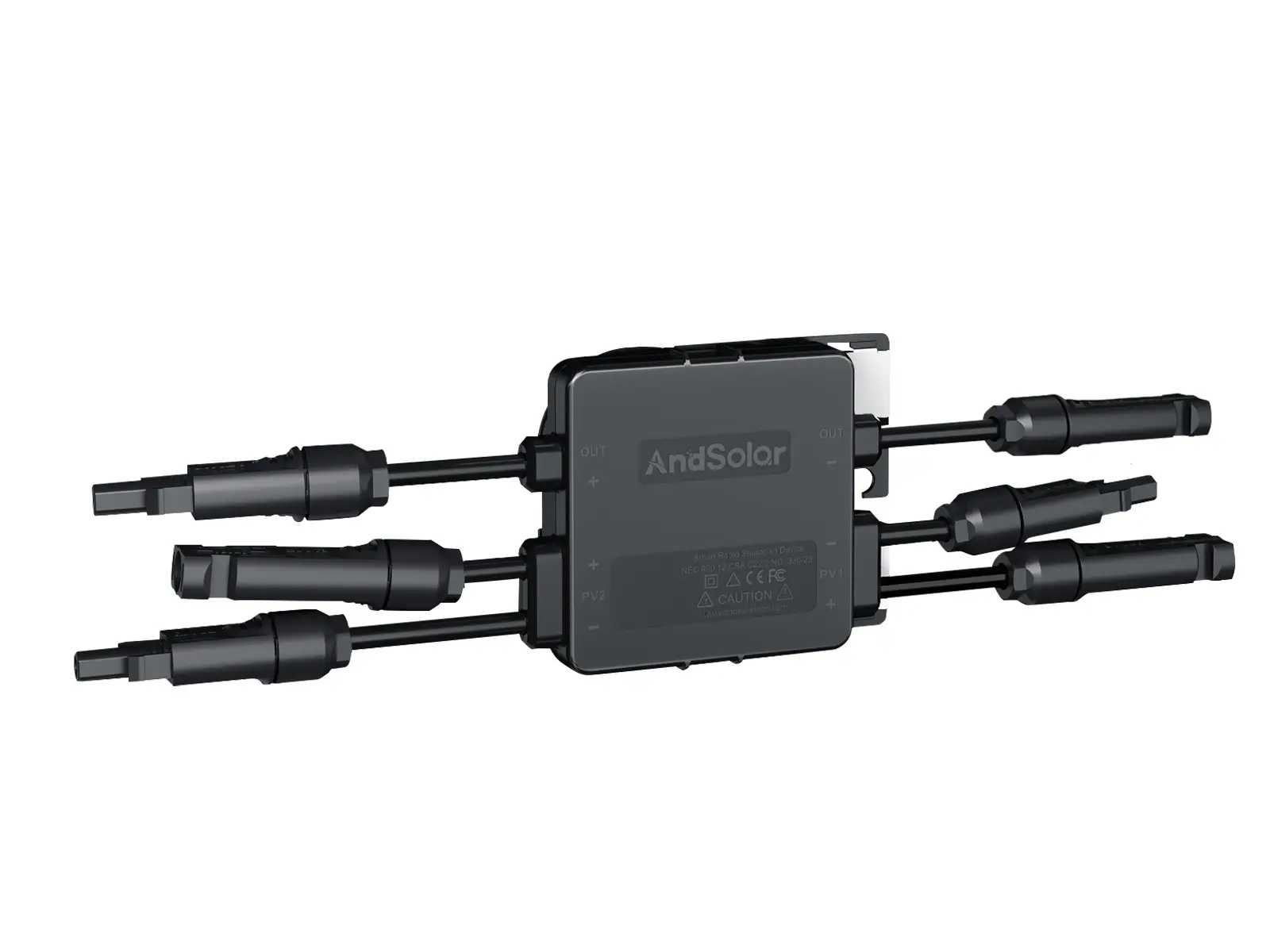
The module-level power electronics solution incorporates multiple safety features that exceed traditional solar installation safety standards while simplifying compliance with evolving electrical codes and regulations. Rapid shutdown capability represents a cornerstone safety feature, enabling the module-level power electronics solution to reduce DC voltage levels to safe limits within seconds of receiving a shutdown signal from firefighters, maintenance personnel, or automatic safety systems. This capability addresses critical safety concerns related to firefighter safety and emergency response procedures, ensuring that first responders can safely access buildings and structures without exposure to dangerous electrical hazards. Arc fault detection and interruption capabilities within each module-level power electronics solution unit provide enhanced fire prevention compared to traditional systems, continuously monitoring for dangerous arcing conditions and automatically shutting down affected circuits before fires can develop. Ground fault protection integrated into module-level power electronics solution systems provides superior personnel protection by detecting and interrupting dangerous ground fault currents more quickly and accurately than conventional protection devices. Module-level isolation ensures that electrical faults remain contained to individual units rather than propagating throughout the system, reducing the risk of cascading failures and minimizing potential damage from electrical anomalies. Installation safety improvements result from reduced DC voltage exposure during maintenance procedures, as module-level power electronics solution systems can isolate individual modules while maintaining overall system operation. Code compliance becomes simplified as module-level power electronics solution systems inherently meet rapid shutdown requirements mandated by the National Electrical Code and similar international standards. These safety features provide insurance benefits through reduced fire risk ratings and demonstrate commitment to electrical safety best practices. The distributed architecture of module-level power electronics solution systems eliminates high-power central inverters that can pose safety risks during maintenance, while integrated monitoring capabilities help identify and address safety concerns before they become dangerous situations.

Get a Free Quote

Our representative will contact you soon.
Name
Email
Phone/ WhatsApp
Company Name
Product Selection
Message
0/1000

module-level power electronics solution

Practical Tips

How Does Rapid Shutdown Enhance Safety?

16

Jun

How Does Rapid Shutdown Enhance Safety?

Understanding Rapid Shutdown in Solar Systems The Role of Rapid Shutdown Devices Rapid shutdown devices (RSD) are essential components of modern solar photovoltaic (PV) systems. Their primary purpose is to enhance safety by swiftly disconnecting pow...
View More
What Is Rapid Shutdown for Solar PV, and Why Is It Necessary?

16

Jun

What Is Rapid Shutdown for Solar PV, and Why Is It Necessary?

Understanding Rapid Shutdown Technology in Solar PV Systems What is Rapid Shutdown for Solar Panels?Safety behind-the-panel Rapid Shutdown technology serves as a critical last resort in a solar PV system, acting as a protective measure in case o...
View More
Will Rapid Shutdown Devices Affect Solar System Performance?

13

Aug

Will Rapid Shutdown Devices Affect Solar System Performance?

Optimizing Solar System Safety Without Compromising Efficiency In the modern solar energy landscape, safety and performance go hand in hand. The industry has evolved from focusing solely on maximizing energy yield to ensuring that systems operate wit...
View More
AndSolar Power Optimizers Vs. Traditional String Inverters in MPPT

17

Sep

AndSolar Power Optimizers Vs. Traditional String Inverters in MPPT

Maximizing Solar Energy Harvesting Through Advanced Technology The solar industry continues to evolve with innovative solutions that enhance energy production and system efficiency. At the forefront of this evolution is the ongoing debate between sol...
View More

Get a Free Quote

Our representative will contact you soon.
Name
Email
Phone/ WhatsApp
Company Name
Product Selection
Message
0/1000