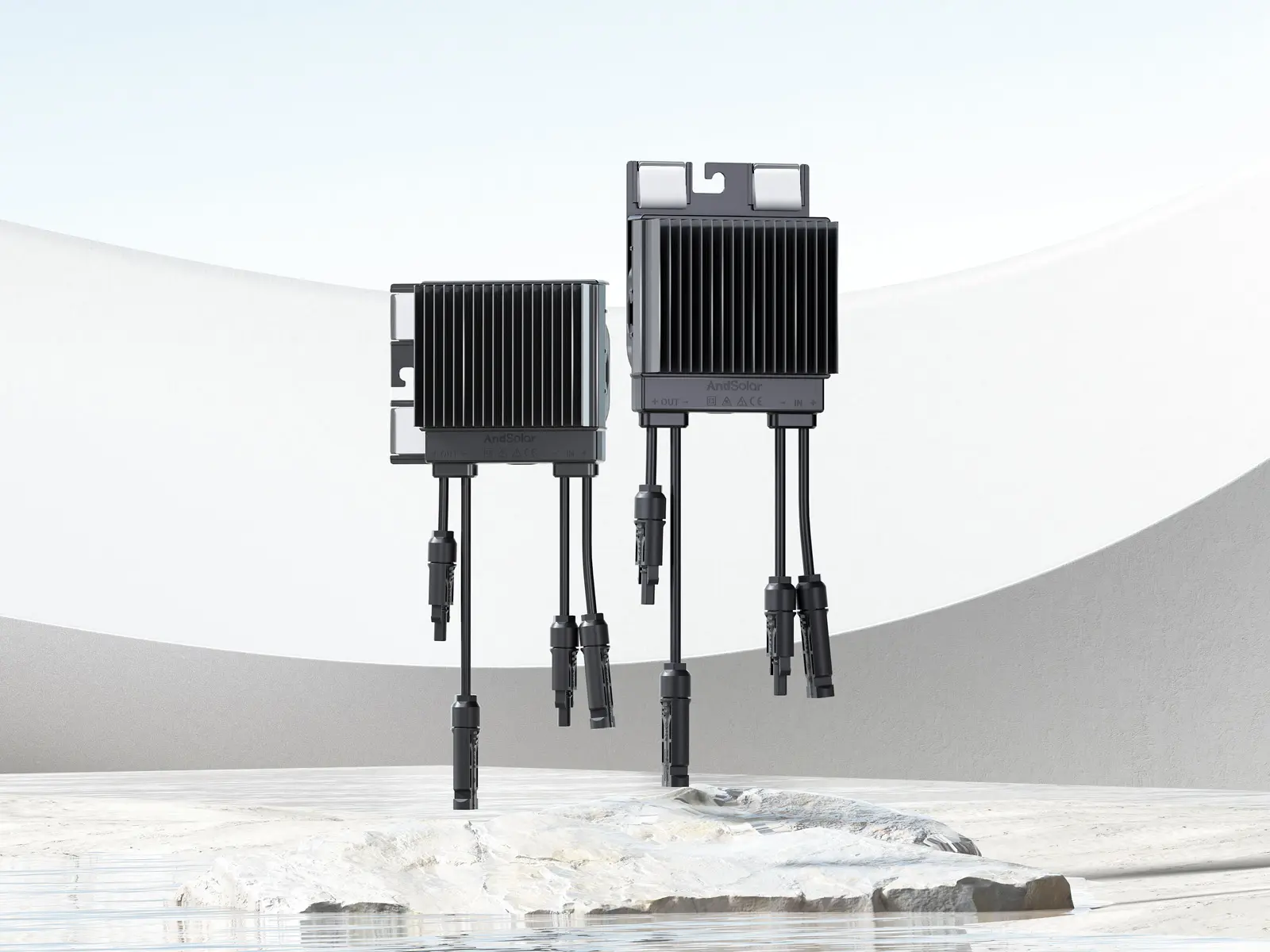
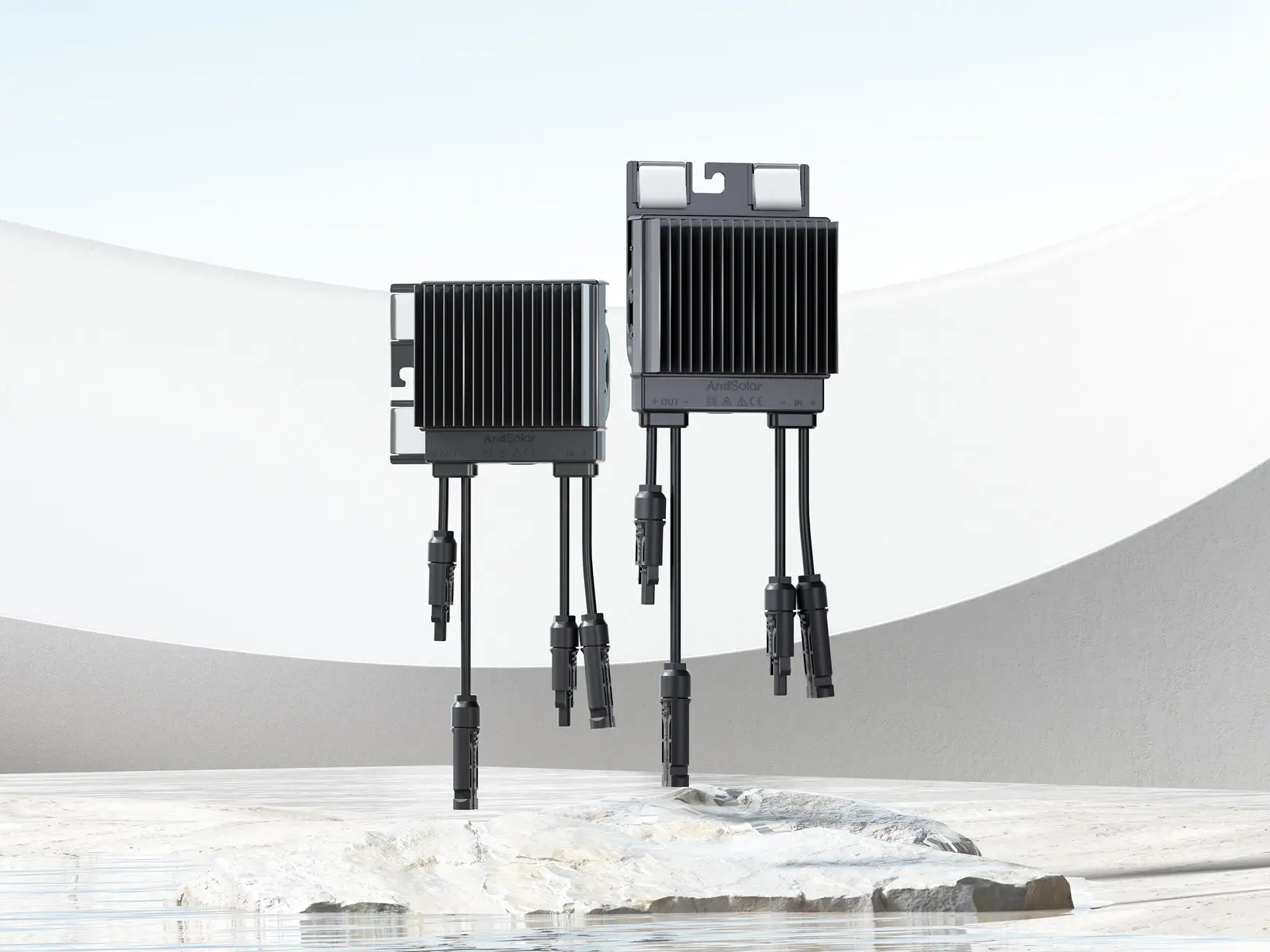
MLPE Rapid Shutdown System: Advanced Solar Safety Technology with Module-Level Control

  • 8F, Block B, Building 1, 286 Qinglonggang Road, Suzhou City, Jiangsu Province, P. R. China
  • [email protected]
AndSolar Cloud

MLPE Rapid Shutdown System

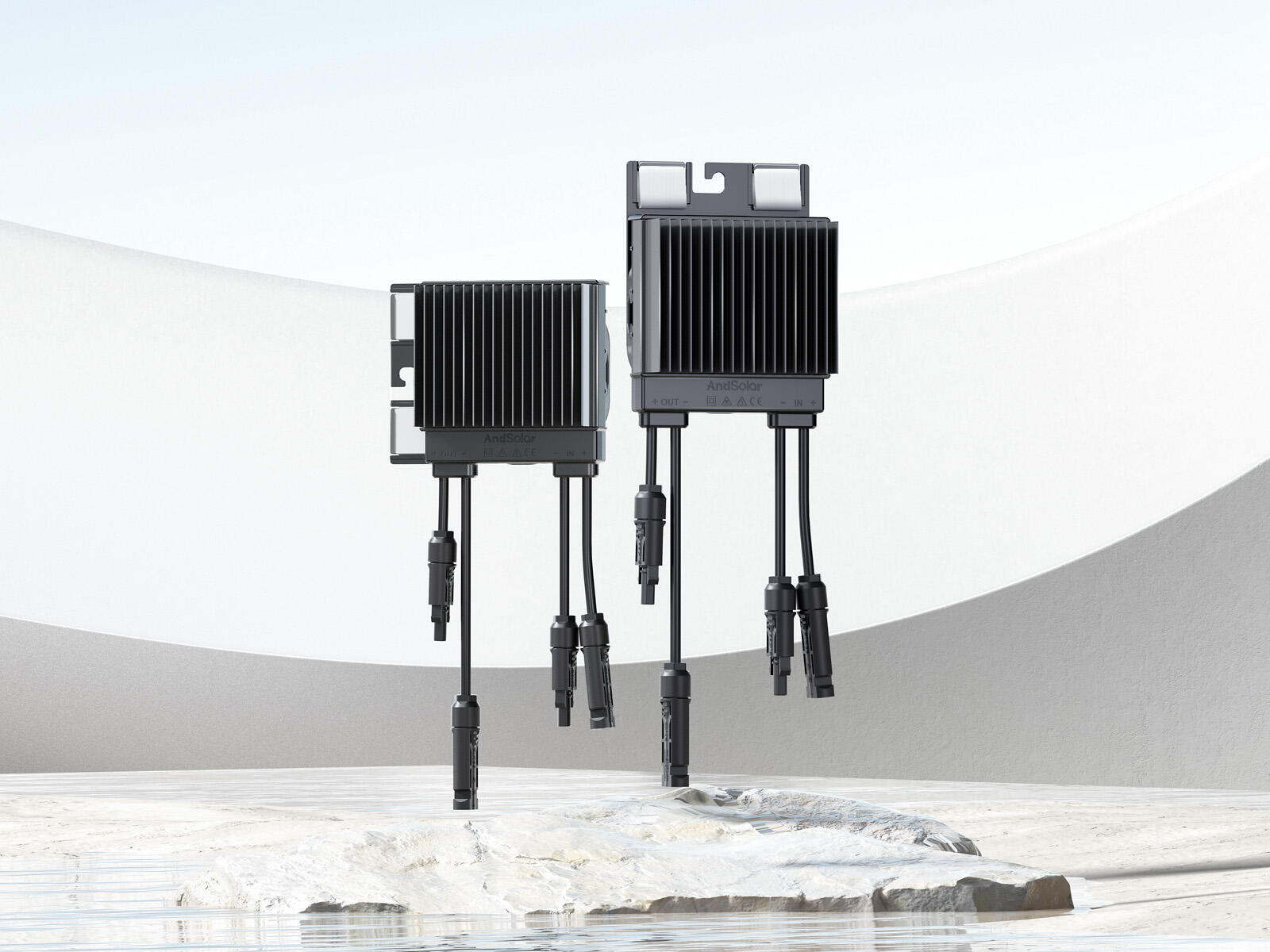
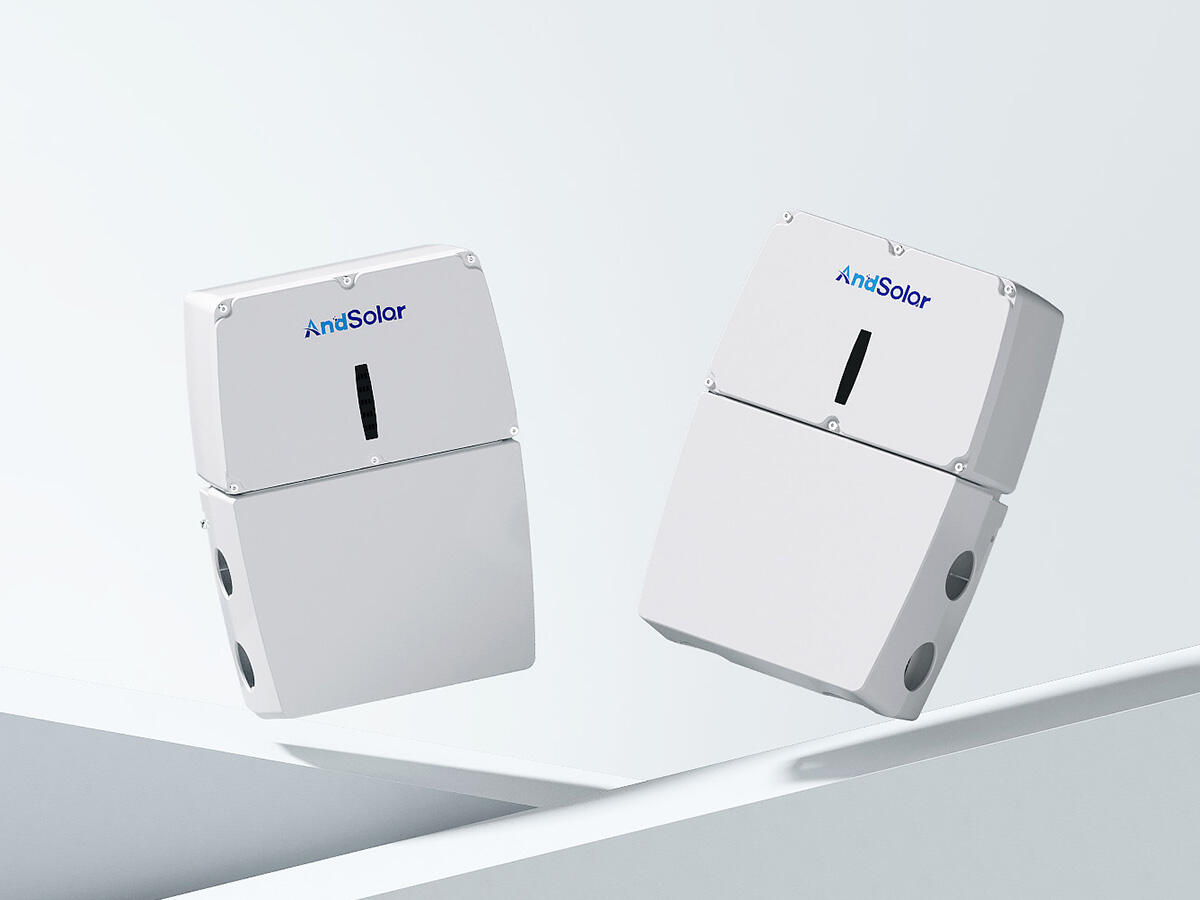
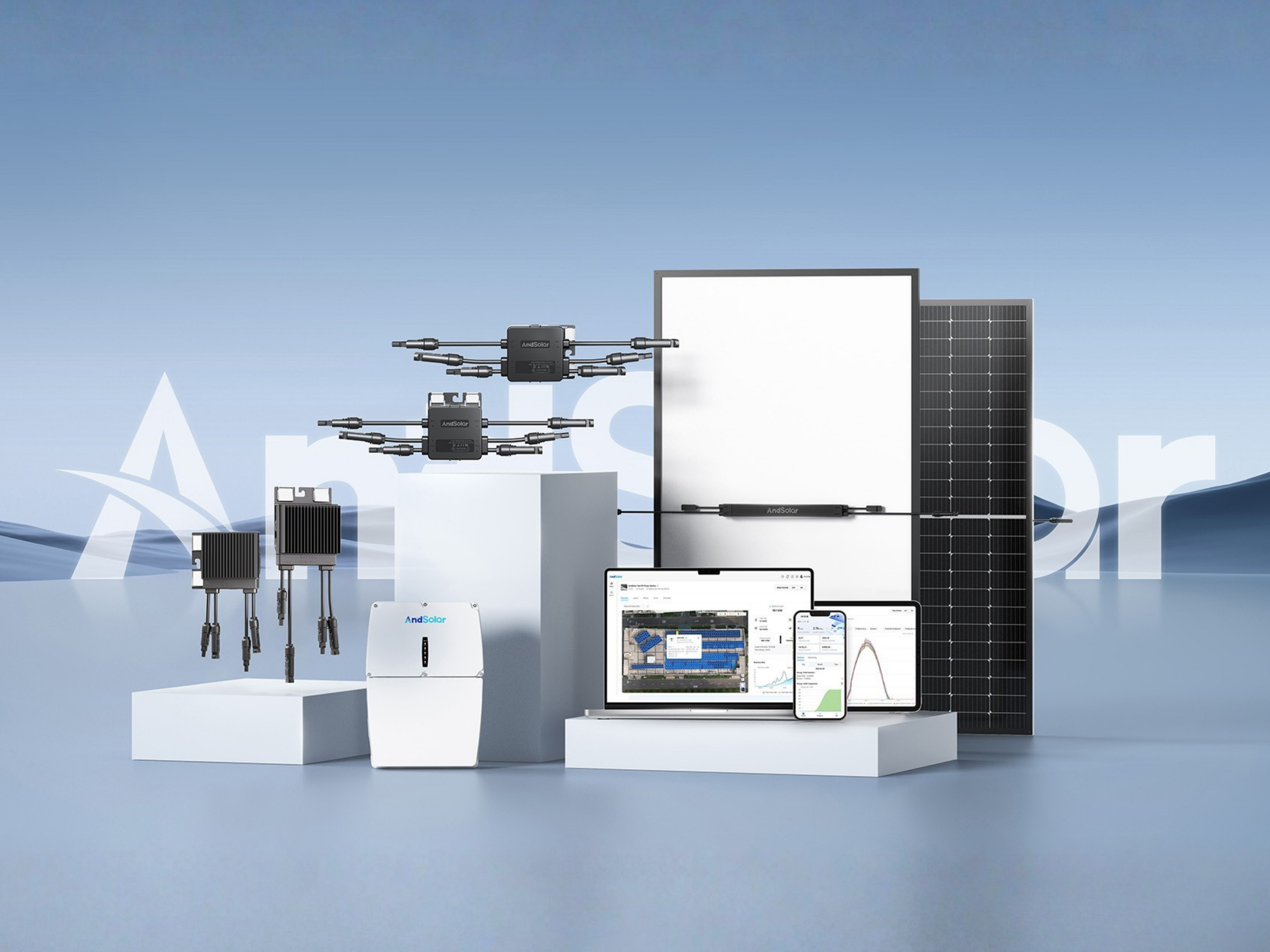
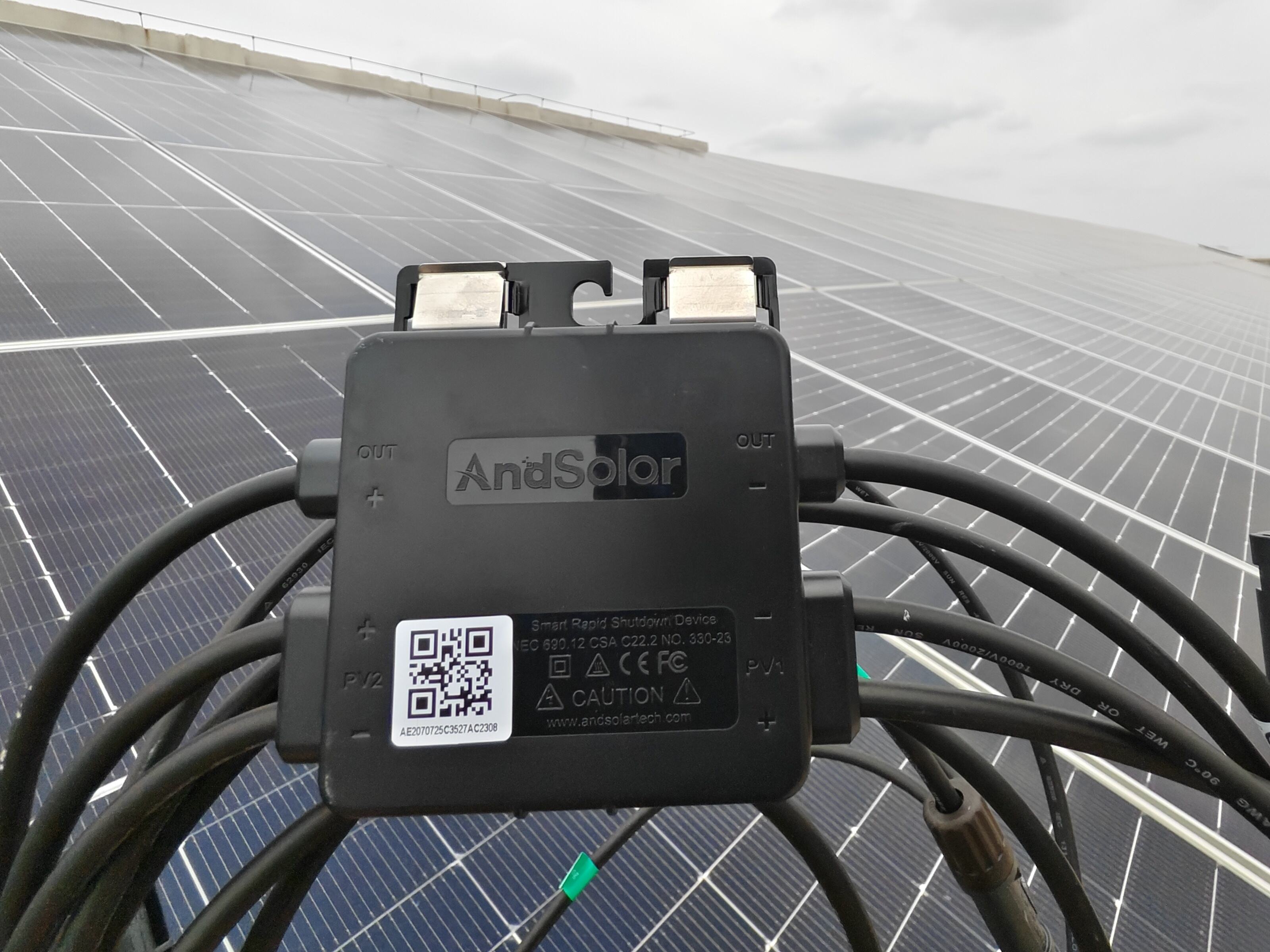
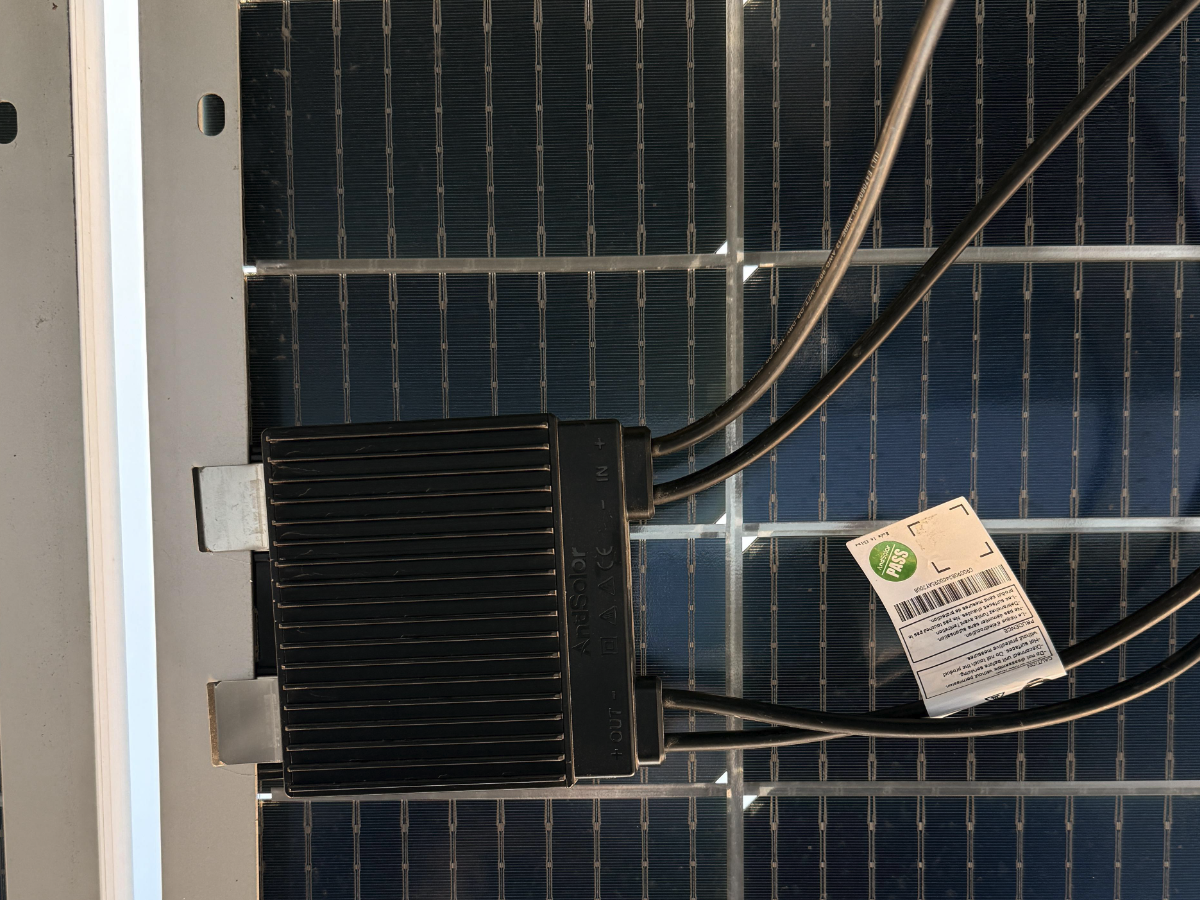
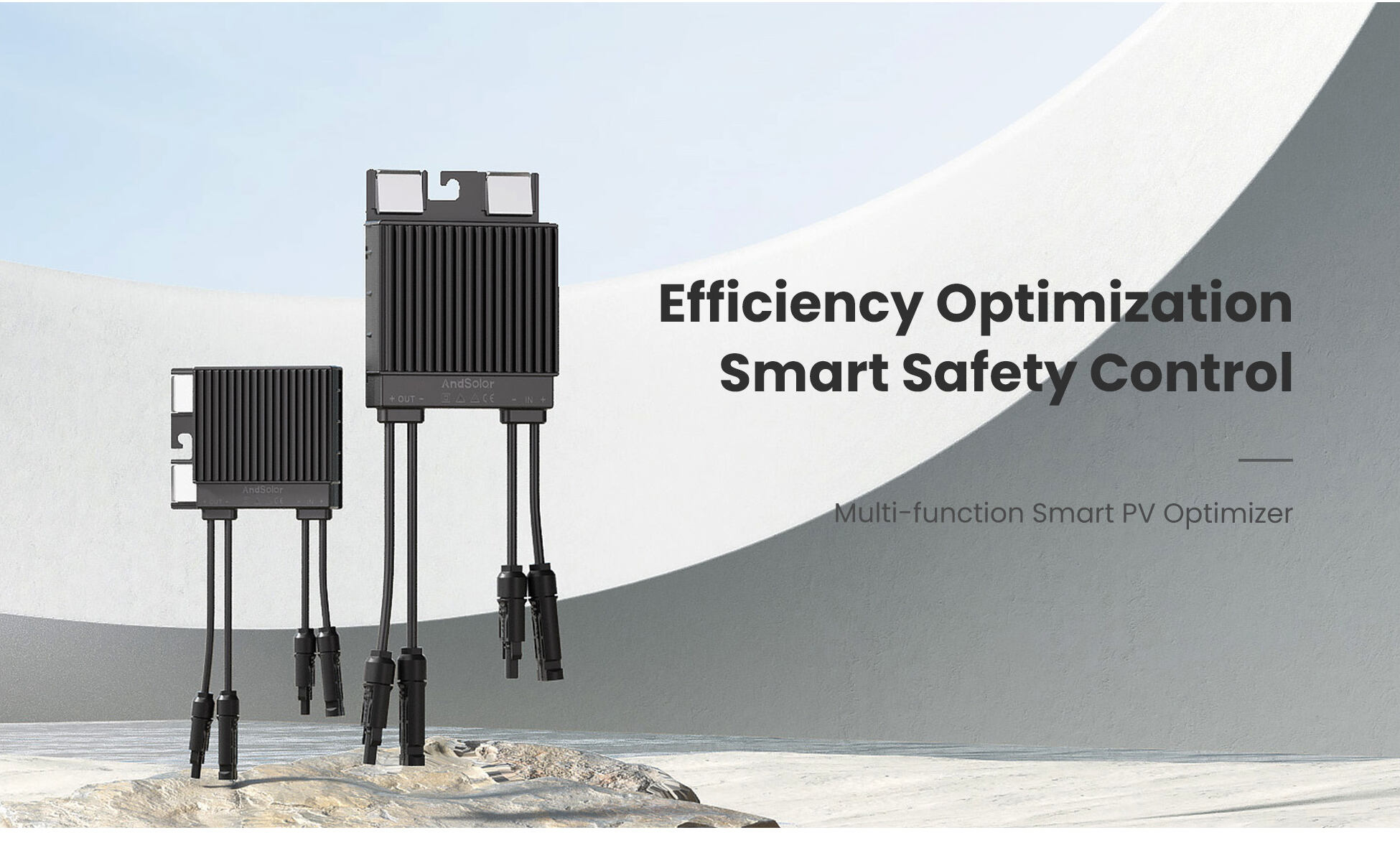
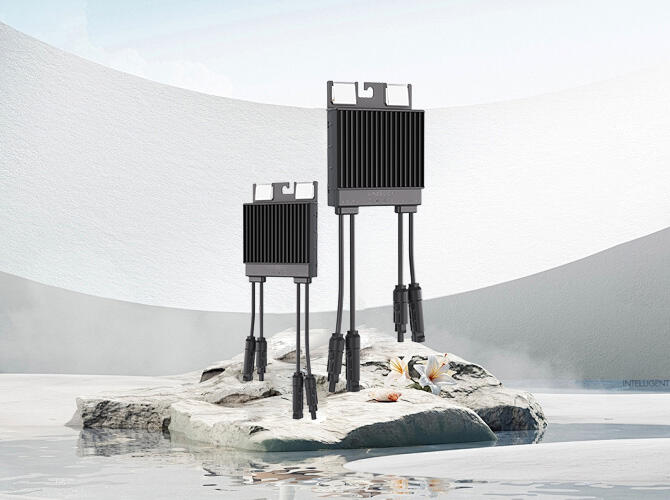
The MLPE rapid shutdown system represents a revolutionary advancement in solar energy safety technology, designed to provide immediate power disconnection capabilities for photovoltaic installations. This sophisticated system integrates Module Level Power Electronics (MLPE) technology with rapid shutdown functionality, creating a comprehensive safety solution that meets the most stringent electrical codes and regulations. The MLPE rapid shutdown system operates by installing power optimizers or microinverters at each solar panel, enabling granular control over individual modules while maintaining system-wide safety protocols. When activated, the system can reduce DC voltage to safe levels within seconds, significantly minimizing electrical hazards for first responders, maintenance personnel, and property owners. The technological foundation of the MLPE rapid shutdown system relies on advanced semiconductor components and intelligent communication protocols that ensure reliable operation under various environmental conditions. These systems typically feature wireless or power line communication capabilities, allowing centralized control and monitoring of the entire solar array. The rapid shutdown functionality can be triggered manually through emergency switches, automatically during system faults, or remotely via monitoring platforms. Key technological features include real-time performance monitoring, fault detection algorithms, arc fault protection, and compliance with NEC 690.12 requirements. The system architecture incorporates redundant safety mechanisms, ensuring that even if primary communication channels fail, the shutdown function remains operational. Applications for the MLPE rapid shutdown system span residential, commercial, and utility-scale solar installations, with particular emphasis on rooftop systems where firefighter safety is paramount. The technology has become increasingly important as solar adoption grows and safety regulations evolve, making it an essential component for modern photovoltaic installations seeking to balance energy production efficiency with comprehensive safety protection.
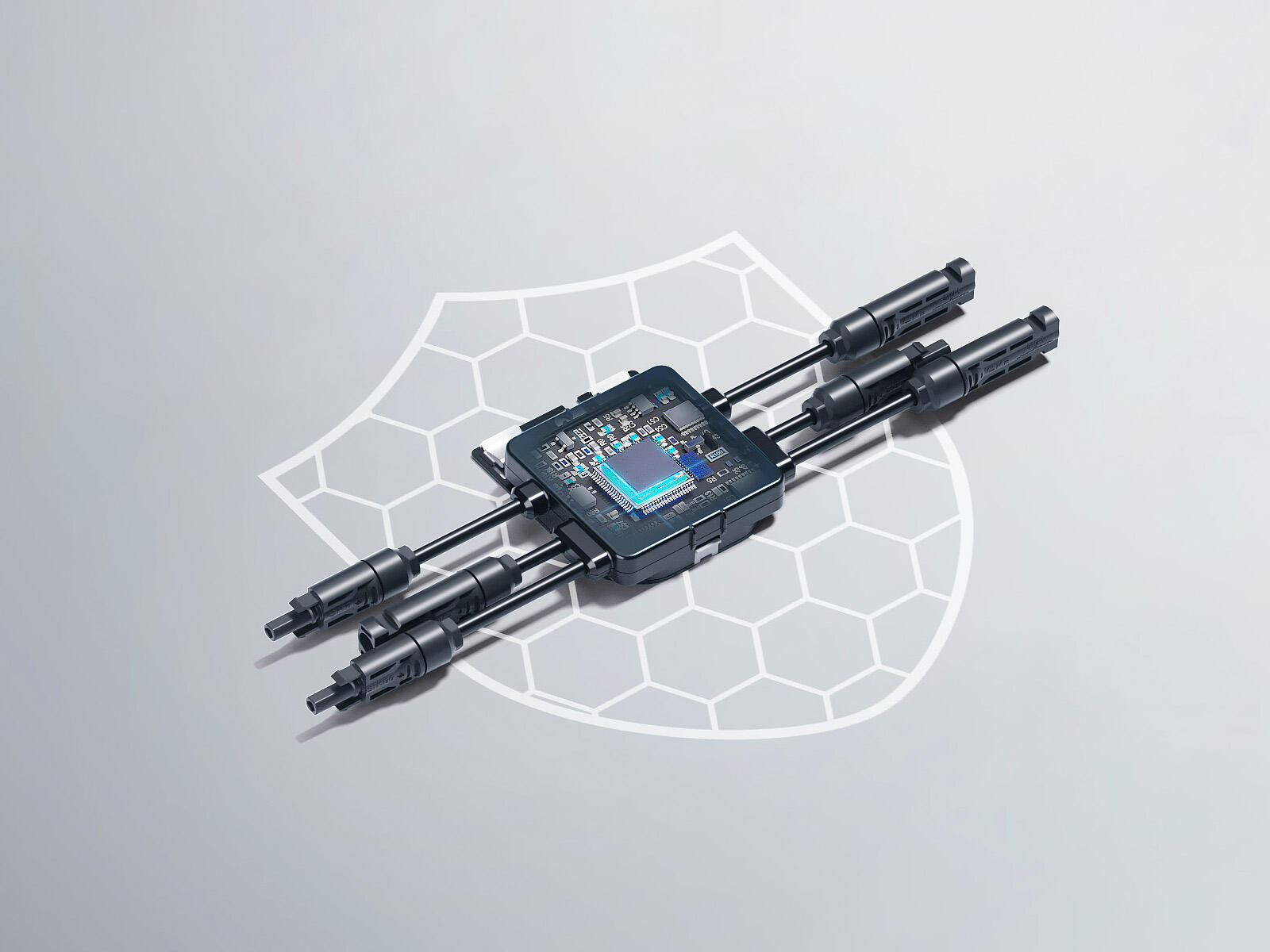
The MLPE rapid shutdown system delivers exceptional safety benefits that transform how solar installations manage electrical hazards and emergency situations. First responders gain confidence knowing that solar systems equipped with this technology can be quickly de-energized, eliminating the risk of electrical shock during fire suppression or rescue operations. This enhanced safety profile extends beyond emergency scenarios to routine maintenance activities, where technicians can safely access rooftop equipment without exposure to dangerous DC voltages. Property owners benefit from reduced insurance premiums and liability concerns, as the MLPE rapid shutdown system demonstrates proactive safety compliance that insurance companies increasingly recognize and reward. The system provides unprecedented visibility into solar array performance through module-level monitoring capabilities that identify underperforming panels, detect potential issues before they become serious problems, and optimize energy production across the entire installation. This granular monitoring translates directly into increased energy yields and faster return on investment, as problems are identified and resolved quickly rather than affecting overall system performance for extended periods. Installation flexibility represents another significant advantage, as the MLPE rapid shutdown system accommodates complex roof configurations, shading patterns, and mixed panel orientations that would compromise traditional string inverter systems. The modular design allows for easy system expansion, enabling property owners to add panels incrementally without redesigning the entire electrical architecture. Maintenance costs decrease substantially due to the diagnostic capabilities that pinpoint exact failure locations, eliminating time-consuming troubleshooting processes that characterize traditional systems. The technology future-proofs solar investments by ensuring compliance with evolving safety codes and regulations, protecting owners from costly retrofits or system modifications. Grid stability benefits emerge from the sophisticated power electronics that provide reactive power support, voltage regulation, and grid services that utilities increasingly value. The MLPE rapid shutdown system also enhances system reliability through distributed architecture that prevents single points of failure from affecting entire arrays, ensuring consistent energy production even when individual components require attention.

New Product Recommendations

Advanced Module-Level Safety Control

Advanced Module-Level Safety Control

The MLPE rapid shutdown system delivers unparalleled safety control through its innovative module-level architecture that fundamentally transforms how solar installations manage electrical hazards. Unlike traditional string inverter systems that maintain dangerous DC voltages throughout the entire array during shutdown procedures, the MLPE rapid shutdown system reduces voltage to safe levels at each individual panel within seconds of activation. This granular control mechanism operates through sophisticated power electronics installed at every solar module, creating multiple independent shutdown zones that can be controlled individually or collectively depending on the situation requirements. The system incorporates multiple triggering mechanisms including manual emergency switches, automatic fault detection algorithms, and remote shutdown capabilities accessible through monitoring platforms or mobile applications. When activated, the rapid shutdown function reduces conductor voltage to less than 30 volts within 30 seconds, exceeding National Electrical Code requirements and providing superior protection for emergency responders and maintenance personnel. The technology utilizes advanced semiconductor switching devices that maintain reliable operation across extreme temperature ranges and weather conditions, ensuring consistent safety performance throughout the system lifecycle. Communication redundancy built into the MLPE rapid shutdown system guarantees shutdown functionality even when primary communication channels experience interference or failure, utilizing backup protocols that maintain safety integrity under all circumstances. The module-level approach enables precise fault isolation, preventing single component failures from compromising overall system safety while providing detailed diagnostic information that accelerates troubleshooting and repair processes. Installation versatility allows the system to adapt to complex roof configurations, multiple orientations, and varying shading conditions without compromising safety functionality, making it suitable for diverse residential and commercial applications. The integrated design eliminates the need for additional safety equipment or complex wiring modifications, streamlining installation processes while maintaining comprehensive safety coverage that exceeds traditional rapid shutdown solutions.
Real-Time Performance Monitoring and Optimization

Real-Time Performance Monitoring and Optimization

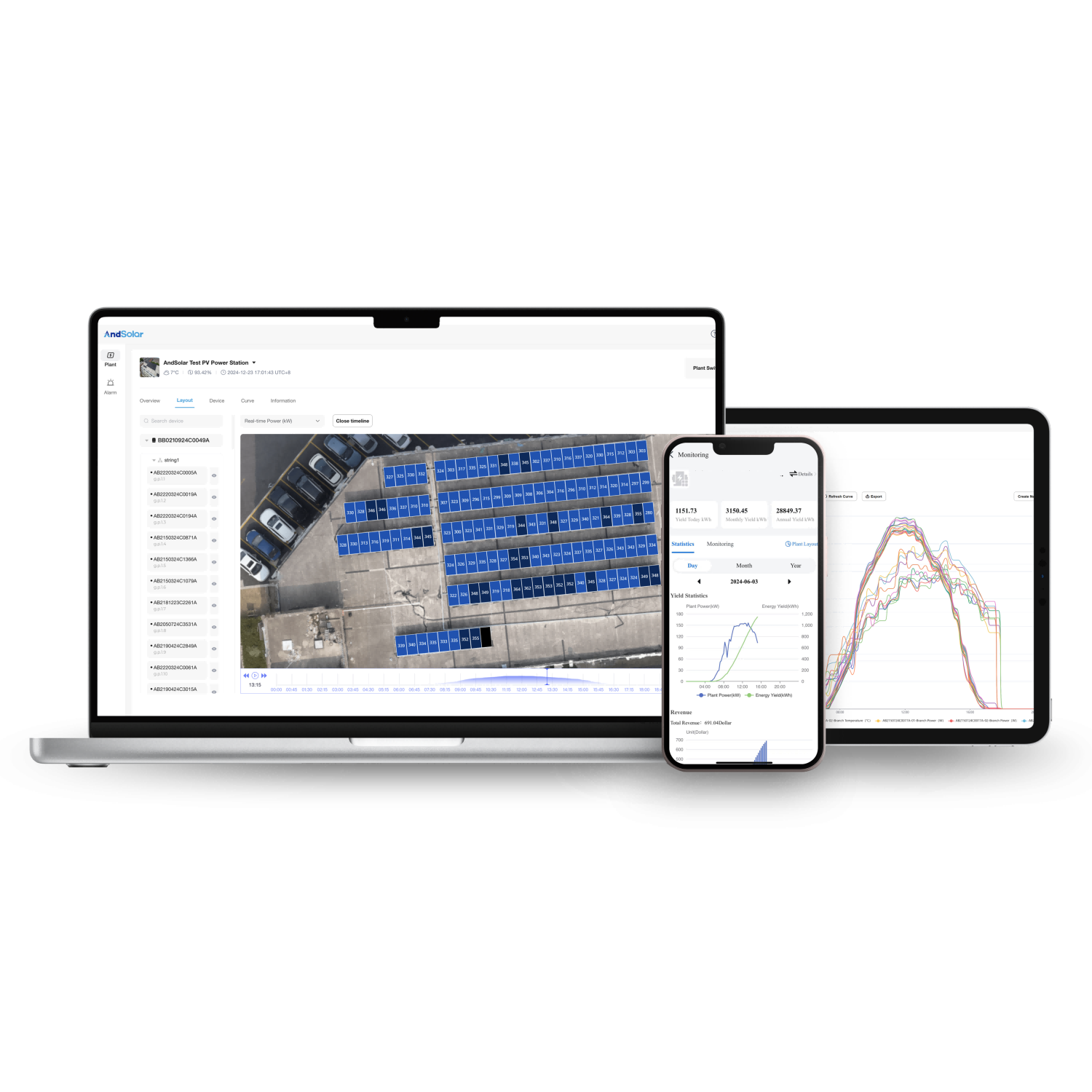
The MLPE rapid shutdown system incorporates sophisticated monitoring capabilities that provide unprecedented visibility into solar array performance, enabling proactive maintenance strategies and optimized energy production that significantly enhance return on investment. This comprehensive monitoring platform operates at the individual module level, collecting detailed performance data from each solar panel including power output, voltage levels, current measurements, and temperature readings that are transmitted in real-time to centralized monitoring systems. Advanced analytics algorithms process this data stream to identify performance anomalies, predict potential failures, and recommend optimization strategies that maximize energy yield while maintaining system reliability. The monitoring system detects various issues including partial shading effects, soiling accumulation, cell degradation, connection problems, and inverter malfunctions, providing specific diagnostic information that enables targeted maintenance interventions rather than system-wide troubleshooting. Historical performance data enables trend analysis that reveals long-term system behavior patterns, helping operators understand seasonal variations, identify gradual performance declines, and plan maintenance schedules that minimize system downtime. The platform generates automated alerts and notifications when performance thresholds are exceeded or unusual conditions are detected, enabling rapid response to potential problems before they impact overall system performance or safety. Mobile applications and web-based interfaces provide convenient access to monitoring data from any location, allowing system owners and maintenance personnel to track performance remotely and make informed decisions about system operation and maintenance requirements. The monitoring system integrates seamlessly with energy management platforms and building automation systems, enabling sophisticated energy optimization strategies that coordinate solar production with facility energy consumption patterns. Comparative analysis tools help identify underperforming modules by comparing individual panel output against expected values based on environmental conditions and system specifications, facilitating precise maintenance targeting that maximizes repair effectiveness. The monitoring capabilities extend beyond performance tracking to include safety parameter monitoring, ensuring that the MLPE rapid shutdown system maintains optimal safety functionality while providing comprehensive operational oversight that enhances both system performance and reliability.
Code Compliance and Future-Ready Architecture

Code Compliance and Future-Ready Architecture

The MLPE rapid shutdown system delivers comprehensive code compliance that not only meets current National Electrical Code requirements but provides future-ready architecture that adapts to evolving safety standards and regulatory developments. This forward-thinking design approach ensures that solar installations remain compliant with NEC 690.12 rapid shutdown requirements while incorporating additional safety features that exceed minimum standards and provide enhanced protection for all stakeholders. The system architecture accommodates various installation scenarios including rooftop arrays, ground-mount systems, and complex commercial installations, maintaining consistent safety performance across diverse applications while meeting jurisdiction-specific requirements and inspection standards. Advanced communication protocols built into the MLPE rapid shutdown system support multiple triggering methods including hardwired emergency switches, wireless activation systems, and integration with building fire alarm systems, providing flexible deployment options that satisfy different code interpretations and local requirements. The modular design philosophy enables easy updates and enhancements as safety standards evolve, protecting solar investments from obsolescence while ensuring continued compliance with emerging regulations and best practices. Quality assurance processes throughout manufacturing and testing phases ensure that each component meets rigorous safety standards including UL listing requirements, FCC certification for communication systems, and environmental testing standards that verify reliable operation under extreme conditions. The system incorporates fail-safe design principles that maintain safety functionality even during component failures or communication disruptions, utilizing backup systems and redundant safety mechanisms that exceed standard requirements and provide superior protection. Documentation and certification support simplifies permitting processes and inspection procedures, with comprehensive technical specifications and installation guidelines that facilitate smooth project approval and completion. The future-ready architecture anticipates emerging technologies including smart grid integration, energy storage systems, and advanced utility interconnection requirements, ensuring that the MLPE rapid shutdown system remains compatible with evolving energy infrastructure developments. Training and support programs help installers and maintenance personnel understand proper installation procedures and safety protocols, ensuring that system benefits are fully realized while maintaining compliance with all applicable codes and standards. The comprehensive approach to code compliance extends beyond basic safety requirements to include considerations for insurance requirements, utility interconnection standards, and building code integration that provides complete regulatory coverage for solar installations.

Get a Free Quote

Our representative will contact you soon.
Name
Email
Phone/ WhatsApp
Company Name
Product Selection
Message
0/1000

MLPE Rapid Shutdown System

Latest News

When Should You Use Power Optimizers?

17

Jun

When Should You Use Power Optimizers?

Understanding Power Optimizers in Solar Systems What Are Power Optimizers? Power optimizers are applied in solar system for energy harvest purpose. These smart devices are connected to every solar panel to optimise and manage the panel. Pow...
View More
A detailed comparison between microinverters and optimizers

21

Jul

A detailed comparison between microinverters and optimizers

Understanding Modern Solar Panel Efficiency Technologies As solar energy systems become more mainstream for residential and commercial applications, the conversation has moved beyond panels themselves to the technologies that enhance their performan...
View More
Benefits of MLPE VS. traditional PV system

21

Jul

Benefits of MLPE VS. traditional PV system

Comparing Modern and Traditional Approaches to Solar Power Management As solar energy adoption continues to grow globally, both homeowners and commercial operators face critical choices in system architecture. Among the most significant is the decis...
View More
AndSolar Power Optimizers Vs. Traditional String Inverters in MPPT

17

Sep

AndSolar Power Optimizers Vs. Traditional String Inverters in MPPT

Maximizing Solar Energy Harvesting Through Advanced Technology The solar industry continues to evolve with innovative solutions that enhance energy production and system efficiency. At the forefront of this evolution is the ongoing debate between sol...
View More

Get a Free Quote

Our representative will contact you soon.
Name
Email
Phone/ WhatsApp
Company Name
Product Selection
Message
0/1000