module-level power electronics for residential solar
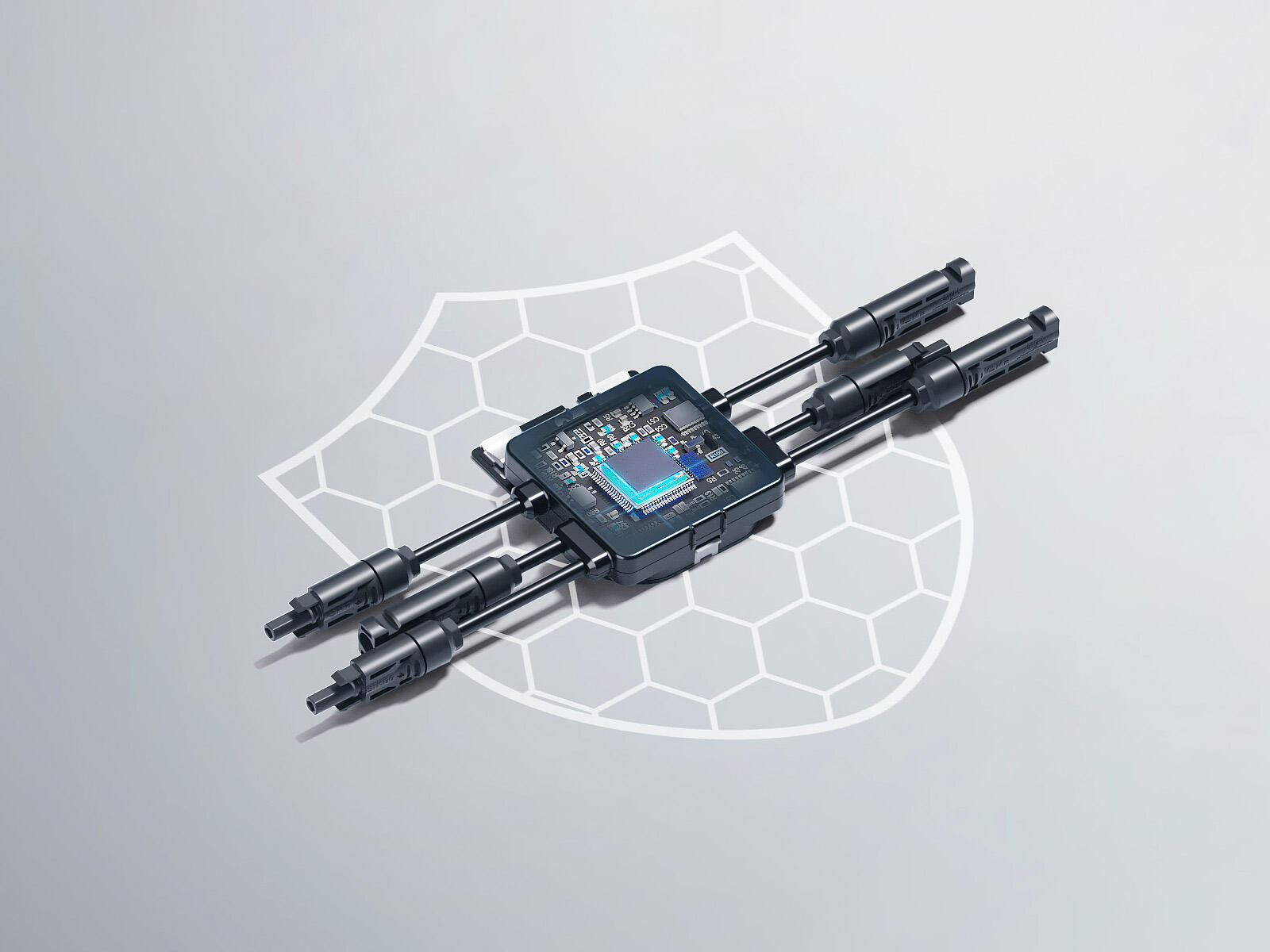
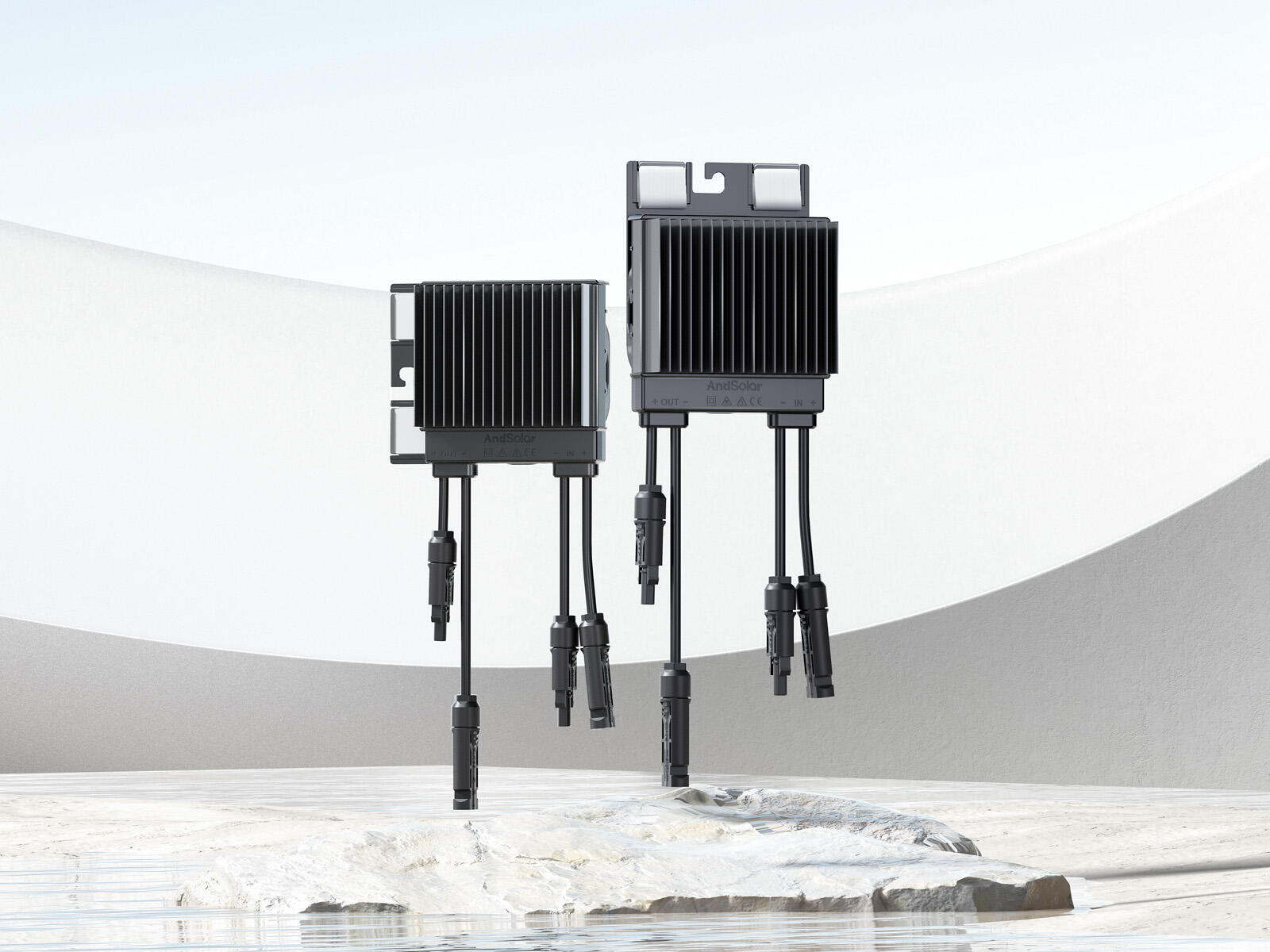
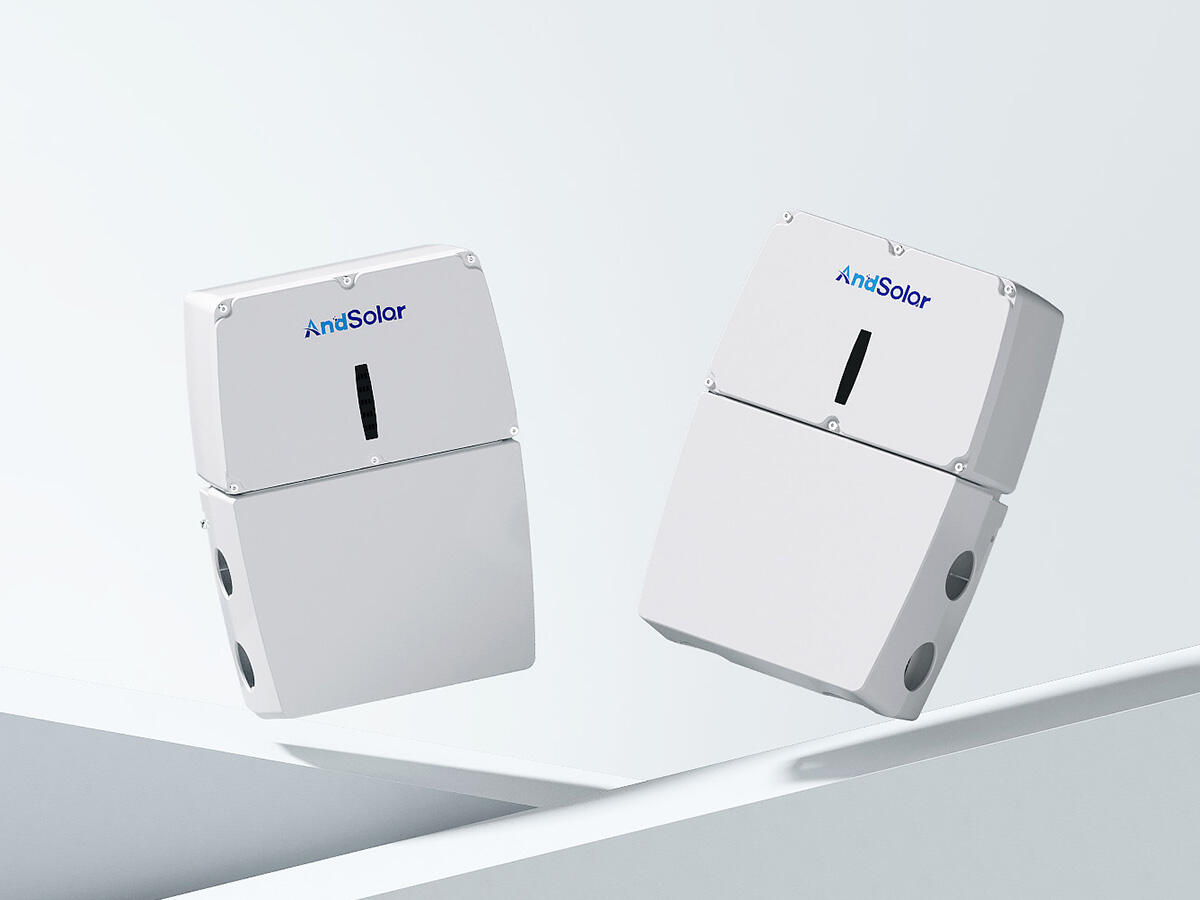
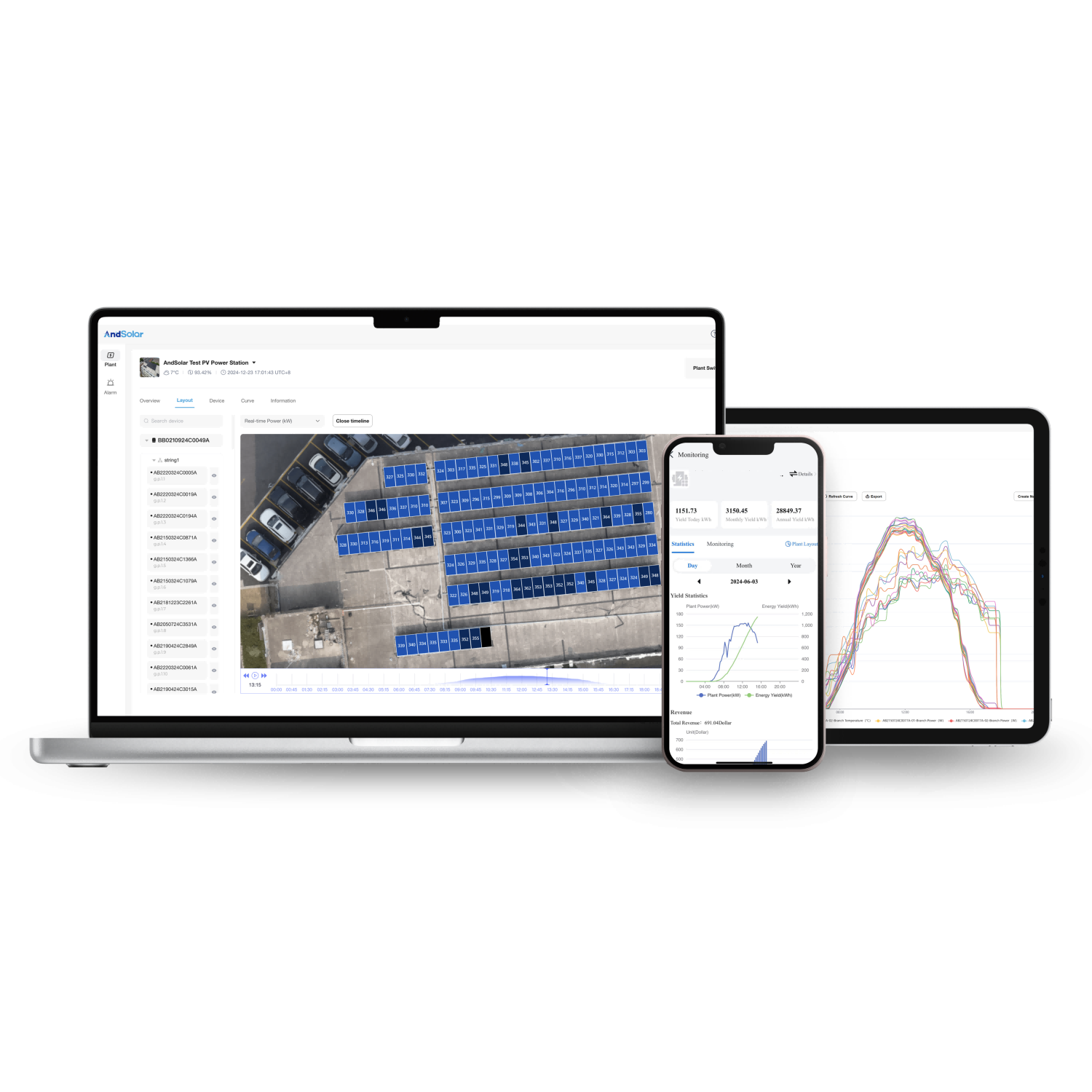
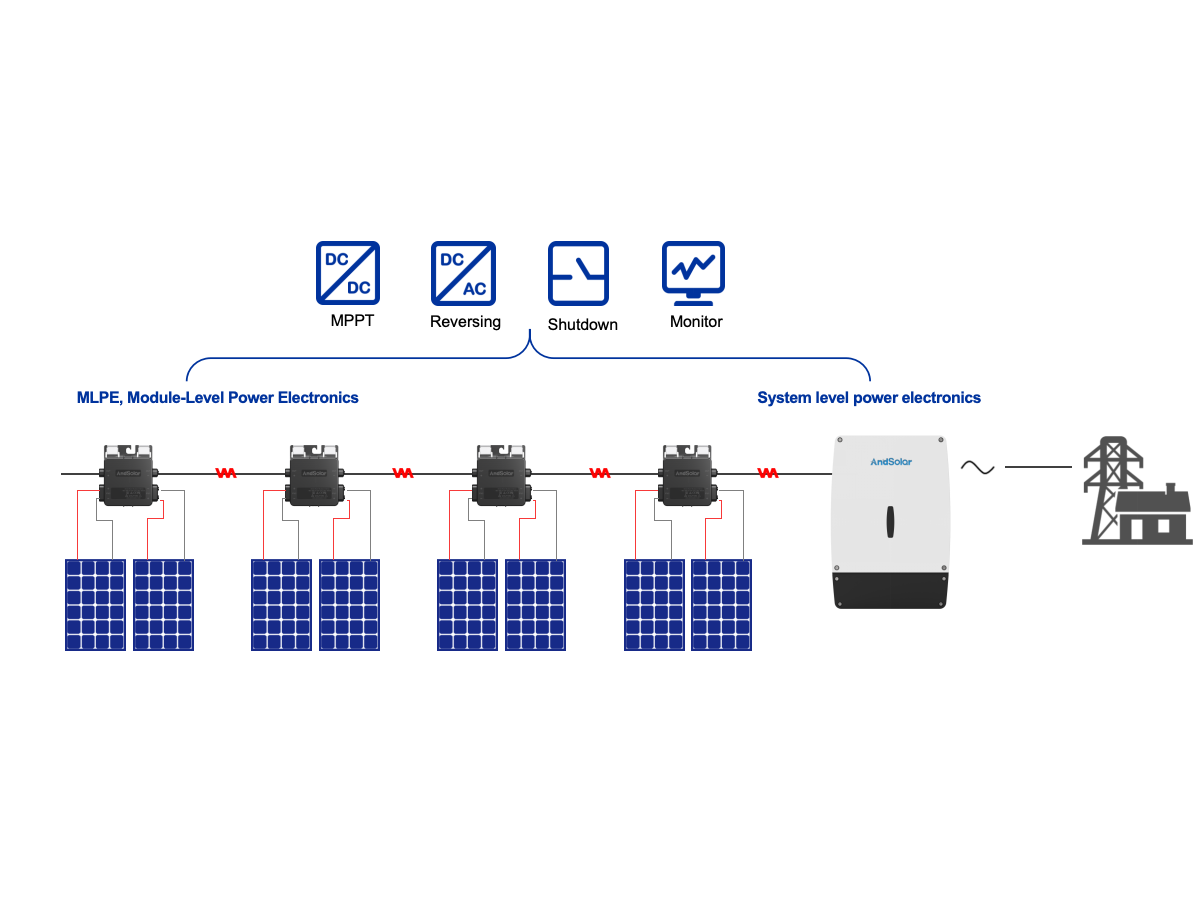
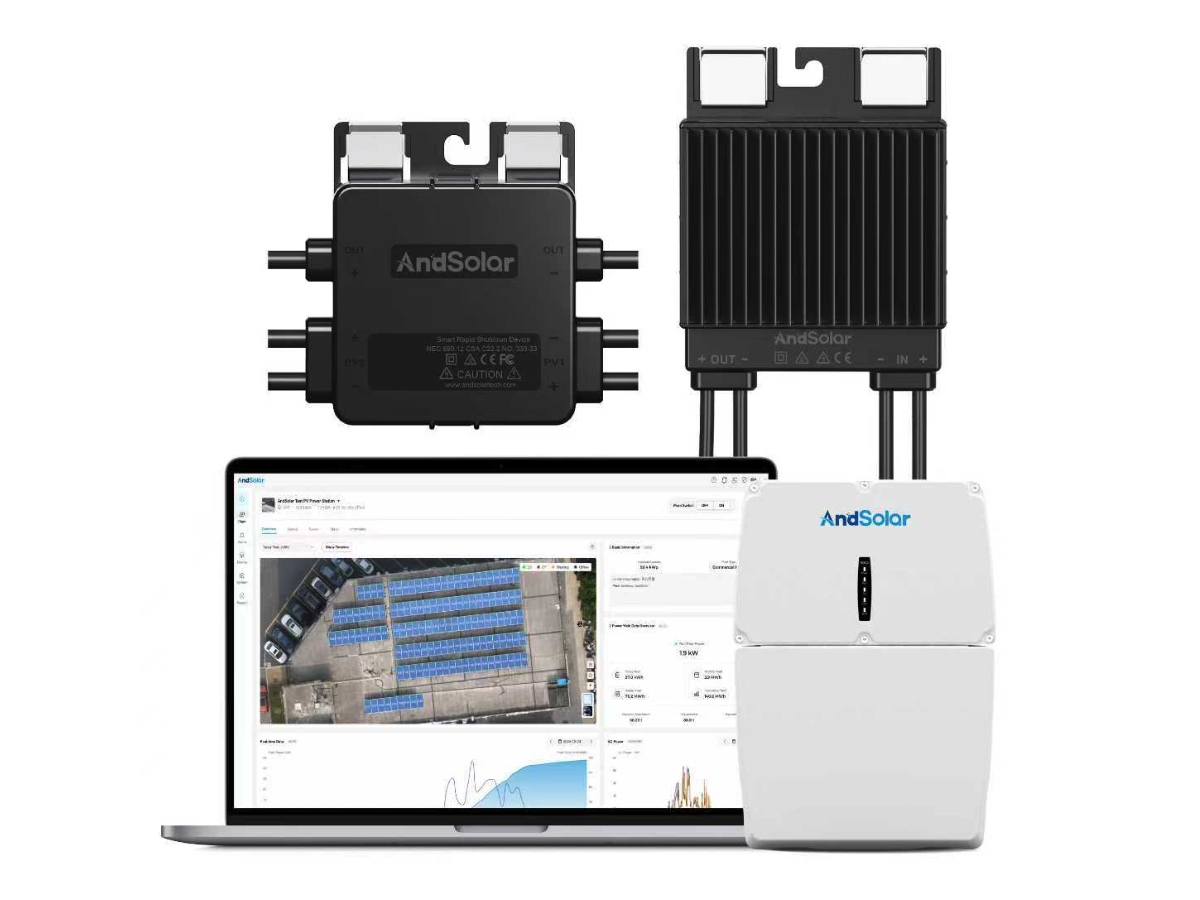
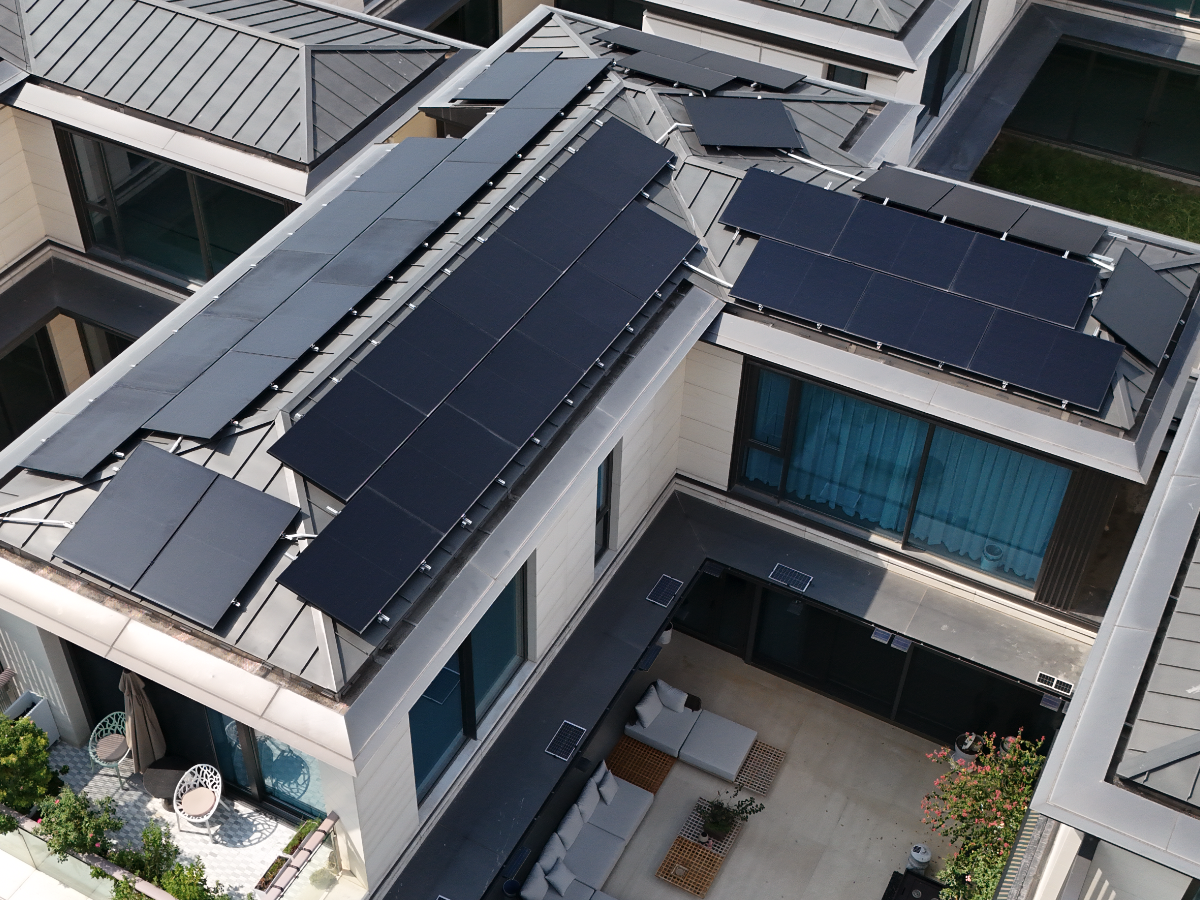
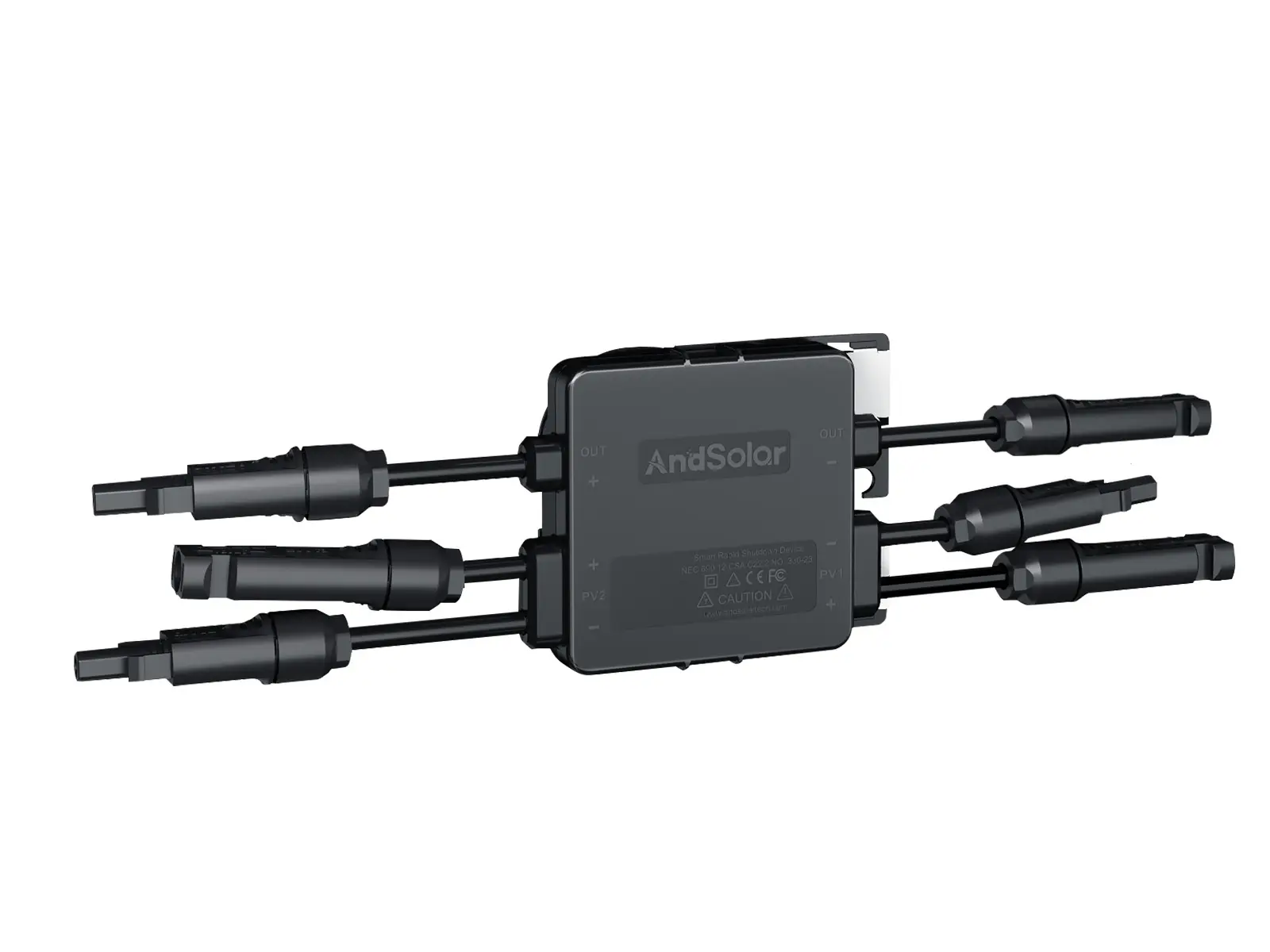
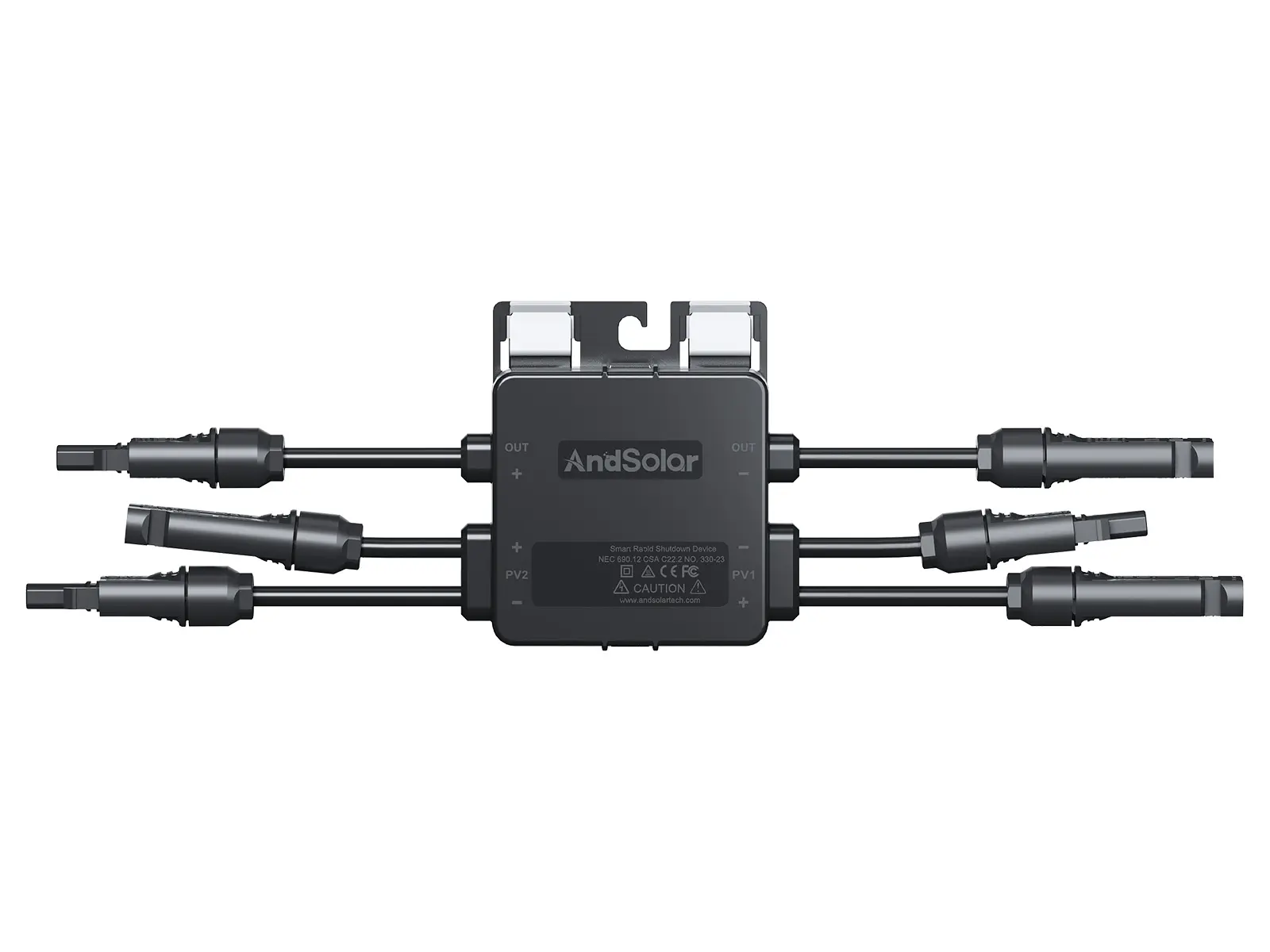
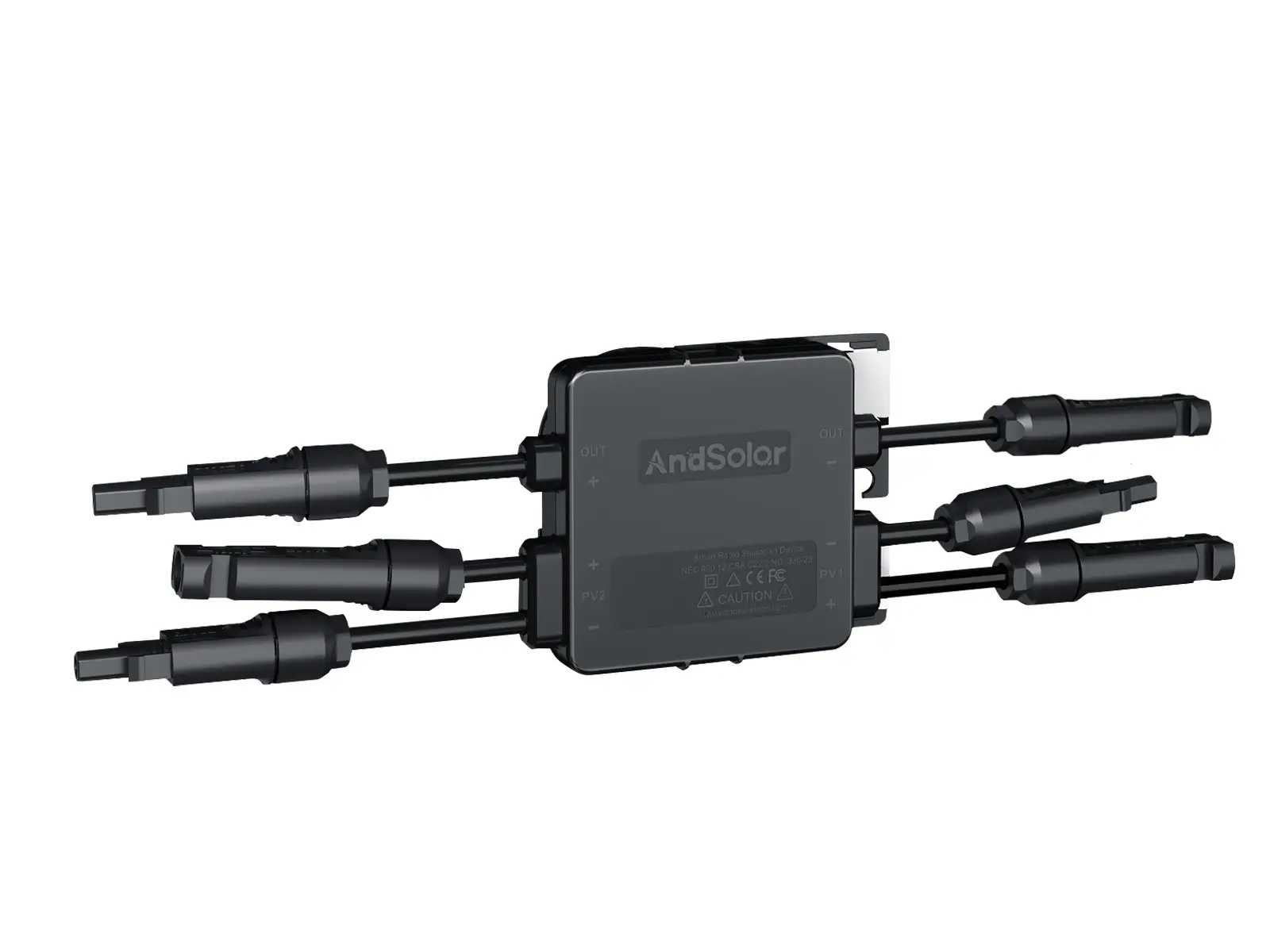
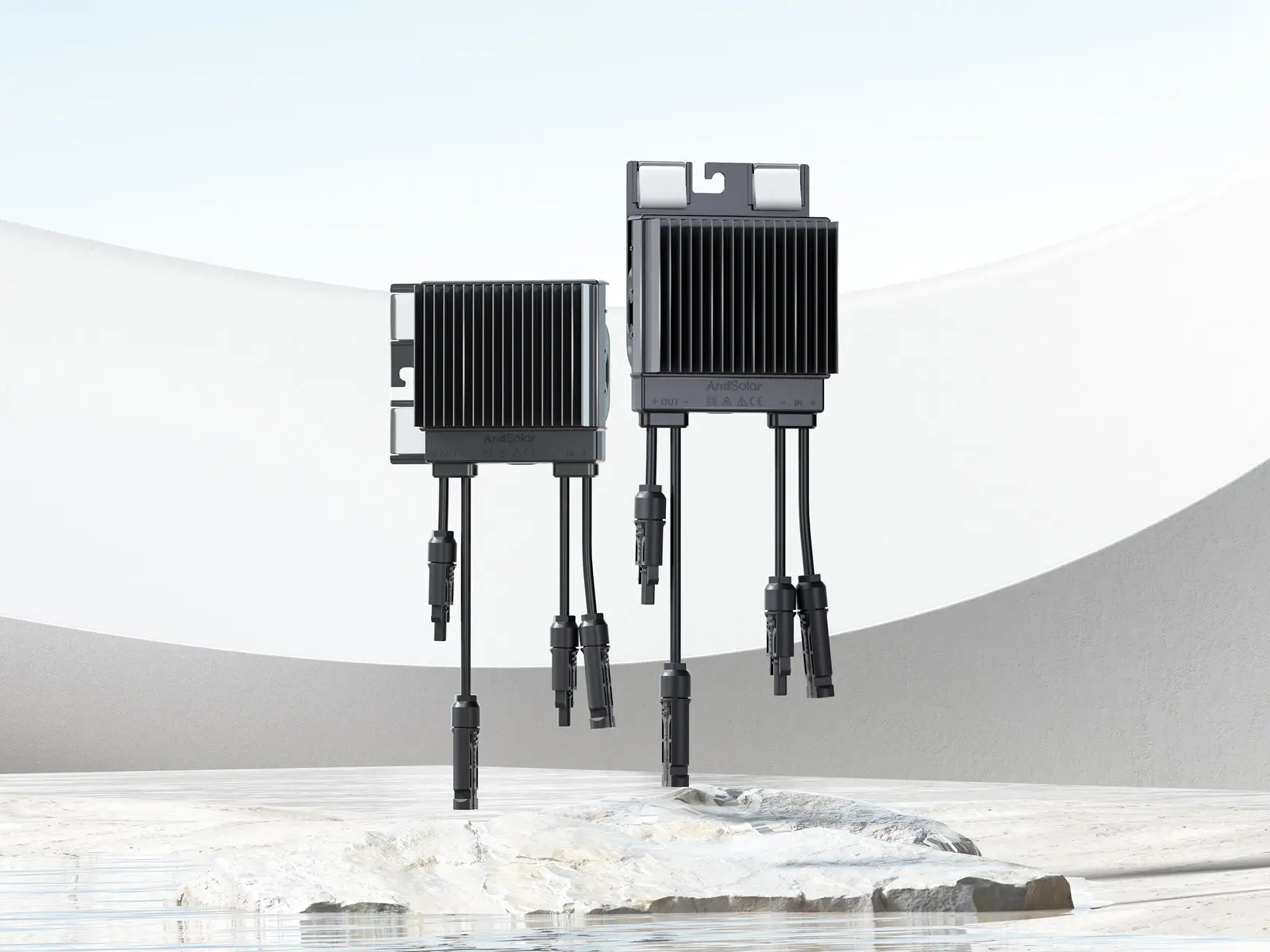
Module-level power electronics for residential solar represent a revolutionary advancement in photovoltaic system technology, transforming how individual solar panels operate and perform within home energy systems. These sophisticated electronic devices attach directly to each solar panel, optimizing power output at the module level rather than relying on traditional string-level inverters. The primary function of module-level power electronics for residential solar involves converting direct current generated by solar panels into alternating current suitable for household use, while simultaneously maximizing energy harvest from each individual panel. This technology encompasses power optimizers and microinverters, both designed to enhance system performance and reliability. Power optimizers condition the DC power from each panel before sending it to a central string inverter, while microinverters perform complete DC-to-AC conversion at each module. The technological features of module-level power electronics for residential solar include maximum power point tracking for individual panels, real-time monitoring capabilities, and advanced safety shutdown mechanisms. These systems utilize sophisticated algorithms to continuously adjust operating parameters, ensuring each panel operates at peak efficiency regardless of shading, soiling, or module mismatch conditions. The electronics incorporate robust communication protocols that enable detailed performance monitoring and diagnostic capabilities through web-based platforms and mobile applications. Applications of module-level power electronics for residential solar extend across various home configurations, from simple rooftop installations to complex multi-array systems with challenging shading conditions. These devices prove particularly valuable in residential settings where roof geometry, nearby structures, or vegetation create partial shading scenarios that would significantly impact traditional string inverter systems. The technology enables homeowners to maximize energy production from available roof space while maintaining system flexibility for future expansions or modifications. Module-level power electronics for residential solar also support enhanced safety features through rapid shutdown capabilities, meeting evolving electrical codes and providing peace of mind for homeowners and first responders. Installation versatility makes these systems suitable for diverse architectural styles and orientations, accommodating the unique characteristics of each residential property while optimizing overall system performance and return on investment.