Solar MLPE For Factories
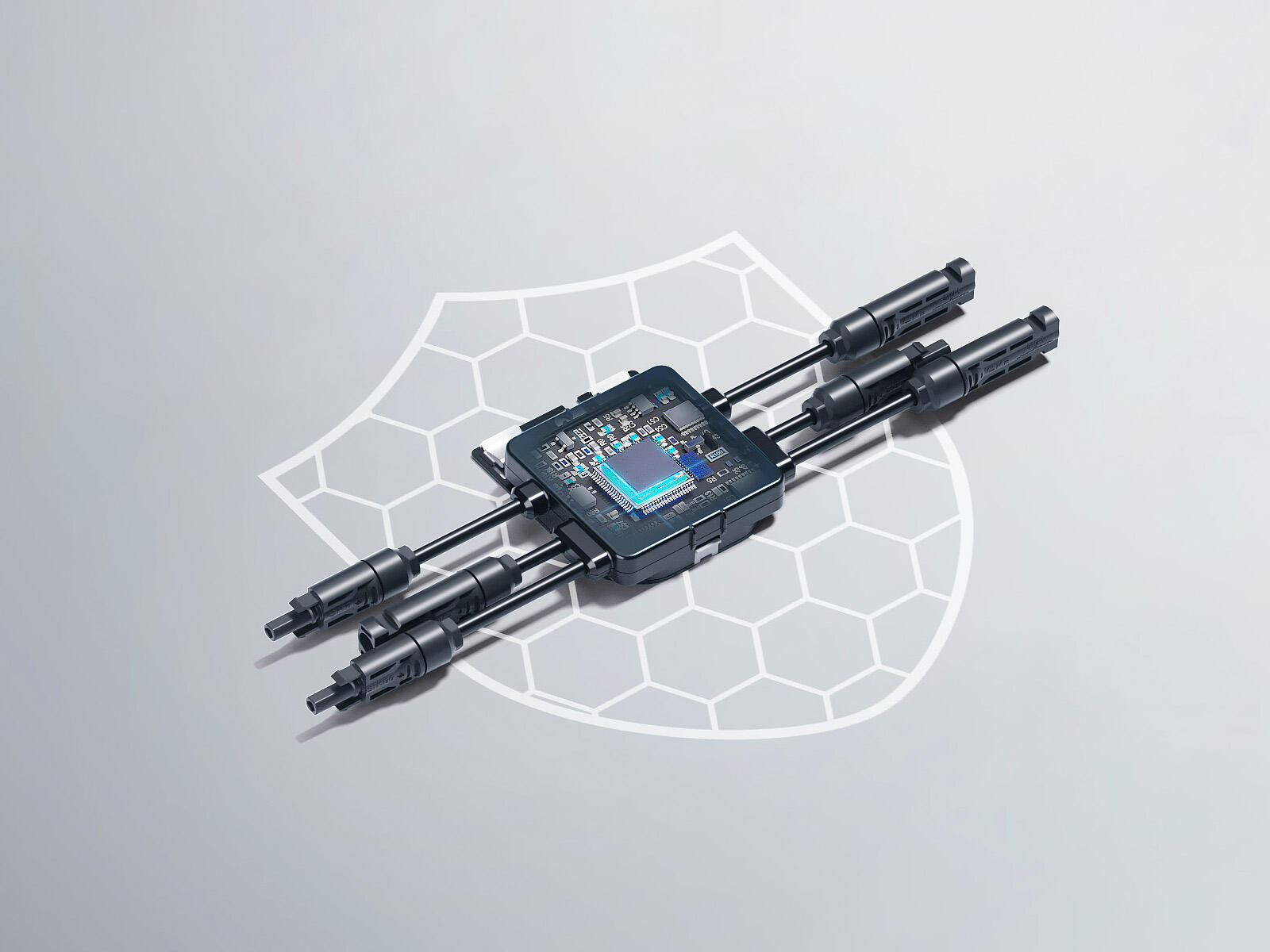
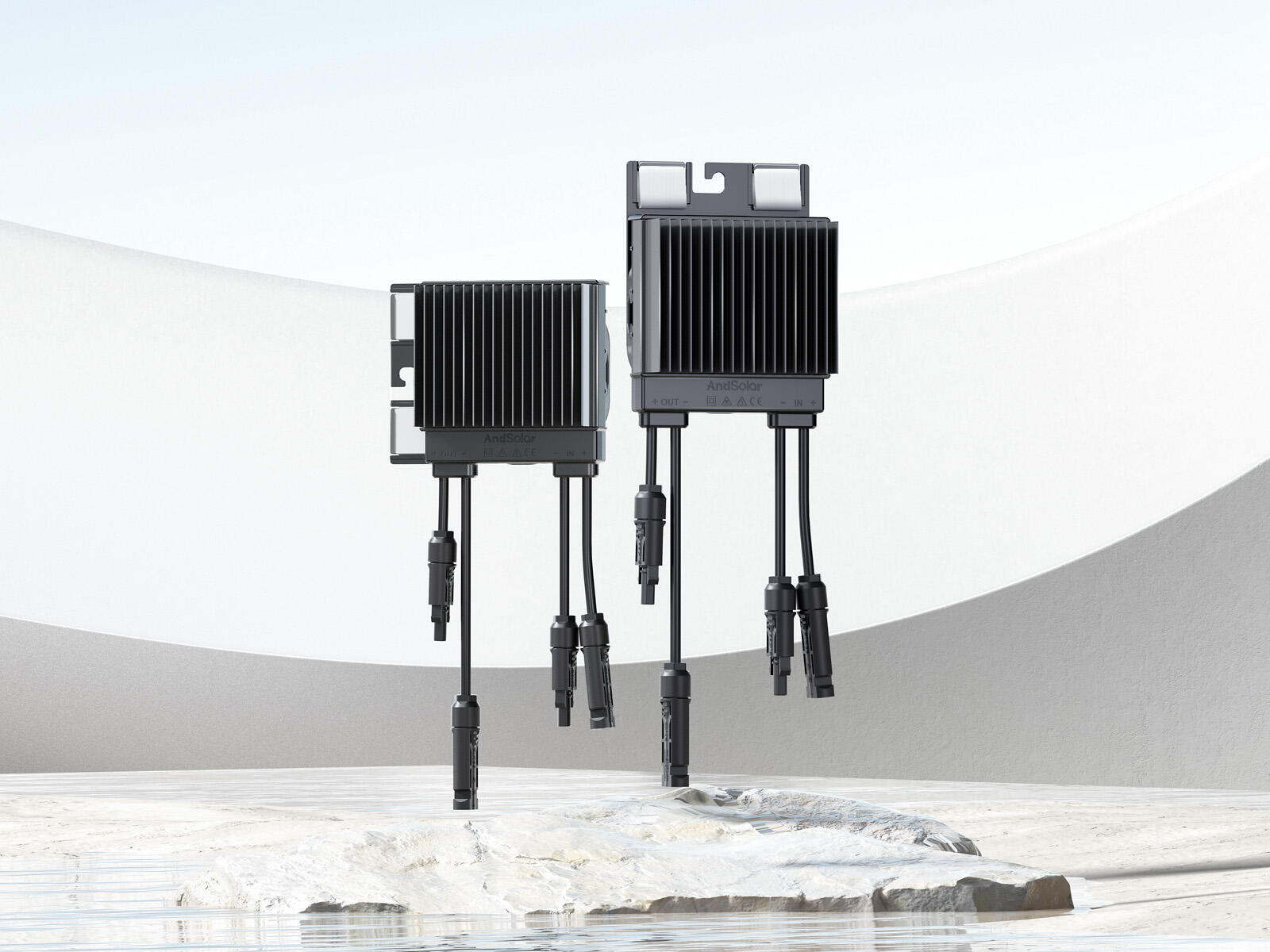
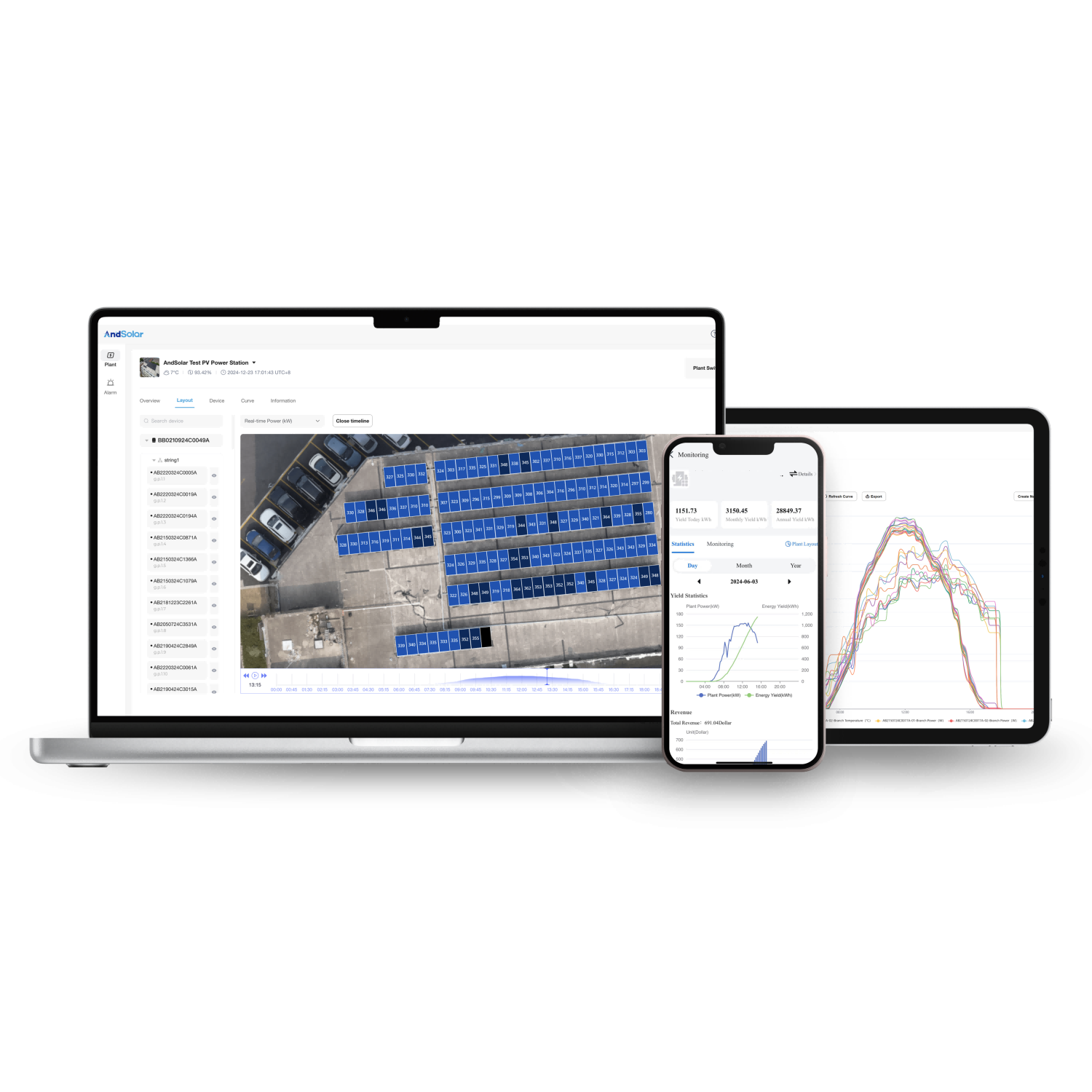
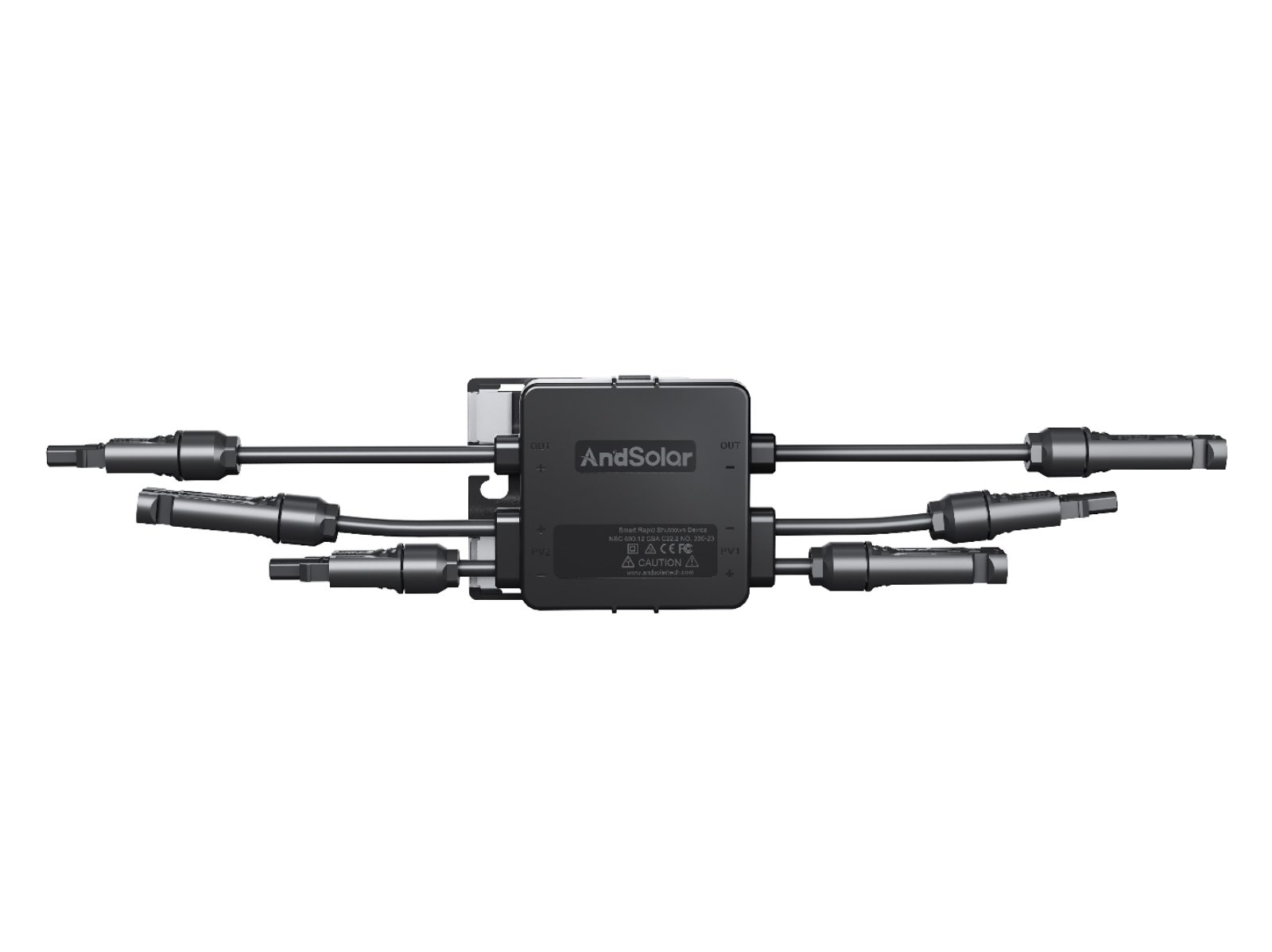
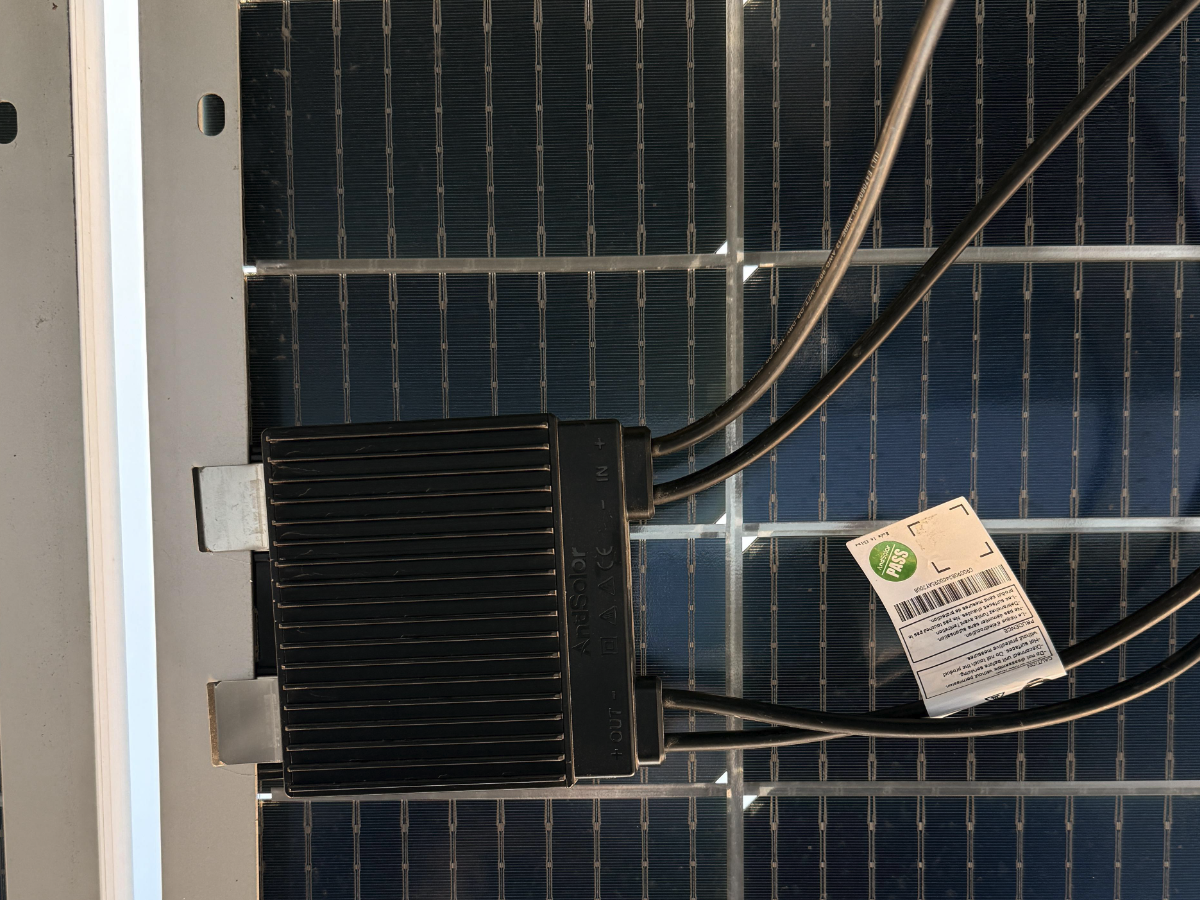
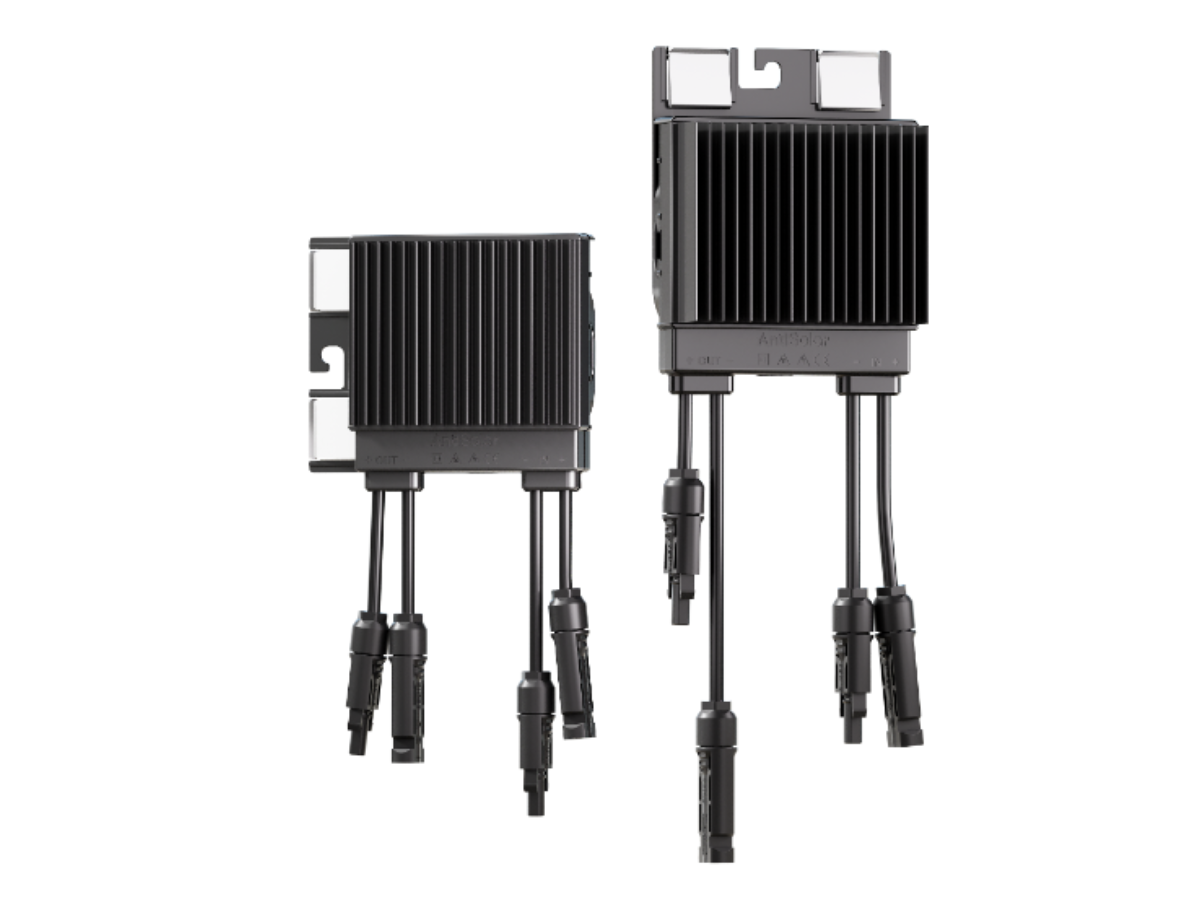
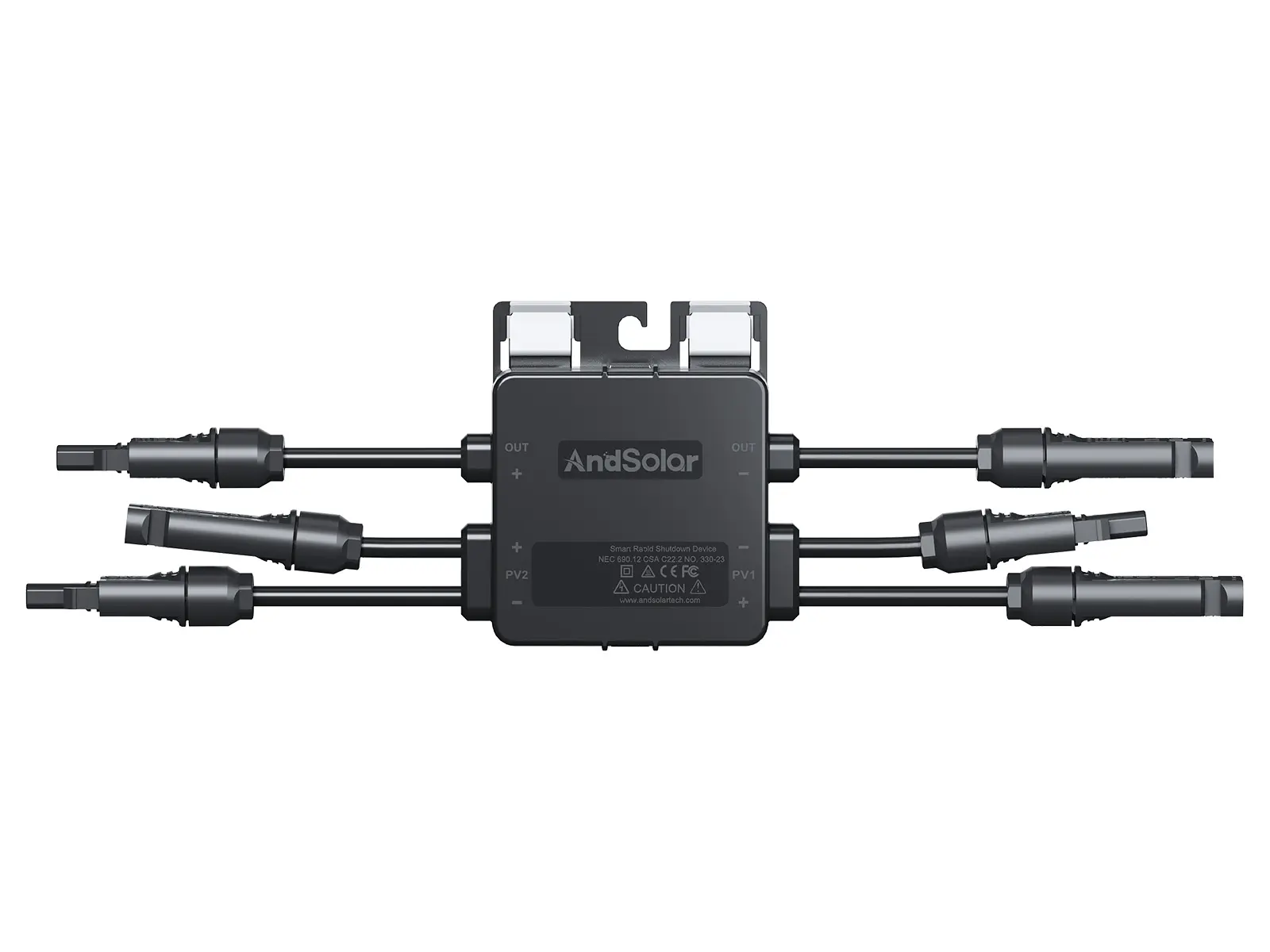
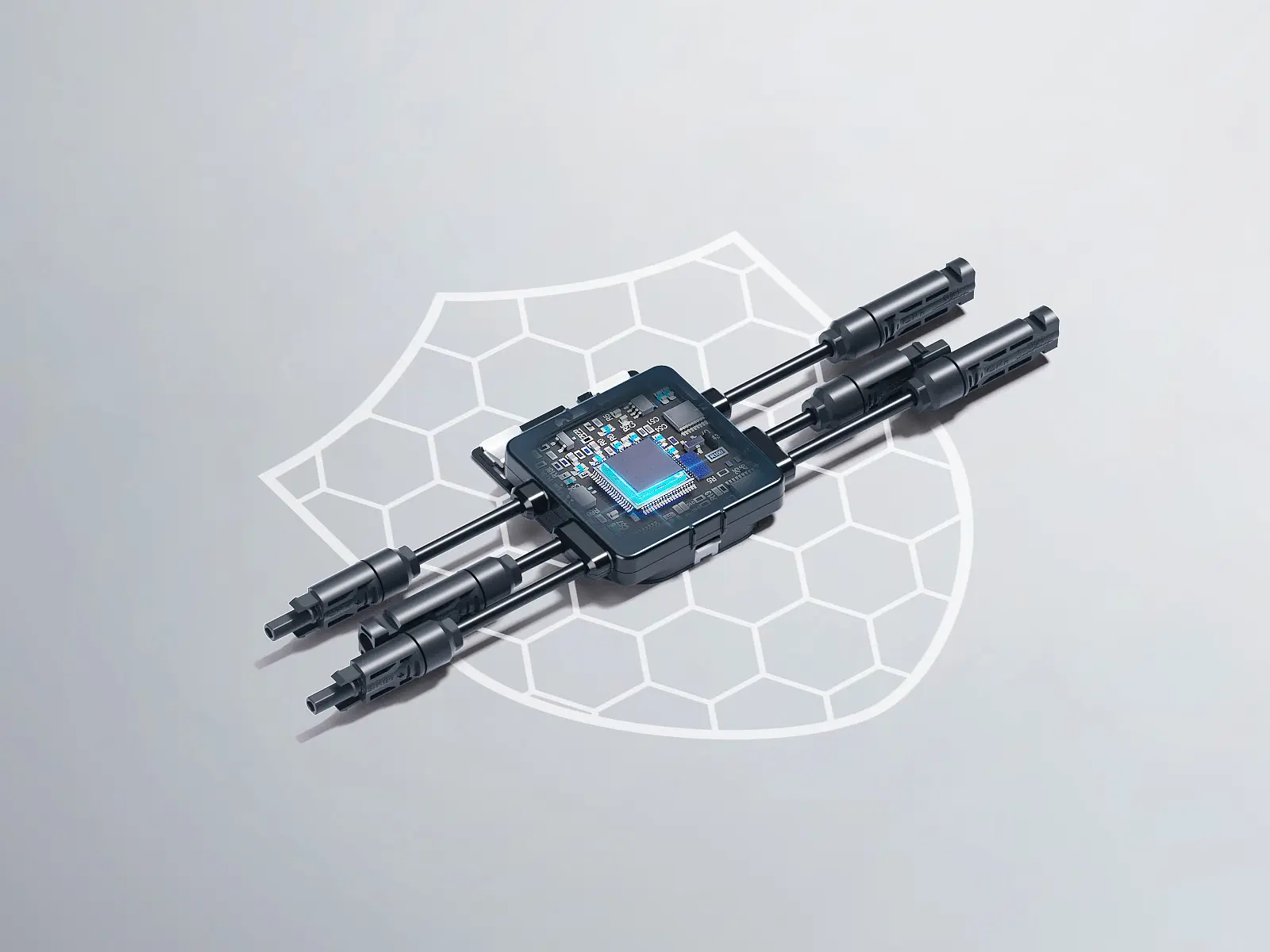
Solar MLPE for factories represents a revolutionary approach to industrial energy management, combining Maximum Power Point Tracking (MPPT) technology with Power Line Communication (PLC) capabilities. This advanced solar optimization system transforms how manufacturing facilities harness renewable energy, providing unprecedented control over each photovoltaic panel within large-scale installations. Unlike traditional string inverters that treat multiple panels as a single unit, solar MLPE for factories operates at the individual panel level, ensuring optimal energy extraction regardless of shading, soiling, or panel-specific performance variations. The technology encompasses sophisticated power electronics that attach directly to each solar panel, featuring intelligent monitoring capabilities that track real-time performance metrics including voltage, current, temperature, and power output. These smart devices communicate through power line communication protocols, eliminating the need for additional wiring infrastructure while providing comprehensive system visibility. Manufacturing facilities benefit from enhanced safety features, as solar MLPE for factories automatically shuts down individual panels during maintenance or emergency situations, reducing DC voltage levels to safe parameters. The modular design allows for flexible system expansion, accommodating growing energy demands without complete system overhauls. Advanced algorithms continuously optimize power extraction by adjusting operating parameters based on environmental conditions and panel characteristics. Integration capabilities extend beyond basic energy generation, incorporating predictive maintenance features that identify potential issues before they impact production. The robust construction withstands harsh industrial environments, featuring weatherproof enclosures and extended operating temperature ranges. Data analytics capabilities provide detailed insights into energy production patterns, enabling facility managers to make informed decisions about energy usage optimization and system maintenance scheduling.