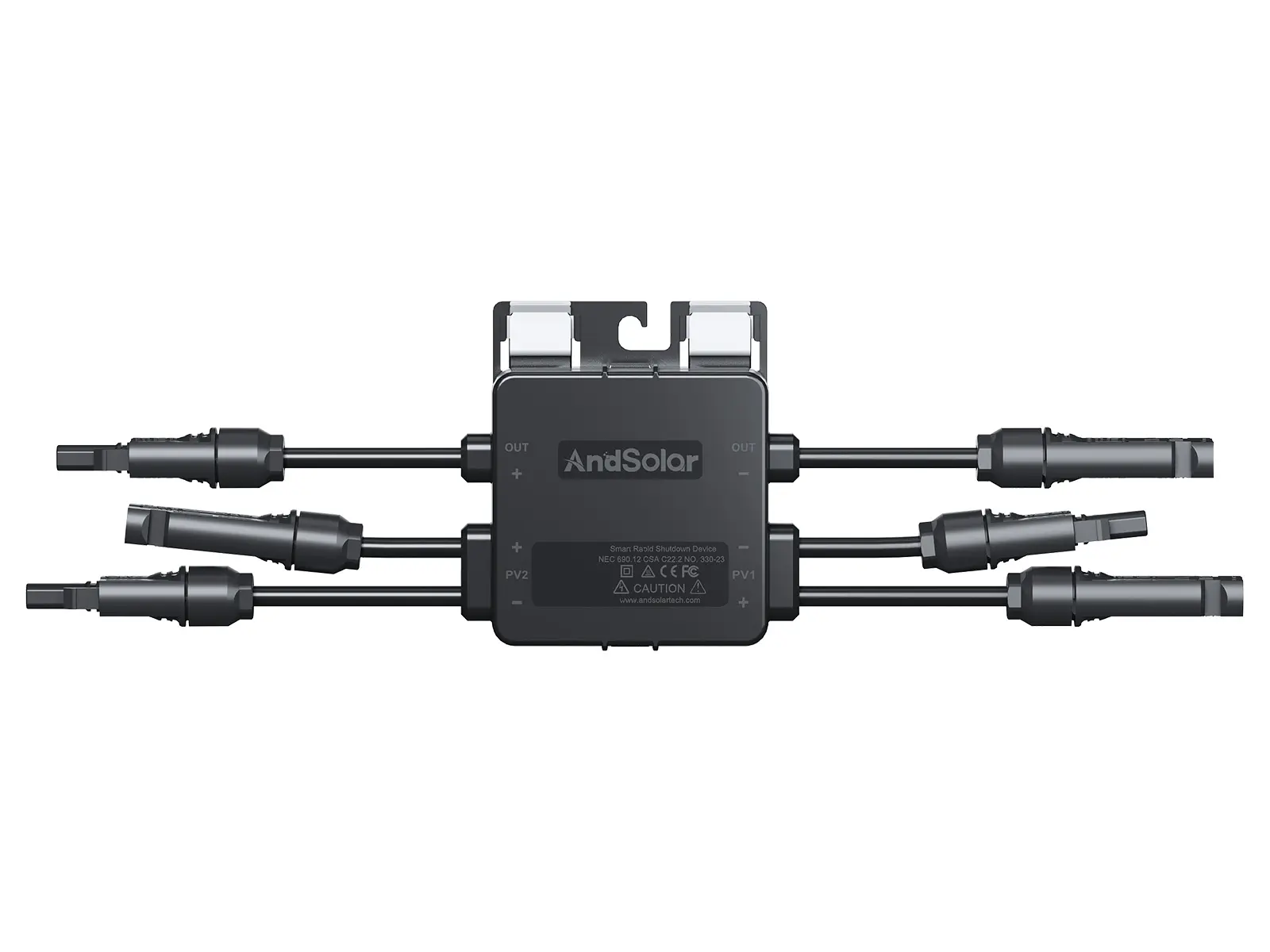
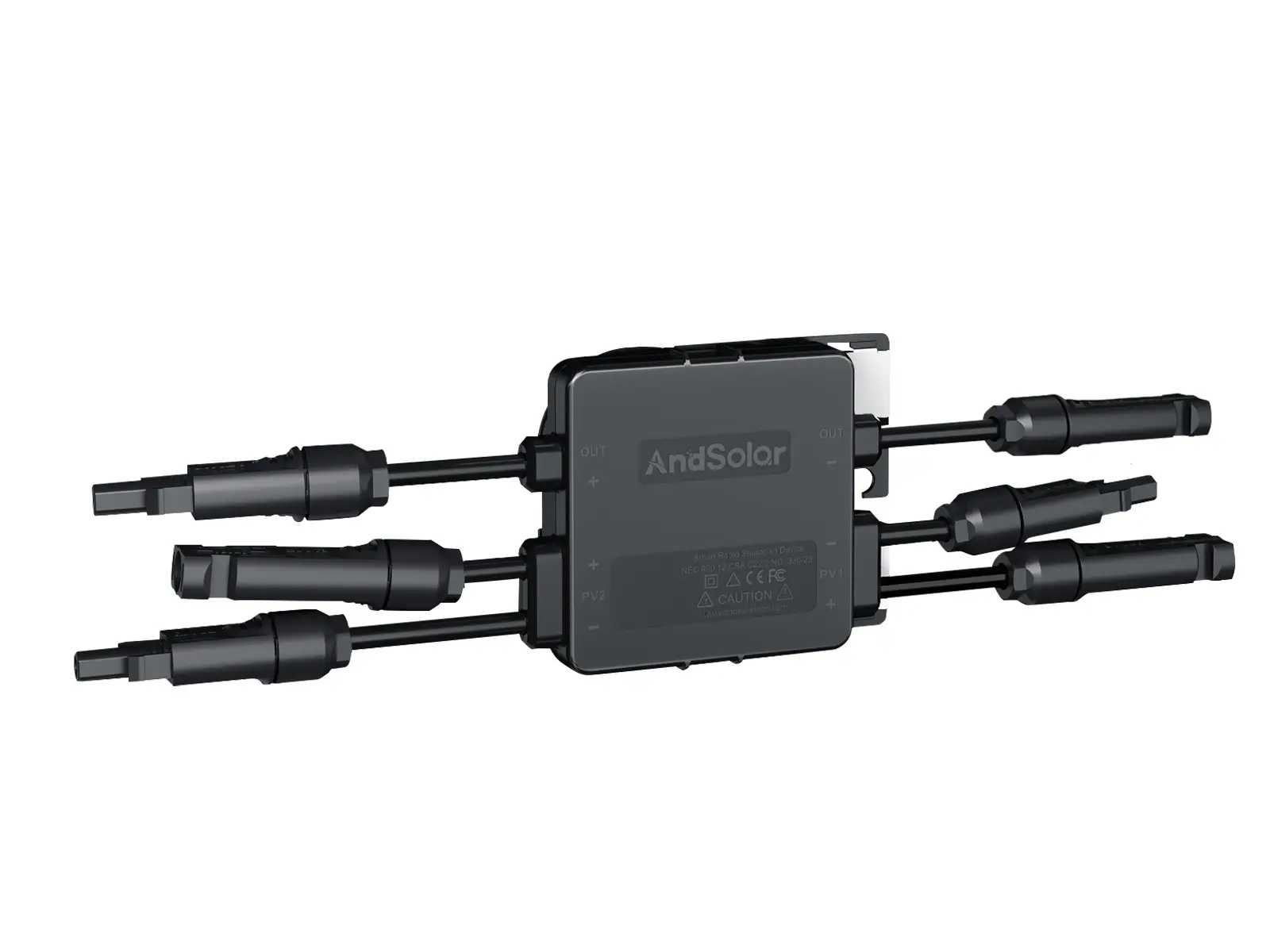
Module-Level Power Electronics: Advanced Energy Optimization and Safety Solutions

  • 8F, Block B, Building 1, 286 Qinglonggang Road, Suzhou City, Jiangsu Province, P. R. China
  • [email protected]
AndSolar Cloud

module-level power electronics

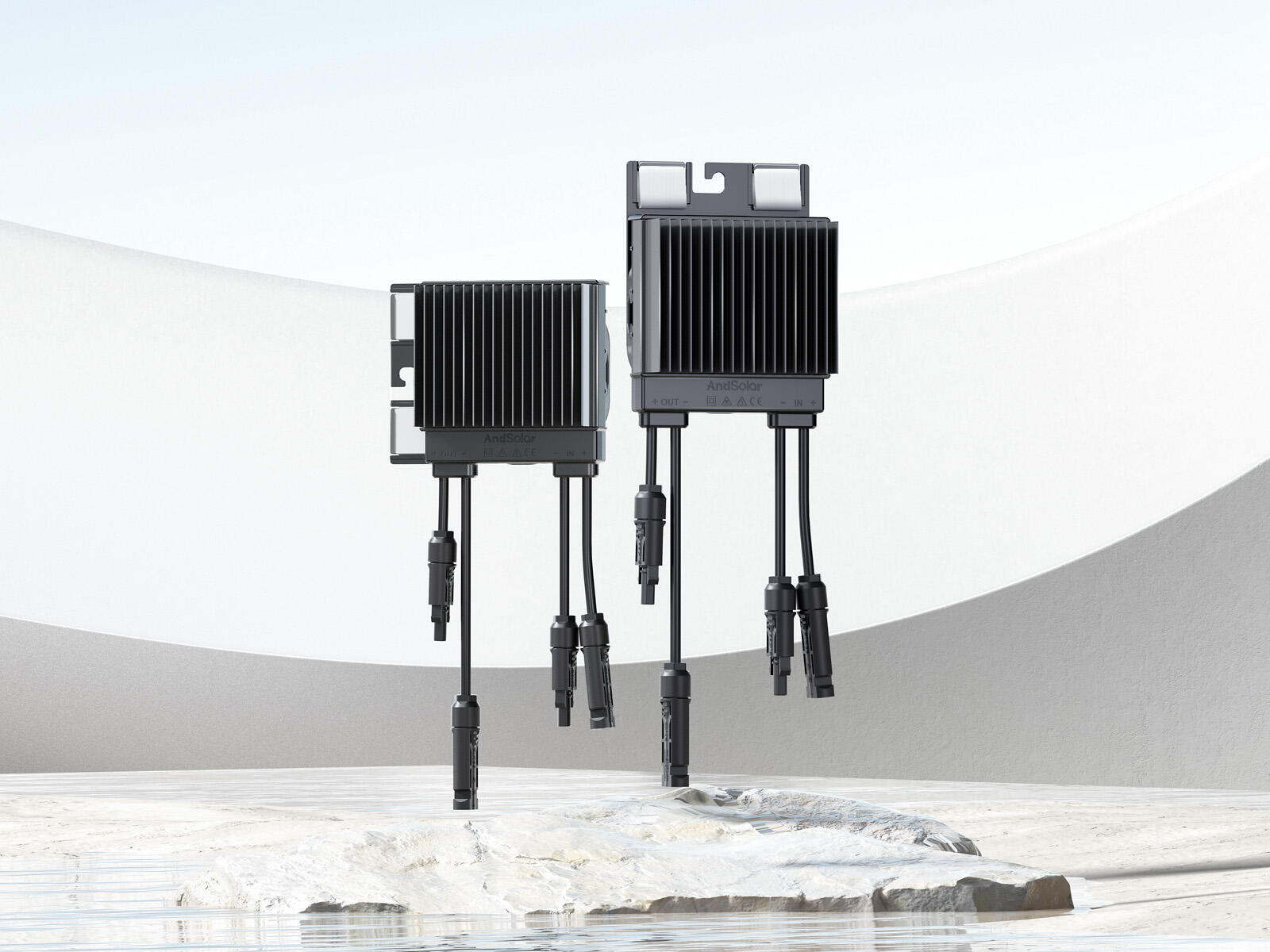
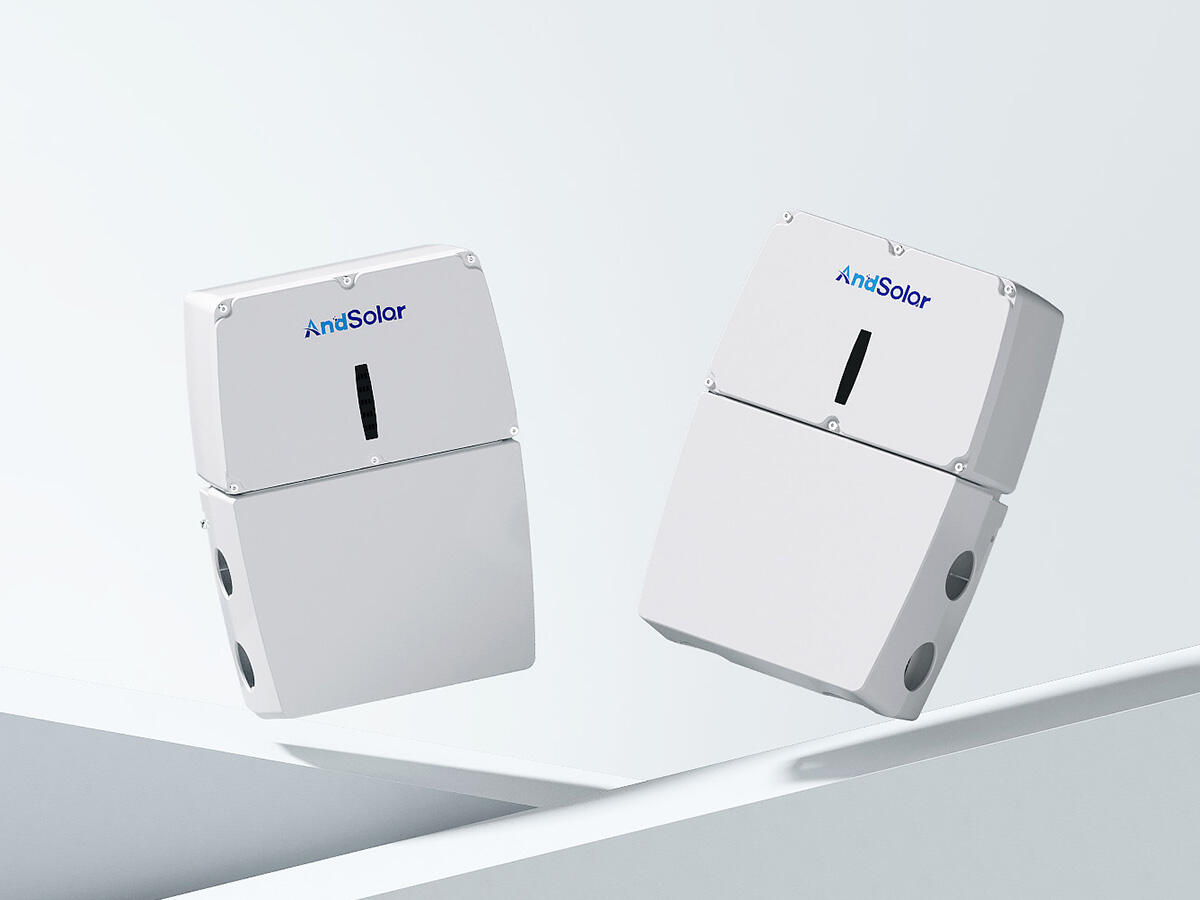
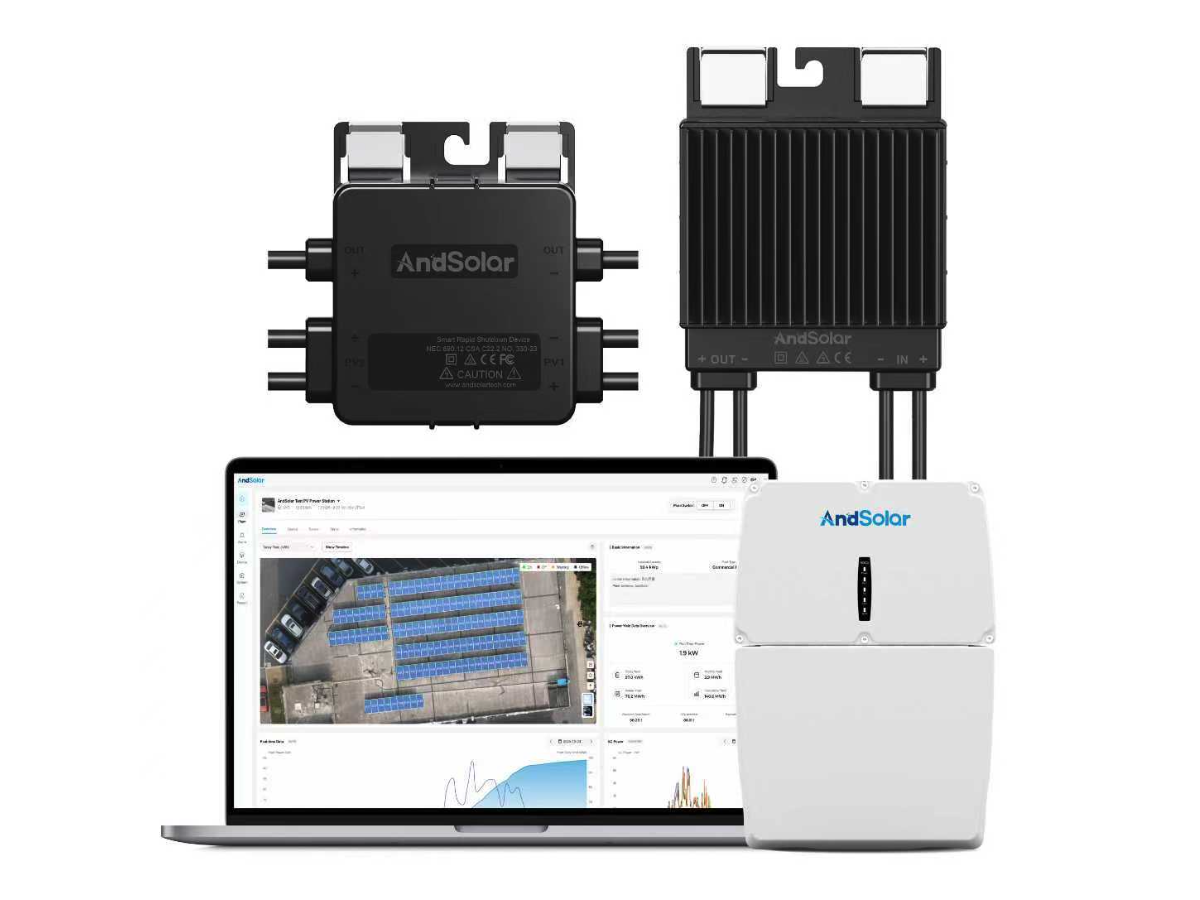
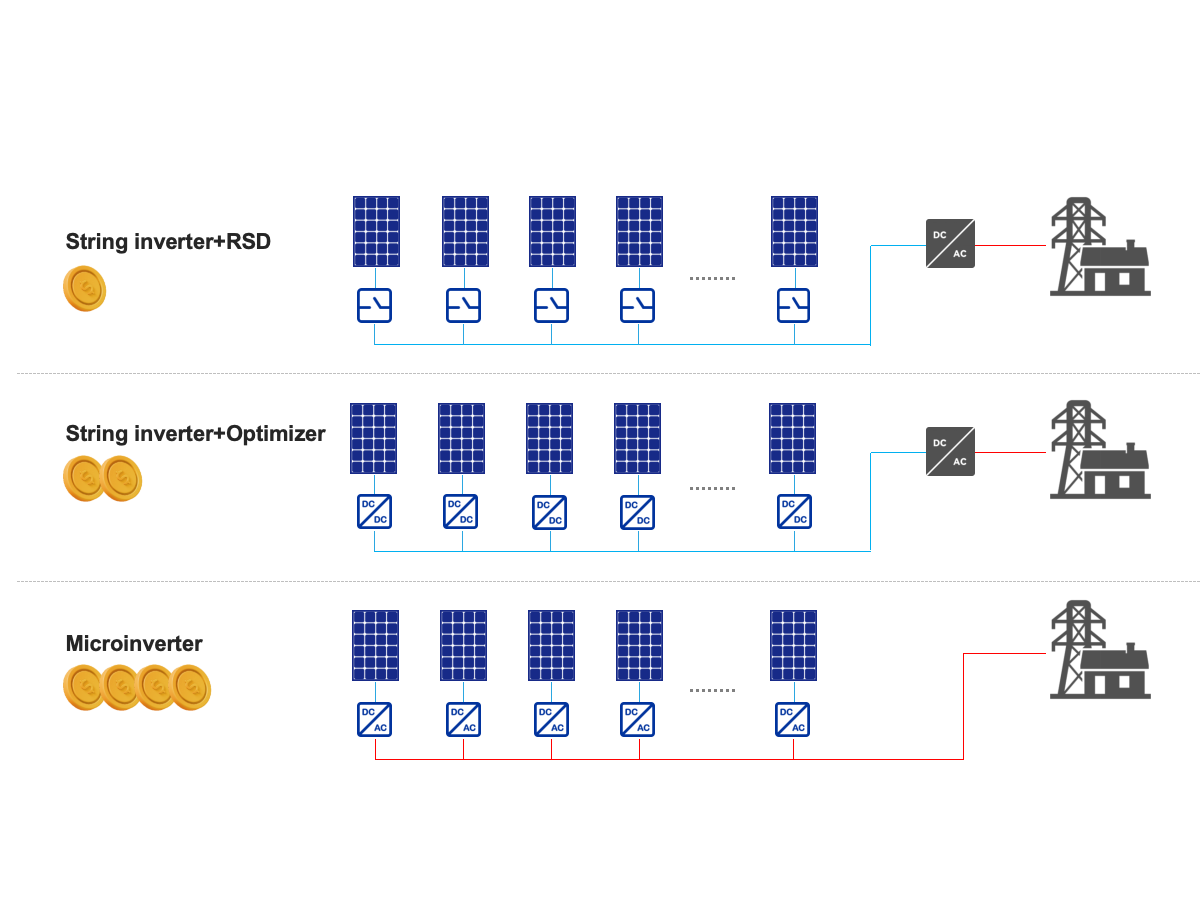
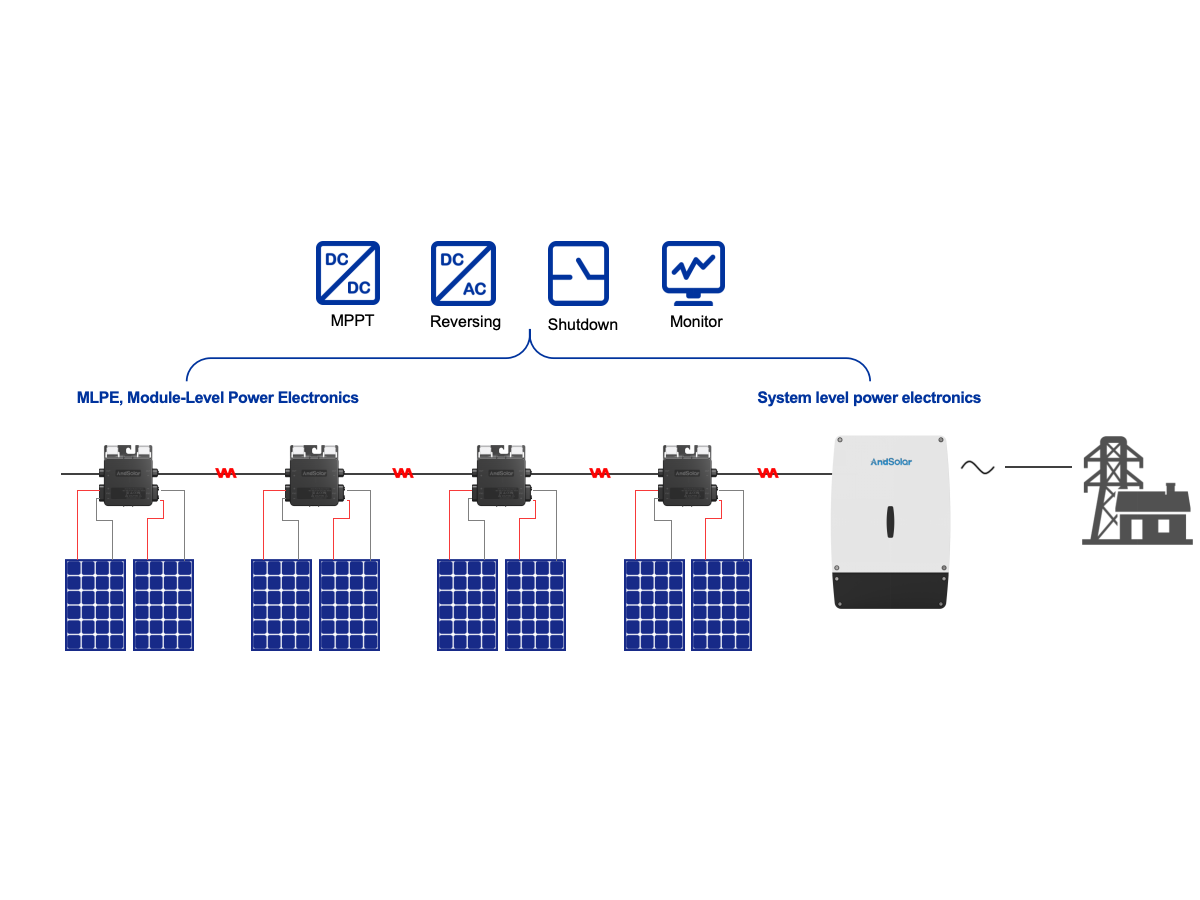
Module-level power electronics represent a revolutionary approach to energy management systems, fundamentally transforming how electrical power is controlled, converted, and optimized at the individual component level. Unlike traditional centralized power management systems, module-level power electronics operate directly at each solar panel, energy storage unit, or electrical component, providing unprecedented control and efficiency. These sophisticated devices integrate advanced semiconductor technology, intelligent monitoring capabilities, and real-time optimization algorithms to maximize energy harvesting and system performance. The core functionality of module-level power electronics centers around power conversion, voltage regulation, and performance monitoring. Each unit performs DC-to-AC inversion, maximum power point tracking, and safety disconnect functions while continuously communicating system status and performance data. This distributed approach eliminates single points of failure common in string-level systems and enables granular control over individual modules. The technological architecture incorporates cutting-edge silicon carbide semiconductors, advanced digital signal processors, and sophisticated communication protocols that enable seamless integration with smart grid infrastructure. Module-level power electronics feature robust environmental protection ratings, ensuring reliable operation across diverse climatic conditions while maintaining optimal performance standards. These systems employ advanced thermal management techniques, electromagnetic interference shielding, and weatherproof enclosures designed for decades of outdoor operation. The intelligent firmware continuously adapts to changing environmental conditions, load requirements, and grid specifications, automatically optimizing power output and system efficiency. Applications span residential solar installations, commercial energy systems, utility-scale power plants, and emerging energy storage solutions, where module-level power electronics provide enhanced safety, improved energy yield, and simplified system maintenance procedures.
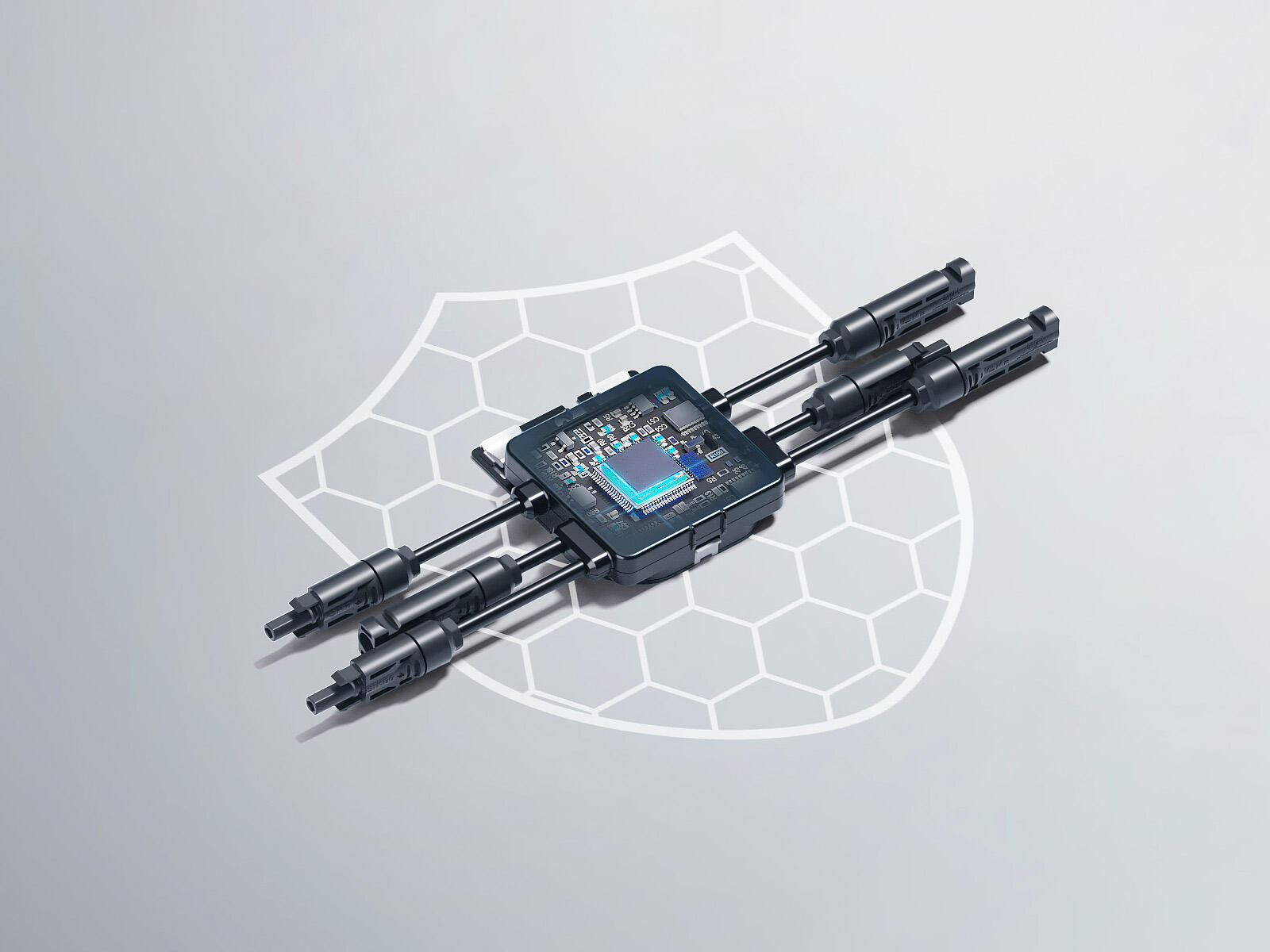
Module-level power electronics deliver substantial practical benefits that directly impact system performance, cost savings, and operational reliability for customers across diverse applications. The primary advantage lies in maximized energy production through individual module optimization, where each component operates at its peak efficiency regardless of shading, soiling, or performance variations affecting neighboring modules. This granular control typically increases overall system energy output by fifteen to twenty-five percent compared to traditional string-level configurations, translating to significant financial returns over system lifetime. Enhanced safety represents another critical benefit, as module-level power electronics automatically shut down individual units during maintenance or emergency situations, eliminating high-voltage DC exposure risks and simplifying installation procedures for technicians. The distributed architecture provides superior system reliability by eliminating single points of failure, ensuring continued operation even when individual components require service or replacement. Real-time monitoring capabilities enable proactive maintenance strategies, allowing operators to identify and address performance issues before they impact system productivity. This predictive maintenance approach reduces operational costs while extending equipment lifespan through optimized operating conditions. Installation flexibility becomes dramatically improved with module-level power electronics, as system designers can accommodate complex roof configurations, mixed panel orientations, and varying shading conditions without compromising overall performance. The plug-and-play design simplifies system expansion, allowing customers to add capacity incrementally without redesigning existing infrastructure. Rapid shutdown compliance becomes automatic with module-level power electronics, ensuring regulatory compliance while enhancing installer and first responder safety. Grid integration benefits include improved power quality, reactive power support, and enhanced grid stability through distributed control capabilities. Long-term cost benefits emerge through reduced balance-of-system components, simplified wiring requirements, and decreased installation labor costs, while comprehensive warranty coverage and remote diagnostic capabilities minimize ongoing maintenance expenses.

New Product Recommendations

Maximum Power Point Tracking Excellence

Maximum Power Point Tracking Excellence

Module-level power electronics incorporate sophisticated maximum power point tracking algorithms that continuously optimize each individual module's power output, delivering unprecedented energy harvesting efficiency across diverse operating conditions. This advanced tracking capability represents a fundamental breakthrough in solar energy optimization, where traditional string-level systems struggle with performance variations between panels. The intelligent tracking system monitors voltage and current characteristics hundreds of times per second, instantly adjusting operating parameters to maintain optimal power extraction even when individual modules experience different environmental conditions. Shading from trees, buildings, or debris affects only the specific covered modules rather than entire strings, preserving system-wide energy production that would otherwise be lost in conventional configurations. The tracking algorithms adapt to seasonal changes, weather patterns, and aging characteristics of photovoltaic cells, ensuring consistent optimization throughout the system's operational lifetime. Soiling, dust accumulation, and snow coverage impact individual modules without degrading neighboring components' performance, maintaining higher overall energy yields in challenging environmental conditions. Module-level power electronics automatically compensate for manufacturing tolerances, temperature variations, and degradation patterns that create power mismatches in traditional systems. This precision optimization extends beyond simple power extraction, incorporating advanced predictive algorithms that anticipate changing conditions and preemptively adjust operating parameters for seamless transitions. The result is typically fifteen to twenty-five percent higher energy production compared to string-level systems, with even greater improvements in installations facing partial shading or complex orientations. Real-time optimization data provides valuable insights into individual module performance, enabling targeted maintenance and replacement strategies that maximize return on investment while extending overall system lifespan.
Advanced Safety and Monitoring Integration

Advanced Safety and Monitoring Integration

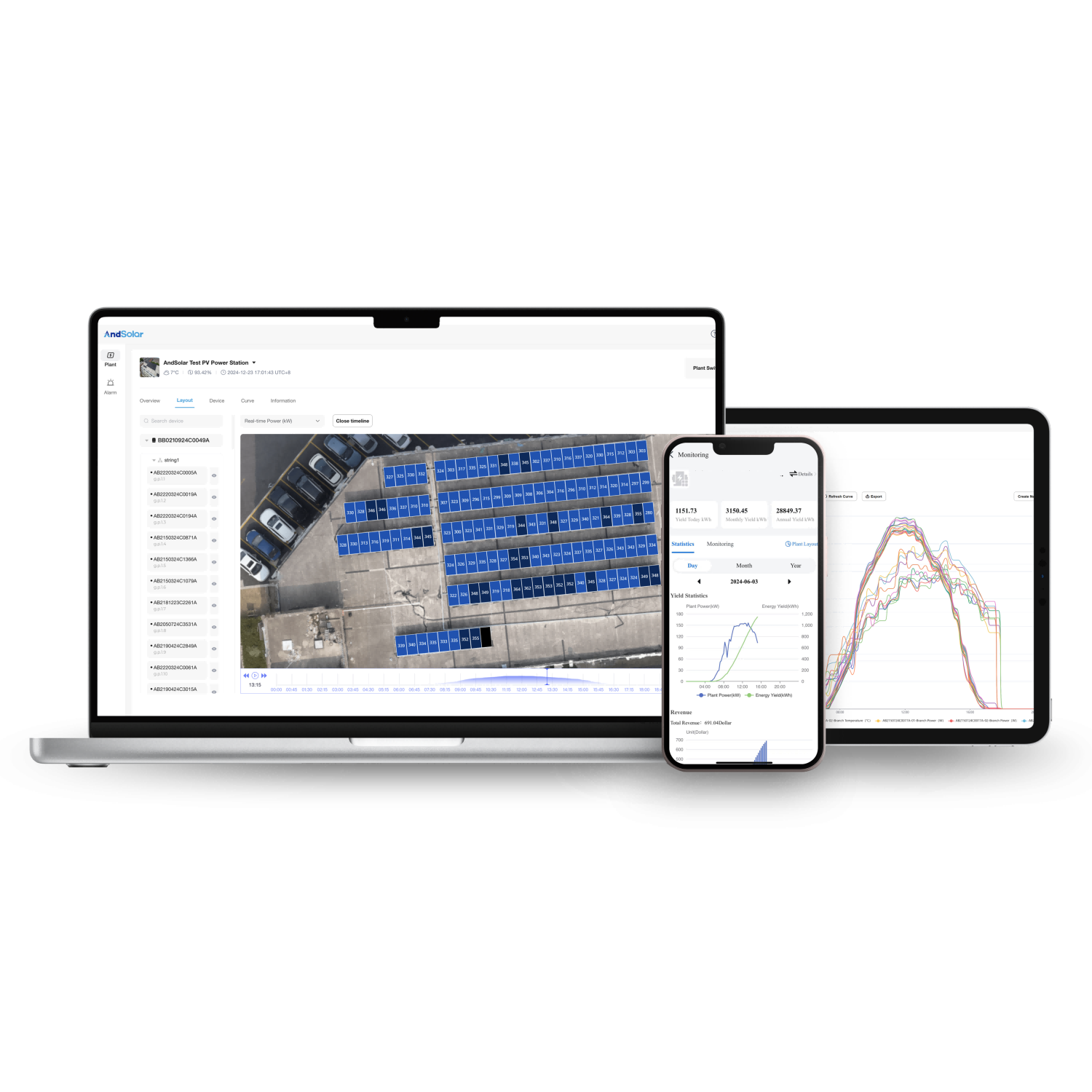
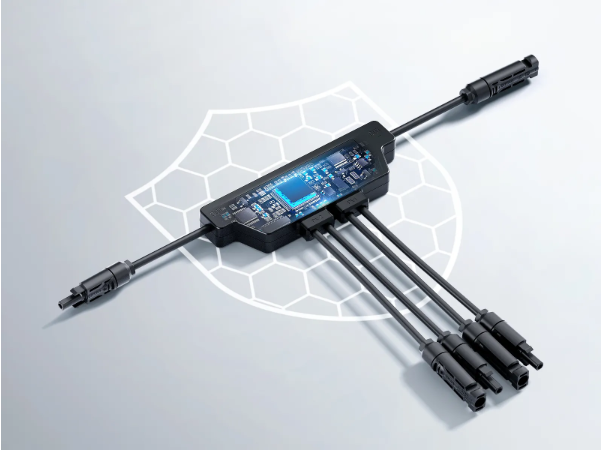
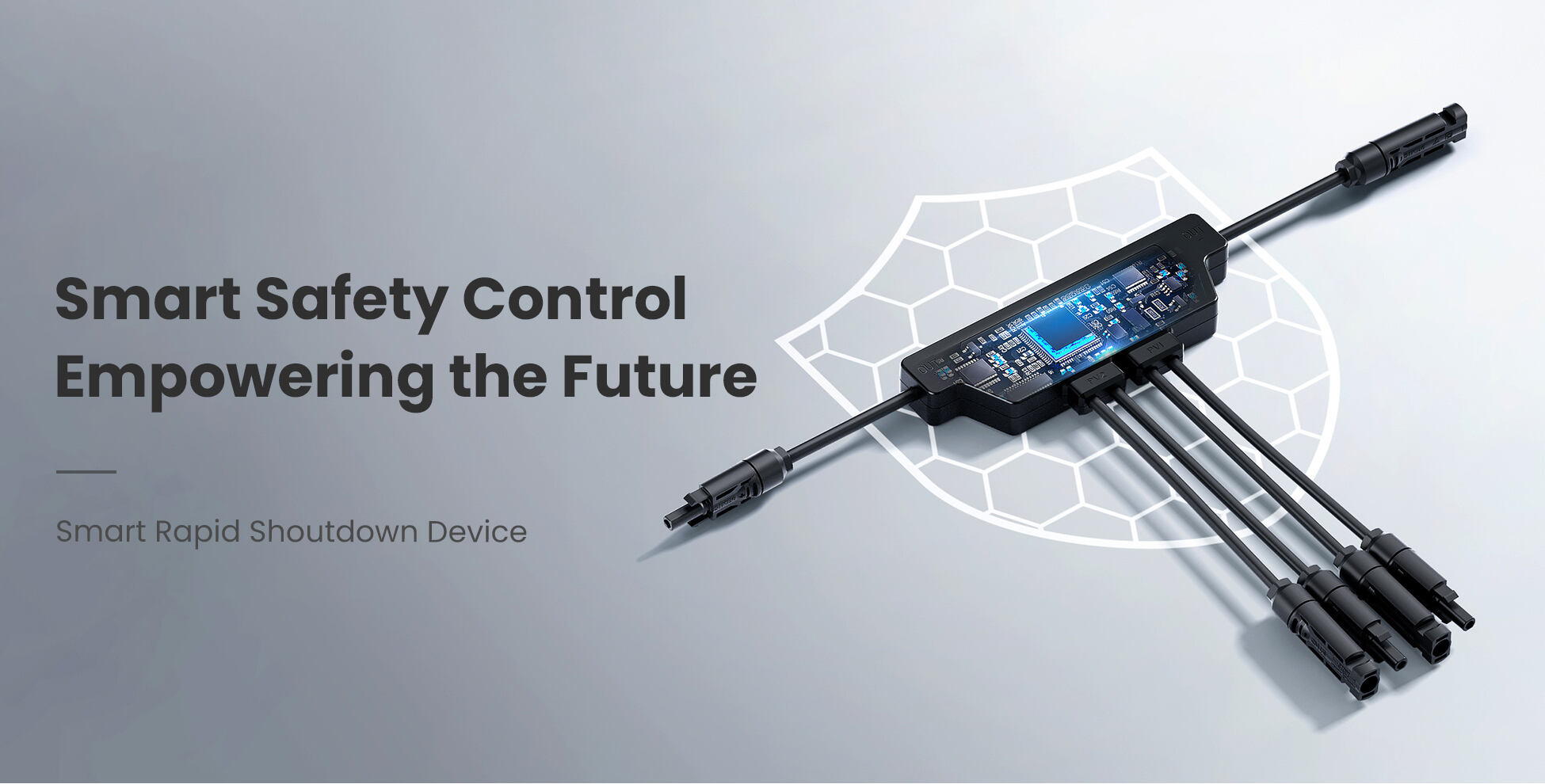
Module-level power electronics establish new industry standards for electrical safety through integrated rapid shutdown capabilities, comprehensive fault detection, and real-time monitoring systems that protect both equipment and personnel throughout installation, operation, and maintenance phases. The advanced safety architecture automatically reduces DC voltage to safe levels within seconds of system shutdown commands, eliminating dangerous high-voltage exposure risks that concern installers, maintenance technicians, and emergency responders. Each module maintains constant communication with central monitoring systems, immediately reporting electrical faults, ground faults, or arc fault conditions that could compromise system safety or performance. The intelligent fault detection algorithms distinguish between normal operating variations and potentially dangerous conditions, triggering appropriate protective responses without false alarms that disrupt system operation. Ground fault protection operates at the individual module level, isolating problems before they can propagate throughout the system and ensuring continued operation of unaffected components. Arc fault circuit interruption capabilities detect and interrupt dangerous electrical arcing that could lead to fire hazards, providing an additional layer of protection beyond traditional circuit breakers. Real-time monitoring extends beyond safety functions to encompass comprehensive performance tracking, environmental condition assessment, and predictive maintenance capabilities that optimize system reliability and longevity. Wireless communication protocols enable remote monitoring and diagnostic capabilities, allowing operators to assess system status, identify performance trends, and schedule maintenance activities without physical site visits. The monitoring infrastructure captures detailed performance data including power output, voltage levels, current flow, and temperature readings from each individual module, creating comprehensive operational histories that inform maintenance decisions and warranty claims. Integration with smart home systems and energy management platforms enables automated responses to grid conditions, time-of-use pricing, and energy storage optimization strategies that maximize economic benefits for system owners.
Flexible Installation and Scalability Solutions

Flexible Installation and Scalability Solutions

Module-level power electronics revolutionize installation practices through simplified wiring requirements, enhanced design flexibility, and seamless scalability options that accommodate diverse architectural constraints while reducing installation complexity and costs. The distributed power conversion approach eliminates the need for centralized string inverters, reducing balance-of-system components and simplifying electrical designs that traditionally require extensive DC combiner boxes, monitoring equipment, and safety disconnects. Installation teams benefit from standardized plug-and-play connections that reduce wiring errors, minimize installation time, and eliminate complex string calculations that often complicate traditional system designs. Each module operates independently, allowing mixed panel types, orientations, and tilt angles within the same installation without compromising overall system performance or requiring complex design workarounds. This flexibility proves invaluable for complex residential rooftops, commercial buildings with multiple orientations, or installations where architectural features create challenging installation conditions. System expansion becomes remarkably straightforward with module-level power electronics, as additional panels integrate seamlessly into existing installations without requiring inverter upgrades or system redesigns that typically accompany capacity increases. The modular architecture supports phased installation approaches, allowing customers to implement systems incrementally based on budget availability or changing energy requirements over time. Maintenance procedures become significantly simplified through individual module isolation capabilities, where technicians can service specific components without shutting down entire system sections or exposing themselves to high-voltage DC circuits. The plug-and-play design facilitates rapid component replacement, reducing system downtime and maintenance costs while ensuring continued operation of unaffected modules during service procedures. Installation labor costs decrease substantially due to simplified wiring requirements, standardized connections, and reduced electrical complexity that allows less specialized technicians to complete installations safely and efficiently. Permitting and inspection processes benefit from simplified electrical designs and automatic code compliance features that streamline approval procedures while ensuring regulatory requirements are consistently met across diverse jurisdictions and installation types.

Get a Free Quote

Our representative will contact you soon.
Name
Email
Phone/ WhatsApp
Company Name
Product Selection
Message
0/1000

module-level power electronics

Practical Tips

Rapid shutdown for solar: What you need to know

16

Jun

Rapid shutdown for solar: What you need to know

What Is Solar Rapid Shutdown? Definition and Core Purpose Solar rapid shutdown is an essential safety measure referring to the quick disconnection of photovoltaic (PV) panels from the power system. This process ensures the system stops producing ele...
View More
How Does Rapid Shutdown Enhance Safety?

16

Jun

How Does Rapid Shutdown Enhance Safety?

Understanding Rapid Shutdown in Solar Systems The Role of Rapid Shutdown Devices Rapid shutdown devices (RSD) are essential components of modern solar photovoltaic (PV) systems. Their primary purpose is to enhance safety by swiftly disconnecting pow...
View More
How Does the Rapid Shutdown Policy Improve Solar Safety Standards?

13

Aug

How Does the Rapid Shutdown Policy Improve Solar Safety Standards?

Strengthening Solar Power Systems Through Advanced Safety Measures In the rapidly expanding solar industry, safety has emerged as one of the most critical aspects of system design and operation. As more residential, commercial, and utility-scale inst...
View More
Will Rapid Shutdown Devices Affect Solar System Performance?

13

Aug

Will Rapid Shutdown Devices Affect Solar System Performance?

Optimizing Solar System Safety Without Compromising Efficiency In the modern solar energy landscape, safety and performance go hand in hand. The industry has evolved from focusing solely on maximizing energy yield to ensuring that systems operate wit...
View More

Get a Free Quote

Our representative will contact you soon.
Name
Email
Phone/ WhatsApp
Company Name
Product Selection
Message
0/1000