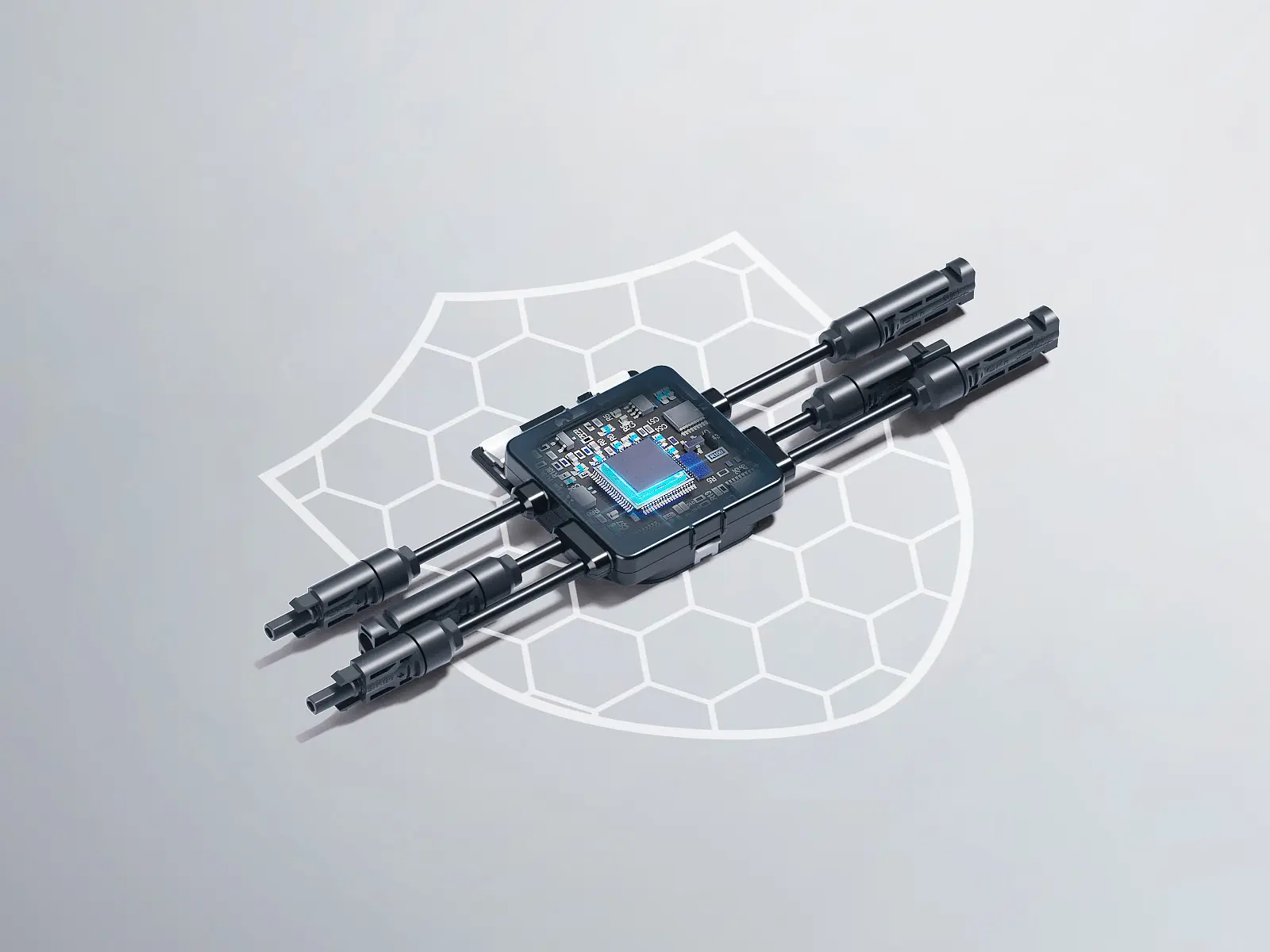
Solar Module-Level Power Electronics Products: Advanced MLPE Solutions for Maximum Energy Optimization

  • 8F, Block B, Building 1, 286 Qinglonggang Road, Suzhou City, Jiangsu Province, P. R. China
  • [email protected]
AndSolar Cloud

solar module-level power electronics products

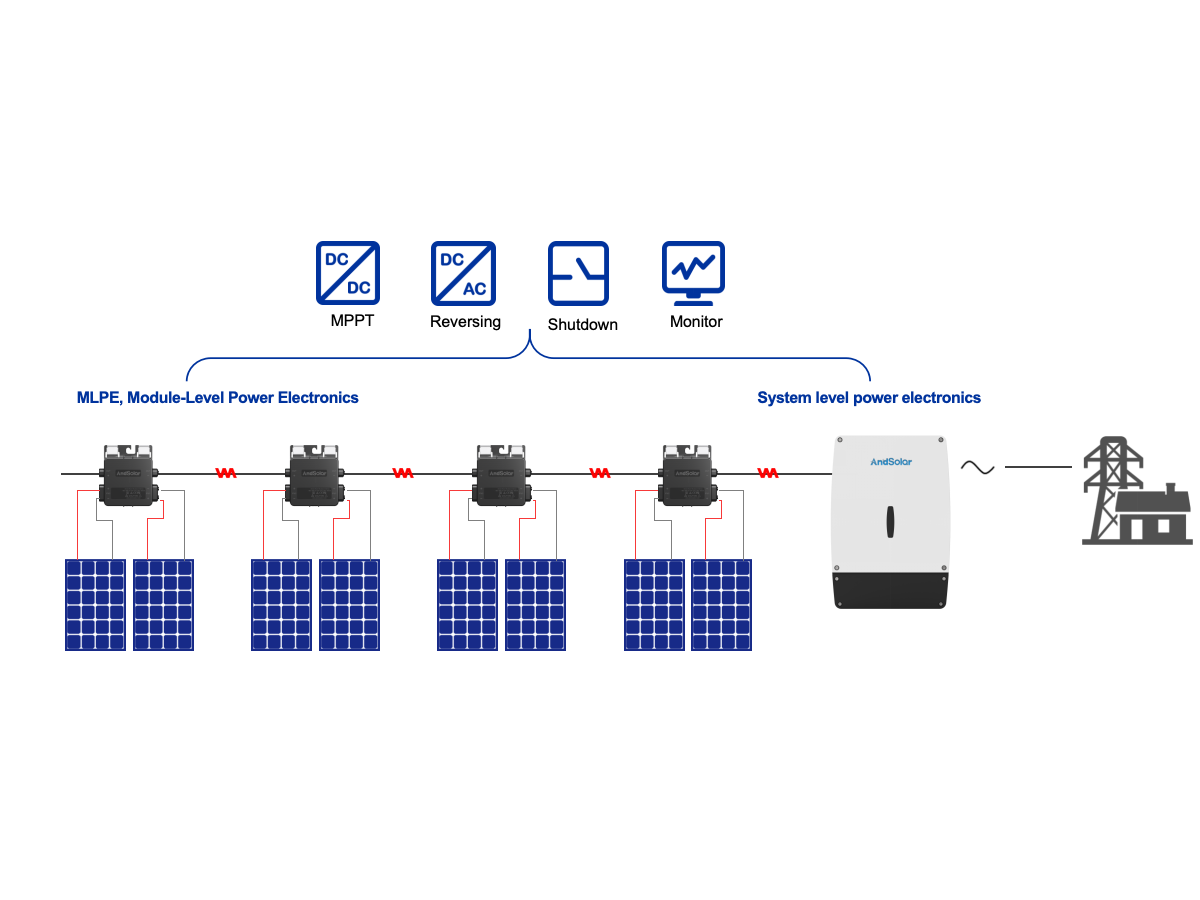
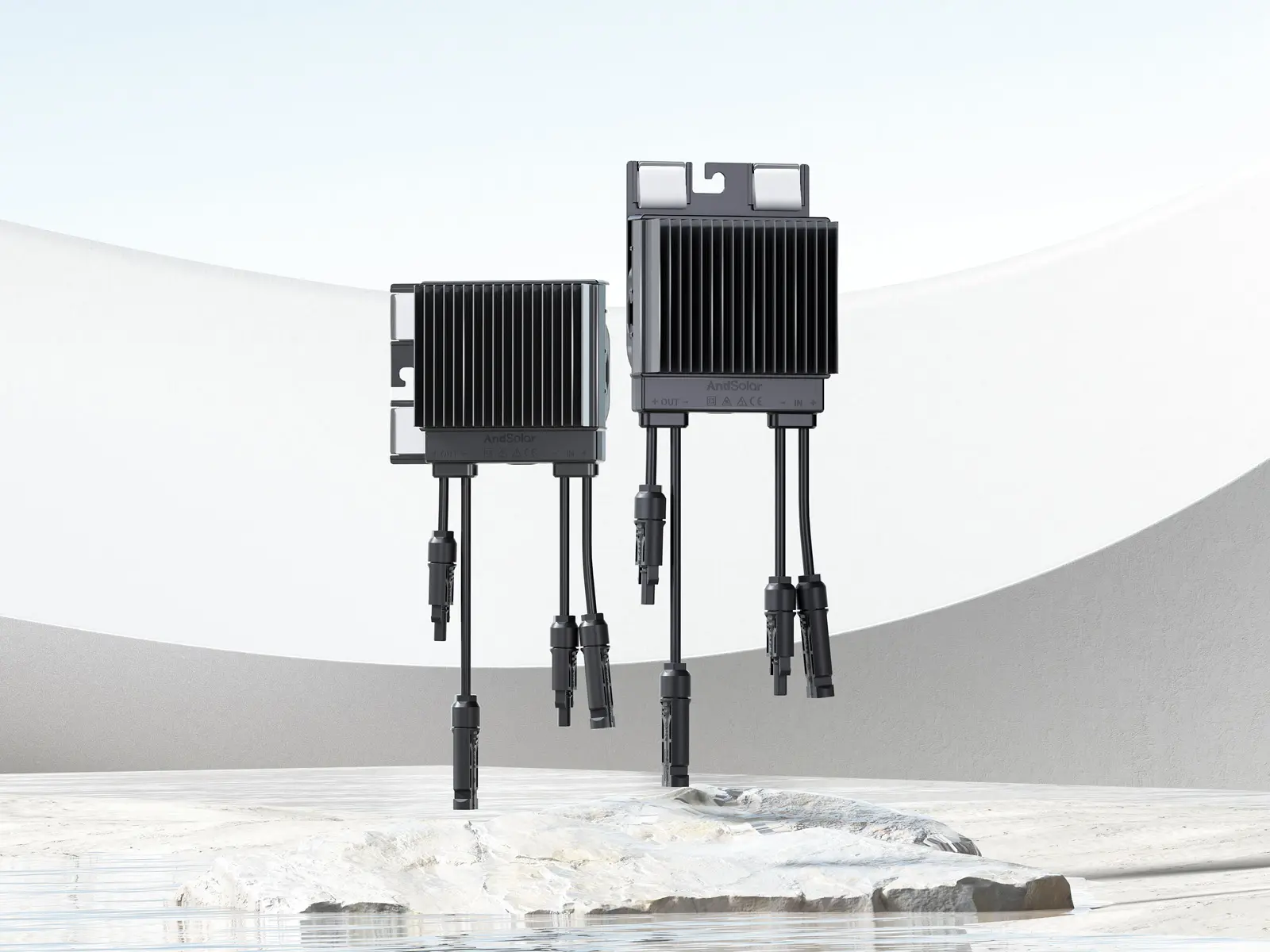
Solar module-level power electronics products represent a revolutionary advancement in photovoltaic technology, transforming how solar energy systems operate and perform. These sophisticated devices attach directly to individual solar panels, providing intelligent power management capabilities that optimize energy generation at the panel level rather than at the string or system level. The primary functions of solar module-level power electronics products include maximum power point tracking for each individual module, real-time performance monitoring, enhanced safety features, and advanced grid integration capabilities. These innovative systems utilize cutting-edge semiconductor technology, incorporating high-frequency switching circuits and intelligent algorithms to extract maximum power from each solar panel regardless of varying environmental conditions. The technological features encompass advanced microprocessor control systems, high-efficiency power conversion capabilities, robust communication protocols, and sophisticated fault detection mechanisms. These products integrate seamlessly with existing solar installations while providing unprecedented visibility into system performance through detailed monitoring and analytics platforms. Applications span residential rooftop installations, commercial solar arrays, utility-scale solar farms, and specialized installations where panel-level optimization becomes critical for maximizing return on investment. The technology addresses common challenges in traditional string inverter systems, including power loss due to shading, module mismatch, soiling, and aging disparities between panels. Solar module-level power electronics products enable more flexible system designs, allowing for complex roof configurations and mixed panel orientations that would otherwise result in significant energy losses. These systems also enhance safety through rapid shutdown capabilities and arc fault detection, meeting stringent electrical safety standards while providing installers and maintenance personnel with improved protection protocols during system servicing and emergency situations.
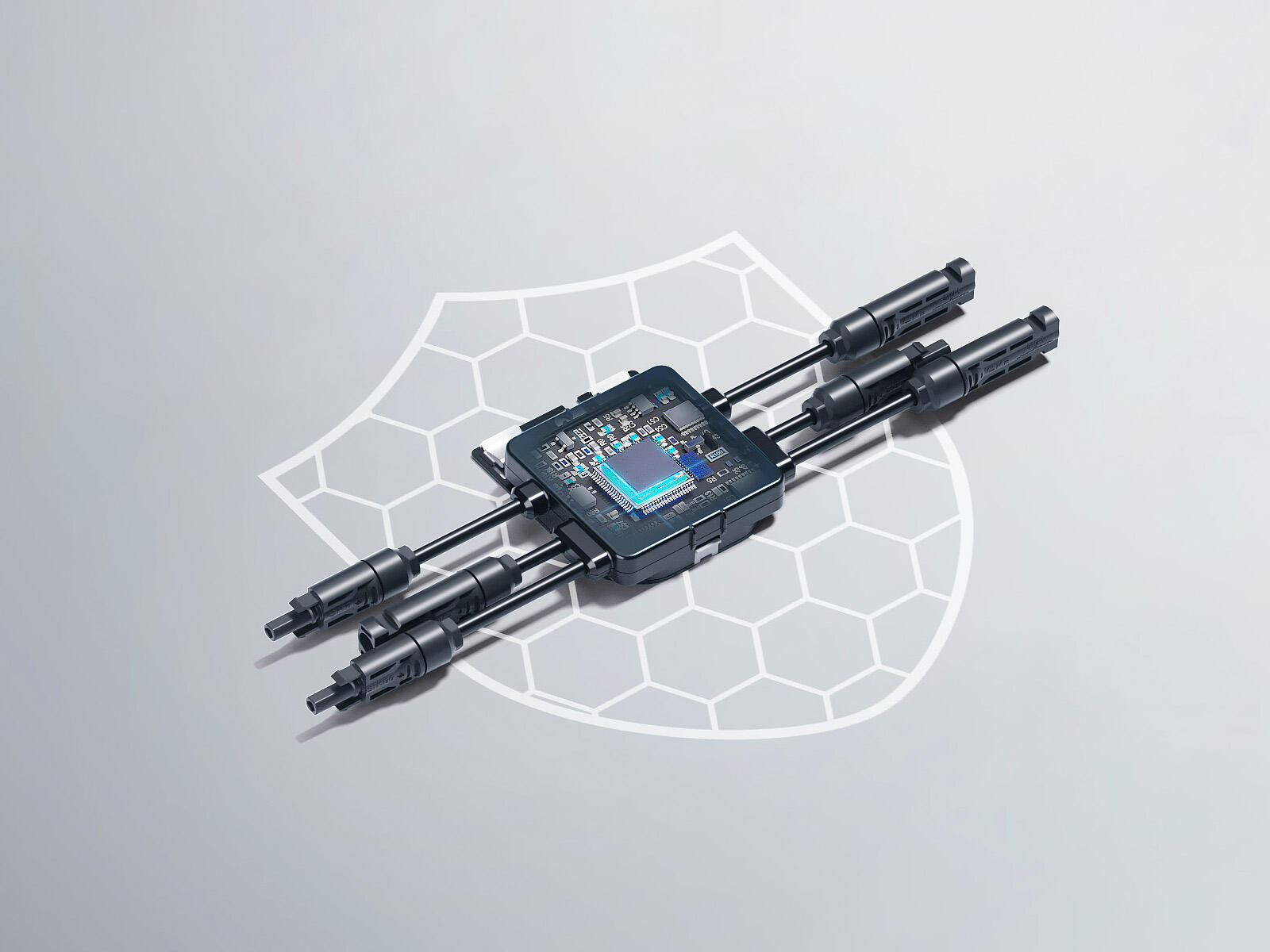
Solar module-level power electronics products deliver substantial benefits that directly translate into higher energy yields and improved system reliability for property owners and businesses. The most significant advantage lies in their ability to maximize energy production through individual panel optimization, which can increase overall system output by fifteen to twenty-five percent compared to traditional string inverter configurations. This enhanced performance stems from eliminating the weakest link effect where one underperforming panel reduces the output of entire panel strings. Property owners experience immediate financial benefits through higher electricity generation, faster payback periods, and increased long-term returns on their solar investments. The advanced monitoring capabilities provide unprecedented visibility into system performance, allowing users to identify and address issues quickly before they impact energy production significantly. This proactive maintenance approach reduces service costs while maintaining optimal system performance throughout the installation's lifespan. Safety improvements represent another crucial advantage, as solar module-level power electronics products incorporate automatic rapid shutdown features that immediately reduce DC voltage levels when activated, protecting first responders and maintenance personnel during emergencies or routine service work. The enhanced safety features also minimize fire risks associated with DC electrical systems, providing peace of mind for property owners and insurance providers. Installation flexibility becomes dramatically improved with these products, enabling solar arrays on complex roof structures, mixed orientations, and areas with partial shading that would otherwise prove problematic for conventional systems. This flexibility allows more properties to become suitable for solar installations while maximizing available roof space utilization. The technology also future-proofs solar investments by providing upgrade pathways and integration capabilities with emerging smart grid technologies, energy storage systems, and home automation platforms. Warranty coverage typically extends longer periods due to the robust design and individual component monitoring, reducing long-term maintenance costs and providing additional protection for the initial investment. System diagnostics become simplified through detailed performance data and remote monitoring capabilities, enabling quick troubleshooting and reducing the need for on-site service visits.

New Product Recommendations

Advanced Maximum Power Point Tracking Technology

Advanced Maximum Power Point Tracking Technology

Solar module-level power electronics products incorporate sophisticated maximum power point tracking technology that revolutionizes energy harvesting efficiency at the individual panel level. This advanced feature continuously monitors and adjusts the operating parameters of each solar module to ensure optimal power extraction under varying environmental conditions throughout the day. Unlike traditional string inverter systems that apply uniform operating conditions across multiple panels, this technology recognizes that each panel operates under unique circumstances due to factors such as shading patterns, soiling levels, temperature variations, and manufacturing tolerances. The maximum power point tracking algorithm utilizes high-speed microprocessors to perform thousands of calculations per second, dynamically adjusting voltage and current parameters to maintain peak efficiency regardless of changing conditions. This continuous optimization process prevents energy losses that commonly occur in conventional systems when panels experience different levels of irradiance or temperature exposure. The technology proves particularly valuable in installations where panels face different orientations, experience partial shading from nearby structures or vegetation, or operate under varying atmospheric conditions throughout the day. Property owners benefit from significantly improved energy yields, with many installations experiencing fifteen to twenty-five percent increases in total energy production compared to traditional string inverter configurations. The advanced tracking system also compensates for panel aging disparities, ensuring that newer panels are not limited by older, less efficient modules within the same string. This capability extends system lifespan and maintains consistent performance levels over decades of operation. Installation professionals appreciate the flexibility this technology provides, as it enables solar array designs that would otherwise prove impractical or inefficient with conventional inverter systems. The technology also integrates seamlessly with monitoring platforms, providing detailed performance analytics that help identify optimization opportunities and maintenance requirements. This level of granular control and monitoring capability represents a fundamental advancement in solar technology, delivering measurable value through improved energy production, enhanced system reliability, and comprehensive performance visibility that empowers informed decision-making for system owners and operators.
Comprehensive Real-Time Performance Monitoring

Comprehensive Real-Time Performance Monitoring

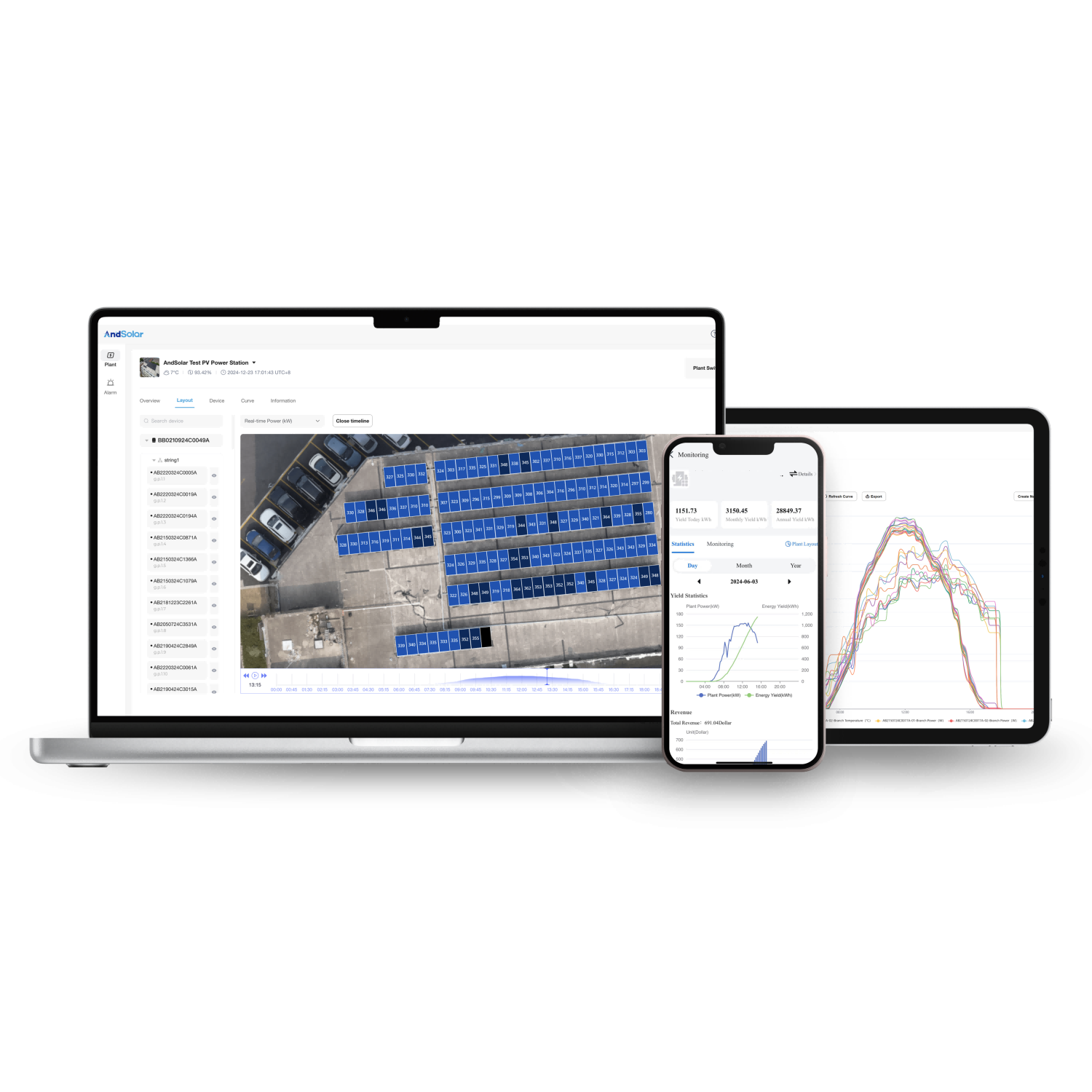
The integrated monitoring capabilities of solar module-level power electronics products provide unprecedented visibility into system performance through comprehensive real-time data collection and analysis. This sophisticated monitoring system tracks individual panel performance metrics including power output, voltage levels, current generation, temperature readings, and efficiency ratings on a continuous basis throughout system operation. The technology enables property owners and system operators to identify performance issues immediately rather than discovering problems through reduced monthly energy bills or annual maintenance inspections. This proactive approach to system management significantly reduces energy losses and maintenance costs while ensuring optimal performance throughout the installation's operational lifespan. The monitoring platform presents data through intuitive web-based interfaces and mobile applications that allow users to access system information remotely from any internet-connected device. These platforms provide detailed analytics including historical performance trends, comparative analysis between individual panels, environmental impact calculations, and predictive maintenance recommendations based on observed performance patterns. The system automatically generates alerts when performance anomalies are detected, enabling rapid response to potential issues before they significantly impact energy production. Installation professionals and service technicians benefit from detailed diagnostic information that streamlines troubleshooting processes and reduces on-site service time requirements. The monitoring capability extends beyond basic performance metrics to include safety monitoring features such as arc fault detection, ground fault monitoring, and rapid shutdown status verification. This comprehensive safety oversight provides additional protection for system components while ensuring compliance with electrical safety standards and building codes. The data collection system also supports advanced analytics that can identify optimization opportunities, predict component replacement schedules, and provide insights into system performance relative to local weather patterns and seasonal variations. Property owners gain valuable insights into their energy consumption patterns and can make informed decisions about energy usage optimization and potential system expansions. The monitoring technology also facilitates warranty claims and insurance documentation by providing detailed performance records that demonstrate proper system operation and maintenance compliance. Integration capabilities with smart home systems and energy management platforms enable automated responses to changing conditions and seamless coordination with other property systems such as heating, cooling, and energy storage components.
Enhanced Safety Features and Grid Integration

Enhanced Safety Features and Grid Integration

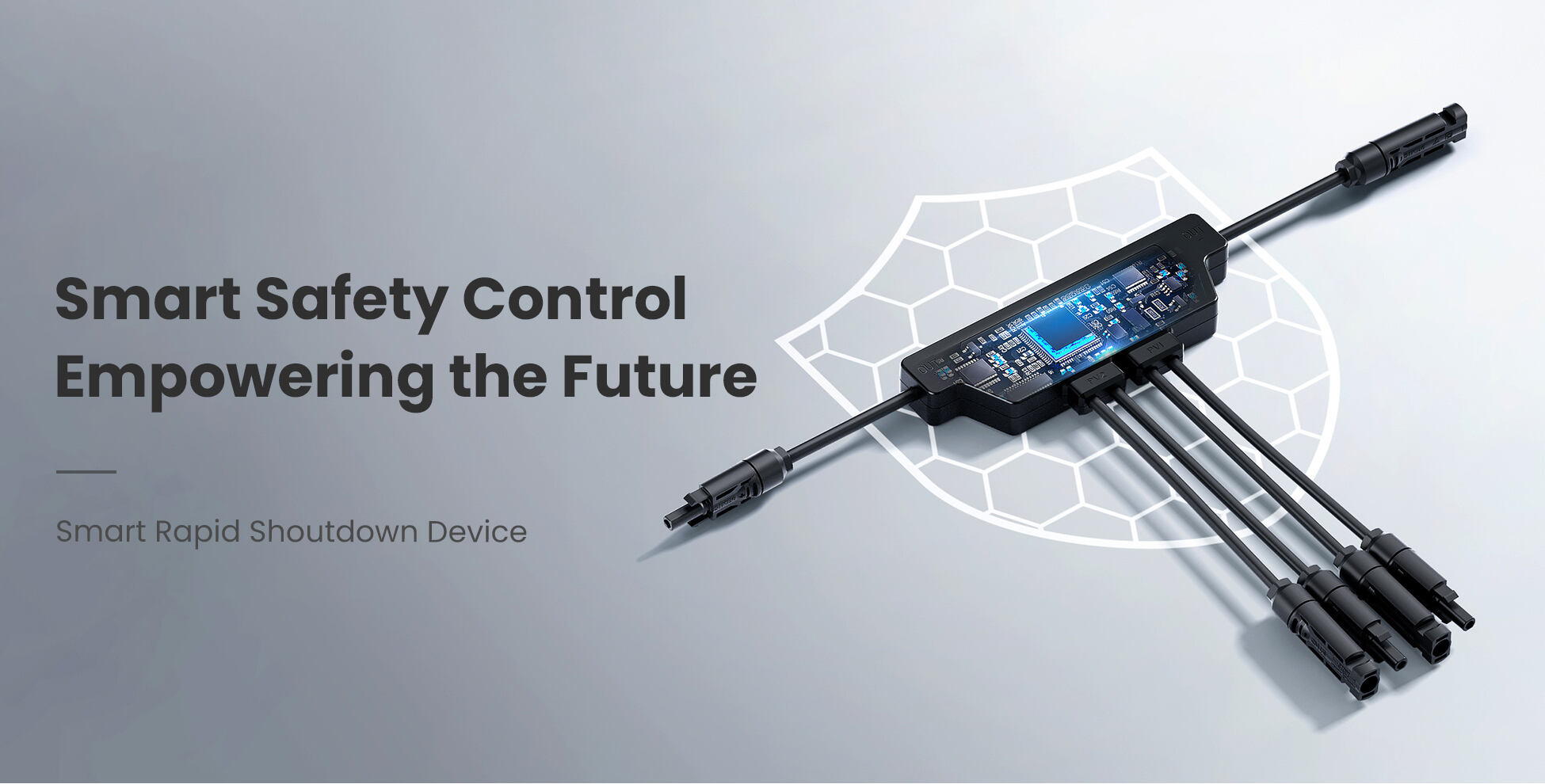
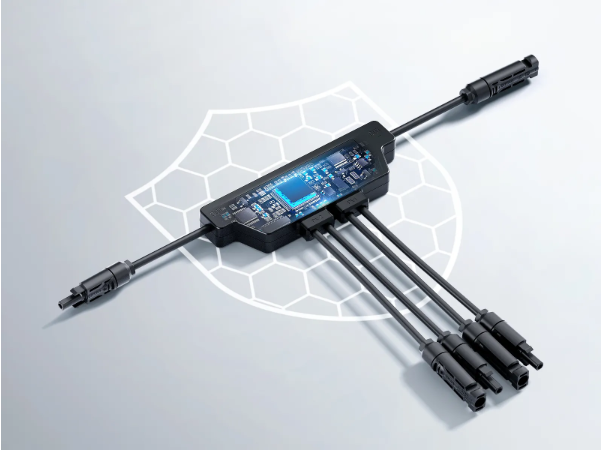
Solar module-level power electronics products incorporate advanced safety features and intelligent grid integration capabilities that significantly enhance system security while providing superior compatibility with modern electrical infrastructure. The rapid shutdown functionality represents a critical safety advancement, automatically reducing DC voltage levels to safe limits within seconds when activated by emergency responders or system operators. This feature addresses primary safety concerns associated with traditional solar installations where high DC voltages can persist even after AC power disconnection, creating potential hazards during firefighting operations or emergency situations. The technology utilizes sophisticated communication protocols to coordinate rapid shutdown across all system components simultaneously, ensuring comprehensive voltage reduction throughout the installation. Arc fault detection capabilities continuously monitor electrical connections for signs of dangerous arcing conditions that could lead to fire hazards or system damage. When potentially dangerous conditions are detected, the system immediately responds by isolating affected circuits and alerting system operators to the specific location and nature of the detected fault. This proactive safety monitoring significantly reduces fire risks while enabling targeted maintenance interventions that prevent minor issues from developing into major safety hazards. Ground fault monitoring provides additional protection by detecting electrical leakage that could compromise system safety or create shock hazards for maintenance personnel. The intelligent grid integration features enable seamless coordination with utility systems and smart grid infrastructure through advanced communication protocols and grid support functions. These capabilities include voltage regulation support, frequency response capabilities, and reactive power management that help maintain grid stability while maximizing energy delivery efficiency. The technology supports various grid connection standards and utility requirements, ensuring compatibility with different regional electrical codes and utility interconnection policies. Power quality optimization features actively manage harmonic distortion and power factor correction to maintain clean electrical output that meets or exceeds utility standards for grid-connected systems. The integration capabilities extend to energy storage systems and electric vehicle charging infrastructure, enabling coordinated energy management that optimizes consumption patterns and maximizes economic benefits for property owners. Advanced cybersecurity features protect communication systems from potential threats while ensuring data privacy and system integrity throughout network operations. The technology also supports future grid modernization initiatives including demand response programs, time-of-use optimization, and virtual power plant participation that can provide additional revenue opportunities for system owners while supporting broader electrical grid stability and efficiency improvements.

Get a Free Quote

Our representative will contact you soon.
Name
Email
Phone/ WhatsApp
Company Name
Product Selection
Message
0/1000

solar module-level power electronics products

Practical Tips

How Does Rapid Shutdown Enhance Safety?

16

Jun

How Does Rapid Shutdown Enhance Safety?

Understanding Rapid Shutdown in Solar Systems The Role of Rapid Shutdown Devices Rapid shutdown devices (RSD) are essential components of modern solar photovoltaic (PV) systems. Their primary purpose is to enhance safety by swiftly disconnecting pow...
View More
What Is Rapid Shutdown for Solar PV, and Why Is It Necessary?

16

Jun

What Is Rapid Shutdown for Solar PV, and Why Is It Necessary?

Understanding Rapid Shutdown Technology in Solar PV Systems What is Rapid Shutdown for Solar Panels?Safety behind-the-panel Rapid Shutdown technology serves as a critical last resort in a solar PV system, acting as a protective measure in case o...
View More
How Much Will the Optimizer Improve My Power Generation?

11

Aug

How Much Will the Optimizer Improve My Power Generation?

Unlocking Higher Energy Yields Through Advanced Optimization The evolution of solar technology has shifted the conversation from simply installing panels to maximizing their potential. Today, system owners are looking for ways to extract every possib...
View More
When Rapid Shutdown Meets Real-Time Monitoring: The Evolution of Solar Safety

17

Sep

When Rapid Shutdown Meets Real-Time Monitoring: The Evolution of Solar Safety

Transforming Solar Power Protection Through Advanced Safety Integration The landscape of renewable energy has witnessed a remarkable transformation, particularly in the realm of solar safety. As solar installations become increasingly prevalent acros...
View More

Get a Free Quote

Our representative will contact you soon.
Name
Email
Phone/ WhatsApp
Company Name
Product Selection
Message
0/1000