module-level power electronics for commercial solar
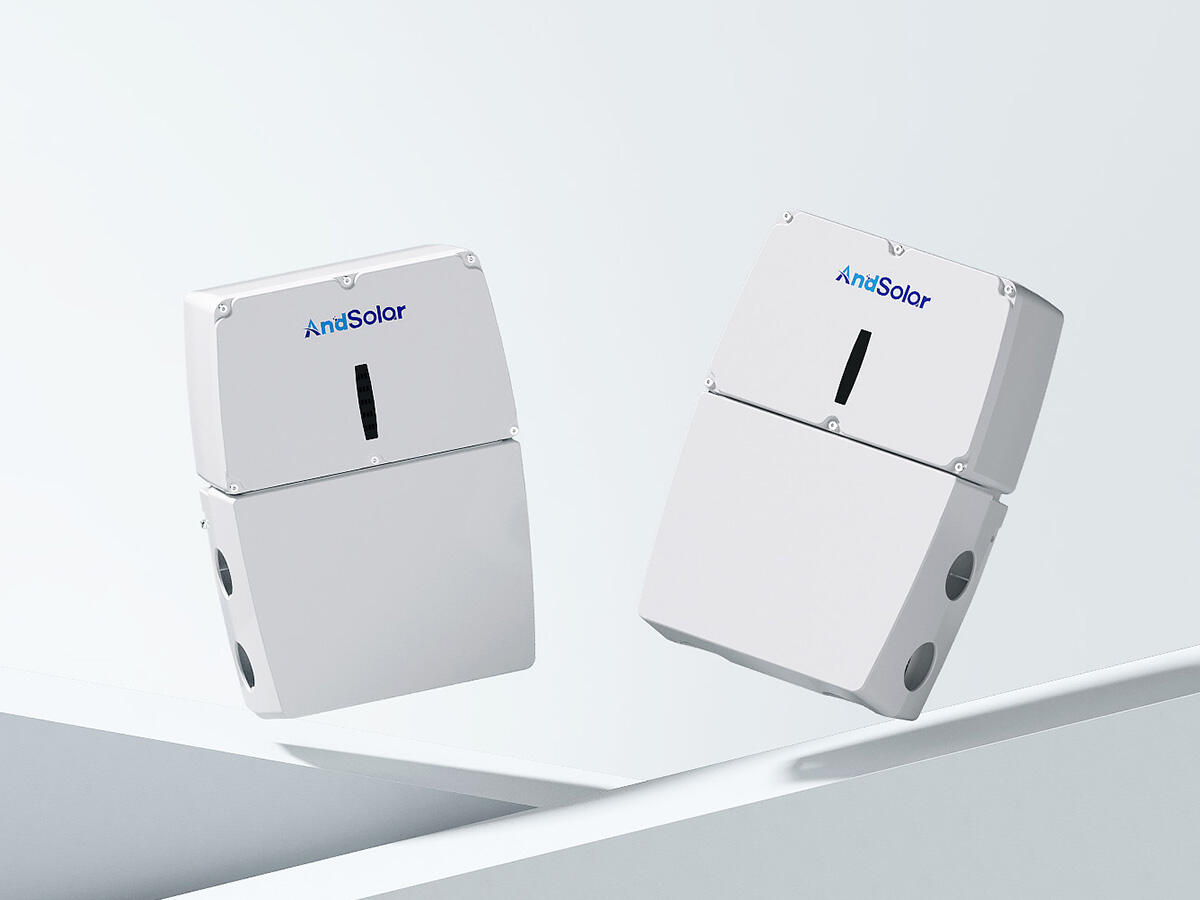
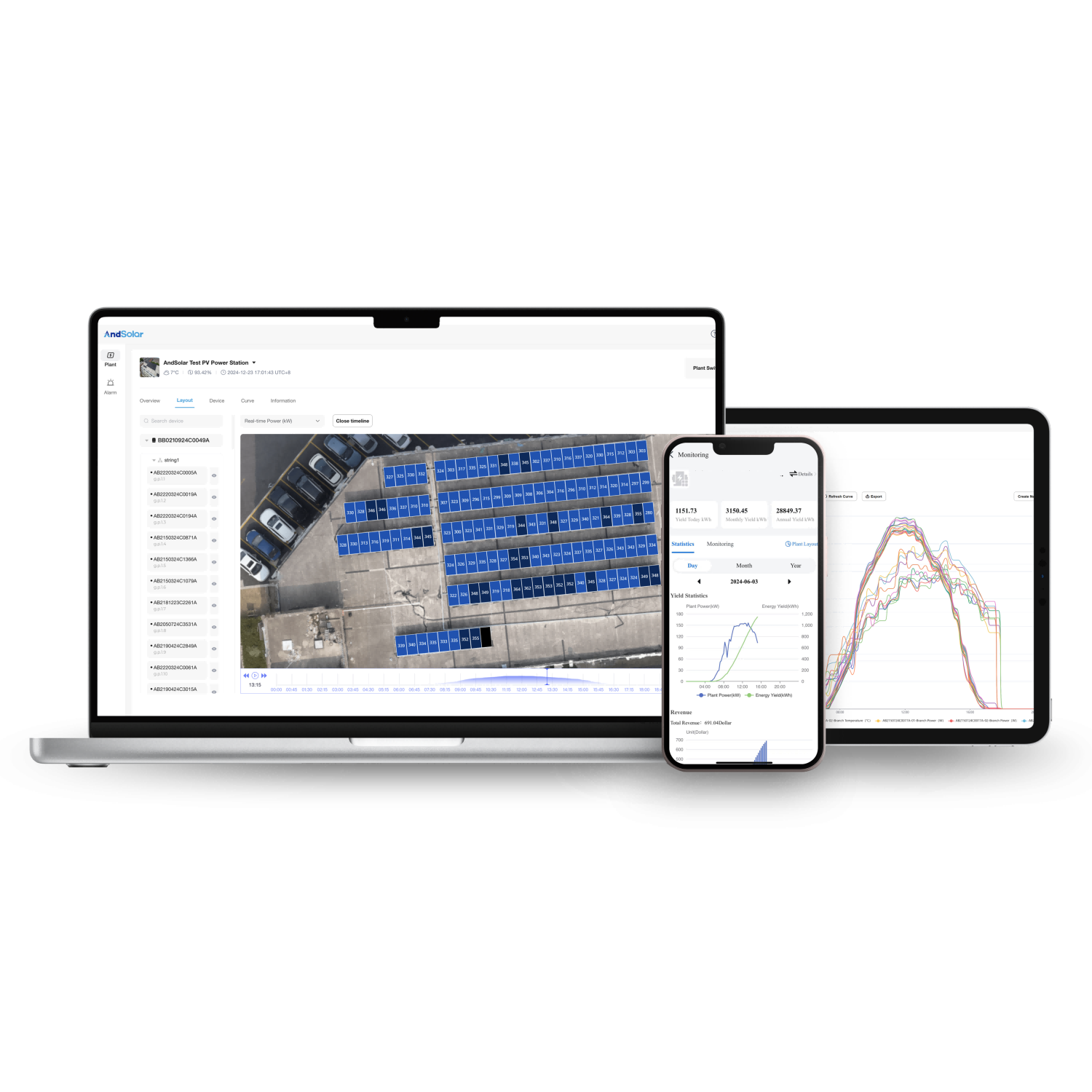
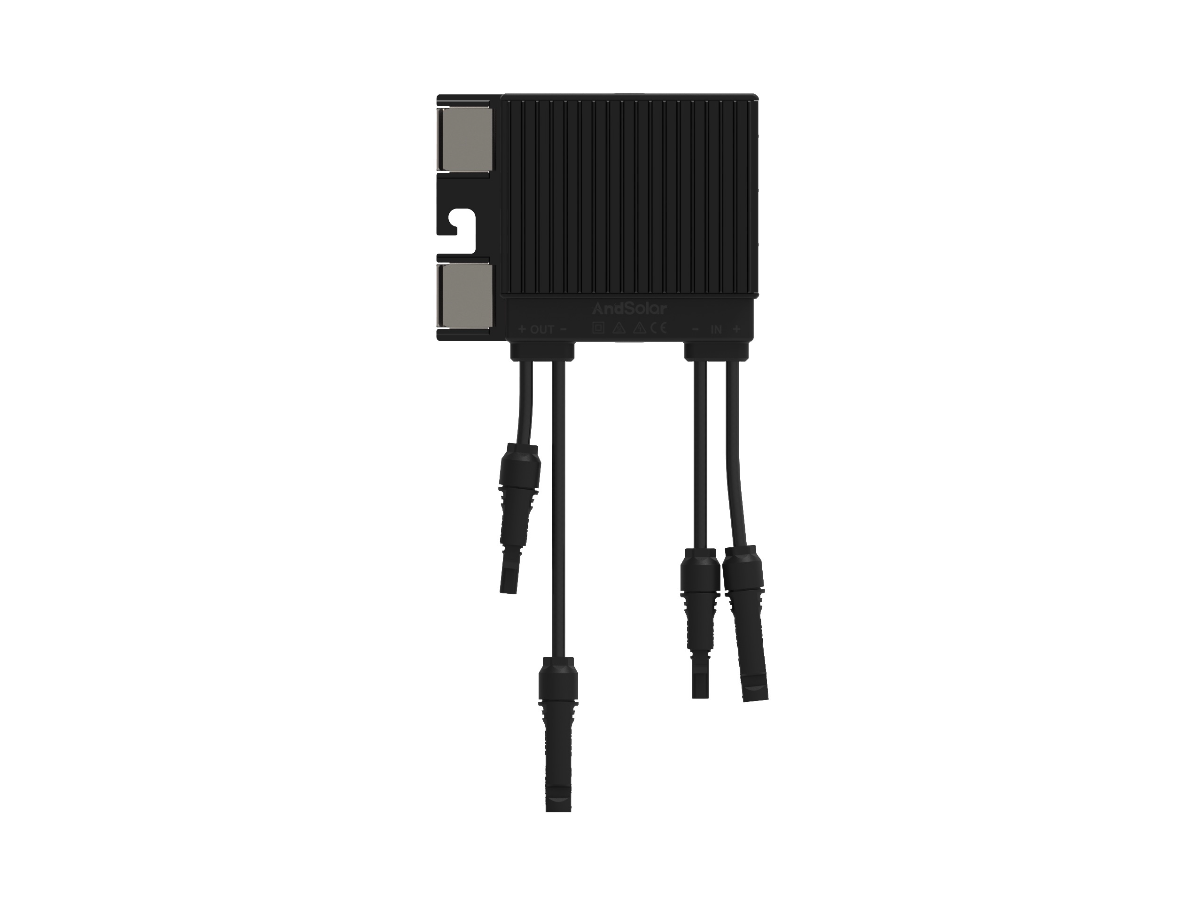
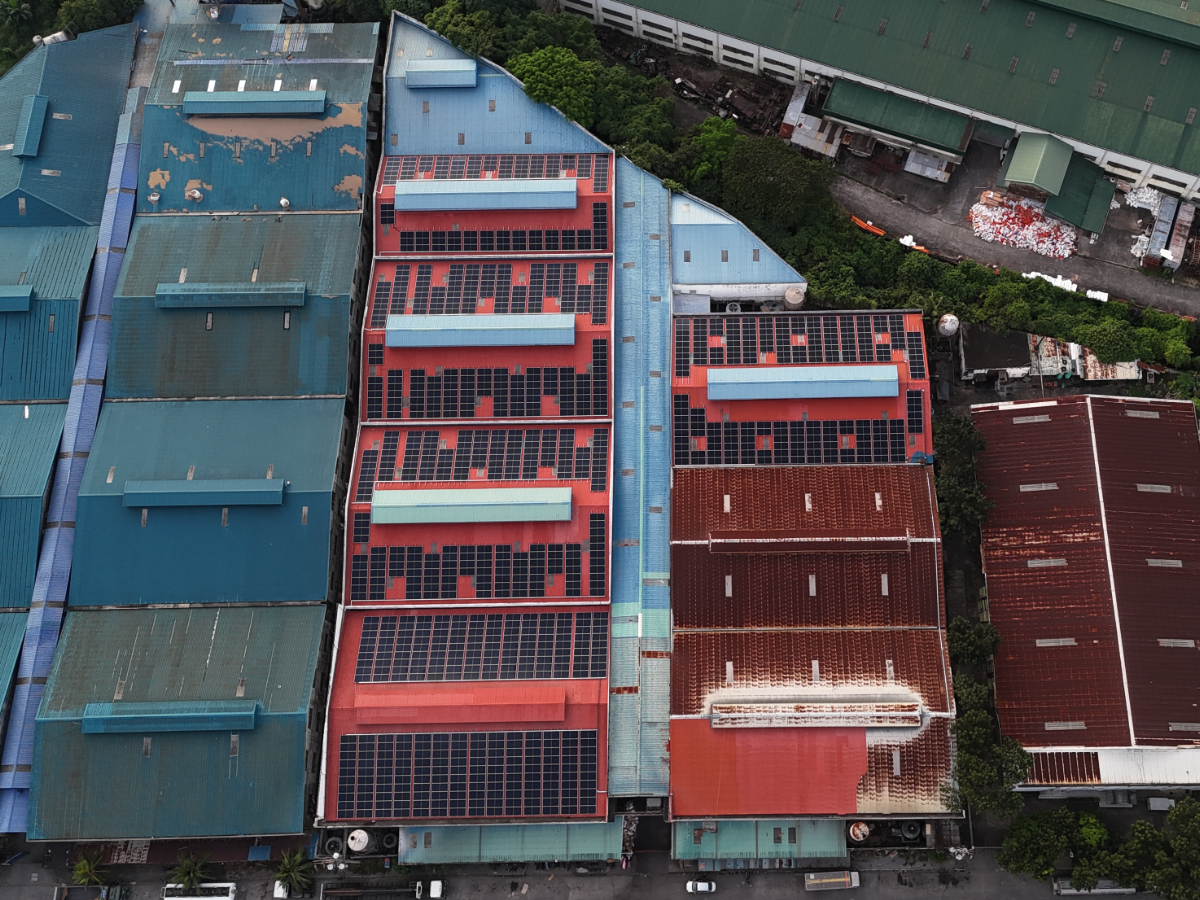
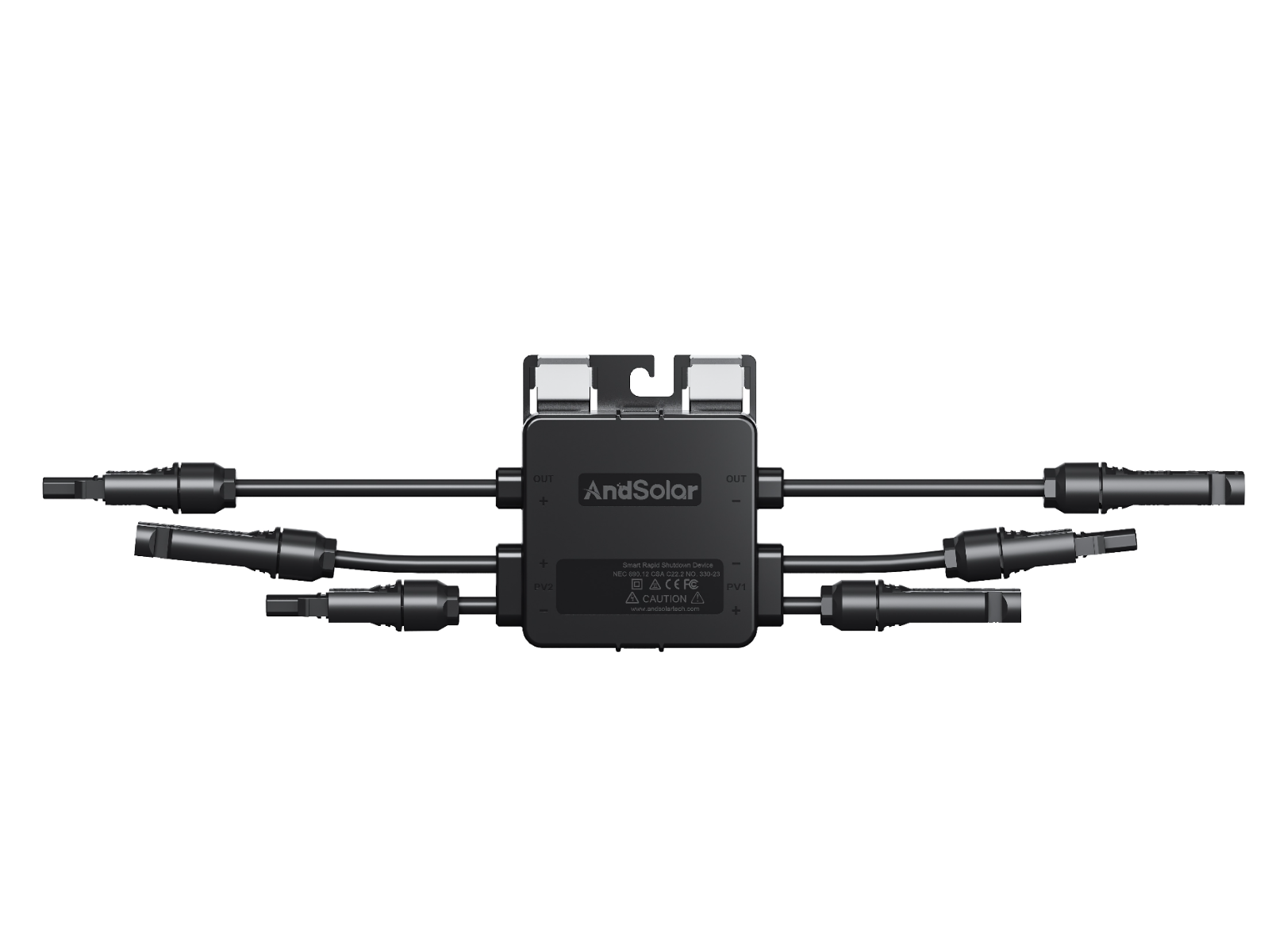
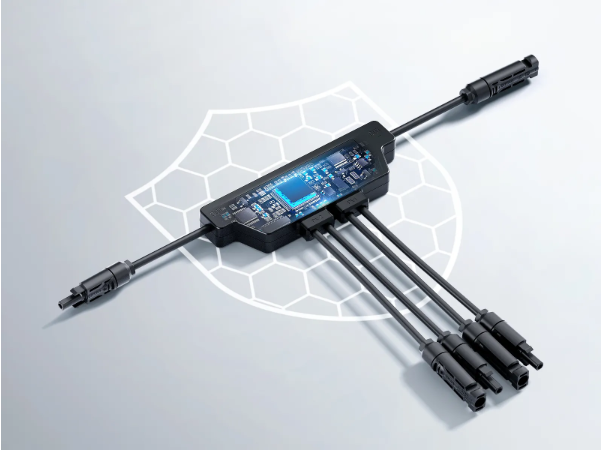
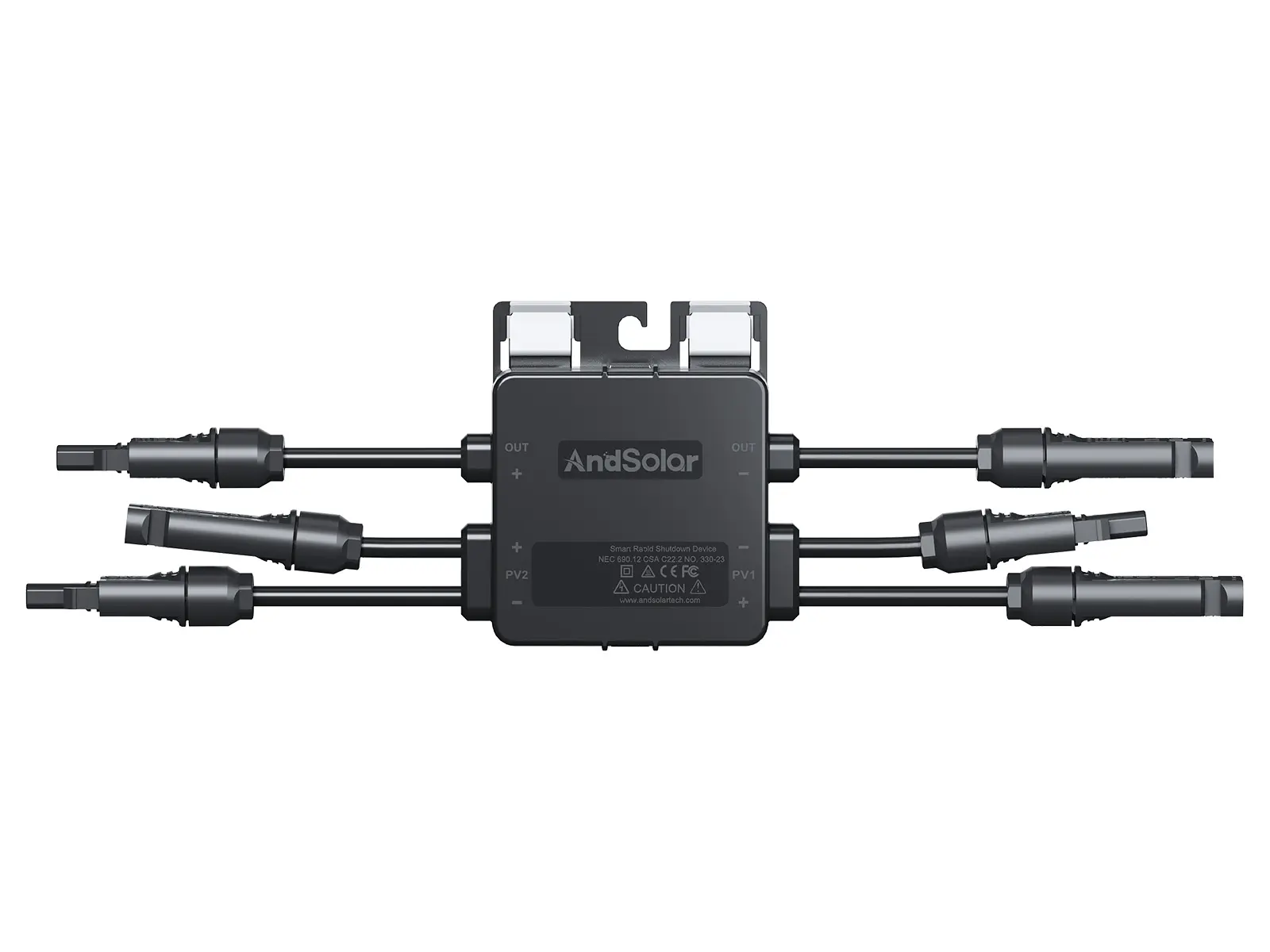
Module-level power electronics for commercial solar represents a revolutionary advancement in photovoltaic system design, transforming how solar energy is harvested, converted, and managed at the individual panel level. This cutting-edge technology integrates sophisticated power conversion components directly into or adjacent to each solar module, creating a distributed architecture that maximizes energy production while enhancing system reliability and monitoring capabilities. The primary functions of module-level power electronics for commercial solar include DC-to-DC power optimization, maximum power point tracking (MPPT) at the module level, and real-time performance monitoring. These systems employ advanced semiconductor technologies, including high-efficiency switching circuits, intelligent control algorithms, and robust communication protocols to ensure optimal energy conversion under varying environmental conditions. The technological features encompass microinverters, power optimizers, and smart junction boxes that work seamlessly to eliminate the negative impacts of partial shading, module mismatch, and aging effects that traditionally plague string-level configurations. Commercial applications span across diverse sectors including retail establishments, manufacturing facilities, office buildings, warehouses, educational institutions, and agricultural operations where maximizing return on investment remains paramount. The module-level power electronics for commercial solar architecture enables precise monitoring of individual panel performance, facilitating predictive maintenance strategies and rapid fault identification. These systems integrate sophisticated thermal management solutions, weather-resistant enclosures, and long-term reliability components designed to withstand harsh commercial environments. Advanced communication capabilities allow seamless integration with building management systems, energy storage solutions, and grid-tie equipment, creating comprehensive energy management ecosystems that adapt to changing operational demands while maintaining peak efficiency throughout the system lifecycle.