PV Inverter
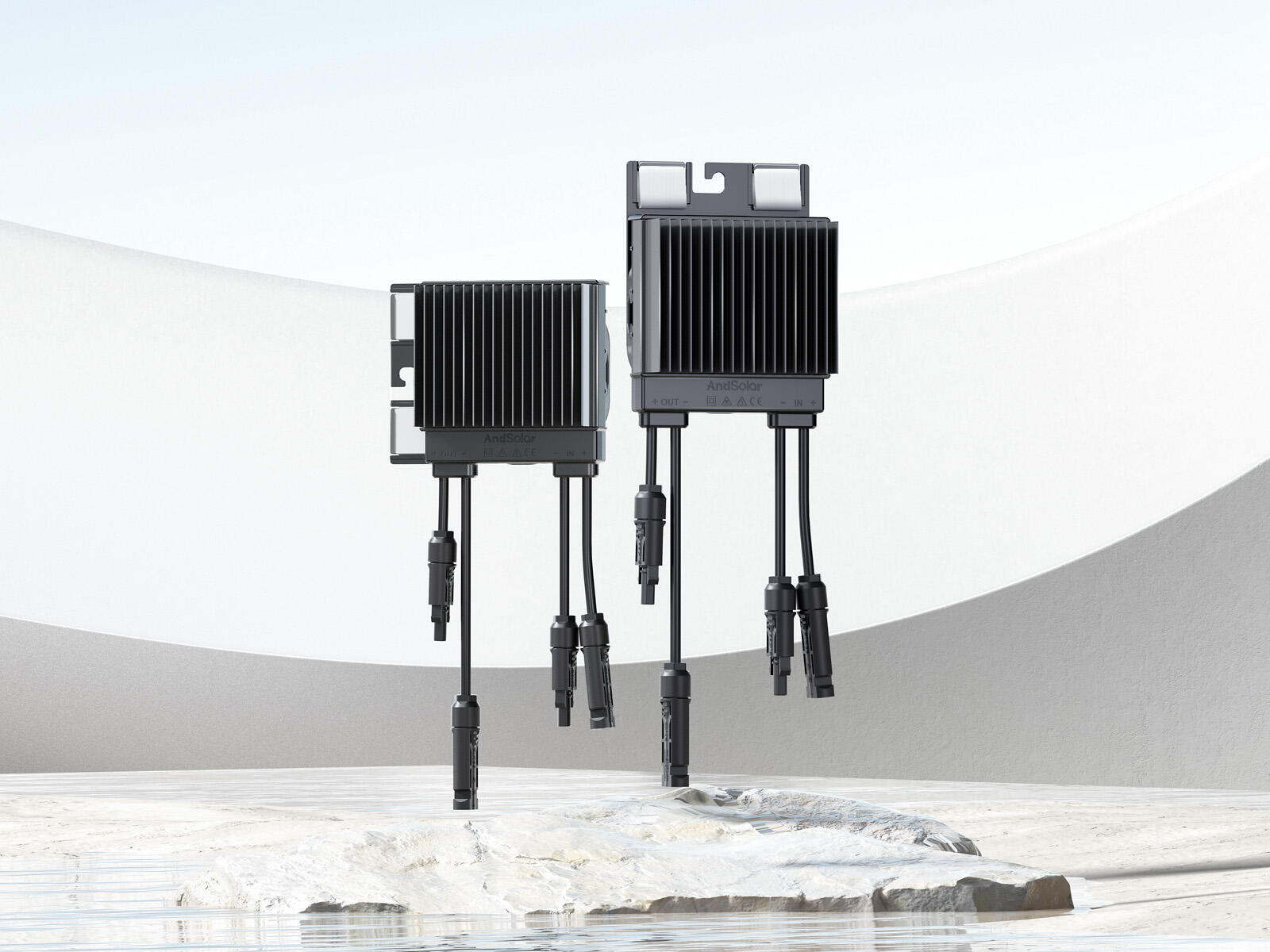
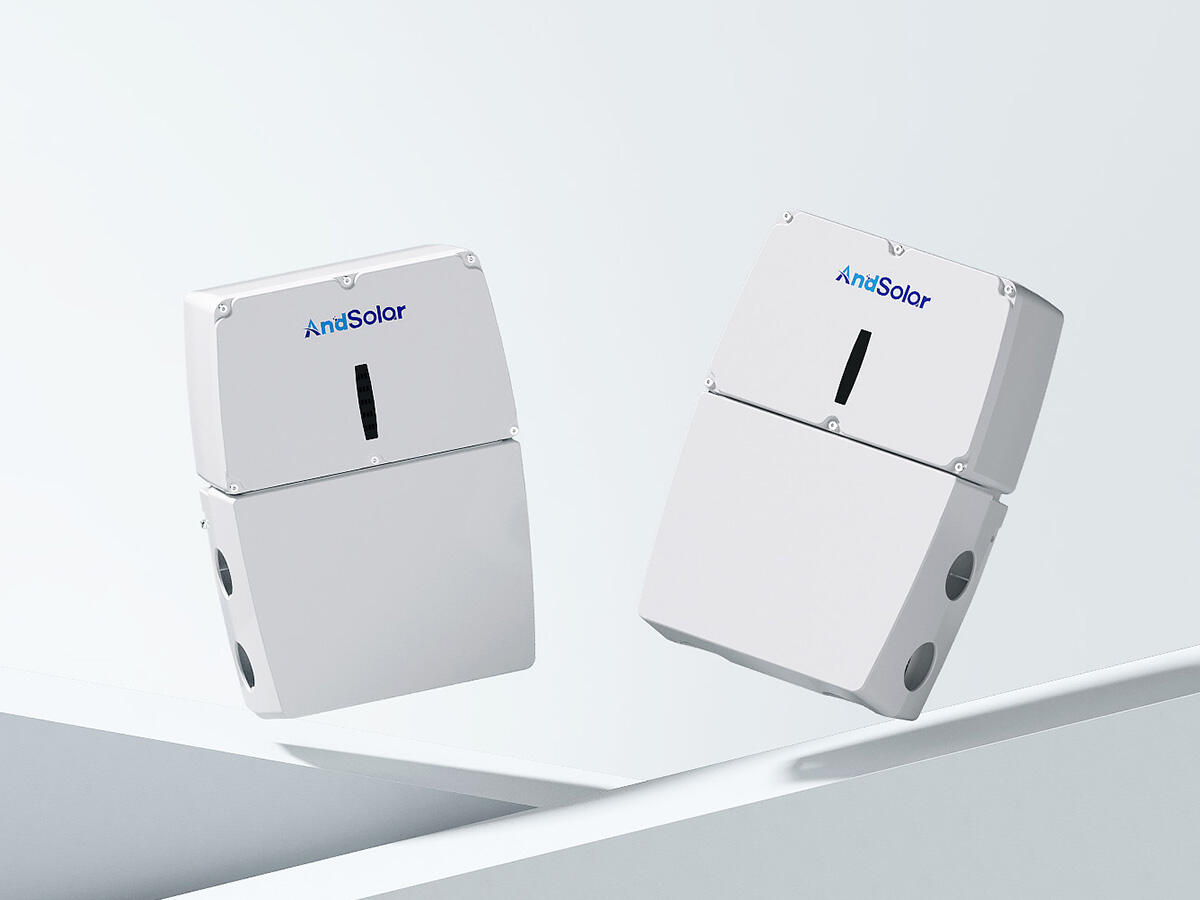
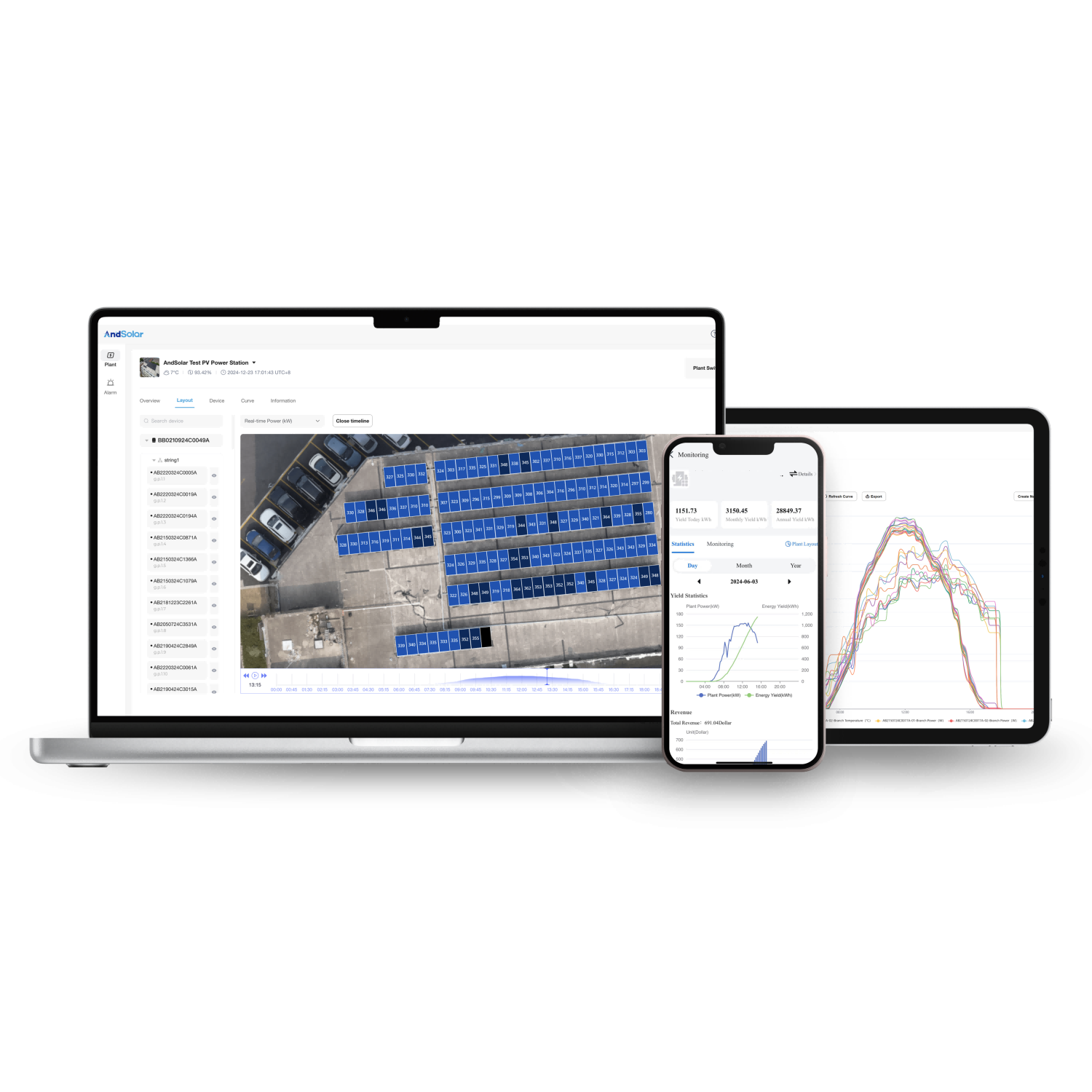
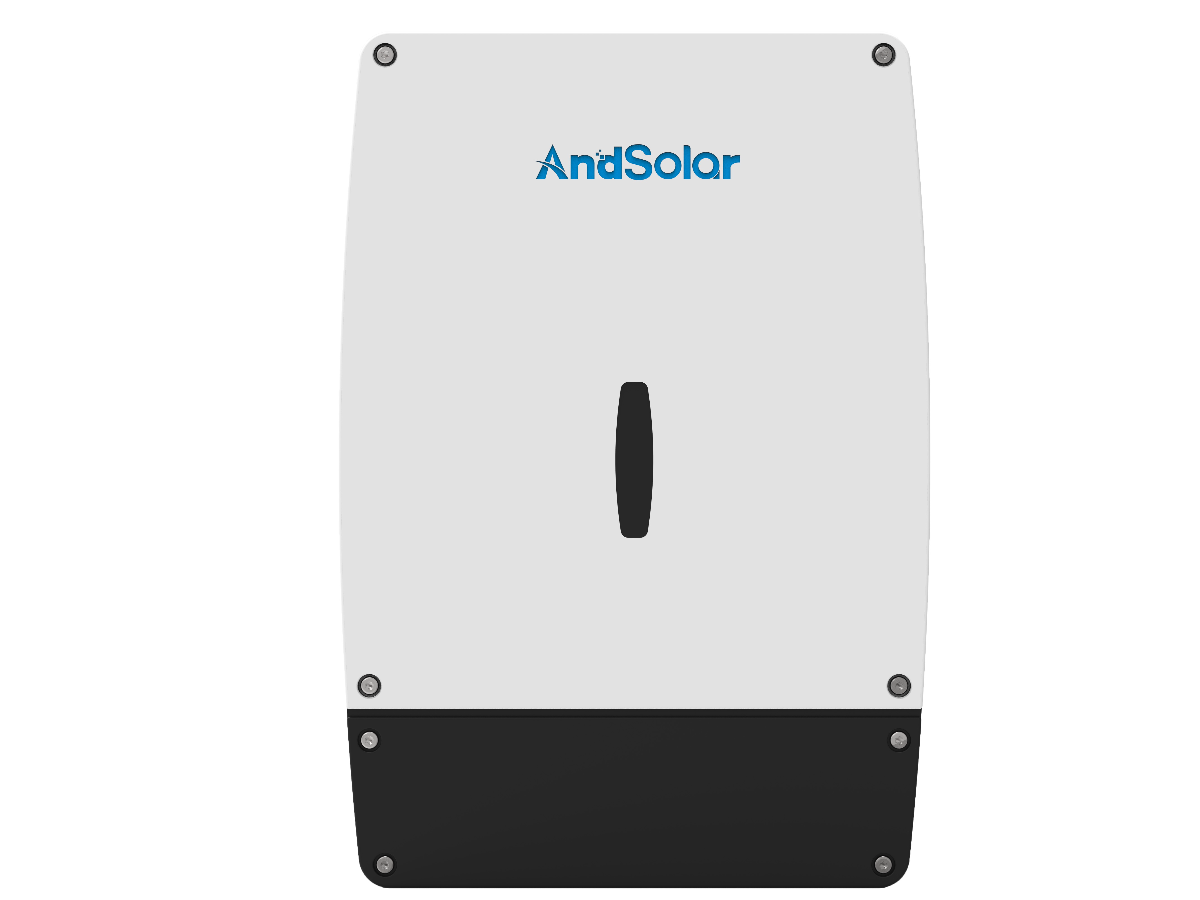
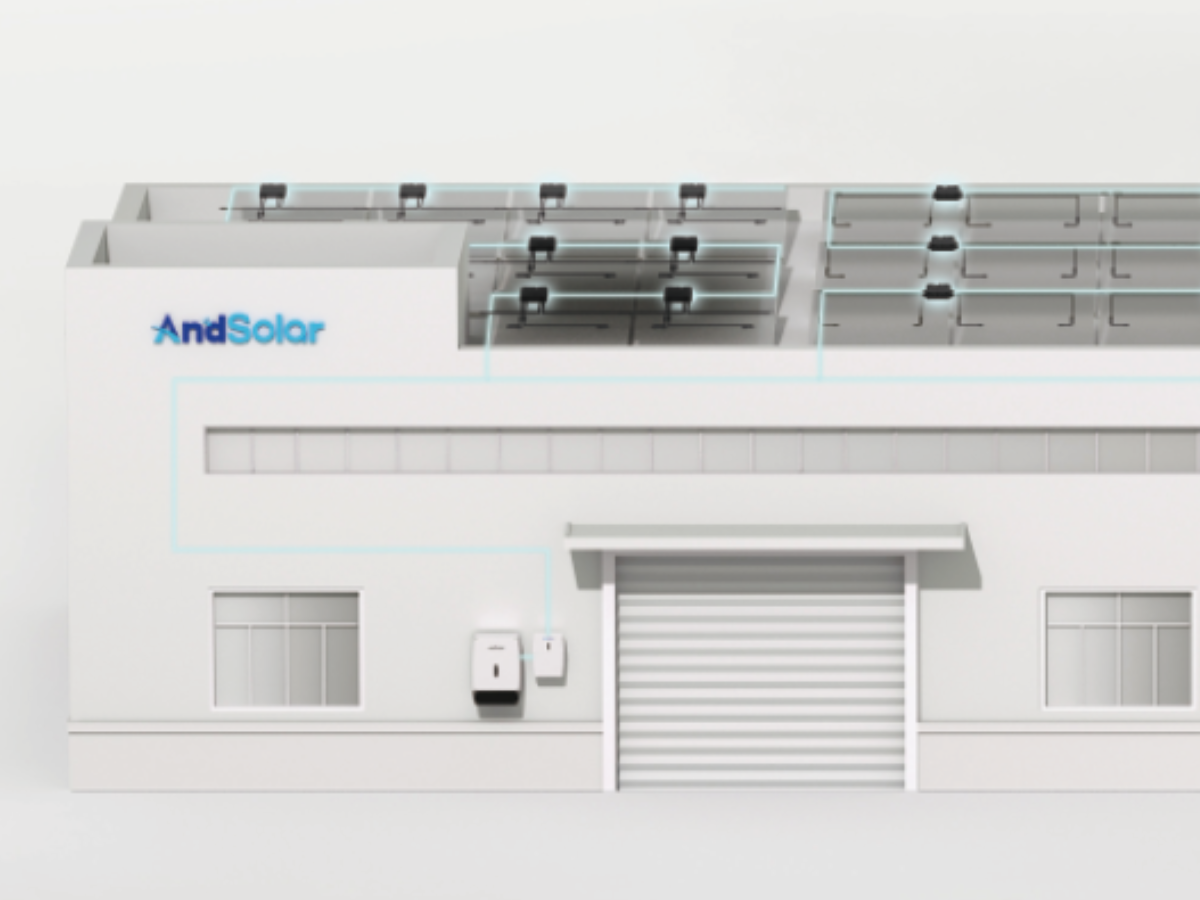
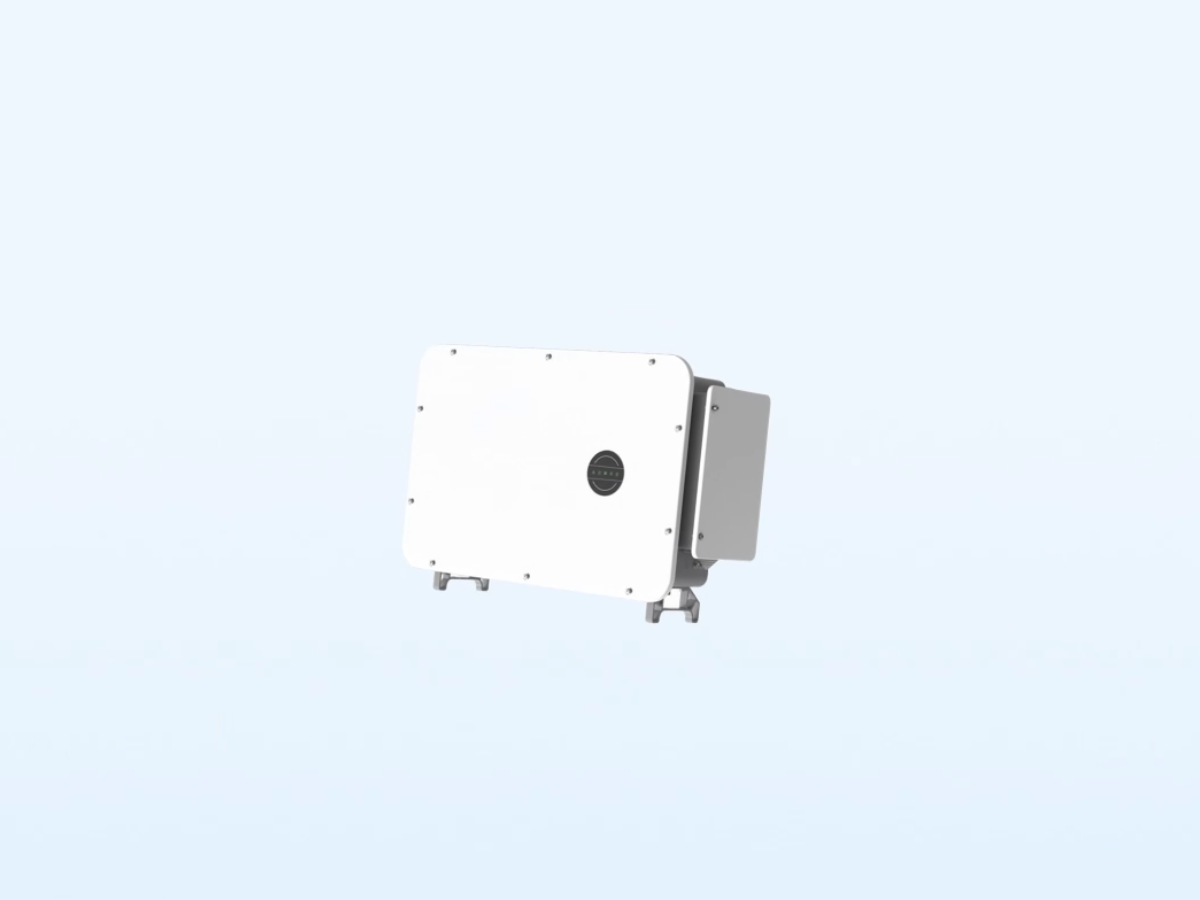
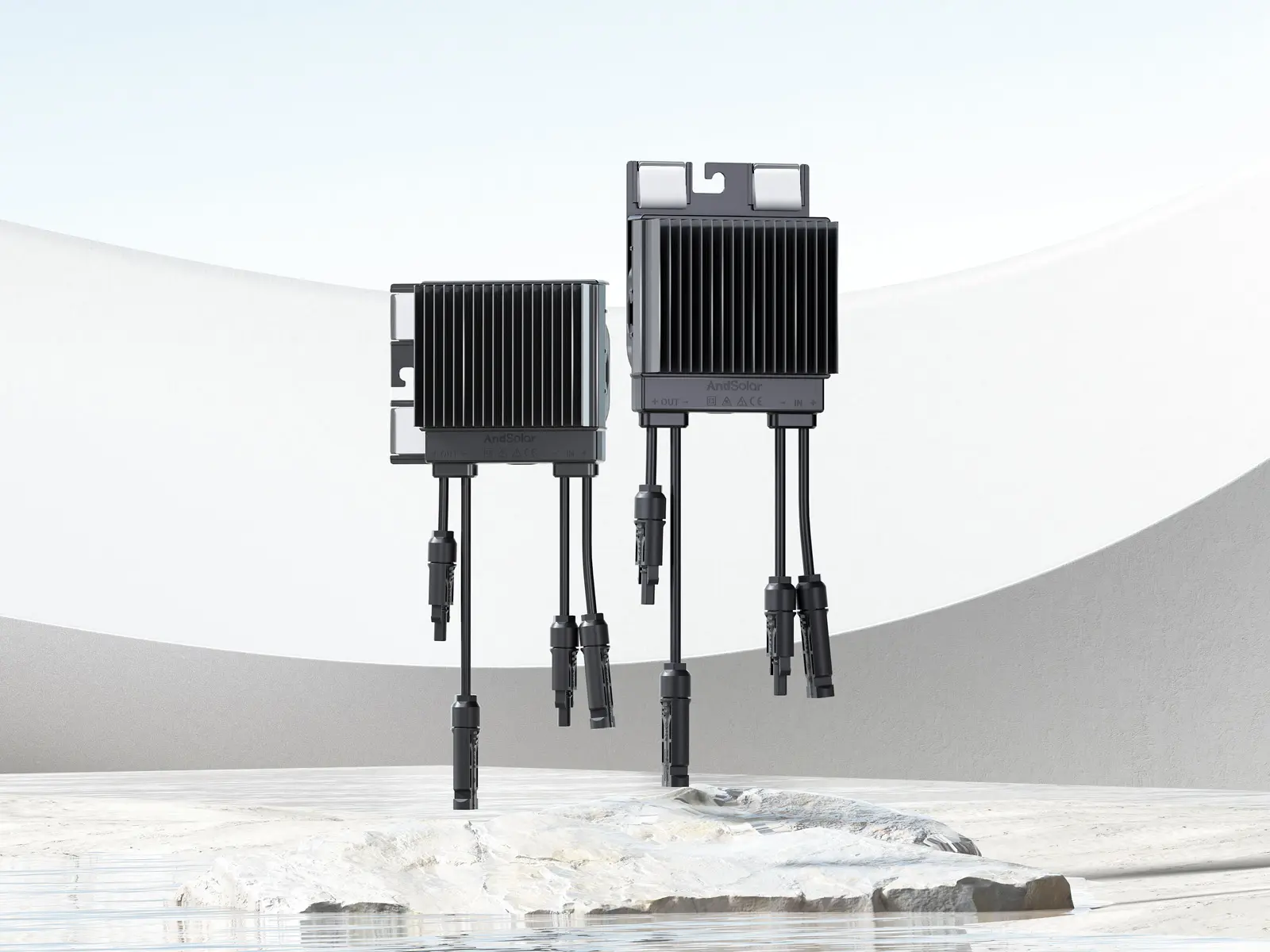
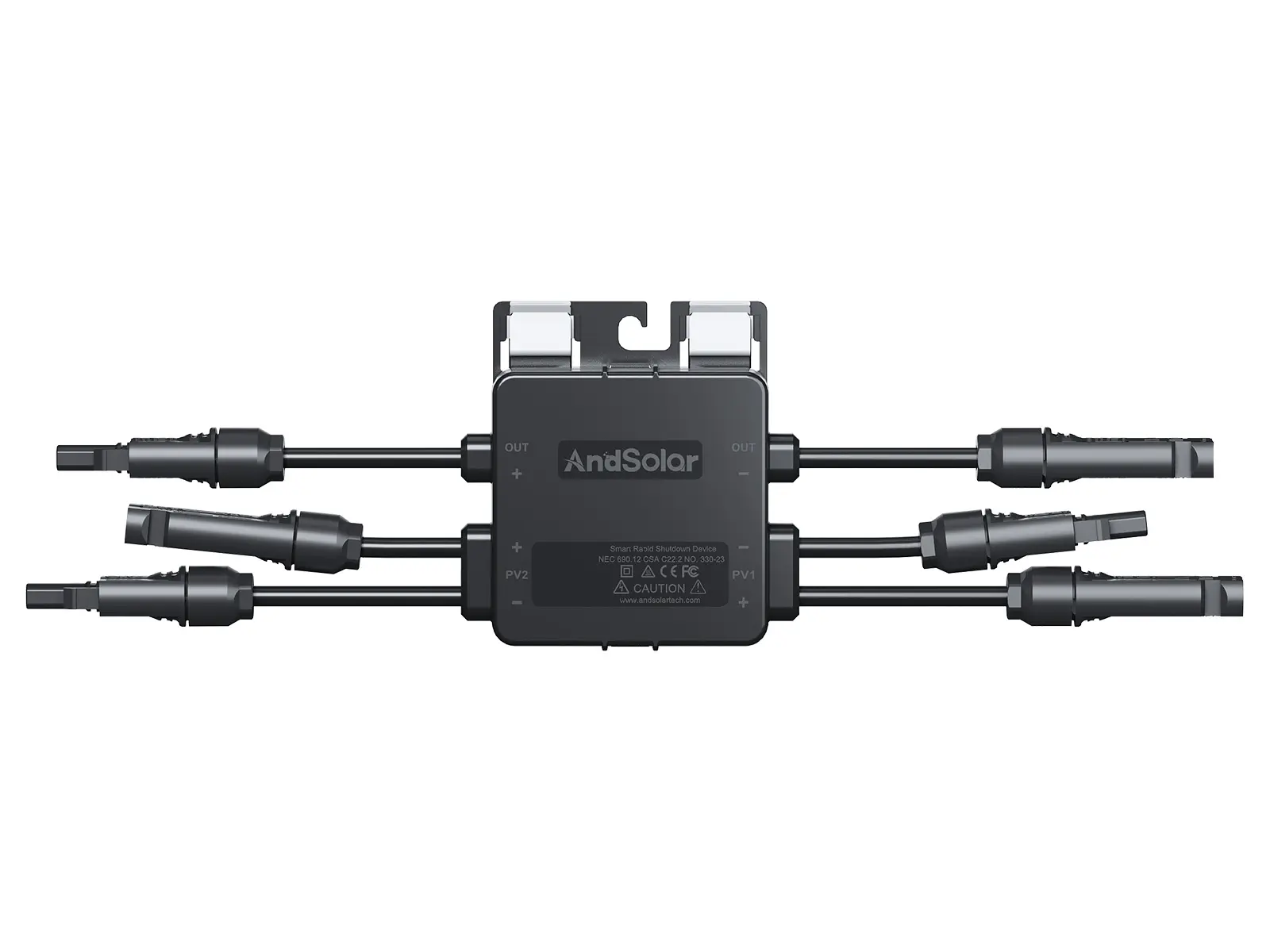
A PV inverter serves as the critical component that transforms direct current electricity generated by solar panels into alternating current power suitable for household appliances and grid connection. This sophisticated device acts as the brain of any solar energy system, ensuring optimal performance and seamless integration with existing electrical infrastructure. Modern PV inverters incorporate advanced microprocessor technology that continuously monitors solar panel output, automatically adjusting voltage and current levels to maximize energy harvest throughout varying weather conditions. The device features comprehensive safety mechanisms including ground fault protection, arc fault detection, and rapid shutdown capabilities that ensure secure operation during maintenance or emergency situations. String inverters, microinverters, and power optimizers represent the three primary categories of PV inverters, each designed to meet specific installation requirements and system configurations. Maximum Power Point Tracking technology enables the PV inverter to extract the highest possible energy output from connected solar panels by constantly analyzing electrical characteristics and adjusting operational parameters. Communication protocols built into contemporary PV inverters allow remote monitoring through smartphone applications and web-based platforms, providing real-time performance data and system diagnostics. Temperature management systems prevent overheating through intelligent cooling mechanisms and thermal regulation, extending equipment lifespan while maintaining consistent performance levels. The PV inverter also incorporates grid synchronization features that match frequency and voltage requirements of local electrical networks, ensuring compliance with utility standards and regulations. Advanced filtering systems eliminate harmonic distortion, producing clean electrical output that protects sensitive electronic equipment from power quality issues. Weatherproof enclosures protect internal components from environmental factors including moisture, dust, and temperature extremes, enabling reliable outdoor installation in diverse climatic conditions.