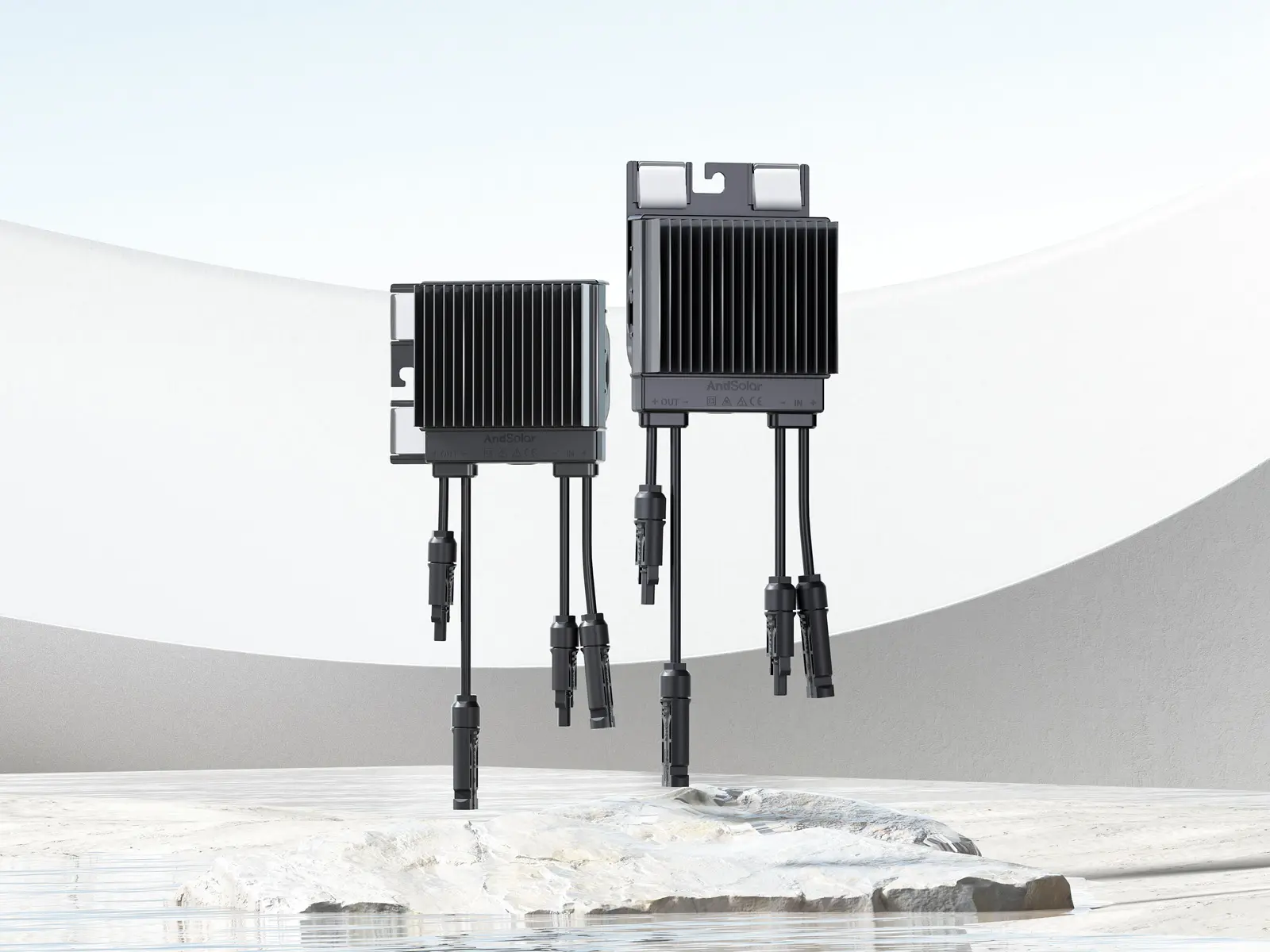
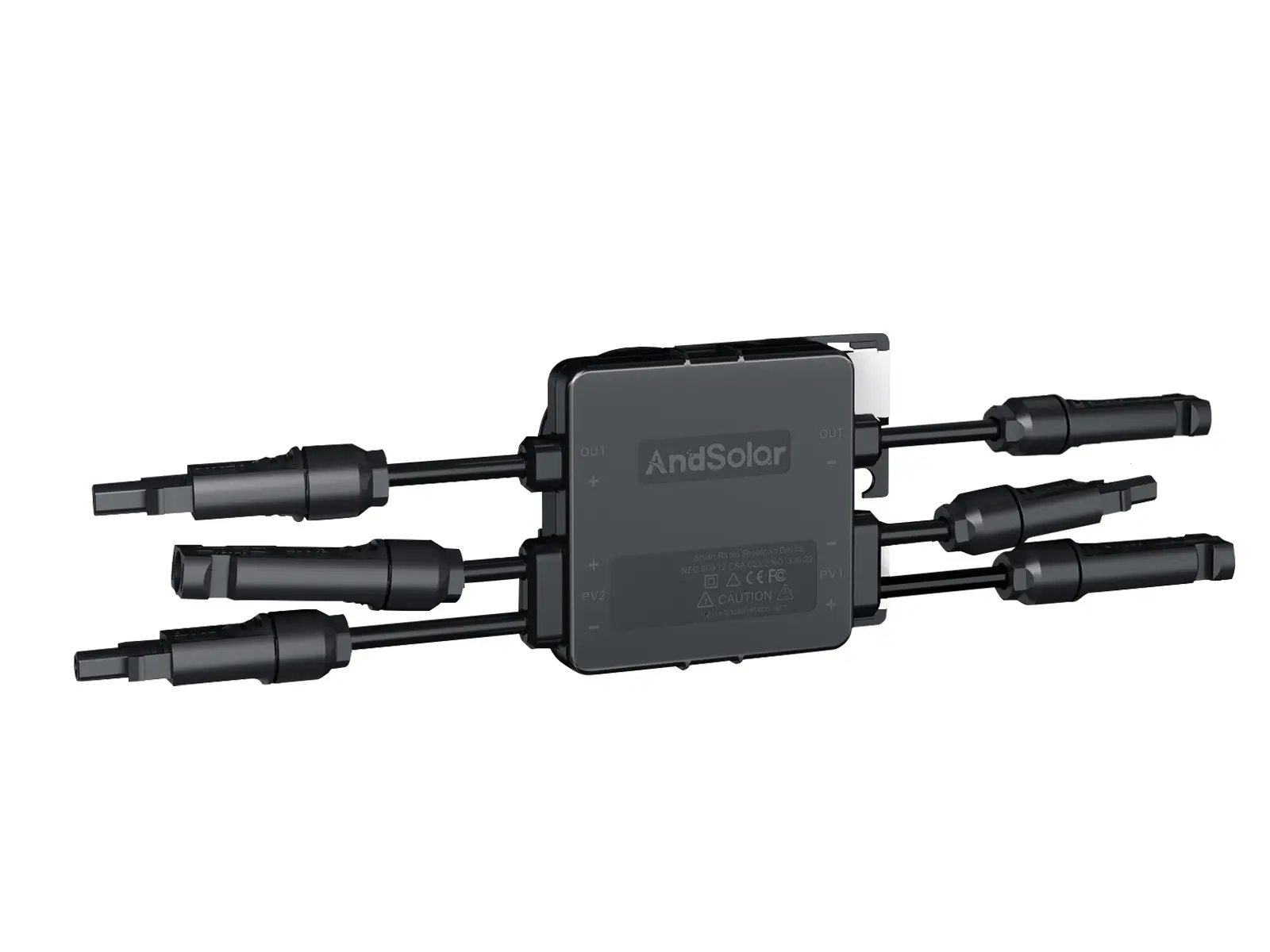
Comprehensive Inverter Price Guide: Features, Benefits & Applications

  • 8F, Block B, Building 1, 286 Qinglonggang Road, Suzhou City, Jiangsu Province, P. R. China
  • [email protected]
AndSolar Cloud

inverter price

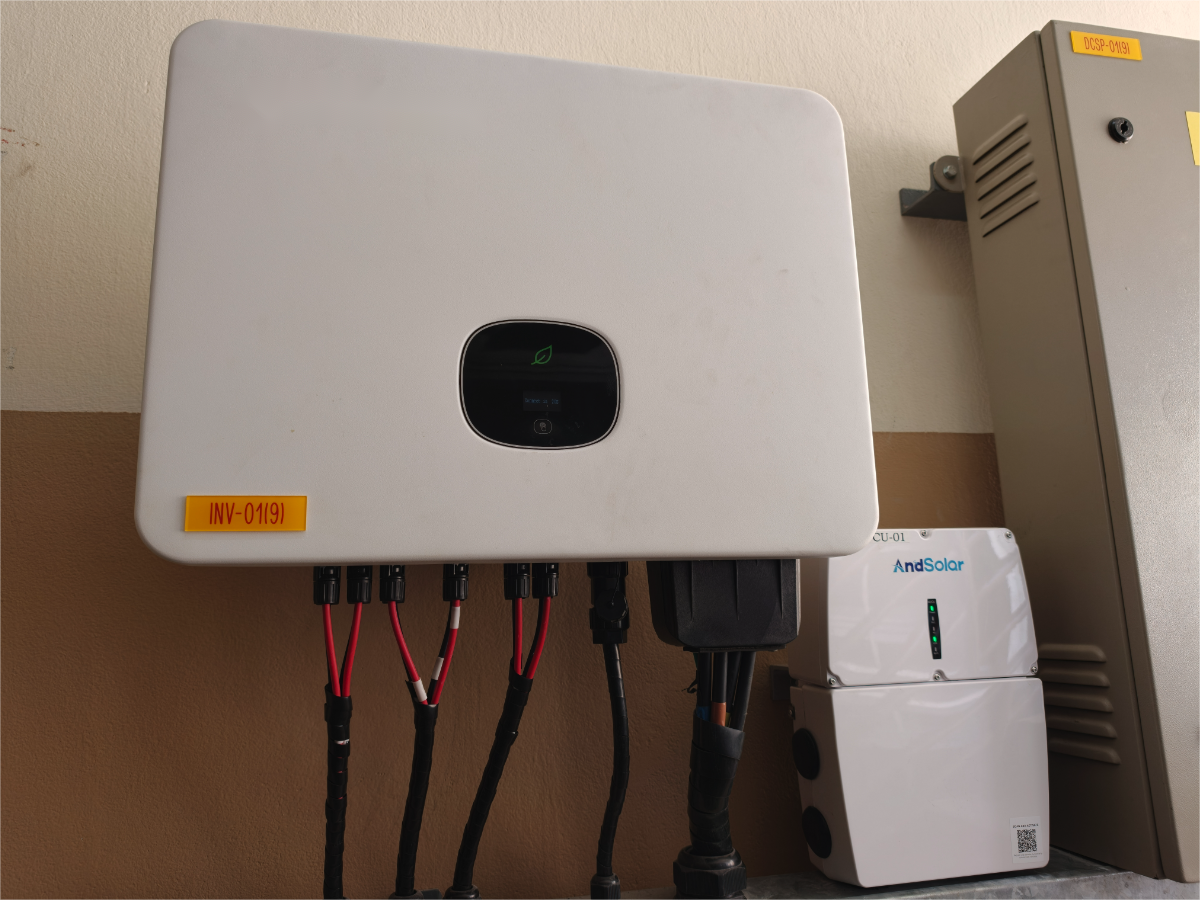
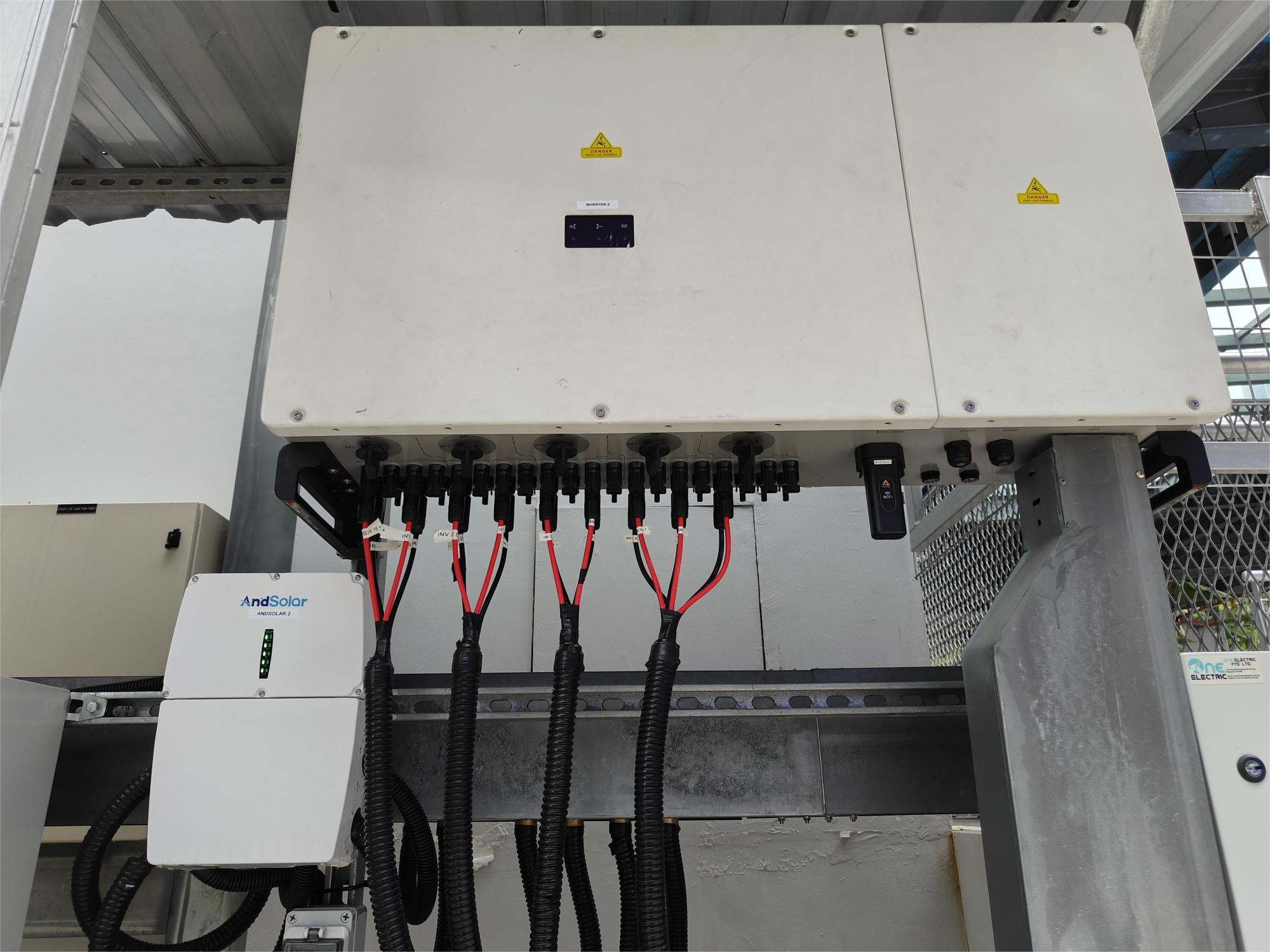
Understanding the inverter price landscape requires examining the fundamental role these devices play in modern electrical systems. An inverter converts direct current (DC) electricity into alternating current (AC), making it an essential component for renewable energy systems, backup power solutions, and various industrial applications. The inverter price varies significantly based on power capacity, efficiency ratings, brand reputation, and technological specifications. When evaluating inverter price options, customers must consider both upfront costs and long-term operational savings. Pure sine wave inverters typically command higher prices than modified sine wave models due to their superior power quality and compatibility with sensitive electronics. The inverter price spectrum ranges from basic residential units costing a few hundred dollars to advanced commercial-grade systems requiring thousands of dollars. Smart inverters equipped with monitoring capabilities and grid-tie functionality often carry premium pricing but deliver enhanced performance metrics. Manufacturing quality directly impacts the inverter price, with established brands offering comprehensive warranties and proven reliability commanding market premiums. Installation complexity also influences total system costs beyond the base inverter price. Modern inverters incorporate advanced features like maximum power point tracking, anti-islanding protection, and remote monitoring capabilities. Energy efficiency ratings significantly affect the inverter price, with higher efficiency models reducing operational costs over time. The inverter price market has become increasingly competitive, driving innovation and improving value propositions for consumers. Geographic location, local regulations, and installation requirements can substantially impact the final inverter price customers pay. Understanding these variables helps buyers make informed decisions when comparing inverter price options across different suppliers and configurations.
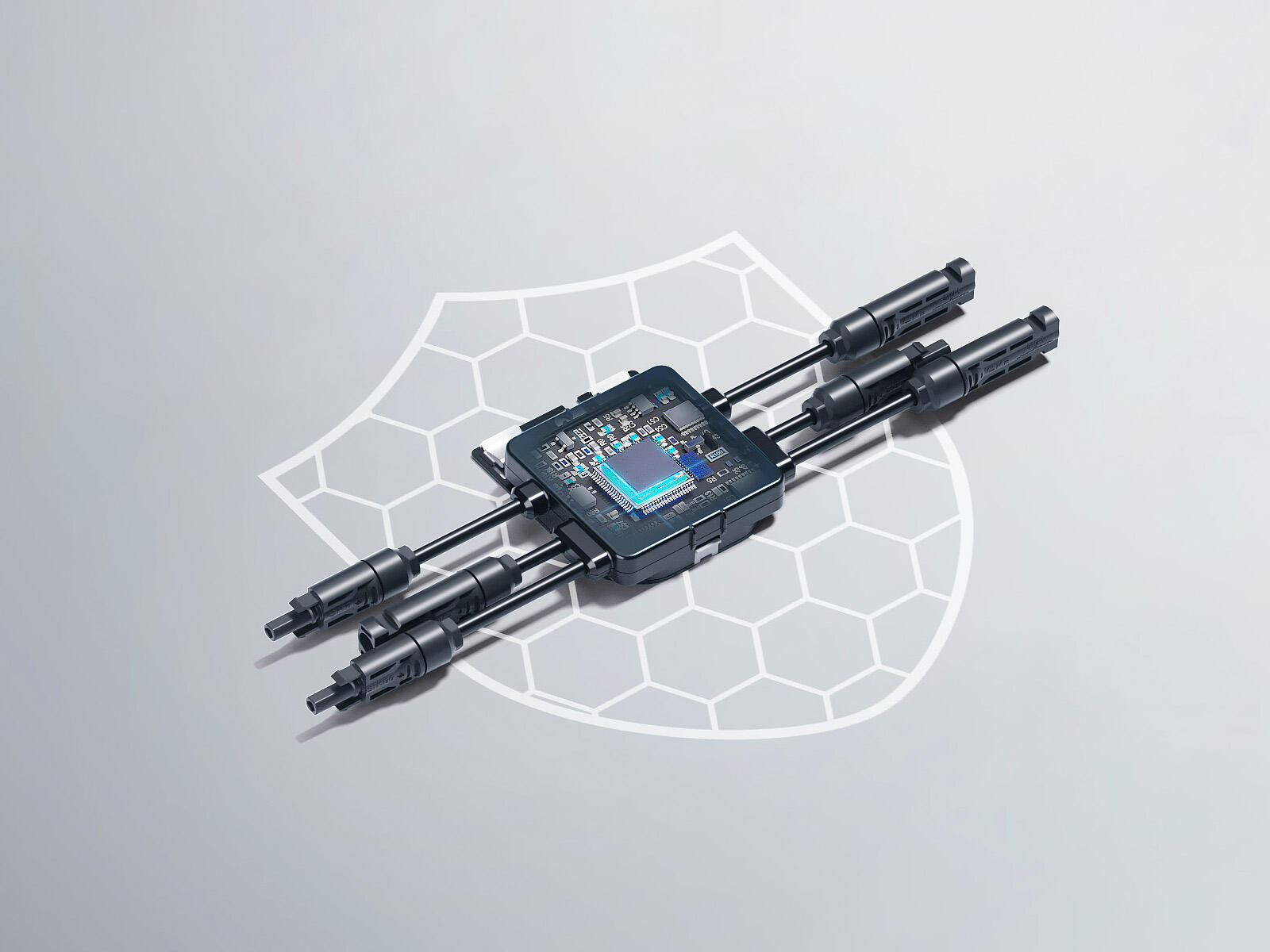
The primary advantage of competitive inverter pricing lies in the democratization of clean energy access, allowing homeowners and businesses to adopt renewable energy solutions without prohibitive upfront investments. Modern inverter price structures have evolved to offer flexible financing options, making solar installations and backup power systems accessible to diverse market segments. Energy independence represents a significant benefit when evaluating inverter price investments, as these systems reduce reliance on volatile utility rates while providing reliable power during outages. The inverter price advantage becomes evident through reduced electricity bills, with many systems paying for themselves within five to seven years through energy savings. Advanced inverters optimize power generation efficiency, maximizing the return on investment despite higher initial inverter price points. Grid-tie inverters allow surplus energy sales back to utilities, creating additional revenue streams that offset the original inverter price expenditure. Environmental benefits associated with inverter investments extend beyond immediate cost savings, contributing to reduced carbon footprints and sustainable energy practices. The inverter price market offers scalable solutions, enabling customers to start with smaller systems and expand capacity as needs grow or budgets allow. Technological improvements have dramatically improved inverter reliability while simultaneously reducing the average inverter price across all categories. Smart monitoring features included in contemporary inverters provide real-time performance data, helping users optimize energy consumption and identify maintenance needs proactively. The competitive inverter price landscape has spurred innovation in battery integration, enabling comprehensive energy storage solutions that maximize system utility. Government incentives and tax credits frequently apply to inverter installations, effectively reducing the net inverter price for qualified purchasers. Maintenance requirements for modern inverters have decreased significantly, with many units offering 10-25 year warranties that protect the initial inverter price investment. Professional installation support has become standardized across the industry, ensuring optimal performance regardless of the specific inverter price range selected. The modular nature of inverter systems allows for cost-effective repairs and upgrades, extending system lifespan beyond the initial inverter price consideration period.

New Product Releases

Cost-Effective Energy Conversion Solutions

Cost-Effective Energy Conversion Solutions

The inverter price advantage manifests most clearly through the exceptional value proposition these devices deliver in energy conversion applications. Modern inverters achieve conversion efficiencies exceeding 95 percent, ensuring minimal energy loss during the DC to AC transformation process. This high efficiency directly translates to reduced operational costs over the system's lifespan, making the initial inverter price investment highly worthwhile. Commercial-grade inverters offer even higher efficiency ratings, with some models achieving 98 percent conversion rates that justify premium inverter price points through superior performance metrics. The cost-effectiveness extends beyond mere efficiency ratings to encompass durability and reliability factors that minimize replacement expenses. Quality inverters operating within optimal temperature ranges can function effectively for 15-20 years, spreading the inverter price investment across decades of reliable service. Advanced thermal management systems protect internal components from heat damage, ensuring consistent performance regardless of ambient conditions. The inverter price comparison should always factor in total cost of ownership rather than focusing solely on upfront expenses. Energy monitoring capabilities integrated into modern inverters provide detailed consumption analytics, enabling users to optimize their electrical usage patterns and maximize the value derived from their inverter price investment. Surge protection features safeguard connected equipment from voltage fluctuations, potentially saving thousands of dollars in replacement costs for sensitive electronics. The scalability inherent in modular inverter designs allows users to expand their systems incrementally, distributing the inverter price burden across multiple purchase cycles while maintaining optimal performance ratios. Warranty coverage has become increasingly comprehensive across the inverter price spectrum, with many manufacturers offering performance guarantees that protect the initial investment. Remote diagnostics capabilities reduce service call requirements, minimizing ongoing maintenance costs associated with the inverter price investment.
Advanced Technology Integration

Advanced Technology Integration

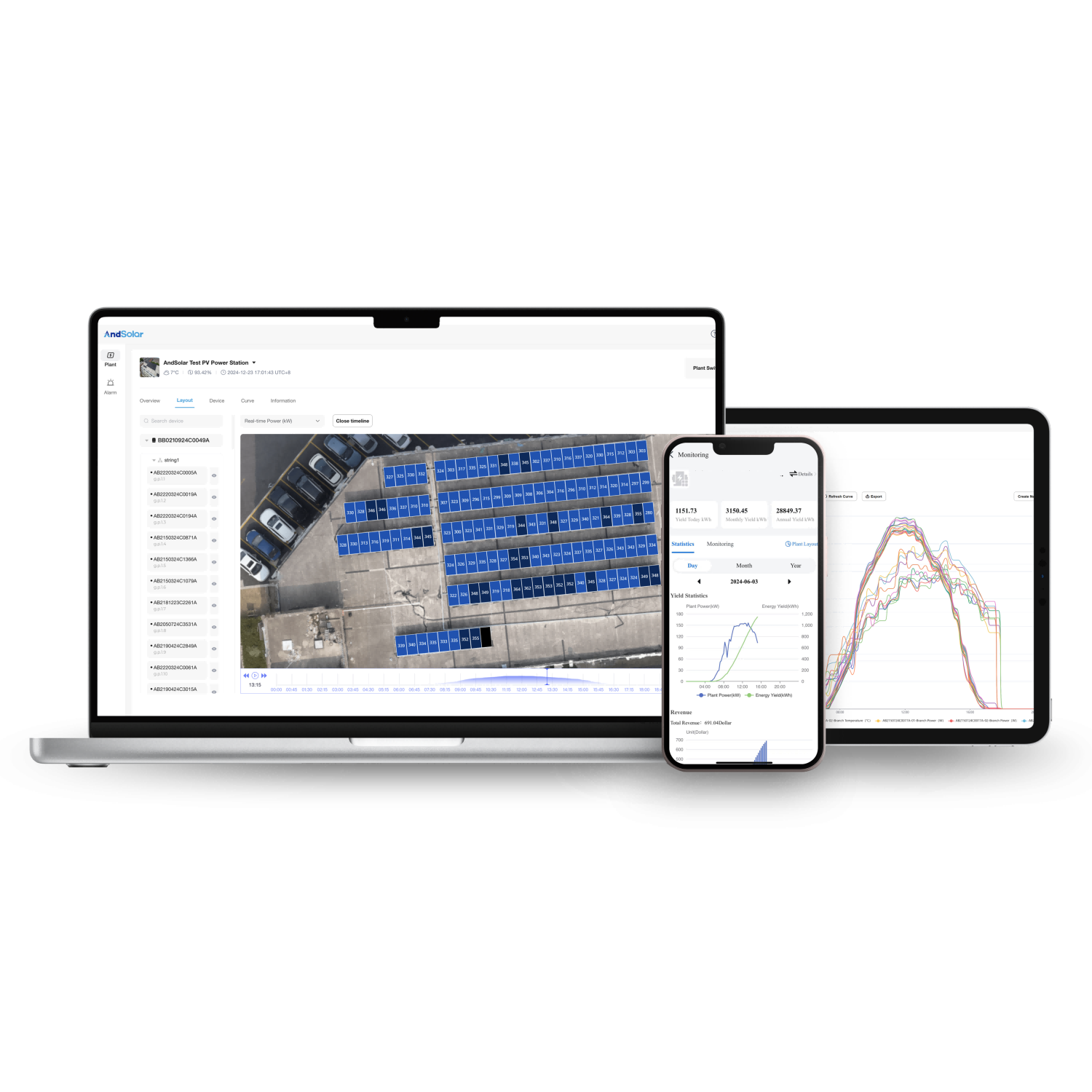
Contemporary inverter technology incorporates sophisticated features that justify varying inverter price levels through enhanced functionality and performance capabilities. Microprocessor-controlled systems provide precise voltage regulation and frequency stability, ensuring optimal power quality for sensitive equipment regardless of input variations. Maximum Power Point Tracking technology optimizes energy harvest from renewable sources, maximizing the return on inverter price investments in solar installations. Grid-tie functionality enables seamless integration with utility networks, allowing bidirectional power flow that can generate revenue through net metering programs. Smart inverters equipped with communication protocols facilitate remote monitoring and control, providing real-time system status updates that help users maximize their inverter price investment value. Anti-islanding protection ensures safe disconnection during utility outages, protecting utility workers while maintaining system integrity. The inverter price differential between basic and smart models reflects these advanced safety and monitoring capabilities. Programmable output settings allow customization for specific applications, ensuring optimal performance across diverse operational requirements. Battery integration capabilities have become standard features across multiple inverter price ranges, enabling comprehensive energy storage solutions. Power factor correction technology improves overall system efficiency while reducing utility demand charges for commercial applications. The inverter price premium for these features typically pays for itself through reduced operational costs and improved system reliability. Harmonic distortion reduction ensures clean power output that protects connected equipment from potential damage caused by poor power quality. Temperature compensation algorithms adjust operating parameters based on environmental conditions, maintaining optimal performance across varying climates. Fault detection and diagnostic systems provide early warning of potential issues, enabling proactive maintenance that extends system lifespan beyond initial inverter price projections. Firmware update capabilities ensure continued compatibility with evolving grid standards and regulations, protecting the long-term value of inverter price investments.
Versatile Application Compatibility

Versatile Application Compatibility

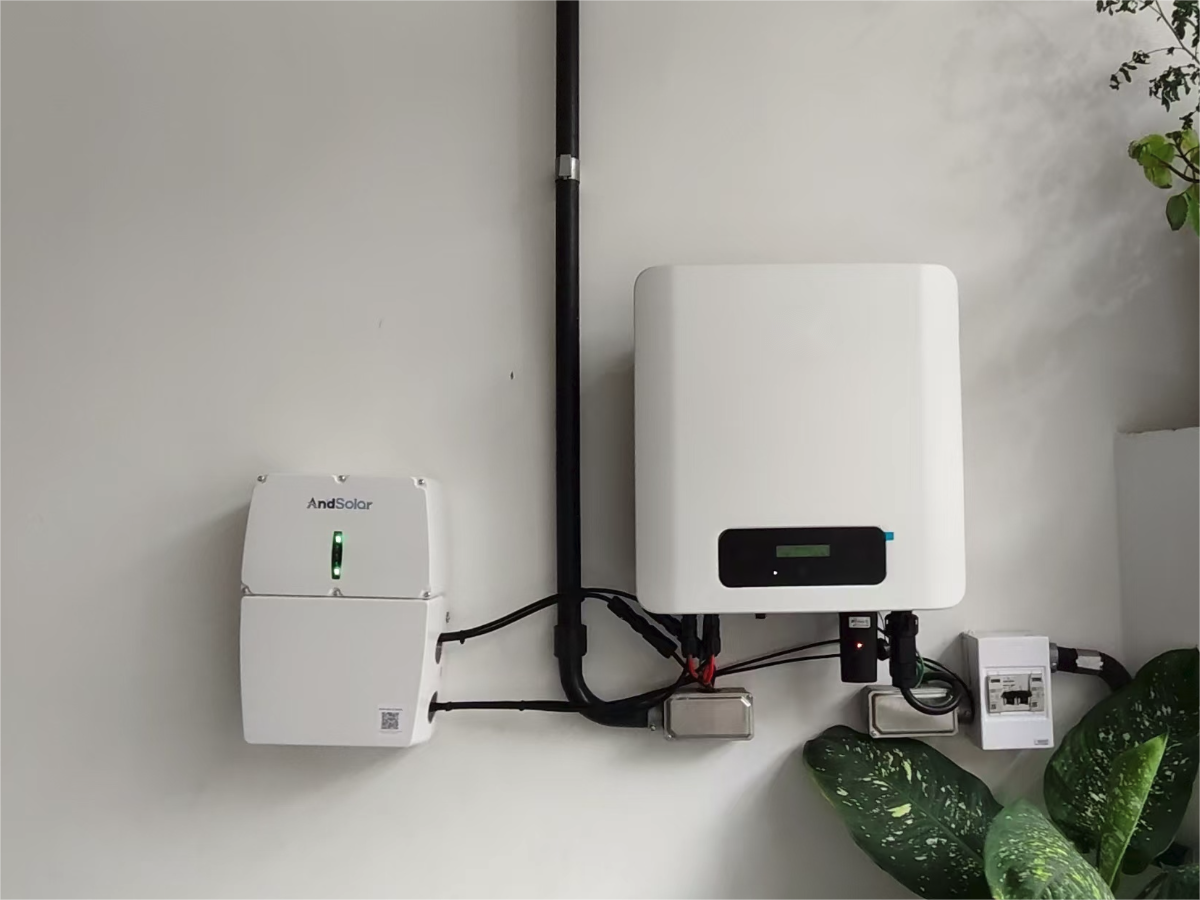
The inverter price market accommodates diverse application requirements through specialized designs optimized for residential, commercial, and industrial installations. Residential inverters focus on quiet operation and compact form factors while maintaining competitive inverter price points suitable for homeowner budgets. Commercial applications require higher power densities and enhanced monitoring capabilities, justifying increased inverter price levels through superior performance specifications. Marine and RV inverters incorporate ruggedized construction and vibration resistance, commanding premium inverter price points due to specialized engineering requirements. Off-grid applications benefit from inverters with integrated battery charging capabilities, providing comprehensive power management despite higher inverter price investments. Grid-interactive systems enable participation in demand response programs, generating additional revenue streams that offset initial inverter price expenditures. Industrial inverters handle three-phase power conversion with precise frequency control, supporting manufacturing processes that require stable power quality regardless of inverter price considerations. Emergency backup systems prioritize rapid transfer times and automatic operation, features that influence inverter price but provide critical functionality during power outages. Portable inverters offer mobility and convenience for temporary applications, with inverter price points scaled to match power output requirements. Solar string inverters optimize power harvest from photovoltaic arrays, with inverter price structures reflecting the complexity of maximum power point tracking algorithms. Microinverters provide module-level optimization for solar installations, distributing the inverter price across multiple smaller units while enhancing system reliability. Wind turbine applications require specialized inverters capable of handling variable input frequencies, commanding specific inverter price premiums for this functionality. Electric vehicle charging stations incorporate high-frequency inverters optimized for rapid energy transfer, justifying elevated inverter price levels through specialized performance characteristics. Medical equipment applications demand ultra-clean power output with minimal harmonic distortion, requirements that influence inverter price through enhanced filtering and regulation circuits. The versatility inherent in modern inverter designs ensures appropriate solutions across all application categories while maintaining reasonable inverter price structures.

Get a Free Quote

Our representative will contact you soon.
Name
Email
Phone/ WhatsApp
Company Name
Product Selection
Message
0/1000

inverter price

Latest News

How Does Rapid Shutdown Enhance Safety?

16

Jun

How Does Rapid Shutdown Enhance Safety?

Understanding Rapid Shutdown in Solar Systems The Role of Rapid Shutdown Devices Rapid shutdown devices (RSD) are essential components of modern solar photovoltaic (PV) systems. Their primary purpose is to enhance safety by swiftly disconnecting pow...
View More
How Smart Solar Optimizer Reduces Energy Loss

17

Sep

How Smart Solar Optimizer Reduces Energy Loss

Revolutionizing Solar Energy Efficiency Through Advanced Optimization The solar energy industry has witnessed remarkable transformations, with smart solar optimizers emerging as game-changing technology. These innovative devices are revolutionizing h...
View More
Understanding ABNT NBR 17193:2025 & Rapid Shutdown: Everything You Need to Know

23

Sep

Understanding ABNT NBR 17193:2025 & Rapid Shutdown: Everything You Need to Know

The Evolution of Solar Safety Standards in Brazil The solar energy landscape in Brazil is undergoing a significant transformation with the introduction of ABNT NBR 17193:2025, particularly focusing on rapid shutdown requirements. This revolutionary s...
View More
Global Rapid Shutdown Standards: How AndSolar Meets the Standards

23

Sep

Global Rapid Shutdown Standards: How AndSolar Meets the Standards

Understanding Solar Safety Through Rapid Shutdown Innovation The evolution of solar energy systems has brought unprecedented focus on safety protocols, with rapid shutdown standards emerging as a crucial component in modern solar installations. These...
View More

Get a Free Quote

Our representative will contact you soon.
Name
Email
Phone/ WhatsApp
Company Name
Product Selection
Message
0/1000