Complete Solar Inverter Guide: Advanced Technology, Benefits & Smart Grid Integration Solutions

  • 8F, Block B, Building 1, 286 Qinglonggang Road, Suzhou City, Jiangsu Province, P. R. China
  • [email protected]
AndSolar Cloud

solar inverter

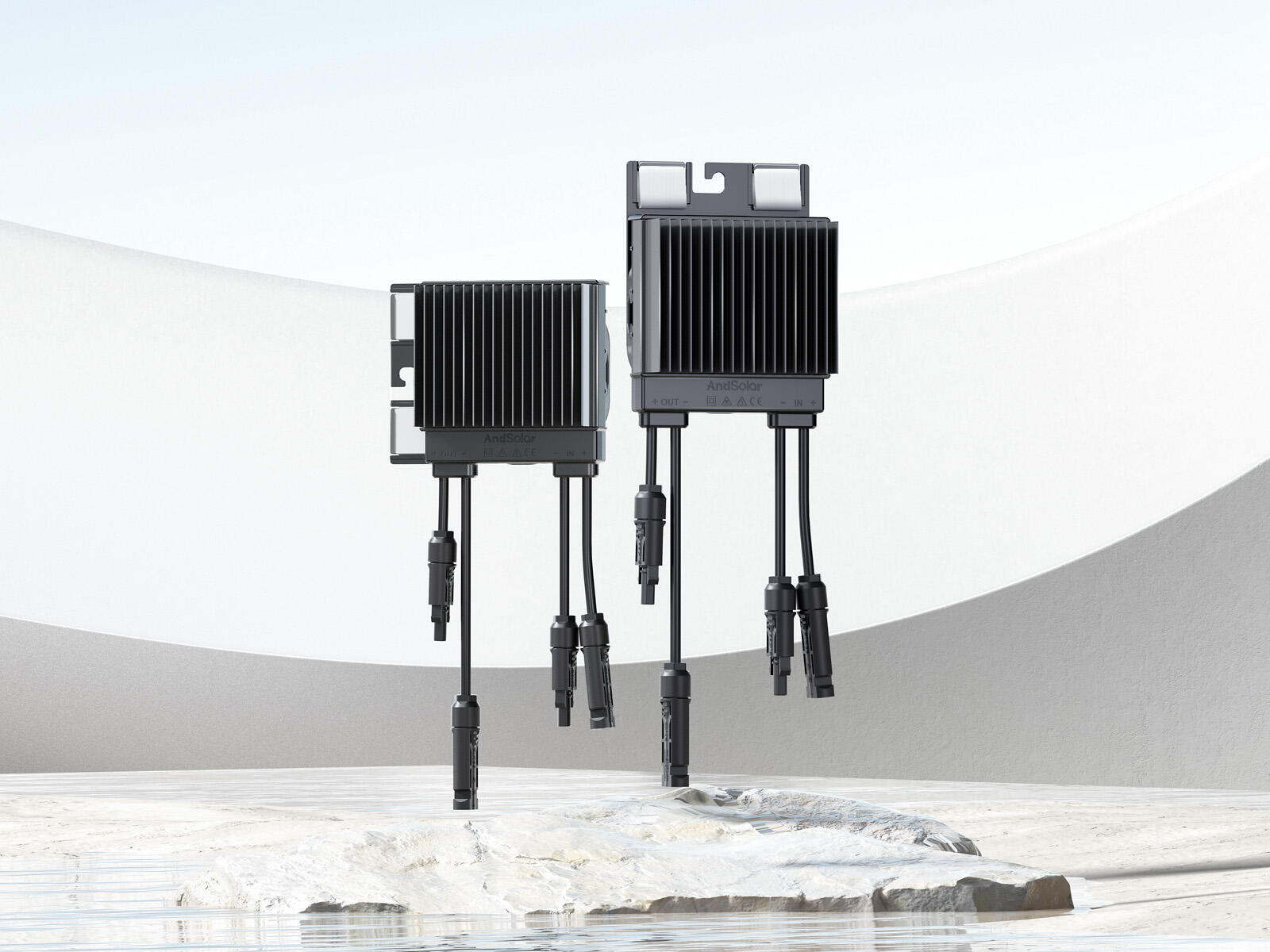
A solar inverter represents the critical heart of any photovoltaic energy system, serving as the essential bridge between solar panels and usable electricity in homes and businesses. This sophisticated electronic device transforms the direct current (DC) electricity generated by solar panels into alternating current (AC) electricity that powers household appliances and feeds into the electrical grid. The solar inverter operates through advanced power electronics, utilizing switching circuits and transformers to achieve this crucial conversion process with remarkable efficiency rates typically exceeding 95 percent. Modern solar inverter technology incorporates intelligent monitoring systems that track energy production, system performance, and potential maintenance needs in real-time. These devices feature built-in safety mechanisms including ground fault protection, arc fault detection, and rapid shutdown capabilities to ensure safe operation under all conditions. The solar inverter also manages power quality by regulating voltage and frequency to match grid requirements, preventing damage to connected equipment. Advanced models include integrated communication capabilities, allowing remote monitoring and control through smartphone applications or web portals. String inverters, power optimizers, and microinverters represent the main technological categories, each designed for specific installation requirements and system configurations. The solar inverter continuously optimizes energy harvest through maximum power point tracking algorithms that adjust operating parameters based on changing environmental conditions such as sunlight intensity and temperature fluctuations. These systems support various grid-tie functionalities, enabling excess energy export to utility networks while maintaining seamless integration with existing electrical infrastructure. Weather-resistant enclosures protect internal components from environmental hazards, ensuring reliable operation across diverse climatic conditions. The solar inverter industry continues advancing through innovations in wide bandgap semiconductors, artificial intelligence integration, and enhanced grid support features that contribute to overall electrical system stability and resilience.
Solar inverter technology delivers exceptional value through multiple practical benefits that directly impact energy savings and system performance for homeowners and businesses. The primary advantage lies in maximizing energy conversion efficiency, with premium solar inverter models achieving conversion rates above 98 percent, ensuring minimal energy loss during the DC to AC transformation process. This high efficiency translates into greater electricity generation from the same solar panel array, maximizing return on investment and reducing payback periods. Modern solar inverter systems provide comprehensive monitoring capabilities that give users detailed insights into energy production patterns, system performance metrics, and potential maintenance requirements. This transparency allows property owners to optimize energy usage, identify underperforming components, and make informed decisions about system expansion or upgrades. The solar inverter enhances system safety through multiple protection features including overvoltage protection, overcurrent protection, and automatic shutdown during grid outages, protecting both the solar installation and connected electrical equipment. Installation flexibility represents another significant advantage, as different solar inverter types accommodate various roof configurations, shading conditions, and electrical requirements. String inverters offer cost-effective solutions for unshaded installations, while microinverters and power optimizers provide superior performance in partially shaded environments by optimizing each panel independently. Grid integration capabilities enable seamless connection to utility networks, allowing excess energy export and potential revenue generation through net metering programs. The solar inverter supports smart home integration, connecting with energy management systems to coordinate solar generation with energy consumption patterns, battery storage systems, and electric vehicle charging schedules. Durability and longevity characterize quality solar inverter products, with manufacturer warranties typically spanning 10 to 25 years, ensuring long-term reliable operation and protection of the investment. Remote troubleshooting capabilities reduce maintenance costs by enabling technicians to diagnose and resolve issues without on-site visits. The solar inverter contributes to grid stability through advanced features like reactive power support and voltage regulation, supporting overall electrical infrastructure reliability while reducing dependence on fossil fuel generation.

Popular Products

Advanced Maximum Power Point Tracking Technology

Advanced Maximum Power Point Tracking Technology

The solar inverter incorporates sophisticated Maximum Power Point Tracking (MPPT) algorithms that represent one of the most crucial technological innovations in photovoltaic energy systems. This advanced feature continuously monitors and adjusts the electrical operating point of connected solar panels to extract maximum available power under varying environmental conditions. The MPPT system within the solar inverter analyzes voltage and current characteristics in real-time, automatically adjusting parameters to maintain optimal energy harvest throughout changing weather patterns, seasonal variations, and daily sun movement across the sky. This intelligent tracking capability can increase energy production by 15 to 30 percent compared to systems without MPPT functionality, directly translating into significant cost savings and faster return on investment for property owners. The solar inverter employs multiple MPPT channels in many configurations, allowing independent optimization of different panel strings that may experience varying shading conditions or orientations. This granular control ensures that partial shading on one section of the solar array does not compromise the performance of unaffected panels, maximizing overall system efficiency. The MPPT algorithms continuously perform sweep functions to locate the optimal operating point, adapting to factors such as temperature fluctuations, irradiance changes, and aging characteristics of solar panels over time. Modern solar inverter designs incorporate artificial intelligence and machine learning capabilities that enhance MPPT performance by predicting optimal operating points based on historical data and weather forecasts. This predictive functionality allows the solar inverter to preemptively adjust settings for maximum energy capture during transitional weather conditions. The MPPT system also provides valuable diagnostic information, alerting users to potential panel degradation, connection issues, or shading problems that may impact system performance, enabling proactive maintenance and optimization strategies.
Comprehensive Smart Monitoring and Control Systems

Comprehensive Smart Monitoring and Control Systems

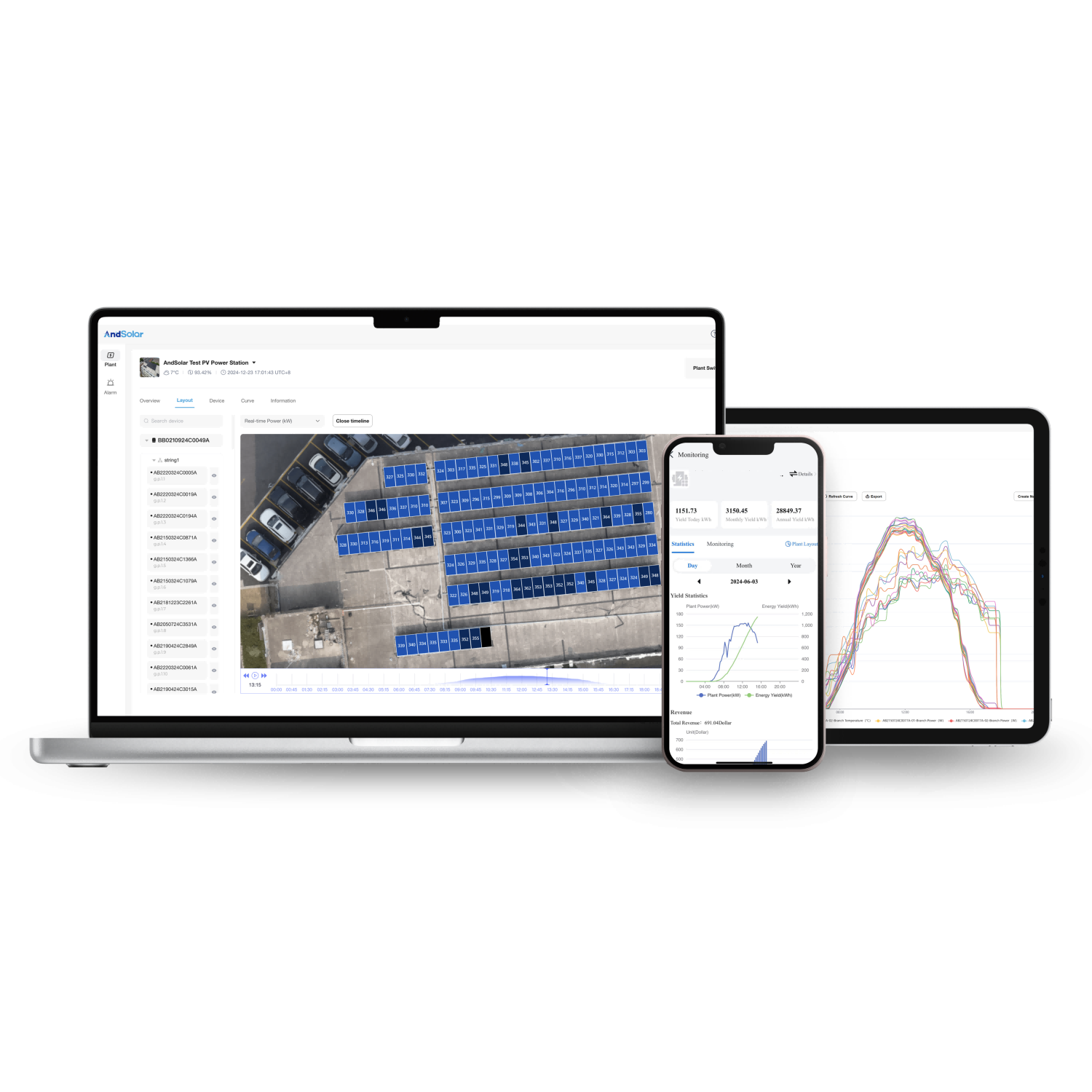
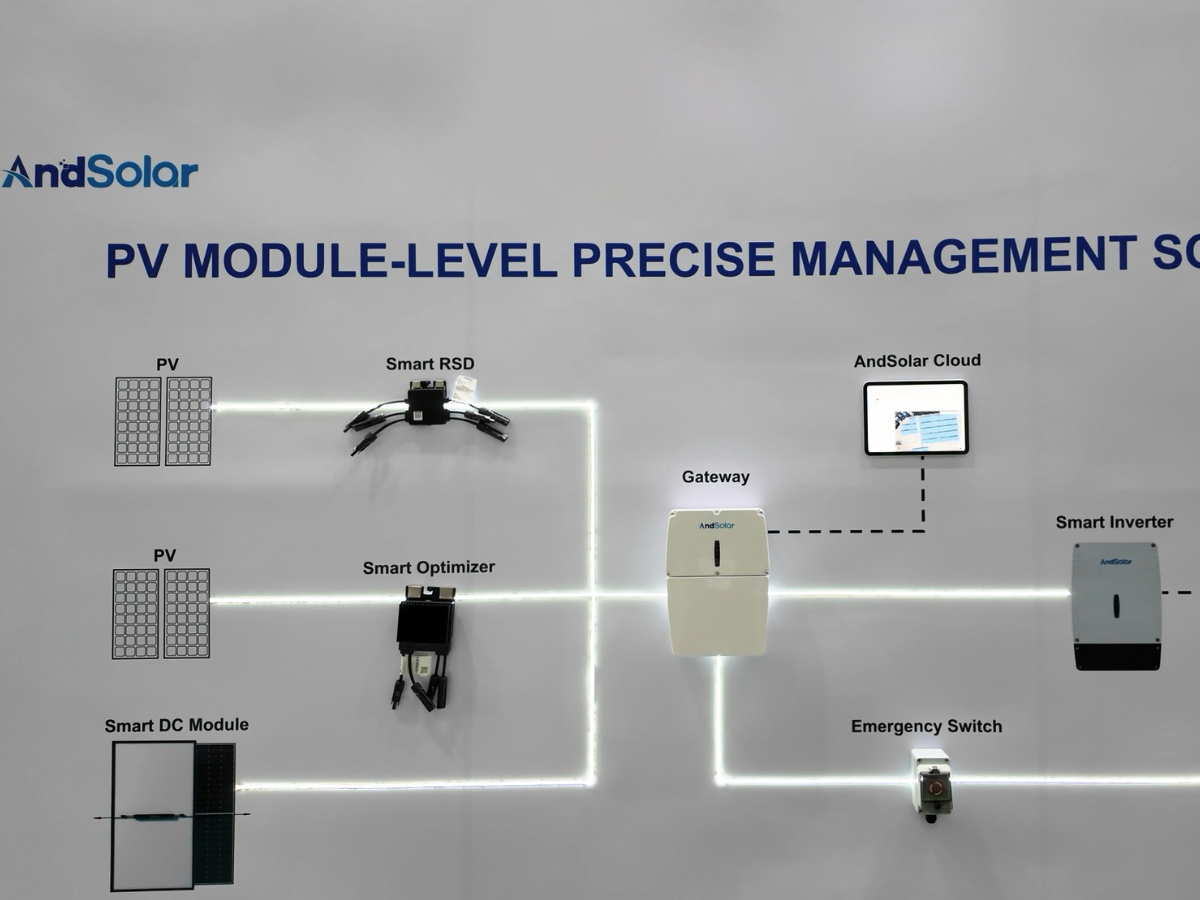
The solar inverter features state-of-the-art monitoring and control systems that transform traditional photovoltaic installations into intelligent, connected energy platforms. This comprehensive monitoring capability provides users with unprecedented visibility into every aspect of their solar energy system performance, energy production patterns, and consumption behaviors. The solar inverter continuously collects and analyzes data from multiple sensors and measurement points, creating detailed performance profiles that include energy generation statistics, efficiency metrics, environmental conditions, and system health indicators. Users can access this information through intuitive mobile applications, web portals, or integrated home energy management systems that display real-time and historical data in user-friendly dashboards and reports. The smart monitoring system within the solar inverter enables remote diagnostics and troubleshooting, allowing certified technicians to identify and resolve issues without requiring on-site visits, reducing maintenance costs and system downtime. Alert systems notify users immediately when performance anomalies, system faults, or maintenance requirements are detected, enabling prompt corrective actions that prevent minor issues from developing into major problems. The solar inverter supports integration with smart home ecosystems, coordinating solar energy production with household energy consumption patterns, battery storage systems, electric vehicle charging schedules, and other connected devices to optimize overall energy efficiency. Advanced analytics capabilities identify energy usage trends, peak consumption periods, and optimization opportunities that help users reduce electricity bills and maximize solar energy utilization. The monitoring system tracks carbon footprint reduction, providing users with tangible evidence of their environmental impact and sustainability contributions. Weather integration features allow the solar inverter to correlate performance data with local weather conditions, helping users understand how environmental factors affect energy production and plan energy usage accordingly. Data security and privacy protection are built into the monitoring system, ensuring that sensitive energy usage information remains protected through encrypted communications and secure data storage protocols.
Grid-Tie Capabilities with Smart Energy Management

Grid-Tie Capabilities with Smart Energy Management

The solar inverter delivers advanced grid-tie capabilities that enable seamless integration with utility electrical networks while providing sophisticated energy management features that optimize both energy production and consumption. This grid-interactive functionality allows the solar inverter to automatically synchronize with utility grid frequency and voltage parameters, ensuring safe and compliant connection that meets all electrical codes and utility requirements. The solar inverter continuously monitors grid conditions and automatically disconnects during power outages to protect utility workers, while immediately reconnecting when grid power is restored and stable. Net metering support built into the solar inverter enables bidirectional energy flow, allowing excess solar energy to be exported to the utility grid during peak production periods and importing electricity when solar generation is insufficient to meet demand. This capability can result in significant utility bill reductions or even energy credits depending on local utility policies and rate structures. The solar inverter incorporates smart grid technologies that support utility demand response programs, automatically adjusting energy consumption or export based on grid conditions and utility signals, potentially providing additional revenue streams for system owners. Advanced power quality management features ensure that electricity fed into the grid meets strict utility standards for voltage regulation, frequency stability, and harmonic distortion, contributing to overall grid reliability and stability. The solar inverter supports time-of-use optimization strategies, coordinating energy production and consumption with utility rate schedules to maximize economic benefits by using solar energy during peak rate periods and exporting during favorable pricing windows. Integration with battery storage systems allows the solar inverter to manage energy storage and discharge cycles, providing backup power during outages while optimizing battery life and performance through intelligent charging algorithms. Microinverter and power optimizer configurations enable panel-level monitoring and optimization, ensuring that grid-tie performance is maximized even when individual panels experience varying conditions. The solar inverter supports virtual power plant participation, allowing multiple distributed solar installations to coordinate energy production and grid services, contributing to renewable energy integration and grid modernization efforts.

Get a Free Quote

Our representative will contact you soon.
Name
Email
Phone/ WhatsApp
Company Name
Product Selection
Message
0/1000

solar inverter

Practical Tips

Rapid shutdown for solar: What you need to know

16

Jun

Rapid shutdown for solar: What you need to know

What Is Solar Rapid Shutdown? Definition and Core Purpose Solar rapid shutdown is an essential safety measure referring to the quick disconnection of photovoltaic (PV) panels from the power system. This process ensures the system stops producing ele...
View More
Why rapid shutdown device necessary for PV system

21

Jul

Why rapid shutdown device necessary for PV system

Enhancing Solar Safety through Smart Shutdown Solutions The solar industry has evolved tremendously over the past decade, with increasing attention not only to efficiency and performance but also to safety and regulatory compliance. One of the most ...
View More
The Comparison Between Module-Level Rapid Shutdown Devices and String-Level Rapid Shutdown Devices

13

Aug

The Comparison Between Module-Level Rapid Shutdown Devices and String-Level Rapid Shutdown Devices

Advancing Solar Safety Through Modern Shutdown Solutions In the evolving solar energy industry, system safety and compliance with regulations are crucial for long-term performance. Rapid shutdown devices have become a standard requirement in many reg...
View More
Global Rapid Shutdown Standards: How AndSolar Meets the Standards

23

Sep

Global Rapid Shutdown Standards: How AndSolar Meets the Standards

Understanding Solar Safety Through Rapid Shutdown Innovation The evolution of solar energy systems has brought unprecedented focus on safety protocols, with rapid shutdown standards emerging as a crucial component in modern solar installations. These...
View More

Get a Free Quote

Our representative will contact you soon.
Name
Email
Phone/ WhatsApp
Company Name
Product Selection
Project Capacity
Message
0/1000