String-Level Inverter Technology: Advanced Solar Power Conversion Solutions

  • 8F, Block B, Building 1, 286 Qinglonggang Road, Suzhou City, Jiangsu Province, P. R. China
  • [email protected]
AndSolar Cloud

string-level inverter

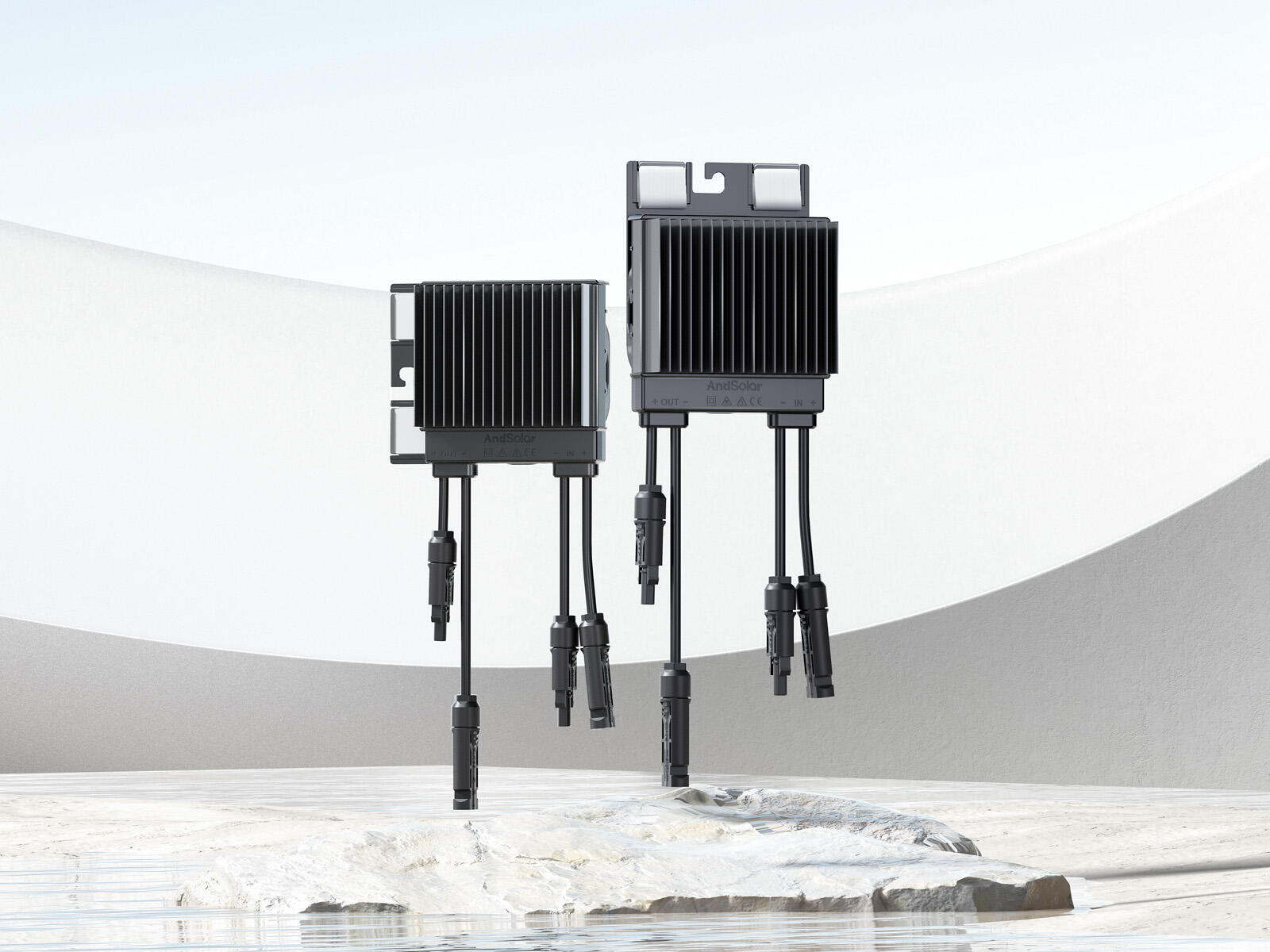
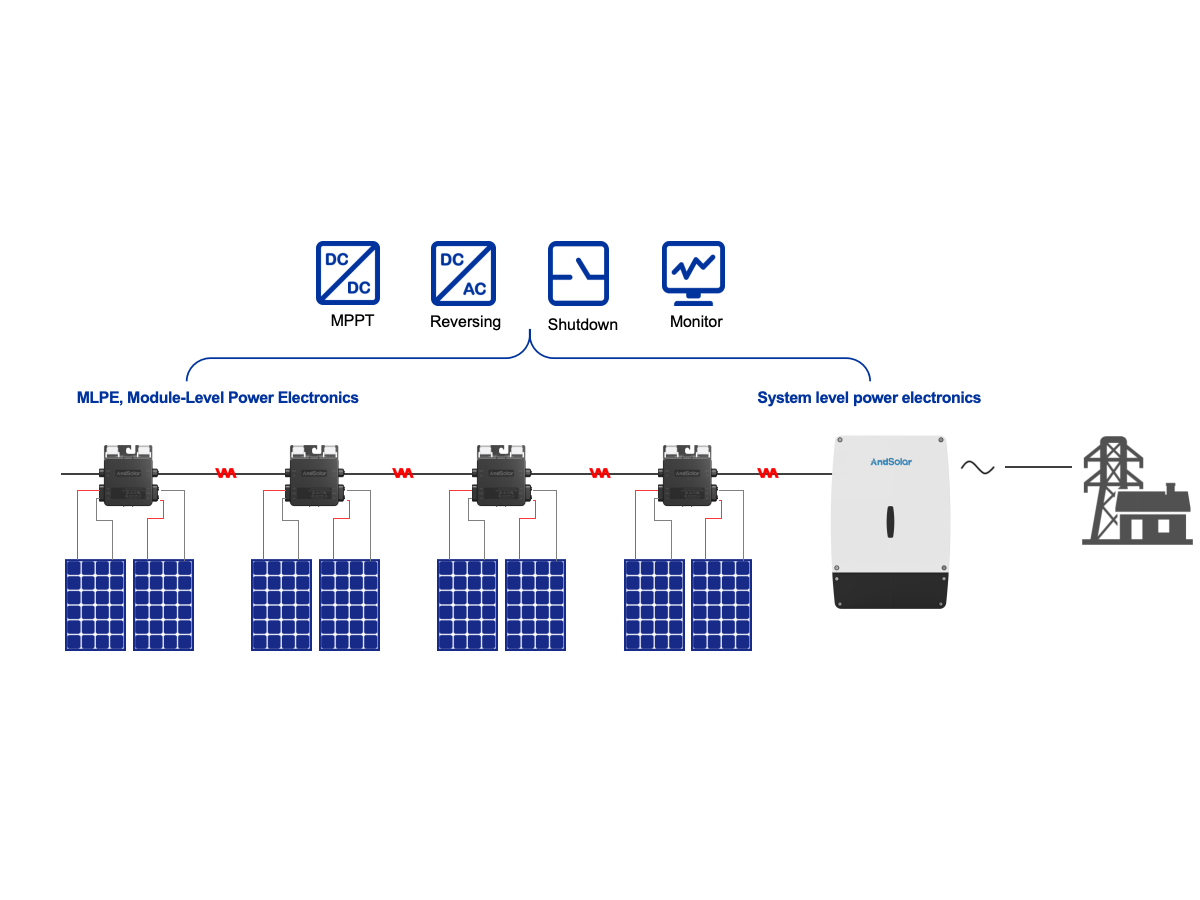
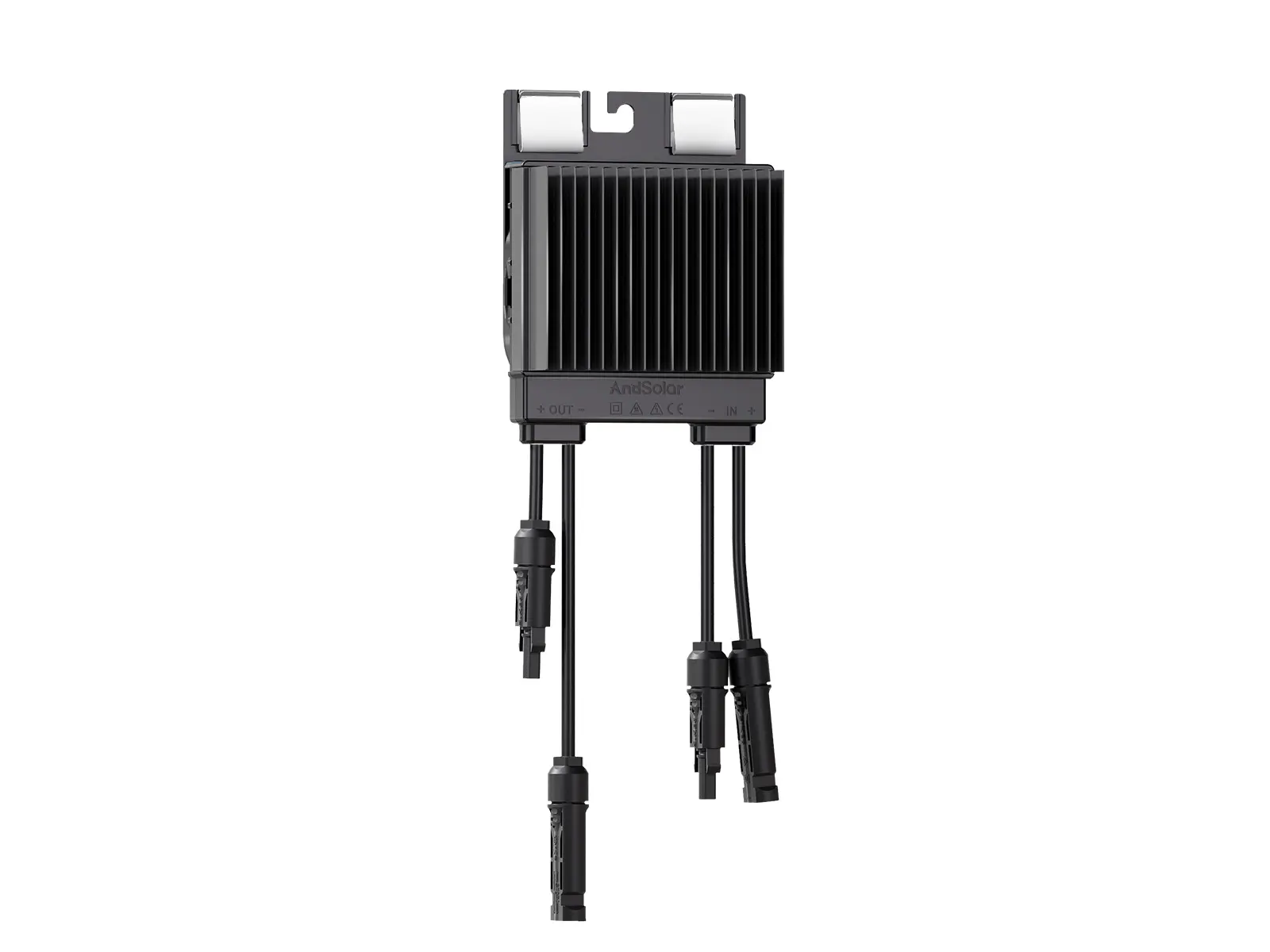
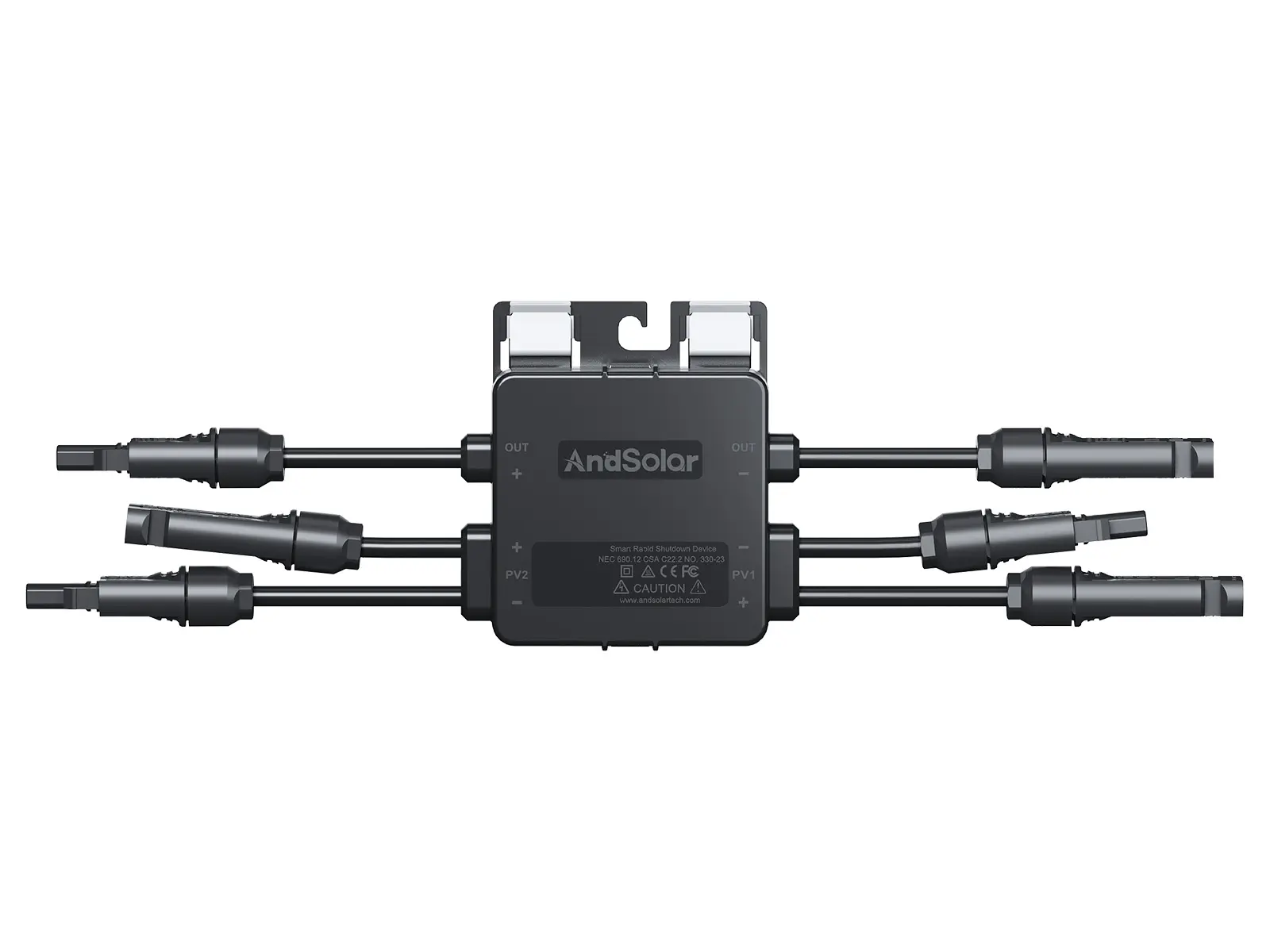
A string-level inverter represents a sophisticated photovoltaic system component that converts direct current electricity generated by solar panel strings into alternating current suitable for grid connection or local consumption. This advanced technology operates at the string level, meaning it manages multiple solar panels connected in series as a single unit, typically handling between 8 to 24 panels depending on system design and manufacturer specifications. The string-level inverter incorporates maximum power point tracking algorithms that continuously optimize energy harvesting from each connected string, ensuring optimal performance even under varying weather conditions and partial shading scenarios. These devices feature robust power electronics including high-frequency transformers, switching circuits, and control systems that maintain stable output voltage and frequency while providing grid synchronization capabilities. Modern string-level inverter units integrate comprehensive monitoring systems that track individual string performance, identifying potential issues such as panel degradation, soiling, or electrical faults before they significantly impact overall system efficiency. The technology includes built-in safety mechanisms including ground fault detection, arc fault protection, and rapid shutdown capabilities that comply with electrical codes and safety standards. String-level inverter systems offer scalable solutions for residential, commercial, and utility-scale installations, providing flexibility in system design and expansion. Installation processes are streamlined through standardized mounting systems and plug-and-play connections that reduce labor costs and installation time. These inverters typically feature weatherproof enclosures rated for outdoor installation with operating temperature ranges suitable for diverse climatic conditions. Communication capabilities enable remote monitoring and diagnostic functions through wireless or wired connections, allowing system owners and installers to track performance metrics and receive maintenance alerts. The string-level inverter technology represents a balanced approach between centralized and micro-inverter architectures, offering cost-effectiveness while maintaining granular control over solar array performance optimization.
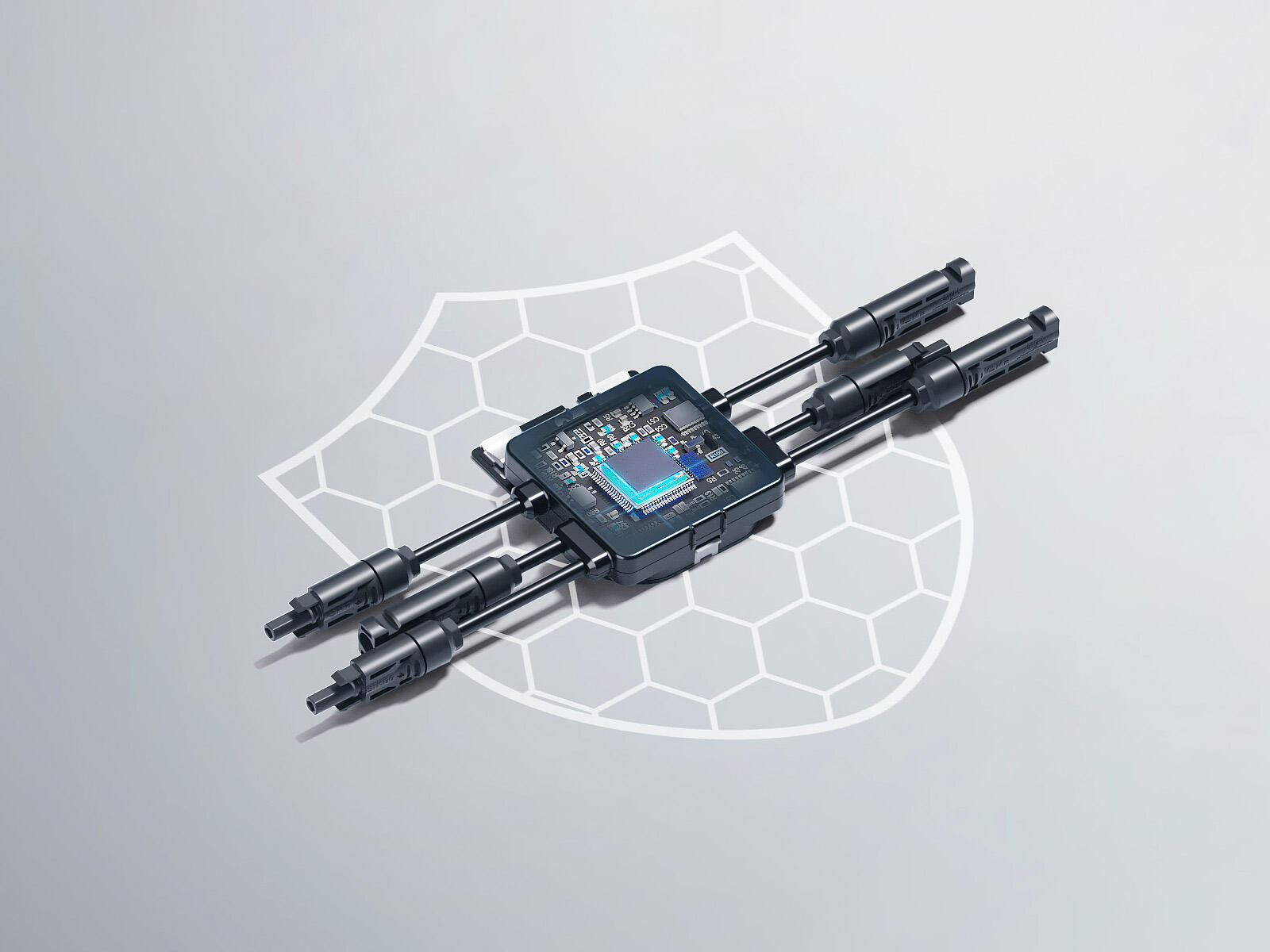
String-level inverter technology delivers substantial cost savings compared to micro-inverter systems while providing superior monitoring capabilities over traditional central inverters. The installation process becomes significantly simpler because fewer inverter units are required across the entire solar array, reducing equipment costs and minimizing potential failure points in the system. This streamlined approach translates to lower upfront investment requirements for property owners seeking reliable solar energy solutions. Maintenance becomes more manageable since technicians can easily access and service string-level inverter units without disrupting the entire solar installation, unlike centralized systems where single-point failures can shut down complete arrays. The technology provides enhanced system visibility through string-level monitoring that identifies performance issues at the source, enabling proactive maintenance and maximizing energy production throughout the system lifecycle. Property owners benefit from improved energy harvest efficiency because maximum power point tracking operates independently for each string, compensating for shading conditions or panel variations that might otherwise reduce overall system output. String-level inverter systems offer exceptional scalability, allowing easy expansion of existing installations by adding new strings without requiring complete system redesigns or equipment replacements. The balanced approach between granular control and cost-effectiveness makes this technology particularly attractive for medium to large residential installations and commercial projects where budget considerations remain important. Safety features integrated into string-level inverter designs provide peace of mind through rapid shutdown capabilities, ground fault protection, and arc fault detection that meet stringent electrical safety standards. Weather resistance and durability ensure reliable operation across diverse environmental conditions, from extreme heat to freezing temperatures, protecting the investment over extended operational periods. Remote monitoring capabilities enable system owners to track energy production in real-time, identify maintenance needs promptly, and verify system performance against expectations. The technology reduces complexity in electrical design and permitting processes because fewer DC to AC conversion points simplify system architecture while maintaining compliance with local electrical codes and utility interconnection requirements.

Popular Products

Advanced Maximum Power Point Tracking Optimization

Advanced Maximum Power Point Tracking Optimization

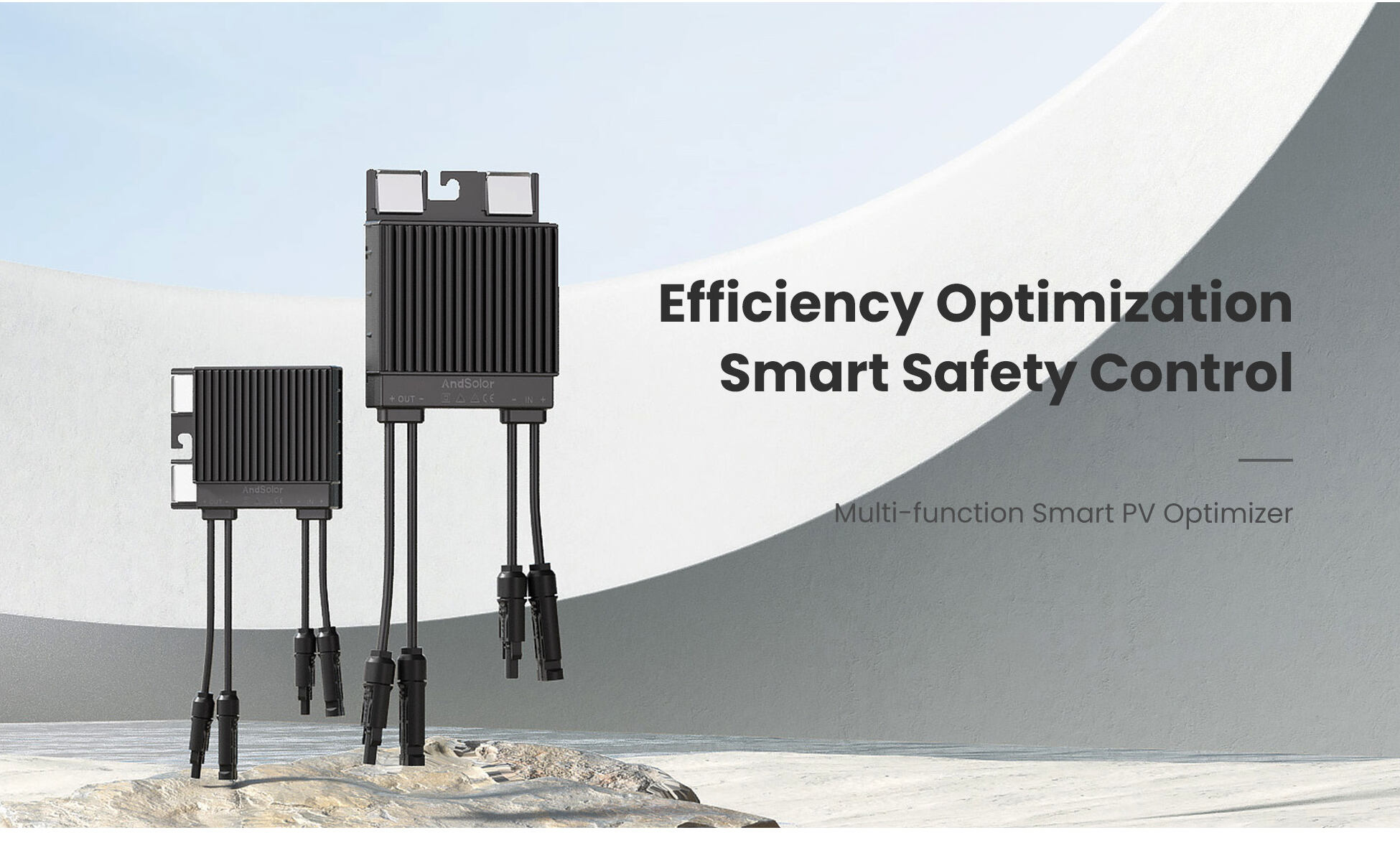
String-level inverter technology incorporates sophisticated maximum power point tracking algorithms that continuously monitor and adjust electrical parameters to extract maximum available power from connected solar panel strings. This intelligent optimization process operates independently for each string, analyzing voltage and current characteristics multiple times per second to identify the optimal operating point regardless of environmental conditions. Unlike traditional central inverter systems that apply uniform optimization across entire arrays, string-level inverter units can compensate for individual string variations caused by partial shading, soiling, panel aging, or manufacturing tolerances. The technology employs advanced microprocessor control systems that implement complex algorithms including perturb and observe, incremental conductance, and fuzzy logic control methods to achieve precise power optimization. When shading affects specific panels within a string, the string-level inverter automatically adjusts operating parameters to minimize power losses while maintaining stable electrical output from unaffected strings throughout the system. This granular control capability becomes particularly valuable in installations where uniform solar irradiance cannot be guaranteed due to nearby structures, vegetation, or varying roof orientations. The maximum power point tracking function adapts to changing weather conditions throughout the day, compensating for temperature variations that affect panel efficiency and irradiance fluctuations caused by cloud cover or atmospheric conditions. String-level inverter systems maintain optimal performance during seasonal changes when sun angle variations and weather patterns impact solar energy availability, ensuring consistent energy harvesting throughout the year. The technology provides superior performance compared to traditional power optimizers because the conversion process occurs at higher power levels, reducing conversion losses and improving overall system efficiency. Real-time monitoring of maximum power point tracking performance enables system owners to verify optimization effectiveness and identify potential issues before they significantly impact energy production, supporting proactive maintenance strategies that maximize long-term system performance and return on investment.
Comprehensive String-Level Performance Monitoring

Comprehensive String-Level Performance Monitoring

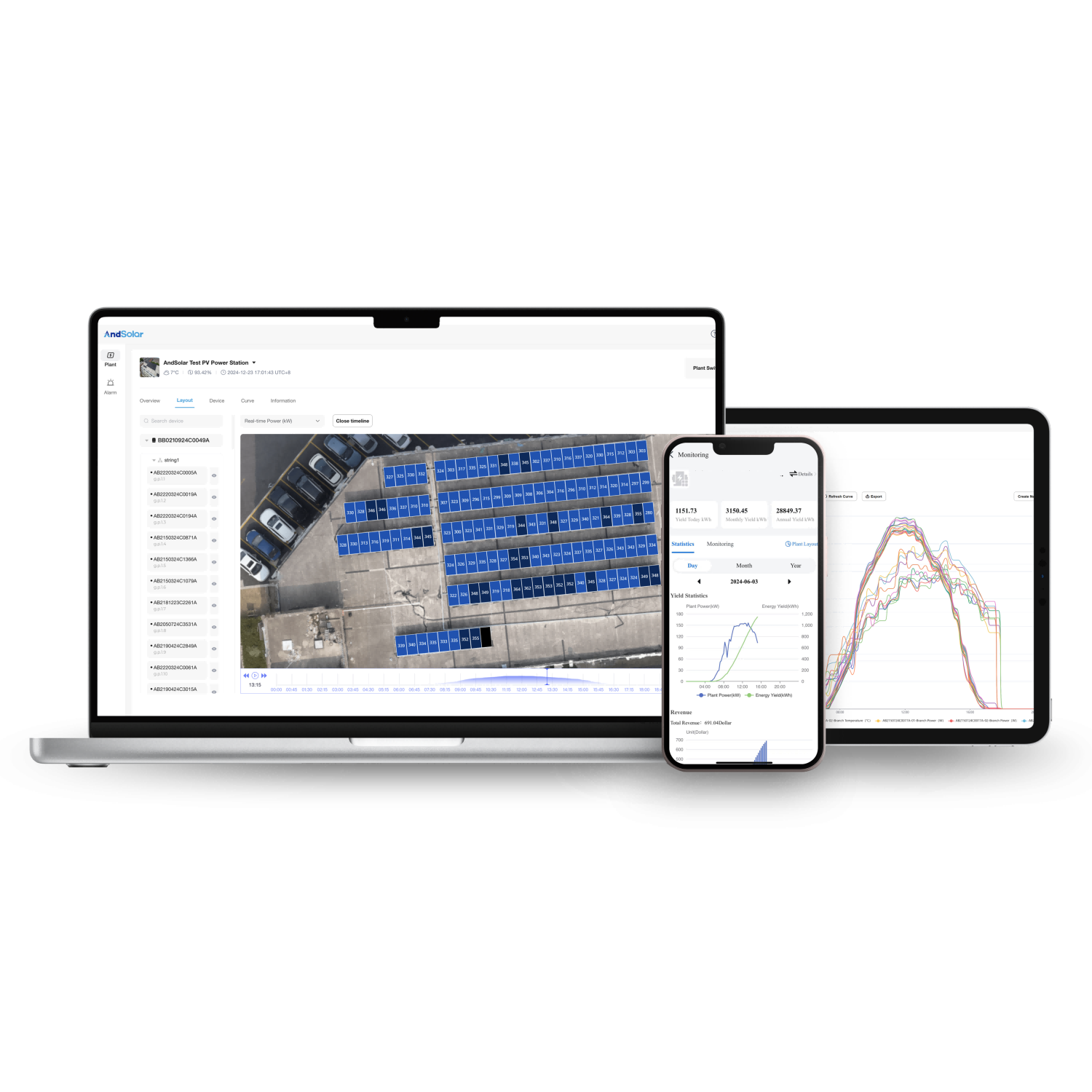
String-level inverter systems provide unprecedented visibility into solar array performance through comprehensive monitoring capabilities that track individual string metrics in real-time, enabling precise identification of performance issues and optimization opportunities. This advanced monitoring functionality collects detailed data including string voltage, current, power output, temperature, and efficiency metrics that are transmitted to centralized monitoring platforms accessible through web-based interfaces or mobile applications. Property owners gain valuable insights into system performance patterns, identifying peak production periods, seasonal variations, and potential maintenance requirements before they impact overall energy generation. The monitoring system continuously compares actual performance against expected output based on weather conditions and historical data, automatically flagging underperforming strings that may indicate panel degradation, soiling, or electrical connection issues. Alert notifications are sent directly to system owners and maintenance technicians when performance deviations exceed predetermined thresholds, enabling rapid response to emerging problems that could otherwise result in significant energy losses. String-level performance data enables precise calculation of financial returns, allowing property owners to track energy savings, utility bill reductions, and payback period progress with unprecedented accuracy. The technology facilitates predictive maintenance strategies by analyzing performance trends and identifying gradual degradation patterns that indicate approaching component replacement needs. Diagnostic capabilities within the monitoring system can distinguish between various fault types including ground faults, arc faults, string disconnections, and individual panel failures, providing technicians with specific information needed for efficient troubleshooting and repair. Historical performance data compilation creates valuable documentation for warranty claims, insurance purposes, and system performance verification, protecting the investment through comprehensive record keeping. Remote monitoring capabilities eliminate the need for regular on-site inspections while providing continuous system oversight, reducing maintenance costs and ensuring optimal performance throughout the system operational lifetime. The detailed performance analytics support system optimization decisions including cleaning schedules, vegetation management, and potential system expansion planning based on actual production data rather than theoretical projections.
Enhanced Safety and Reliability Features

Enhanced Safety and Reliability Features

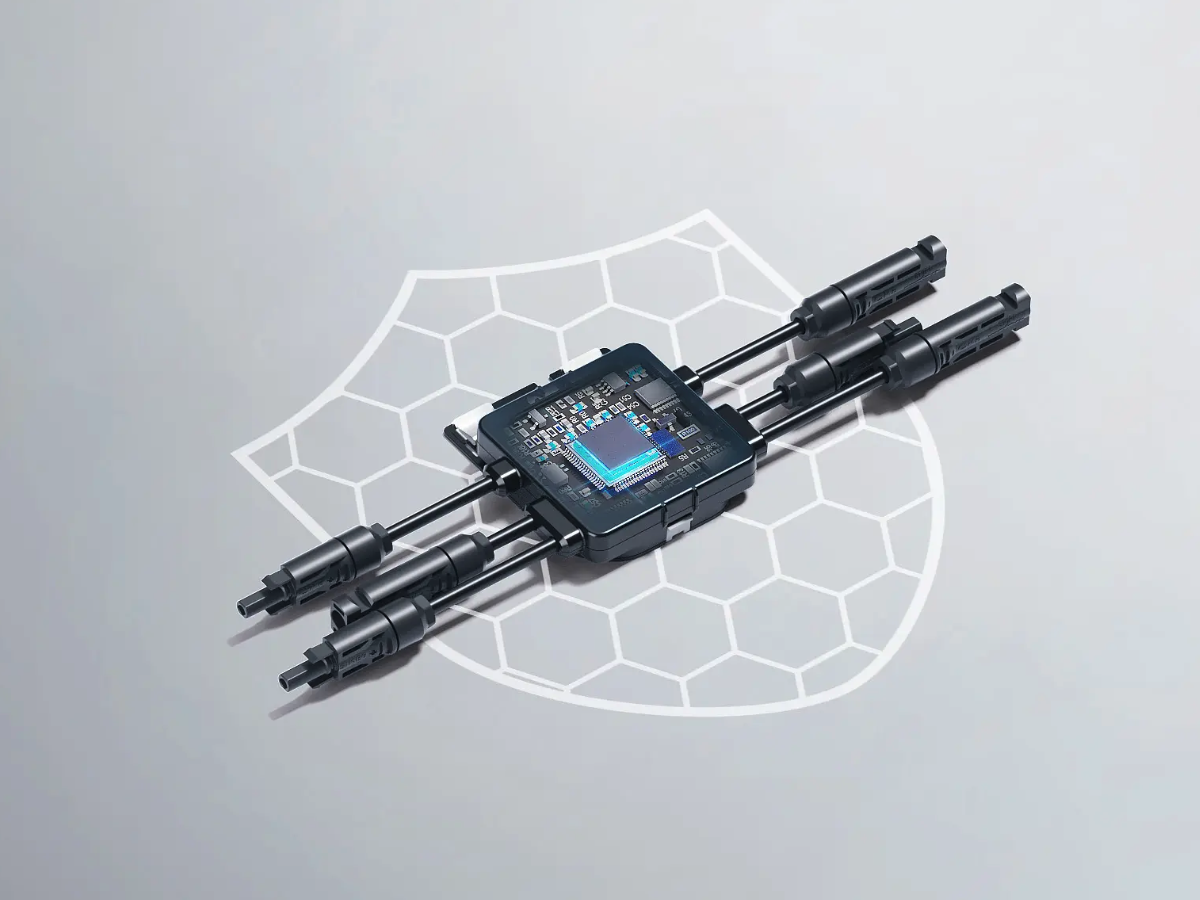
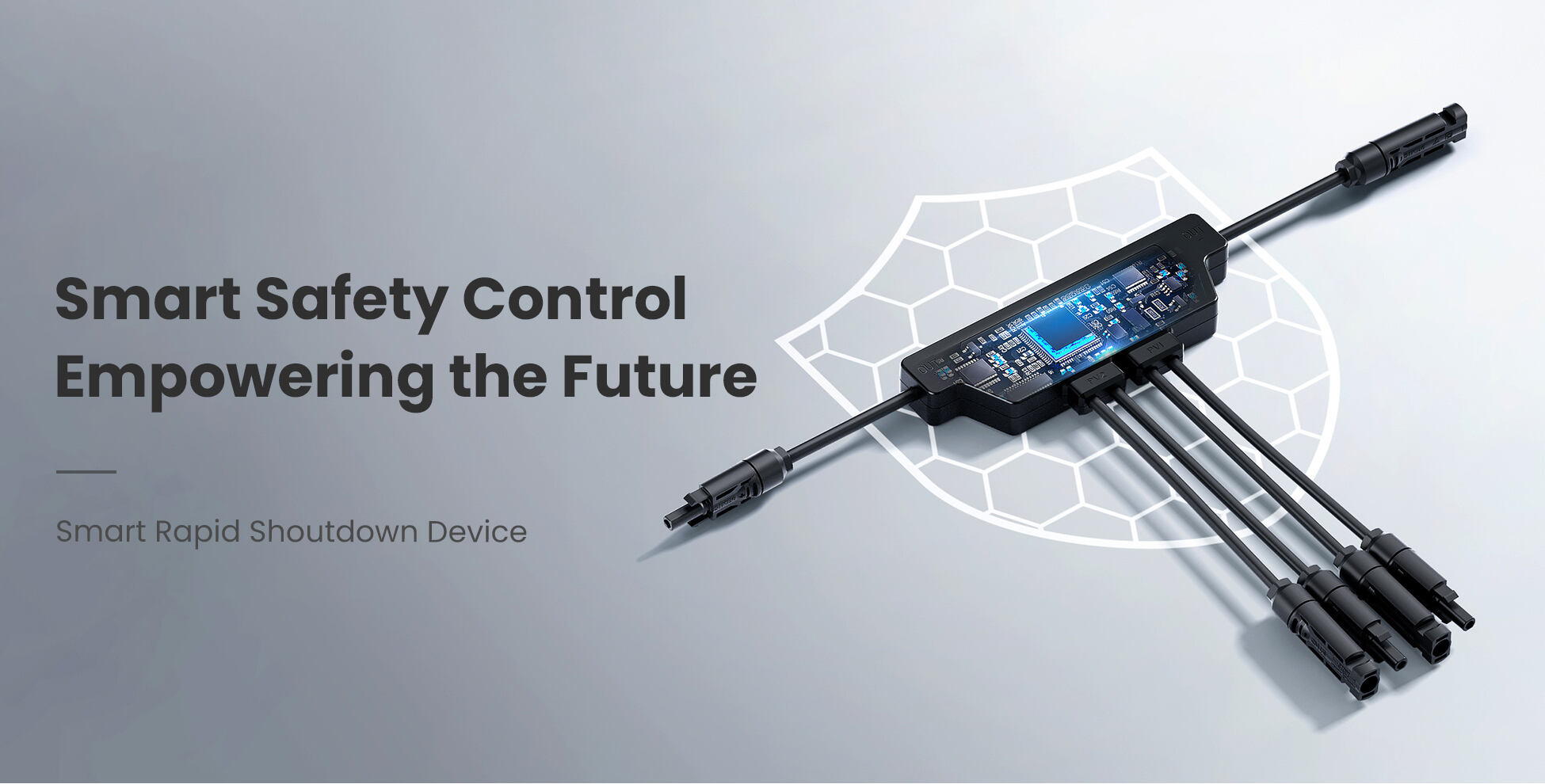
String-level inverter technology integrates multiple layers of safety protection and reliability enhancements that exceed standard electrical safety requirements while providing robust operation under diverse environmental conditions. Advanced safety systems include rapid shutdown functionality that immediately disconnects solar panel output when emergency conditions are detected, ensuring first responder safety during fire suppression or electrical emergency scenarios. Ground fault detection circuits continuously monitor electrical isolation between system components and ground connections, automatically shutting down affected strings when potentially dangerous ground faults are identified. Arc fault detection technology employs sophisticated signal analysis to identify dangerous electrical arcing conditions that could pose fire risks, immediately interrupting power flow when arc signatures are detected within string wiring or connections. The string-level inverter incorporates overvoltage and undervoltage protection systems that safeguard connected equipment from electrical damage caused by grid disturbances, lightning strikes, or utility power quality issues. Temperature monitoring and thermal management systems prevent equipment damage from overheating conditions while maintaining optimal operating efficiency across wide temperature ranges typically encountered in outdoor installations. Weather-resistant enclosures featuring IP65 or higher ingress protection ratings ensure reliable operation during extreme weather events including heavy rain, snow, dust storms, and high humidity conditions. Surge protection devices integrated within string-level inverter units provide defense against electrical transients caused by lightning strikes or utility switching operations that could otherwise damage sensitive electronic components. Redundant safety systems ensure continued protection even if primary safety circuits experience failures, providing multiple backup protection layers that exceed industry safety standards. Communication system redundancy enables continued monitoring and safety function operation even when primary communication networks experience interruptions, maintaining critical safety oversight capabilities. String-level inverter designs undergo rigorous testing and certification processes including UL listing, IEC compliance, and utility interconnection approval that verify safety performance under extreme operating conditions. Quality assurance programs implemented by reputable manufacturers include extended warranty coverage, comprehensive field testing, and continuous product improvement based on real-world performance data collected from thousands of installations worldwide.

Get a Free Quote

Our representative will contact you soon.
Name
Email
Phone/ WhatsApp
Company Name
Product Selection
Message
0/1000

string-level inverter

Latest News

Why rapid shutdown device necessary for PV system

21

Jul

Why rapid shutdown device necessary for PV system

Enhancing Solar Safety through Smart Shutdown Solutions The solar industry has evolved tremendously over the past decade, with increasing attention not only to efficiency and performance but also to safety and regulatory compliance. One of the most ...
View More
Benefits of MLPE VS. traditional PV system

21

Jul

Benefits of MLPE VS. traditional PV system

Comparing Modern and Traditional Approaches to Solar Power Management As solar energy adoption continues to grow globally, both homeowners and commercial operators face critical choices in system architecture. Among the most significant is the decis...
View More
AndSolar Power Optimizers Vs. Traditional String Inverters in MPPT

17

Sep

AndSolar Power Optimizers Vs. Traditional String Inverters in MPPT

Maximizing Solar Energy Harvesting Through Advanced Technology The solar industry continues to evolve with innovative solutions that enhance energy production and system efficiency. At the forefront of this evolution is the ongoing debate between sol...
View More
When Rapid Shutdown Meets Real-Time Monitoring: The Evolution of Solar Safety

17

Sep

When Rapid Shutdown Meets Real-Time Monitoring: The Evolution of Solar Safety

Transforming Solar Power Protection Through Advanced Safety Integration The landscape of renewable energy has witnessed a remarkable transformation, particularly in the realm of solar safety. As solar installations become increasingly prevalent acros...
View More

Get a Free Quote

Our representative will contact you soon.
Name
Email
Phone/ WhatsApp
Company Name
Product Selection
Message
0/1000