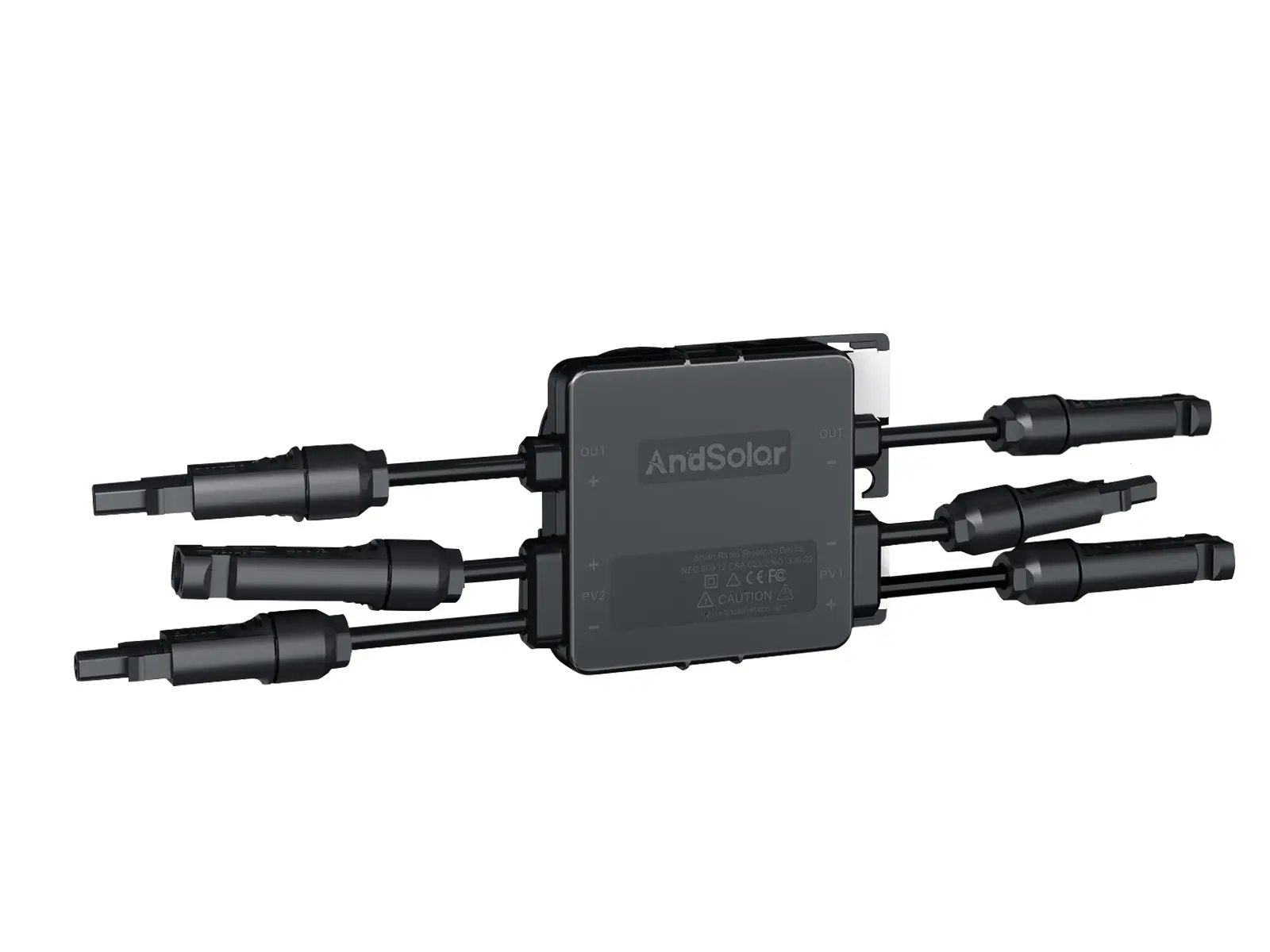
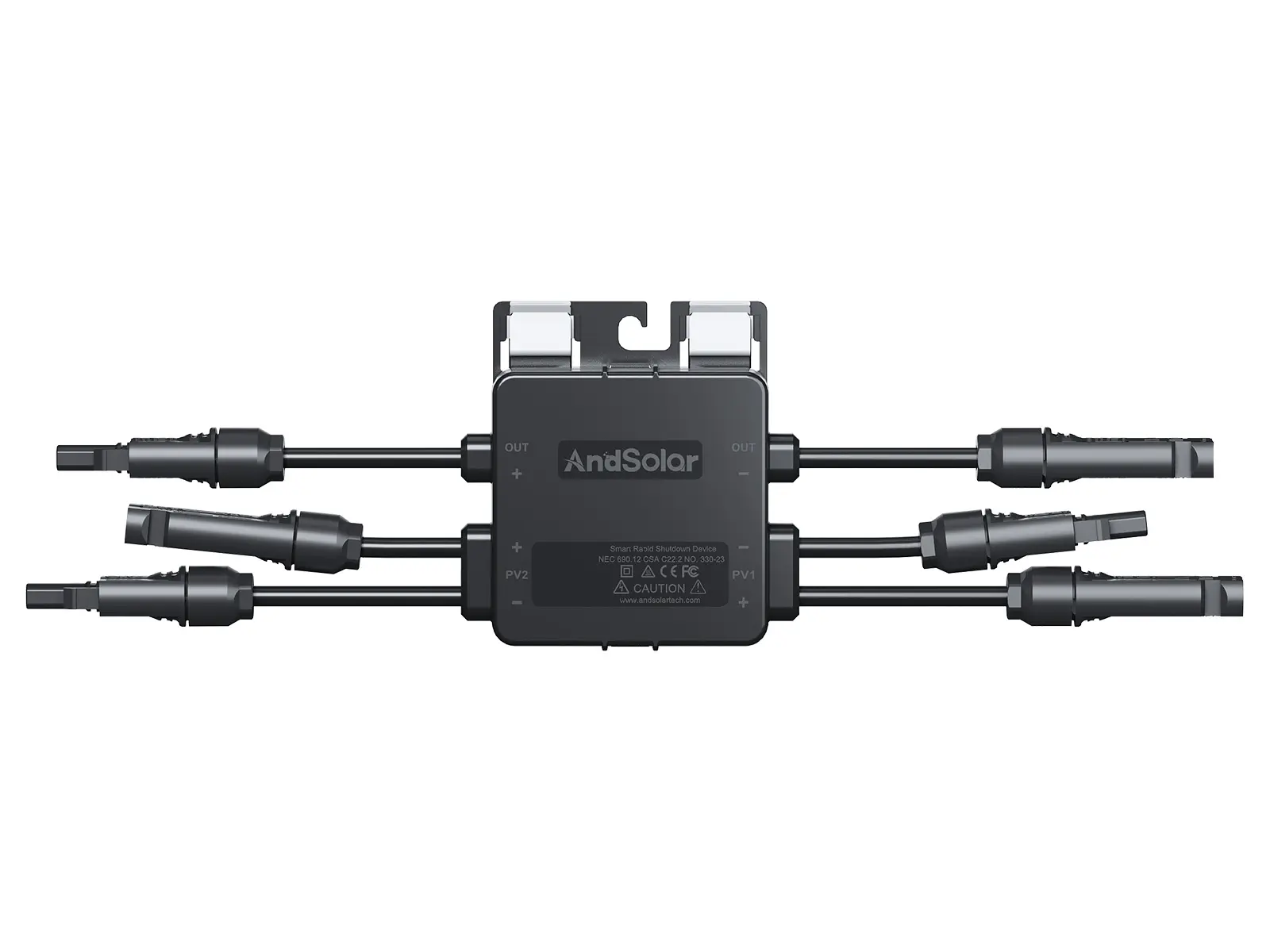
Module-Level Inverter Technology: Maximize Solar Performance with Advanced Panel-Level Power Conversion

  • 8F, Block B, Building 1, 286 Qinglonggang Road, Suzhou City, Jiangsu Province, P. R. China
  • [email protected]
AndSolar Cloud

module-level inverter

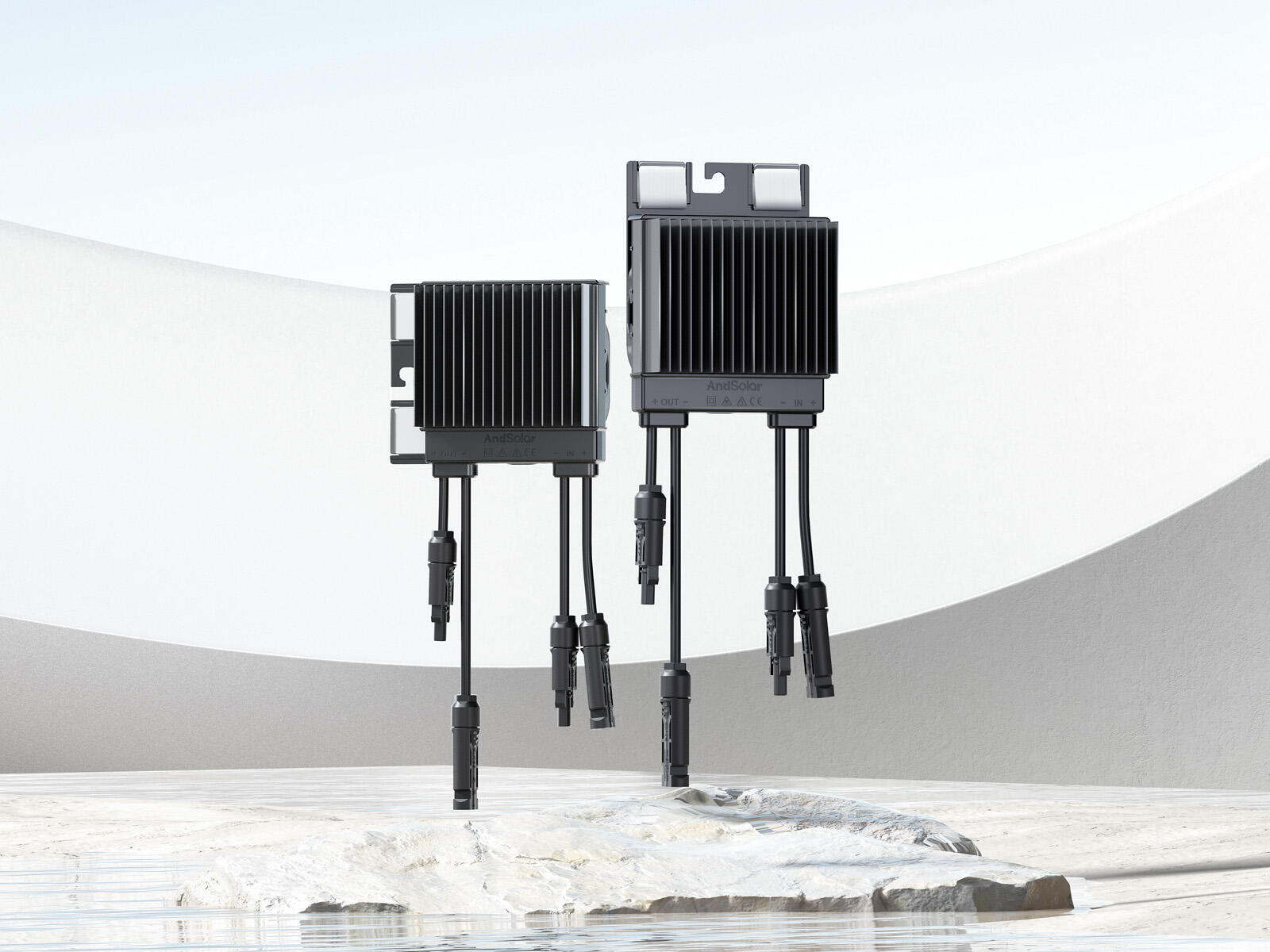
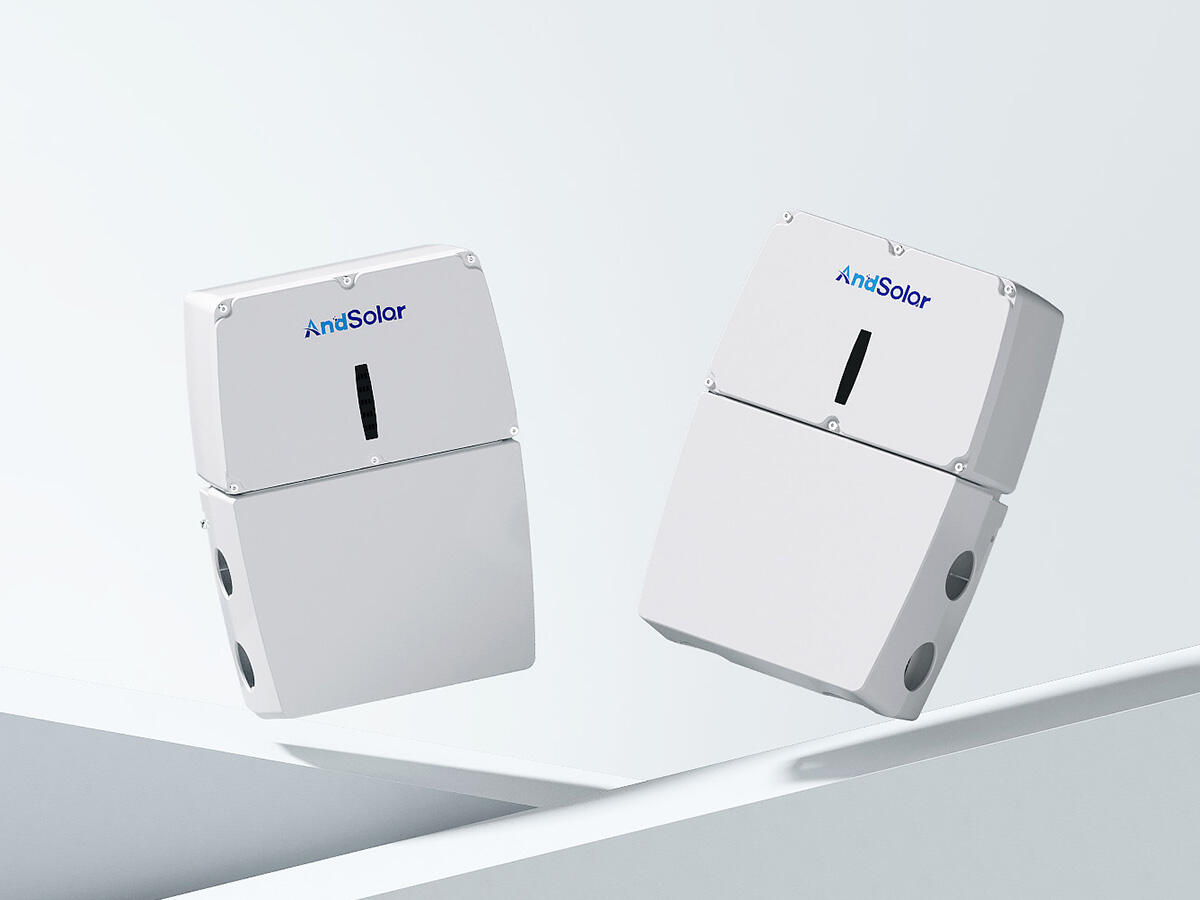
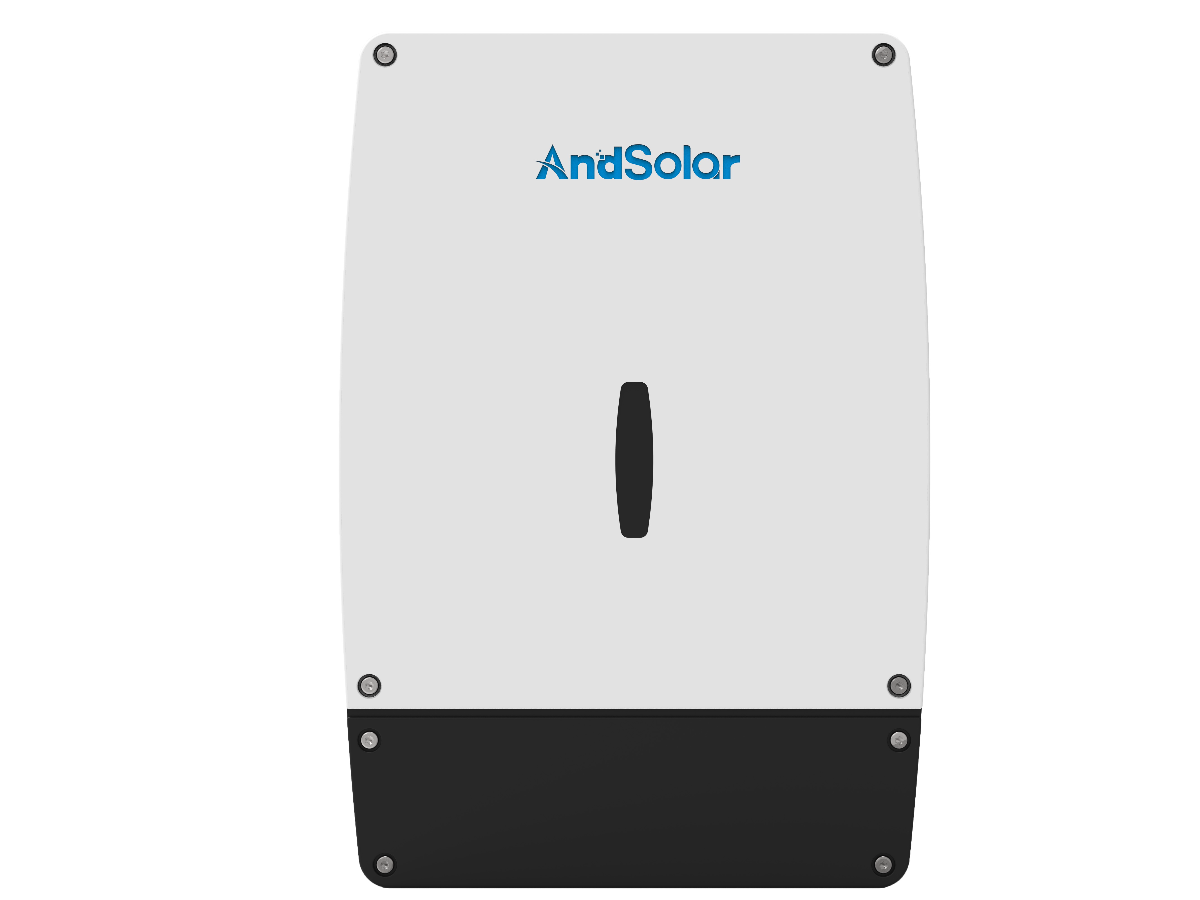
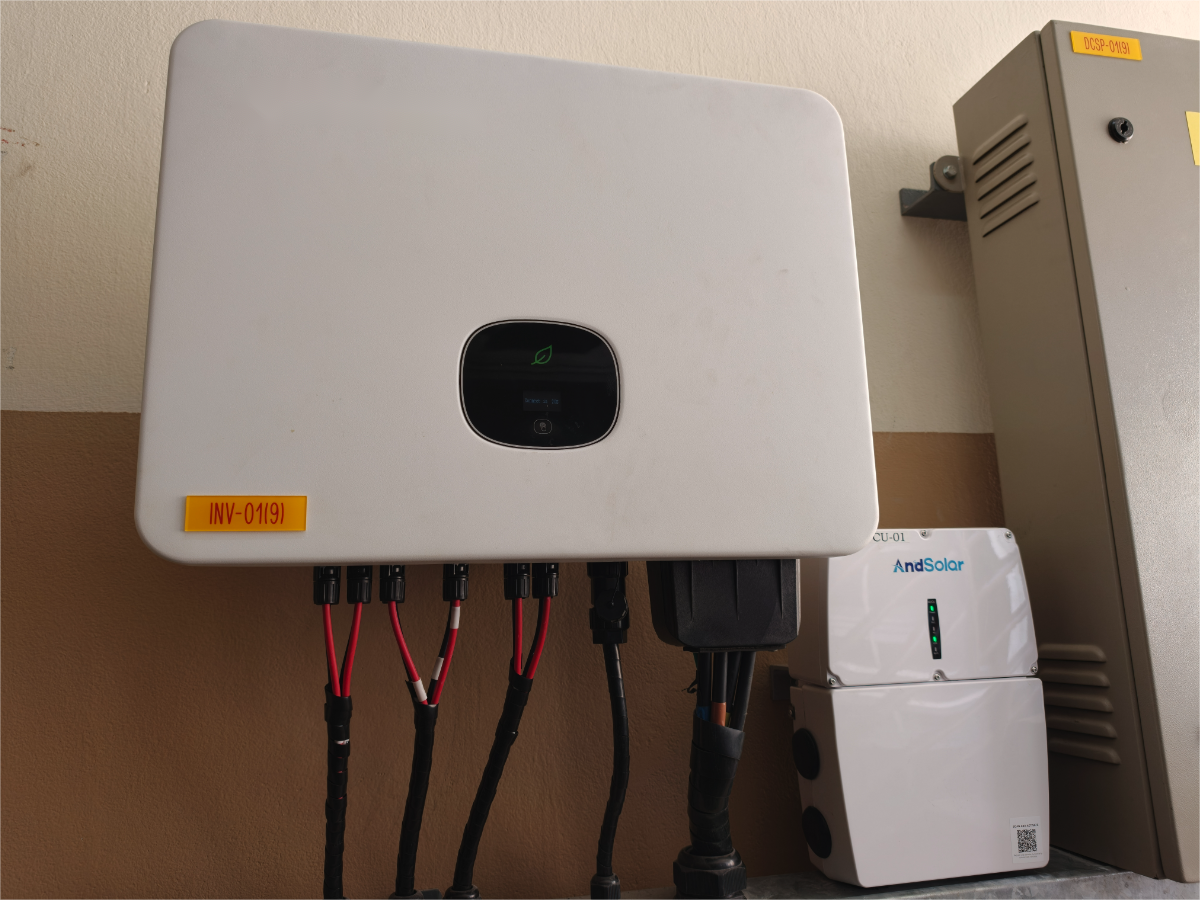
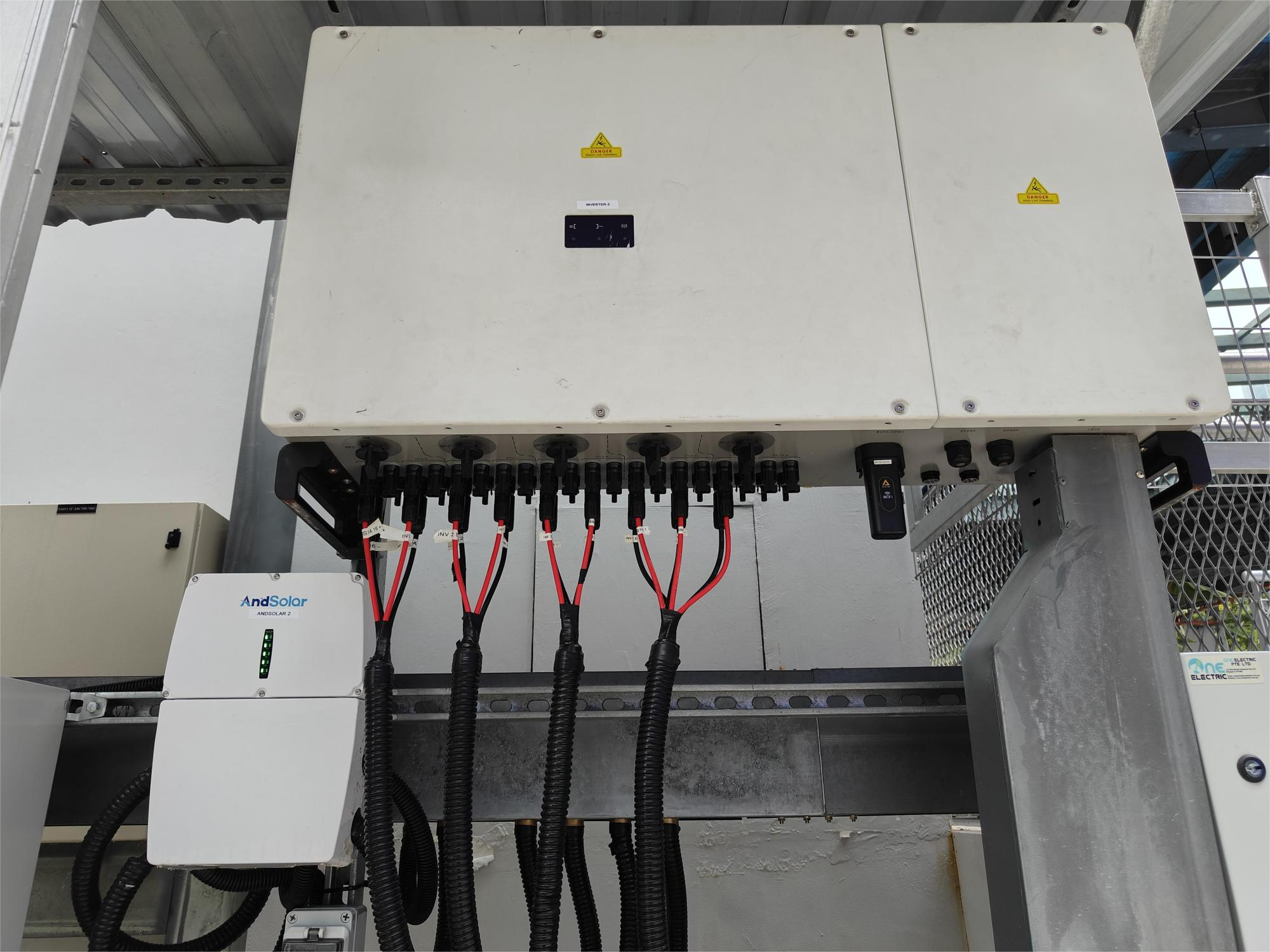
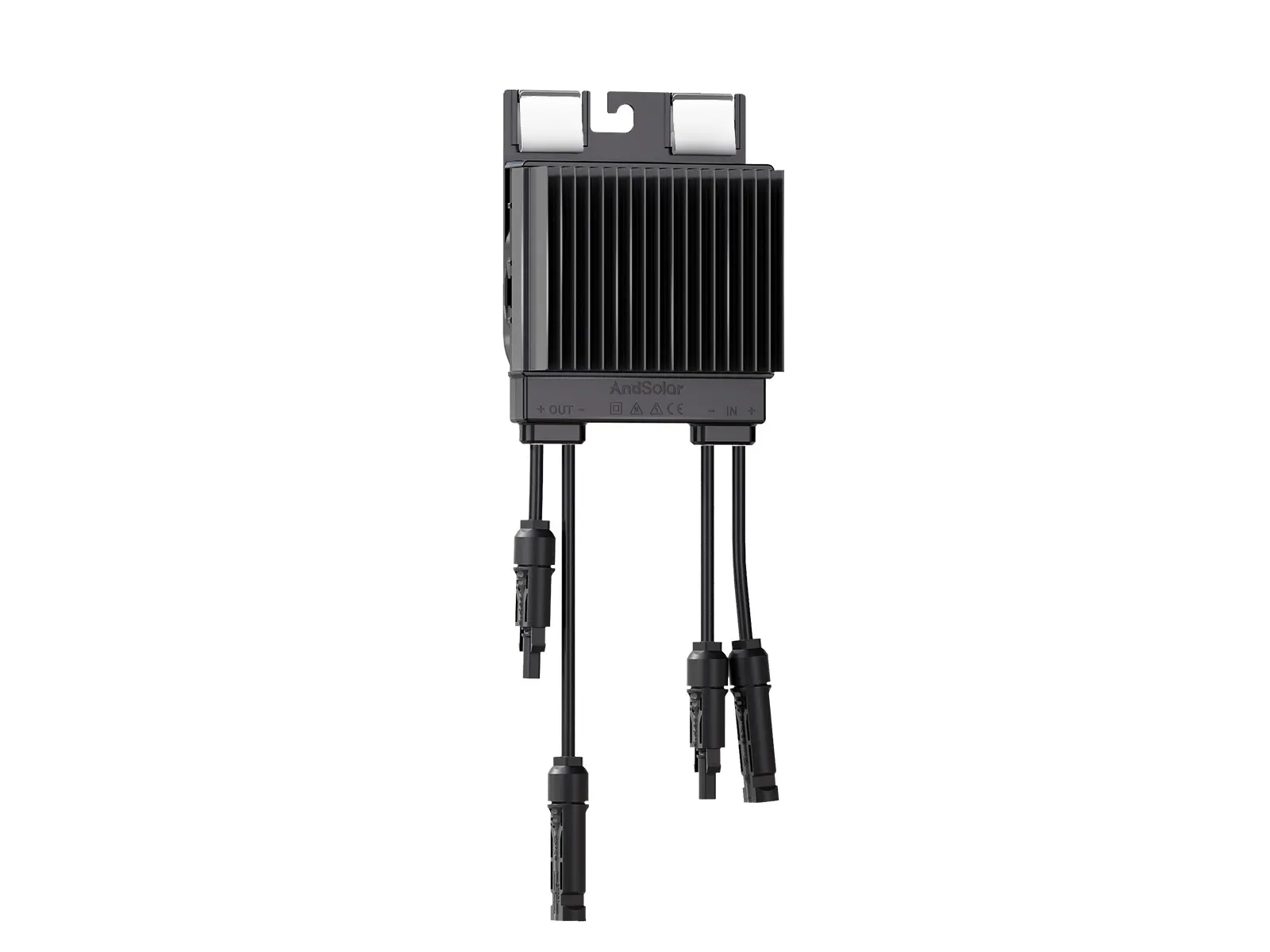
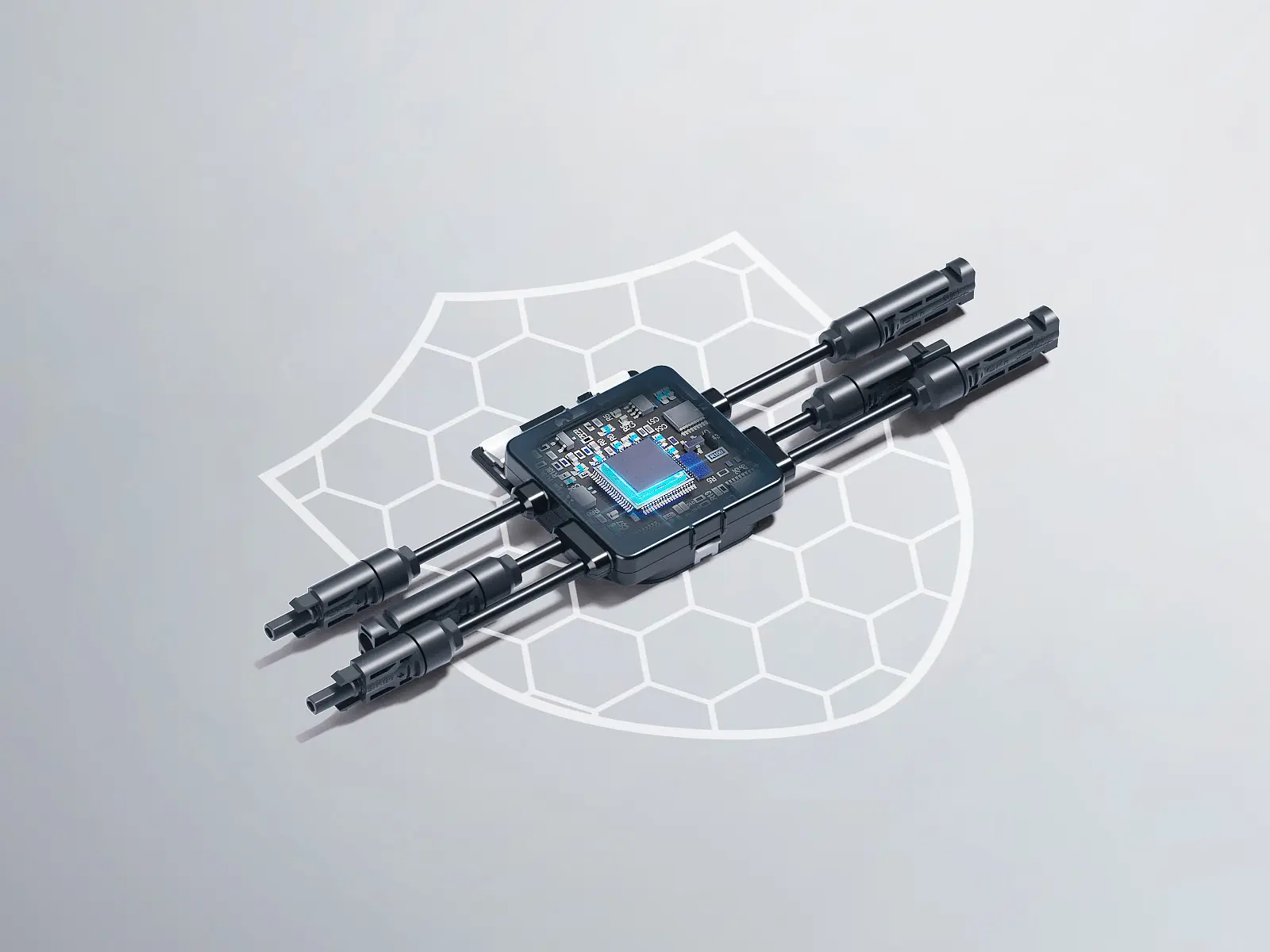
A module-level inverter represents a cutting-edge solar technology that transforms direct current electricity generated by individual solar panels into alternating current power suitable for home and grid consumption. Unlike traditional string inverters that handle multiple panels simultaneously, the module-level inverter operates at the individual panel level, providing unprecedented control and optimization capabilities for solar energy systems. This innovative approach fundamentally changes how solar installations perform by addressing each panel's unique conditions and requirements. The module-level inverter integrates directly with or attaches closely to each solar panel, creating a distributed power conversion architecture that maximizes energy harvest from every component in the system. This technology incorporates advanced power electronics, sophisticated monitoring capabilities, and intelligent communication features that enable real-time performance tracking and system optimization. The device continuously monitors voltage, current, and temperature parameters while adjusting its operation to extract maximum power from each panel regardless of shading, soiling, or orientation differences. Modern module-level inverters feature robust construction designed to withstand harsh environmental conditions including extreme temperatures, moisture, and UV exposure over decades of operation. The technology includes built-in safety features such as rapid shutdown capabilities, arc fault protection, and ground fault detection to ensure secure operation throughout the system's lifetime. These inverters communicate wirelessly or through power line communication protocols to transmit performance data to centralized monitoring systems, enabling remote diagnostics and maintenance scheduling. The module-level inverter technology supports various panel types and configurations, making it adaptable to diverse installation scenarios from residential rooftops to commercial facilities and utility-scale projects.
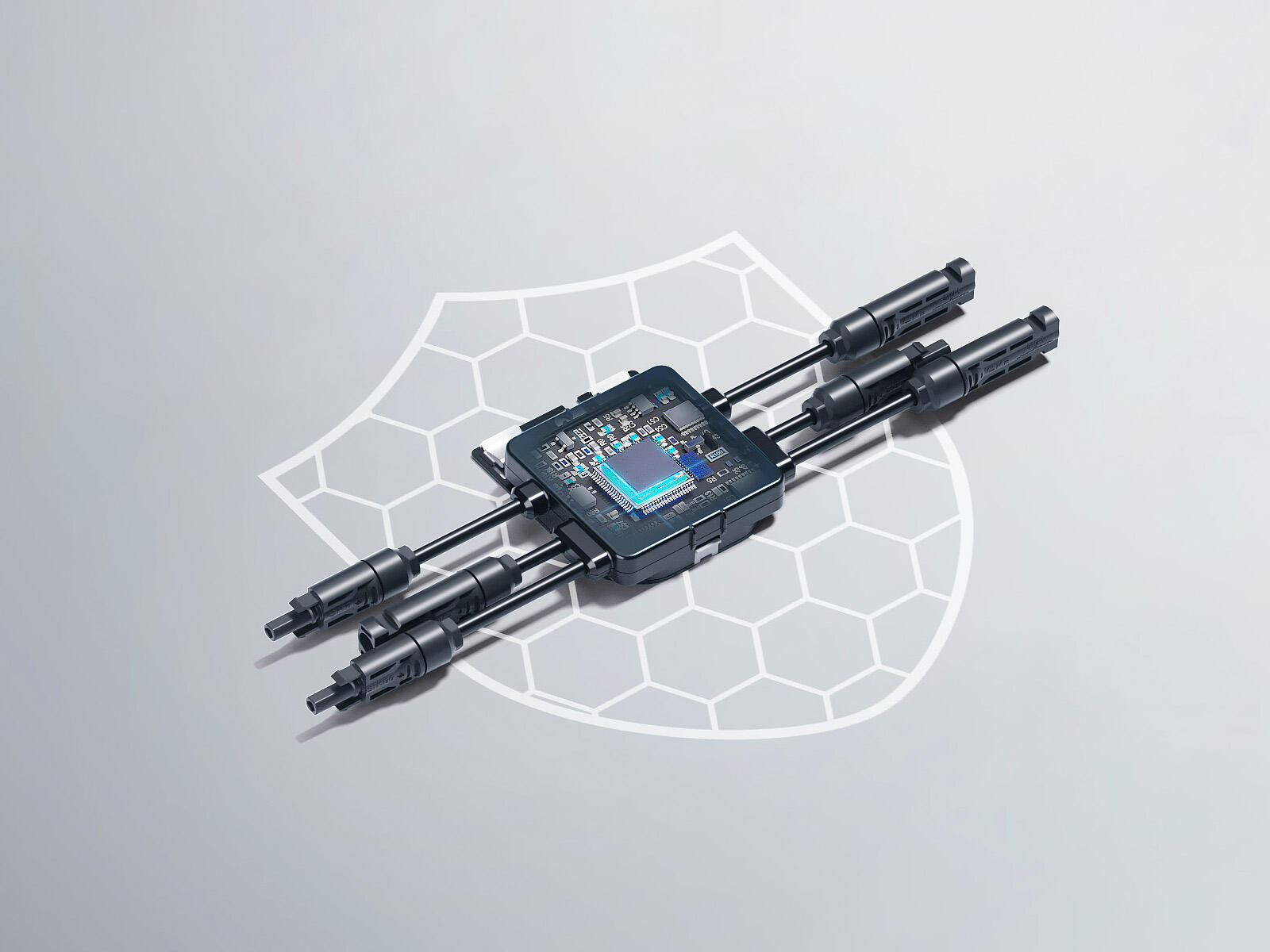
The module-level inverter delivers exceptional performance benefits that directly translate into increased energy production and improved return on investment for solar system owners. Each panel operates independently at its optimal power point, eliminating the performance limitations caused by shading, debris, or panel degradation that typically affect entire strings in conventional systems. This independent operation can increase energy harvest by 15-25% compared to traditional string inverter configurations, particularly in installations with complex roof layouts or partial shading conditions. The enhanced monitoring capabilities provided by module-level inverters offer unprecedented visibility into system performance at the granular level. System owners can identify underperforming panels immediately, enabling prompt maintenance interventions that prevent energy losses and extend system life. This detailed monitoring capability reduces diagnostic time and maintenance costs while ensuring optimal system performance throughout its operational lifetime. Installation flexibility represents another significant advantage, as module-level inverters eliminate the need for string sizing calculations and allow panels to be installed in various orientations and configurations without performance penalties. This flexibility enables installers to maximize roof utilization and accommodate architectural constraints that would otherwise limit system capacity. The distributed architecture inherent in module-level inverter systems provides improved reliability through redundancy, as the failure of a single inverter affects only one panel rather than compromising entire string performance. This design philosophy ensures consistent energy production even when individual components require service or replacement. Safety enhancements include automatic rapid shutdown capabilities that reduce DC voltage to safe levels within seconds of system disconnect, protecting first responders and maintenance personnel. The module-level inverter technology simplifies system expansion, allowing additional panels to be integrated seamlessly without complex reconfiguration or component replacement. These systems also offer superior compatibility with energy storage solutions, enabling homeowners and businesses to incorporate battery backup systems more easily. The advanced power electronics in module-level inverters provide cleaner power output with reduced harmonic distortion, improving grid compatibility and reducing potential interference with sensitive electronic equipment.

New Product Recommendations

Maximum Power Point Tracking Optimization

Maximum Power Point Tracking Optimization

The module-level inverter revolutionizes solar energy extraction through individual Maximum Power Point Tracking for each solar panel in the installation. Traditional string inverters operate multiple panels at a single power point, which means that the lowest-performing panel in the string determines the output of all connected panels. This limitation becomes particularly problematic when panels experience different conditions such as partial shading from trees, buildings, or debris accumulation on individual modules. The module-level inverter eliminates this constraint by allowing each panel to operate at its own optimal power point regardless of the performance of neighboring panels. This technology continuously monitors each panel's voltage and current characteristics, automatically adjusting the conversion parameters to extract maximum available power under varying environmental conditions. The sophisticated algorithms embedded in module-level inverters can respond to changing conditions within milliseconds, ensuring that temporary shading from passing clouds or other transient obstacles does not compromise overall system performance. This independent operation capability becomes especially valuable in residential installations where roof complexity, multiple orientations, and nearby obstructions create diverse operating conditions across the solar array. Real-world performance data demonstrates that module-level inverters can increase energy production by 15-25% compared to traditional string configurations, with even greater improvements in challenging installation environments. The technology also compensates for manufacturing tolerances and aging differences between panels, ensuring that newer panels are not limited by older or slightly underperforming modules in the same string. This optimization extends throughout the system's operational life, continuously adapting to changing panel characteristics and environmental factors to maintain peak performance over decades of operation.
Advanced Monitoring and Diagnostics

Advanced Monitoring and Diagnostics

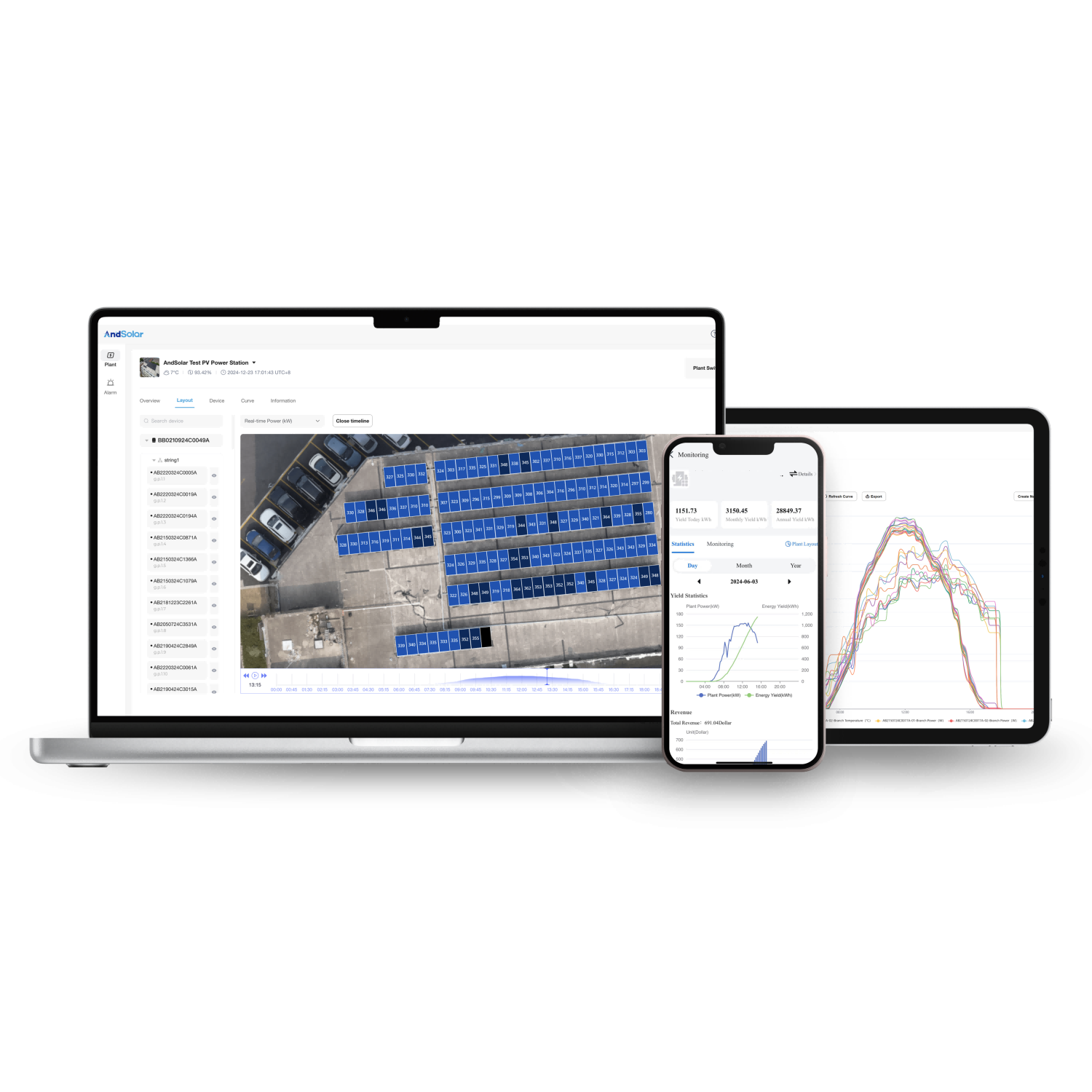
The comprehensive monitoring capabilities integrated into module-level inverter systems provide unprecedented insight into solar installation performance at the individual panel level. This granular monitoring approach transforms system maintenance from reactive troubleshooting to proactive optimization and preventive care. Each module-level inverter continuously collects detailed performance data including power output, voltage levels, current flow, temperature readings, and operational status indicators. This information transmits to centralized monitoring platforms through wireless communication or power line carrier technologies, creating comprehensive performance databases that enable sophisticated analysis and predictive maintenance strategies. System owners gain access to intuitive dashboards that display real-time and historical performance data, allowing them to monitor energy production, identify trends, and detect anomalies before they impact system performance significantly. The detailed monitoring capabilities enable rapid identification of specific issues such as soiling, shading, or equipment malfunctions affecting individual panels, dramatically reducing diagnostic time and maintenance costs. Advanced analytics built into these monitoring systems can predict maintenance needs, component failures, and performance degradation patterns, enabling proactive interventions that maximize system uptime and energy production. The granular data collection also provides valuable insights for system optimization, helping owners understand how different environmental factors affect their specific installation and make informed decisions about landscaping, cleaning schedules, or system modifications. Installation professionals benefit from detailed commissioning reports and ongoing performance verification that ensures systems meet design expectations and warranty requirements. The monitoring infrastructure supports remote diagnostics capabilities, allowing technical support teams to identify and often resolve issues without requiring on-site visits, reducing service costs and minimizing system downtime. This comprehensive monitoring approach also enhances system security by detecting unauthorized access attempts, communication disruptions, or other potential security concerns that could affect system integrity.
Enhanced Safety and Reliability Features

Enhanced Safety and Reliability Features

Module-level inverters incorporate advanced safety mechanisms and reliability features that significantly exceed traditional inverter safety standards while providing superior long-term performance assurance. The distributed architecture inherent in module-level inverter systems creates natural redundancy that enhances overall system reliability, as the failure of individual components affects only single panels rather than compromising entire string performance. This design philosophy ensures continued energy production even during maintenance activities or component failures, maximizing system uptime and revenue generation. Rapid shutdown capabilities represent a critical safety advancement, automatically reducing DC voltages to safe levels within seconds of system disconnection or emergency situations. This feature protects first responders, maintenance personnel, and property occupants by eliminating dangerous high-voltage DC circuits that could pose electrocution or arc flash hazards during emergency response or routine maintenance activities. Built-in arc fault detection and interruption capabilities continuously monitor electrical connections and immediately shut down affected circuits when dangerous arcing conditions develop, preventing potential fire hazards and equipment damage. Ground fault protection systems integrated into module-level inverters provide enhanced detection sensitivity and faster response times compared to traditional centralized protection schemes, improving personnel safety and equipment protection. The robust construction of module-level inverters incorporates weatherproof enclosures, corrosion-resistant materials, and advanced thermal management systems designed to operate reliably in extreme environmental conditions over 25-year operational lifetimes. Comprehensive diagnostic capabilities enable continuous self-monitoring of critical components and operating parameters, automatically alerting system owners and maintenance teams when performance anomalies or potential failures are detected. These inverters undergo rigorous testing and certification processes that verify compliance with stringent safety standards including UL 1741, IEEE 1547, and international equivalents. The distributed installation approach also reduces single-point failure risks while simplifying troubleshooting and repair procedures, as technicians can isolate and service individual components without affecting overall system operation. Enhanced electromagnetic interference suppression and power quality features ensure clean power delivery that meets utility interconnection requirements while minimizing potential interference with sensitive electronic equipment.

Get a Free Quote

Our representative will contact you soon.
Name
Email
Phone/ WhatsApp
Company Name
Product Selection
Message
0/1000

module-level inverter

Latest News

What Is Rapid Shutdown for Solar PV, and Why Is It Necessary?

16

Jun

What Is Rapid Shutdown for Solar PV, and Why Is It Necessary?

Understanding Rapid Shutdown Technology in Solar PV Systems What is Rapid Shutdown for Solar Panels?Safety behind-the-panel Rapid Shutdown technology serves as a critical last resort in a solar PV system, acting as a protective measure in case o...
View More
A detailed comparison between microinverters and optimizers

21

Jul

A detailed comparison between microinverters and optimizers

Understanding Modern Solar Panel Efficiency Technologies As solar energy systems become more mainstream for residential and commercial applications, the conversation has moved beyond panels themselves to the technologies that enhance their performan...
View More
Understanding ABNT NBR 17193:2025 & Rapid Shutdown: Everything You Need to Know

23

Sep

Understanding ABNT NBR 17193:2025 & Rapid Shutdown: Everything You Need to Know

The Evolution of Solar Safety Standards in Brazil The solar energy landscape in Brazil is undergoing a significant transformation with the introduction of ABNT NBR 17193:2025, particularly focusing on rapid shutdown requirements. This revolutionary s...
View More
Global Rapid Shutdown Standards: How AndSolar Meets the Standards

23

Sep

Global Rapid Shutdown Standards: How AndSolar Meets the Standards

Understanding Solar Safety Through Rapid Shutdown Innovation The evolution of solar energy systems has brought unprecedented focus on safety protocols, with rapid shutdown standards emerging as a crucial component in modern solar installations. These...
View More

Get a Free Quote

Our representative will contact you soon.
Name
Email
Phone/ WhatsApp
Company Name
Product Selection
Message
0/1000