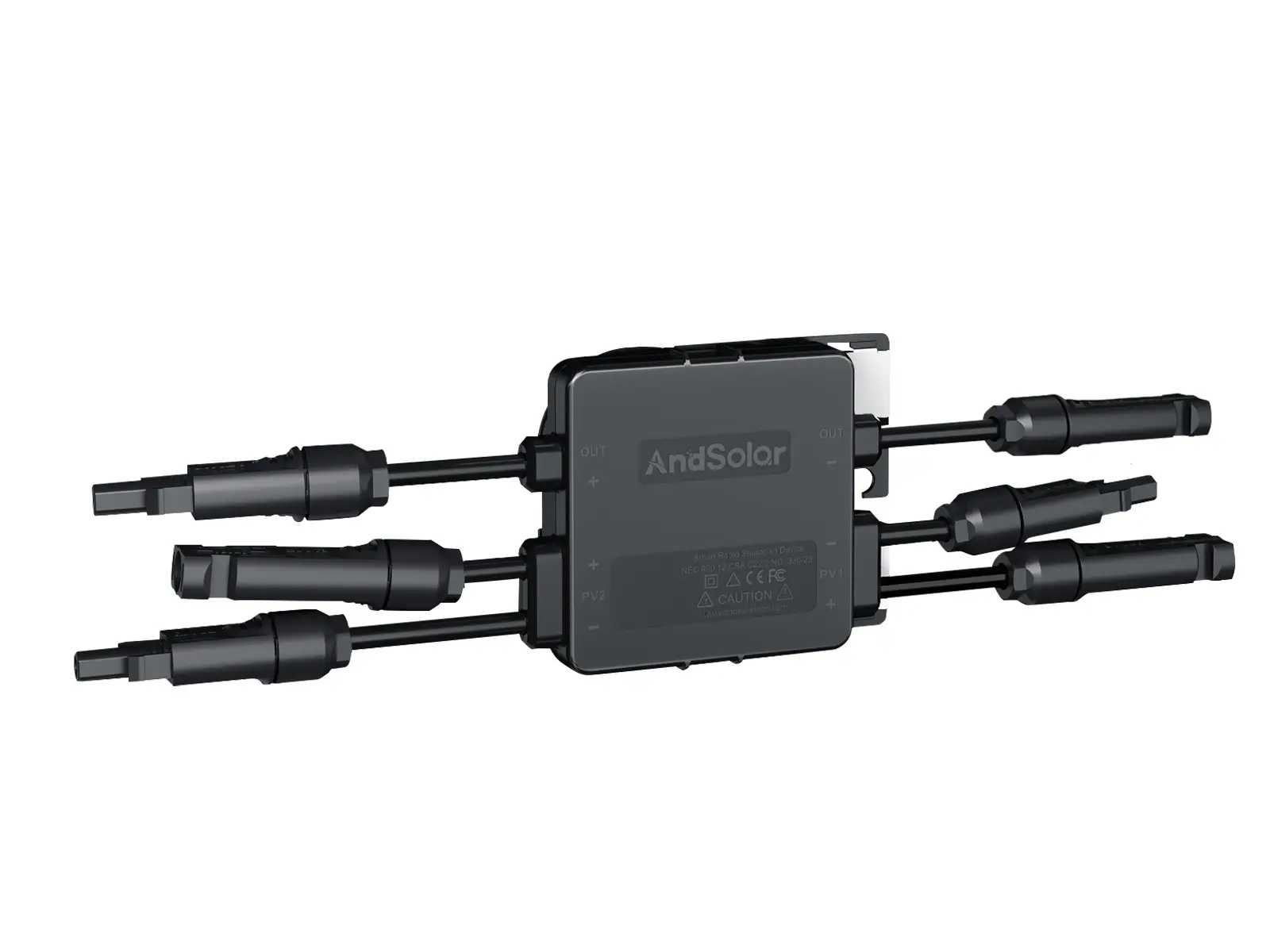
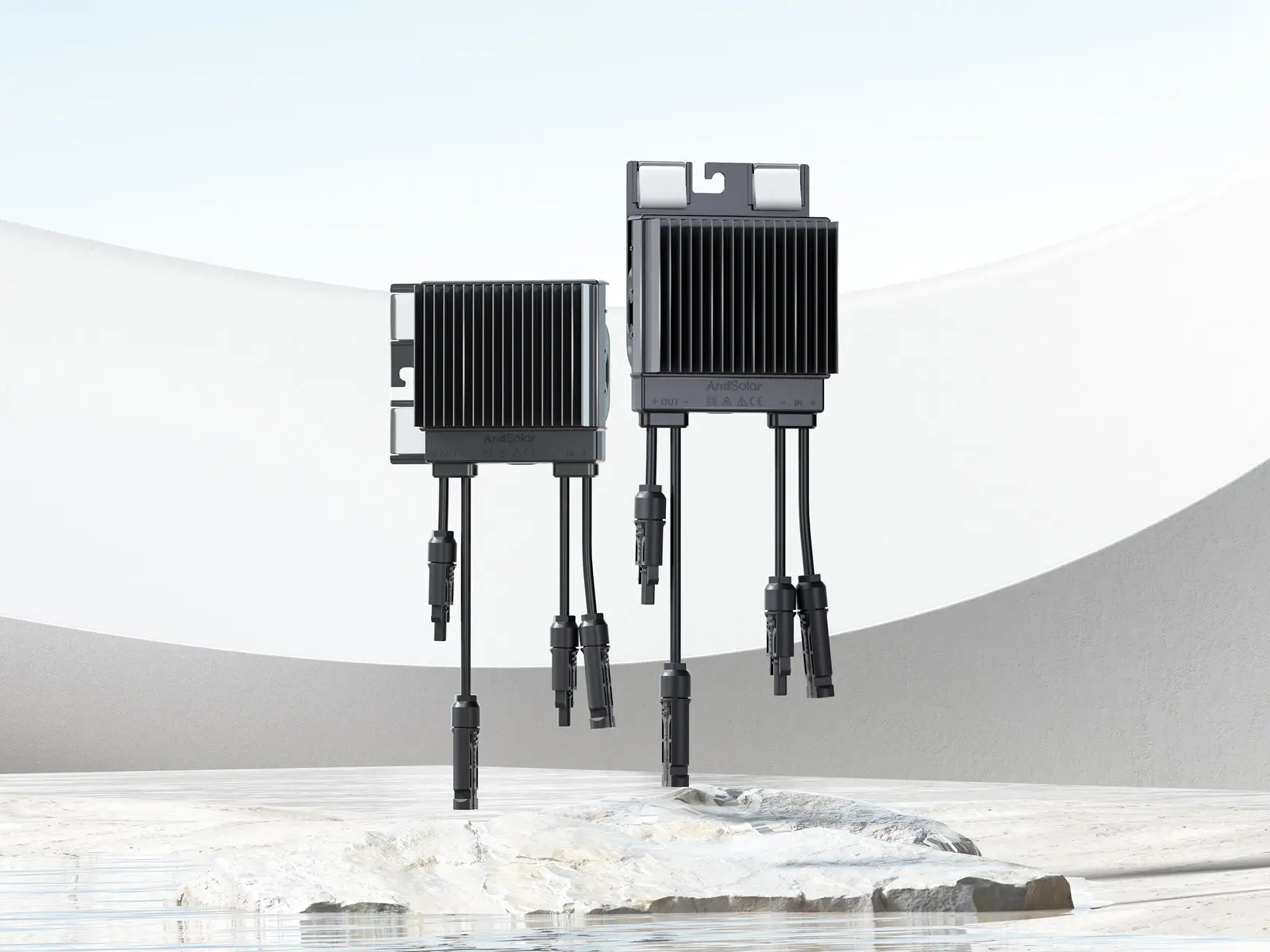
inverter
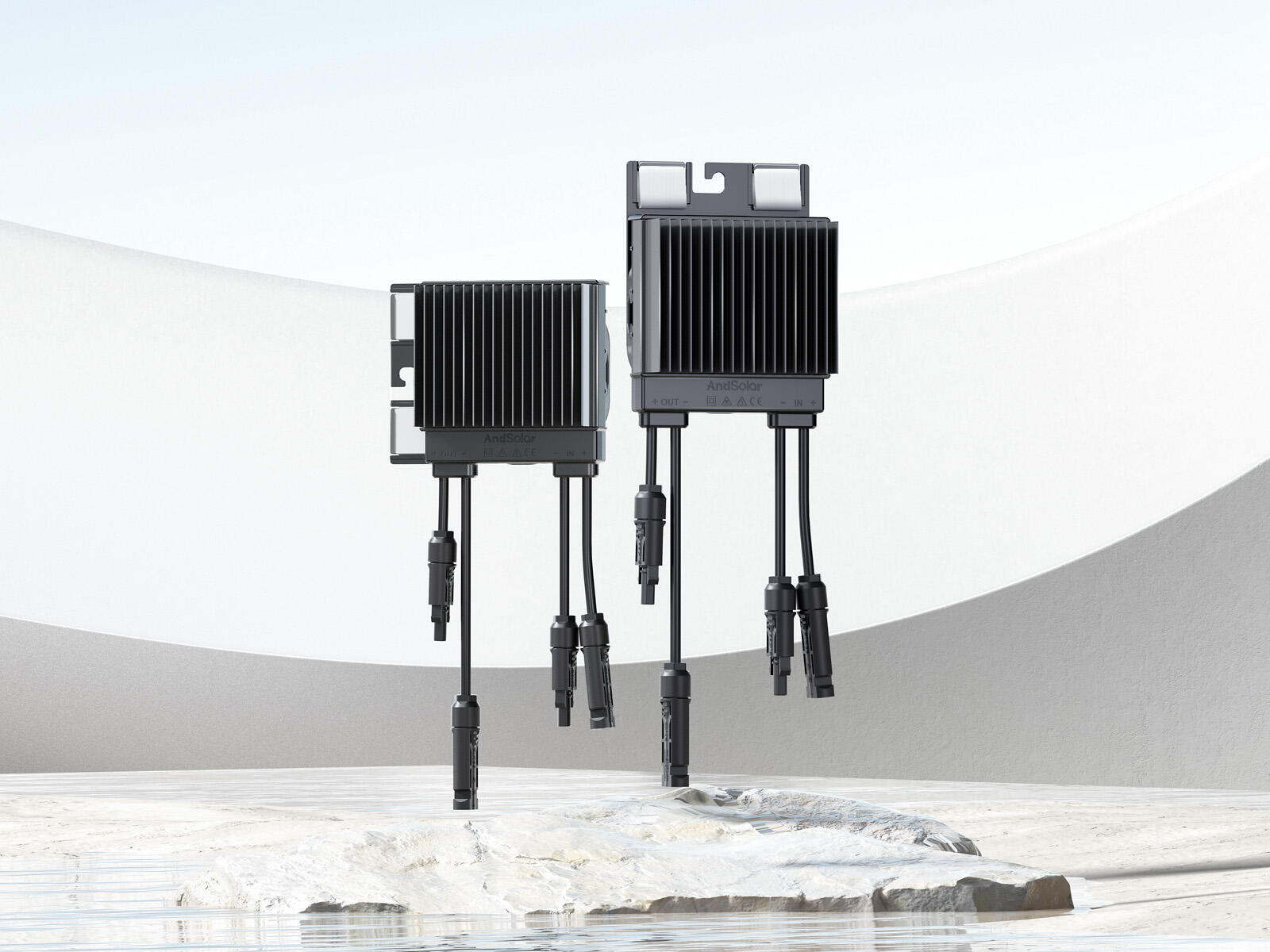
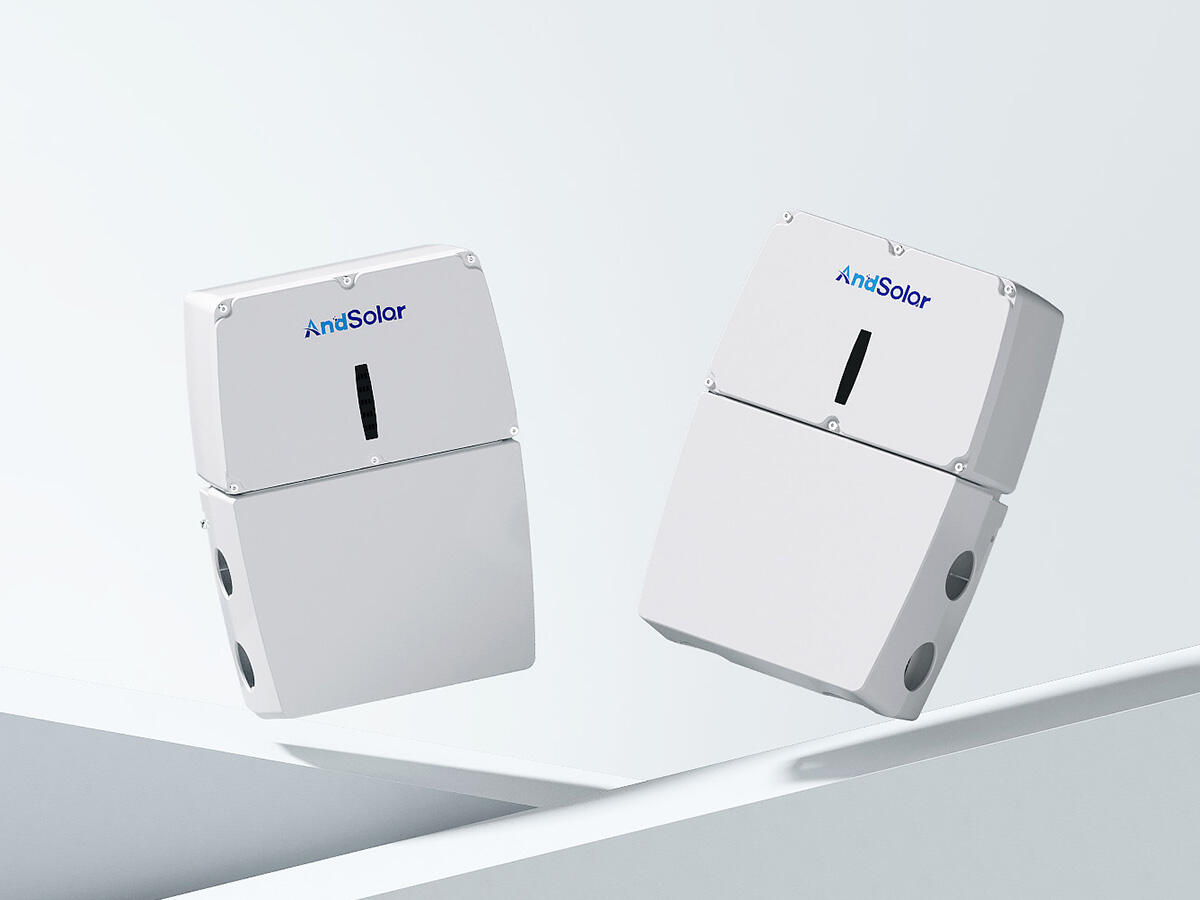
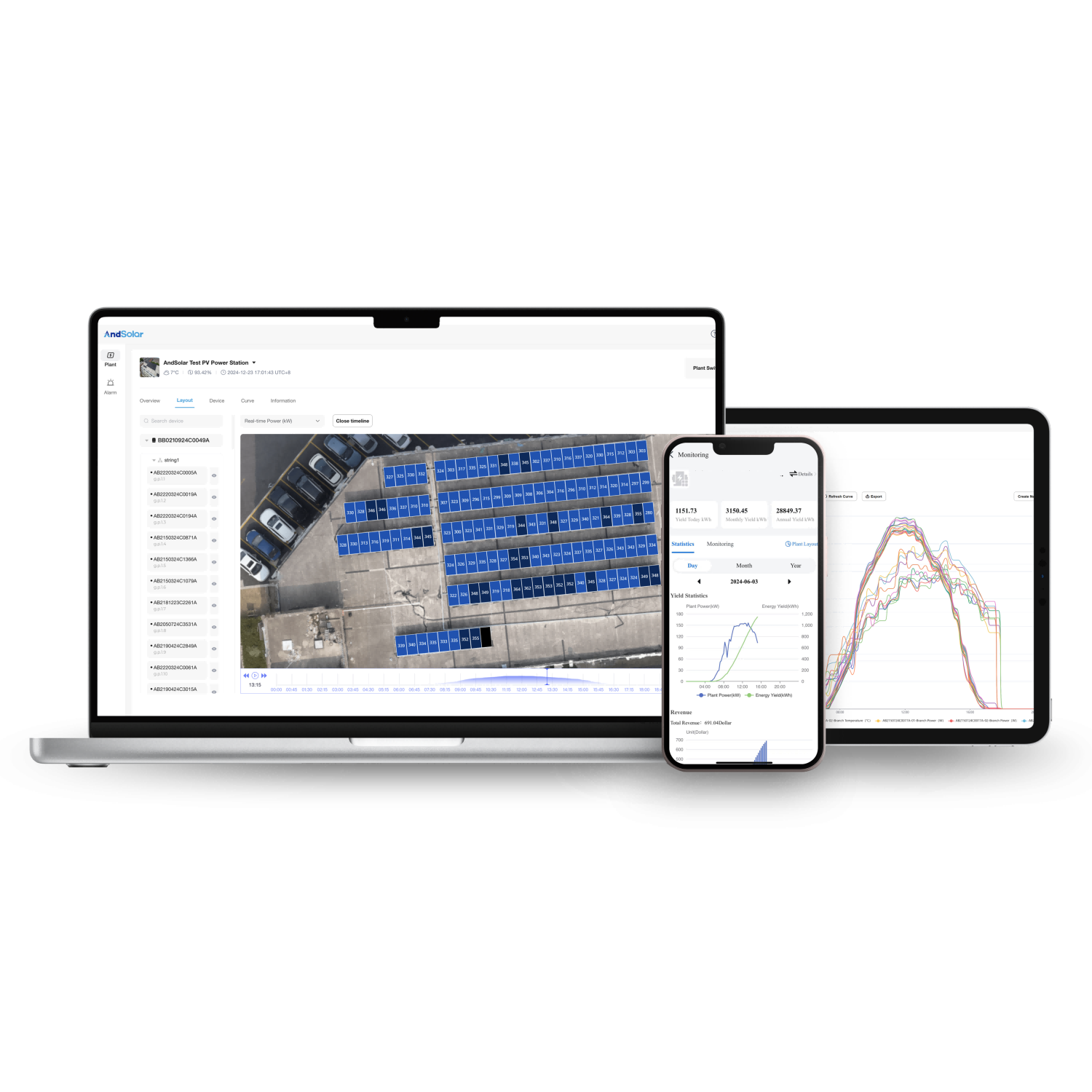
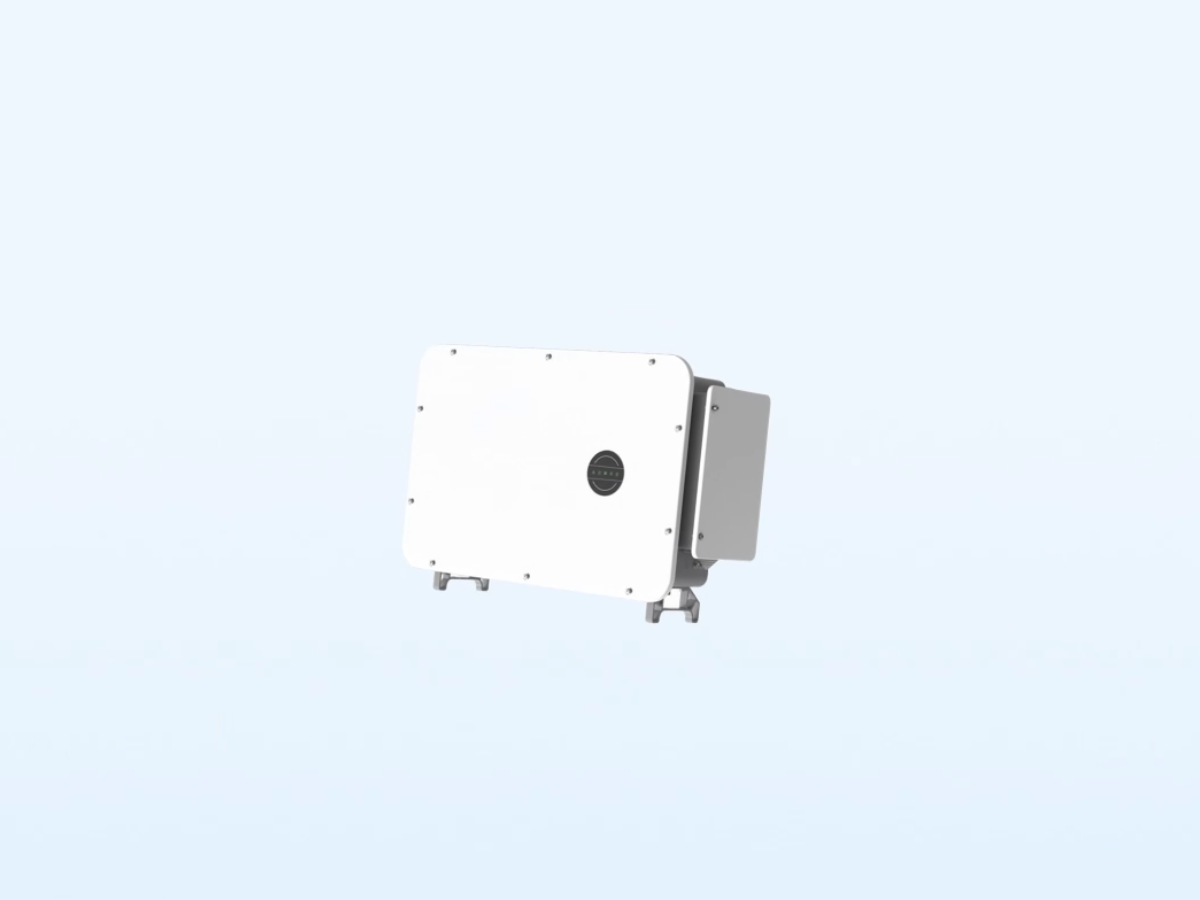
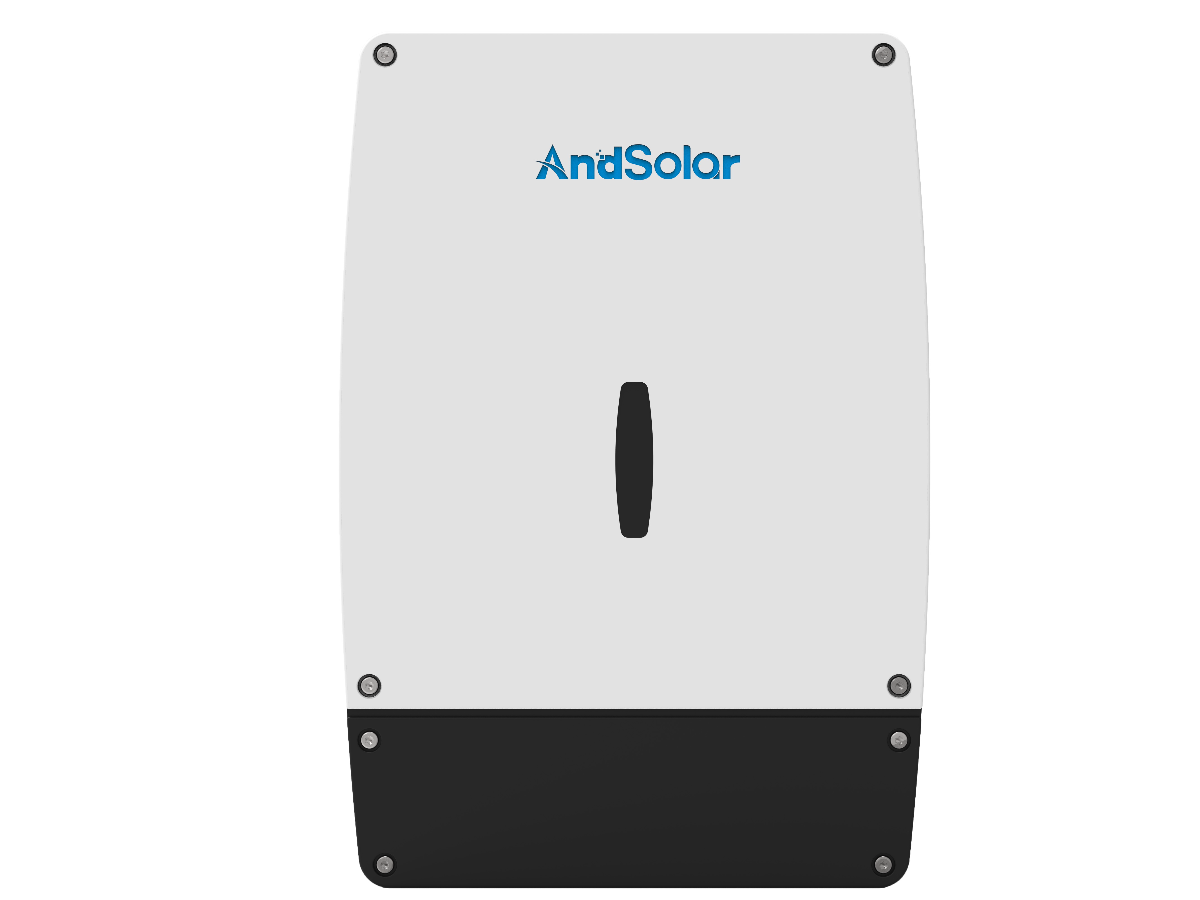
An inverter represents a crucial electronic device that transforms direct current (DC) electricity into alternating current (AC) electricity, making it an essential component in modern electrical systems. This sophisticated piece of equipment operates through advanced switching technology that rapidly converts the steady flow of DC power into the oscillating AC power required by most household appliances and commercial equipment. The inverter functions as a bridge between different power sources and consumption devices, enabling seamless energy conversion across various applications. Modern inverters incorporate pulse width modulation (PWM) technology and sophisticated control circuits that ensure efficient power conversion while maintaining stable output voltage and frequency. These devices feature multiple protection mechanisms including overvoltage protection, undervoltage protection, overcurrent protection, and thermal protection to safeguard both the inverter itself and connected equipment. The technological architecture of contemporary inverters includes microprocessor-based control systems that monitor and adjust performance parameters in real-time, ensuring optimal efficiency and reliability. Inverters find extensive applications across residential, commercial, and industrial sectors, serving as vital components in solar power systems, uninterruptible power supplies, motor drives, and backup power solutions. In renewable energy installations, inverters play a fundamental role in converting DC electricity generated by solar panels into AC electricity suitable for grid connection or direct consumption. The versatility of inverter technology extends to electric vehicle charging systems, where they facilitate efficient power conversion and battery management. Industrial applications leverage inverters for motor speed control, enabling precise regulation of machinery operations and significant energy savings. The compact design and improved efficiency of modern inverters make them suitable for portable applications, emergency backup systems, and off-grid power solutions. Advanced inverter models incorporate smart features such as remote monitoring capabilities, programmable settings, and communication interfaces that allow integration with building management systems and smart grid infrastructure.