residential solar inverter
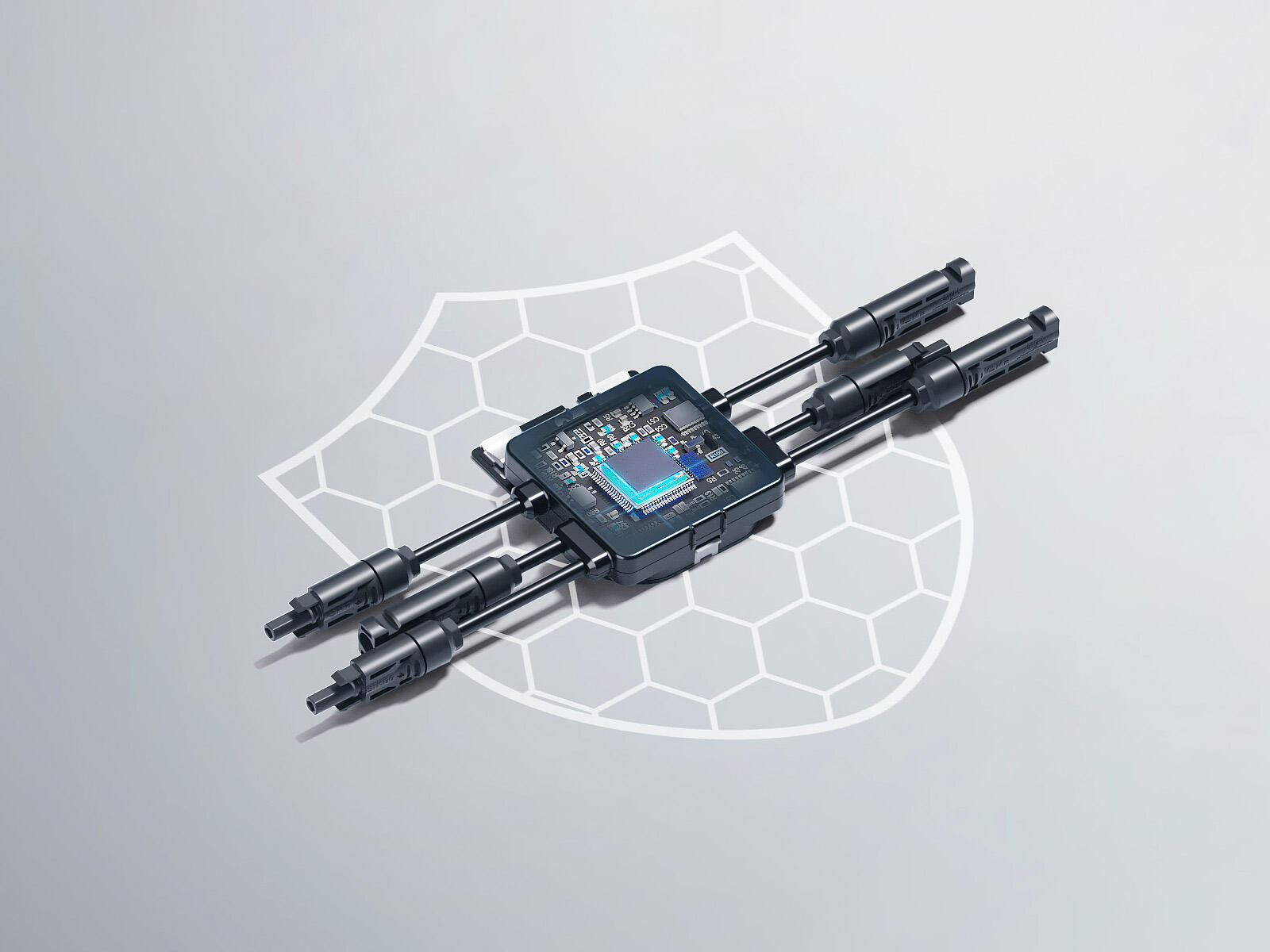
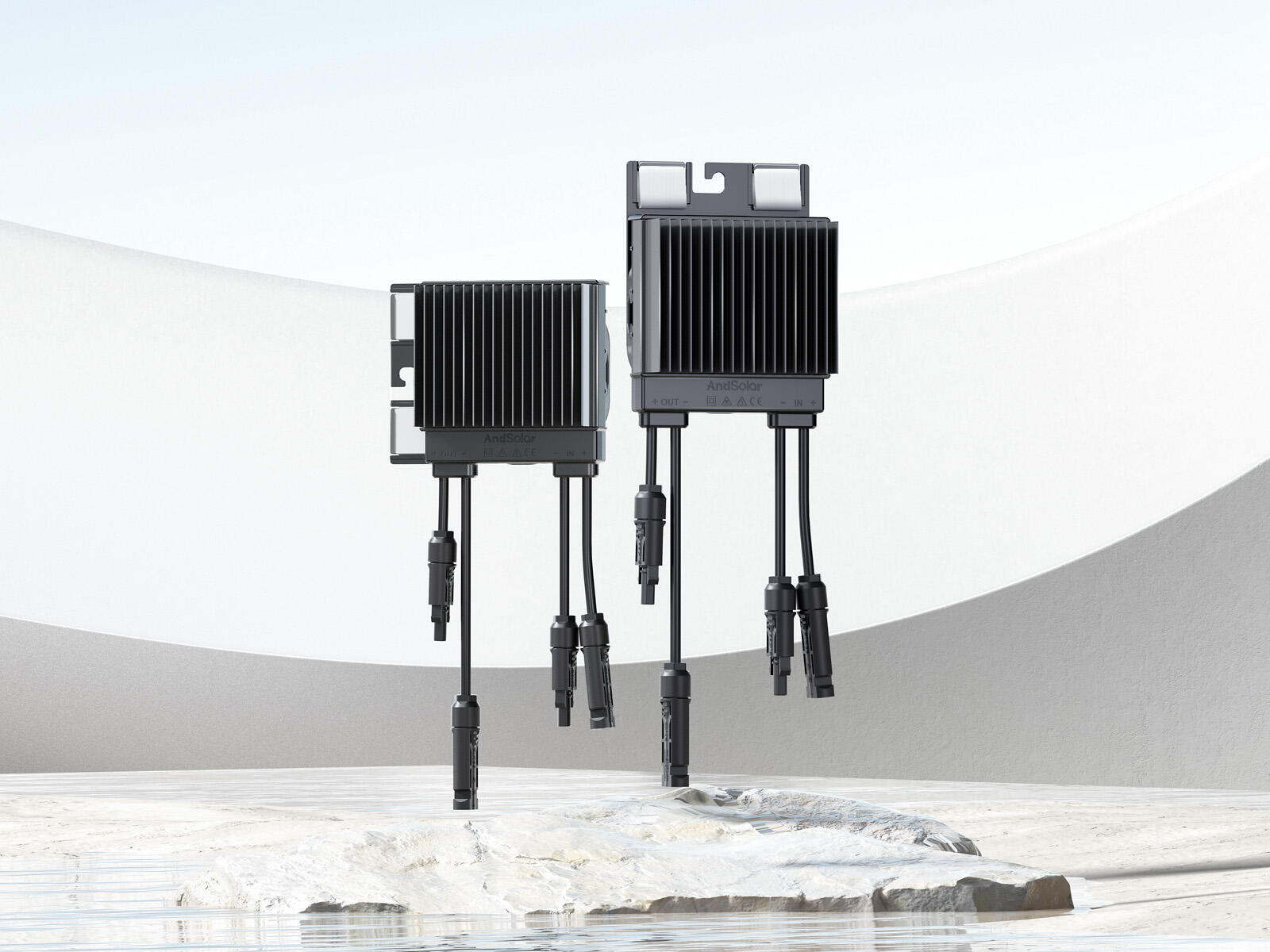
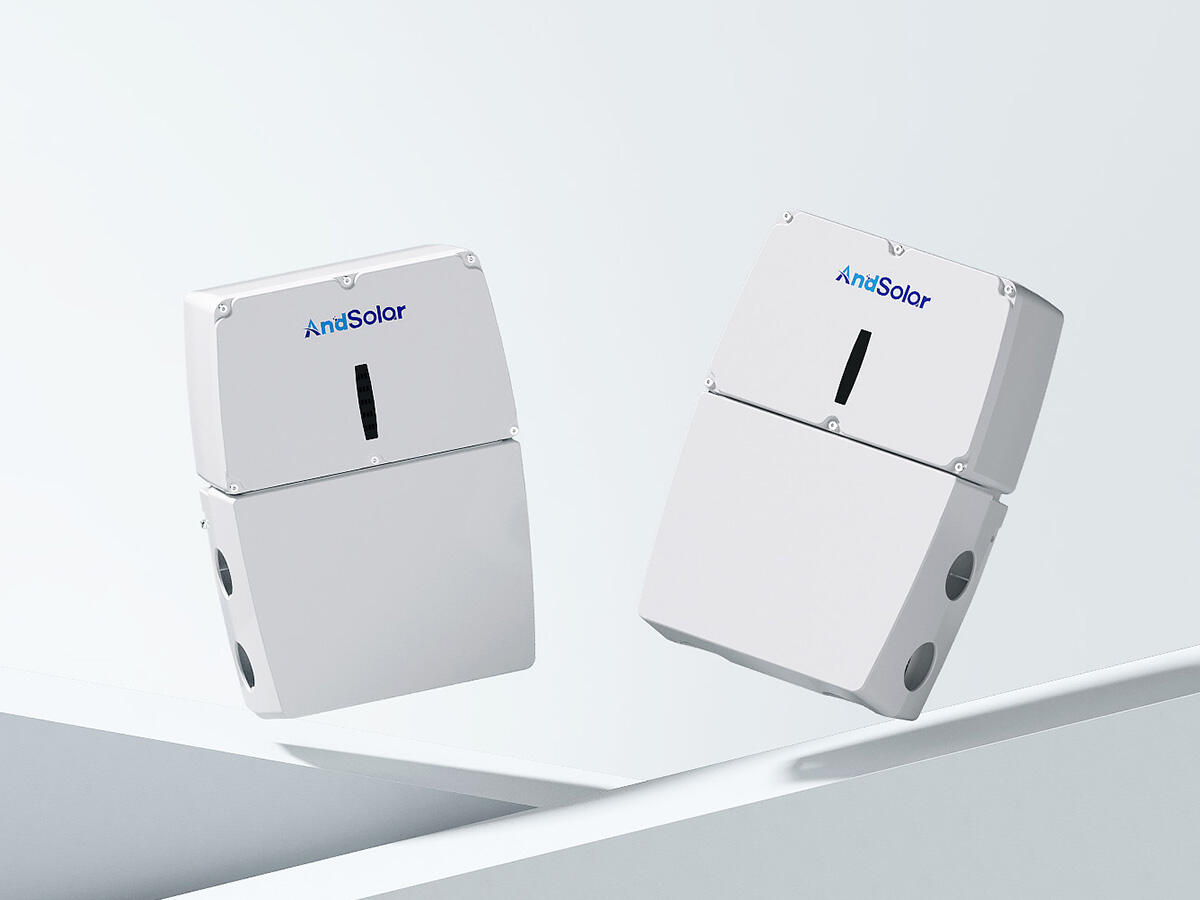
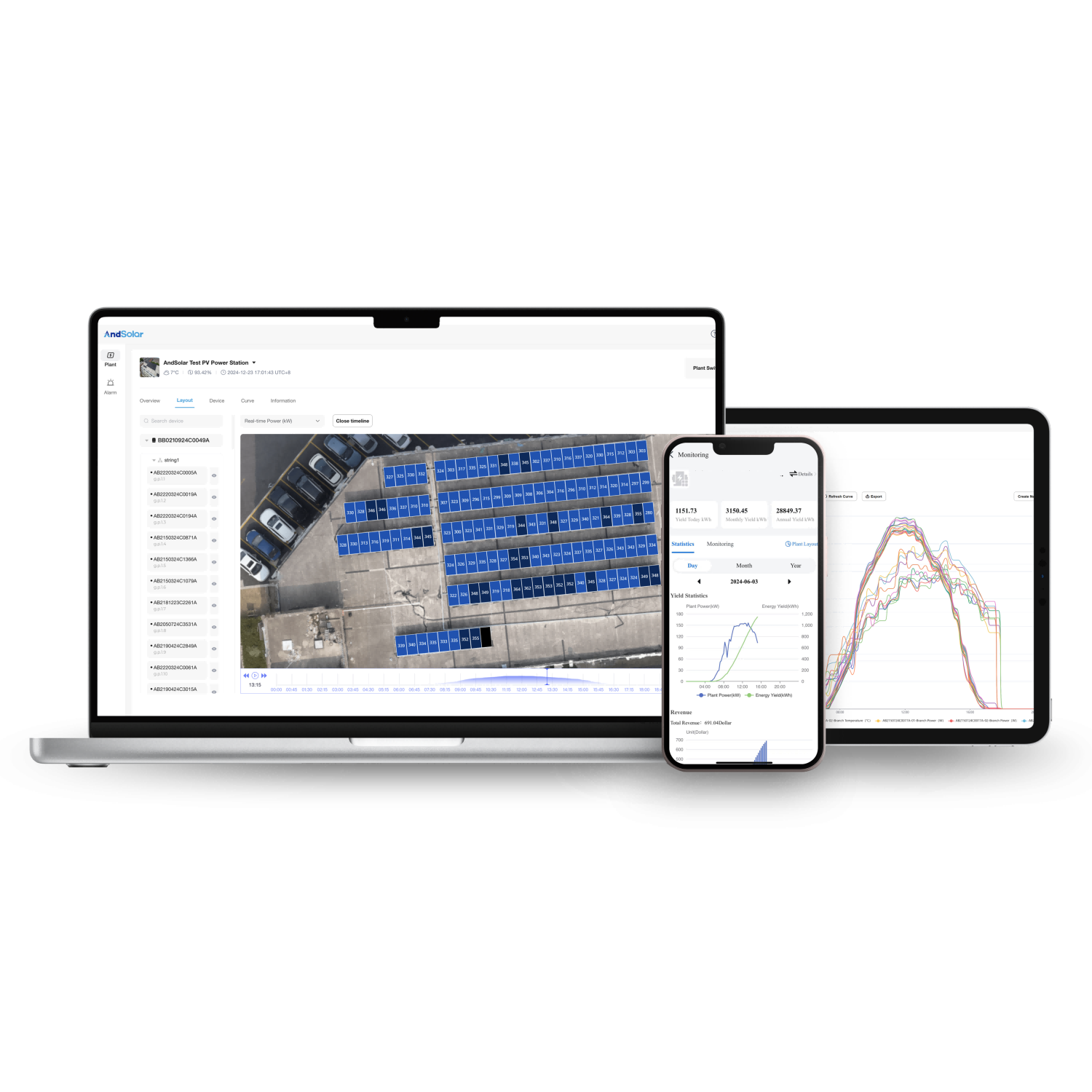
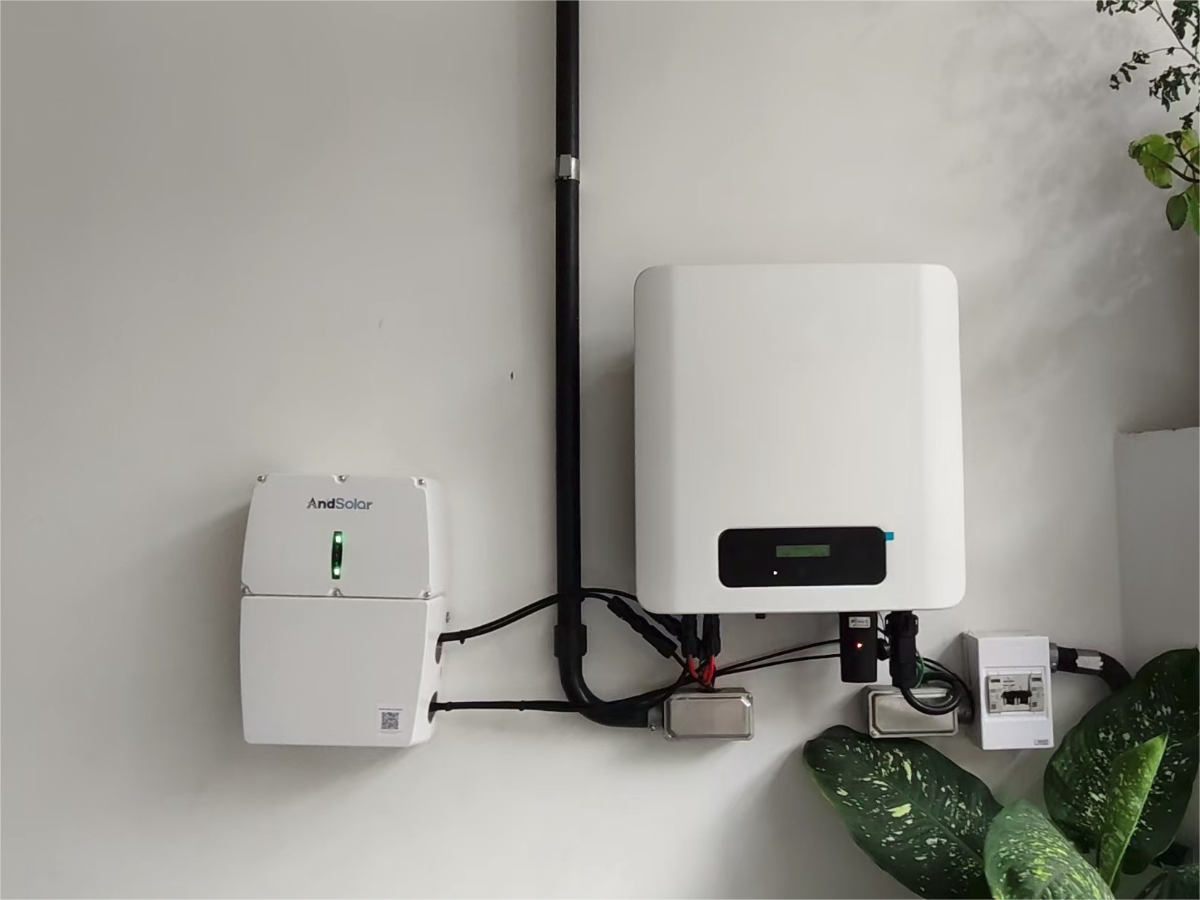
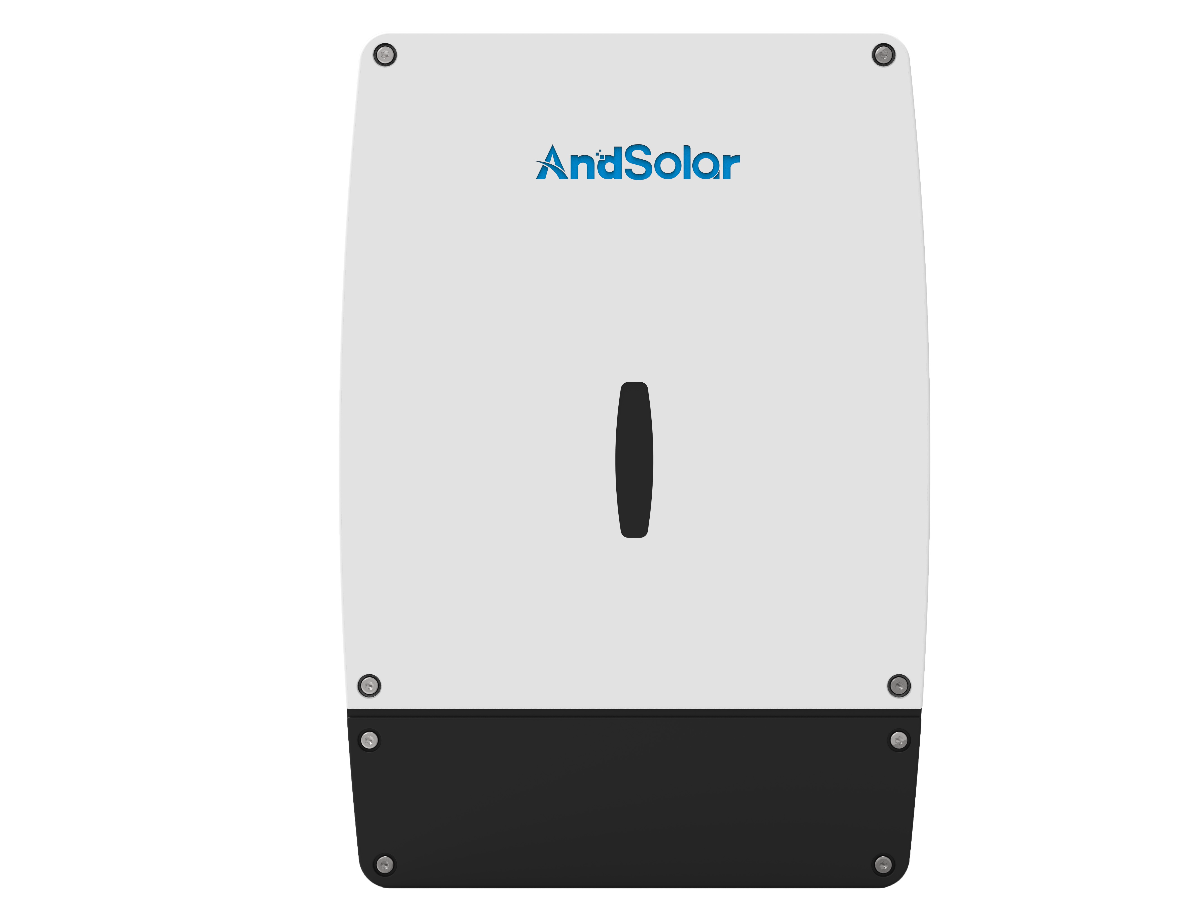
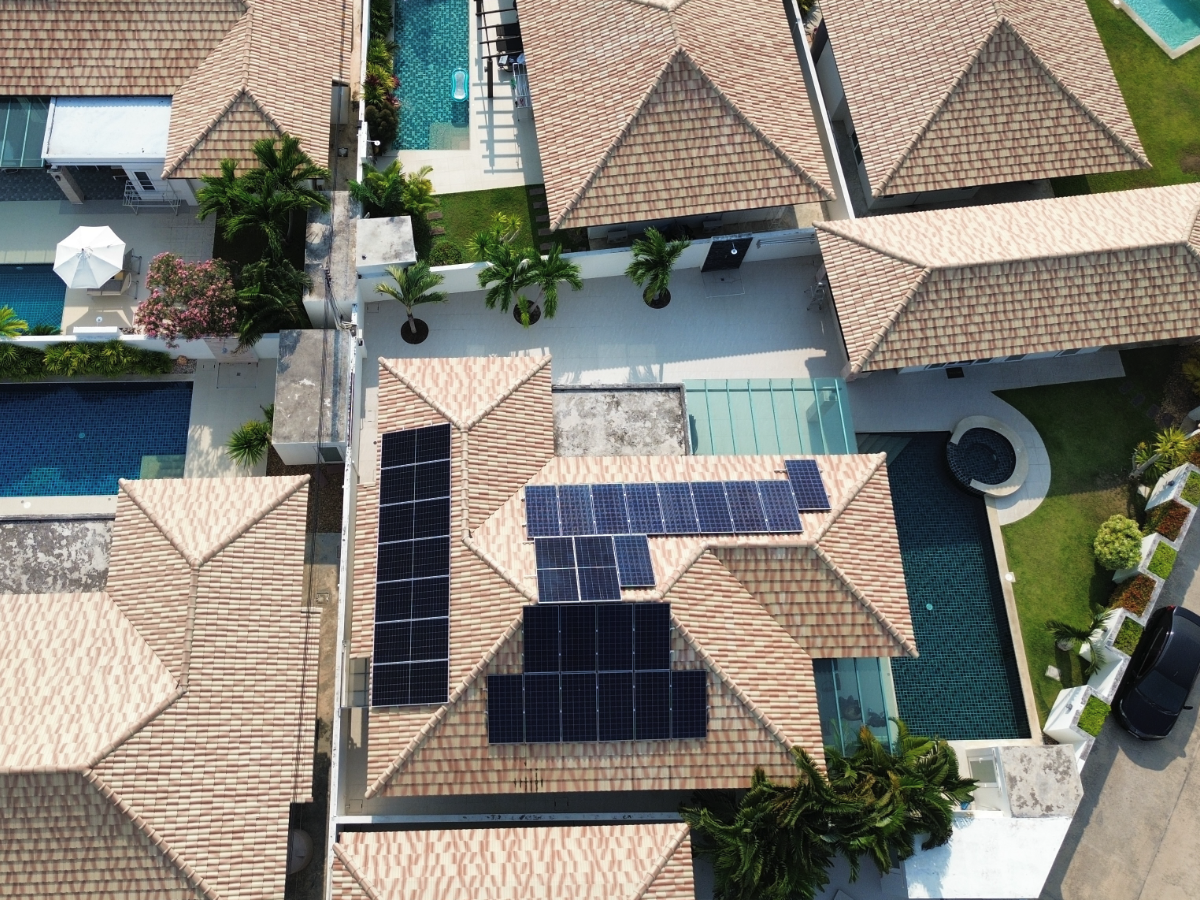
A residential solar inverter serves as the central nervous system of any home solar energy installation, transforming direct current electricity generated by solar panels into alternating current power that household appliances can utilize. This sophisticated device performs the critical function of converting DC power from photovoltaic panels into standard AC electricity at 120V or 240V, depending on your home's electrical requirements. Modern residential solar inverters incorporate advanced power electronics and digital processing capabilities to ensure maximum energy conversion efficiency while maintaining grid compliance and safety standards. The residential solar inverter continuously monitors solar panel performance, optimizing power output through maximum power point tracking technology that adjusts to changing sunlight conditions throughout the day. These intelligent devices feature built-in safety mechanisms including ground fault protection, arc fault detection, and rapid shutdown capabilities that automatically disconnect the system during emergencies or maintenance procedures. Contemporary residential solar inverters offer comprehensive monitoring capabilities through smartphone applications and web portals, allowing homeowners to track energy production, consumption patterns, and system performance in real-time. Many models include integrated WiFi connectivity and data logging functions that store historical performance data for analysis and troubleshooting purposes. The residential solar inverter also manages grid interconnection protocols, ensuring seamless integration with utility power systems while meeting local electrical codes and regulations. Advanced models feature anti-islanding protection that prevents the inverter from supplying power to the grid during outages, protecting utility workers and equipment. Some residential solar inverters include backup power capabilities, automatically switching to battery storage during grid failures to maintain critical home functions. The technological sophistication of modern residential solar inverters extends to their ability to communicate with smart home systems, enabling automated energy management and load balancing based on solar production and household demand patterns.