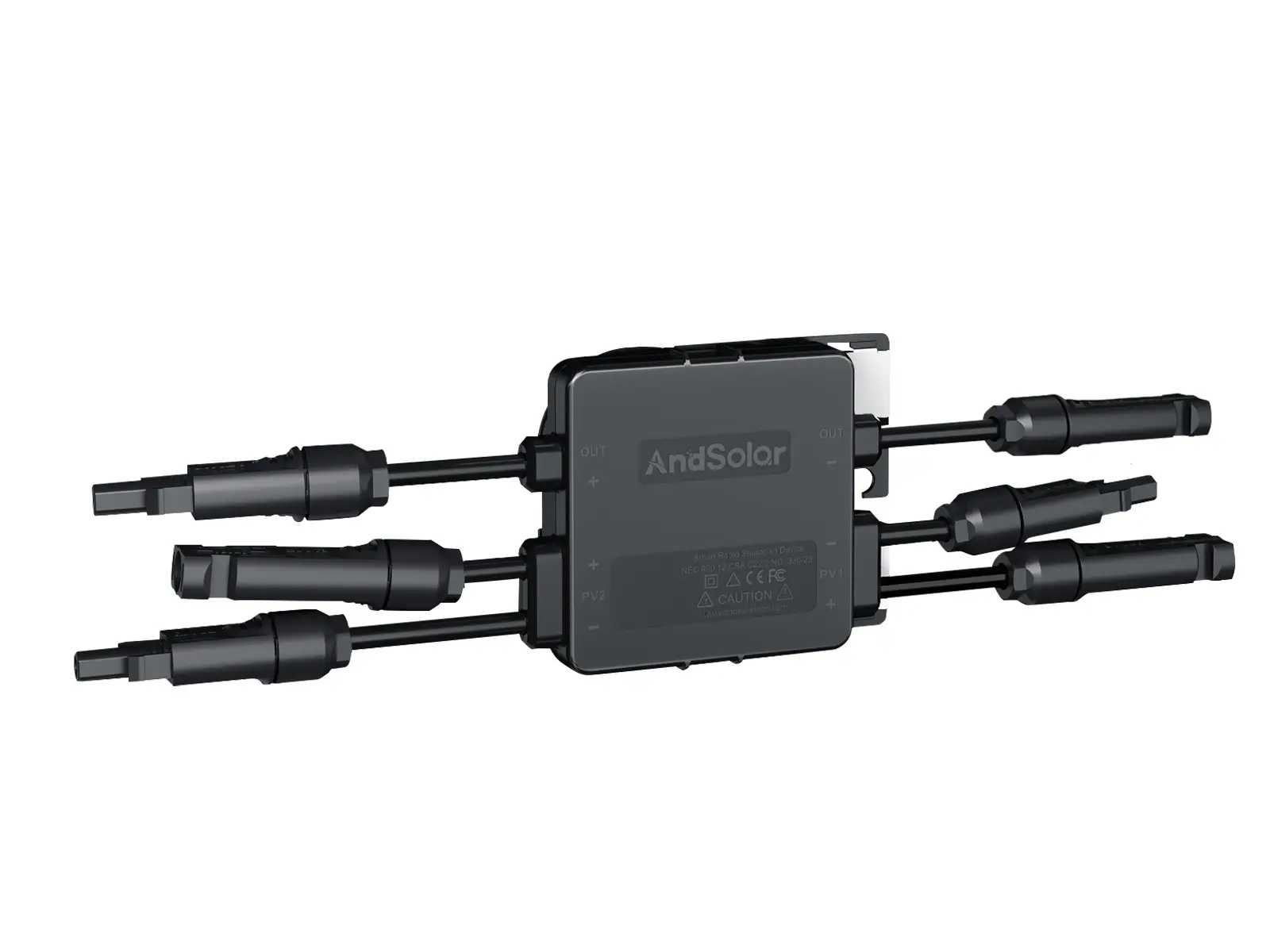
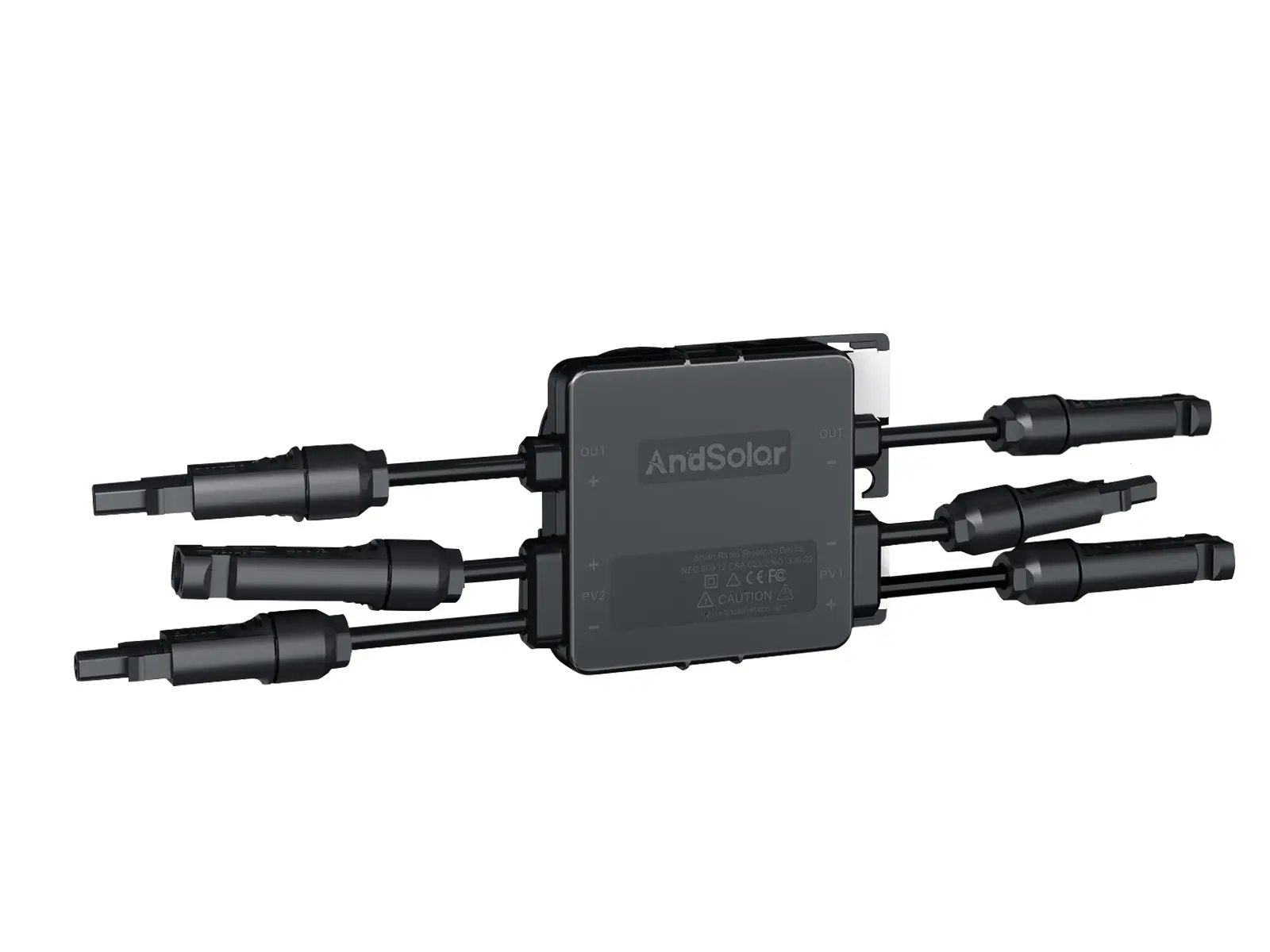
smart inverter
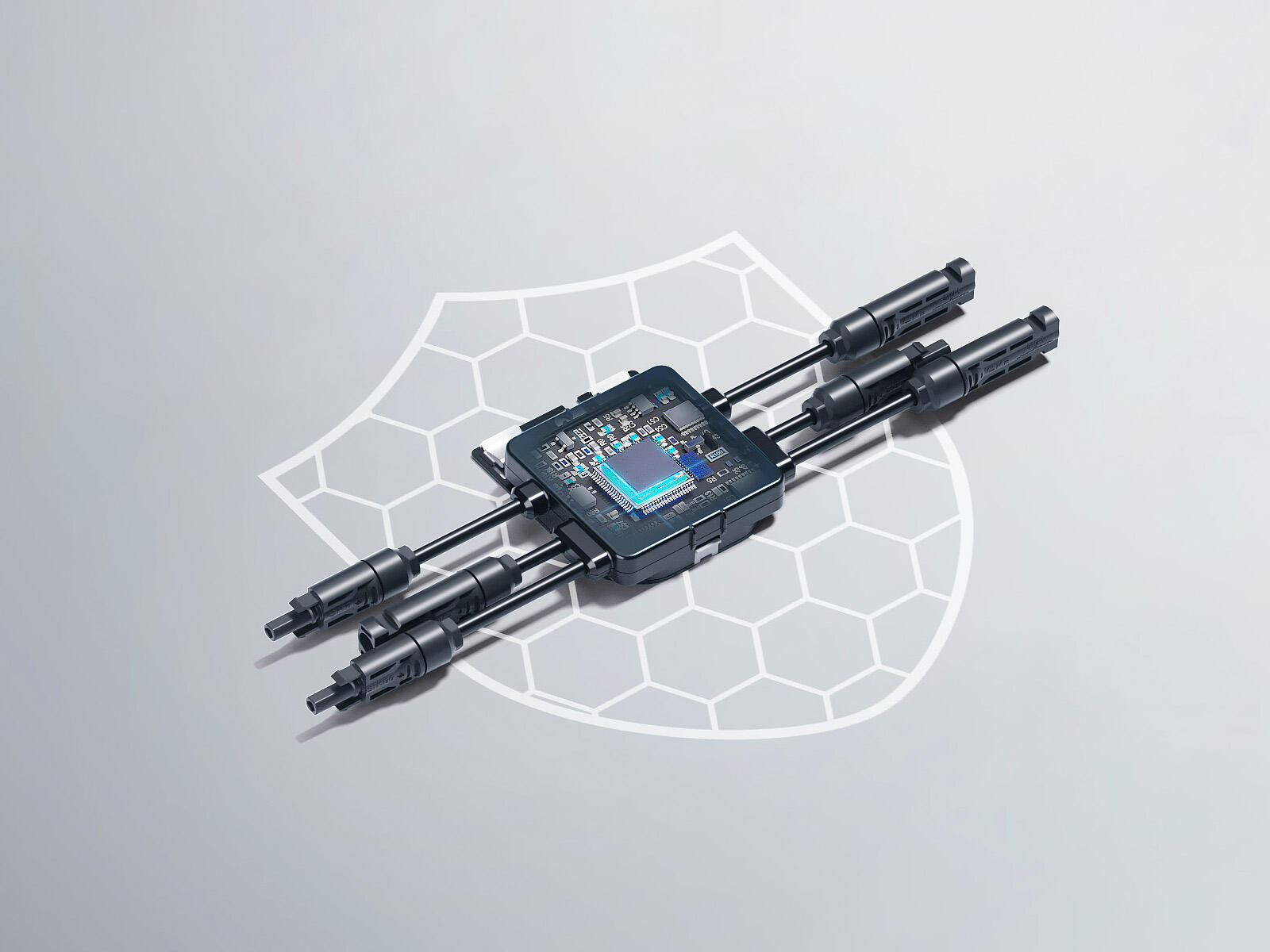
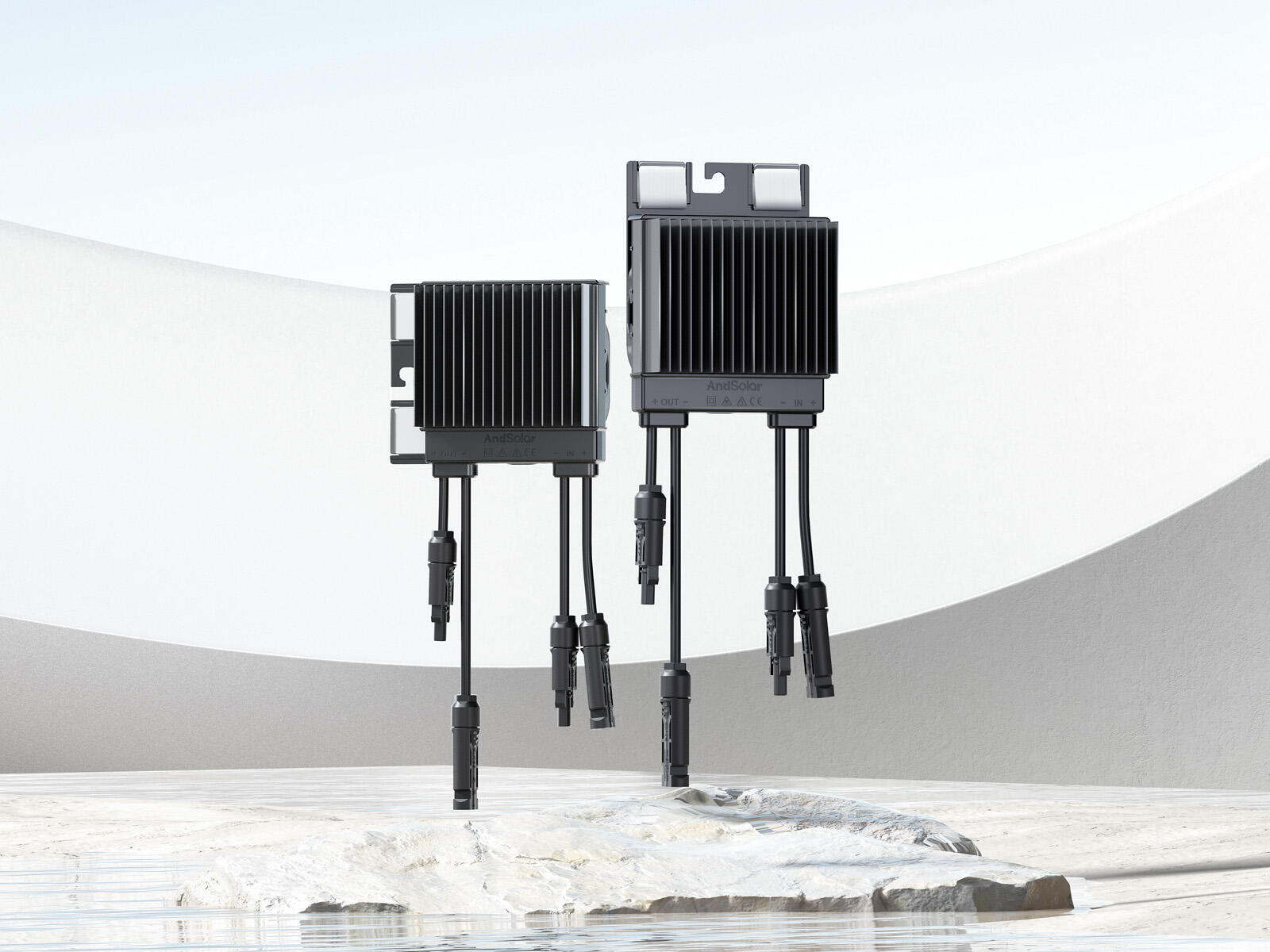
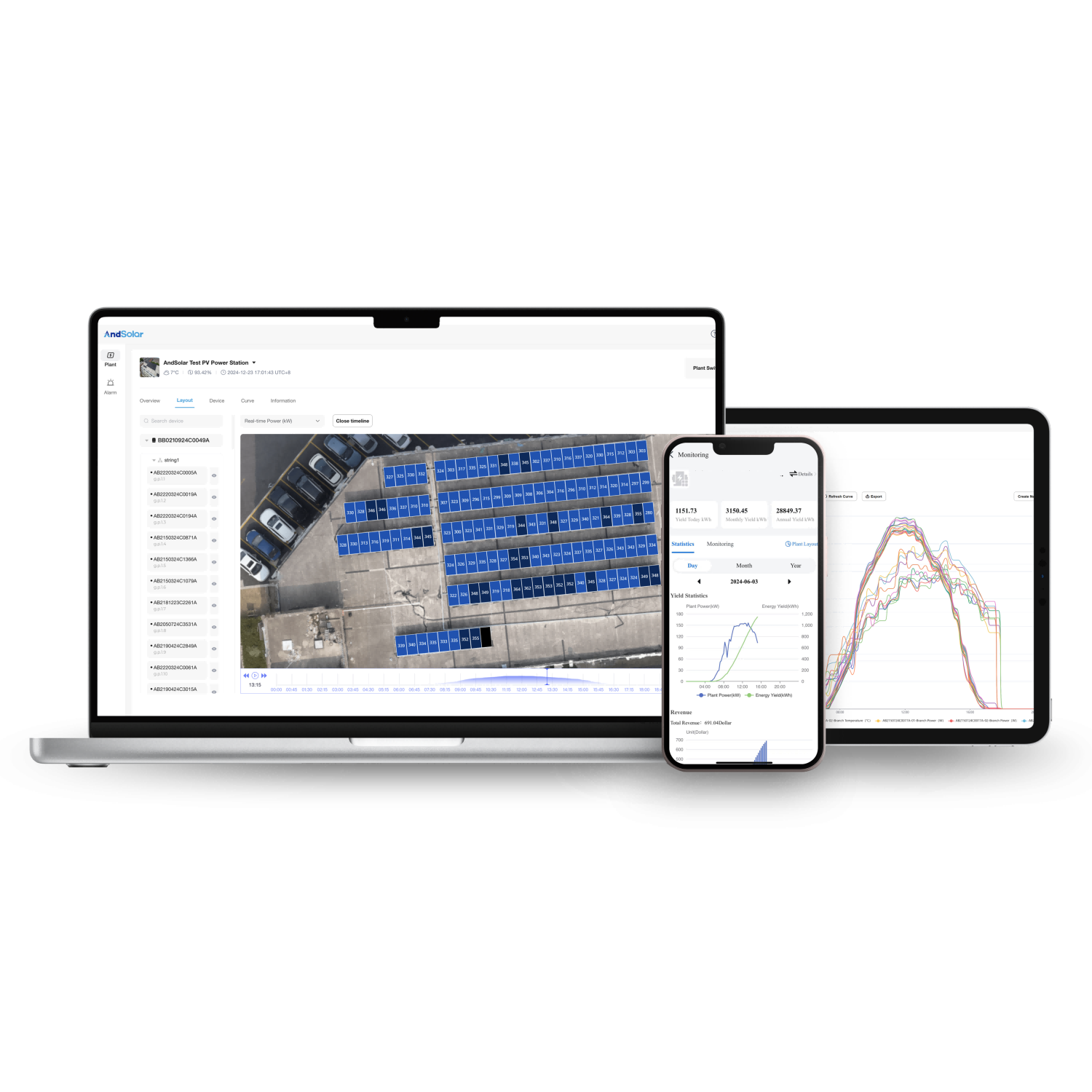
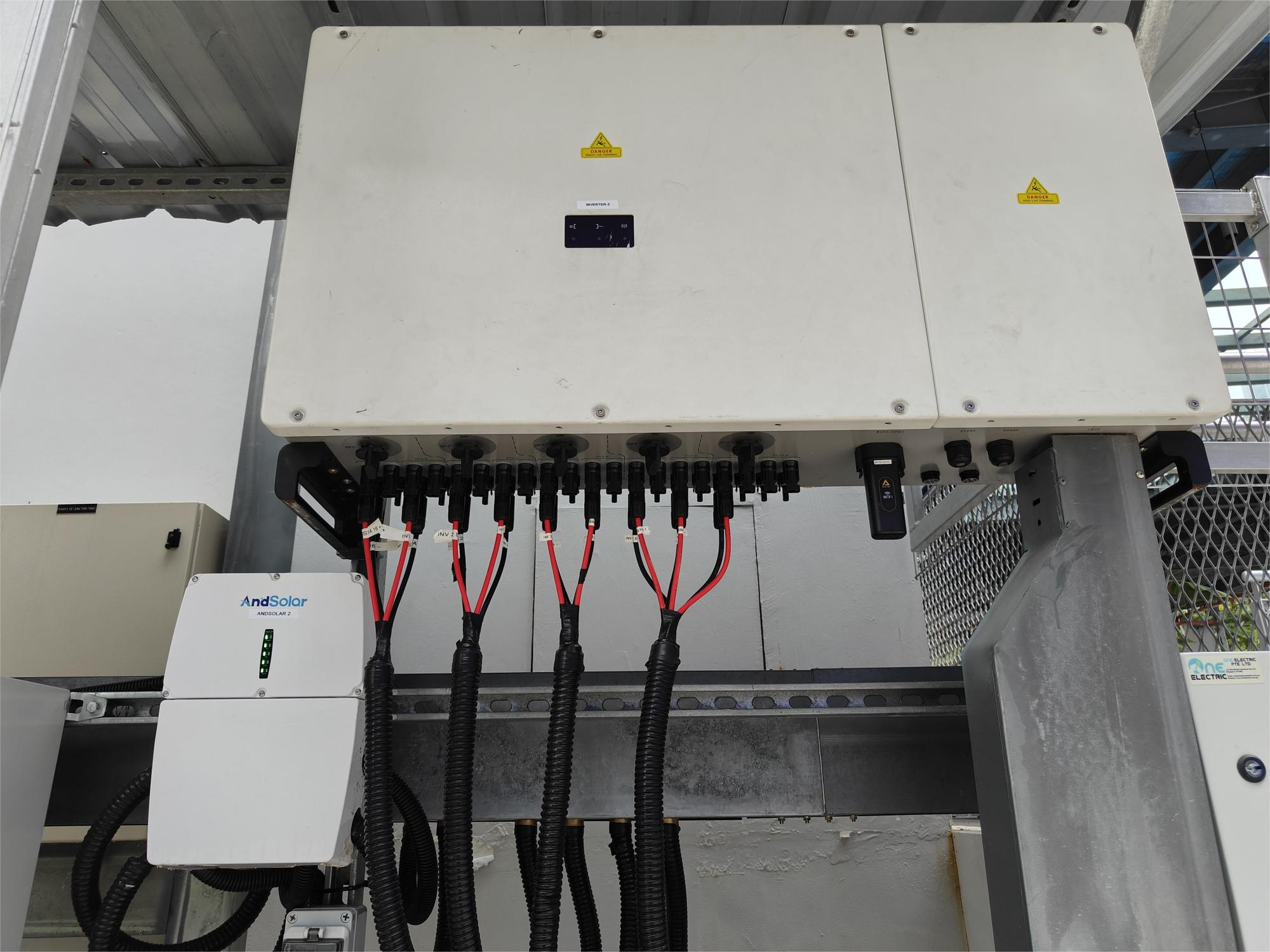
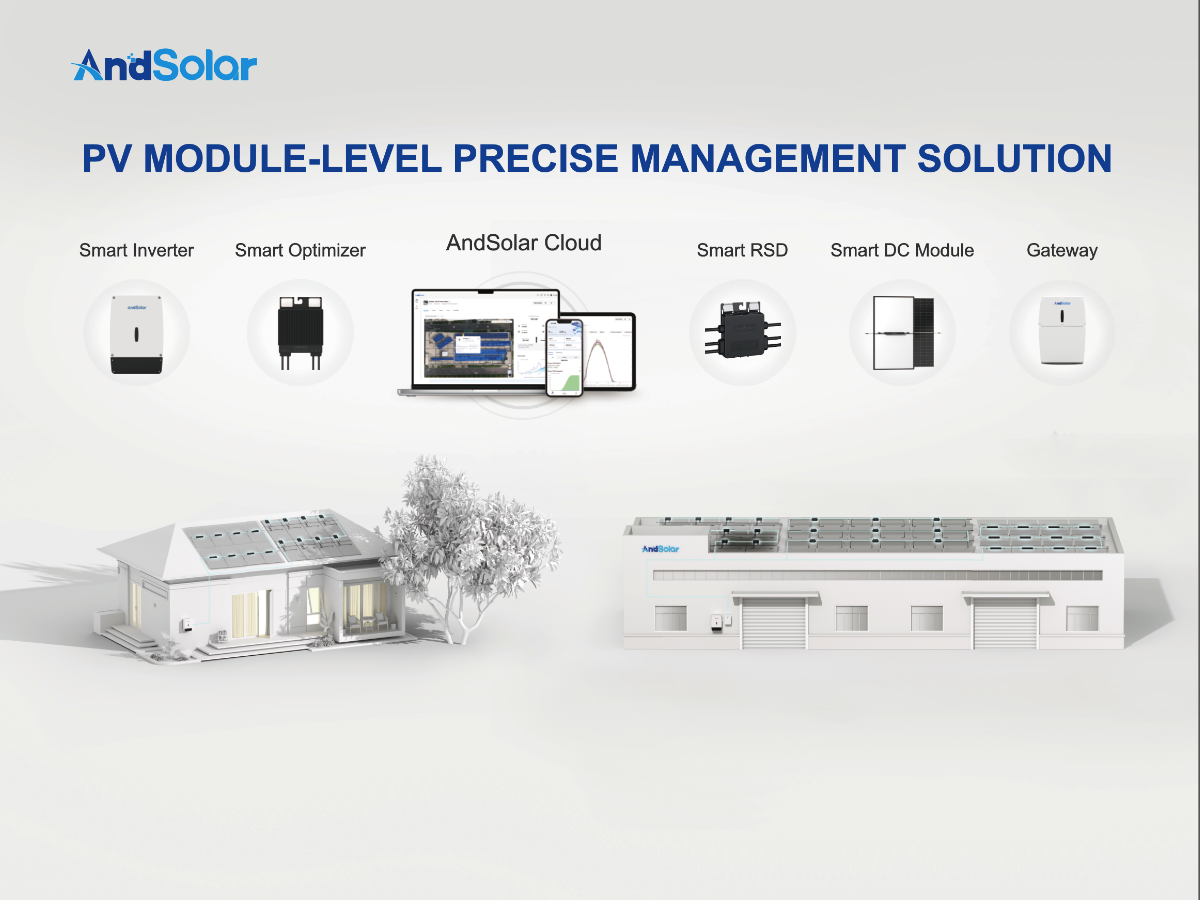
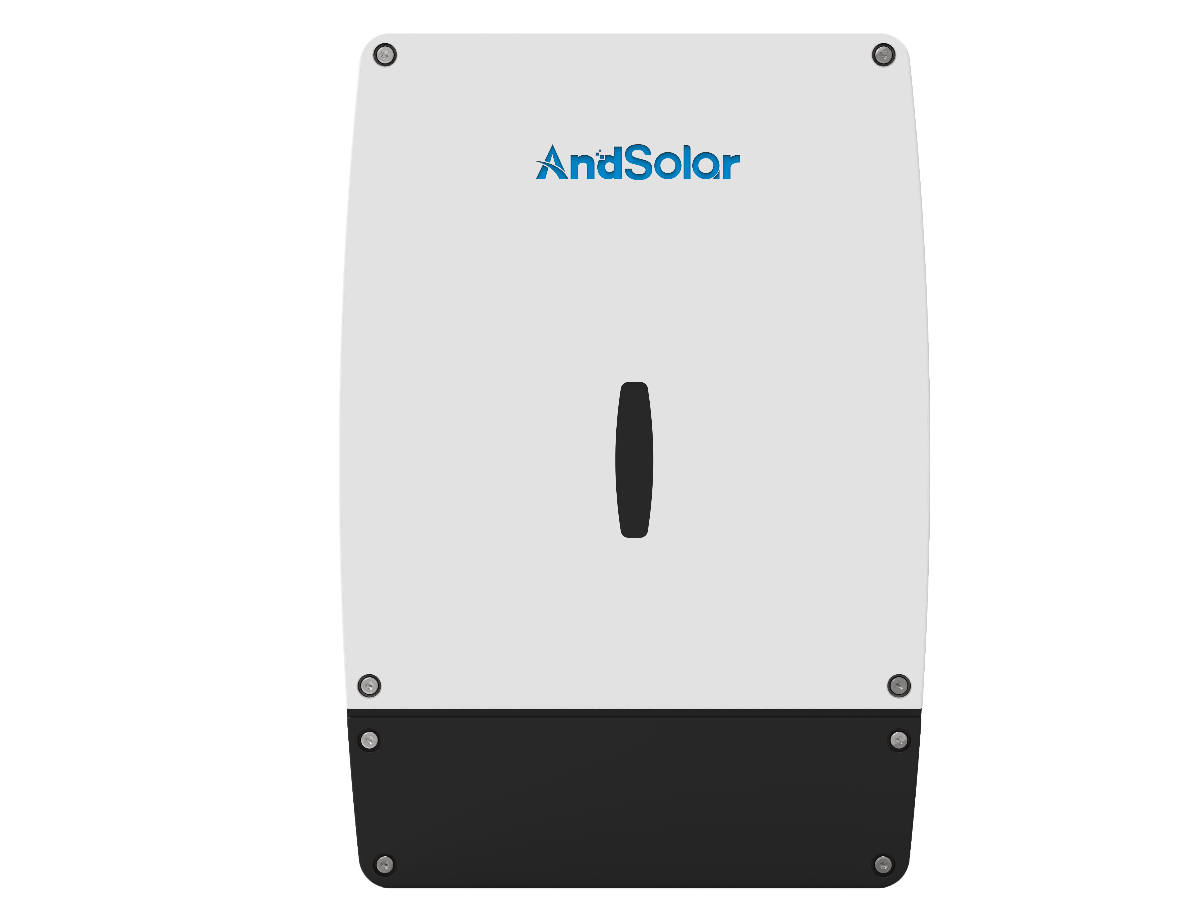
A smart inverter represents a revolutionary advancement in power conversion technology that transforms direct current (DC) electricity into alternating current (AC) electricity while incorporating intelligent monitoring and control capabilities. Unlike traditional inverters that simply convert power, smart inverters integrate sophisticated digital technology, advanced communication systems, and automated management features to optimize energy efficiency and enhance overall system performance. These devices serve as the critical bridge between renewable energy sources like solar panels and the electrical grid, ensuring seamless power distribution while maintaining optimal operating conditions. Smart inverter technology incorporates real-time monitoring systems that continuously track performance metrics, energy production levels, voltage regulation, and frequency stability. The built-in communication protocols enable remote monitoring and control through internet connectivity, allowing users to access detailed performance data and system diagnostics from anywhere using smartphone applications or web-based platforms. Advanced power management algorithms automatically adjust output parameters to maximize energy harvest while protecting connected equipment from electrical anomalies. The integration of machine learning capabilities enables smart inverters to adapt to changing environmental conditions and optimize performance based on historical data patterns. Grid-tie functionality allows smart inverters to synchronize seamlessly with utility power systems, enabling bidirectional energy flow for net metering applications. Safety features include automatic shutdown mechanisms, ground fault protection, and arc fault detection to prevent electrical hazards and equipment damage. Modern smart inverters support multiple communication standards including Wi-Fi, Bluetooth, Ethernet, and cellular connectivity for comprehensive system integration. The modular design approach facilitates easy installation, maintenance, and future upgrades without requiring complete system replacement. Energy storage compatibility allows smart inverters to manage battery systems effectively, providing backup power during outages and load shifting capabilities for time-of-use optimization.