PV System For Solar Carports Projects
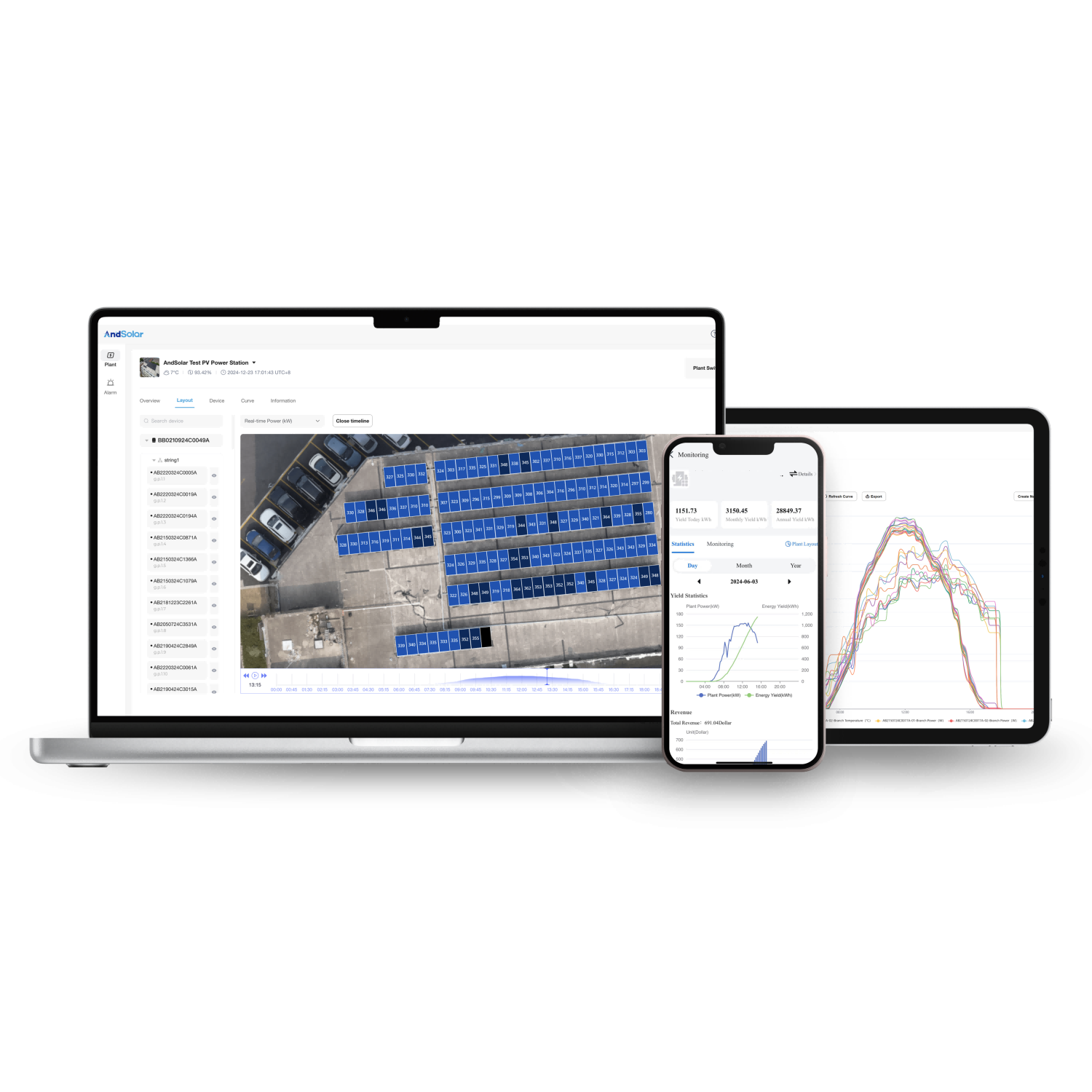
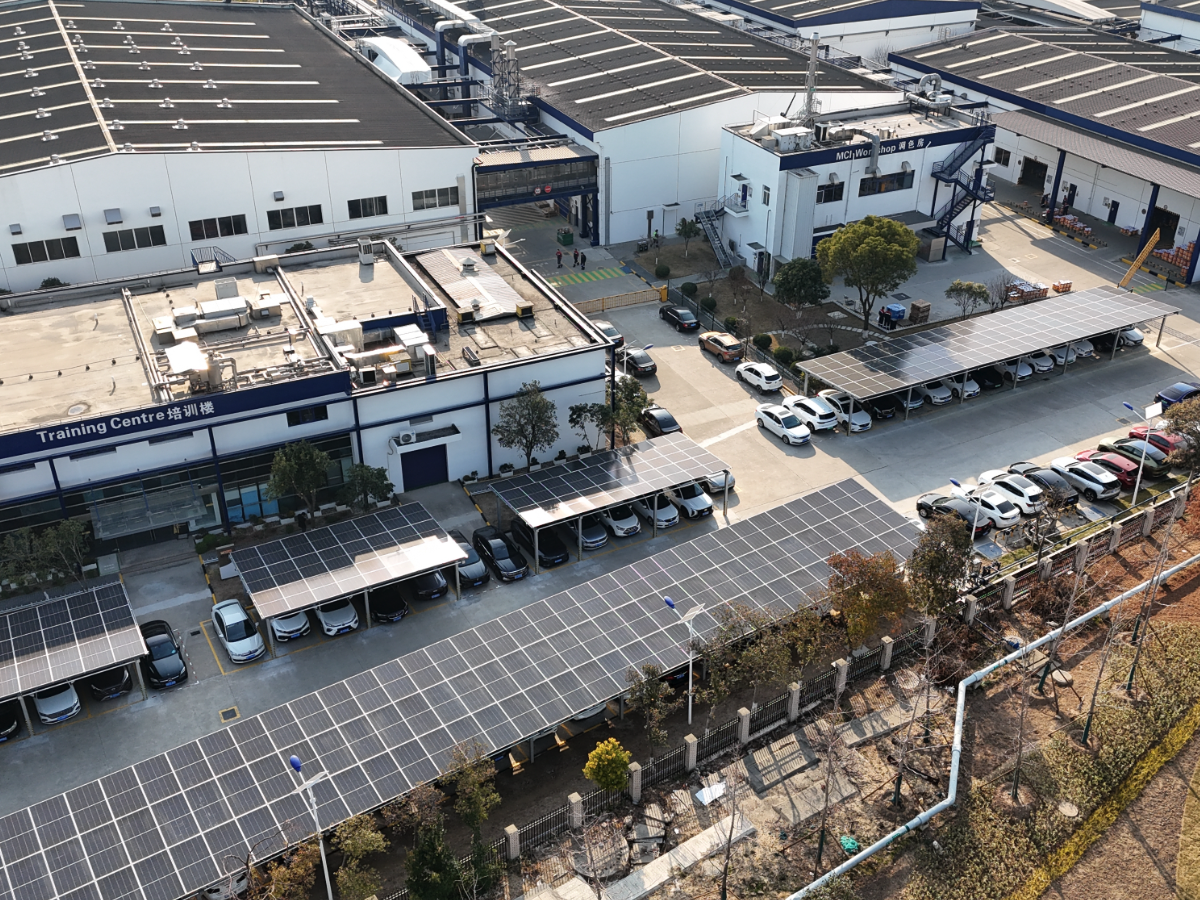
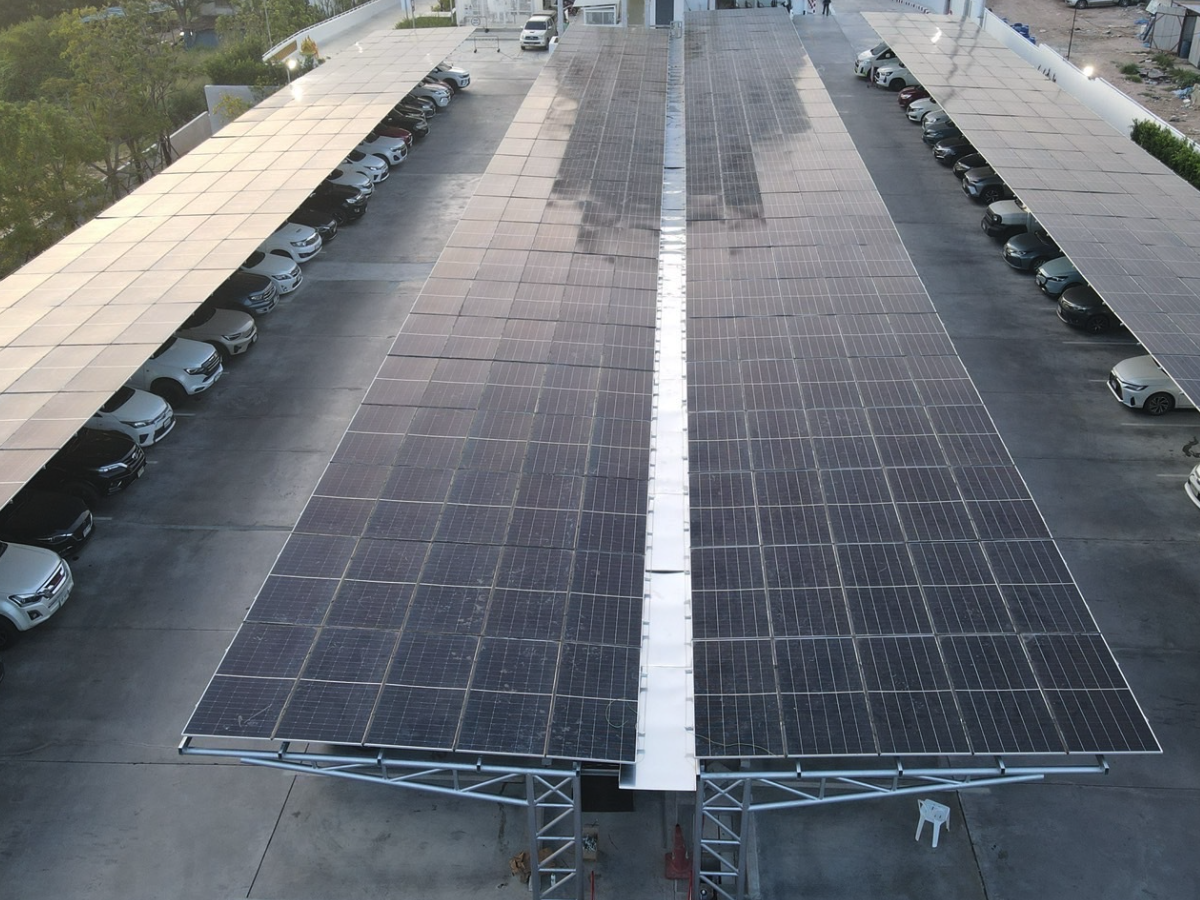
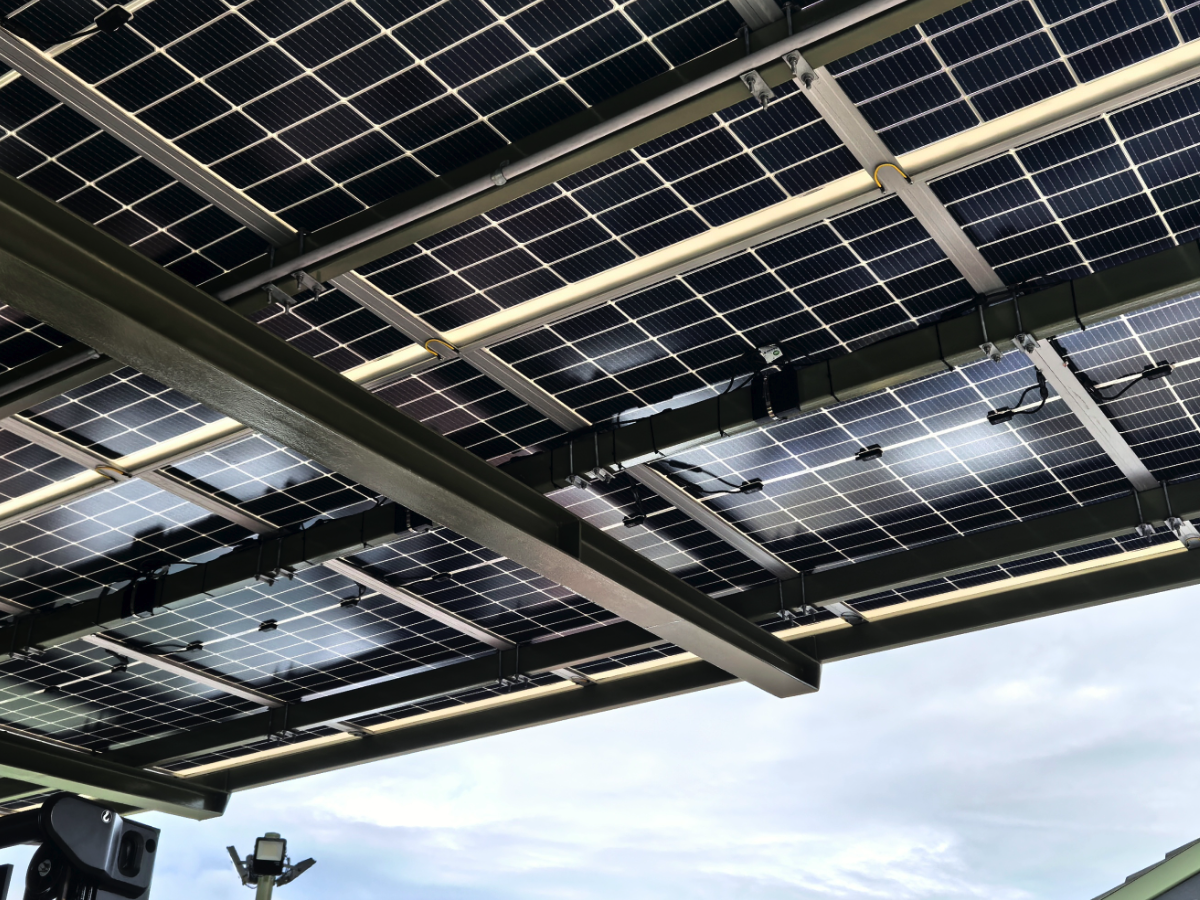
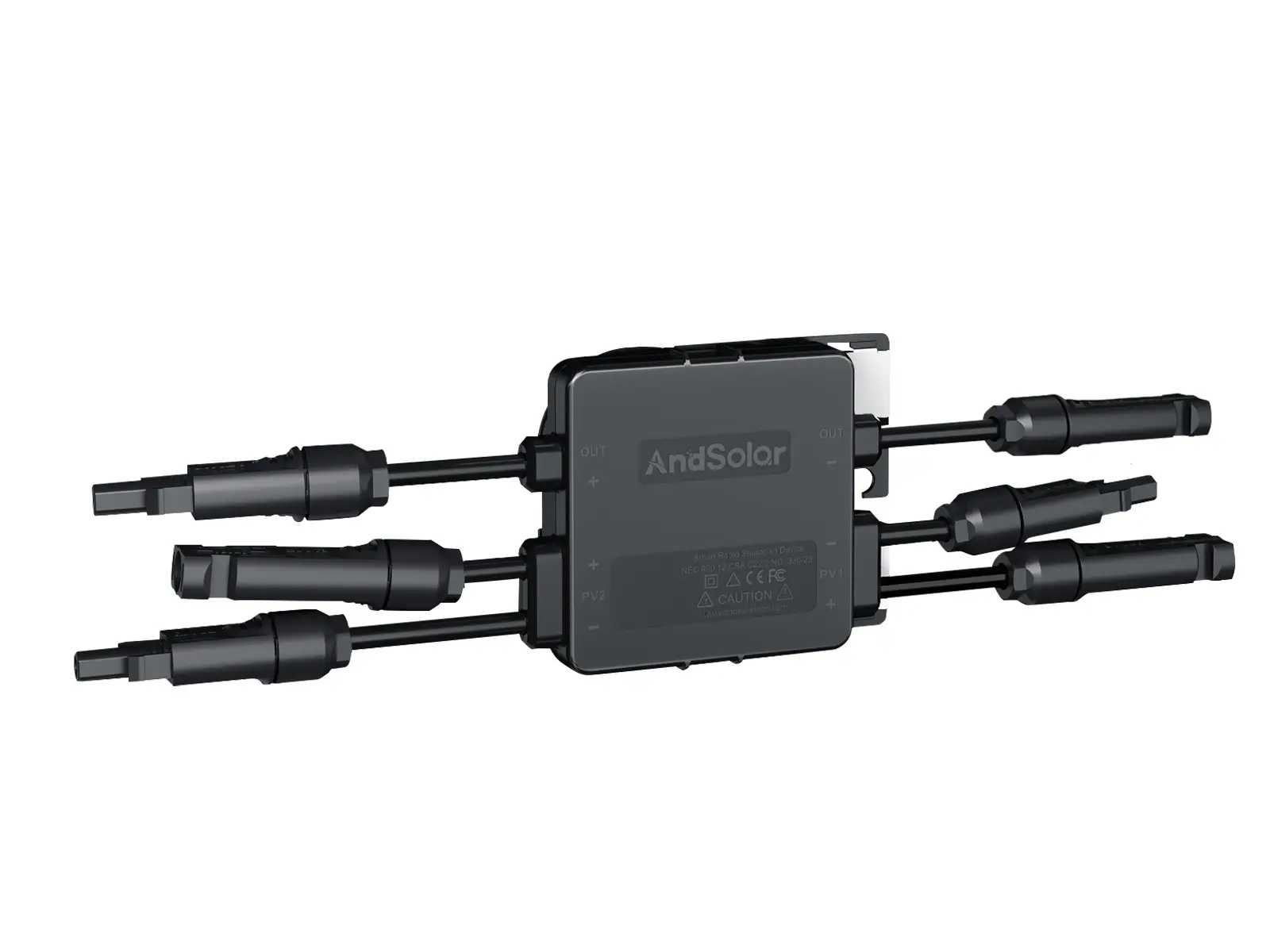
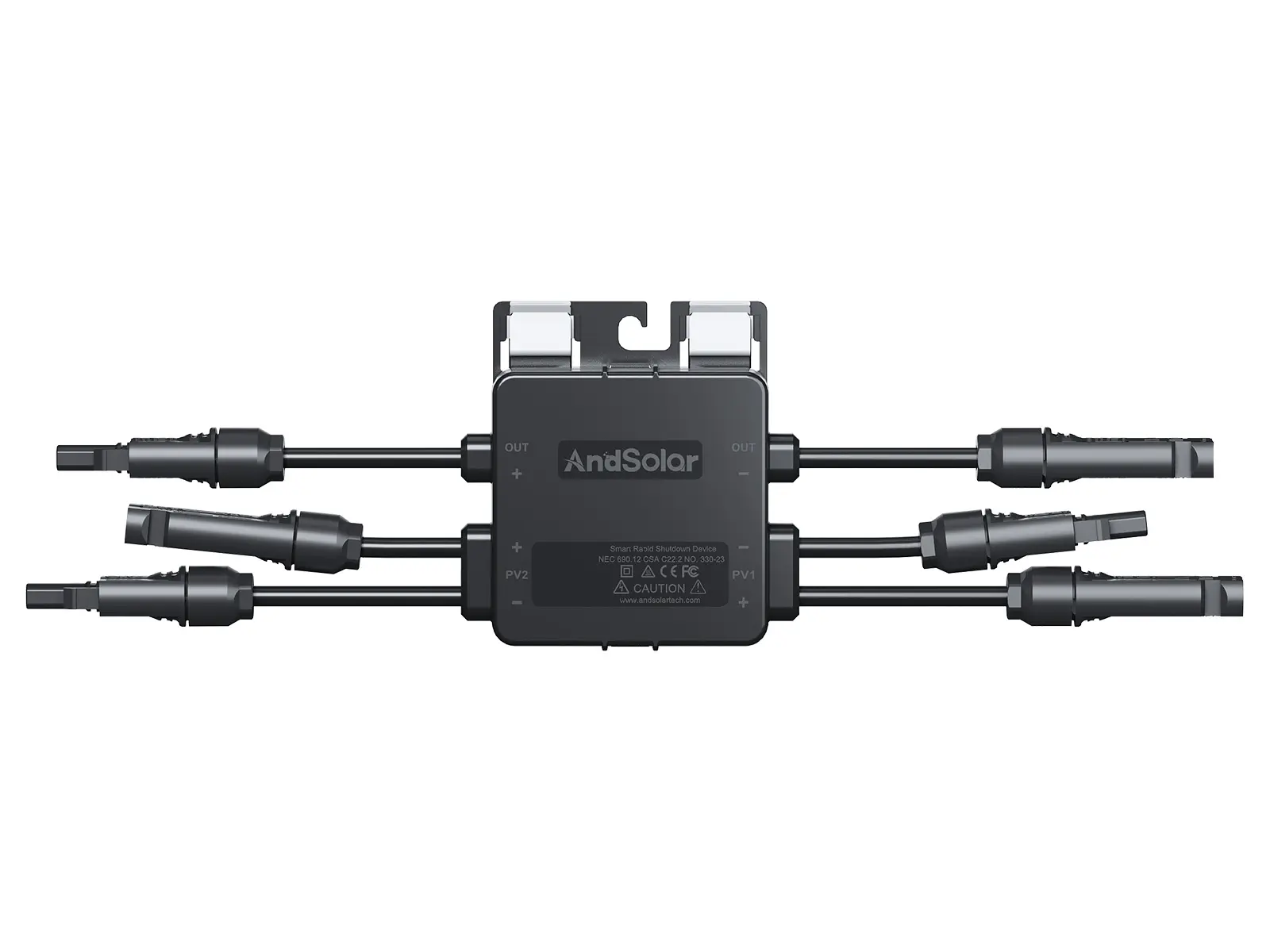
The PV system for solar carports projects represents an innovative dual-purpose infrastructure solution that combines vehicle protection with renewable energy generation. This integrated technology transforms traditional parking structures into productive energy assets, maximizing land utilization while providing covered parking spaces. The system consists of photovoltaic panels mounted on elevated canopy structures designed to accommodate various vehicle sizes, from passenger cars to commercial fleets. These installations feature robust steel or aluminum frameworks engineered to withstand environmental stresses including wind loads, snow accumulation, and seismic activity. The PV system for solar carports projects incorporates advanced mounting mechanisms that ensure optimal panel positioning for maximum solar exposure throughout the day. Key technological features include intelligent inverter systems that convert DC power to AC electricity, comprehensive monitoring capabilities for real-time performance tracking, and smart grid connectivity for seamless energy distribution. The electrical infrastructure encompasses safety disconnect switches, surge protection devices, and weather-resistant wiring systems designed for outdoor applications. Modern installations often integrate battery storage solutions, enabling energy storage during peak production hours for later use during high-demand periods. The PV system for solar carports projects typically generates substantial electricity output, with capacity ranging from small residential installations producing 10-50 kW to large commercial systems generating several megawatts. Applications span diverse sectors including shopping centers, corporate campuses, airports, educational institutions, healthcare facilities, and residential communities. These installations serve multiple stakeholders by providing property owners with revenue generation opportunities through energy sales, offering vehicle owners protected parking with potential charging capabilities for electric vehicles, and contributing to grid stability through distributed energy generation. The technology supports various panel types including monocrystalline, polycrystalline, and thin-film modules, each offering distinct performance characteristics suited to specific environmental conditions and budget requirements.