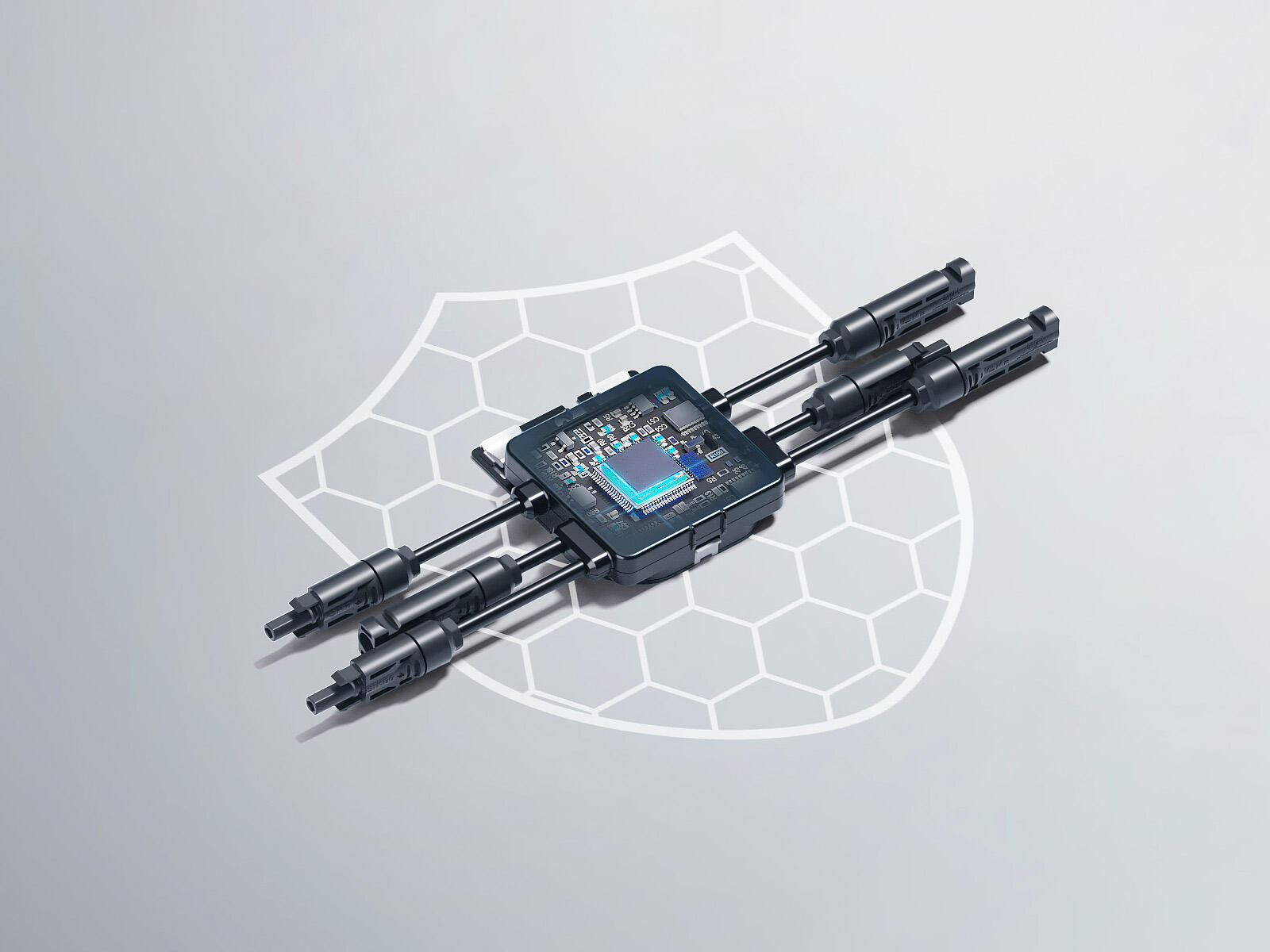
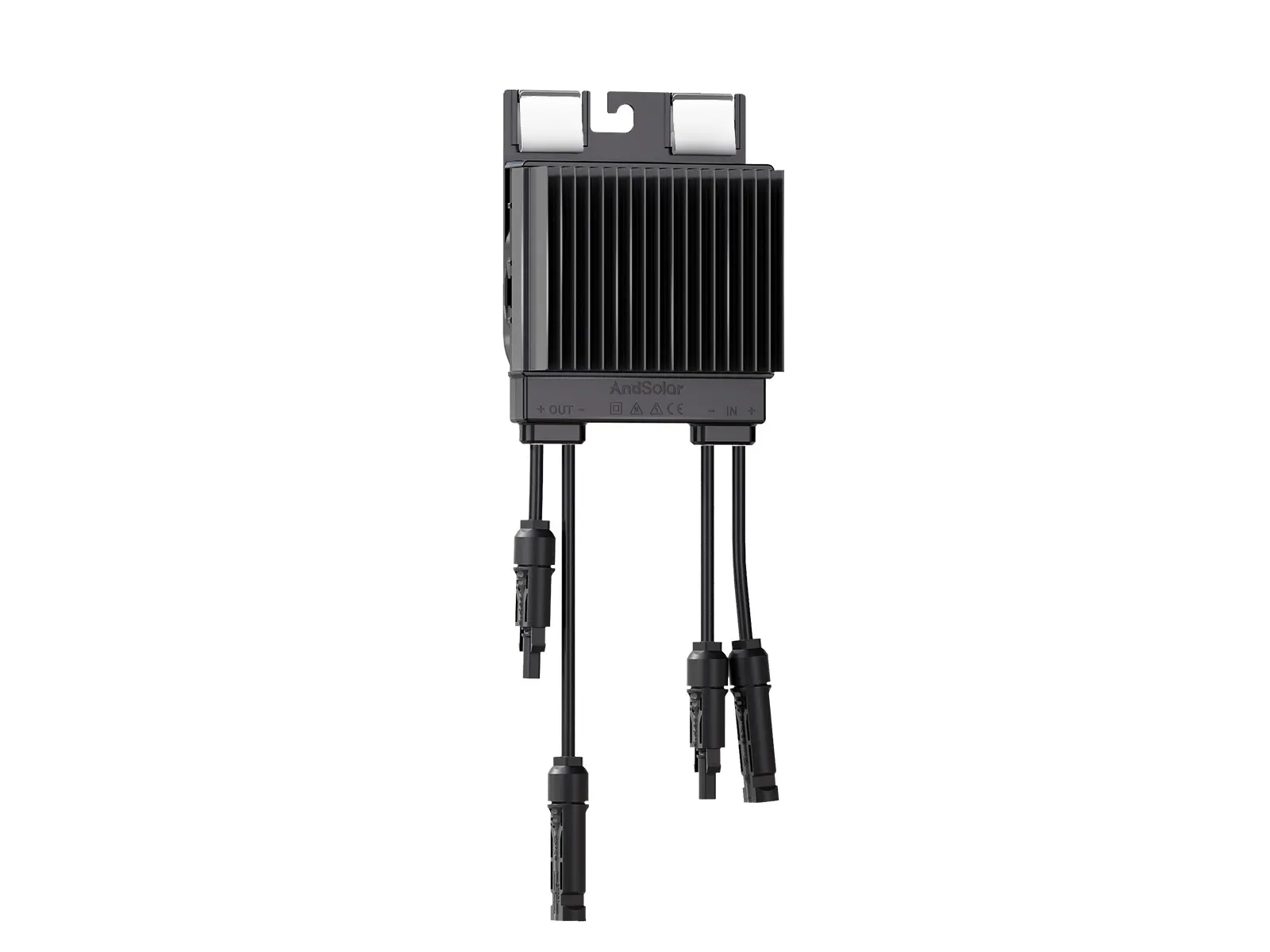
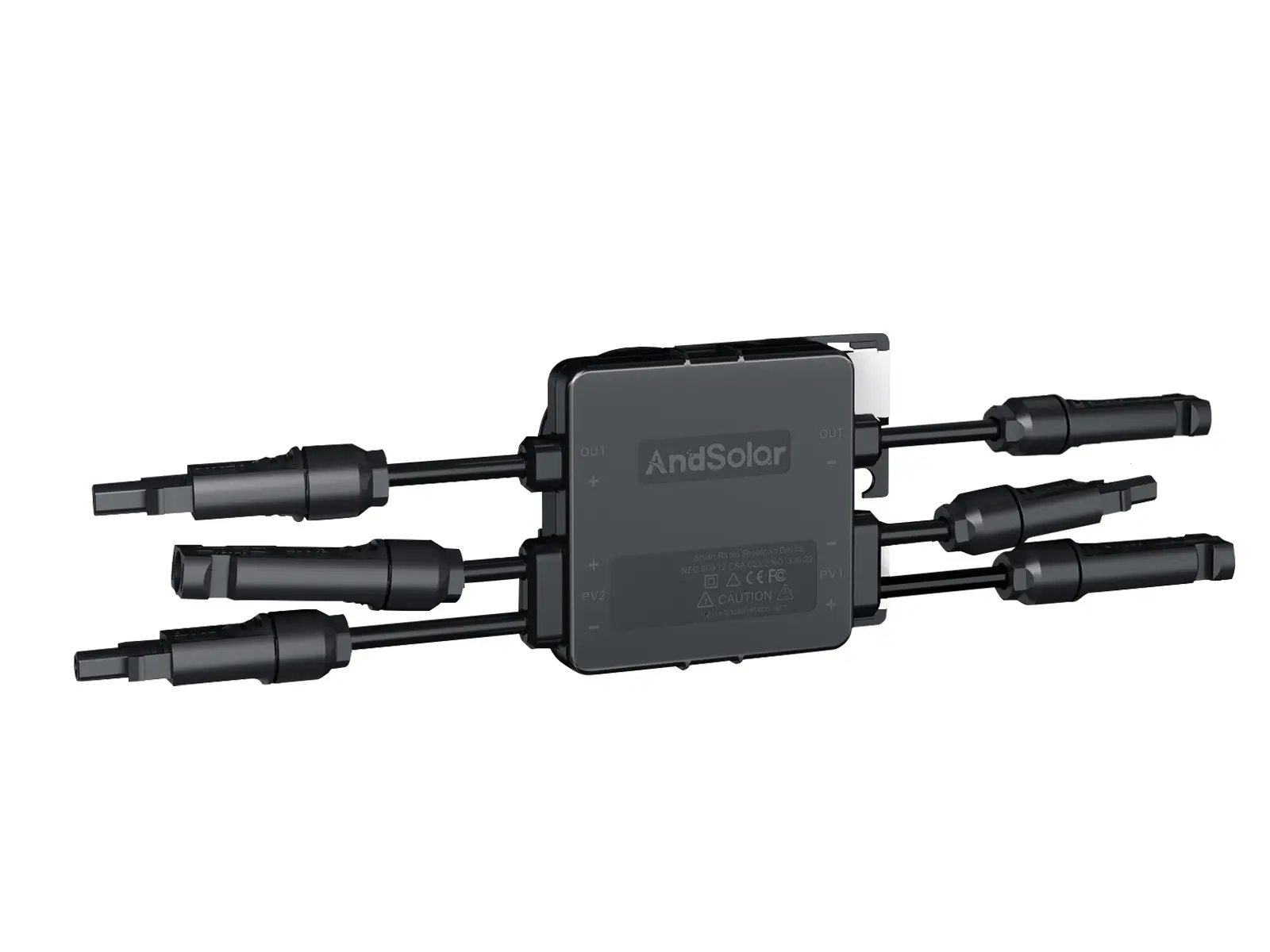
rapid shutdown device for residential projects
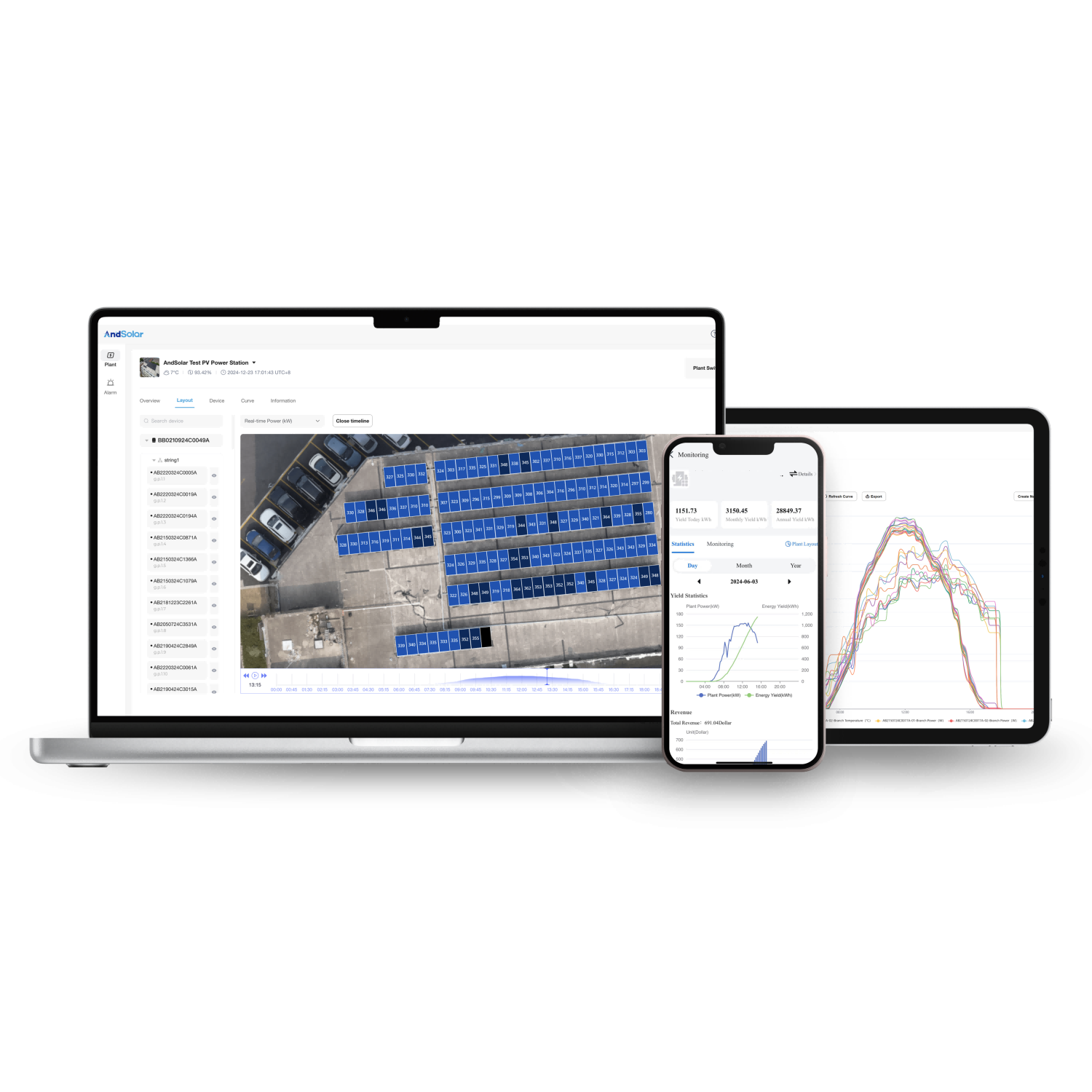
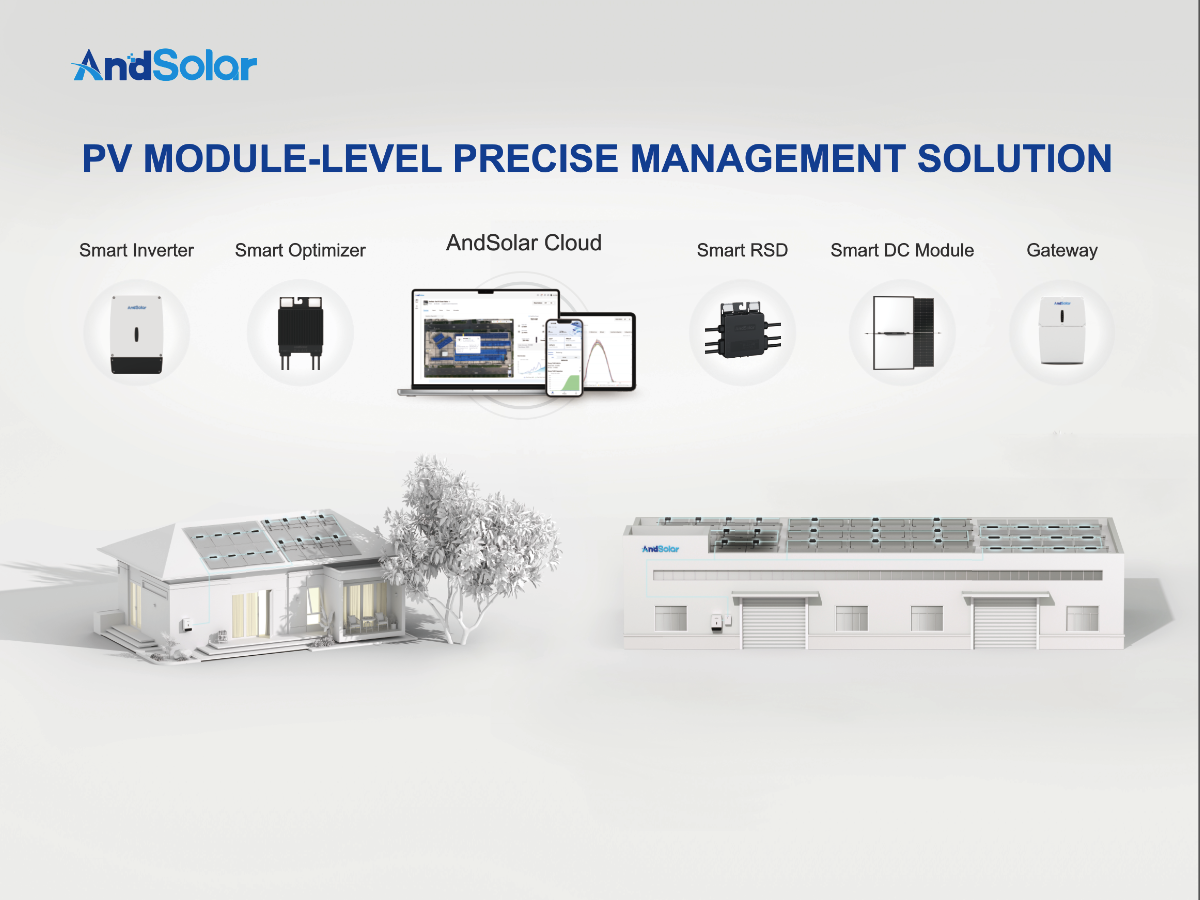
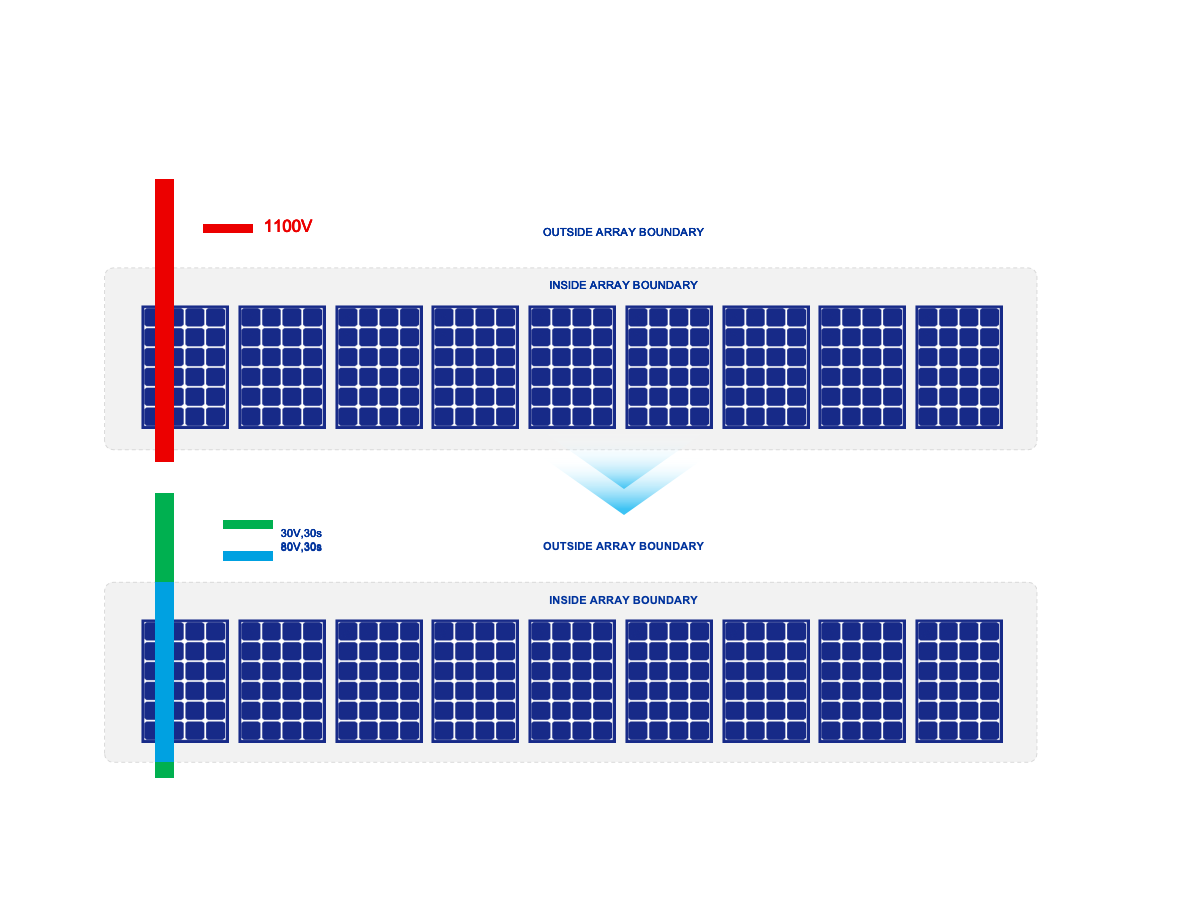
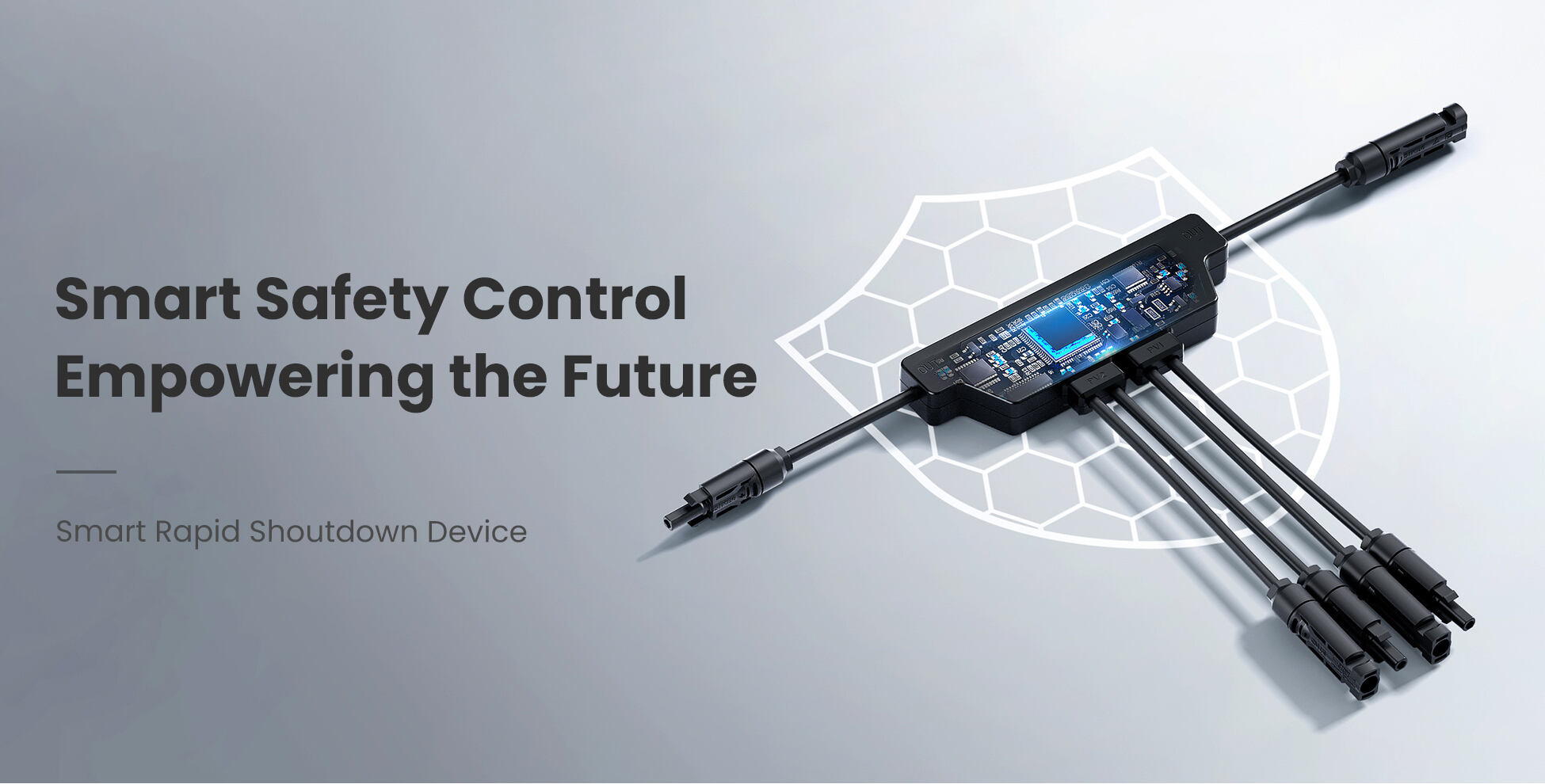
The rapid shutdown device for residential projects represents a critical safety innovation in modern solar energy systems, designed to protect homeowners, installation technicians, and emergency responders from electrical hazards. This advanced safety mechanism automatically reduces DC voltage levels to safe thresholds within seconds when activated, ensuring that solar panel arrays can be quickly and safely deactivated during maintenance, emergencies, or fire situations. The rapid shutdown device for residential projects operates through sophisticated electronic controls that monitor system conditions and respond instantly to shutdown commands, whether initiated manually or through automated safety protocols. These devices feature cutting-edge semiconductor technology that enables precise voltage regulation and circuit isolation, making them indispensable components in contemporary residential solar installations. The technological framework of these devices incorporates intelligent monitoring systems that continuously assess electrical parameters, temperature conditions, and communication signals from the central inverter or monitoring platform. When a shutdown sequence is triggered, the rapid shutdown device for residential projects executes a controlled reduction of DC voltage across all connected solar panels, bringing levels down from potentially dangerous operating voltages to safe measurement thresholds typically below 30 volts within 30 seconds. This rapid response capability is achieved through advanced power electronics that can handle high-frequency switching operations while maintaining system reliability and longevity. The application scope of rapid shutdown device for residential projects extends beyond basic safety compliance, encompassing enhanced system diagnostics, remote monitoring capabilities, and integration with smart home automation systems. These devices are engineered to withstand harsh environmental conditions common in residential installations, featuring weatherproof enclosures, corrosion-resistant materials, and temperature compensation algorithms that ensure consistent performance across varying climate conditions. Modern implementations also include wireless communication protocols that enable seamless integration with existing solar monitoring platforms, providing homeowners with real-time visibility into system status and safety functions.