Distributed PV System
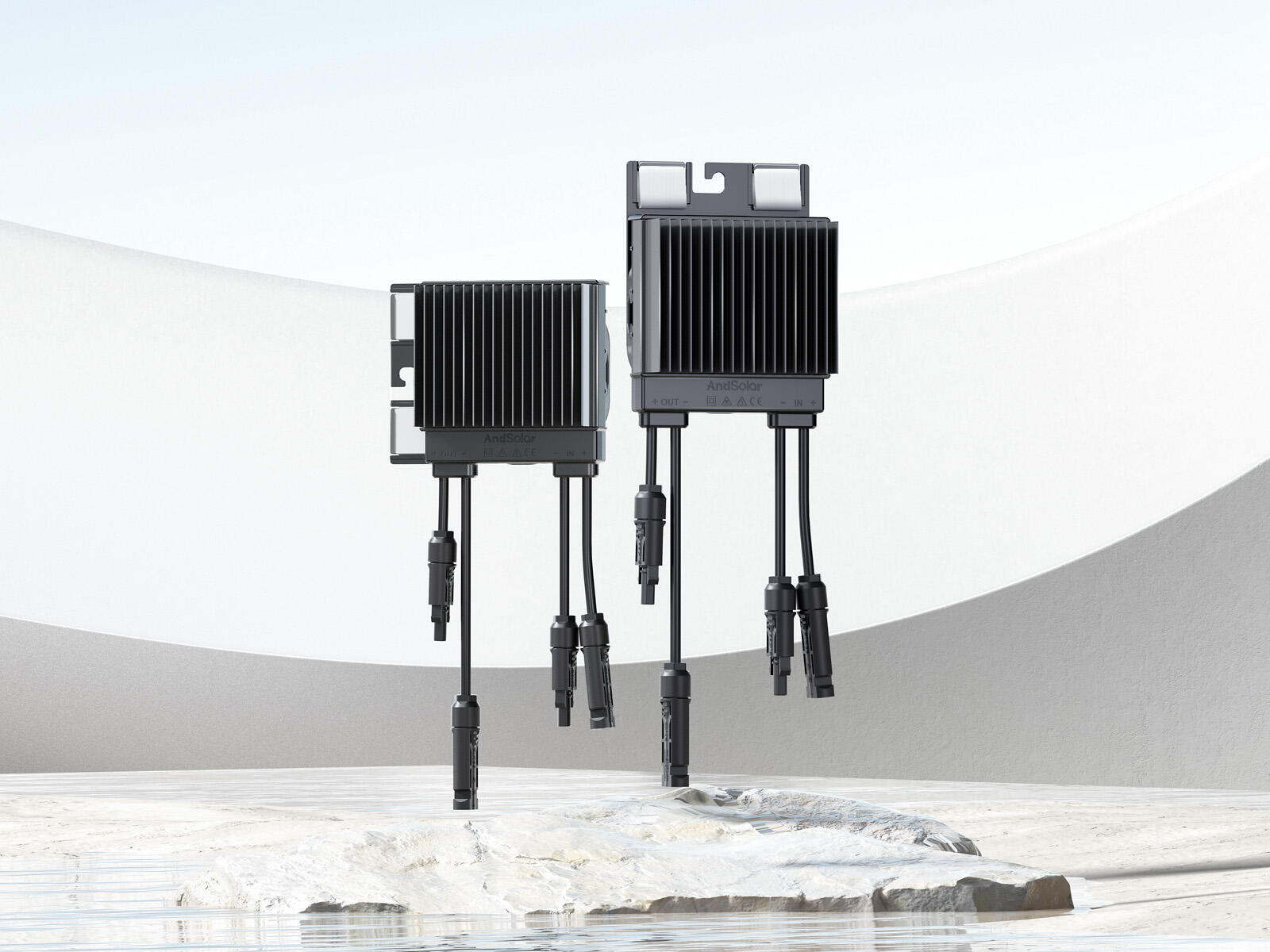
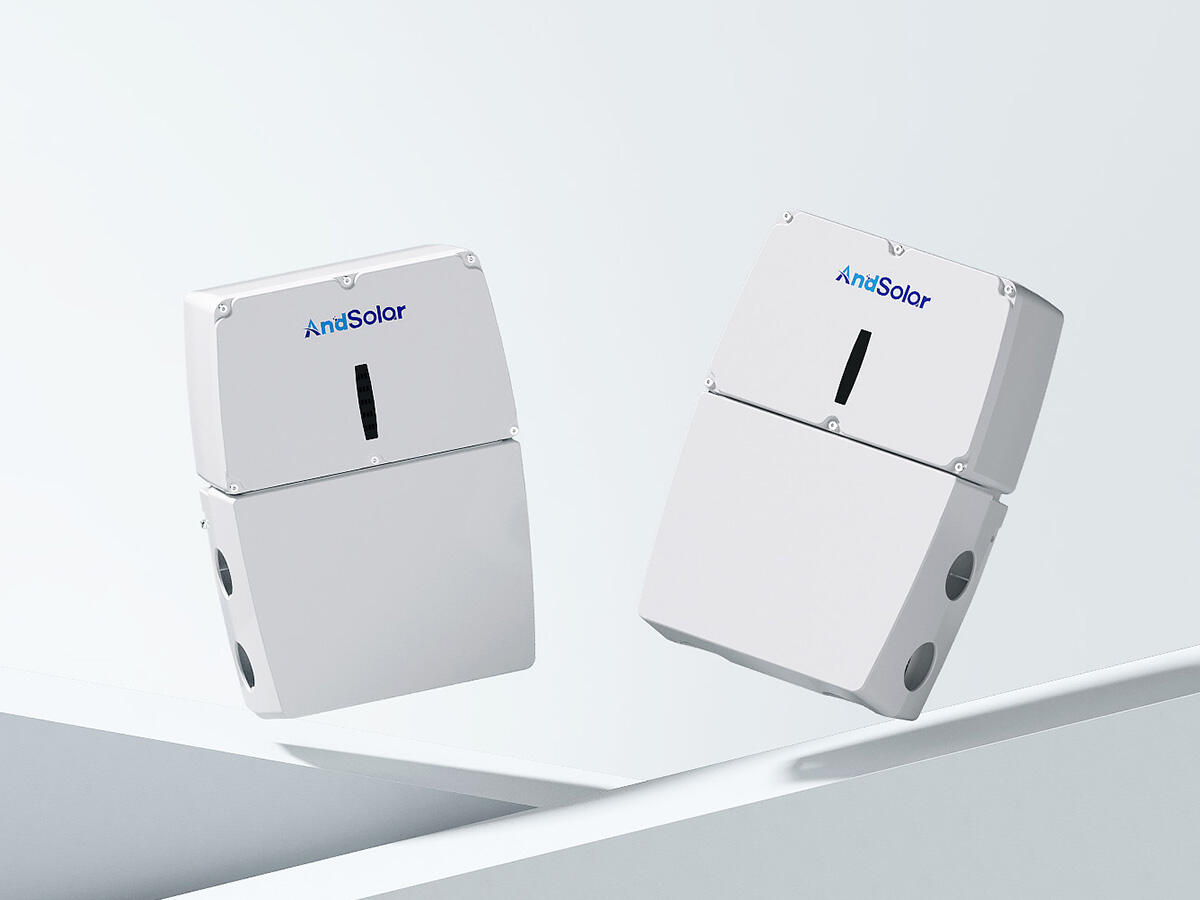
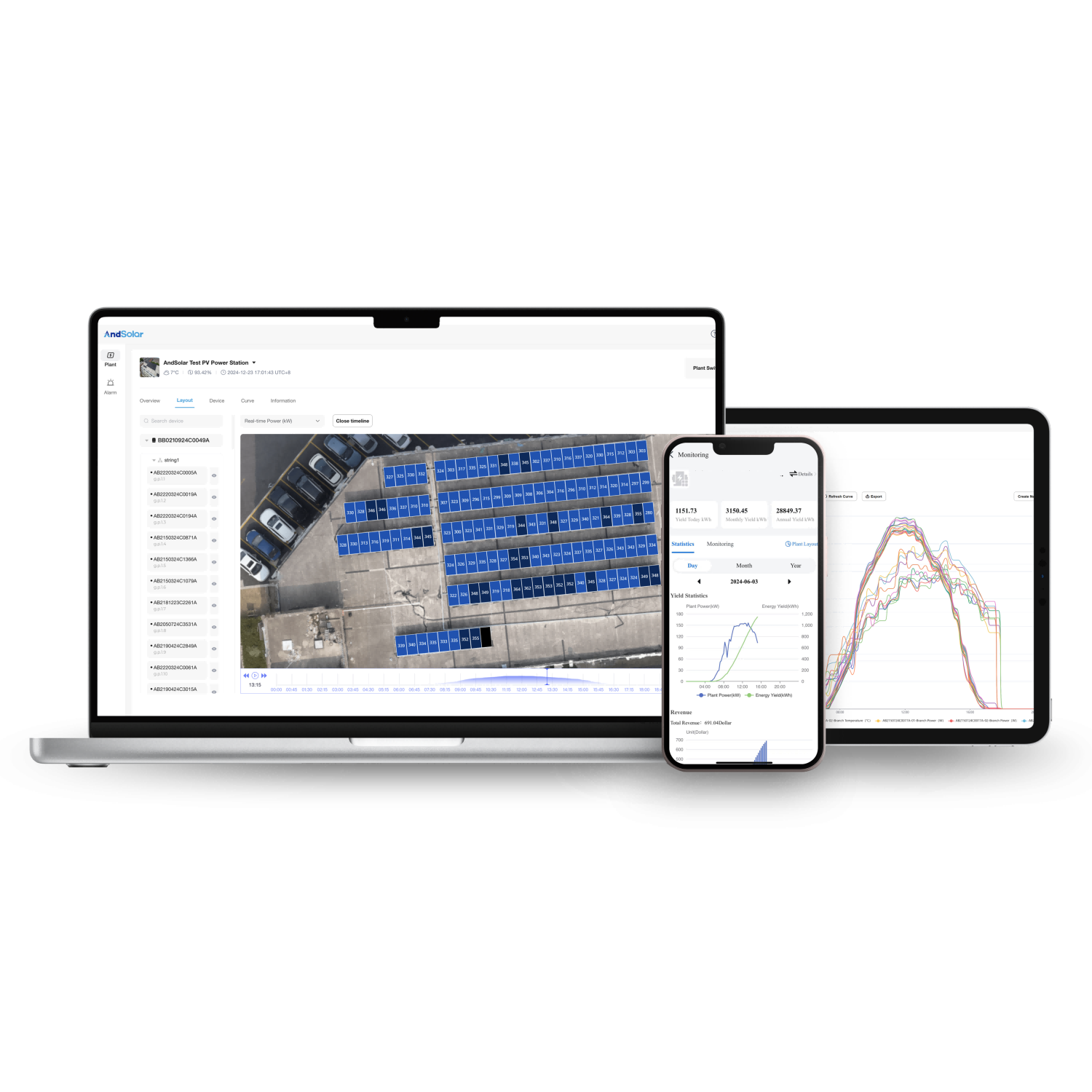
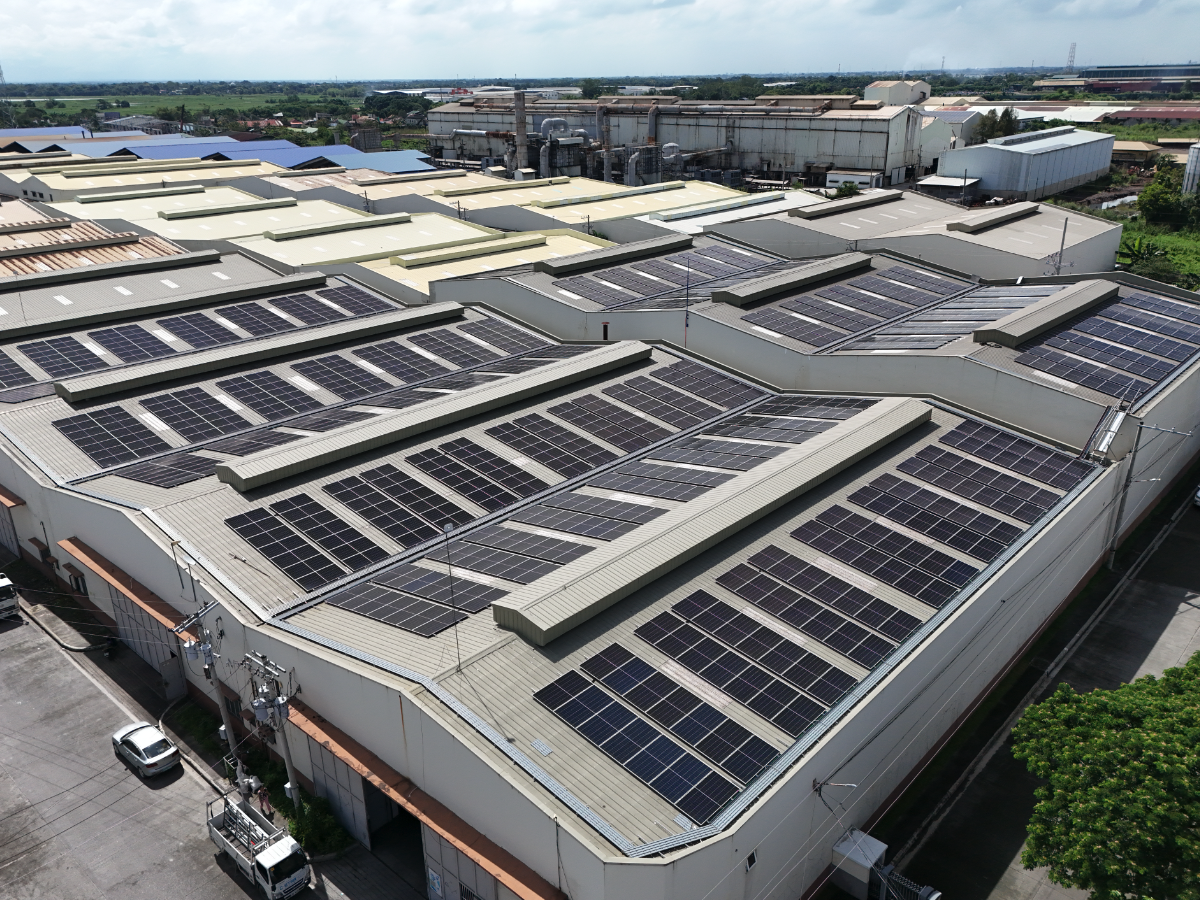
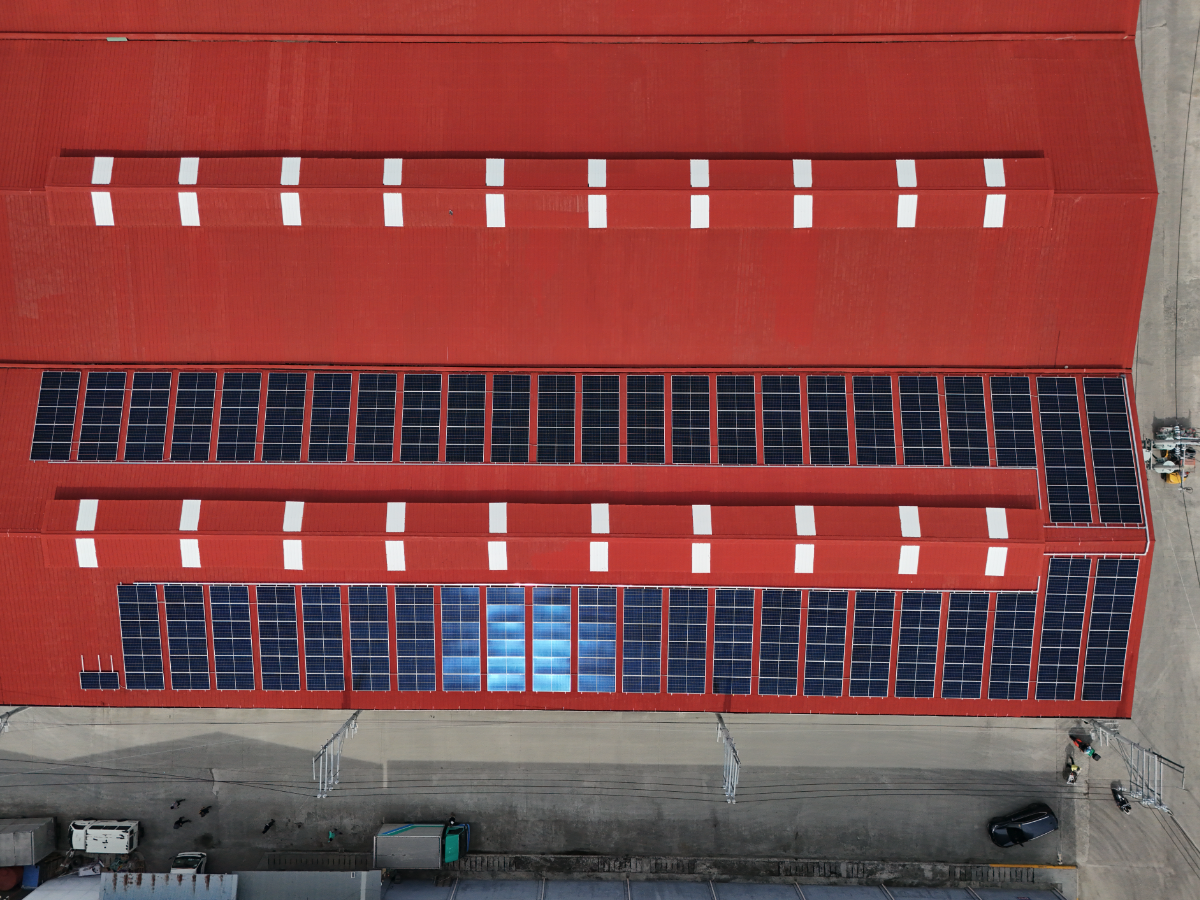
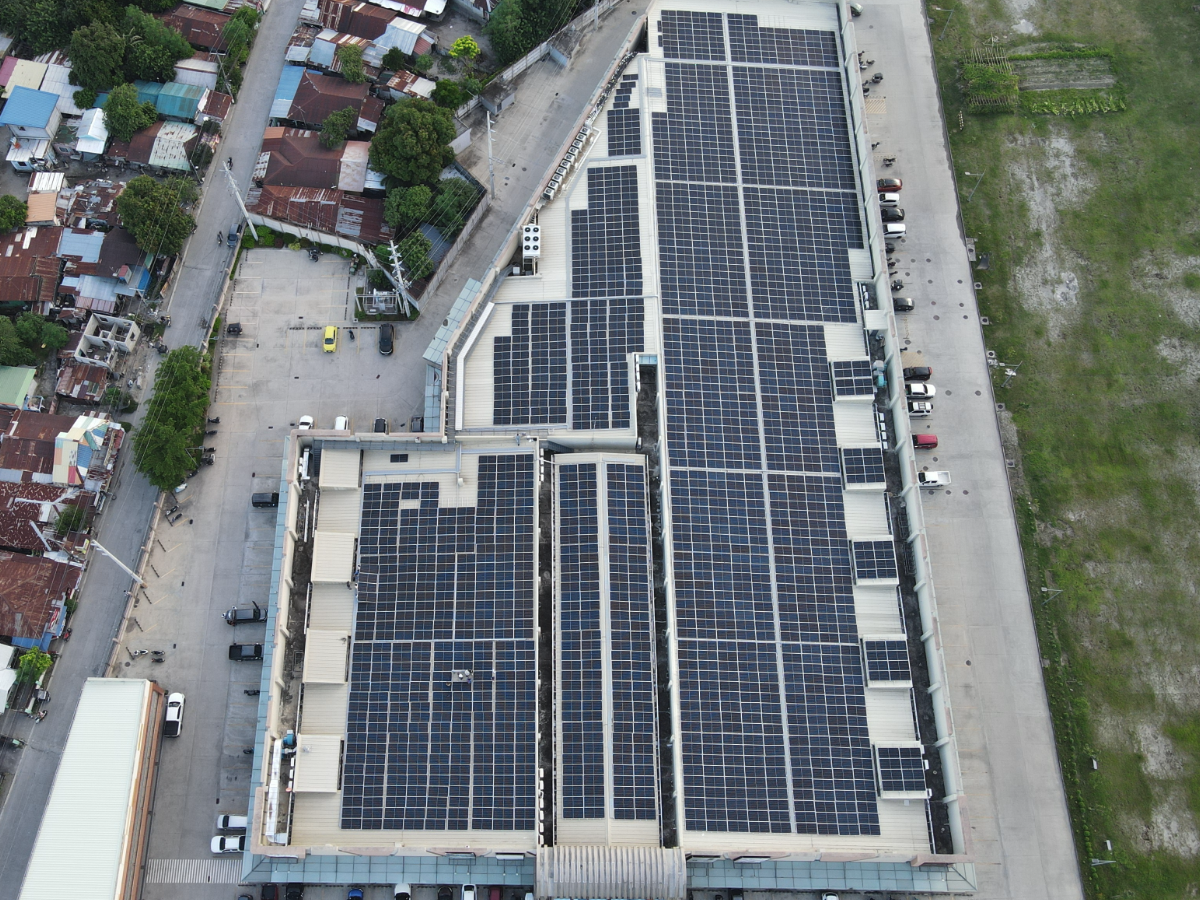
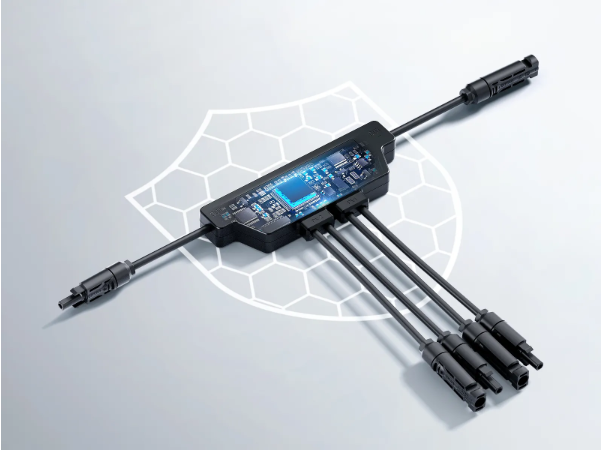
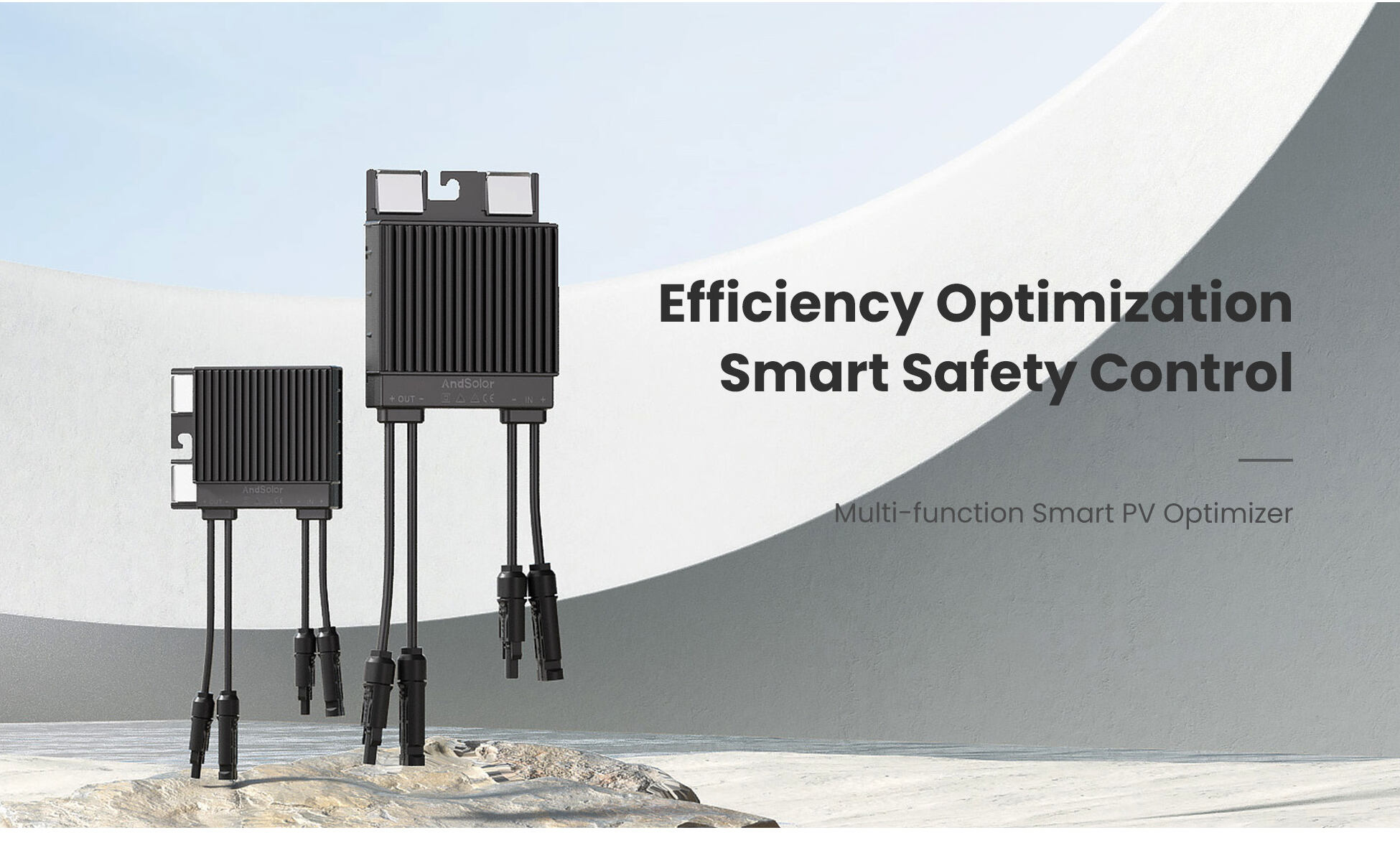
A distributed pv system represents a revolutionary approach to solar energy generation that strategically places photovoltaic panels across multiple locations rather than concentrating them in a single centralized facility. This innovative distributed pv system architecture fundamentally transforms how communities and businesses harness solar power by integrating renewable energy sources directly into existing electrical infrastructure. Unlike traditional large-scale solar farms, the distributed pv system operates through smaller installations positioned closer to energy consumption points, creating a more resilient and efficient power network. The main functions of a distributed pv system encompass electricity generation, grid stabilization, energy storage coordination, and demand response management. These systems typically incorporate advanced inverters, smart monitoring equipment, and communication technologies that enable real-time performance tracking and remote system optimization. The technological features of modern distributed pv system installations include microinverters or power optimizers that maximize energy harvest from individual panels, advanced monitoring platforms that provide detailed analytics, and grid-tie capabilities that allow seamless integration with utility networks. Applications for distributed pv system technology span residential rooftops, commercial buildings, parking structures, schools, hospitals, and small-scale community installations. Each distributed pv system can be customized to meet specific energy requirements while contributing to overall grid stability and renewable energy goals. The modular nature of distributed pv system design allows for phased installations and easy system expansion as energy needs grow. These systems often incorporate battery storage solutions, creating microgrids that can operate independently during power outages while maintaining essential services. The distributed pv system approach promotes energy democratization by enabling property owners to become energy producers, reducing dependence on centralized power generation facilities and fossil fuel-based electricity sources.