C&I Rooftop Solar System
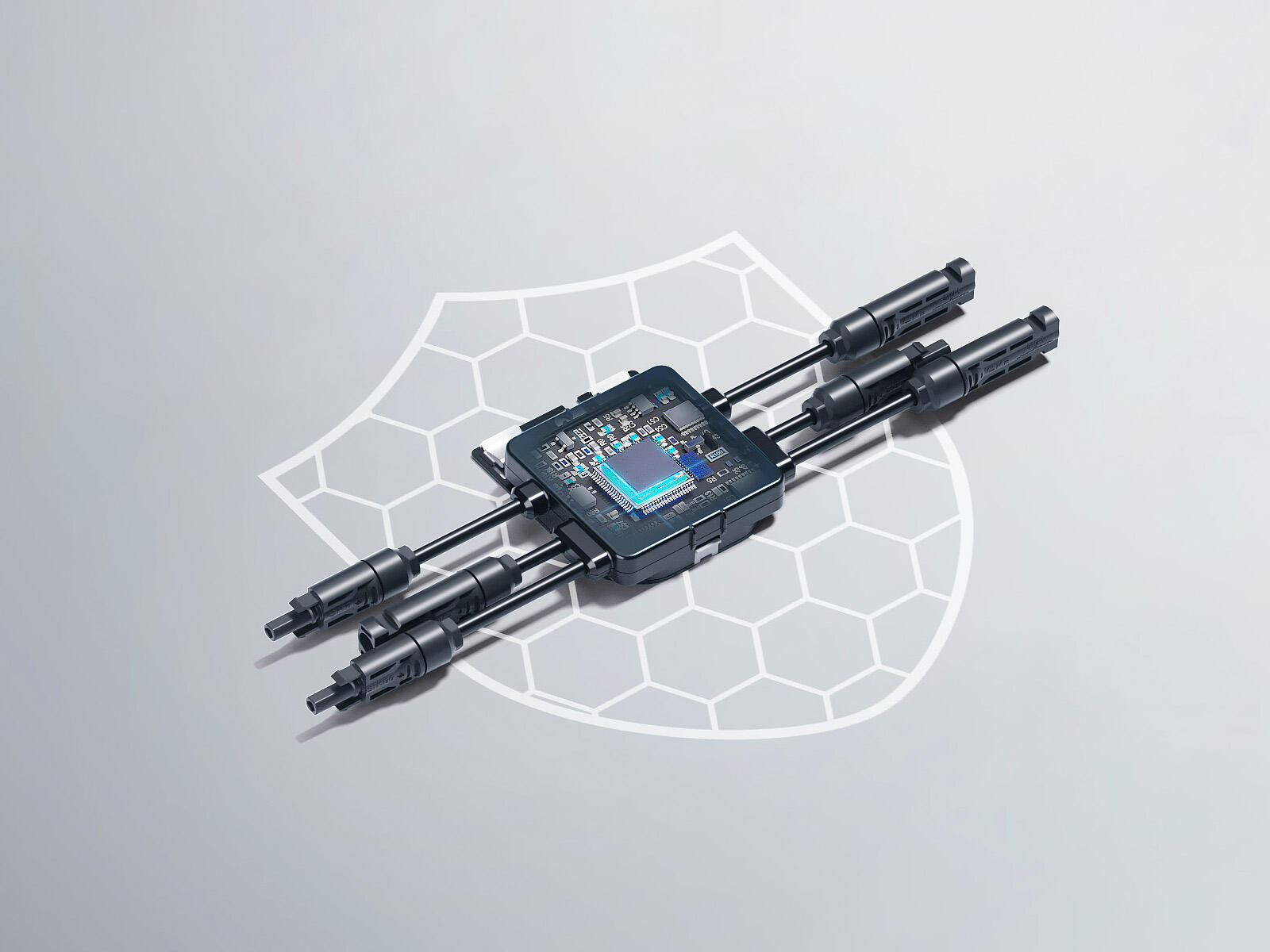
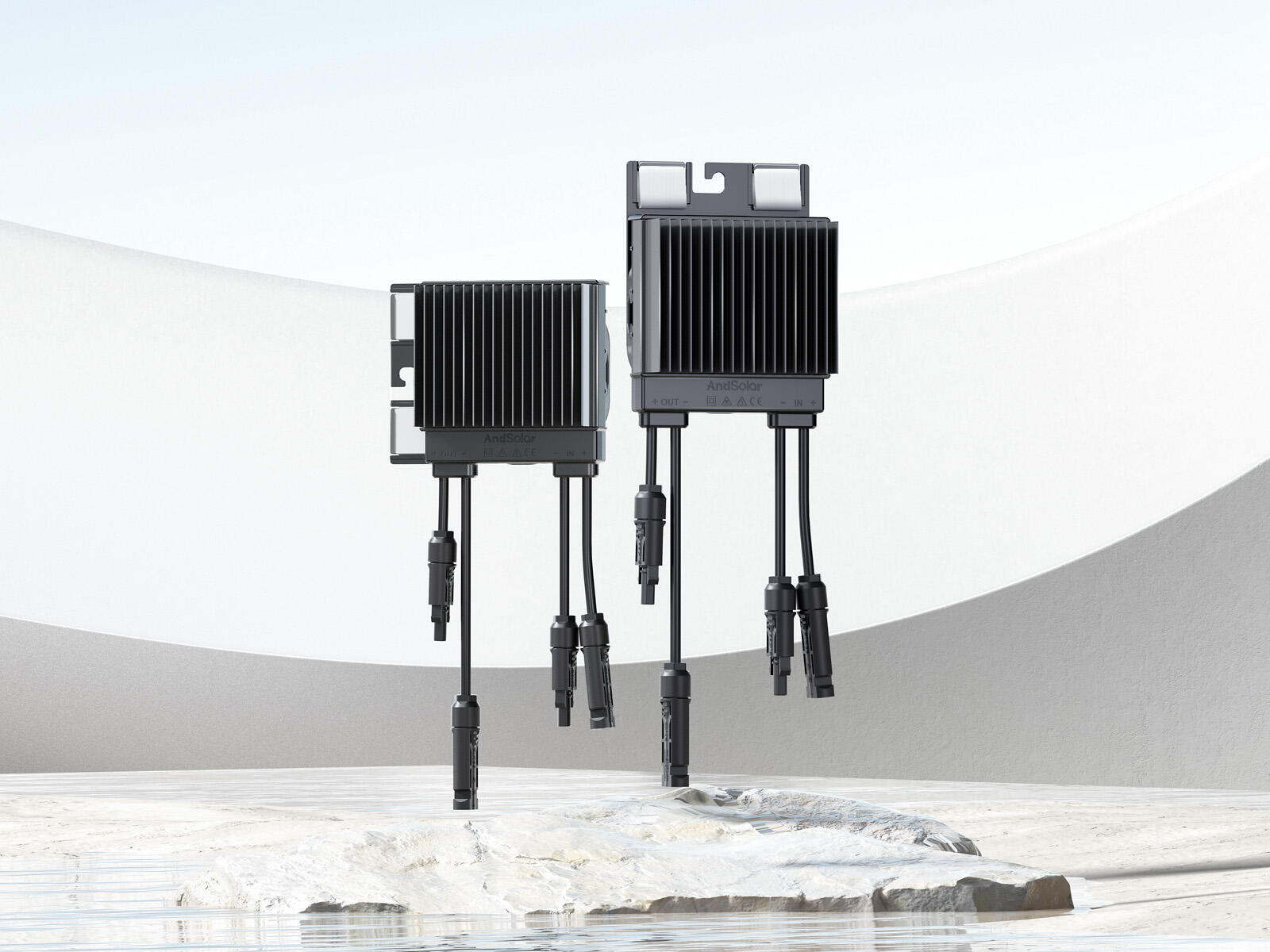
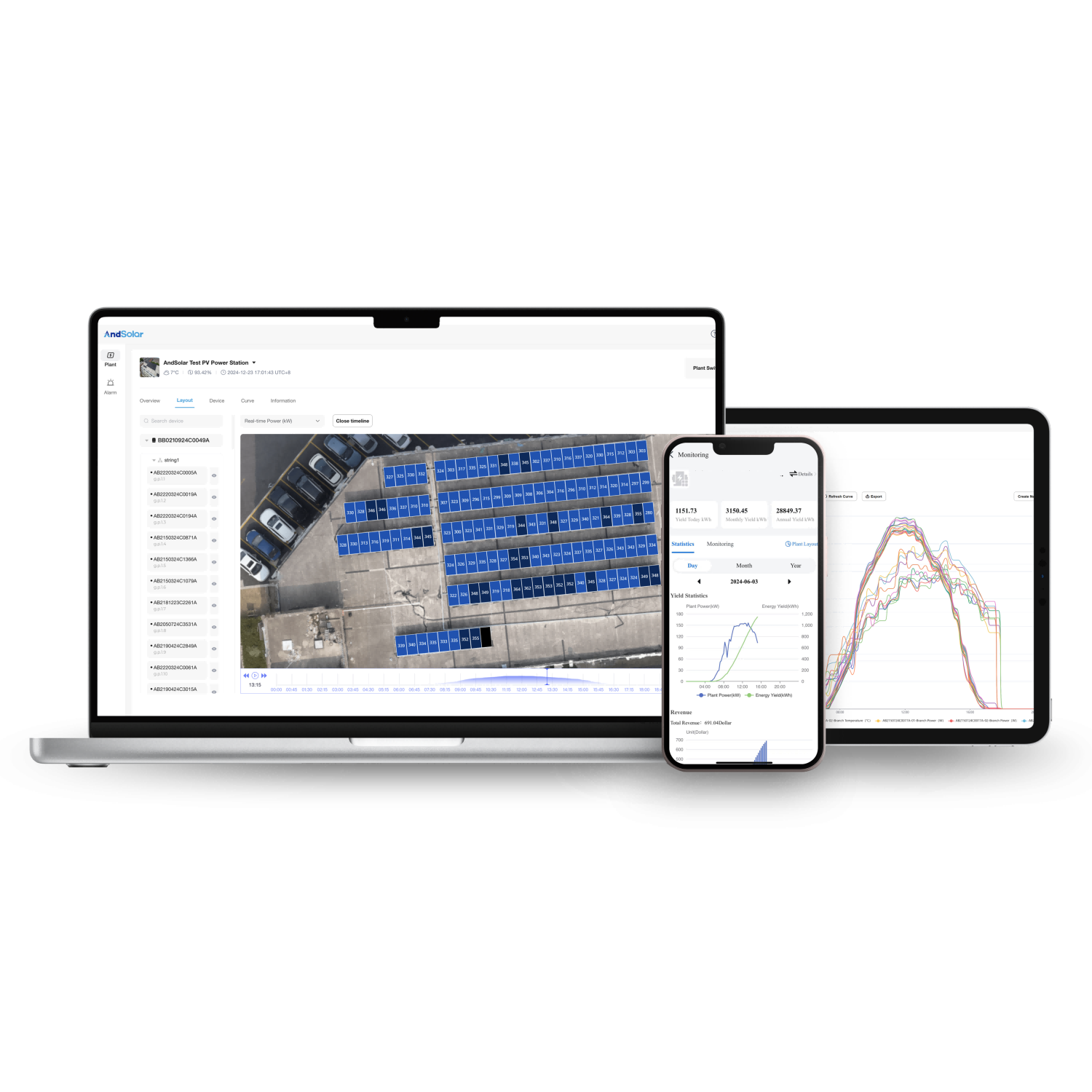
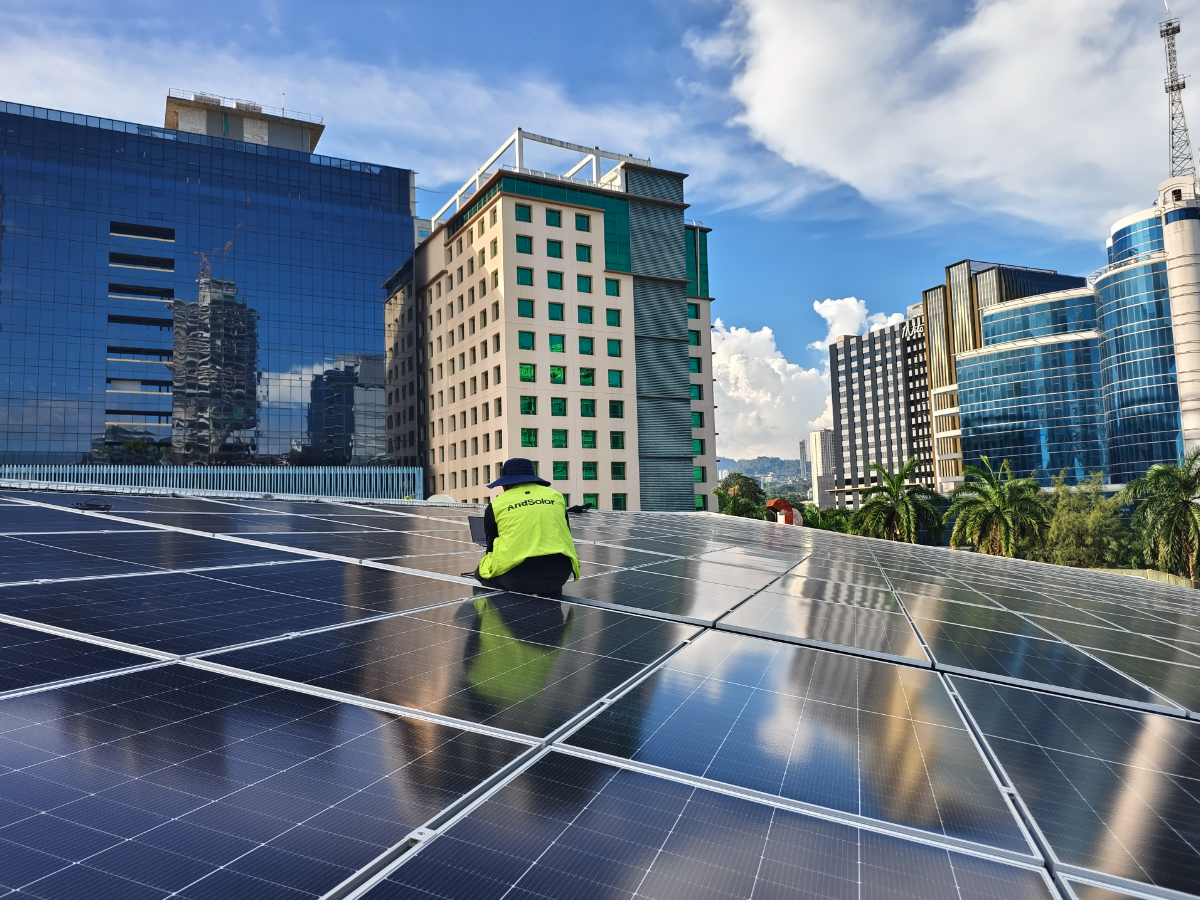
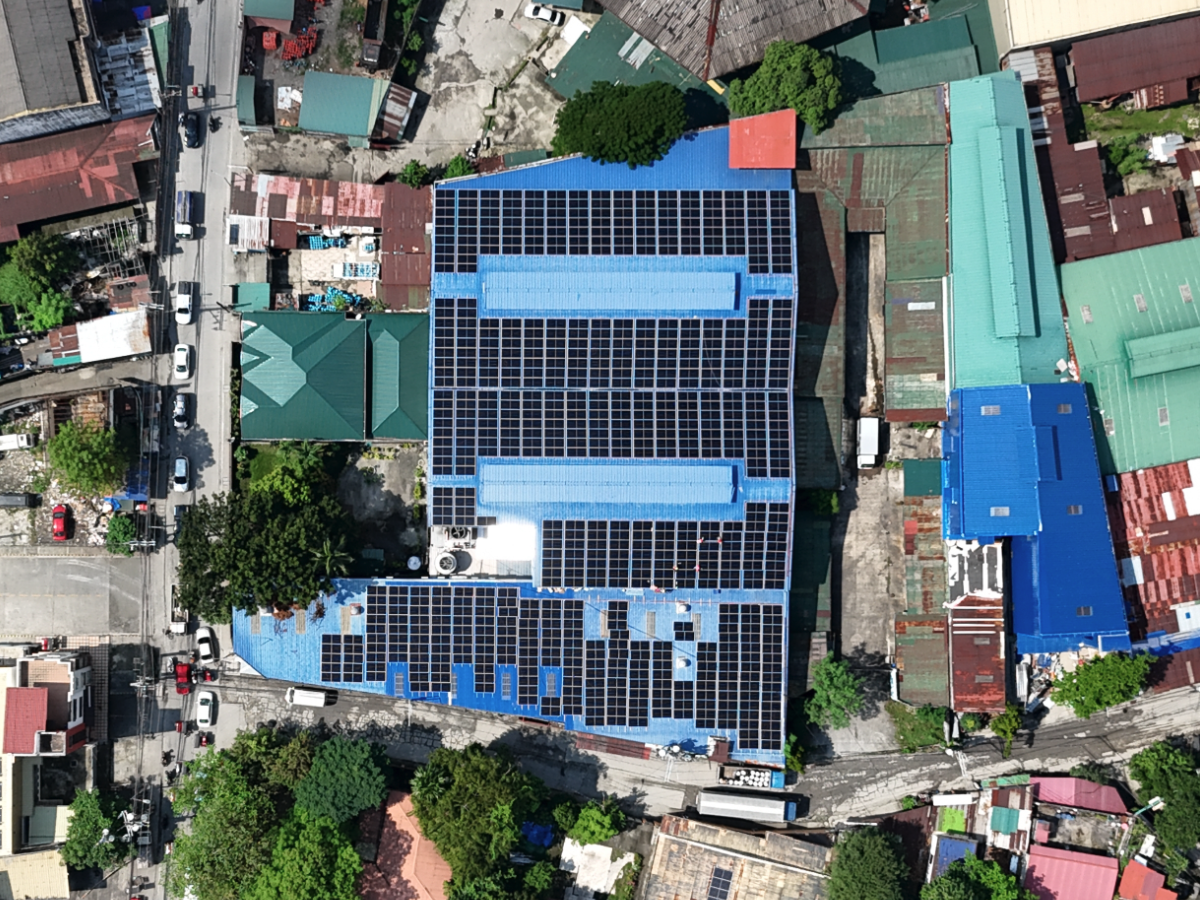
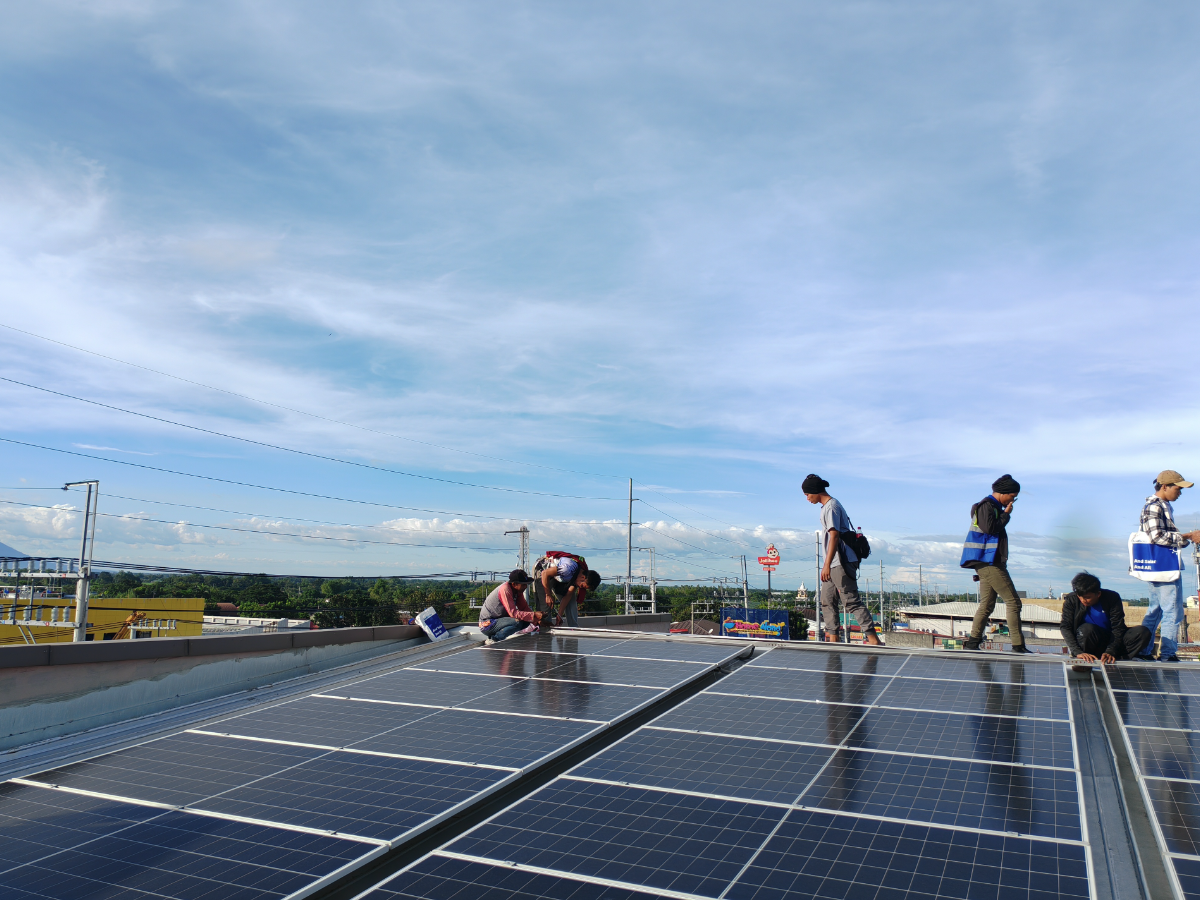
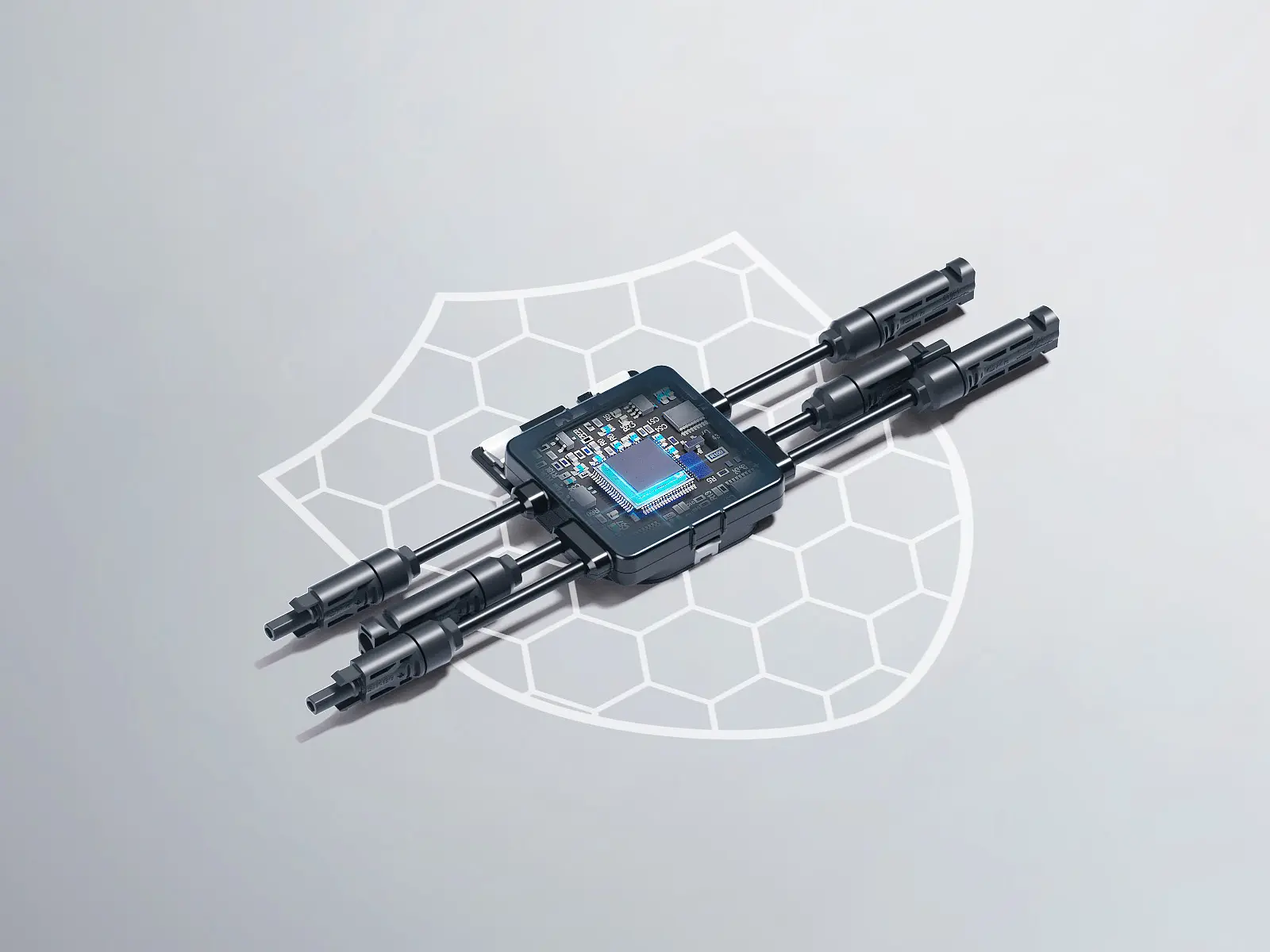
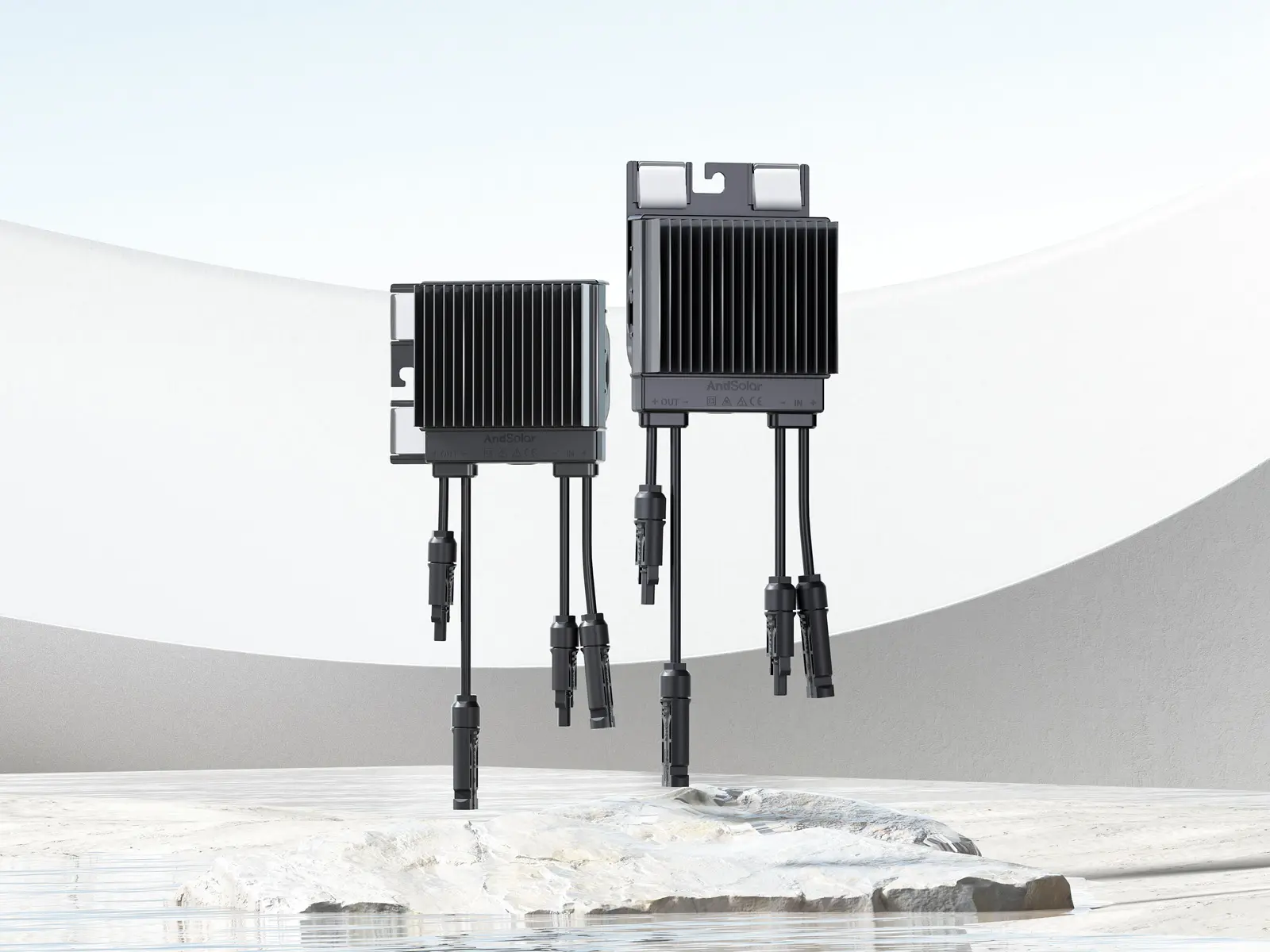
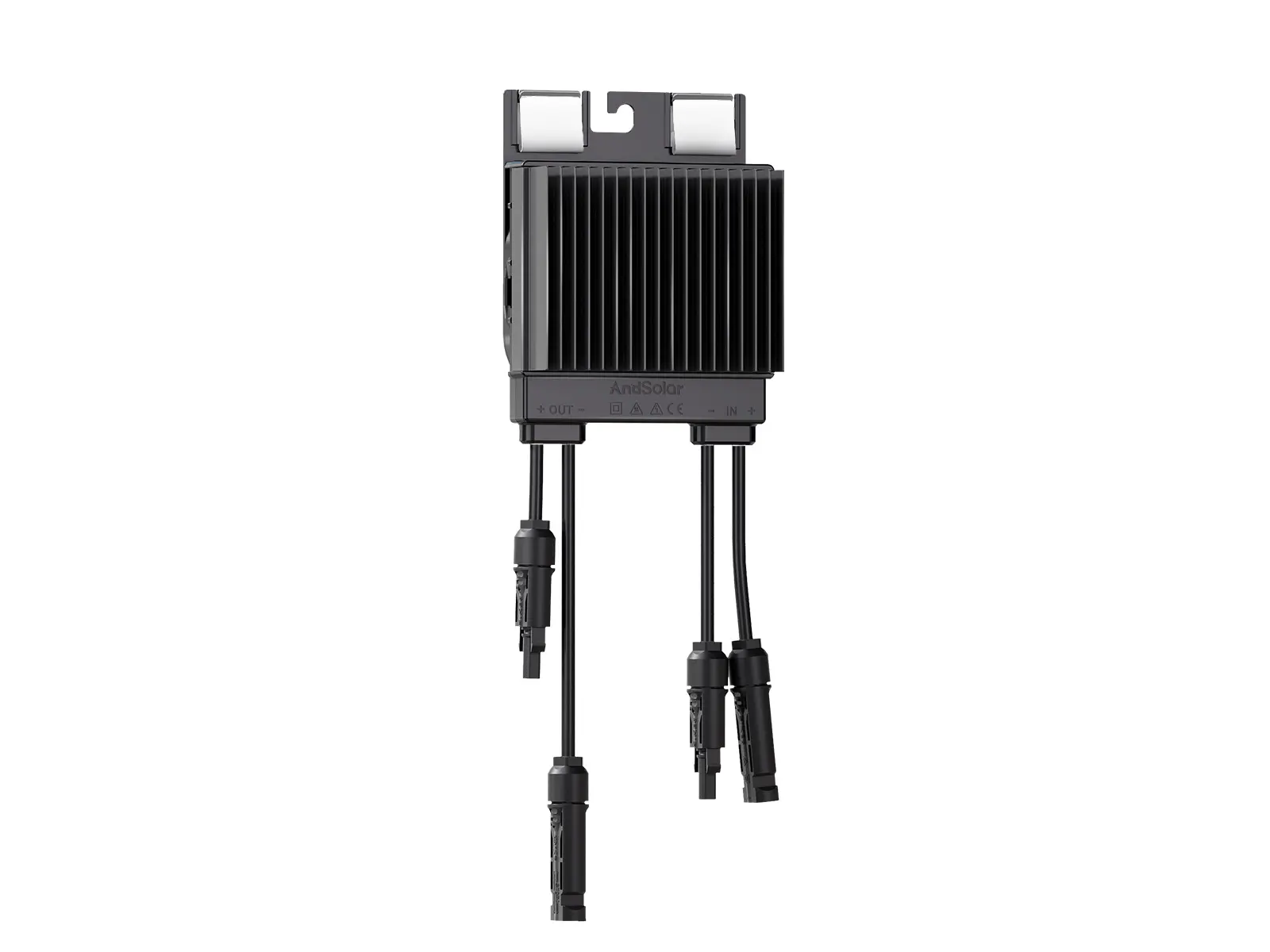
The C&I rooftop solar system represents a cutting-edge renewable energy solution specifically designed for commercial and industrial applications. This comprehensive photovoltaic system transforms unused rooftop spaces into powerful energy generation hubs, delivering substantial electricity production capabilities for businesses of all sizes. The C&I rooftop solar system incorporates advanced solar panels, sophisticated inverters, monitoring equipment, and mounting structures engineered to withstand diverse weather conditions while maximizing energy output. These systems typically range from 100kW to several megawatts in capacity, making them ideal for warehouses, manufacturing facilities, office buildings, retail centers, and industrial complexes. The main functions of the C&I rooftop solar system include electricity generation, grid integration, energy storage compatibility, and real-time performance monitoring. The technological features encompass high-efficiency monocrystalline or polycrystalline solar panels with anti-reflective coatings, string inverters or power optimizers for maximum energy conversion, robust aluminum mounting rails designed for commercial roof structures, and advanced monitoring systems that provide detailed performance analytics. The C&I rooftop solar system utilizes smart grid technology, enabling seamless integration with existing electrical infrastructure while supporting net metering capabilities. Applications span across multiple industries including manufacturing, logistics, healthcare, education, and retail sectors. The system's modular design allows for scalable installations that can adapt to varying roof configurations and energy requirements. Modern C&I rooftop solar systems feature bifacial panels that capture sunlight from both sides, increasing energy yield by up to 25 percent. The integrated monitoring platforms provide real-time data on energy production, system performance, and potential maintenance needs, ensuring optimal operational efficiency throughout the system's 25-year lifespan.