Distributed Photovoltaic Systems: Complete Guide to Solar Energy Independence and Cost Savings

  • 8F, Block B, Building 1, 286 Qinglonggang Road, Suzhou City, Jiangsu Province, P. R. China
  • [email protected]
AndSolar Cloud

distributed photovoltaic

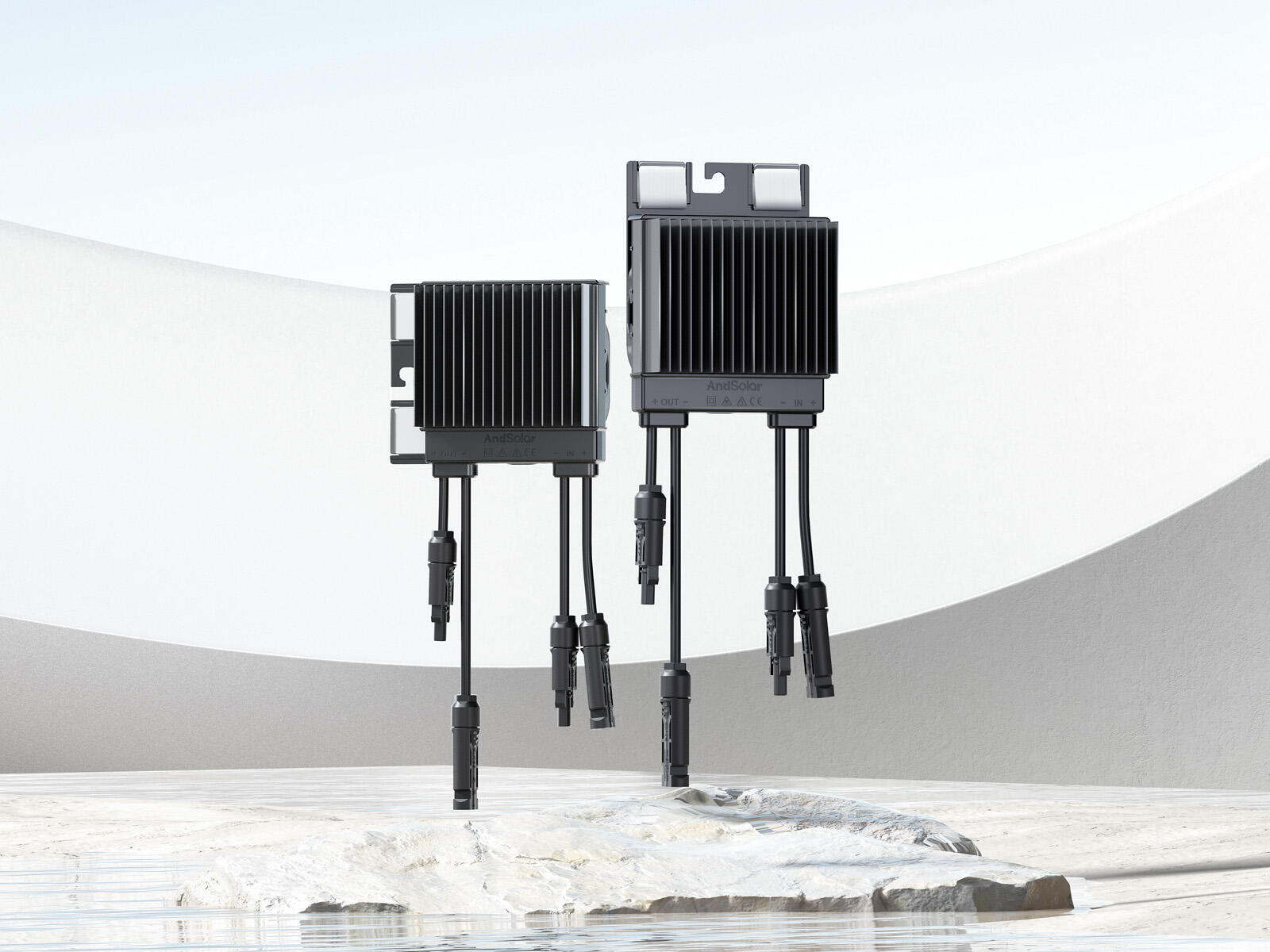
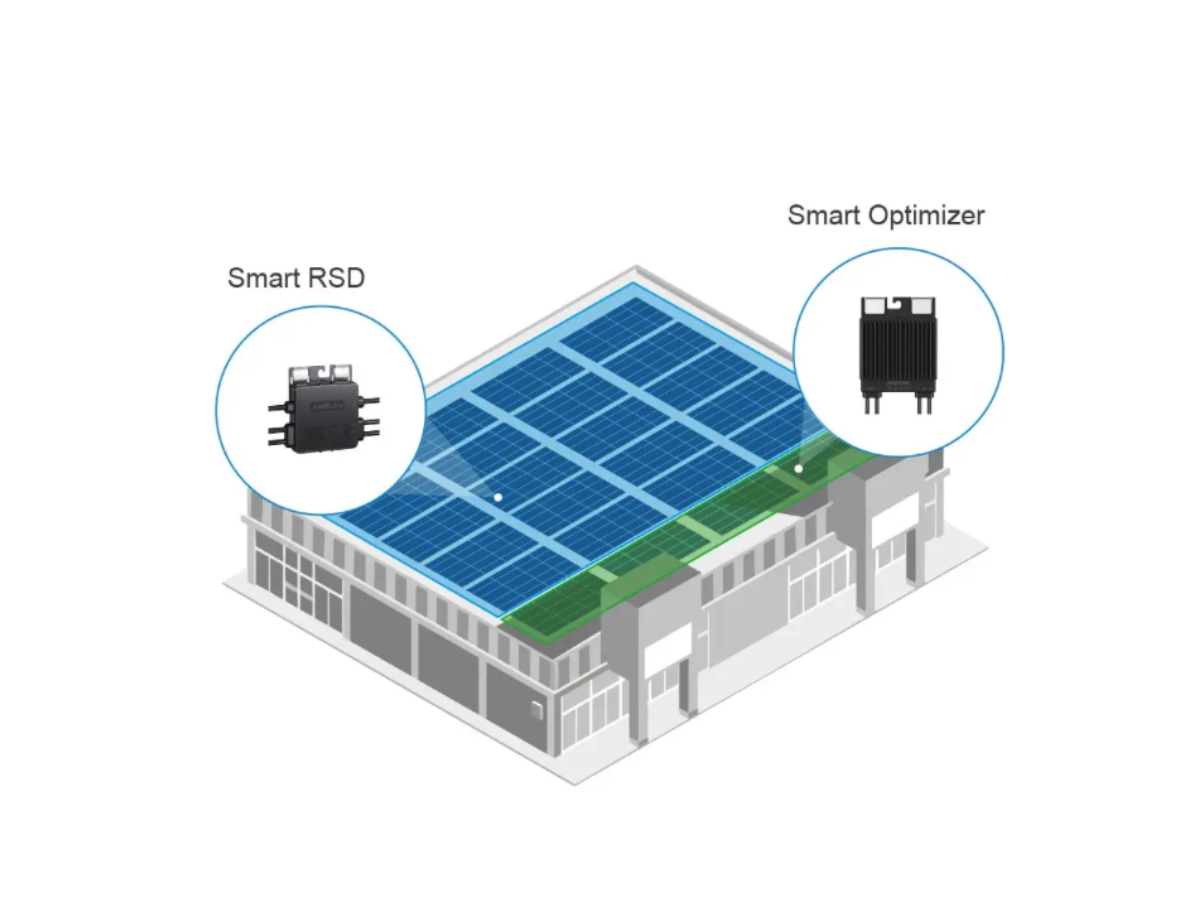
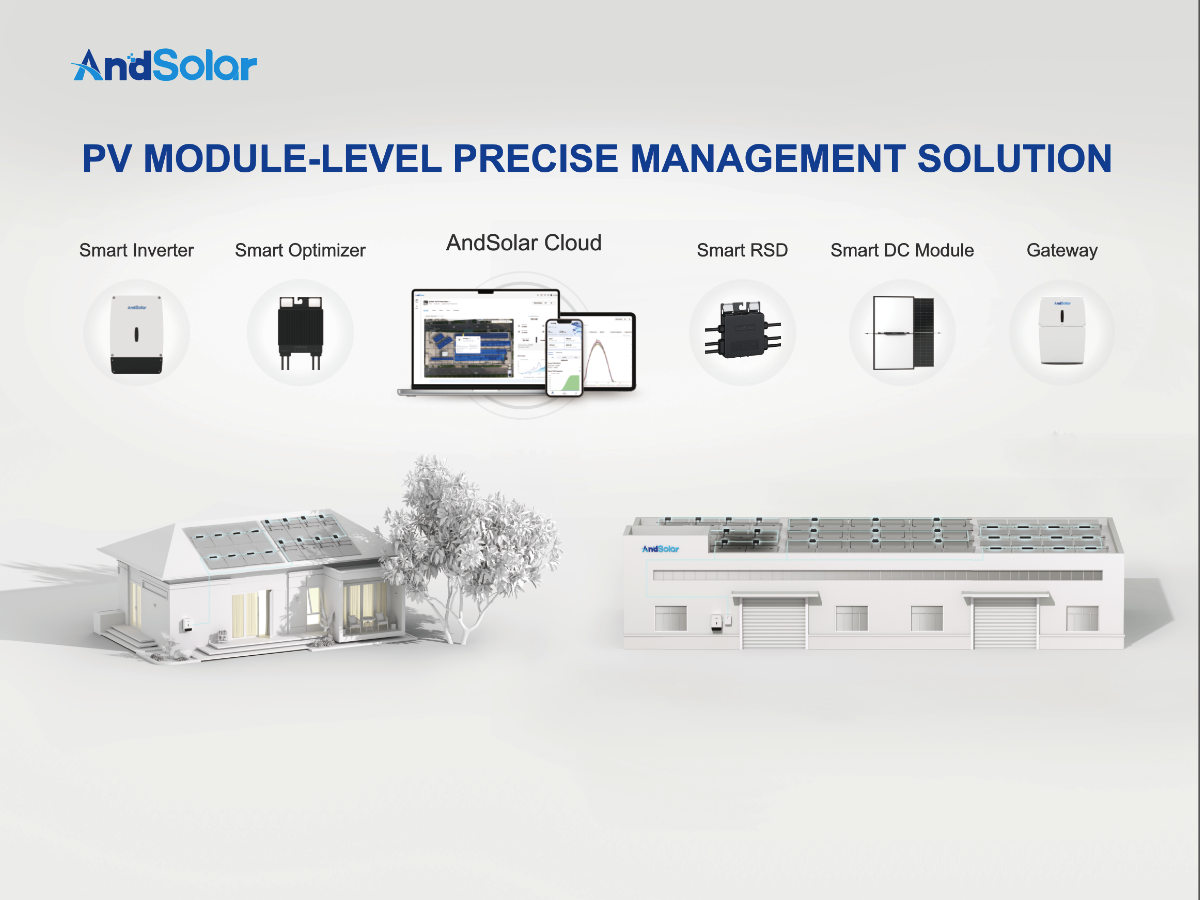
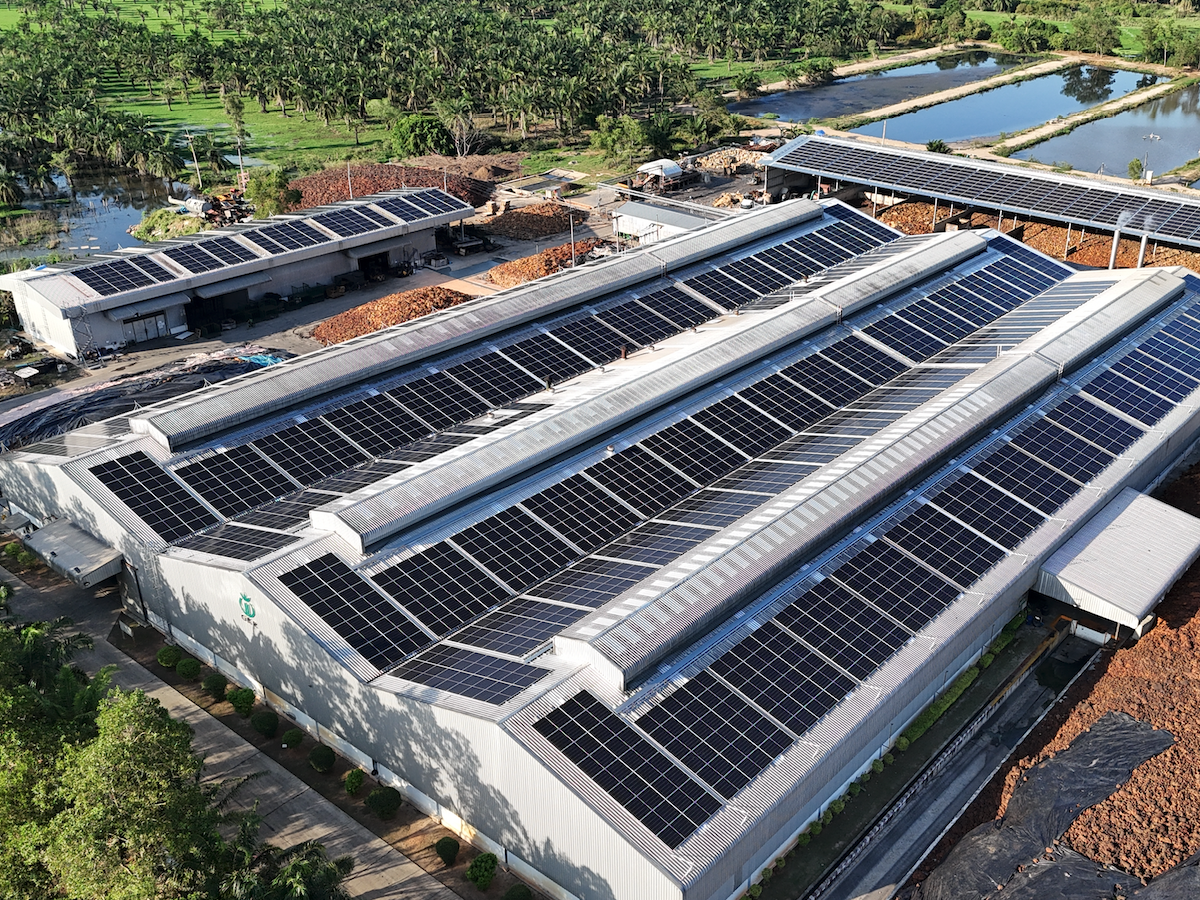
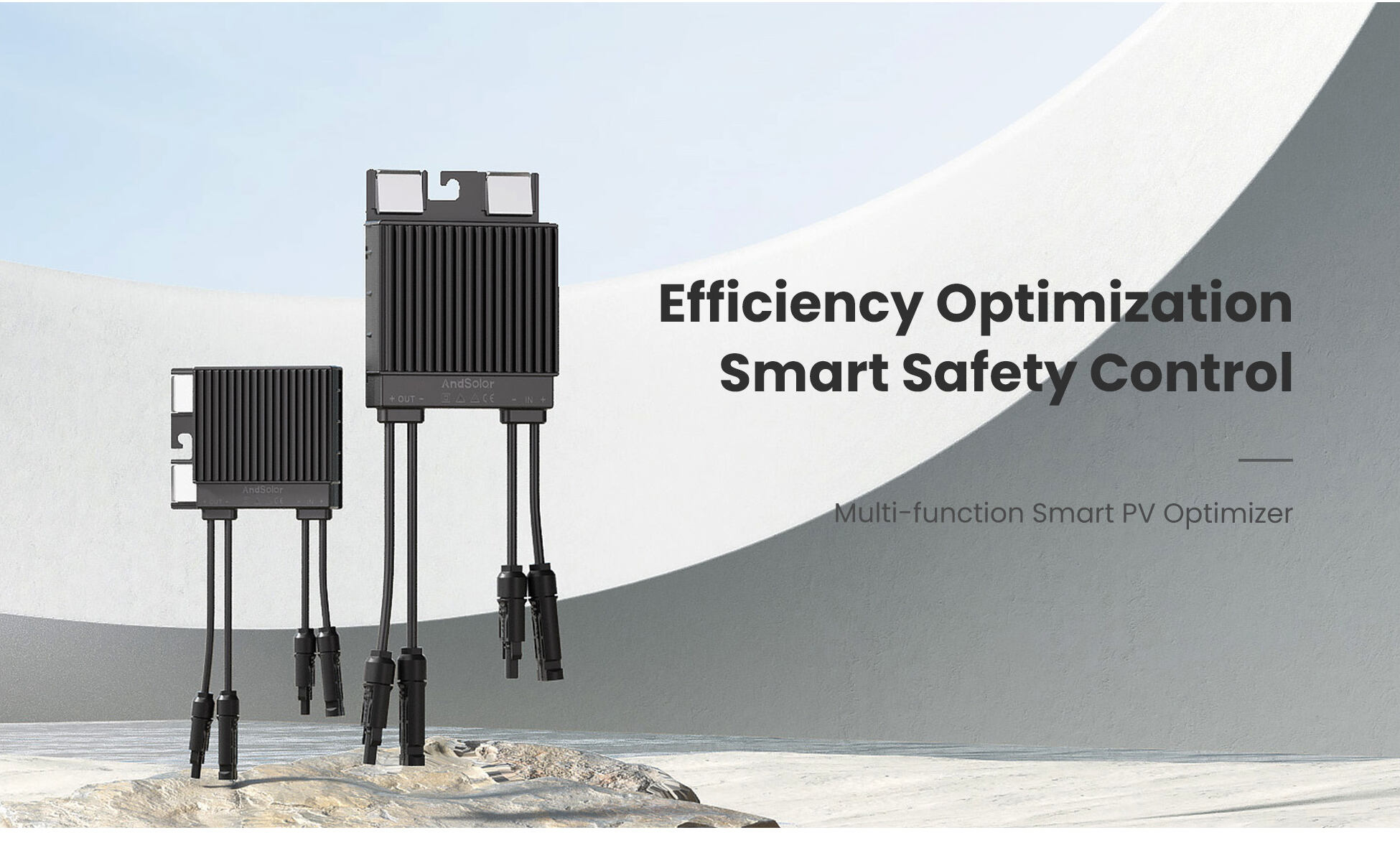
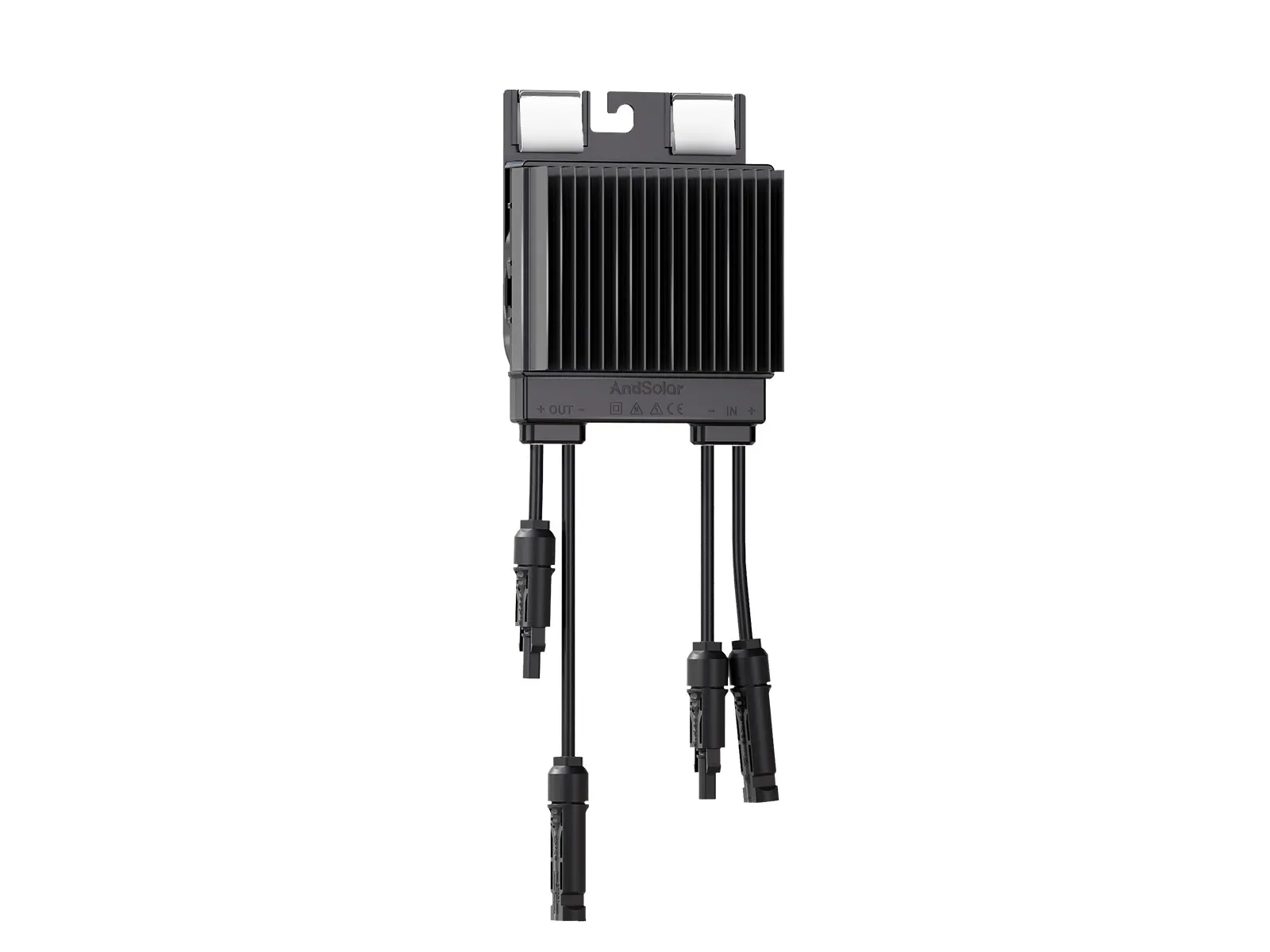
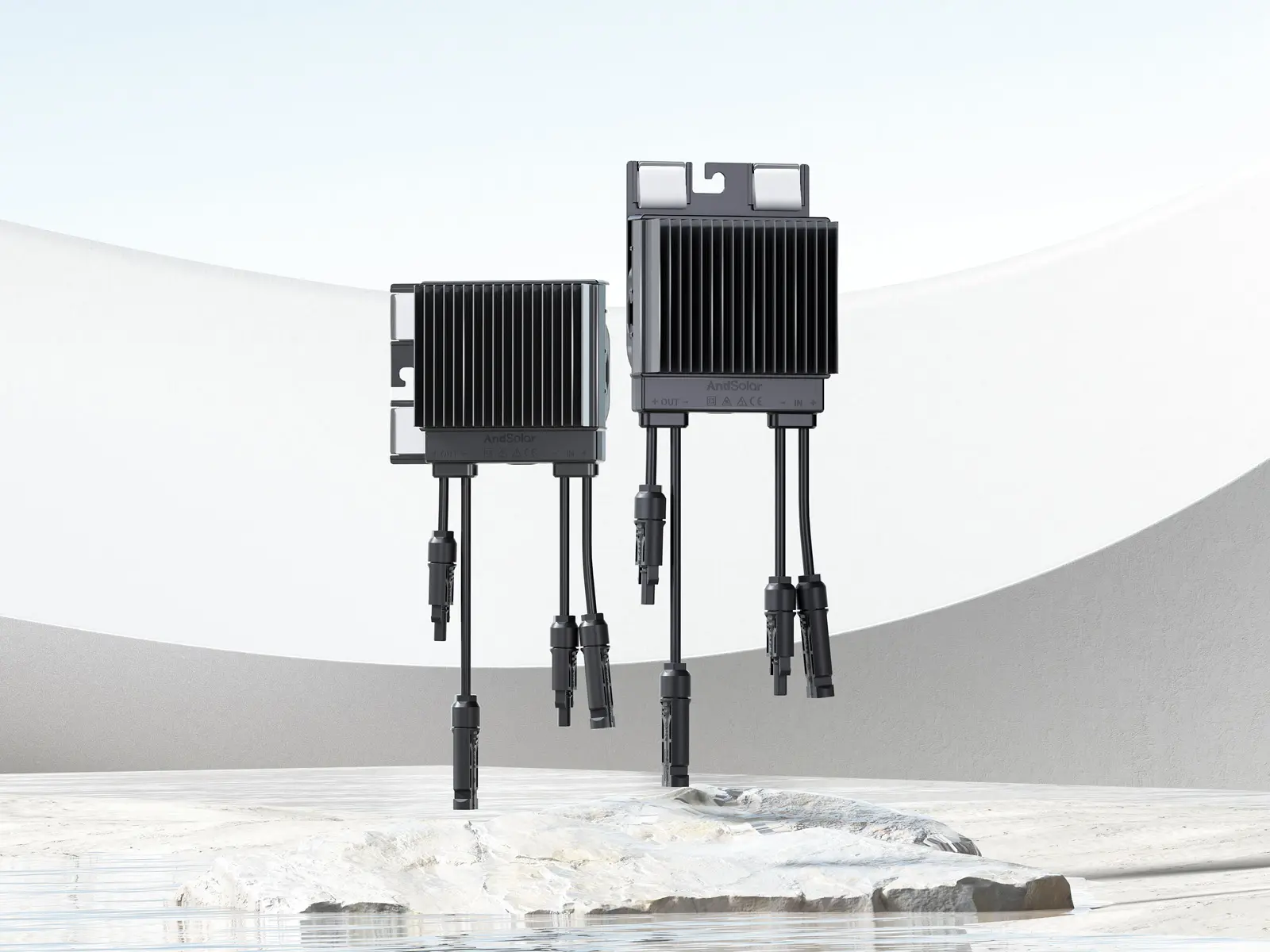
Distributed photovoltaic systems represent a revolutionary approach to solar energy generation that decentralizes power production by installing solar panels across multiple locations rather than concentrating them in large utility-scale facilities. This distributed photovoltaic technology transforms rooftops, parking lots, commercial buildings, and residential properties into individual power generation sites, creating a network of interconnected energy sources that collectively contribute to the electrical grid. The main functions of distributed photovoltaic systems include converting sunlight into electricity through photovoltaic cells, reducing transmission losses by generating power close to consumption points, and providing grid stability through diversified energy sources. Technologically, distributed photovoltaic installations feature advanced inverter systems that convert direct current from solar panels into alternating current suitable for grid integration, smart monitoring capabilities that track performance in real-time, and net metering functionality that allows excess energy to be fed back into the grid. Modern distributed photovoltaic systems incorporate microinverters or power optimizers that maximize energy harvest from each individual panel, ensuring optimal performance even when some panels experience shading or debris. The applications of distributed photovoltaic technology span residential installations on single-family homes, commercial rooftop systems on office buildings and warehouses, community solar gardens that serve multiple customers, and agrivoltaics projects that combine solar generation with agricultural activities. These systems integrate seamlessly with existing electrical infrastructure while providing energy independence and cost savings. Distributed photovoltaic technology supports demand response programs, peak load reduction, and grid resilience by distributing generation capacity across geographical areas, reducing vulnerability to localized outages or equipment failures.
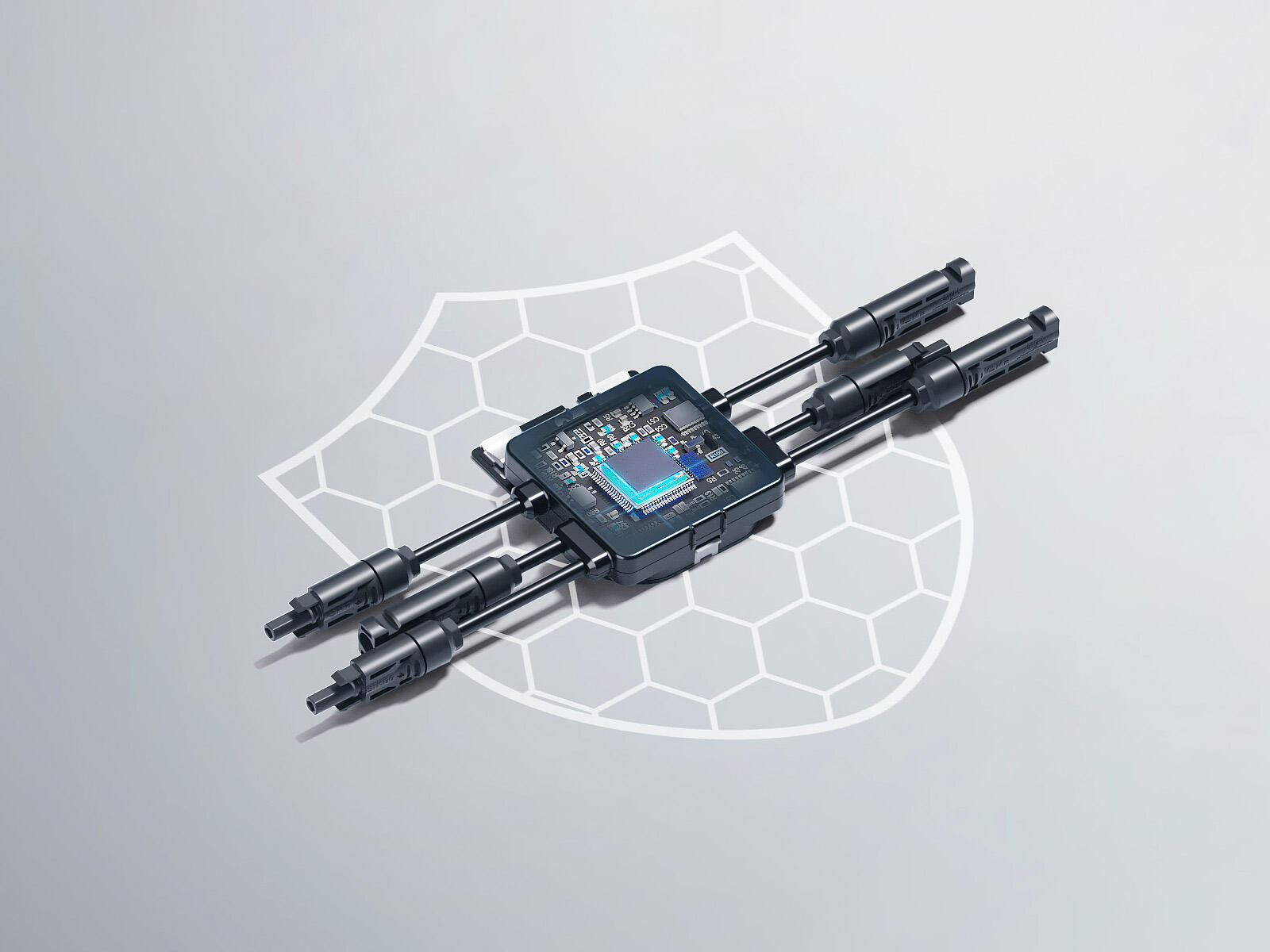
Distributed photovoltaic systems deliver substantial cost savings by eliminating expensive electricity bills and providing long-term energy independence for property owners. These systems generate free electricity for decades after installation, with most distributed photovoltaic installations paying for themselves within seven to ten years through reduced utility costs and government incentives. Property owners benefit from net metering programs that credit excess energy production, essentially turning their properties into profit-generating assets. The environmental advantages of distributed photovoltaic technology include zero emissions during operation, reduced carbon footprint, and decreased dependence on fossil fuels. Each distributed photovoltaic installation prevents tons of carbon dioxide from entering the atmosphere annually, contributing significantly to climate change mitigation efforts while improving local air quality. Installation flexibility represents another major advantage, as distributed photovoltaic systems adapt to various property types, roof configurations, and space constraints without requiring extensive land acquisition or environmental disruption. These systems increase property values substantially, with studies showing homes equipped with distributed photovoltaic installations selling for premium prices compared to properties without solar technology. Grid reliability improves through distributed photovoltaic deployment because power generation occurs closer to consumption points, reducing transmission losses and grid stress during peak demand periods. Energy security enhances significantly as distributed photovoltaic systems provide backup power capabilities when combined with battery storage, ensuring continued electricity supply during outages or emergencies. Maintenance requirements remain minimal for distributed photovoltaic installations, with most systems requiring only periodic cleaning and annual inspections to maintain optimal performance. Scalability allows property owners to expand their distributed photovoltaic capacity over time, starting with smaller installations and adding panels as energy needs grow or budgets allow. Technology improvements continue advancing distributed photovoltaic efficiency and affordability, making these systems increasingly attractive investments for residential and commercial applications.

Popular Products

Maximum Energy Independence Through Distributed Photovoltaic Technology

Maximum Energy Independence Through Distributed Photovoltaic Technology

Distributed photovoltaic systems provide unparalleled energy independence by transforming properties into self-sufficient power generation facilities that operate completely independent of traditional utility infrastructure. This energy autonomy protects property owners from volatile electricity rates, supply disruptions, and grid failures while providing predictable energy costs for decades. Advanced distributed photovoltaic installations equipped with battery storage systems ensure continuous power supply even during extended outages, making properties completely self-reliant for their electrical needs. The independence achieved through distributed photovoltaic technology extends beyond mere cost savings to encompass true energy sovereignty, where property owners control their entire energy supply chain from generation to consumption. Modern distributed photovoltaic systems incorporate intelligent energy management capabilities that optimize power usage patterns, store excess energy during peak production periods, and distribute stored power when solar generation decreases. This sophisticated energy management transforms properties into miniature power plants that operate with remarkable efficiency and reliability. Property owners gain complete control over their energy future, eliminating concerns about utility rate increases, service interruptions, or infrastructure limitations. The independence provided by distributed photovoltaic technology becomes particularly valuable in remote locations where traditional grid connections prove expensive or unreliable, enabling development in previously unsuitable areas. Emergency preparedness improves dramatically with distributed photovoltaic installations, as these systems continue operating during natural disasters, grid failures, or other disruptions that affect centralized power generation. Long-term energy independence through distributed photovoltaic technology provides financial predictability that supports better budgeting and investment planning for both residential and commercial property owners.
Revolutionary Cost-Effectiveness of Distributed Photovoltaic Solutions

Revolutionary Cost-Effectiveness of Distributed Photovoltaic Solutions

Distributed photovoltaic systems deliver exceptional financial returns through immediate electricity cost reduction and long-term investment appreciation that significantly outperforms traditional investment vehicles. The cost-effectiveness of distributed photovoltaic technology stems from its ability to generate free electricity for twenty-five years or more while requiring minimal maintenance and no fuel costs throughout its operational lifetime. Initial investment costs continue declining as distributed photovoltaic technology advances and manufacturing scales increase, making these systems accessible to broader market segments while improving return on investment calculations. Federal tax credits, state rebates, and local incentives further enhance the cost-effectiveness of distributed photovoltaic installations, often reducing initial costs by thirty to fifty percent while accelerating payback periods significantly. Net metering programs maximize the economic benefits of distributed photovoltaic systems by crediting excess energy production at retail electricity rates, effectively turning utility meters backward when generation exceeds consumption. Commercial property owners particularly benefit from distributed photovoltaic cost-effectiveness through demand charge reduction, tax depreciation benefits, and improved cash flow from reduced operational expenses. The predictable nature of solar energy production allows accurate financial modeling for distributed photovoltaic investments, providing certainty that traditional energy sources cannot match due to price volatility and supply uncertainties. Property value increases represent an additional cost-effectiveness factor, with distributed photovoltaic installations adding substantial resale value that often exceeds the initial system investment. Financing options including solar loans, leases, and power purchase agreements make distributed photovoltaic technology accessible without upfront capital requirements while still providing immediate cost savings. Long-term cost-effectiveness improves as electricity rates continue rising while distributed photovoltaic systems generate free power, creating an expanding value gap that benefits system owners increasingly over time.
Enhanced Grid Stability and Environmental Impact Through Distributed Photovoltaic Networks

Enhanced Grid Stability and Environmental Impact Through Distributed Photovoltaic Networks

Distributed photovoltaic installations create robust electrical grid networks that improve overall system reliability while delivering significant environmental benefits that extend far beyond individual property boundaries. Grid stability improves dramatically as distributed photovoltaic systems reduce stress on transmission infrastructure by generating power close to consumption points, eliminating the need for long-distance electricity transport that causes efficiency losses and system vulnerabilities. The decentralized nature of distributed photovoltaic networks provides grid operators with enhanced load management capabilities, as thousands of small generation sources create a more resilient and flexible power supply system compared to centralized generation facilities. Peak demand reduction occurs naturally with distributed photovoltaic systems because solar generation coincides with peak electricity usage periods, reducing strain on grid infrastructure during the most challenging operational conditions. Environmental benefits multiply exponentially as distributed photovoltaic adoption increases, with each installation contributing to air quality improvement, carbon emission reduction, and decreased water consumption compared to traditional power generation methods. Distributed photovoltaic systems produce zero operational emissions, eliminate fuel transportation requirements, and require no water for cooling, making them exceptionally environmentally friendly throughout their entire operational lifecycle. Land use efficiency improves significantly with distributed photovoltaic installations because existing structures provide mounting surfaces, eliminating the need for dedicated land acquisition while preserving natural habitats and agricultural areas. Community-wide environmental benefits emerge as distributed photovoltaic networks reduce local pollution, improve air quality, and create healthier living environments for residents while supporting sustainability goals. Grid modernization accelerates through distributed photovoltaic integration, driving improvements in smart grid technology, energy storage systems, and demand response capabilities that benefit all electricity consumers. The cumulative environmental impact of widespread distributed photovoltaic adoption includes reduced greenhouse gas emissions equivalent to removing millions of vehicles from roads while supporting renewable energy transition goals at local, regional, and national levels.

Get a Free Quote

Our representative will contact you soon.
Name
Email
Phone/ WhatsApp
Company Name
Product Selection
Message
0/1000

distributed photovoltaic

Tips And Tricks

When Should You Use Power Optimizers?

17

Jun

When Should You Use Power Optimizers?

Understanding Power Optimizers in Solar Systems What Are Power Optimizers? Power optimizers are applied in solar system for energy harvest purpose. These smart devices are connected to every solar panel to optimise and manage the panel. Pow...
View More
Module-level power electronics (MLPE) roles in PV systems

21

Jul

Module-level power electronics (MLPE) roles in PV systems

Enhancing Solar Energy Efficiency Through Module-Level Innovations In the evolution of solar energy systems, the demand for improved efficiency, safety, and monitoring capabilities has driven the emergence of module-level technologies that fundament...
View More
The Comparison Between Module-Level Rapid Shutdown Devices and String-Level Rapid Shutdown Devices

13

Aug

The Comparison Between Module-Level Rapid Shutdown Devices and String-Level Rapid Shutdown Devices

Advancing Solar Safety Through Modern Shutdown Solutions In the evolving solar energy industry, system safety and compliance with regulations are crucial for long-term performance. Rapid shutdown devices have become a standard requirement in many reg...
View More
How Much Will the Optimizer Improve My Power Generation?

11

Aug

How Much Will the Optimizer Improve My Power Generation?

Unlocking Higher Energy Yields Through Advanced Optimization The evolution of solar technology has shifted the conversation from simply installing panels to maximizing their potential. Today, system owners are looking for ways to extract every possib...
View More

Get a Free Quote

Our representative will contact you soon.
Name
Email
Phone/ WhatsApp
Company Name
Product Selection
Message
0/1000