Complete PV System Solutions for Base Station Projects - Reliable Solar Power for Telecommunications

  • 8F, Block B, Building 1, 286 Qinglonggang Road, Suzhou City, Jiangsu Province, P. R. China
  • [email protected]
AndSolar Cloud

PV System For Base Station Projects

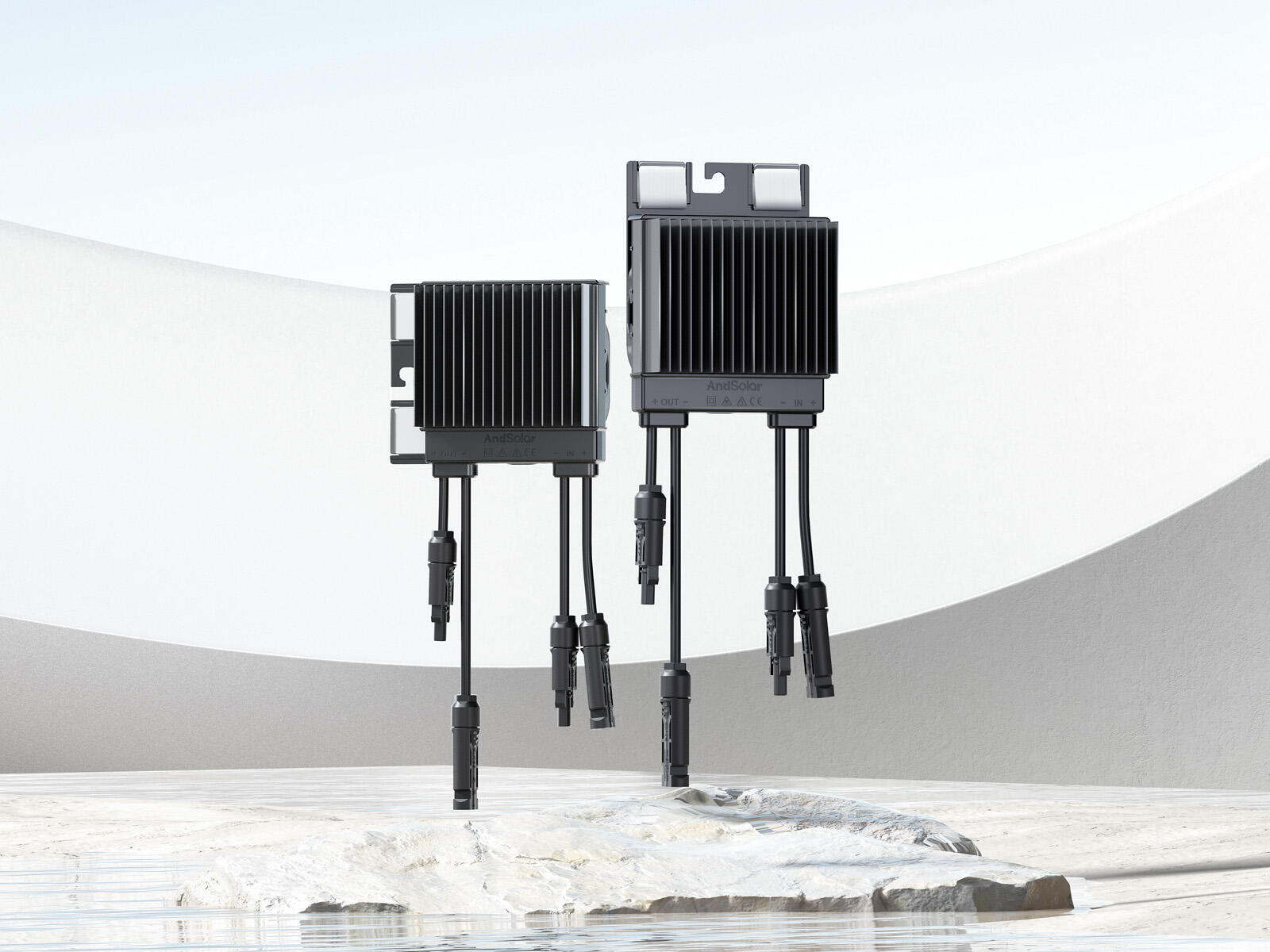
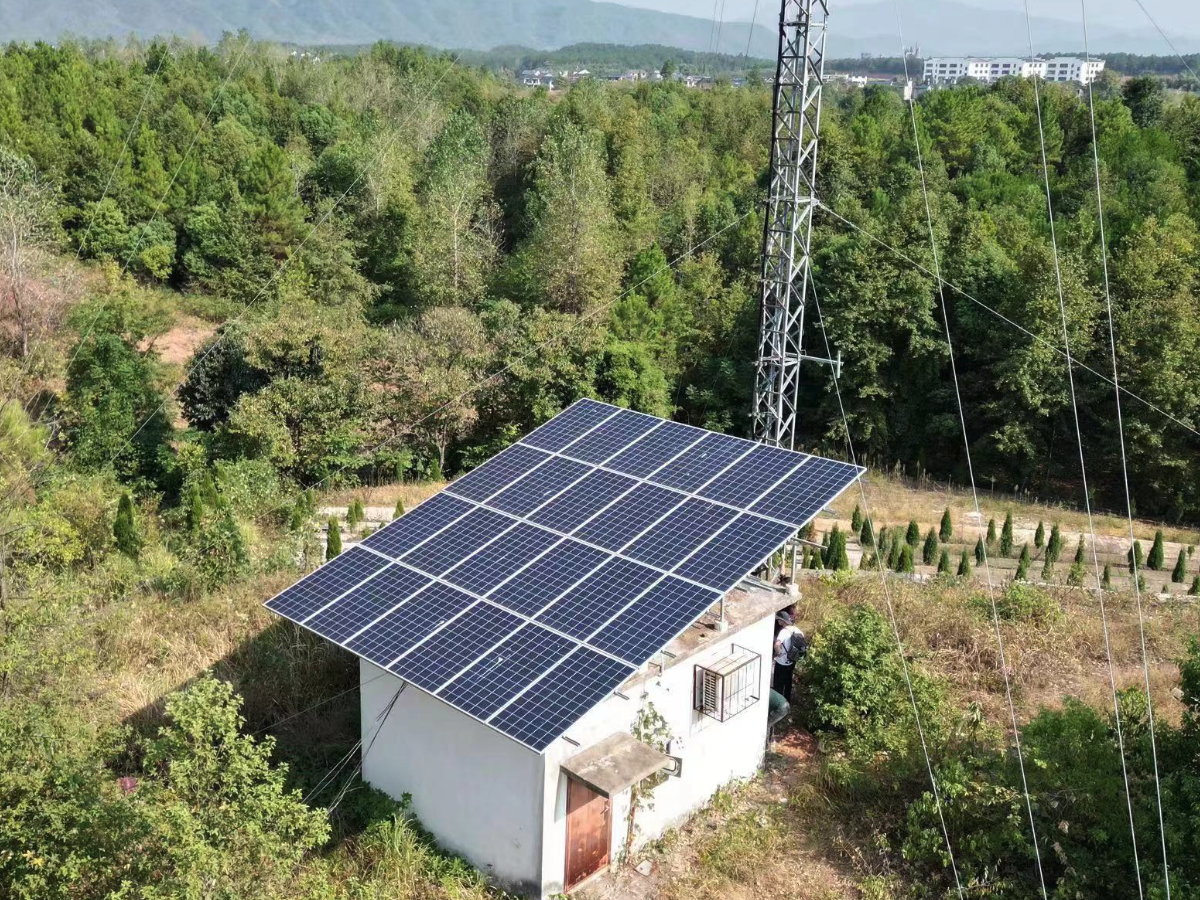
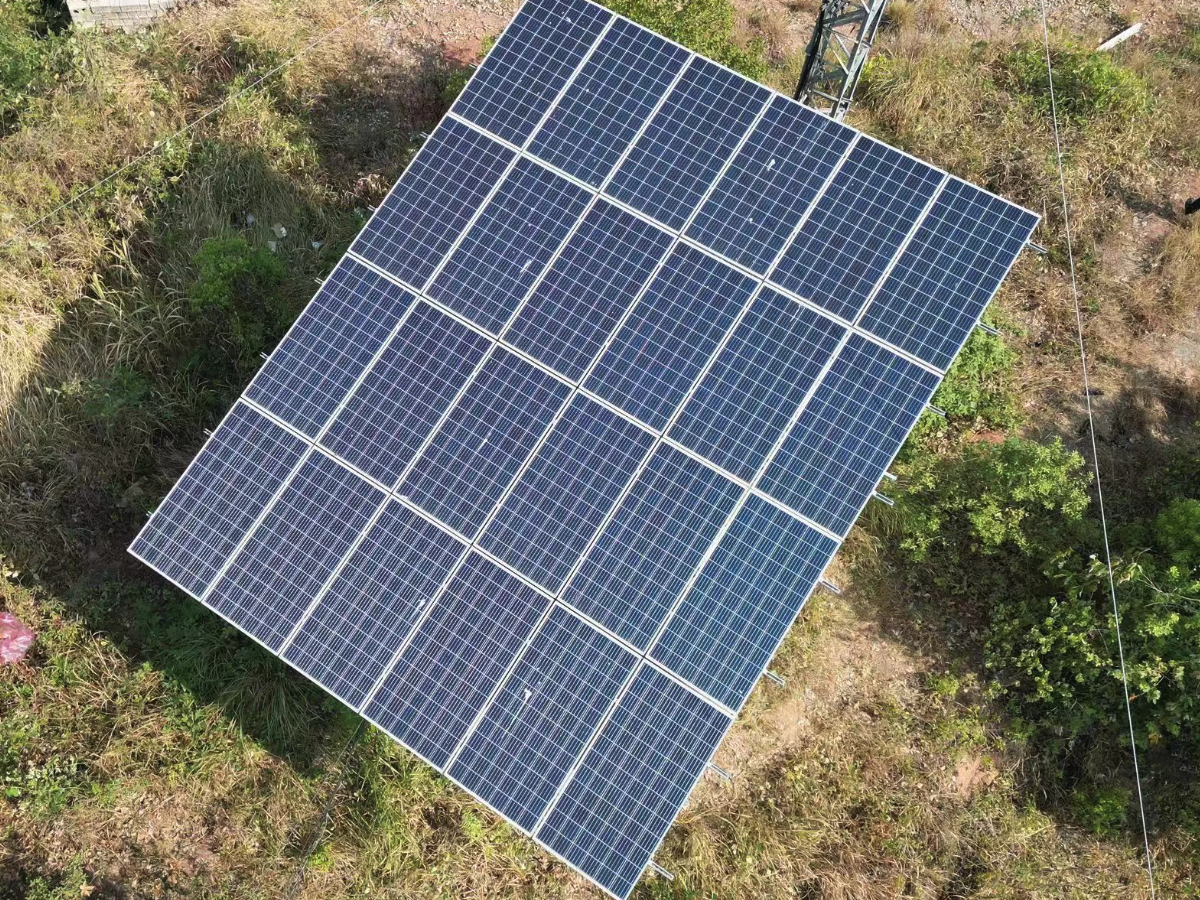
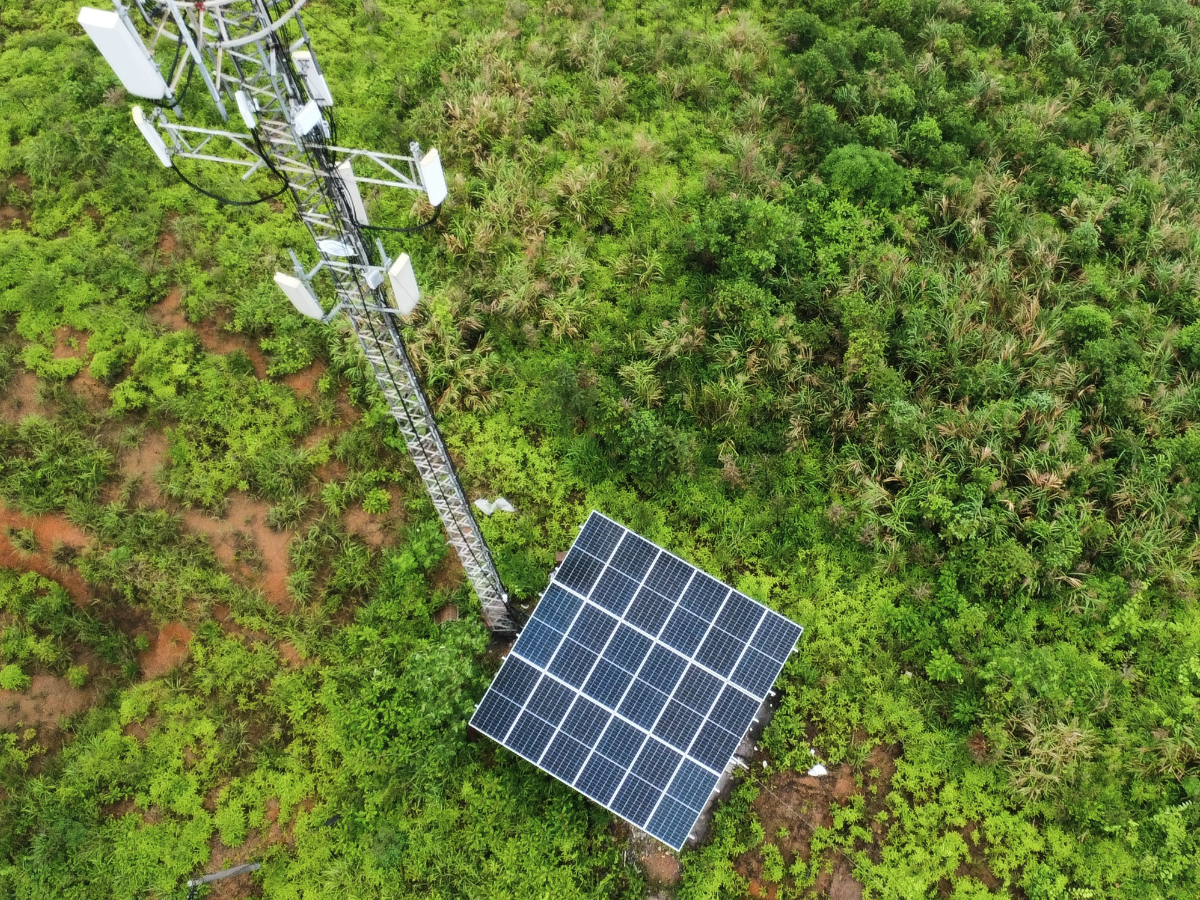
The pv system for base station projects represents a revolutionary approach to powering telecommunications infrastructure through sustainable solar energy solutions. This innovative technology combines photovoltaic panels with advanced energy storage systems to create reliable, off-grid power sources for cellular towers and communication equipment. The pv system for base station projects fundamentally transforms how telecommunications companies approach energy management, offering independence from traditional grid connections while reducing operational costs significantly. These systems typically consist of high-efficiency solar panels, intelligent charge controllers, battery storage units, and monitoring systems that work together seamlessly. The main function of a pv system for base station projects involves converting sunlight into electrical energy, storing excess power in batteries, and providing continuous electricity supply to maintain uninterrupted communication services. Modern pv systems for base station projects incorporate smart inverters that optimize power conversion efficiency while ensuring stable voltage output for sensitive telecommunications equipment. The technological features include maximum power point tracking controllers that extract optimal energy from solar panels under varying weather conditions, advanced battery management systems that extend storage life, and remote monitoring capabilities that enable real-time performance tracking. Applications span across rural areas where grid connectivity remains challenging, emergency response situations requiring rapid deployment, and environmentally conscious installations seeking carbon footprint reduction. The pv system for base station projects proves particularly valuable in remote mountainous regions, disaster recovery scenarios, and developing markets where traditional power infrastructure lacks reliability. Integration capabilities allow these systems to work alongside existing backup generators, creating hybrid solutions that maximize uptime while minimizing fuel consumption costs.
The pv system for base station projects delivers substantial cost savings through elimination of monthly electricity bills and reduced dependency on diesel generators. Companies implementing these solar solutions typically experience 70-80 percent reduction in energy expenses within the first year of operation. The system operates silently without mechanical components that require frequent maintenance, contrasting sharply with noisy generators that need regular servicing and fuel replenishment. Environmental benefits make the pv system for base station projects attractive to organizations committed to sustainability goals, as each installation prevents thousands of pounds of carbon dioxide emissions annually. Reliability improvements stem from the system's ability to function independently during grid outages, ensuring continuous communication services when communities need them most. The modular design allows easy expansion as power requirements grow, making the pv system for base station projects adaptable to changing operational needs without complete system replacement. Installation flexibility enables deployment in virtually any location with adequate sunlight exposure, eliminating the constraints associated with grid connectivity or fuel transportation logistics. Remote monitoring capabilities provide operators with real-time visibility into system performance, enabling proactive maintenance scheduling and immediate issue identification. The pv system for base station projects requires minimal ongoing maintenance compared to traditional power sources, with solar panels typically warranted for 25 years and batteries lasting 10-15 years under proper management. Security advantages include reduced theft risk associated with fuel storage and decreased vulnerability to supply chain disruptions that affect diesel availability. Weather resistance features ensure continued operation during storms and extreme conditions when grid power often fails. The system's scalability accommodates everything from small rural installations to large urban base stations, making the pv system for base station projects suitable for diverse telecommunications infrastructure requirements. Financial incentives and tax credits available in many regions further enhance return on investment, accelerating payback periods and improving project economics.

New Product Recommendations

Advanced Energy Storage Integration

Advanced Energy Storage Integration

The sophisticated energy storage component of the pv system for base station projects represents cutting-edge battery technology specifically engineered for telecommunications applications. This feature utilizes lithium-ion or lithium iron phosphate batteries that provide exceptional cycle life, deep discharge capabilities, and rapid charging characteristics essential for maintaining 24/7 communication services. The storage system incorporates intelligent battery management systems that continuously monitor individual cell voltages, temperatures, and charge states to optimize performance while preventing damage from overcharging or excessive discharge. Advanced algorithms predict power consumption patterns based on historical data and weather forecasts, automatically adjusting charging schedules to ensure adequate backup power during extended cloudy periods. The energy storage integration allows the pv system for base station projects to maintain operations for multiple days without sunlight, providing unprecedented reliability for critical communication infrastructure. Temperature compensation features ensure optimal battery performance across diverse climatic conditions, while built-in safety systems prevent thermal runaway and other potential hazards. The modular battery design enables easy replacement of individual units without system shutdown, minimizing maintenance-related downtime. Smart load management capabilities prioritize essential communication equipment during low battery conditions, extending operational time when power generation falls below consumption levels. Integration with existing backup systems creates redundant power sources that virtually eliminate service interruptions. The storage system includes sophisticated monitoring interfaces that provide operators with detailed insights into battery health, remaining capacity, and projected runtime under current load conditions, enabling informed decisions about maintenance scheduling and system optimization.
Intelligent Power Management System

Intelligent Power Management System

The intelligent power management system within the pv system for base station projects employs artificial intelligence algorithms to optimize energy production, storage, and consumption in real-time. This sophisticated control system continuously analyzes weather patterns, power generation forecasts, and historical consumption data to make intelligent decisions about energy allocation and storage utilization. The system automatically switches between solar power, battery backup, and grid connection when available, ensuring seamless power delivery while maximizing cost savings and system efficiency. Advanced maximum power point tracking technology extracts optimal energy from solar panels regardless of shading conditions, temperature variations, or panel aging, maintaining peak performance throughout the system's operational lifetime. The intelligent management system includes predictive maintenance capabilities that analyze component performance trends to identify potential issues before they cause service disruptions. Load balancing features distribute power efficiently across multiple communication equipment types, ensuring each device receives clean, stable electricity appropriate for its specific requirements. Remote configuration capabilities allow operators to adjust system parameters, update control algorithms, and modify operational settings without physical site visits, reducing maintenance costs and improving response times. The system incorporates cybersecurity measures that protect against unauthorized access while enabling secure remote monitoring and control through encrypted communication channels. Integration with utility grids enables net metering capabilities where applicable, allowing the pv system for base station projects to sell excess power back to utilities during peak production periods. Emergency mode operation automatically activates during natural disasters or grid failures, prioritizing essential communication functions and extending battery life through intelligent load shedding protocols.
Comprehensive Remote Monitoring and Analytics

Comprehensive Remote Monitoring and Analytics

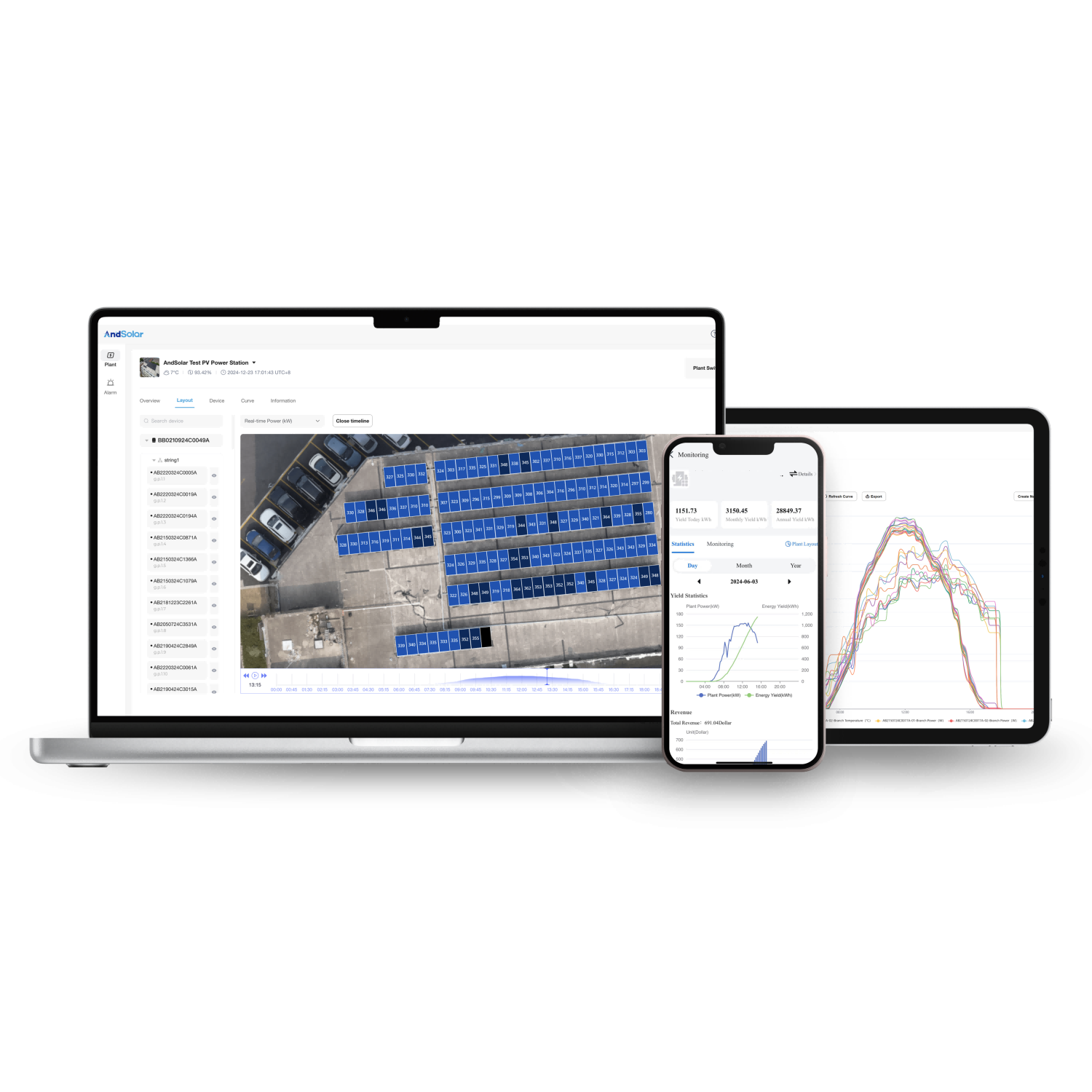
The comprehensive remote monitoring and analytics platform integrated into the pv system for base station projects provides unprecedented visibility into system performance, enabling proactive maintenance and optimization strategies. This advanced monitoring solution utilizes IoT sensors and cloud-based analytics to track hundreds of system parameters in real-time, including solar panel output, battery status, inverter performance, and environmental conditions. The platform generates automated alerts when performance metrics deviate from expected ranges, enabling rapid response to potential issues before they impact communication services. Historical data analysis capabilities identify long-term trends and seasonal patterns, facilitating informed decisions about system upgrades, maintenance scheduling, and operational optimization. The monitoring system includes sophisticated reporting tools that generate customized performance reports for different stakeholder groups, from technical operators to executive management teams. Predictive analytics algorithms analyze component aging patterns and performance degradation to forecast maintenance requirements and component replacement schedules, enabling proactive inventory management and budget planning. The platform integrates with existing telecommunications network management systems, providing consolidated visibility into both communication equipment and power infrastructure from a single interface. Mobile applications enable field technicians to access real-time system data, diagnostic information, and maintenance procedures while on-site, improving service efficiency and reducing troubleshooting time. The pv system for base station projects monitoring platform includes benchmarking capabilities that compare performance across multiple installations, identifying best practices and optimization opportunities. Automated backup procedures ensure data integrity and availability, with redundant storage systems protecting valuable operational data. The analytics platform supports integration with third-party maintenance management systems, enabling seamless workflow automation and improved coordination between different service teams.

Get a Free Quote

Our representative will contact you soon.
Name
Email
Phone/ WhatsApp
Company Name
Product Selection
Message
0/1000

PV System For Base Station Projects

Latest News

When Should You Use Power Optimizers?

17

Jun

When Should You Use Power Optimizers?

Understanding Power Optimizers in Solar Systems What Are Power Optimizers? Power optimizers are applied in solar system for energy harvest purpose. These smart devices are connected to every solar panel to optimise and manage the panel. Pow...
View More
Benefits of MLPE VS. traditional PV system

21

Jul

Benefits of MLPE VS. traditional PV system

Comparing Modern and Traditional Approaches to Solar Power Management As solar energy adoption continues to grow globally, both homeowners and commercial operators face critical choices in system architecture. Among the most significant is the decis...
View More
Module-level power electronics (MLPE) roles in PV systems

21

Jul

Module-level power electronics (MLPE) roles in PV systems

Enhancing Solar Energy Efficiency Through Module-Level Innovations In the evolution of solar energy systems, the demand for improved efficiency, safety, and monitoring capabilities has driven the emergence of module-level technologies that fundament...
View More
How Much Will the Optimizer Improve My Power Generation?

11

Aug

How Much Will the Optimizer Improve My Power Generation?

Unlocking Higher Energy Yields Through Advanced Optimization The evolution of solar technology has shifted the conversation from simply installing panels to maximizing their potential. Today, system owners are looking for ways to extract every possib...
View More

Get a Free Quote

Our representative will contact you soon.
Name
Email
Phone/ WhatsApp
Company Name
Product Selection
Message
0/1000