PV System for Floating Solar Projects: Advanced Water-Based Renewable Energy Solutions

  • 8F, Block B, Building 1, 286 Qinglonggang Road, Suzhou City, Jiangsu Province, P. R. China
  • [email protected]
AndSolar Cloud

PV System For Floating Solar Projects

The pv system for floating solar projects represents a groundbreaking advancement in renewable energy technology that combines photovoltaic panels with innovative floating platforms designed specifically for water-based installations. This comprehensive energy solution transforms underutilized water surfaces into productive solar power generation sites, offering exceptional versatility across reservoirs, lakes, ponds, and other water bodies. The core functionality of a pv system for floating solar projects centers on converting sunlight into electricity while maintaining stable operation on water surfaces through specialized mounting structures and anchoring mechanisms. These systems integrate high-efficiency solar panels with corrosion-resistant floating platforms engineered to withstand marine environments and weather fluctuations. The technological framework includes advanced inverters, monitoring systems, and electrical components specifically rated for aquatic conditions. Key technological features distinguish the pv system for floating solar projects from traditional land-based installations. The floating foundation utilizes high-density polyethylene materials that provide excellent buoyancy, UV resistance, and long-term durability. Sophisticated mooring systems ensure proper positioning and stability during varying water levels and weather conditions. Cable management solutions incorporate waterproof connectors and submarine-grade wiring designed for continuous submersion exposure. Smart monitoring capabilities enable remote performance tracking and maintenance scheduling through integrated sensors and communication networks. Applications for the pv system for floating solar projects span multiple sectors including municipal water treatment facilities, agricultural irrigation reservoirs, industrial cooling ponds, and recreational water bodies. These installations prove particularly valuable for locations with limited available land or high real estate costs. The modular design allows scalable deployment from small residential ponds to massive utility-scale installations covering hundreds of acres. Environmental benefits include reduced water evaporation, algae growth suppression, and aquatic ecosystem protection through partial shading effects.
The pv system for floating solar projects delivers numerous practical benefits that make it an attractive investment for property owners and energy developers seeking efficient renewable energy solutions. Land conservation represents one of the most significant advantages, as these systems eliminate the need for valuable terrestrial real estate while generating substantial electricity output. This benefit proves especially crucial in densely populated areas where land costs remain prohibitively expensive or agricultural preservation takes priority. Enhanced energy efficiency distinguishes the pv system for floating solar projects from conventional installations through natural cooling effects provided by surrounding water. The consistent temperature regulation can increase panel efficiency by ten to fifteen percent compared to ground-mounted systems, translating into higher electricity production and improved return on investment. This cooling benefit remains consistent throughout operating hours, maintaining optimal performance even during peak summer conditions. Water conservation becomes an automatic benefit when implementing a pv system for floating solar projects, as the panel coverage significantly reduces evaporation rates from the underlying water body. Studies demonstrate evaporation reductions of up to seventy percent in covered areas, preserving precious water resources while generating clean energy. This dual benefit creates additional value for agricultural operations, municipal water supplies, and industrial facilities dependent on water conservation strategies. Installation flexibility offers tremendous advantages for the pv system for floating solar projects compared to traditional solar farms that require extensive site preparation and permanent ground modifications. Floating systems can be deployed relatively quickly with minimal environmental disruption, often completing installation in weeks rather than months. The modular nature allows phased development and system expansion as energy needs grow or budgets permit. Maintenance advantages emerge from the accessible design of the pv system for floating solar projects, with walkways and service platforms integrated into the floating structure. The water environment naturally suppresses dust accumulation on panels, reducing cleaning frequency and associated maintenance costs. Remote monitoring capabilities enable proactive maintenance scheduling and rapid issue identification, minimizing downtime and optimizing system performance. Economic benefits extend beyond energy generation through multiple revenue streams and cost savings opportunities. The pv system for floating solar projects can provide aquaculture benefits by creating favorable conditions for fish farming beneath the panels. Additionally, the reduced algae growth improves water quality, potentially reducing treatment costs for municipal and industrial water users while creating healthier aquatic environments.

Popular Products

Advanced Floating Platform Technology

Advanced Floating Platform Technology

The revolutionary floating platform technology at the heart of every pv system for floating solar projects represents a masterpiece of marine engineering designed to withstand the harshest aquatic environments while maintaining optimal solar panel performance. These platforms utilize cutting-edge high-density polyethylene construction that provides exceptional durability, UV resistance, and chemical stability essential for long-term water exposure. The innovative design incorporates specialized flotation chambers that ensure consistent buoyancy regardless of water level fluctuations or seasonal variations. Each platform module connects seamlessly with adjacent units through robust interlocking systems that create large-scale arrays capable of supporting thousands of solar panels across expansive water surfaces. The engineering excellence extends to sophisticated anchoring systems that secure the pv system for floating solar projects against wind loads, wave action, and current forces while allowing natural movement that prevents structural stress. These moorings utilize advanced materials including marine-grade stainless steel cables, concrete anchors, and flexible connectors designed for decades of reliable service. The platform design accommodates thermal expansion and contraction cycles inherent in solar installations while maintaining precise panel alignment for optimal energy capture. Integrated walkways and maintenance platforms provide safe access for service personnel, incorporating non-slip surfaces and safety railings that meet maritime safety standards. The modular architecture enables rapid deployment and easy reconfiguration as project requirements evolve, making the pv system for floating solar projects highly adaptable to changing energy needs or site conditions. Weather resistance features include wind load ratings exceeding one hundred miles per hour and wave tolerance specifications that ensure continuous operation during storm conditions. The platform technology also incorporates innovative cable management solutions that protect electrical connections from water exposure while facilitating efficient power transmission to onshore infrastructure. This comprehensive approach to floating platform design ensures that the pv system for floating solar projects delivers reliable performance throughout its expected twenty-five-year operational lifespan while requiring minimal maintenance intervention.
Superior Energy Production Efficiency

Superior Energy Production Efficiency

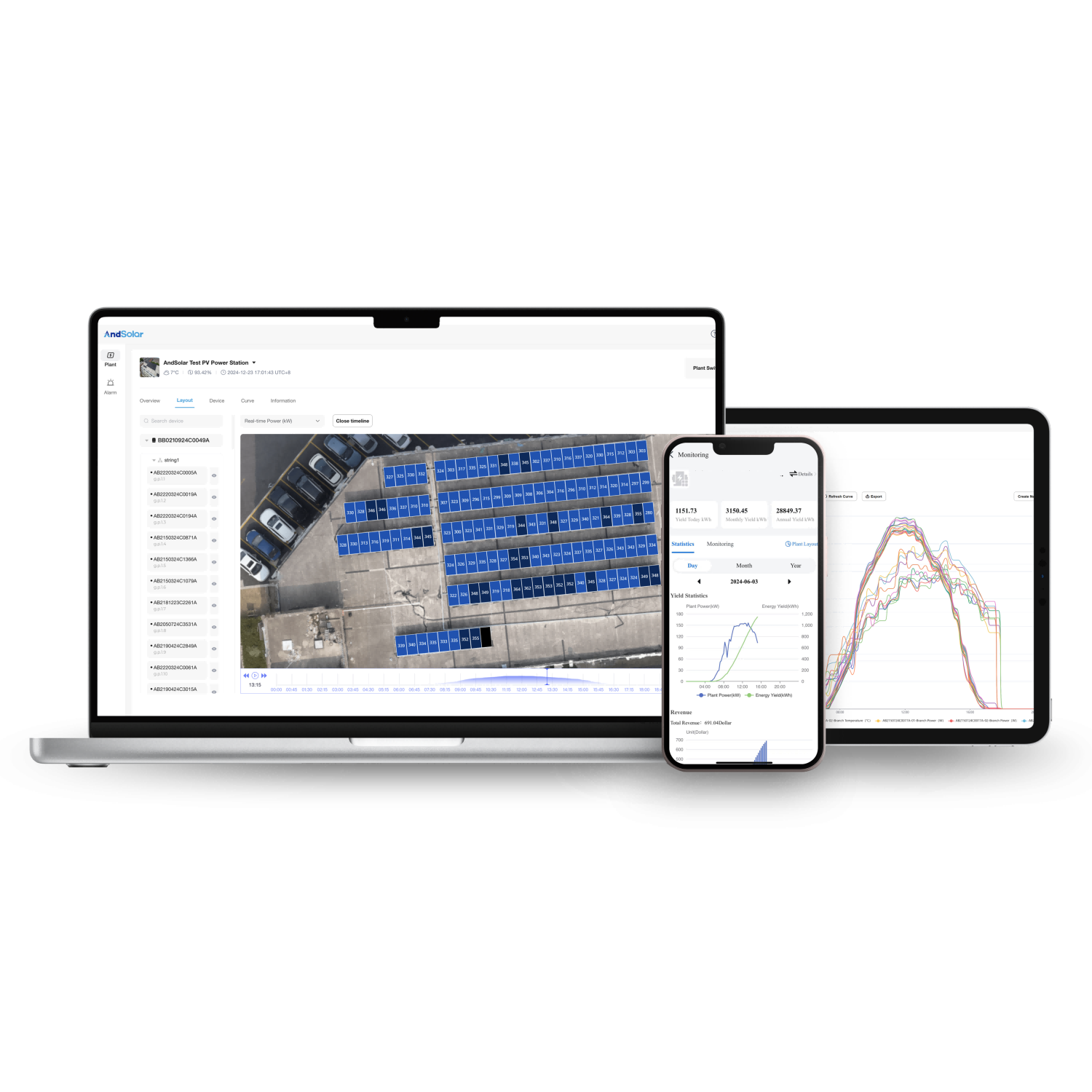
The exceptional energy production efficiency of the pv system for floating solar projects stems from unique environmental advantages that consistently outperform traditional ground-mounted installations through natural cooling mechanisms and optimized operating conditions. Water bodies provide continuous thermal regulation that maintains solar panels at ideal operating temperatures throughout daylight hours, preventing the performance degradation commonly experienced in land-based systems during hot weather conditions. This natural cooling effect can increase electricity generation by fifteen to twenty percent compared to equivalent ground installations, creating substantial additional revenue over the system's operational lifetime. The stable platform environment eliminates ground-based shading issues and dust accumulation problems that frequently plague traditional solar arrays, ensuring consistent energy output year-round. Scientific studies demonstrate that the pv system for floating solar projects maintains peak efficiency ratings even during extreme summer conditions when ground-mounted systems typically suffer significant performance losses due to overheating. The reflective properties of surrounding water surfaces create additional light exposure through albedo effects, further enhancing energy capture throughout the day. Advanced monitoring systems integrated into the pv system for floating solar projects provide real-time performance tracking and predictive maintenance capabilities that optimize energy production through proactive system management. These monitoring solutions identify potential issues before they impact generation capacity, enabling rapid response and minimal downtime. The aquatic environment naturally suppresses soiling from dust, pollen, and debris that typically reduces panel efficiency in terrestrial installations, maintaining optimal light transmission to photovoltaic cells without frequent cleaning interventions. This self-maintaining aspect significantly reduces operational costs while preserving peak energy production capabilities. The strategic positioning of the pv system for floating solar projects often benefits from consistent wind patterns across water surfaces that enhance the cooling effect and improve overall system efficiency. The combination of thermal management, reduced soiling, enhanced light exposure, and optimized maintenance creates a synergistic effect that maximizes energy return on investment while providing predictable long-term performance characteristics essential for financing and energy planning purposes.
Environmental Impact and Sustainability Benefits

Environmental Impact and Sustainability Benefits

The environmental impact and sustainability advantages of the pv system for floating solar projects create a powerful combination of renewable energy generation and ecological protection that addresses multiple environmental challenges simultaneously. These systems provide significant habitat preservation benefits by eliminating the need for land clearing and ecosystem disruption typically associated with large-scale solar installations. The floating design preserves terrestrial habitats while creating beneficial aquatic conditions through strategic shading that reduces excessive algae growth and maintains healthy oxygen levels in the underlying water body. Research demonstrates that the pv system for floating solar projects can improve water quality by limiting harmful algal blooms that often result from excessive sunlight exposure and nutrient accumulation in stagnant water bodies. The partial shading effect creates temperature gradients that promote natural water circulation and prevent stratification problems common in artificial reservoirs and ponds. This environmental benefit extends to supporting diverse aquatic ecosystems while generating clean renewable energy, creating a win-win scenario for environmental stewardship and energy production. Water conservation represents another crucial environmental advantage, as the pv system for floating solar projects can reduce evaporation rates by up to seventy percent in covered areas. This conservation benefit becomes increasingly valuable in arid regions and during drought conditions, helping preserve precious water resources for agricultural, municipal, and industrial applications. The reduced evaporation also concentrates minerals and nutrients in the water, potentially improving conditions for aquaculture operations and irrigation applications. Carbon footprint reduction extends beyond the clean energy generation to include manufacturing and installation efficiencies that minimize environmental impact throughout the system lifecycle. The pv system for floating solar projects typically requires fewer materials and less energy-intensive site preparation compared to ground-mounted installations, reducing embodied carbon while accelerating deployment timelines. End-of-life recyclability considerations ensure that system components can be efficiently recovered and reprocessed, supporting circular economy principles and minimizing waste generation. The aquatic installation environment provides natural protection from extreme weather events while reducing maintenance requirements that might otherwise involve heavy equipment and potentially harmful chemical treatments. This sustainable approach to solar energy development demonstrates how the pv system for floating solar projects can deliver environmental benefits that extend far beyond renewable energy generation to encompass comprehensive ecosystem protection and resource conservation strategies.

Get a Free Quote

Our representative will contact you soon.
Name
Email
Phone/ WhatsApp
Company Name
Product Selection
Message
0/1000

PV System For Floating Solar Projects

Latest News

How to choose the rapid shutdown device for your solar installation

21

Jul

How to choose the rapid shutdown device for your solar installation

Making the Right Safety Choice for Solar Installations As solar energy adoption continues to rise in both residential and commercial sectors, safety considerations are becoming a top priority during system design and installation. One of the most cr...
View More
A detailed comparison between microinverters and optimizers

21

Jul

A detailed comparison between microinverters and optimizers

Understanding Modern Solar Panel Efficiency Technologies As solar energy systems become more mainstream for residential and commercial applications, the conversation has moved beyond panels themselves to the technologies that enhance their performan...
View More
Will Rapid Shutdown Devices Affect Solar System Performance?

13

Aug

Will Rapid Shutdown Devices Affect Solar System Performance?

Optimizing Solar System Safety Without Compromising Efficiency In the modern solar energy landscape, safety and performance go hand in hand. The industry has evolved from focusing solely on maximizing energy yield to ensuring that systems operate wit...
View More
When Rapid Shutdown Meets Real-Time Monitoring: The Evolution of Solar Safety

17

Sep

When Rapid Shutdown Meets Real-Time Monitoring: The Evolution of Solar Safety

Transforming Solar Power Protection Through Advanced Safety Integration The landscape of renewable energy has witnessed a remarkable transformation, particularly in the realm of solar safety. As solar installations become increasingly prevalent acros...
View More

Get a Free Quote

Our representative will contact you soon.
Name
Email
Phone/ WhatsApp
Company Name
Product Selection
Message
0/1000