PV System Management
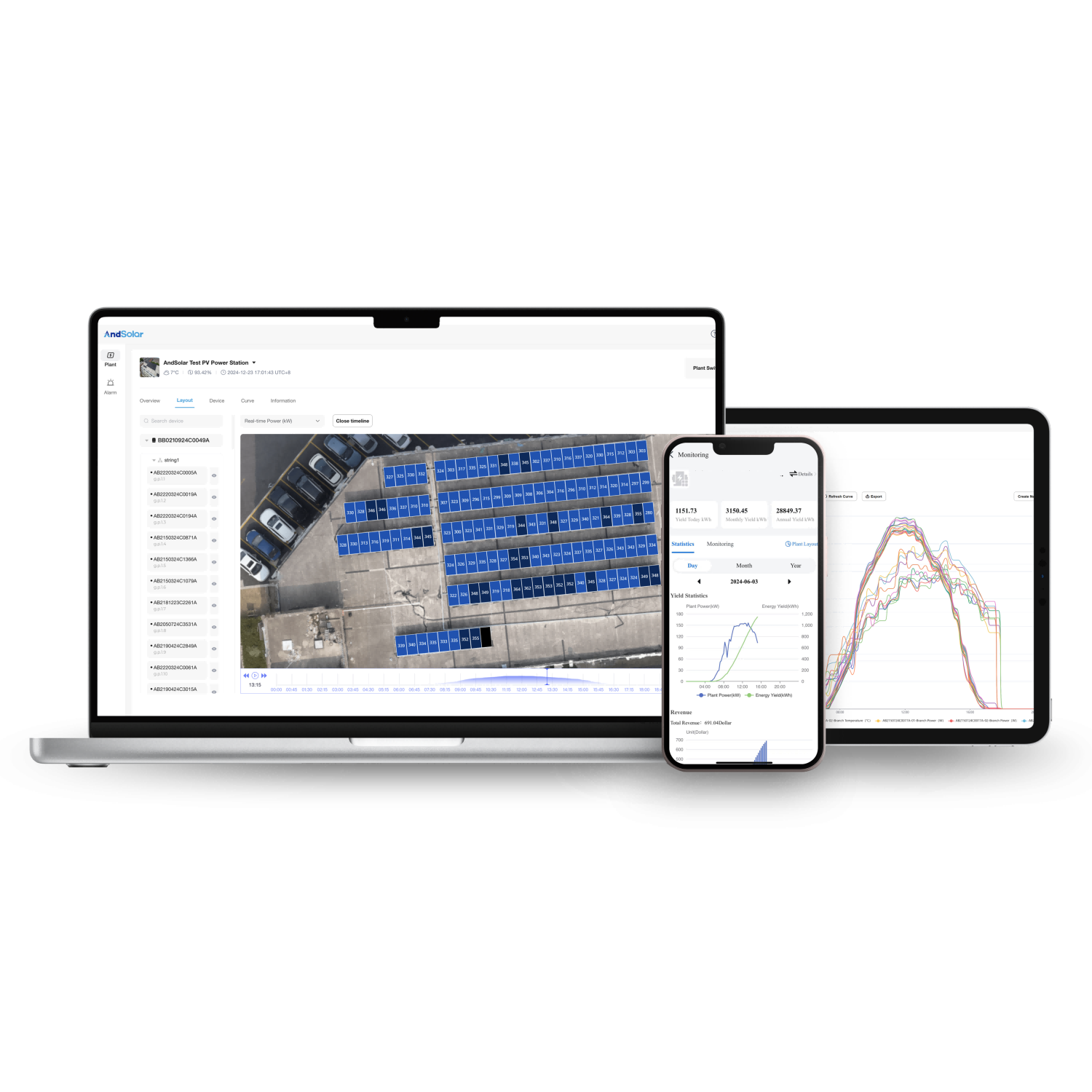
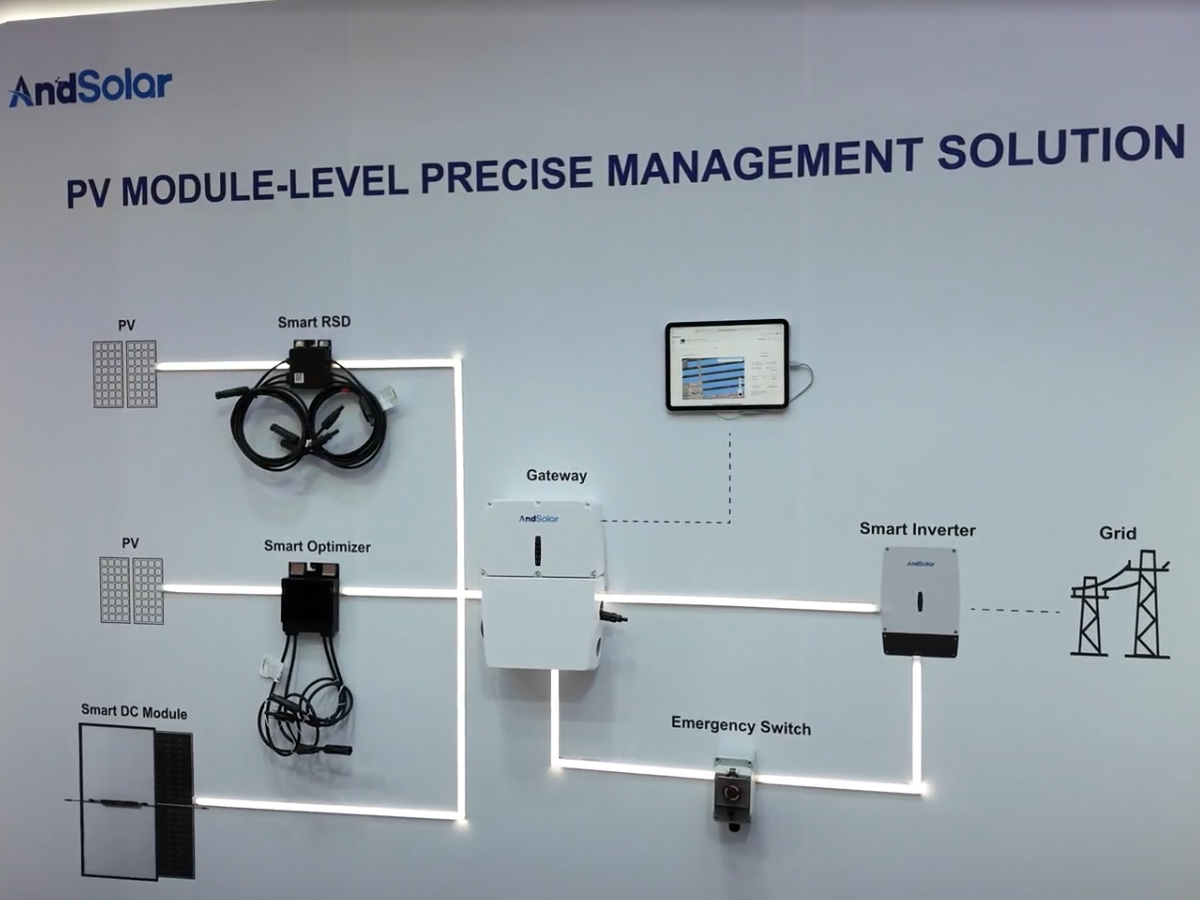
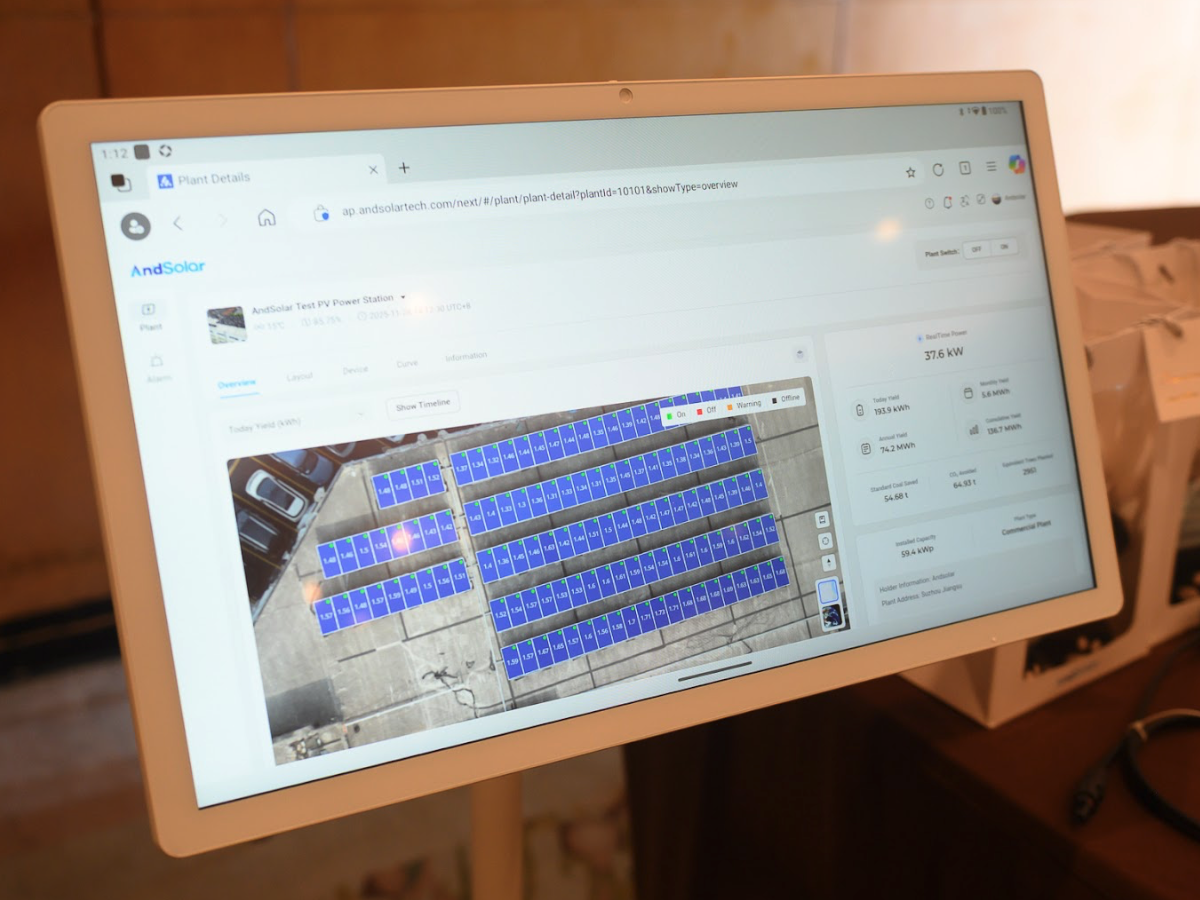
PV system management represents a comprehensive technological solution designed to optimize the performance, monitoring, and control of photovoltaic solar energy installations. This sophisticated management platform integrates advanced software and hardware components to provide real-time oversight of solar panel arrays, inverters, battery storage systems, and grid connections. The core functionality of pv system management encompasses continuous monitoring of energy production, automated fault detection, performance analytics, and predictive maintenance scheduling. Modern pv system management solutions utilize cloud-based architectures that enable remote access and control capabilities, allowing operators to manage multiple installations from centralized locations. The system collects vast amounts of operational data through intelligent sensors and monitoring devices strategically positioned throughout the solar installation. This data includes solar irradiance levels, panel temperatures, voltage outputs, current measurements, and environmental conditions that directly impact energy generation efficiency. Advanced algorithms within the pv system management platform analyze this information to identify performance anomalies, equipment malfunctions, or suboptimal operating conditions. The technological framework supports various communication protocols including WiFi, cellular networks, and ethernet connections to ensure reliable data transmission. Energy storage integration capabilities allow the pv system management to coordinate battery charging cycles, discharge patterns, and grid interaction protocols. Load balancing features automatically adjust energy distribution based on consumption patterns and grid requirements. The application scope extends across residential rooftop installations, commercial building systems, utility-scale solar farms, and industrial energy projects. Weather forecasting integration enables proactive system adjustments to maximize energy capture during optimal conditions. Maintenance scheduling algorithms predict component replacement needs and generate automated service alerts. The pv system management platform generates detailed performance reports, energy production summaries, and financial analytics that help stakeholders make informed decisions about system optimization and expansion opportunities.