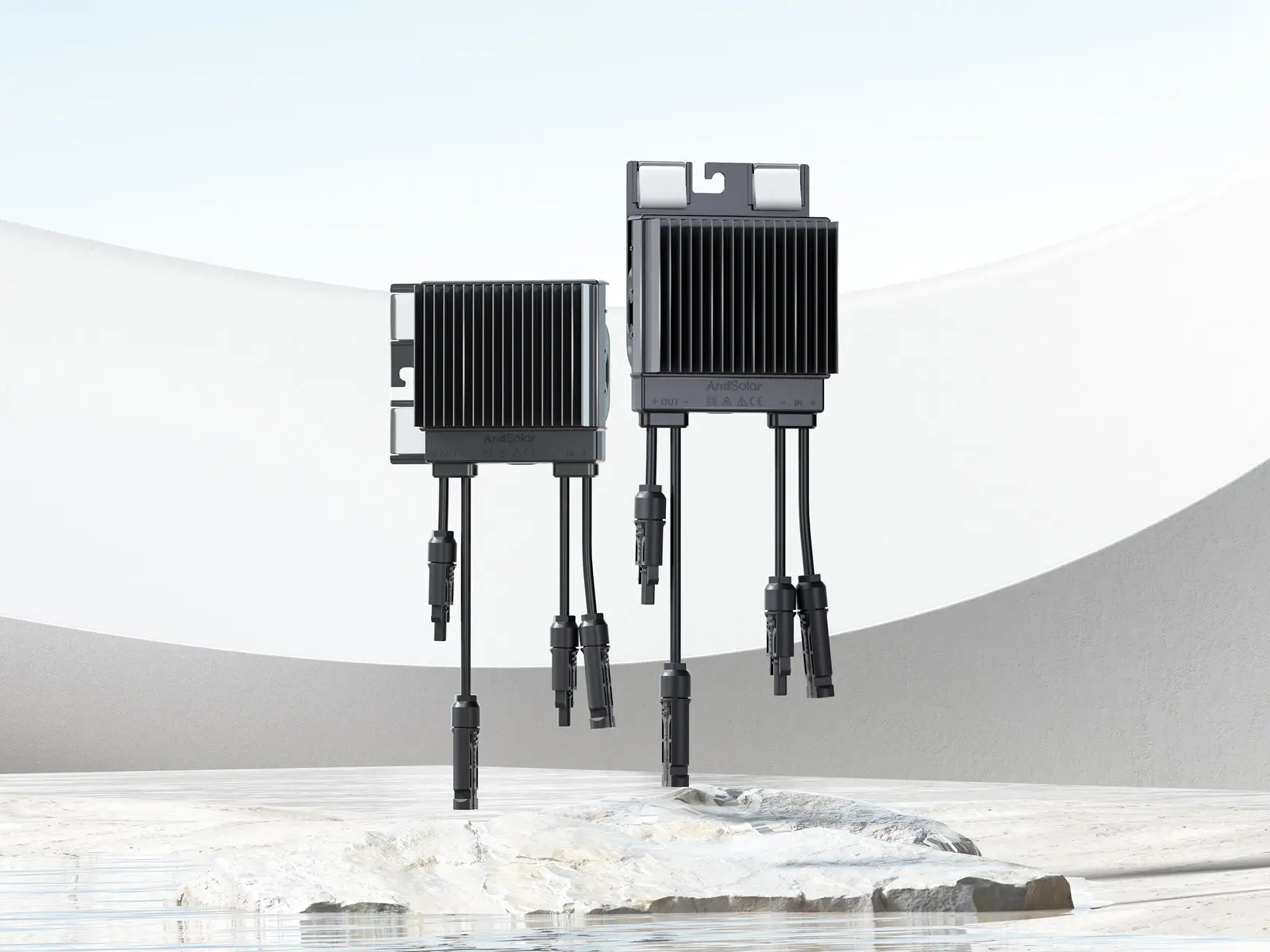
Smart Photovoltaic Power Plant Solutions: Advanced Solar Technology for Maximum Energy Efficiency

  • 8F, Block B, Building 1, 286 Qinglonggang Road, Suzhou City, Jiangsu Province, P. R. China
  • [email protected]
AndSolar Cloud

smart photovoltaic power plant

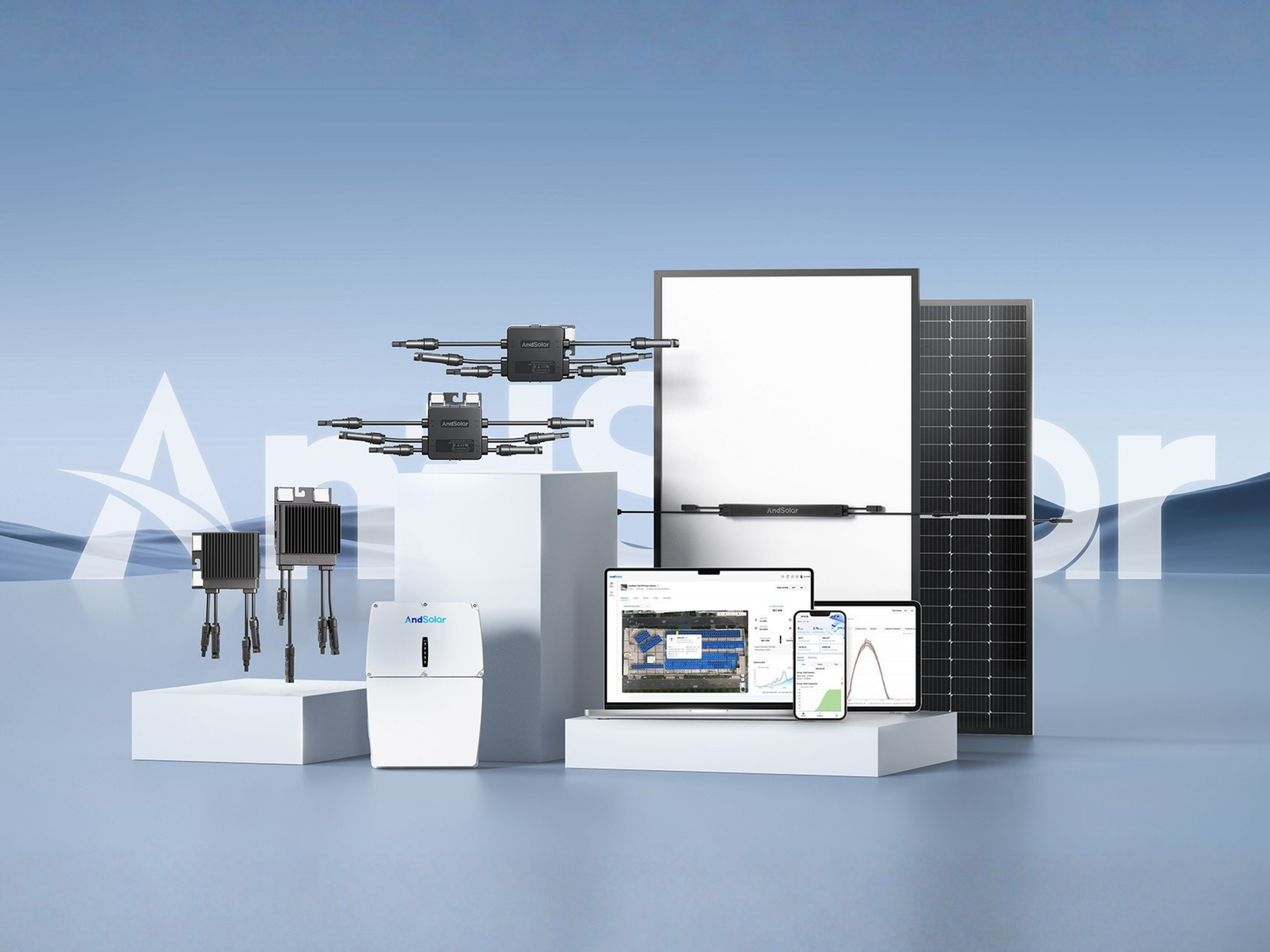
A smart photovoltaic power plant represents the cutting-edge evolution of solar energy technology, combining traditional photovoltaic systems with advanced digital intelligence and automation capabilities. These sophisticated facilities harness solar radiation through high-efficiency solar panels while incorporating intelligent monitoring, predictive analytics, and automated control systems to maximize energy production and operational efficiency. The main functions of a smart photovoltaic power plant encompass real-time energy generation monitoring, weather pattern analysis, predictive maintenance scheduling, grid integration management, and automated performance optimization. The technological framework includes Internet of Things sensors, artificial intelligence algorithms, machine learning capabilities, cloud-based data processing, and remote monitoring platforms that work together seamlessly. These installations feature advanced inverter technology, battery energy storage systems, smart grid connectivity, and comprehensive cybersecurity protocols to ensure reliable and secure operations. The applications of smart photovoltaic power plants span across utility-scale energy generation, commercial and industrial facilities, residential communities, agricultural operations, and remote off-grid locations. These systems can be deployed in various configurations including ground-mounted arrays, rooftop installations, floating solar farms, and agrivoltaic setups that combine agriculture with solar energy production. The integration of smart technology enables these facilities to respond dynamically to changing weather conditions, electricity demand fluctuations, and grid requirements. Advanced forecasting algorithms predict energy output based on meteorological data, allowing for optimized energy trading and grid stability management. The smart photovoltaic power plant also incorporates environmental monitoring systems that track factors such as air quality, temperature variations, and ecological impact, ensuring sustainable operation while maximizing renewable energy contribution to the electrical grid infrastructure.
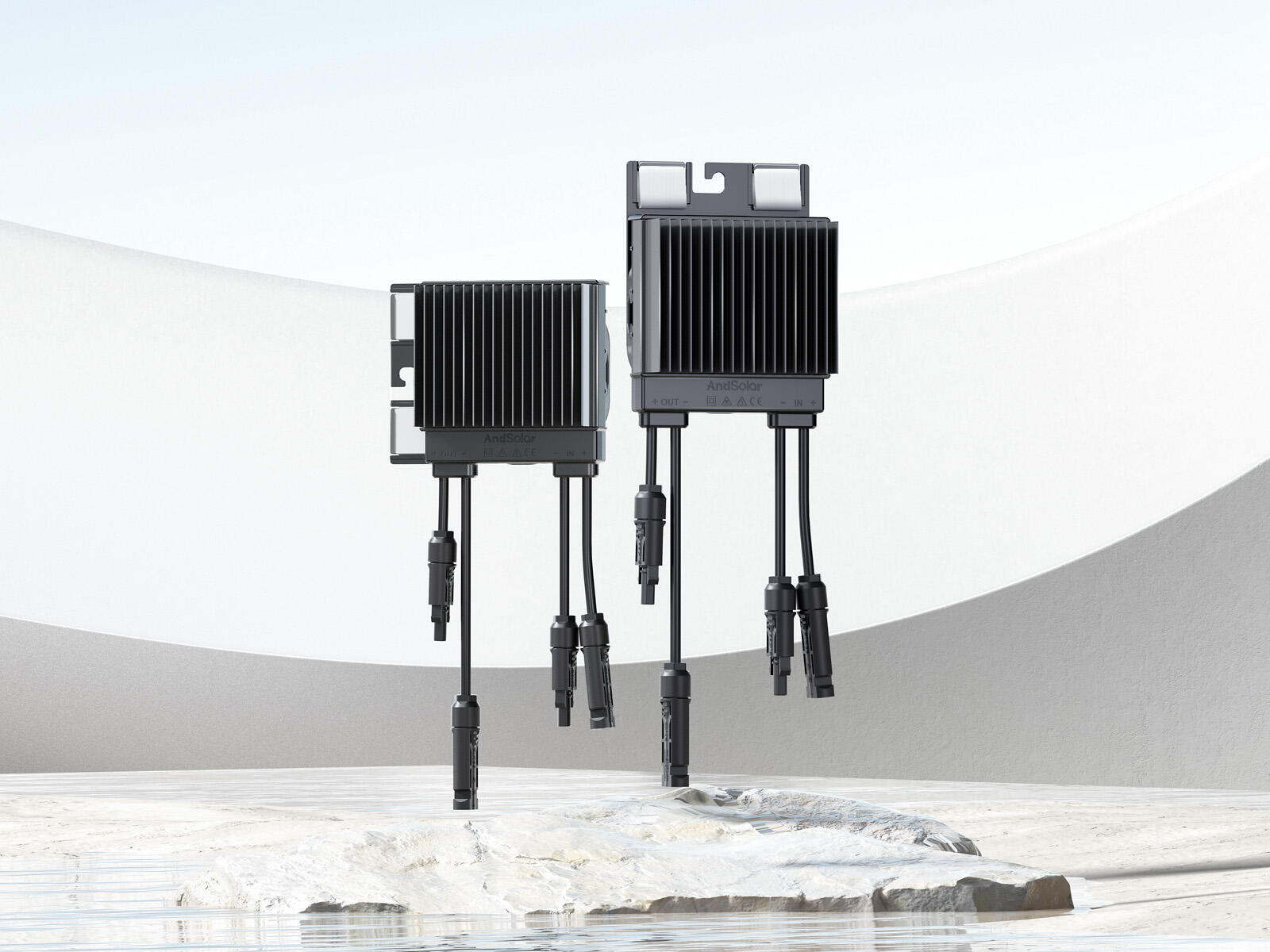
Smart photovoltaic power plants deliver substantial cost savings through optimized energy production and reduced maintenance expenses. The intelligent monitoring systems continuously track performance metrics, identifying potential issues before they become costly problems. This proactive approach eliminates unexpected downtime and extends equipment lifespan significantly. Property owners experience dramatic reductions in electricity bills, often achieving 70-90% savings on energy costs. The automated optimization features ensure maximum energy harvest throughout varying weather conditions, increasing overall system efficiency by 15-25% compared to conventional solar installations. Smart photovoltaic power plants provide enhanced reliability through redundant systems and predictive maintenance capabilities. The integrated monitoring technology detects performance anomalies instantly, allowing for immediate corrective actions. This reliability translates into consistent energy production and predictable returns on investment. Users benefit from remote monitoring capabilities that provide real-time insights into system performance through user-friendly mobile applications and web dashboards. The environmental benefits are substantial, with each smart photovoltaic power plant significantly reducing carbon footprint and contributing to sustainability goals. These systems generate clean, renewable energy without producing harmful emissions or requiring water for cooling. The scalability of smart photovoltaic power plants accommodates growing energy needs without major infrastructure overhauls. Modular design allows for easy expansion as requirements increase. The technology integrates seamlessly with existing electrical systems, minimizing installation complexity and associated costs. Financial incentives, including tax credits, rebates, and net metering programs, make smart photovoltaic power plants increasingly attractive investments. The rapid return on investment, typically achieved within 5-7 years, combined with 25-year equipment warranties, ensures long-term financial benefits. Energy independence becomes achievable through these systems, reducing reliance on volatile utility rates and providing protection against future energy price increases. The advanced grid integration capabilities enable participation in energy markets, creating additional revenue opportunities through energy storage and peak demand management services.

Popular Products

Advanced AI-Powered Performance Optimization

Advanced AI-Powered Performance Optimization

The revolutionary artificial intelligence system within smart photovoltaic power plants transforms how solar energy facilities operate and perform. This sophisticated technology continuously analyzes vast amounts of data from weather sensors, production meters, and environmental monitoring equipment to make real-time adjustments that maximize energy generation. The AI algorithms learn from historical performance patterns, weather forecasts, and seasonal variations to predict optimal operating conditions and automatically adjust system parameters accordingly. This intelligent optimization process increases energy production by up to 25% compared to traditional solar installations. The machine learning capabilities evolve over time, becoming increasingly accurate at predicting and responding to changing conditions. Weather pattern recognition allows the system to prepare for cloud cover, storms, or seasonal changes by adjusting panel angles, cleaning schedules, and energy storage protocols. The predictive analytics identify potential equipment failures weeks or months before they occur, enabling proactive maintenance that prevents costly downtime and repairs. Real-time performance monitoring ensures every component operates at peak efficiency, automatically detecting and correcting suboptimal conditions. The AI system also optimizes energy storage and distribution, determining the best times to store excess energy or release it to the grid based on demand patterns and electricity pricing. This intelligent energy management creates additional revenue opportunities through participation in grid services and peak demand reduction programs. The user interface provides clear, actionable insights through intuitive dashboards that translate complex data into easy-to-understand performance metrics. Property owners can monitor their smart photovoltaic power plant performance from anywhere using smartphone applications that provide detailed analytics, maintenance alerts, and financial tracking. The AI-powered optimization reduces operational costs by minimizing manual intervention requirements while maximizing energy production efficiency, making smart photovoltaic power plants superior investments for both residential and commercial applications.
Seamless Grid Integration and Energy Storage Management

Seamless Grid Integration and Energy Storage Management

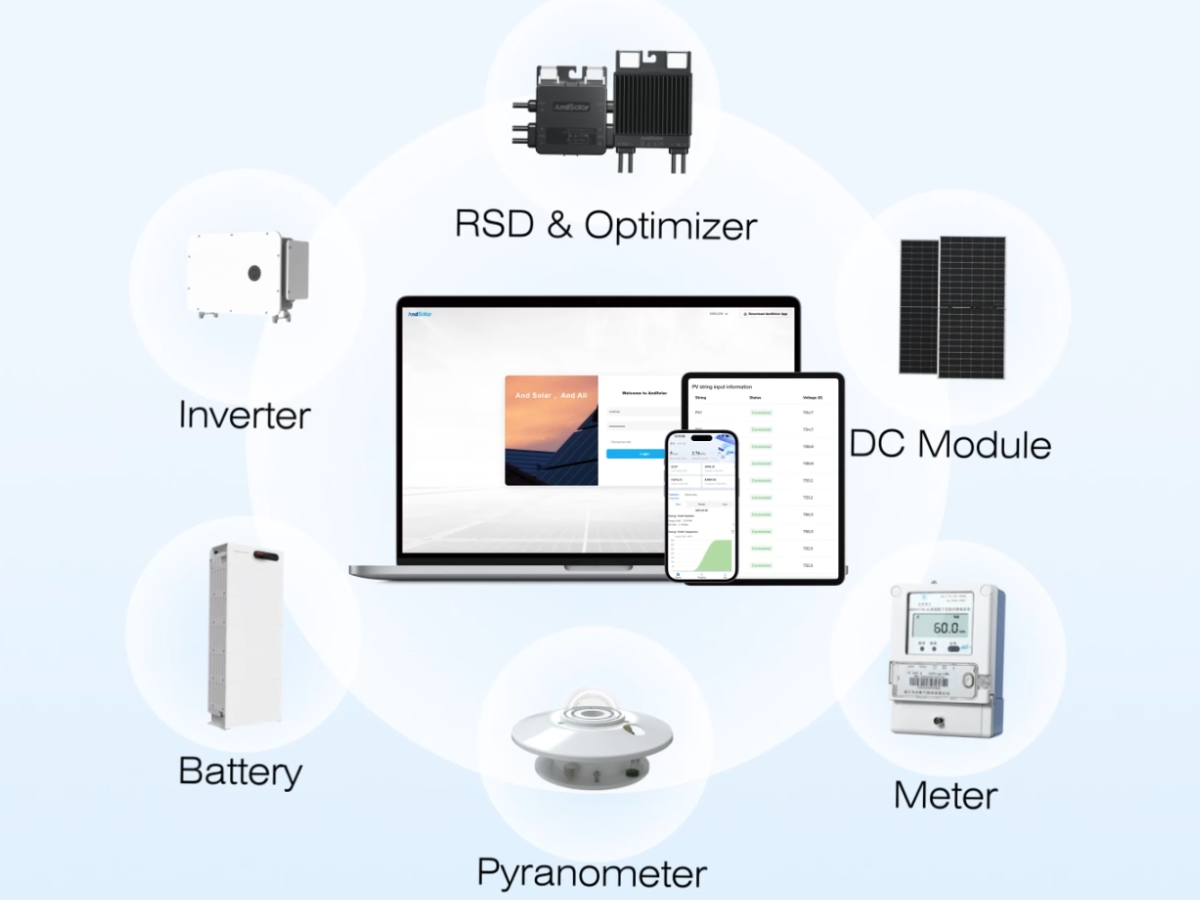
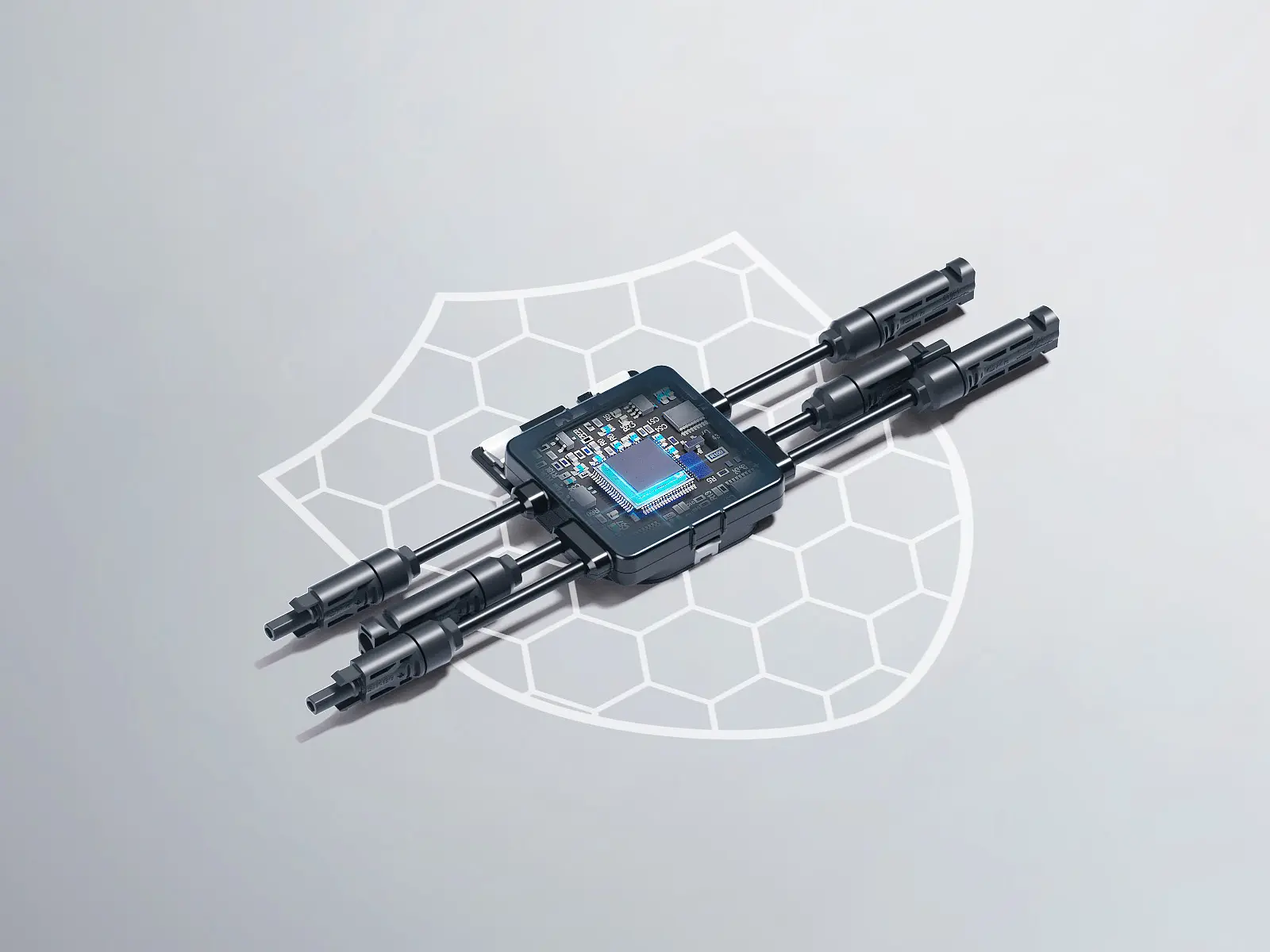
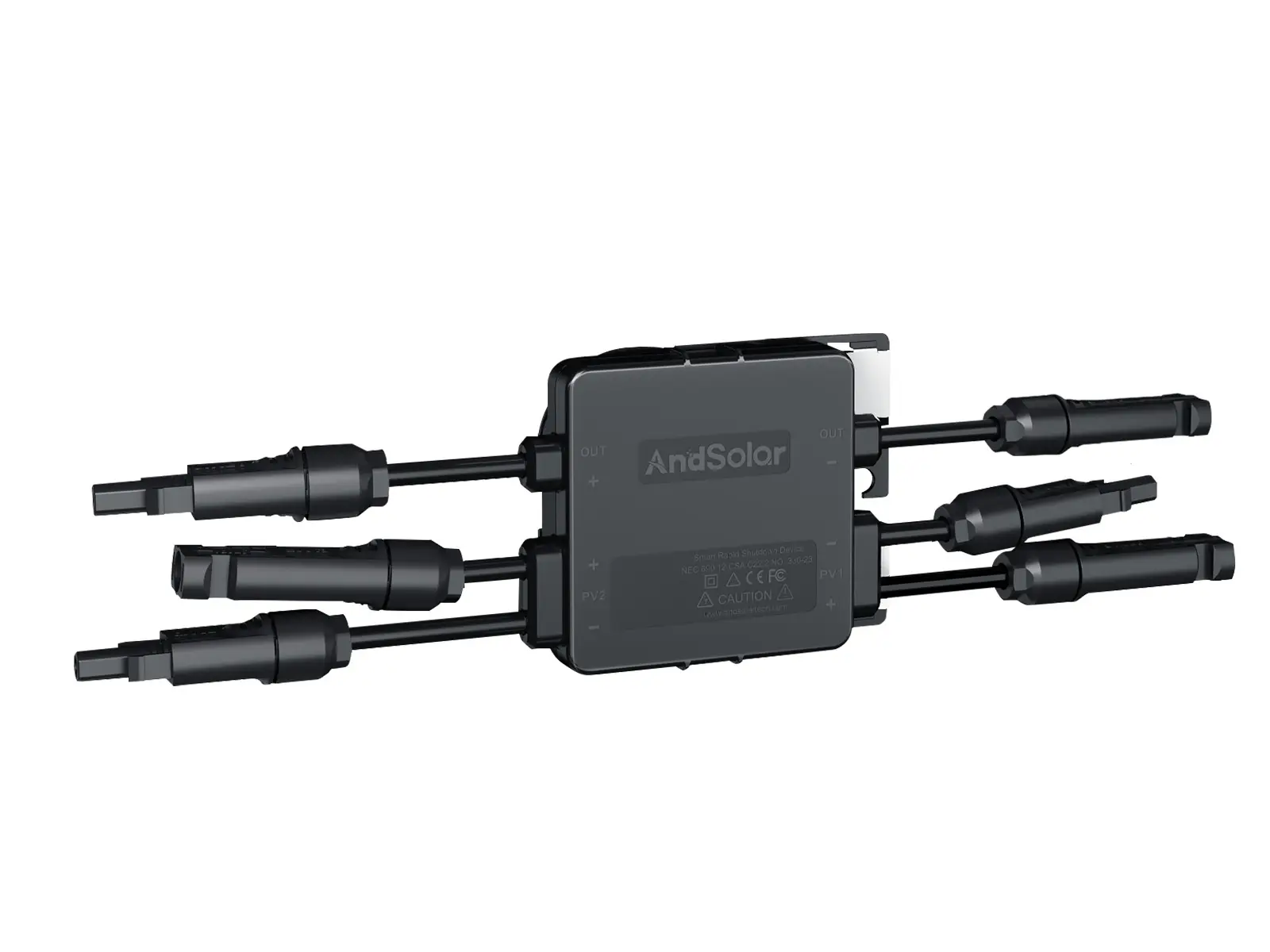
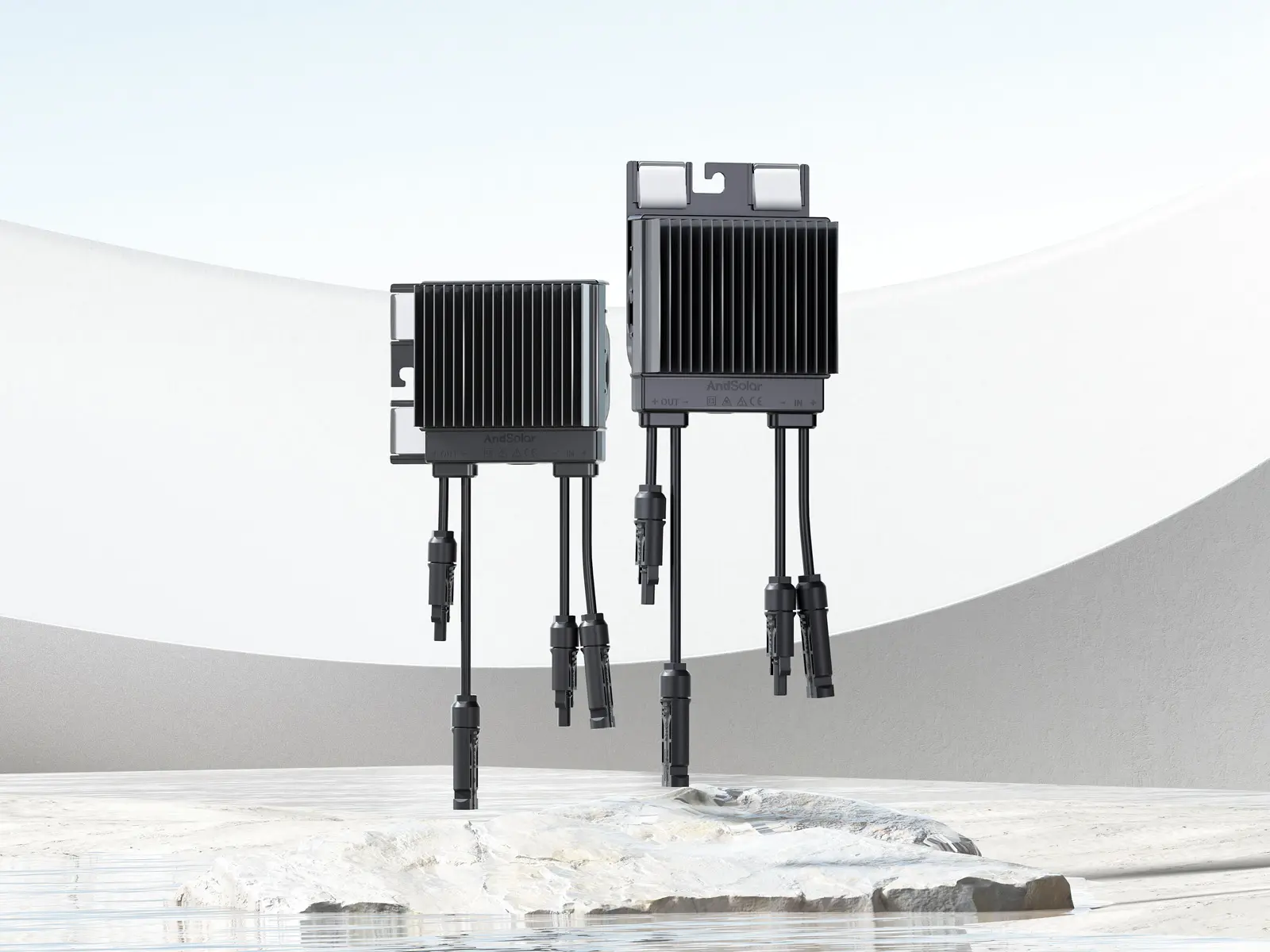
Smart photovoltaic power plants excel through their sophisticated grid integration capabilities and advanced energy storage management systems that provide unparalleled flexibility and reliability. The intelligent grid connection technology enables these facilities to communicate bidirectionally with utility networks, automatically adjusting energy flow based on demand, pricing signals, and grid stability requirements. This seamless integration allows property owners to participate in various grid services programs, including demand response, frequency regulation, and peak shaving initiatives that generate additional revenue streams beyond basic energy production. The advanced battery management system optimizes energy storage and discharge cycles to maximize both equipment lifespan and financial returns. Smart algorithms determine optimal charging and discharging schedules based on electricity rates, weather forecasts, and consumption patterns. During peak electricity pricing periods, the system automatically uses stored energy instead of purchasing expensive grid power, significantly reducing energy costs. The energy storage capacity provides backup power during outages, ensuring critical operations continue uninterrupted. The smart photovoltaic power plant automatically switches to island mode during grid failures, maintaining power supply to essential loads while protecting equipment from voltage fluctuations. Grid stabilization features help utilities maintain consistent power quality by providing reactive power support and voltage regulation services. The system can rapidly respond to grid frequency variations, providing valuable ancillary services that utilities compensate through various programs. Load forecasting capabilities predict energy consumption patterns, enabling proactive energy management that reduces peak demand charges and optimizes time-of-use rate structures. The integrated smart meters provide detailed energy usage analytics, identifying opportunities for further efficiency improvements. Microinverter technology with individual panel monitoring ensures maximum energy harvest even when some panels experience shading or performance issues. The power conditioning systems maintain clean, stable electricity output that meets strict grid interconnection standards while protecting sensitive electronic equipment from power quality issues.
Comprehensive Remote Monitoring and Predictive Maintenance

Comprehensive Remote Monitoring and Predictive Maintenance

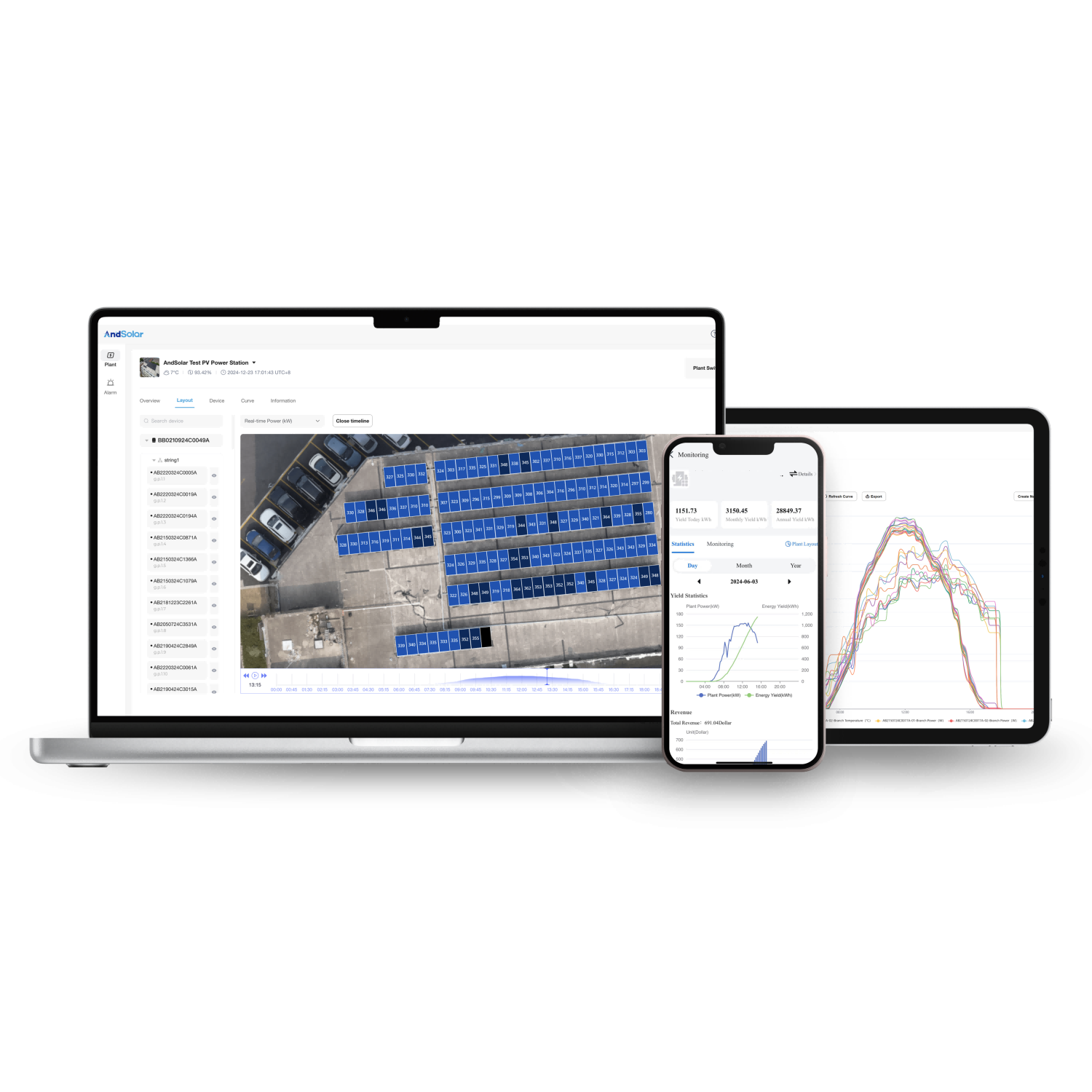
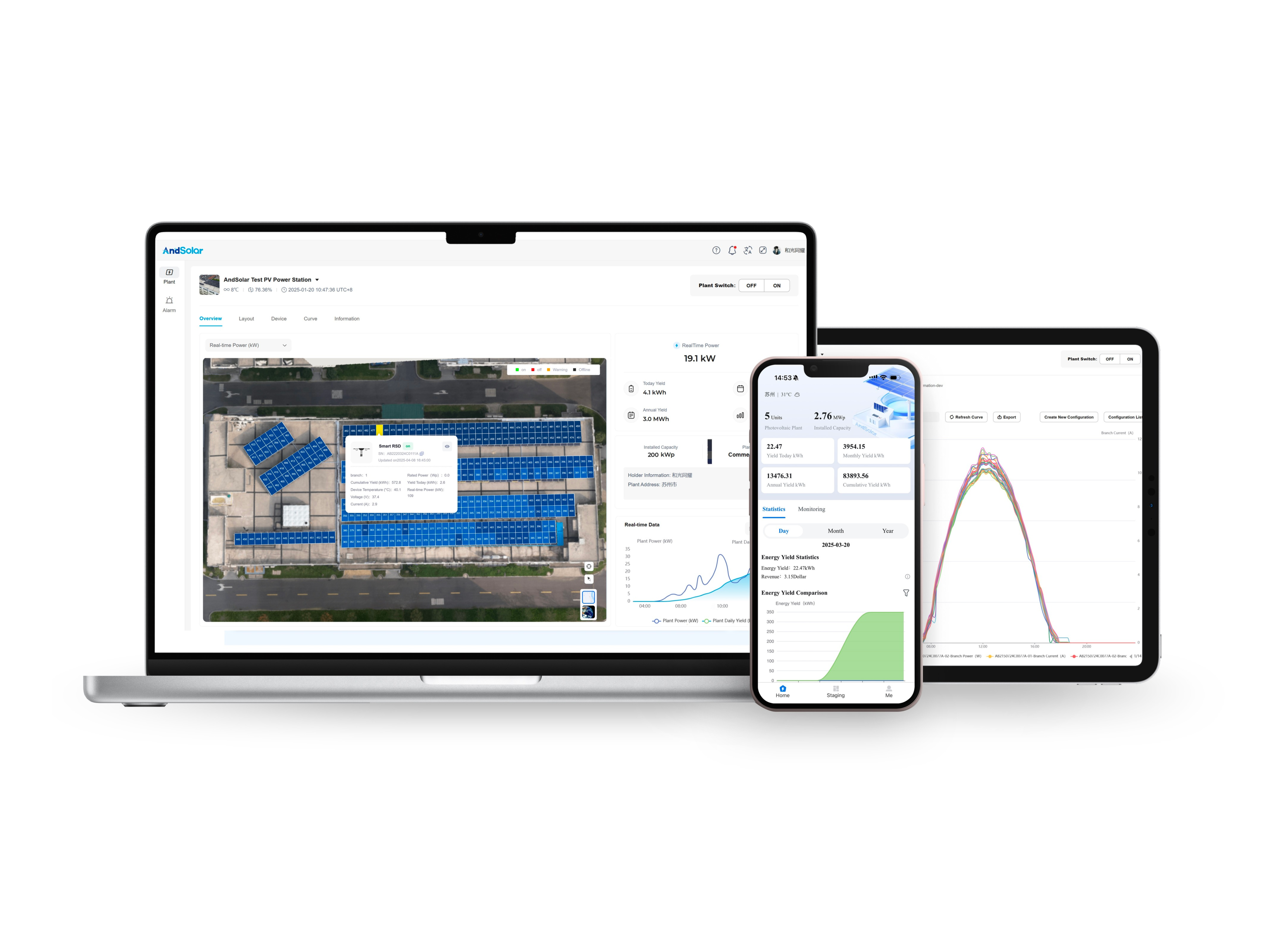
The state-of-the-art remote monitoring and predictive maintenance capabilities of smart photovoltaic power plants revolutionize system reliability and operational efficiency through continuous surveillance and proactive care protocols. Advanced sensor networks throughout the installation monitor thousands of performance parameters including individual panel output, inverter efficiency, battery health, electrical connections, and environmental conditions. This comprehensive monitoring system operates 24/7, collecting and analyzing data to identify trends, anomalies, and potential issues before they impact system performance. The predictive maintenance algorithms use machine learning to establish normal operating baselines for every system component, triggering alerts when measurements deviate from expected ranges. This early warning system prevents minor issues from developing into major failures that could cause extended downtime and expensive repairs. Thermal imaging sensors detect hot spots on panels or electrical connections that indicate potential fire hazards or efficiency losses. Vibration monitoring on tracking systems identifies mechanical wear before components fail. The remote monitoring platform provides instant notifications through multiple channels including email, text messages, and mobile app alerts, ensuring rapid response to any issues. Detailed performance analytics help identify optimization opportunities, such as adjusting panel angles, scheduling cleaning operations, or upgrading components for improved efficiency. The monitoring system tracks long-term performance trends, providing valuable data for warranty claims and insurance purposes. Automated reporting generates detailed monthly and annual performance summaries that demonstrate system value and return on investment. The predictive maintenance scheduling optimizes service visits by coordinating multiple maintenance tasks during single site visits, reducing service costs and system disruption. Integration with weather forecasting services helps predict when panels might need cleaning after dust storms or when ice formation might affect performance. The comprehensive maintenance records support equipment warranties and help optimize replacement schedules for consumable components. Remote diagnostics capabilities enable technicians to troubleshoot many issues without site visits, reducing service costs and response times while maintaining optimal smart photovoltaic power plant performance throughout the system's operational lifetime.

Get a Free Quote

Our representative will contact you soon.
Name
Email
Phone/ WhatsApp
Company Name
Product Selection
Message
0/1000

smart photovoltaic power plant

Practical Tips

How to choose the rapid shutdown device for your solar installation

21

Jul

How to choose the rapid shutdown device for your solar installation

Making the Right Safety Choice for Solar Installations As solar energy adoption continues to rise in both residential and commercial sectors, safety considerations are becoming a top priority during system design and installation. One of the most cr...
View More
Why rapid shutdown device necessary for PV system

21

Jul

Why rapid shutdown device necessary for PV system

Enhancing Solar Safety through Smart Shutdown Solutions The solar industry has evolved tremendously over the past decade, with increasing attention not only to efficiency and performance but also to safety and regulatory compliance. One of the most ...
View More
Benefits of MLPE VS. traditional PV system

21

Jul

Benefits of MLPE VS. traditional PV system

Comparing Modern and Traditional Approaches to Solar Power Management As solar energy adoption continues to grow globally, both homeowners and commercial operators face critical choices in system architecture. Among the most significant is the decis...
View More
AndSolar Power Optimizers Vs. Traditional String Inverters in MPPT

17

Sep

AndSolar Power Optimizers Vs. Traditional String Inverters in MPPT

Maximizing Solar Energy Harvesting Through Advanced Technology The solar industry continues to evolve with innovative solutions that enhance energy production and system efficiency. At the forefront of this evolution is the ongoing debate between sol...
View More

Get a Free Quote

Our representative will contact you soon.
Name
Email
Phone/ WhatsApp
Company Name
Product Selection
Message
0/1000