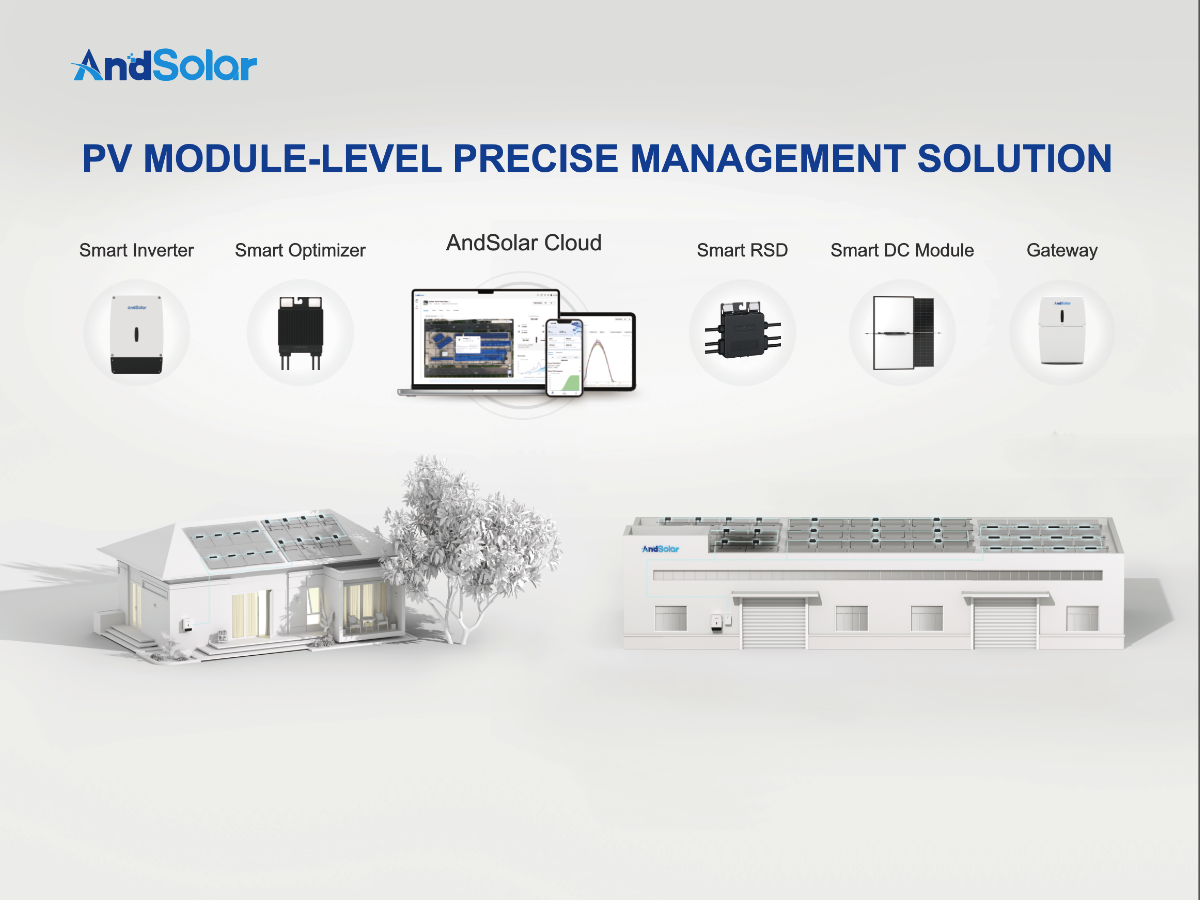
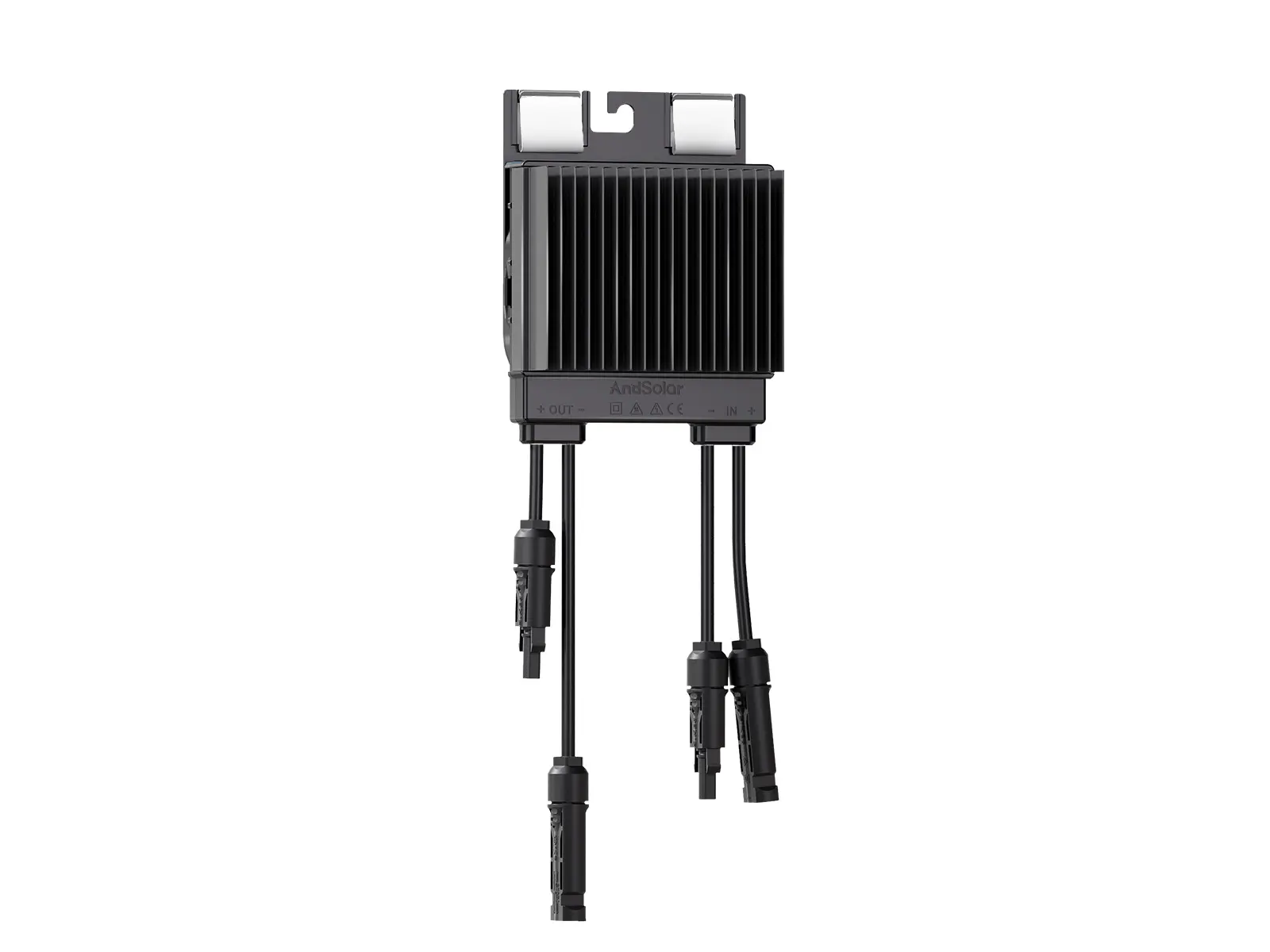
Photovoltaic Rapid Shutdown System: Advanced Safety Solutions for Solar Installations

  • 8F, Block B, Building 1, 286 Qinglonggang Road, Suzhou City, Jiangsu Province, P. R. China
  • [email protected]
AndSolar Cloud

photovoltaic rapid shutdown system

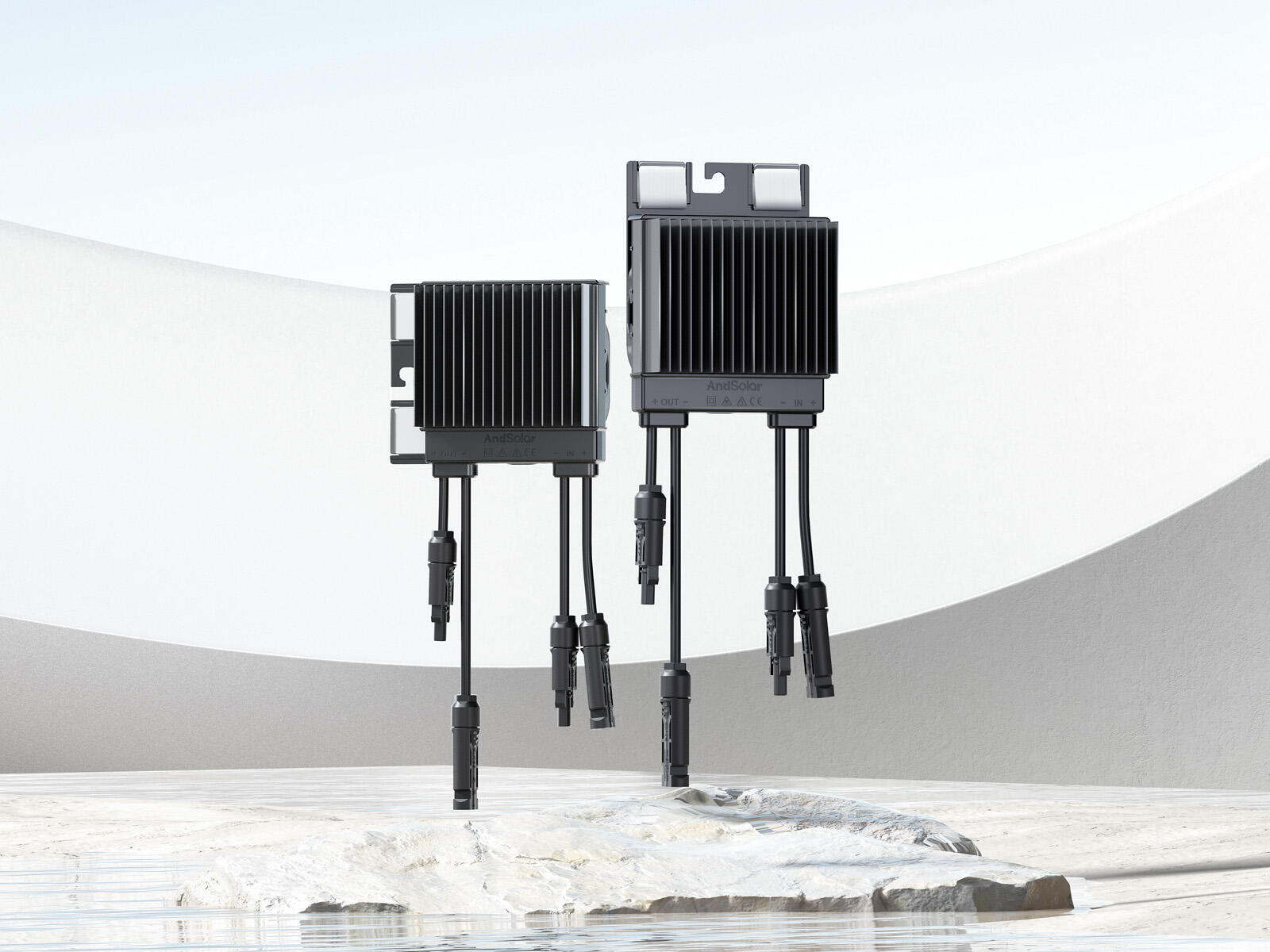
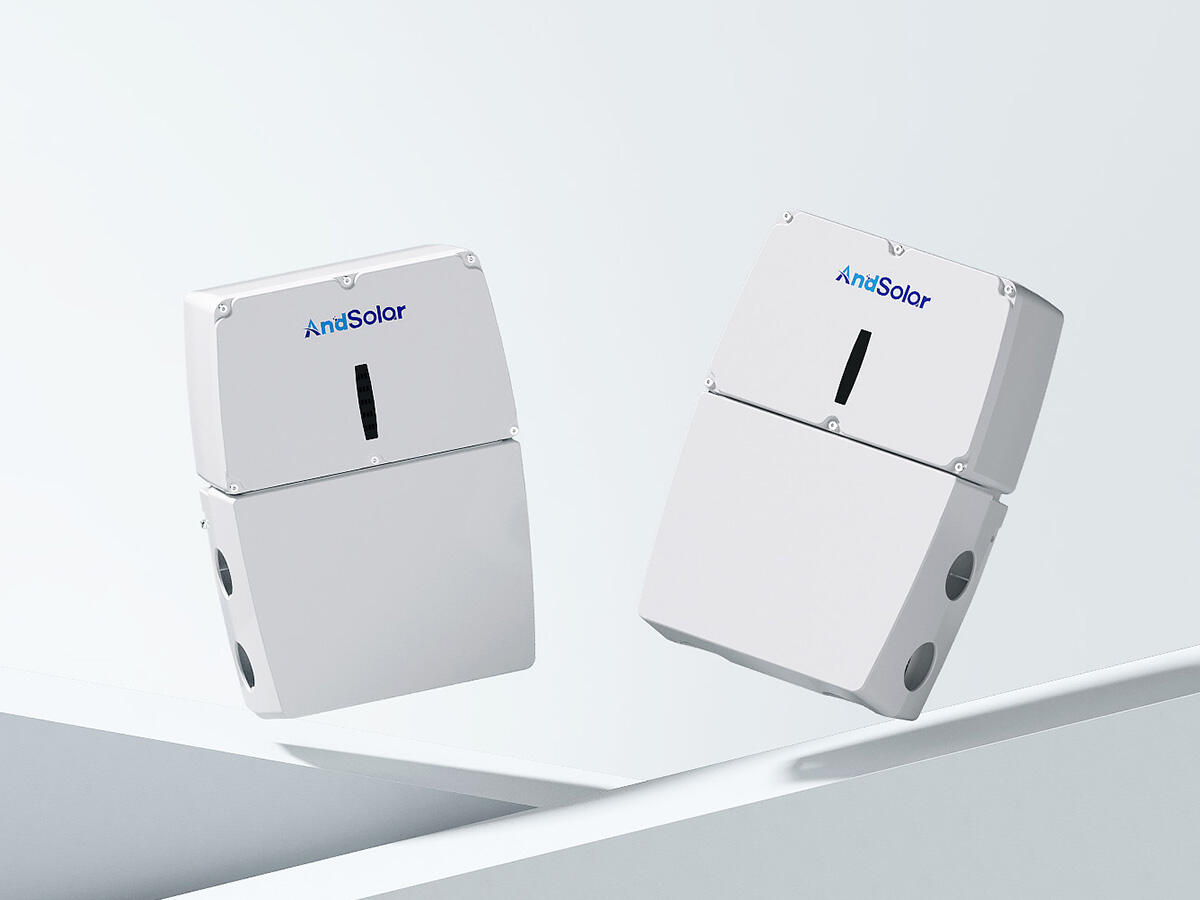
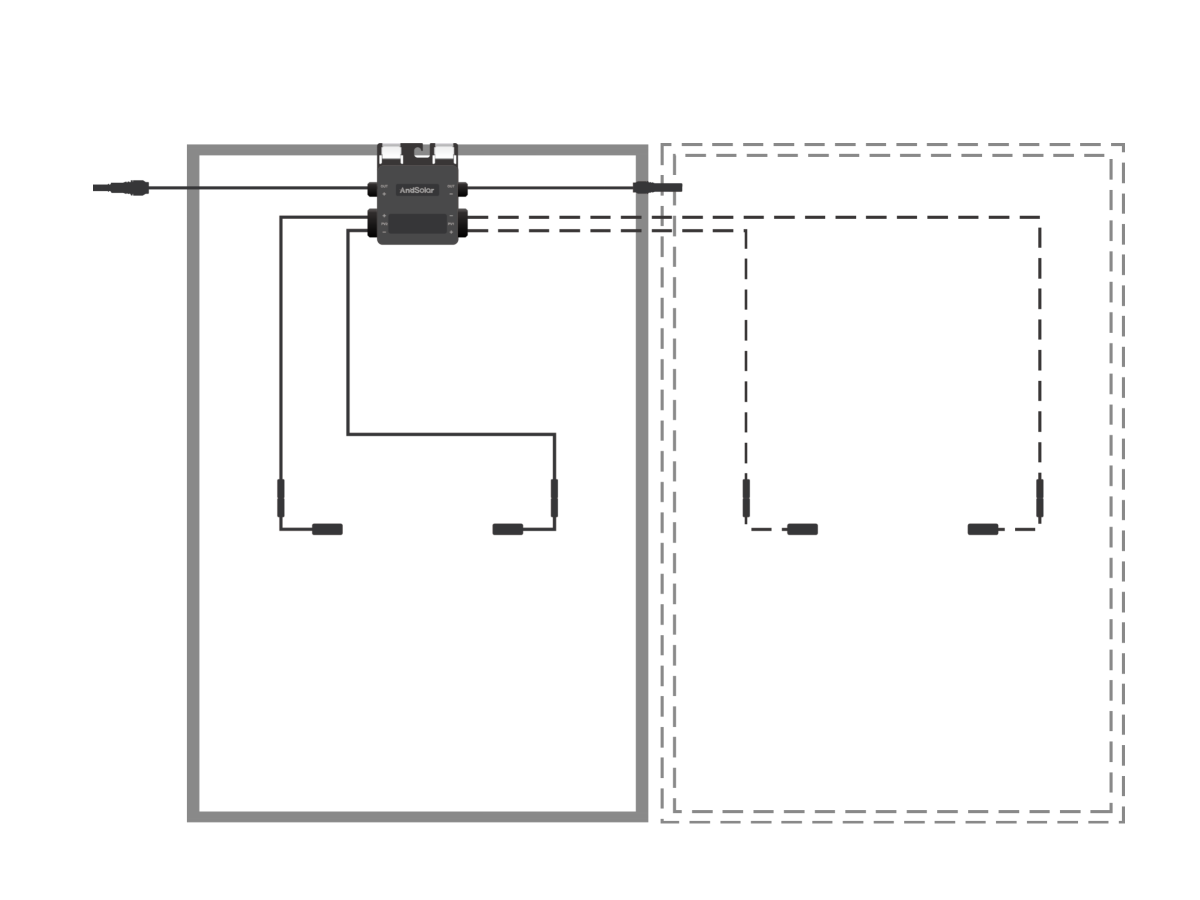
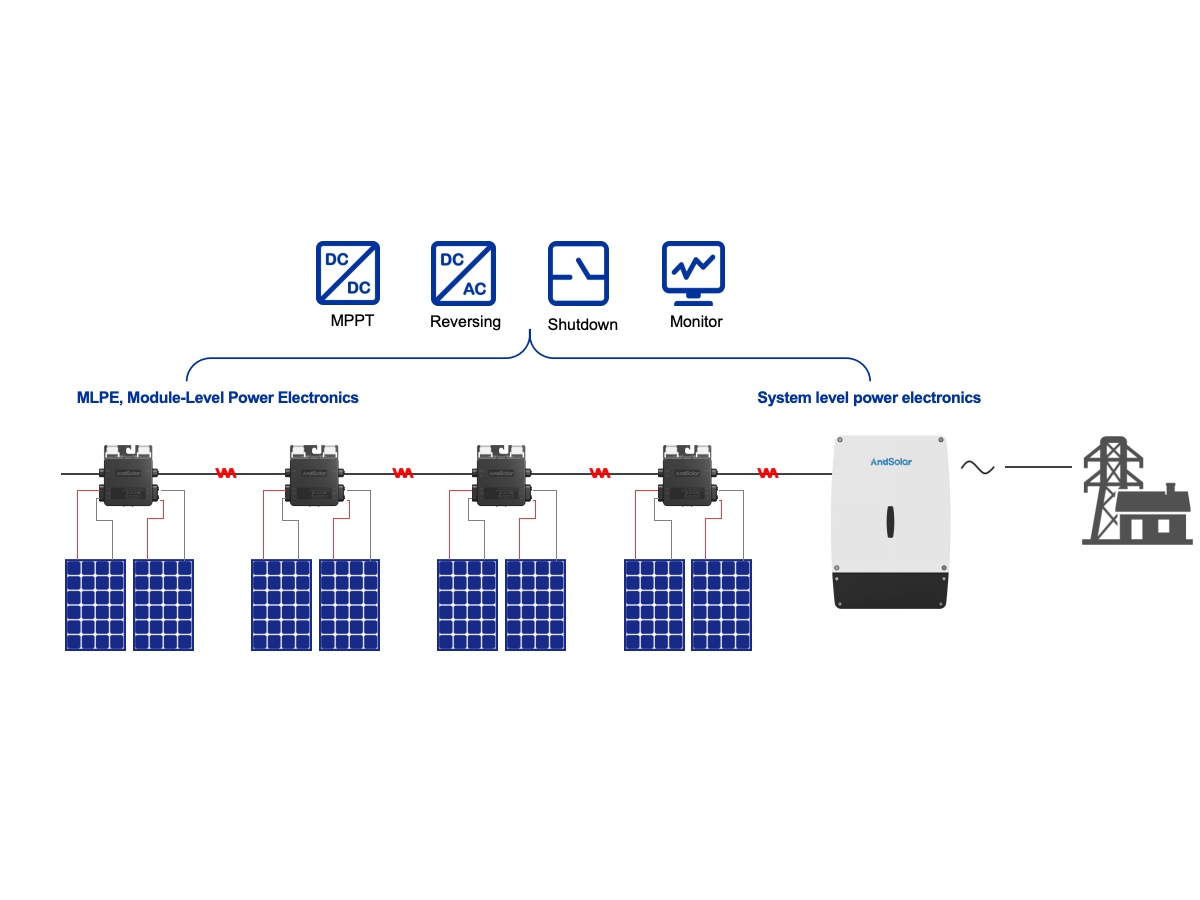
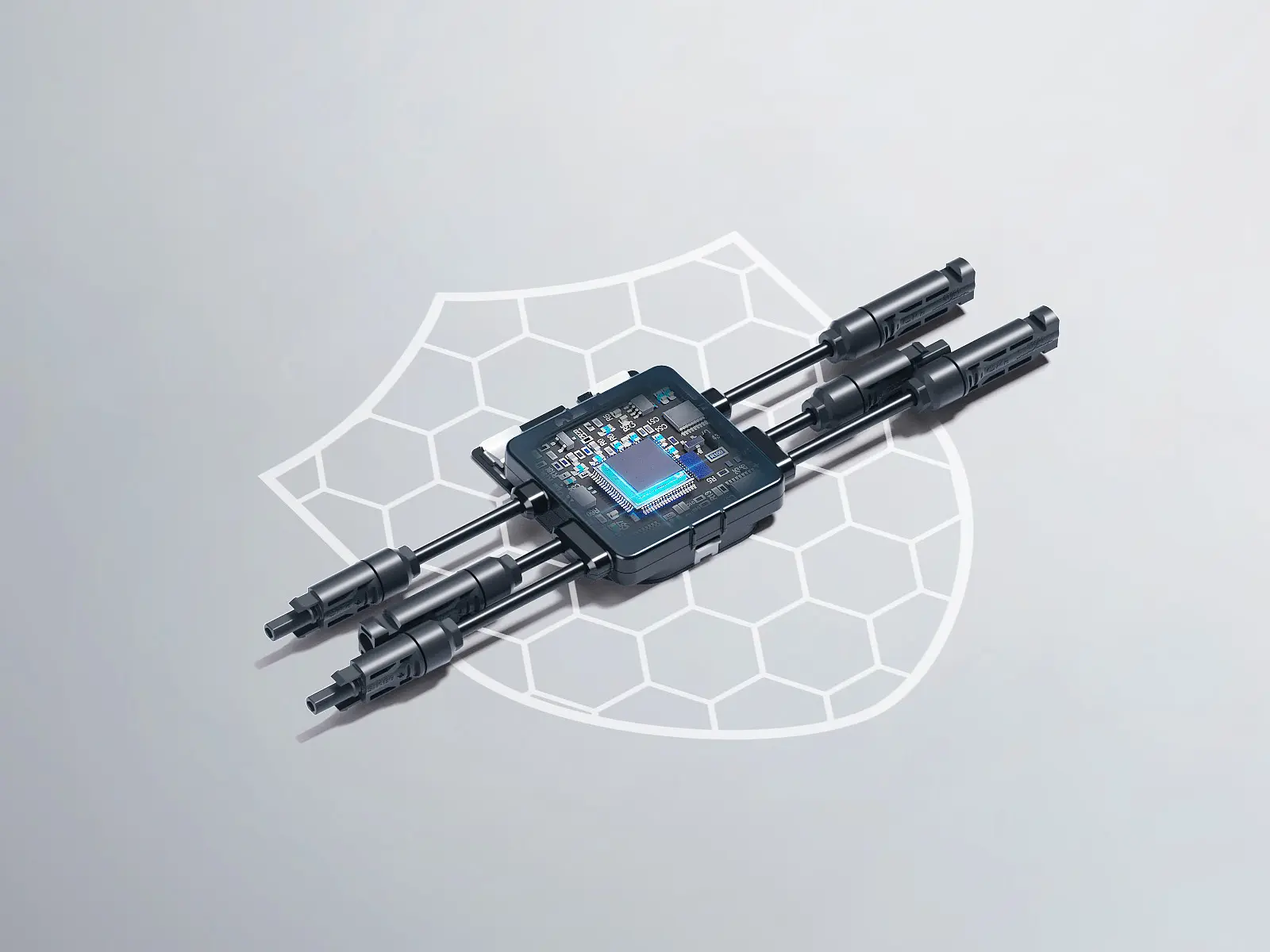
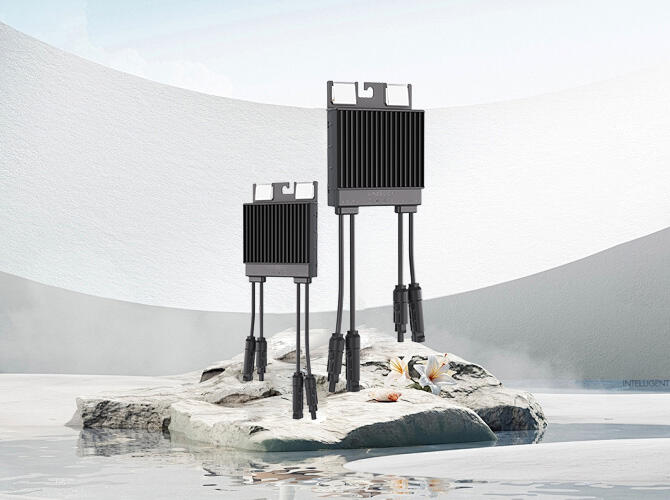
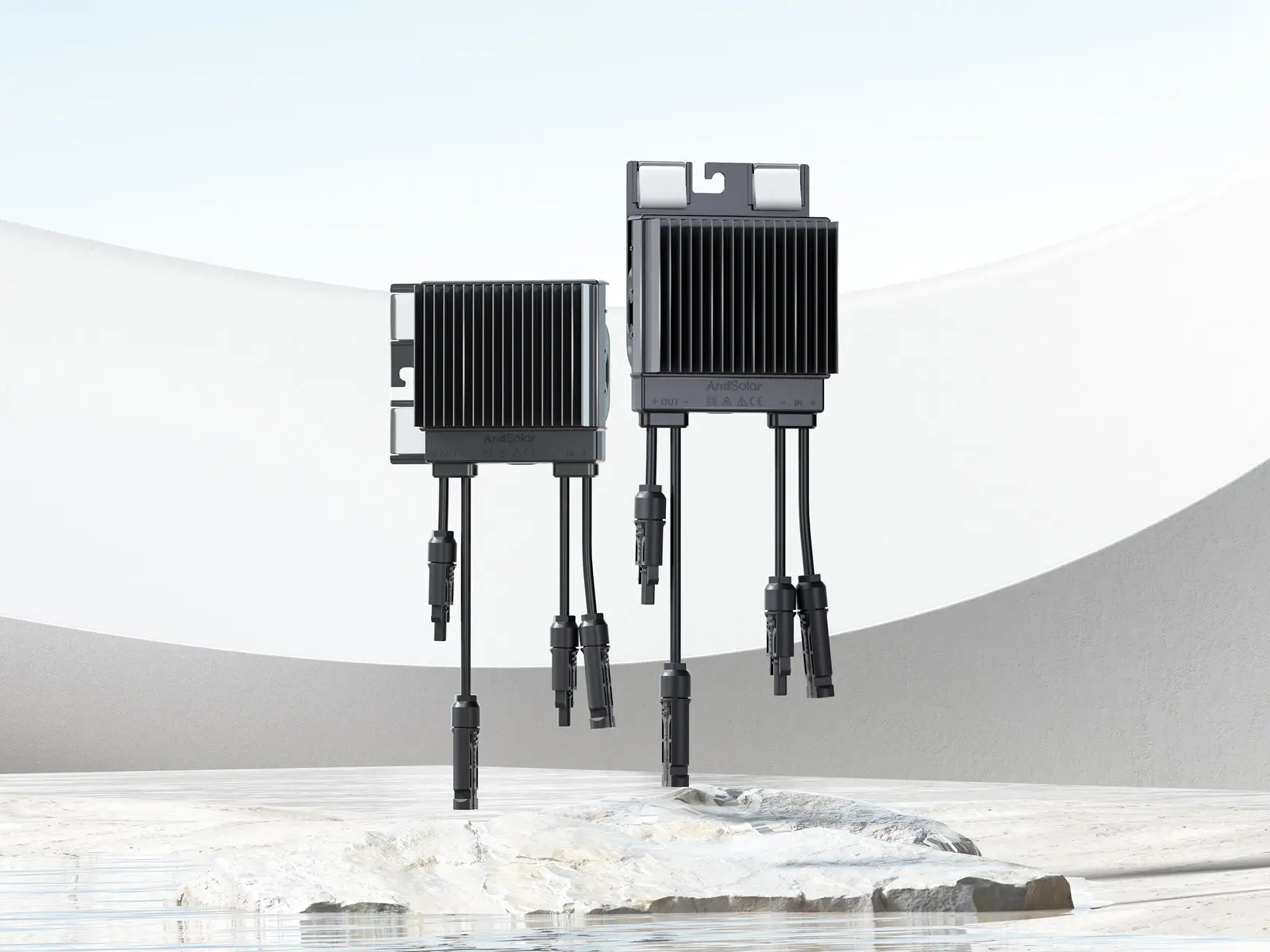
The photovoltaic rapid shutdown system is an important safety feature in solar installations designed to protect emergency responders and maintenance personnel. The system allows solar panels to be quickly disabled when necessary, reducing electrical hazards and allowing safer access to rooftop equipment during emergencies or maintenance.Modern photovoltaic rapid shutdown systems use communication controls that allow activation through manual switches or automatic sensors. Microprocessor-controlled devices and reliable fail-safe mechanisms ensure stable operation even in difficult conditions. These systems are installed at panel or string level and monitor system status continuously, responding immediately to shutdown commands for safe and reliable solar system operation.
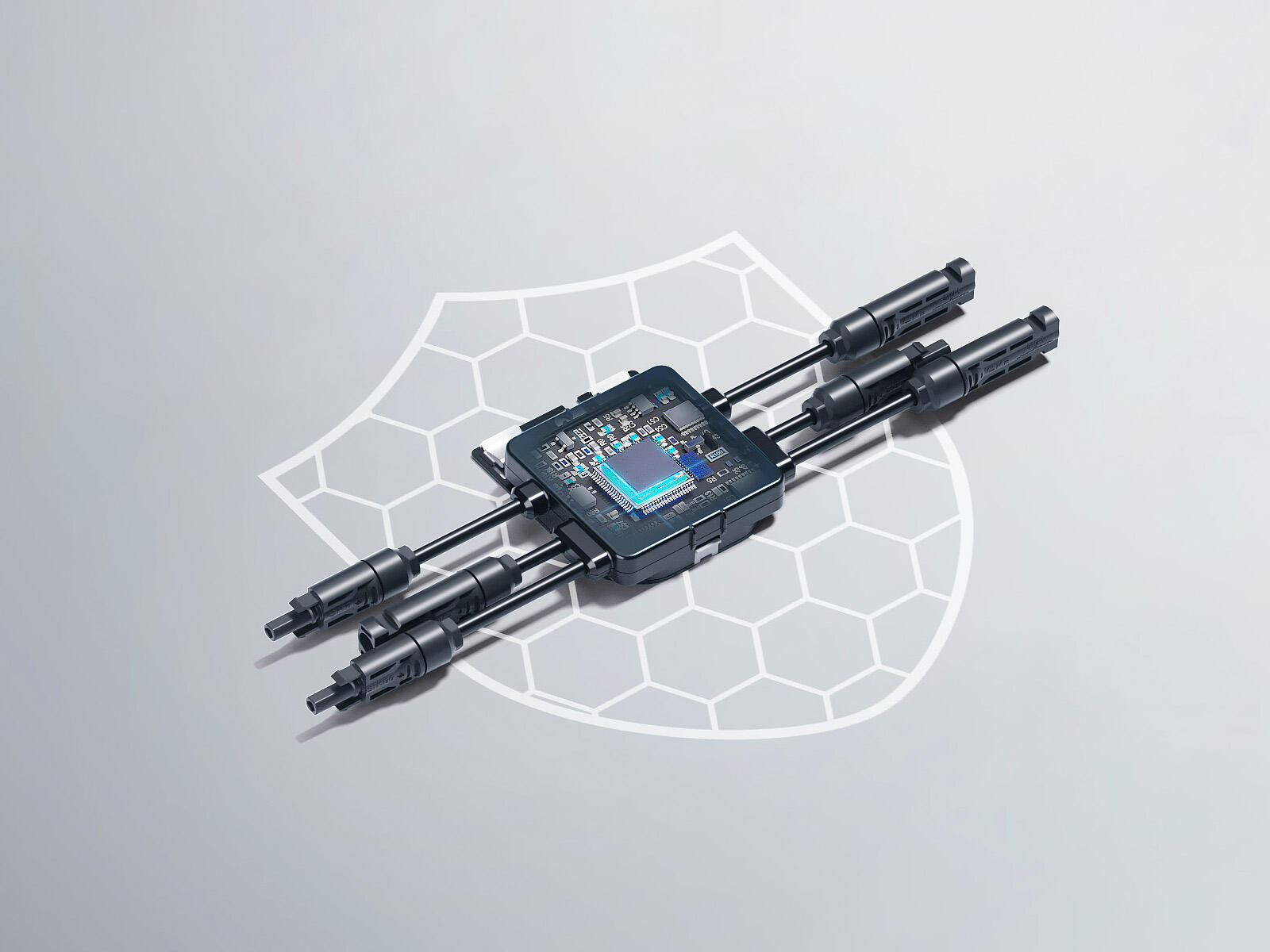
Photovoltaic rapid shutdown systems deliver substantial practical benefits that directly impact safety, compliance, and operational efficiency for solar energy users. Safety enhancement stands as the primary advantage, as these systems dramatically reduce electrical hazards during emergency situations or routine maintenance activities. Emergency responders can access solar-equipped buildings with confidence, knowing that dangerous voltage levels have been eliminated within seconds of system activation. This safety improvement translates into faster emergency response times and reduced liability concerns for property owners. Regulatory compliance represents another significant advantage, as many jurisdictions now mandate rapid shutdown capabilities for new solar installations. Property owners benefit from streamlined permitting processes and avoid costly retrofitting requirements by incorporating these systems from the initial installation phase. The technology ensures full compliance with National Electrical Code requirements and local safety standards, protecting investments and preventing potential legal complications. Maintenance efficiency improves considerably when technicians can safely work on solar systems without complex isolation procedures. Traditional shutdown methods often require multiple steps and extensive safety protocols, whereas rapid shutdown systems enable immediate voltage reduction through simple activation procedures. This efficiency translates into reduced maintenance costs and shorter system downtime periods. Insurance benefits often accompany installations featuring rapid shutdown technology, as insurers recognize the reduced risk profile associated with these safety systems. Property owners frequently receive premium discounts or enhanced coverage options when their solar installations include comprehensive safety features. The systems also provide peace of mind for building occupants and neighboring properties, knowing that emergency situations can be managed effectively without prolonged electrical hazards. Long-term operational benefits include extended system lifespan through improved safety protocols and reduced wear from emergency disconnection procedures. The technology enables proactive maintenance scheduling and systematic troubleshooting without compromising safety standards. Investment protection becomes more robust as these systems prevent damage from improper shutdown procedures and ensure consistent compliance with evolving safety regulations.

New Products

Advanced Safety Protection for Emergency Responders

Advanced Safety Protection for Emergency Responders

The photovoltaic rapid shutdown system provides unprecedented safety protection specifically designed for emergency responders who must access buildings equipped with solar installations during critical situations. This advanced safety feature addresses one of the most significant concerns facing fire departments and emergency medical services when responding to incidents at solar-equipped properties. Traditional solar systems maintain dangerous voltage levels even when disconnected from the electrical grid, creating potentially fatal hazards for emergency personnel working on rooftops or near electrical equipment. The rapid shutdown system eliminates these risks by reducing panel-level voltages to safe levels within ten seconds of activation, ensuring that emergency responders can perform their duties without fear of electrocution or electrical injuries. The system incorporates multiple activation methods to accommodate different emergency scenarios, including manual switches accessible from ground level, automatic triggers activated by grid disconnection, and remote activation capabilities that can be operated by emergency personnel or building occupants. This versatility ensures that the safety system remains effective regardless of the specific emergency circumstances or the availability of trained personnel on-site. Fire departments particularly benefit from this technology as they can approach solar-equipped buildings with the same confidence they have when responding to conventional structures. The rapid shutdown capability allows firefighters to ventilate roofs, position ladders, and conduct search and rescue operations without the constant threat of electrical hazards that traditional solar installations present. Emergency medical services also gain significant advantages when responding to medical emergencies at solar-equipped facilities, as they can safely access all areas of the property without requiring specialized electrical safety equipment or extensive coordination with utility companies. The system's reliability ensures consistent performance even under extreme conditions, including fire, severe weather, or power outages that might compromise other safety systems. This reliability stems from robust design principles that incorporate fail-safe mechanisms and redundant communication pathways, guaranteeing that the shutdown function operates correctly when needed most.
Seamless Regulatory Compliance and Code Adherence

Seamless Regulatory Compliance and Code Adherence

Modern photovoltaic rapid shutdown systems ensure seamless regulatory compliance while simplifying the complex landscape of electrical codes and safety requirements that govern solar installations. The National Electrical Code has established specific requirements for rapid shutdown functionality, mandating that solar installations include systems capable of reducing conductor voltages to safe levels within specified timeframes and distances from array boundaries. These regulatory requirements reflect growing awareness of safety concerns associated with solar technology and represent a fundamental shift toward more comprehensive safety standards for renewable energy systems. Property owners benefit enormously from systems that automatically ensure compliance with these evolving requirements, eliminating the guesswork and potential costly mistakes associated with manual compliance efforts. The photovoltaic rapid shutdown system addresses these requirements through carefully engineered solutions that meet or exceed all applicable codes while providing additional safety margins for enhanced protection. Local authorities having jurisdiction increasingly scrutinize solar installations during permitting and inspection processes, making compliance documentation and demonstration critical for project approval and completion. Rapid shutdown systems simplify these interactions by providing clear evidence of safety compliance through standardized testing procedures and certification documentation that inspectors can easily verify. The technology also addresses future-proofing concerns as regulatory requirements continue evolving in response to technological advances and lessons learned from field experience. Installing comprehensive rapid shutdown capability from the initial project phase prevents costly retrofitting requirements that might arise from updated code requirements or enhanced safety standards. Insurance implications of regulatory compliance extend beyond simple premium considerations to include coverage availability and claim processing efficiency during incidents involving solar installations. Insurance companies increasingly recognize the value of proactive safety measures and often provide preferential treatment for properties that exceed minimum safety requirements through advanced rapid shutdown implementations. Documentation capabilities built into modern systems provide detailed operational logs and compliance records that support insurance claims and regulatory reporting requirements. This documentation proves invaluable during insurance audits, regulatory inspections, or incident investigations where clear evidence of safety system performance and compliance adherence becomes essential for protecting property owners from liability concerns.
Enhanced System Reliability and Maintenance Efficiency

Enhanced System Reliability and Maintenance Efficiency

The photovoltaic rapid shutdown system significantly enhances overall system reliability while dramatically improving maintenance efficiency through sophisticated monitoring capabilities and streamlined service procedures. Traditional solar installations often require complex isolation procedures and extensive safety protocols when maintenance personnel need to access electrical components or perform system diagnostics. These conventional approaches frequently result in extended downtime periods and increased labor costs as technicians navigate multiple disconnection points and implement comprehensive lockout-tagout procedures to ensure worker safety. The rapid shutdown system eliminates these complications by providing instant voltage reduction throughout the entire array, enabling maintenance teams to begin work immediately after system activation without additional safety delays. This efficiency improvement translates directly into reduced maintenance costs and shorter system unavailability periods that can impact energy production and financial returns. The technology incorporates advanced diagnostic capabilities that enable predictive maintenance strategies and early identification of potential system issues before they develop into costly failures. These diagnostic features continuously monitor system performance parameters and component health indicators, providing maintenance teams with detailed information about system condition and emerging problems that require attention. Remote monitoring capabilities allow system operators to assess performance and identify maintenance needs without physical site visits, further reducing operational costs and improving response times for critical issues. The rapid shutdown system also enables more frequent and thorough maintenance activities by reducing the complexity and risk associated with accessing energized solar equipment. Maintenance teams can perform comprehensive system inspections, cleaning procedures, and component replacements with greater confidence and efficiency when electrical hazards have been eliminated through rapid shutdown activation. This improved maintenance capability extends system lifespan and maintains optimal performance levels throughout the installation's operational life. Component replacement procedures become significantly more straightforward as technicians can work on individual panels or system sections without complex isolation requirements or concerns about residual voltage in adjacent components. The system's modular design principles ensure that maintenance activities can be targeted to specific areas or components without affecting the entire installation's safety status. Quality assurance procedures during maintenance activities also benefit from rapid shutdown capabilities as technicians can perform thorough testing and verification procedures without safety compromises or time pressures associated with working on energized equipment.

Get a Free Quote

Our representative will contact you soon.
Name
Email
Phone/ WhatsApp
Company Name
Product Selection
Message
0/1000

photovoltaic rapid shutdown system

Latest News

How to choose the rapid shutdown device for your solar installation

21

Jul

How to choose the rapid shutdown device for your solar installation

Making the Right Safety Choice for Solar Installations As solar energy adoption continues to rise in both residential and commercial sectors, safety considerations are becoming a top priority during system design and installation. One of the most cr...
View More
A detailed comparison between microinverters and optimizers

21

Jul

A detailed comparison between microinverters and optimizers

Understanding Modern Solar Panel Efficiency Technologies As solar energy systems become more mainstream for residential and commercial applications, the conversation has moved beyond panels themselves to the technologies that enhance their performan...
View More
AndSolar Power Optimizers Vs. Traditional String Inverters in MPPT

17

Sep

AndSolar Power Optimizers Vs. Traditional String Inverters in MPPT

Maximizing Solar Energy Harvesting Through Advanced Technology The solar industry continues to evolve with innovative solutions that enhance energy production and system efficiency. At the forefront of this evolution is the ongoing debate between sol...
View More
How Smart Solar Optimizer Reduces Energy Loss

17

Sep

How Smart Solar Optimizer Reduces Energy Loss

Revolutionizing Solar Energy Efficiency Through Advanced Optimization The solar energy industry has witnessed remarkable transformations, with smart solar optimizers emerging as game-changing technology. These innovative devices are revolutionizing h...
View More

Get a Free Quote

Our representative will contact you soon.
Name
Email
Phone/ WhatsApp
Company Name
Product Selection
Message
0/1000