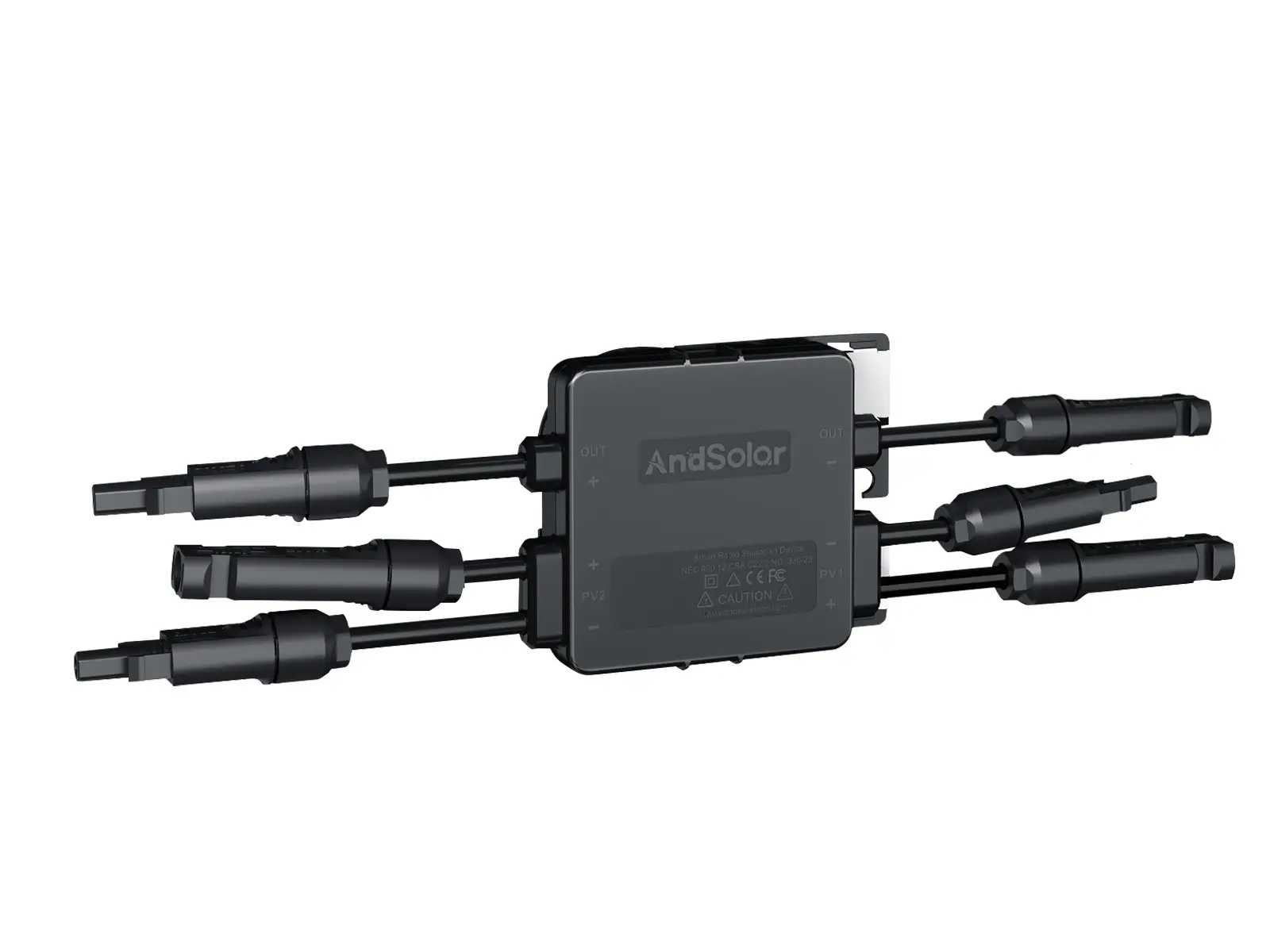
Distributed Photovoltaic Power System: Complete Guide to Solar Energy Solutions

  • 8F, Block B, Building 1, 286 Qinglonggang Road, Suzhou City, Jiangsu Province, P. R. China
  • [email protected]
AndSolar Cloud

distributed photovoltaic power system

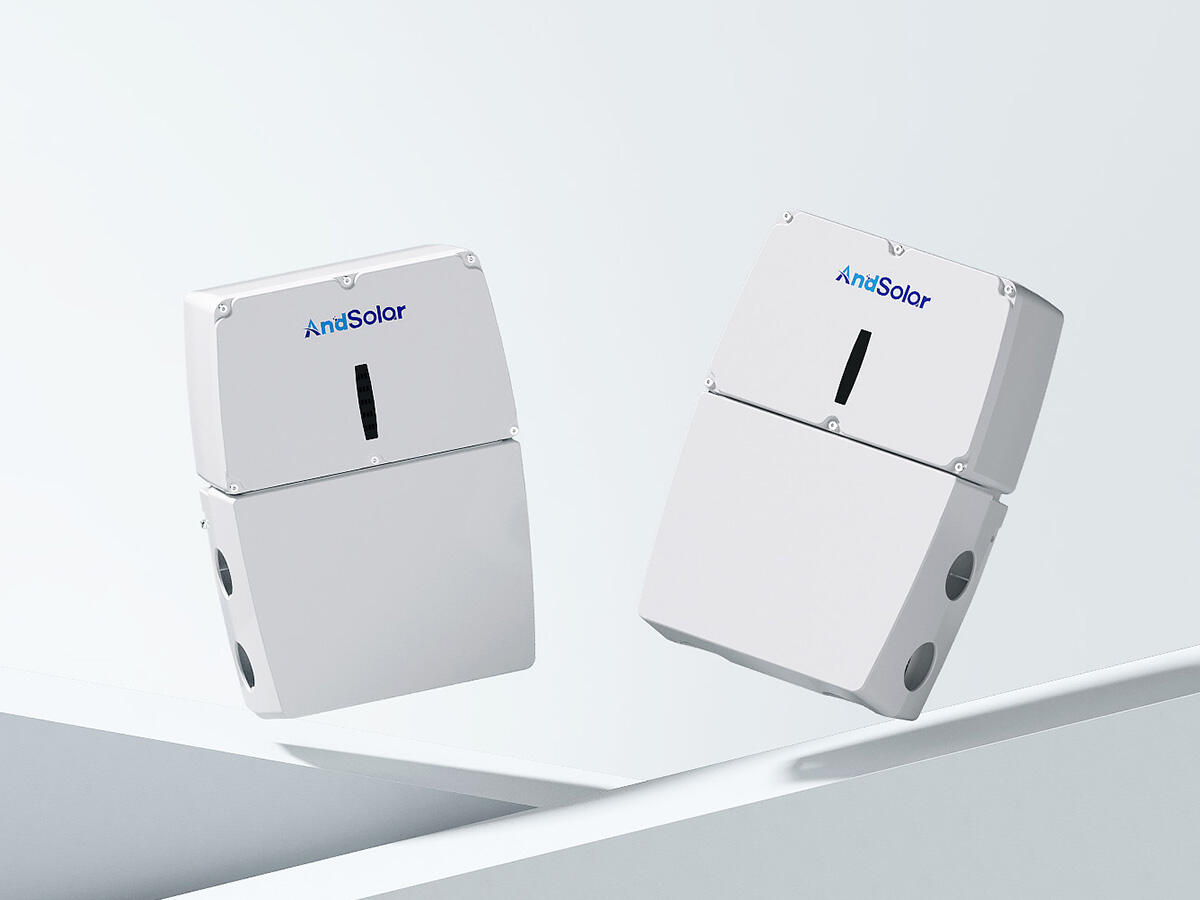
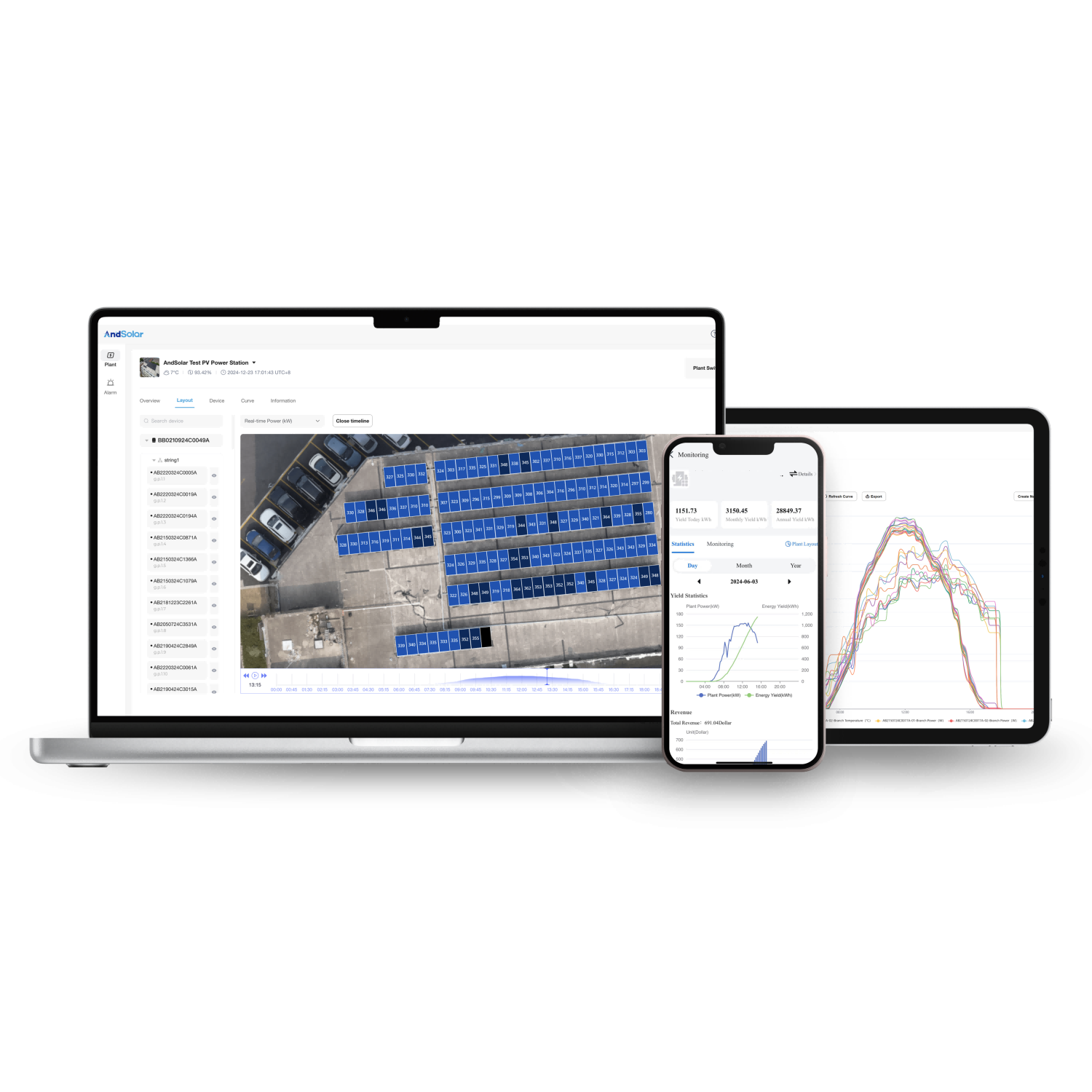
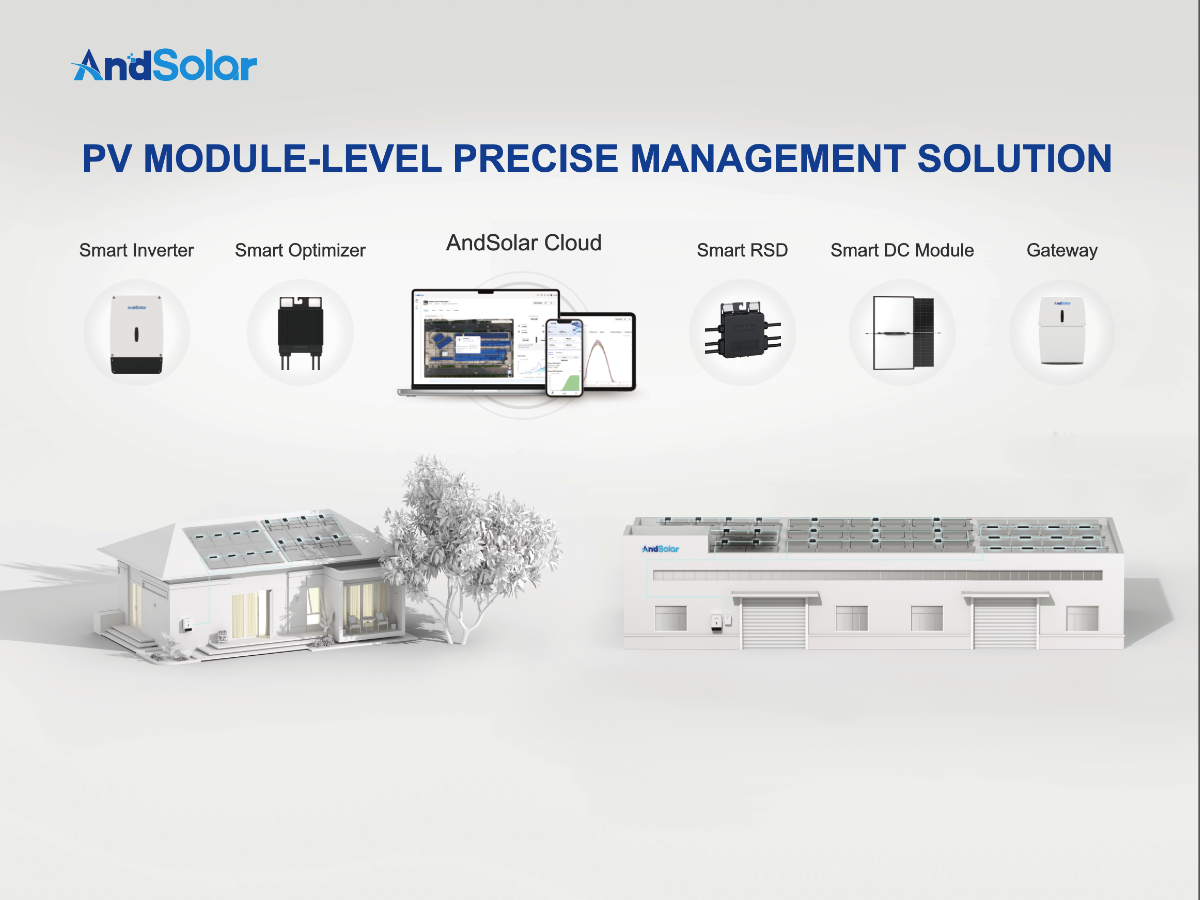
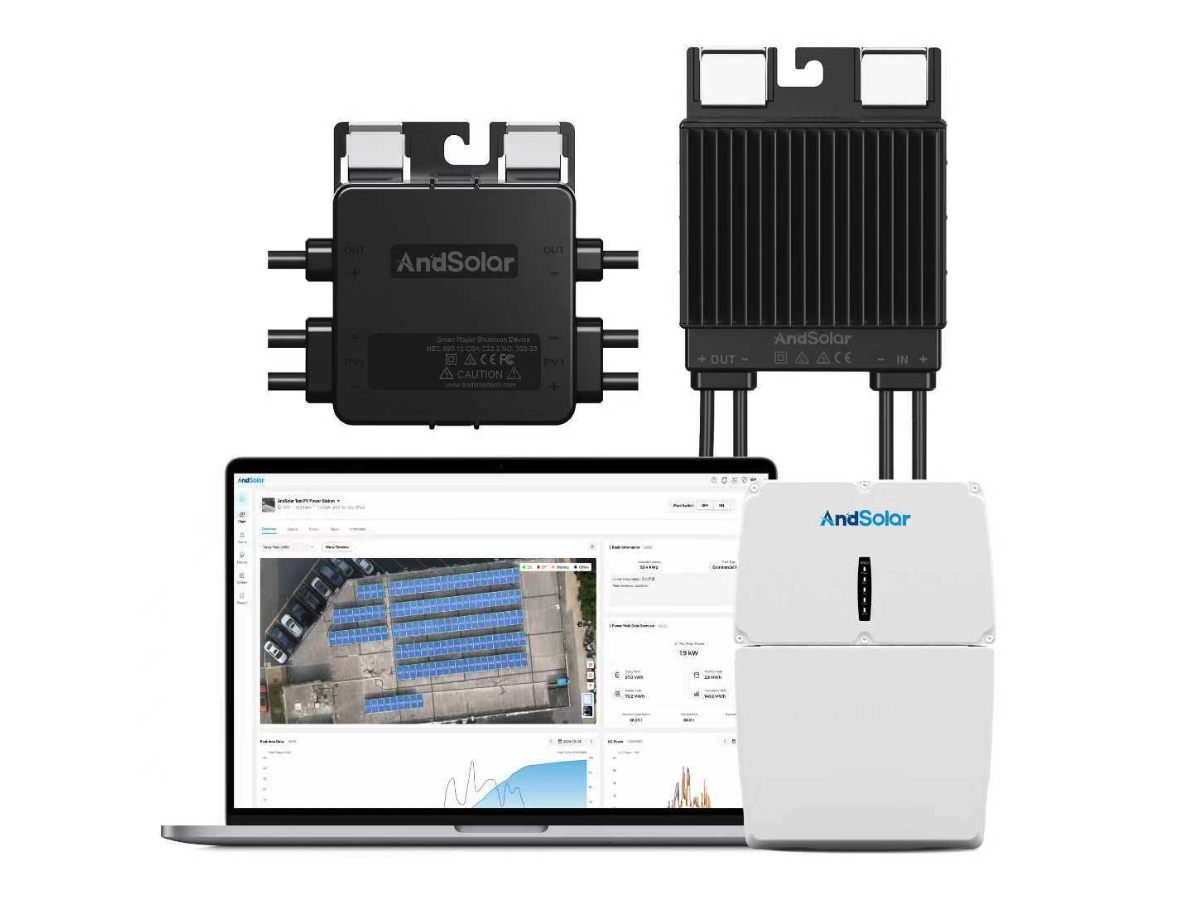
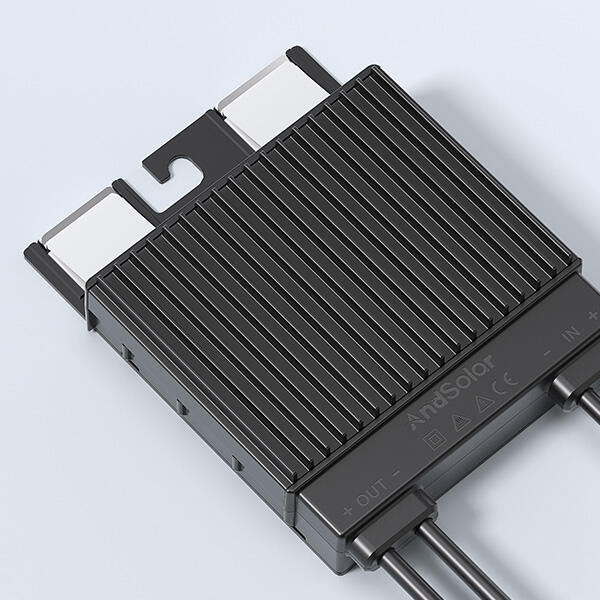
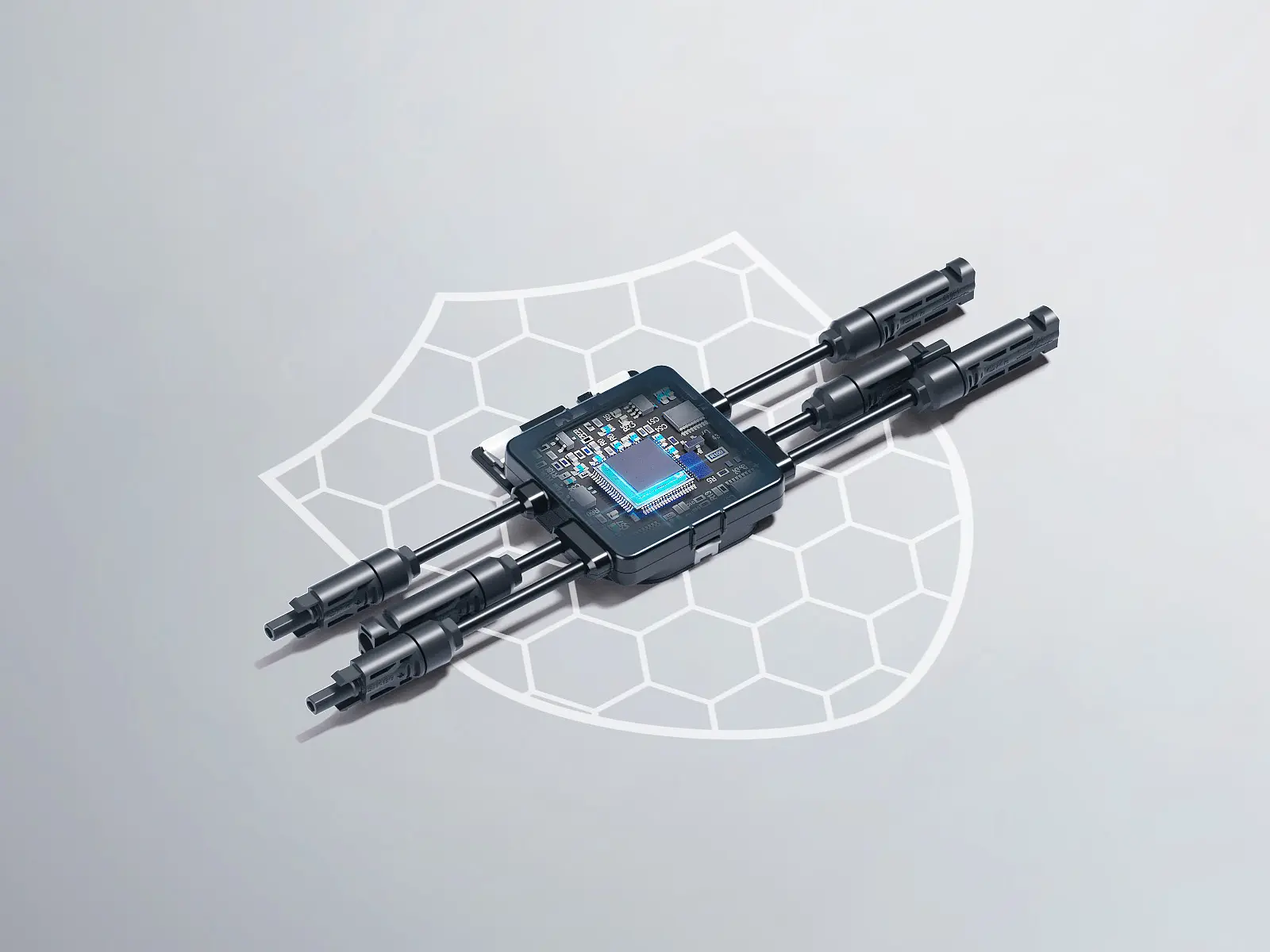
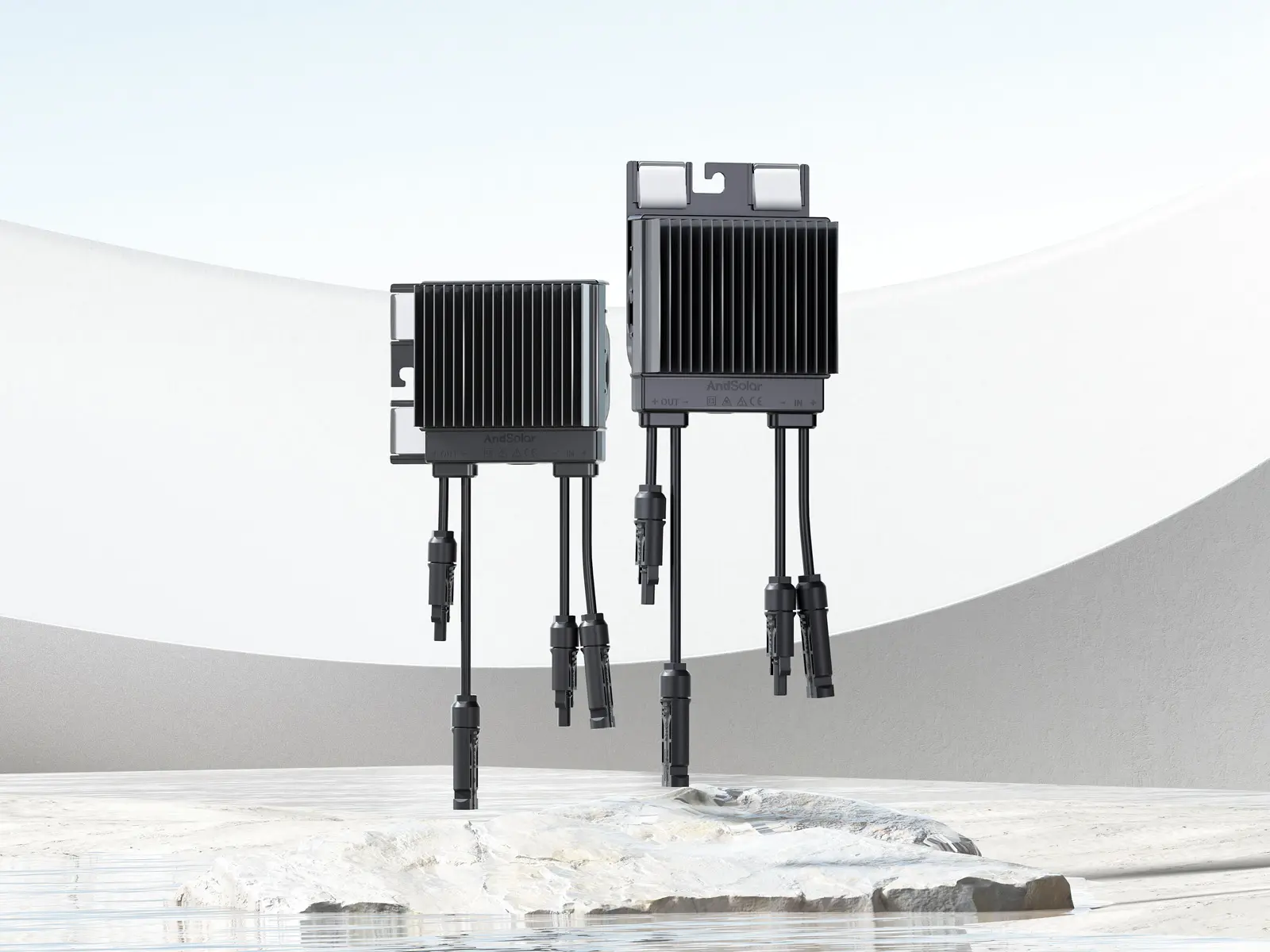
A distributed photovoltaic power system represents a revolutionary approach to solar energy generation that places solar panels close to the point of electricity consumption. Unlike traditional centralized power plants, this distributed photovoltaic power system operates through multiple smaller installations spread across various locations, including residential rooftops, commercial buildings, and industrial facilities. The main functions of a distributed photovoltaic power system encompass electricity generation, grid integration, and energy storage capabilities. These systems convert sunlight directly into electrical energy through photovoltaic cells, which are typically arranged in panels or arrays. The generated electricity can be consumed immediately on-site, stored in battery systems for later use, or fed back into the electrical grid through net metering arrangements. Technologically, distributed photovoltaic power systems feature advanced inverters that convert direct current from solar panels into alternating current suitable for household and commercial applications. Modern systems incorporate smart monitoring capabilities, allowing users to track energy production, consumption patterns, and system performance in real-time. Many installations include micro-inverters or power optimizers that maximize energy harvest from each individual panel, ensuring optimal performance even when some panels experience shading or other environmental factors. The applications of distributed photovoltaic power systems span numerous sectors. Residential installations provide homeowners with clean energy and reduced electricity bills. Commercial businesses utilize these systems to offset operational costs and demonstrate environmental responsibility. Industrial facilities deploy large-scale distributed photovoltaic power systems to reduce energy expenses and enhance sustainability profiles. Agricultural operations benefit from agrivoltaics, where solar panels provide both clean energy and crop protection. Educational institutions, hospitals, and government buildings increasingly adopt distributed photovoltaic power systems to achieve energy independence and environmental goals while reducing long-term operational expenses.
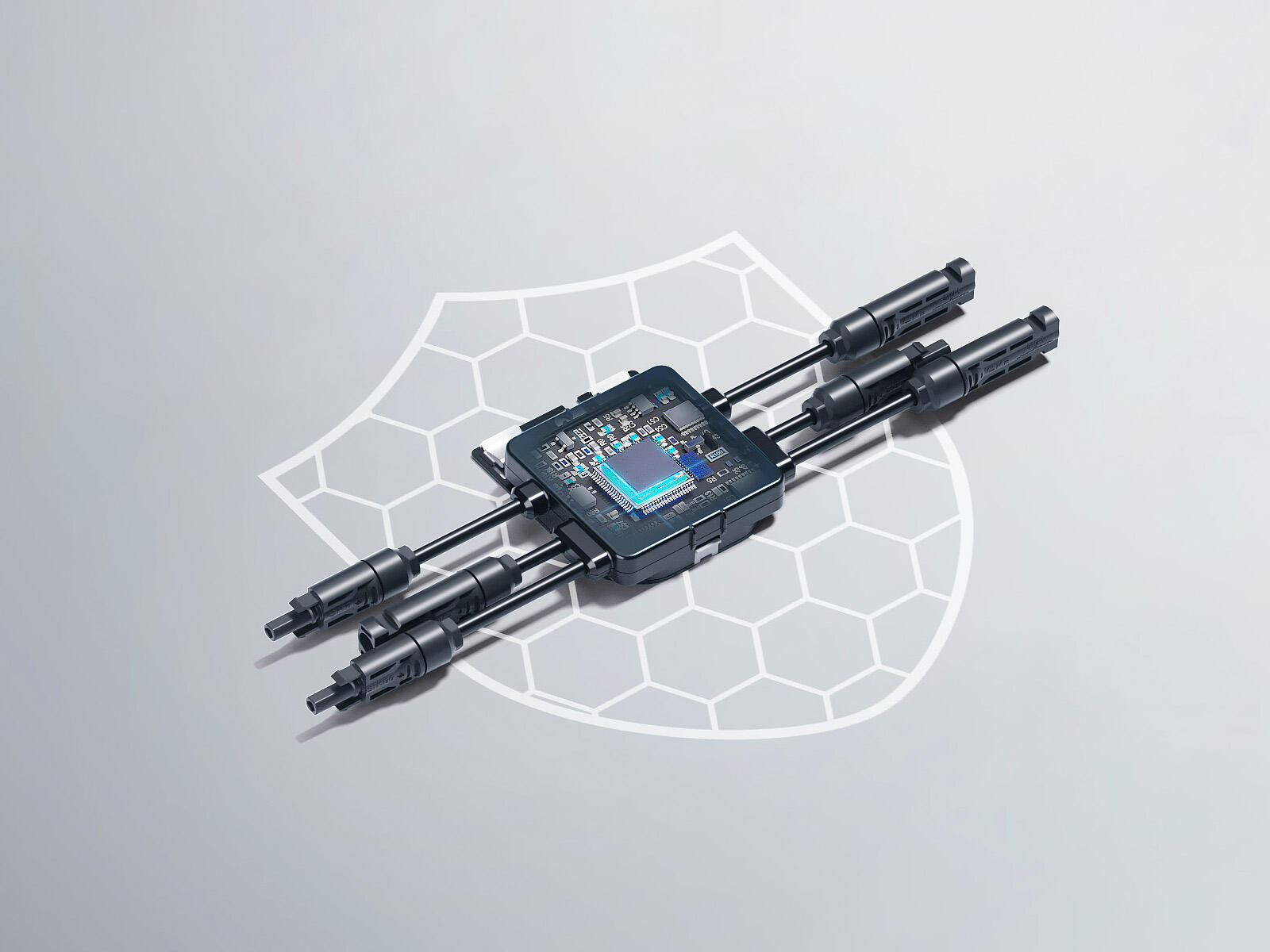
Distributed photovoltaic power systems deliver substantial financial benefits that make them increasingly attractive to property owners. These systems significantly reduce monthly electricity bills by generating clean energy on-site, with many users experiencing reductions of 70-90% in their utility costs. The distributed photovoltaic power system provides predictable energy costs over decades, protecting users from rising electricity rates and volatile energy markets. Government incentives, tax credits, and rebate programs further enhance the financial appeal, often reducing initial investment costs by 30-50%. Property values typically increase when distributed photovoltaic power systems are installed, with studies showing average increases of 3-4% in home values. The payback period for most residential systems ranges from 6-10 years, after which users enjoy essentially free electricity for the remaining 15-20 years of system life. Environmental advantages position distributed photovoltaic power systems as crucial tools in combating climate change. These systems generate electricity without producing greenhouse gas emissions, water pollution, or air contaminants during operation. A typical residential distributed photovoltaic power system prevents 3-4 tons of carbon dioxide emissions annually, equivalent to planting 100-150 trees. The technology reduces dependence on fossil fuels and supports national energy security goals. Manufacturing processes for solar panels have become increasingly efficient and environmentally friendly, with modern panels requiring only 1-4 years to generate the energy used in their production. Reliability and performance characteristics make distributed photovoltaic power systems exceptionally dependable energy sources. Solar panels carry warranties of 25-30 years and often continue producing electricity for 40+ years with minimal degradation. Modern systems require minimal maintenance, typically involving only periodic cleaning and annual inspections. The distributed nature enhances grid stability by reducing transmission losses and providing power generation closer to consumption points. Advanced monitoring systems alert users to any performance issues, ensuring optimal operation throughout the system lifetime. Energy independence represents another compelling advantage, allowing users to reduce reliance on utility companies and grid electricity. During power outages, systems equipped with battery storage continue providing electricity to critical loads. This independence becomes increasingly valuable as extreme weather events and grid instability become more common.

New Product Releases

Advanced Smart Grid Integration and Energy Management

Advanced Smart Grid Integration and Energy Management

The distributed photovoltaic power system revolutionizes energy management through sophisticated smart grid integration capabilities that optimize both energy production and consumption patterns. This advanced integration allows the distributed photovoltaic power system to communicate seamlessly with utility grids, automatically adjusting energy flow based on real-time demand and supply conditions. Smart inverters within the system provide grid support services, including voltage regulation, frequency response, and reactive power control, enhancing overall grid stability and reliability. The intelligent management system continuously monitors energy production from solar panels, household or business energy consumption, and grid conditions to make optimal decisions about energy usage. When the distributed photovoltaic power system generates excess electricity, the smart management system automatically determines whether to store the energy in batteries, sell it back to the grid through net metering programs, or use it for other on-site applications. This dynamic optimization ensures maximum financial returns and energy efficiency for users. Advanced load forecasting algorithms predict energy needs based on historical usage patterns, weather forecasts, and occupancy schedules, allowing the system to pre-position energy resources for optimal performance. The integration capabilities extend to smart home and building automation systems, enabling coordinated control of energy-consuming devices such as electric vehicle chargers, heat pumps, and water heaters. Users can schedule high-energy activities during peak solar production hours, maximizing the use of clean, self-generated electricity. Remote monitoring and control features allow users to manage their distributed photovoltaic power system from anywhere using smartphone apps or web interfaces. Real-time alerts notify users of system performance issues, maintenance needs, or optimization opportunities. The smart grid integration also enables participation in demand response programs, where users can earn additional revenue by temporarily reducing energy consumption during peak demand periods. This comprehensive energy management approach transforms the distributed photovoltaic power system from a simple electricity generator into an intelligent energy ecosystem that maximizes economic and environmental benefits while contributing to grid modernization and renewable energy transition goals.
Modular Scalability and Flexible Installation Options

Modular Scalability and Flexible Installation Options

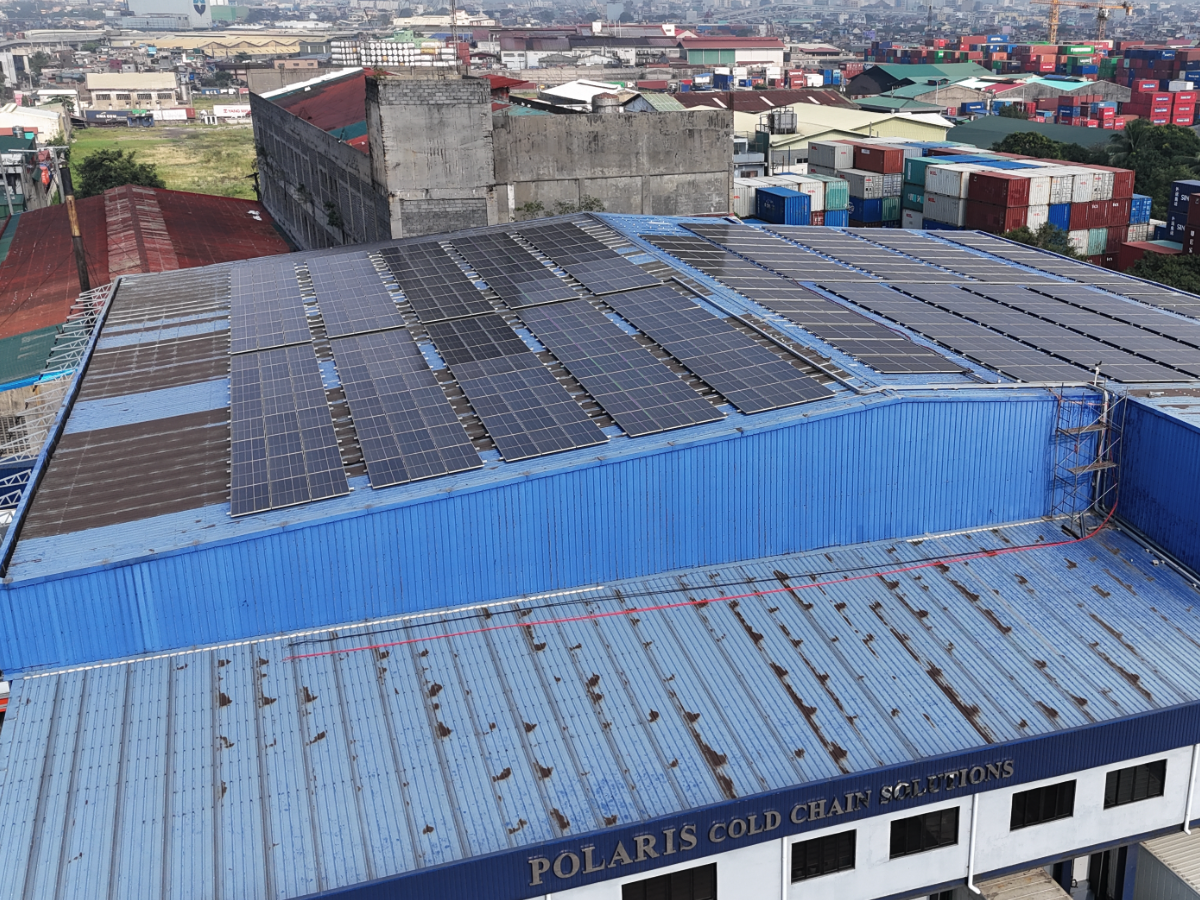
The distributed photovoltaic power system offers unparalleled modularity and scalability that adapts to diverse energy needs and site constraints, making solar energy accessible to virtually any property type or size. This flexible design approach allows users to start with smaller installations and expand their distributed photovoltaic power system over time as energy needs grow or financial resources become available. The modular nature means that additional solar panels, inverters, and battery storage can be seamlessly integrated into existing systems without requiring complete redesigns or major infrastructure changes. Installation flexibility represents a key strength of the distributed photovoltaic power system, accommodating various mounting options including rooftop installations, ground-mounted arrays, carport structures, and building-integrated photovoltaic solutions. Rooftop installations maximize space utilization without requiring additional land, while ground-mounted systems offer optimal panel positioning and easier maintenance access. Carport installations provide dual benefits of weather protection for vehicles while generating clean electricity above parking areas. Building-integrated options incorporate solar cells directly into architectural elements such as facades, windows, and roofing materials, creating aesthetically pleasing installations that blend seamlessly with building designs. The distributed photovoltaic power system accommodates challenging site conditions through specialized mounting solutions for flat roofs, sloped surfaces, and irregular terrain. Micro-inverter and power optimizer technologies enable optimal performance even when panels experience different shading conditions, orientations, or tilt angles within the same installation. This flexibility allows creative system designs that work around obstacles such as chimneys, HVAC equipment, or trees while maximizing energy production potential. Phased installation approaches enable users to implement their distributed photovoltaic power system in stages, spreading costs over multiple years while beginning to realize energy savings immediately. Future expansion planning ensures that initial electrical infrastructure can accommodate additional capacity, minimizing later modification costs. The scalable design extends to energy storage integration, allowing users to add battery capacity as needs evolve or as storage costs continue declining. Commercial and industrial applications particularly benefit from this scalability, enabling businesses to right-size their distributed photovoltaic power system investments based on available capital, energy usage patterns, and sustainability goals while maintaining options for future growth and optimization.
Long-term Economic Performance and Investment Security

Long-term Economic Performance and Investment Security

The distributed photovoltaic power system delivers exceptional long-term economic performance that transforms electricity from an ongoing expense into a profitable investment opportunity over multiple decades. Financial modeling demonstrates that most distributed photovoltaic power systems achieve positive cash flow within 6-8 years, after which they continue generating substantial savings and potential revenue for 20-25 additional years. The investment security stems from the predictable nature of solar energy production, which can be accurately forecasted based on historical weather data and proven panel performance characteristics. Unlike volatile energy markets affected by fuel price fluctuations, geopolitical events, and supply chain disruptions, the distributed photovoltaic power system provides stable, predictable energy costs for the entire system lifetime. Modern solar panels maintain over 90% of their original efficiency after 20 years and often continue producing electricity for 40+ years, ensuring decades of reliable energy generation. Comprehensive warranty programs protect users against equipment failures, with solar panels typically warranted for 25-30 years and inverters covered for 10-25 years depending on the technology. Performance guarantees ensure minimum energy production levels, providing additional investment security and peace of mind. The distributed photovoltaic power system generates multiple revenue streams that enhance overall financial returns, including electricity bill savings, net metering credits, renewable energy certificate sales, and potential participation in grid services markets. Federal investment tax credits currently provide 30% cost reduction for solar installations, while many states and utilities offer additional rebates and incentives that further improve project economics. Property value increases associated with distributed photovoltaic power system installations provide additional return on investment, with studies consistently showing 3-4% home value premiums in most markets. Commercial properties benefit from accelerated depreciation schedules that enable businesses to write off solar investments over five years for tax purposes. Energy price escalation protection represents another crucial economic benefit, as utility rates typically increase 2-4% annually while solar energy costs remain fixed after installation. Over a 25-year period, this protection can result in hundreds of thousands of dollars in additional savings compared to continued utility dependence. The distributed photovoltaic power system also provides hedge against energy market volatility and supply disruptions, offering energy security that has measurable economic value for businesses and homeowners alike, making it one of the most secure and profitable long-term investments available in today's market.

Get a Free Quote

Our representative will contact you soon.
Name
Email
Phone/ WhatsApp
Company Name
Product Selection
Message
0/1000

distributed photovoltaic power system

Latest News

The Role of MLPE in PV Systems.

30

Jun

The Role of MLPE in PV Systems.

Understanding MLPE in Solar PV Systems Defining MLPE Technologies MLPE, (Module-Level Power Electronics), is a crucial factor in increasing the performance of a solar PV system. This includes technology like microinverters and DC optimize...
View More
How to choose the rapid shutdown device for your solar installation

21

Jul

How to choose the rapid shutdown device for your solar installation

Making the Right Safety Choice for Solar Installations As solar energy adoption continues to rise in both residential and commercial sectors, safety considerations are becoming a top priority during system design and installation. One of the most cr...
View More
Benefits of MLPE VS. traditional PV system

21

Jul

Benefits of MLPE VS. traditional PV system

Comparing Modern and Traditional Approaches to Solar Power Management As solar energy adoption continues to grow globally, both homeowners and commercial operators face critical choices in system architecture. Among the most significant is the decis...
View More
Will Rapid Shutdown Devices Affect Solar System Performance?

13

Aug

Will Rapid Shutdown Devices Affect Solar System Performance?

Optimizing Solar System Safety Without Compromising Efficiency In the modern solar energy landscape, safety and performance go hand in hand. The industry has evolved from focusing solely on maximizing energy yield to ensuring that systems operate wit...
View More

Get a Free Quote

Our representative will contact you soon.
Name
Email
Phone/ WhatsApp
Company Name
Product Selection
Message
0/1000