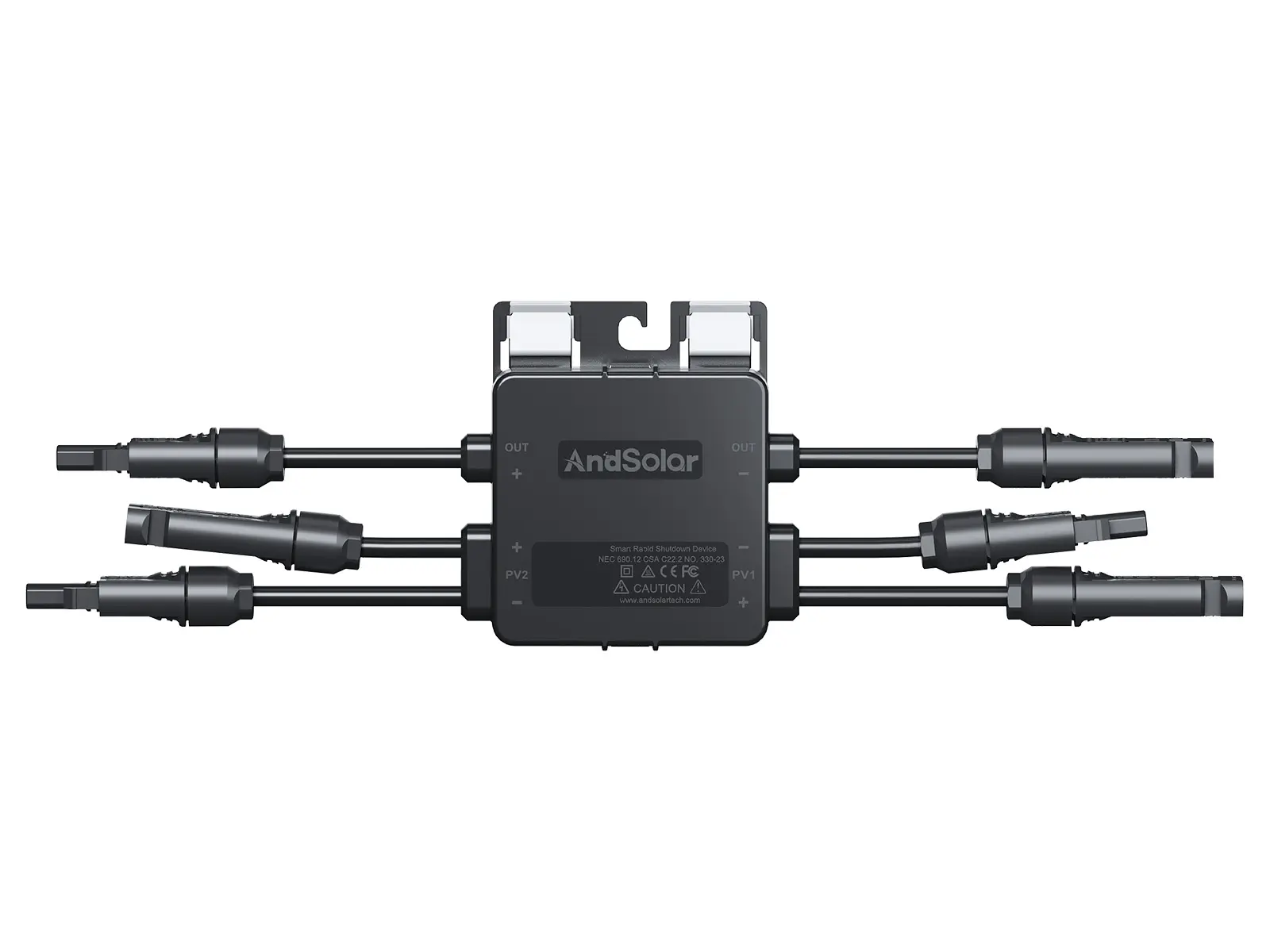
Advanced Photovoltaic Systems: Efficient Solar Energy Solutions for Modern Properties

  • 8F, Block B, Building 1, 286 Qinglonggang Road, Suzhou City, Jiangsu Province, P. R. China
  • [email protected]
AndSolar Cloud

photovoltaic

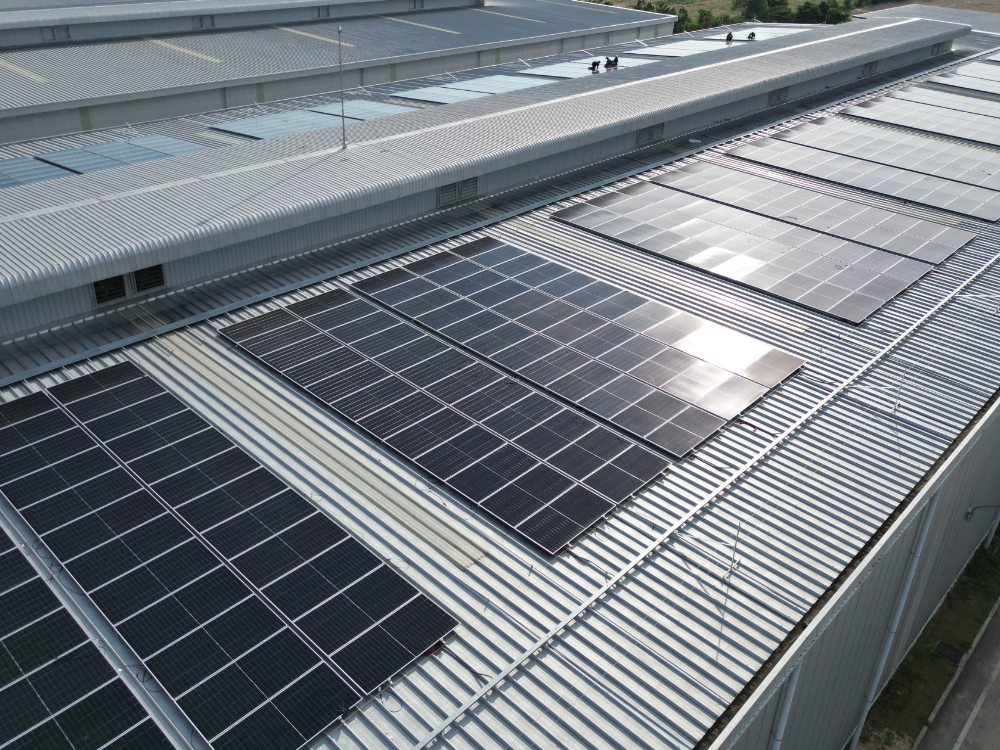
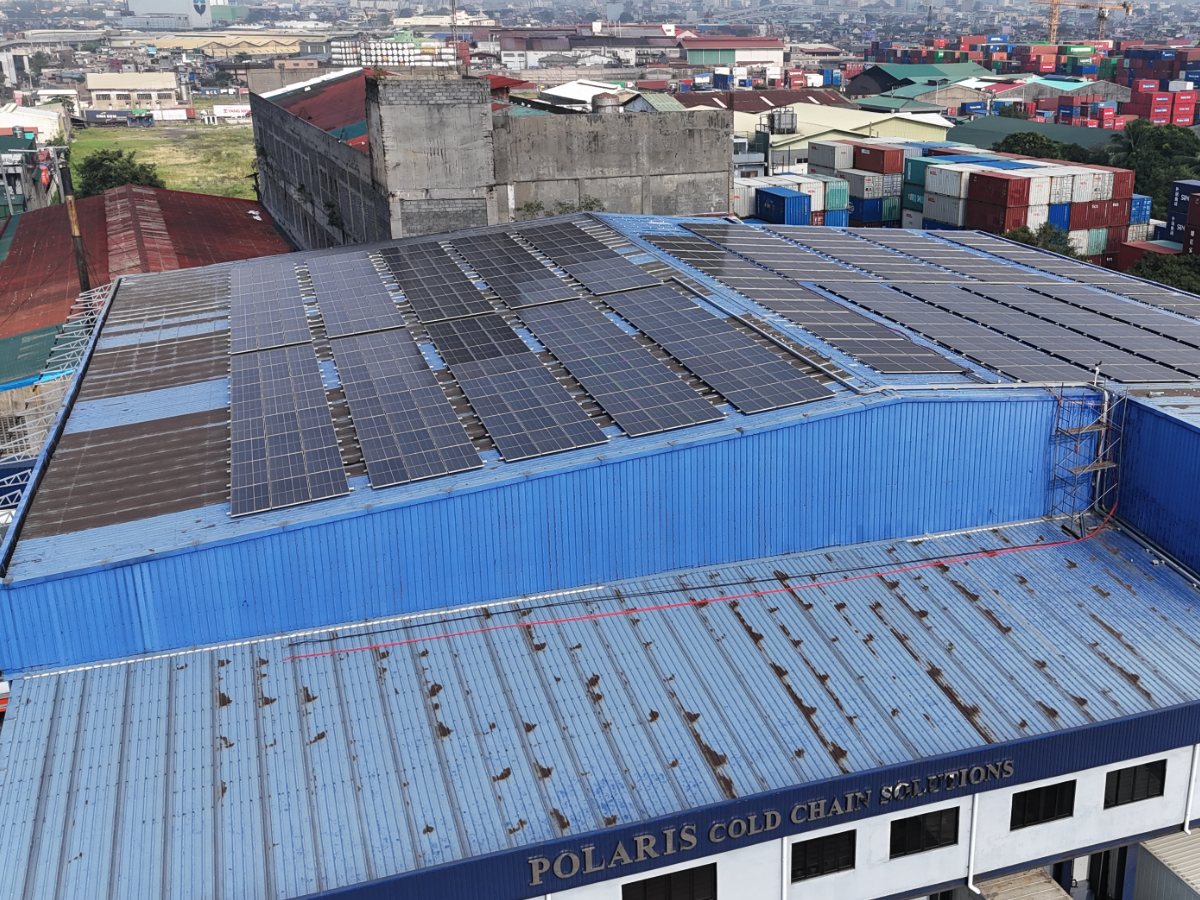
Photovoltaic technology represents one of the most transformative energy solutions of the modern era, converting sunlight directly into electricity through semiconductor materials. This innovative system harnesses the photovoltaic effect, where photons from solar radiation knock electrons loose from atoms within specially designed solar cells, generating an electric current that can power homes, businesses, and industrial facilities. The core components of a photovoltaic system include solar panels, inverters, mounting structures, and monitoring equipment, all working together to create a seamless energy generation platform. Solar panels contain multiple photovoltaic cells made from crystalline silicon or thin-film materials that capture and convert light energy with remarkable efficiency. Modern photovoltaic systems feature advanced anti-reflective coatings and optimized cell designs that maximize light absorption across various weather conditions and times of day. The technology incorporates sophisticated tracking mechanisms that follow the sun's path, ensuring optimal energy capture throughout daylight hours. Photovoltaic installations range from small residential rooftop arrays to massive utility-scale solar farms spanning thousands of acres. These systems integrate seamlessly with existing electrical grids through power conditioning equipment that matches voltage and frequency requirements. Smart monitoring capabilities allow users to track energy production, system performance, and potential maintenance needs in real-time through mobile applications and web-based dashboards. The modular nature of photovoltaic technology enables scalable installations that can grow with changing energy demands. Advanced photovoltaic systems incorporate battery storage solutions that store excess energy during peak production hours for use during evening periods or cloudy weather. This technology finds applications in residential buildings, commercial complexes, agricultural operations, remote telecommunications facilities, and emergency backup power systems, making it one of the most versatile renewable energy solutions available today.
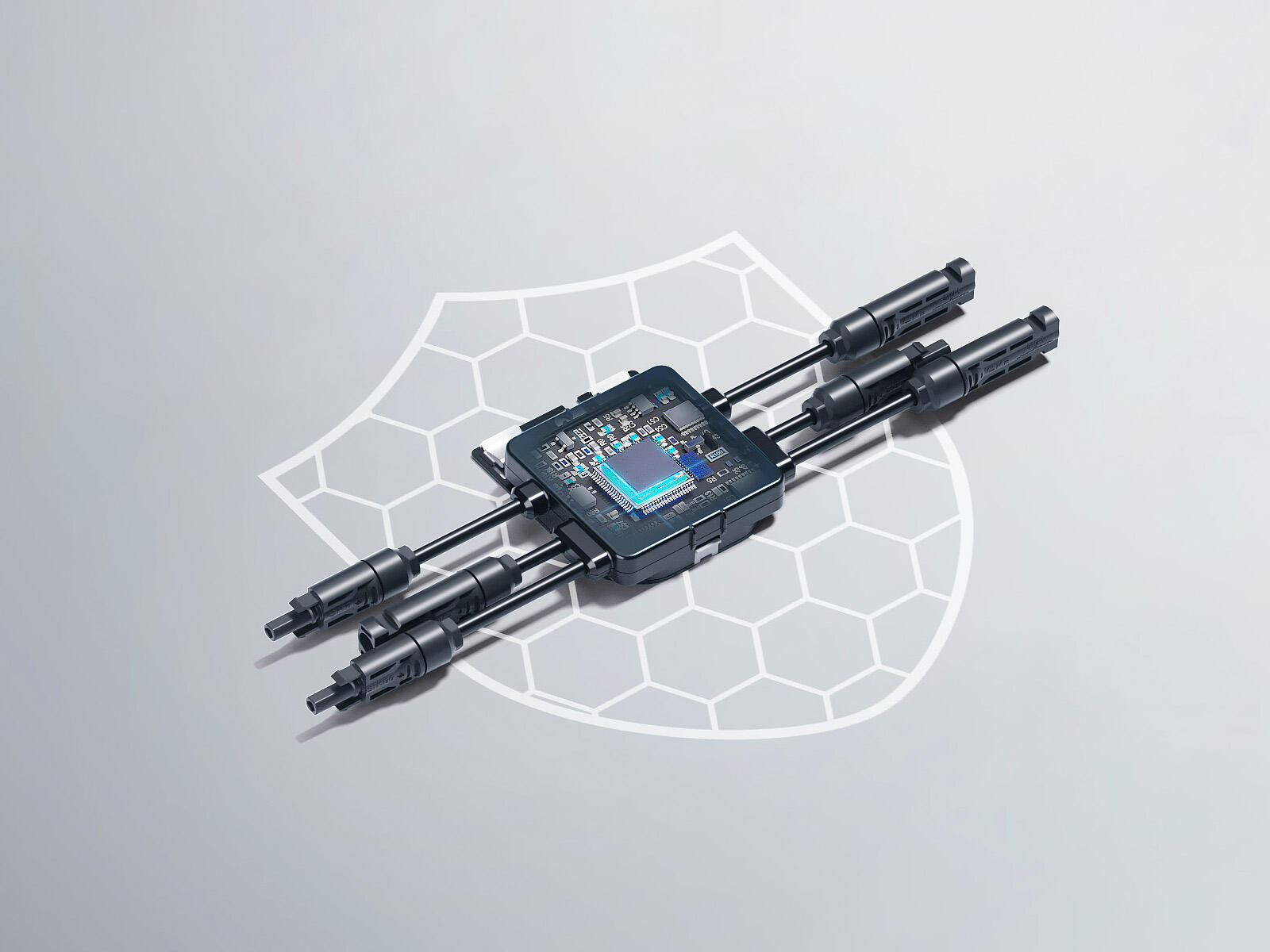
Photovoltaic systems deliver substantial financial benefits by dramatically reducing monthly electricity bills and providing long-term energy cost stability. Property owners who install photovoltaic arrays typically see immediate reductions in their utility expenses, with many achieving complete energy independence within the first few years of operation. The technology requires minimal ongoing maintenance compared to traditional power generation methods, as photovoltaic panels contain no moving parts that wear out or break down over time. This reliability translates into consistent energy production for decades, with most manufacturers offering 25-year performance warranties that guarantee continued electricity generation. Photovoltaic installations increase property values significantly, with real estate studies showing homes equipped with solar energy systems sell faster and command higher prices than comparable properties without renewable energy features. The environmental advantages of photovoltaic technology extend beyond simple carbon footprint reduction, as these systems produce clean electricity without generating air pollution, water contamination, or harmful emissions that affect local air quality. Government incentives and tax credits make photovoltaic installations more affordable than ever before, with federal programs offering substantial rebates that can cover up to 30 percent of total system costs. Many utility companies provide net metering programs that allow photovoltaic system owners to sell excess electricity back to the grid, creating additional revenue streams that further improve return on investment calculations. The energy independence provided by photovoltaic systems protects users from volatile energy market fluctuations and rising electricity rates, providing predictable energy costs for decades into the future. Installation processes have become streamlined and efficient, with experienced technicians completing most residential photovoltaic projects within one to three days. Modern photovoltaic systems operate silently and require no fuel deliveries or storage, eliminating ongoing operational complexities associated with traditional power sources. The technology works effectively in various climatic conditions, producing electricity even on cloudy days, though at reduced capacity compared to direct sunlight conditions. Photovoltaic systems contribute to grid stability by producing electricity during peak demand periods when air conditioning and cooling systems place the highest stress on electrical infrastructure.

Popular Products

Advanced Energy Conversion Efficiency

Advanced Energy Conversion Efficiency

Modern photovoltaic technology achieves unprecedented energy conversion rates through cutting-edge semiconductor engineering and precision manufacturing processes that maximize electricity production from available sunlight. Today's premium photovoltaic panels convert over 22 percent of incident solar radiation into usable electricity, representing a dramatic improvement from earlier generations that struggled to reach 15 percent efficiency levels. This enhanced performance stems from revolutionary cell designs that incorporate multiple layers of specially treated silicon materials, each optimized to capture different wavelengths of light across the solar spectrum. Advanced anti-reflective coatings reduce surface light loss to less than 2 percent, ensuring maximum photon absorption even during early morning and late afternoon periods when sun angles are less favorable. The precision manufacturing processes used in photovoltaic cell production create uniform crystal structures that minimize electrical resistance and maximize current flow throughout the panel array. Temperature coefficient improvements in modern photovoltaic technology maintain high efficiency levels even during hot summer conditions when traditional panels experience significant performance degradation. Innovative bypass diode configurations prevent shading on individual cells from affecting entire panel performance, ensuring consistent electricity generation even when portions of the installation experience temporary shadows from trees, buildings, or passing clouds. These efficiency gains translate directly into higher electricity production from the same roof space, making photovoltaic installations more cost-effective and practical for properties with limited available area. Advanced photovoltaic systems incorporate maximum power point tracking technology that continuously optimizes electrical output based on changing environmental conditions throughout the day. The improved efficiency characteristics of contemporary photovoltaic panels enable faster payback periods and higher lifetime energy production, making these systems increasingly attractive investment opportunities for residential and commercial property owners seeking reliable renewable energy solutions.
Exceptional Durability and Longevity

Exceptional Durability and Longevity

Photovoltaic systems demonstrate remarkable resilience and longevity, engineered to withstand decades of exposure to harsh environmental conditions while maintaining consistent energy production performance. Premium photovoltaic panels undergo rigorous testing protocols that simulate extreme weather events, including hail impacts up to one inch in diameter, wind loads exceeding 140 miles per hour, and temperature cycling from minus 40 to plus 185 degrees Fahrenheit. The tempered glass surfaces used in photovoltaic construction resist cracking, scratching, and degradation from ultraviolet radiation, maintaining optical clarity and light transmission properties for 25 years or longer. Aluminum frames provide structural integrity and corrosion resistance, utilizing marine-grade materials that prevent deterioration even in coastal environments with high salt content and humidity levels. Advanced encapsulation materials protect internal photovoltaic cells from moisture infiltration, thermal expansion stresses, and chemical degradation that could compromise electrical performance over time. Industry-leading manufacturers back their photovoltaic products with comprehensive warranties that guarantee 80 percent of original power output after 25 years of operation, demonstrating confidence in long-term system reliability. The solid-state design of photovoltaic technology eliminates mechanical components that typically require replacement or maintenance in traditional power generation equipment, reducing lifecycle costs and operational complexity. Regular cleaning and periodic electrical inspections represent the primary maintenance requirements for photovoltaic installations, making these systems ideal for remote locations or properties where frequent service access proves challenging. Fire-resistant materials and safety disconnect features built into photovoltaic systems meet strict building codes and insurance requirements, providing property owners with peace of mind regarding installation safety. The proven track record of photovoltaic installations operating successfully for multiple decades provides compelling evidence of technology maturity and reliability. Snow loads, ice formation, and thermal cycling conditions that occur in northern climates pose no significant challenges to properly installed photovoltaic systems designed for local environmental conditions.
Seamless Grid Integration and Smart Technology

Seamless Grid Integration and Smart Technology

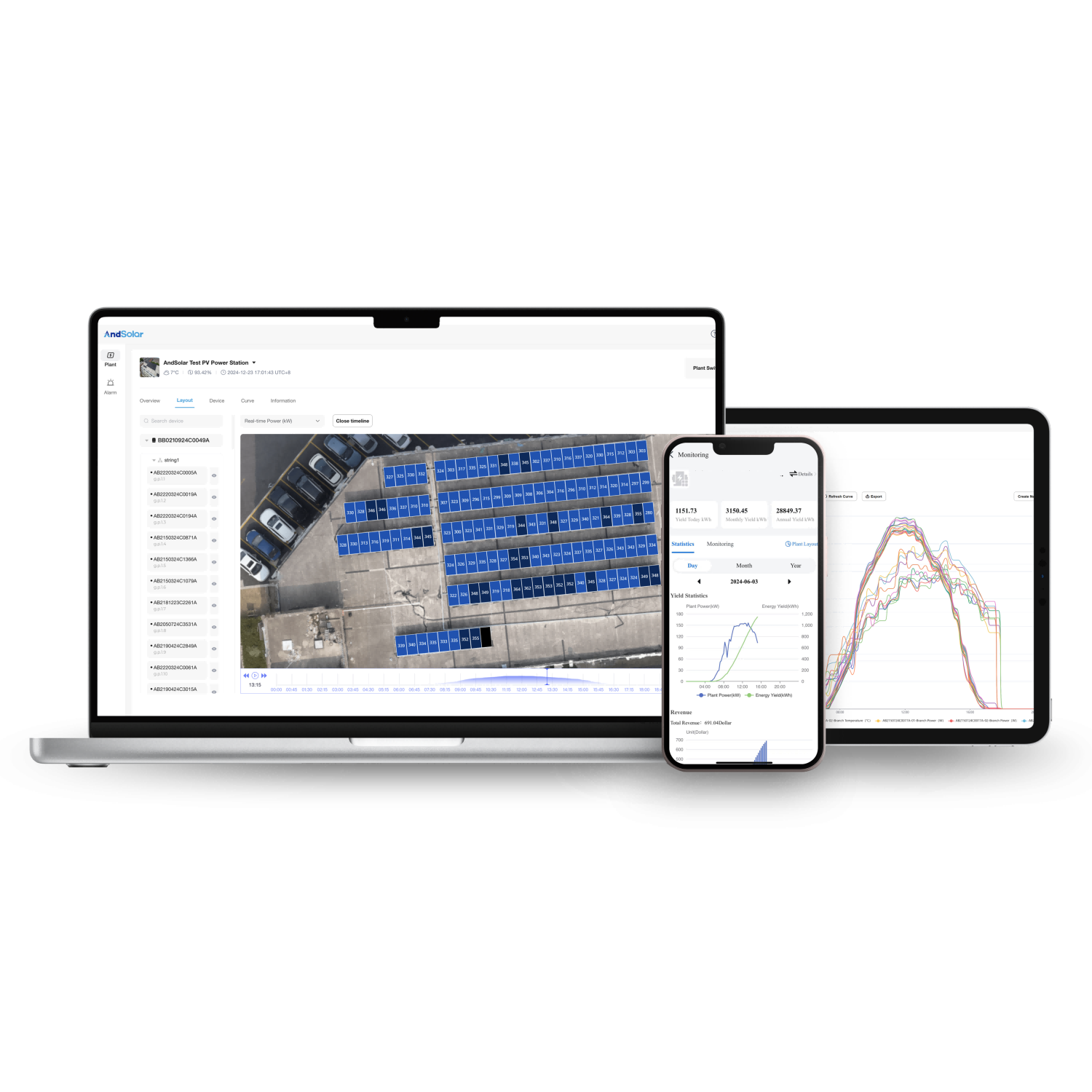
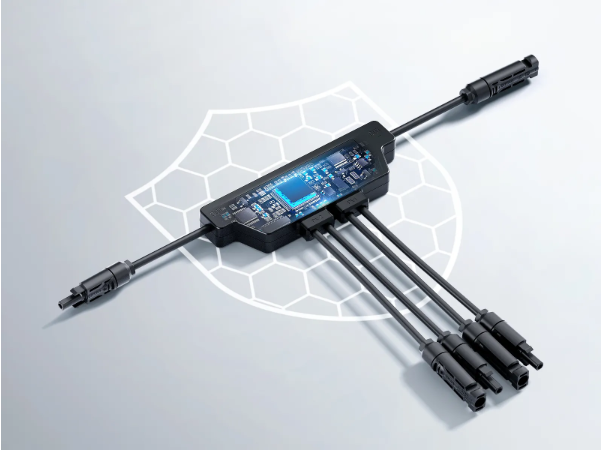
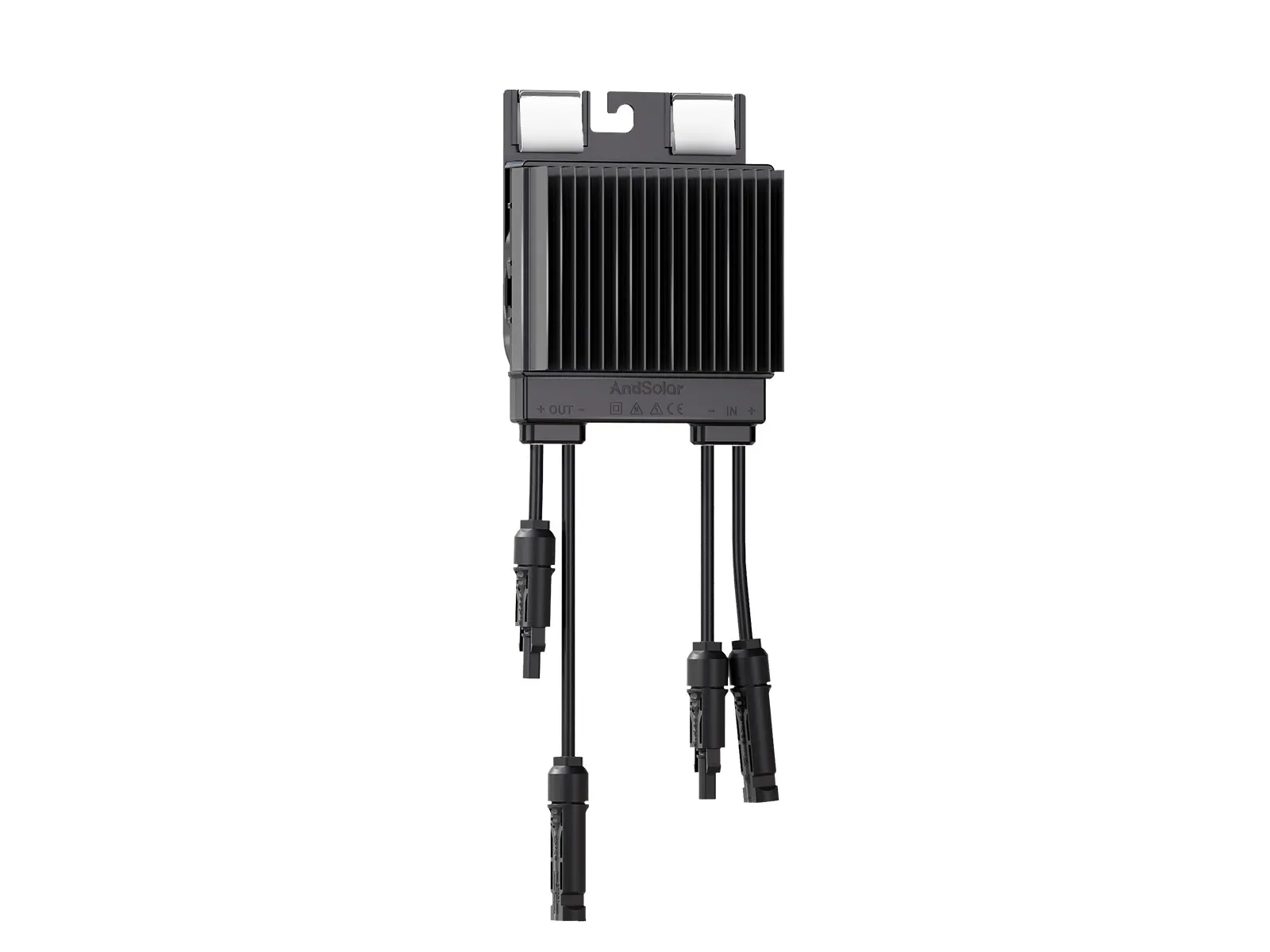
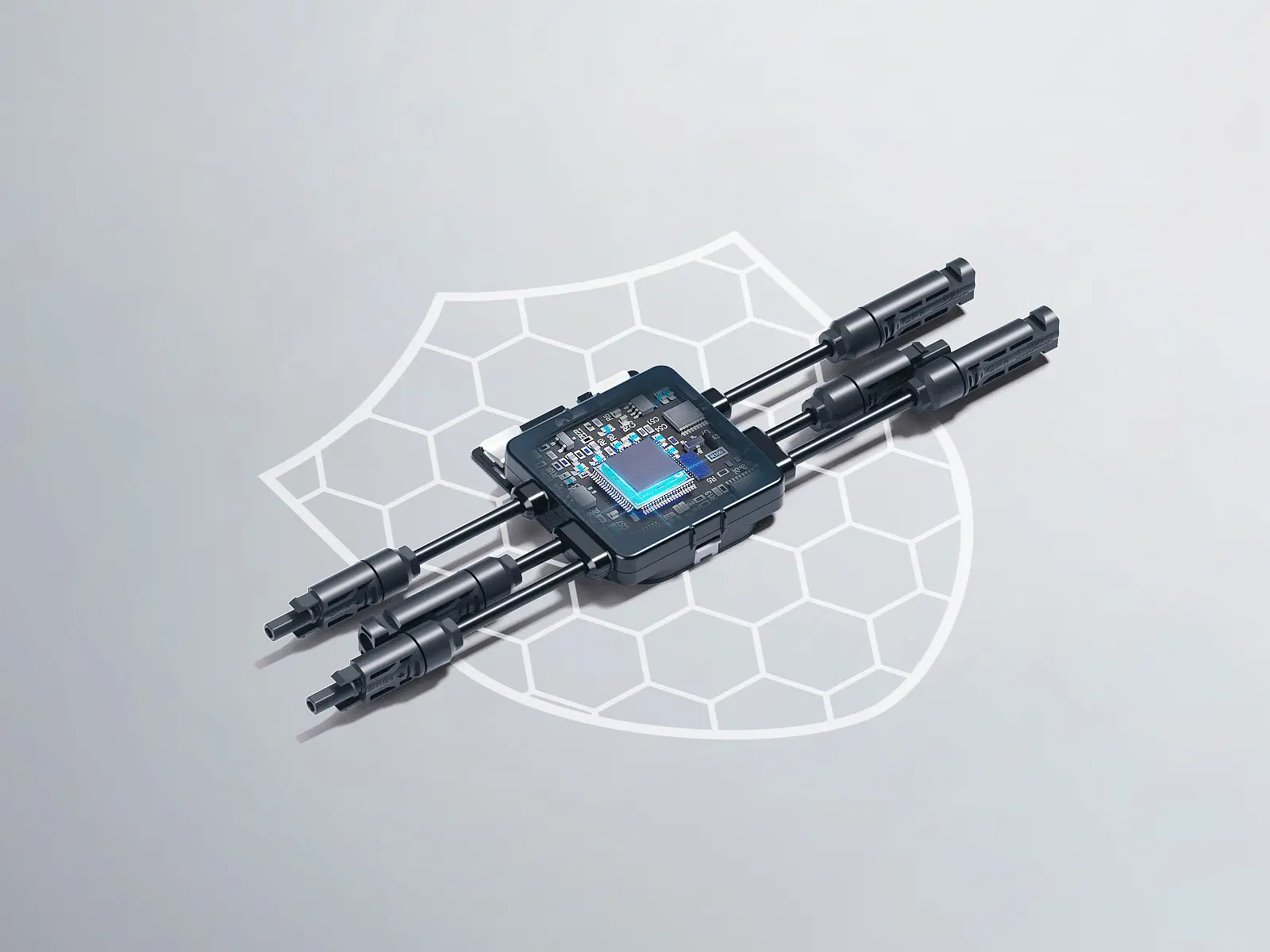
Contemporary photovoltaic systems feature sophisticated grid integration capabilities and smart technology features that optimize energy production, consumption, and storage for maximum economic and environmental benefits. Advanced inverter technology converts direct current electricity generated by photovoltaic panels into high-quality alternating current that seamlessly integrates with existing electrical infrastructure without causing power quality issues or grid instability concerns. Smart monitoring systems provide real-time visibility into photovoltaic system performance, tracking energy production, consumption patterns, and potential maintenance needs through intuitive mobile applications and web-based dashboards accessible from anywhere with internet connectivity. Machine learning algorithms analyze historical performance data and weather forecasting information to predict daily energy production and optimize battery charging schedules in systems equipped with energy storage capabilities. Grid-tie functionality allows photovoltaic installations to automatically synchronize with utility power systems, enabling net metering arrangements that credit system owners for excess electricity fed back into the distribution network during peak production periods. Advanced safety features include rapid shutdown capabilities that immediately de-energize photovoltaic arrays in emergency situations, protecting first responders and maintenance personnel from electrical hazards during service calls or emergency situations. Power optimizers installed at individual panel levels maximize energy harvest from each photovoltaic module while providing detailed performance monitoring that identifies underperforming components before they significantly impact overall system output. Smart inverter functions support grid stability by providing reactive power support, voltage regulation, and frequency response services that help utility companies maintain reliable electricity delivery during periods of high demand or system stress. Integration with home energy management systems enables automated load shifting and demand response participation that can further reduce electricity costs while supporting grid reliability initiatives. Communication protocols built into modern photovoltaic equipment facilitate future system expansions and technology upgrades without requiring complete equipment replacement, protecting long-term investment value while ensuring compatibility with evolving smart grid infrastructure developments.

Get a Free Quote

Our representative will contact you soon.
Name
Email
Phone/ WhatsApp
Company Name
Product Selection
Message
0/1000

photovoltaic

Practical Tips

What Is Rapid Shutdown for Solar PV, and Why Is It Necessary?

16

Jun

What Is Rapid Shutdown for Solar PV, and Why Is It Necessary?

Understanding Rapid Shutdown Technology in Solar PV Systems What is Rapid Shutdown for Solar Panels?Safety behind-the-panel Rapid Shutdown technology serves as a critical last resort in a solar PV system, acting as a protective measure in case o...
View More
Module-level power electronics (MLPE) roles in PV systems

21

Jul

Module-level power electronics (MLPE) roles in PV systems

Enhancing Solar Energy Efficiency Through Module-Level Innovations In the evolution of solar energy systems, the demand for improved efficiency, safety, and monitoring capabilities has driven the emergence of module-level technologies that fundament...
View More
The Comparison Between Module-Level Rapid Shutdown Devices and String-Level Rapid Shutdown Devices

13

Aug

The Comparison Between Module-Level Rapid Shutdown Devices and String-Level Rapid Shutdown Devices

Advancing Solar Safety Through Modern Shutdown Solutions In the evolving solar energy industry, system safety and compliance with regulations are crucial for long-term performance. Rapid shutdown devices have become a standard requirement in many reg...
View More
Global Rapid Shutdown Standards: How AndSolar Meets the Standards

23

Sep

Global Rapid Shutdown Standards: How AndSolar Meets the Standards

Understanding Solar Safety Through Rapid Shutdown Innovation The evolution of solar energy systems has brought unprecedented focus on safety protocols, with rapid shutdown standards emerging as a crucial component in modern solar installations. These...
View More

Get a Free Quote

Our representative will contact you soon.
Name
Email
Phone/ WhatsApp
Company Name
Product Selection
Message
0/1000