Complete PV System Guide: Solar Energy Solutions, Benefits, and Advanced Technology Features

  • 8F, Block B, Building 1, 286 Qinglonggang Road, Suzhou City, Jiangsu Province, P. R. China
  • [email protected]
AndSolar Cloud

PV System

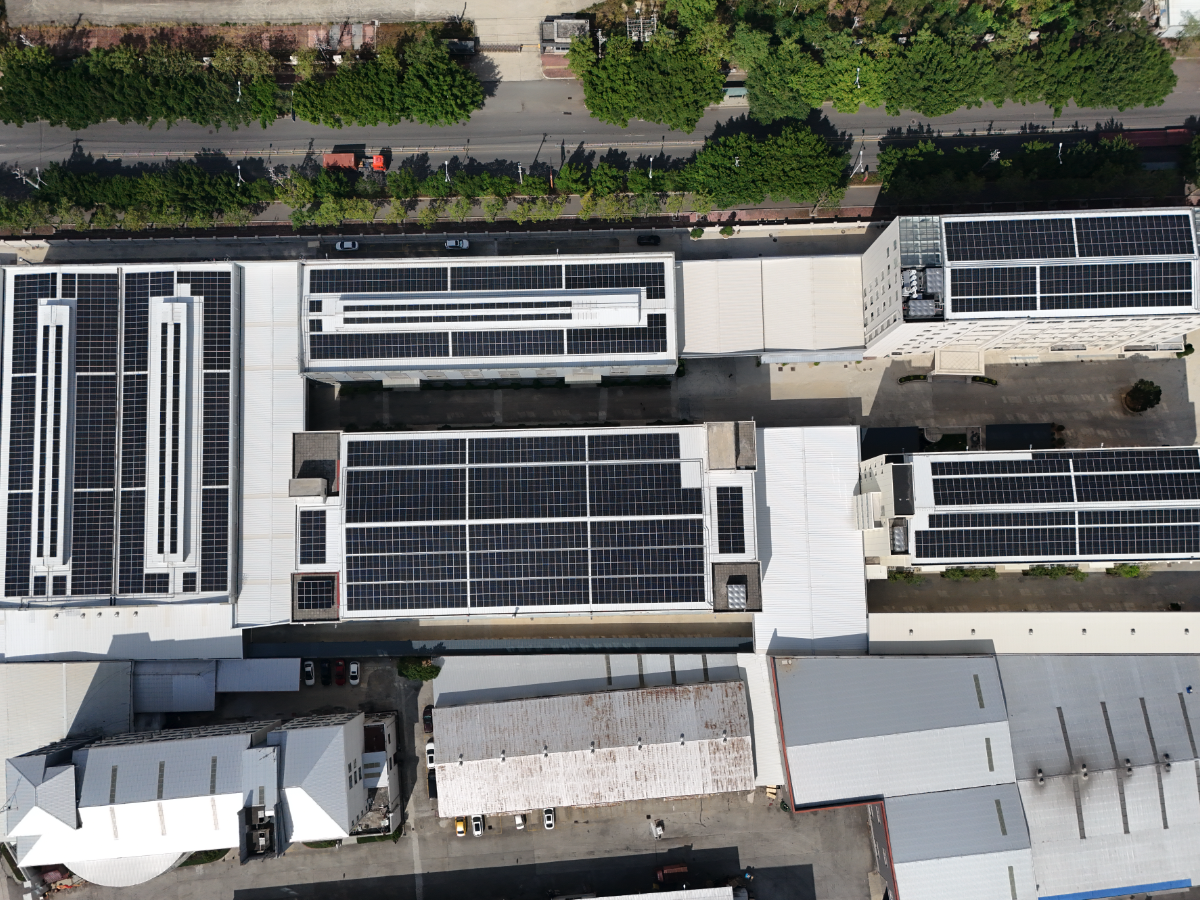
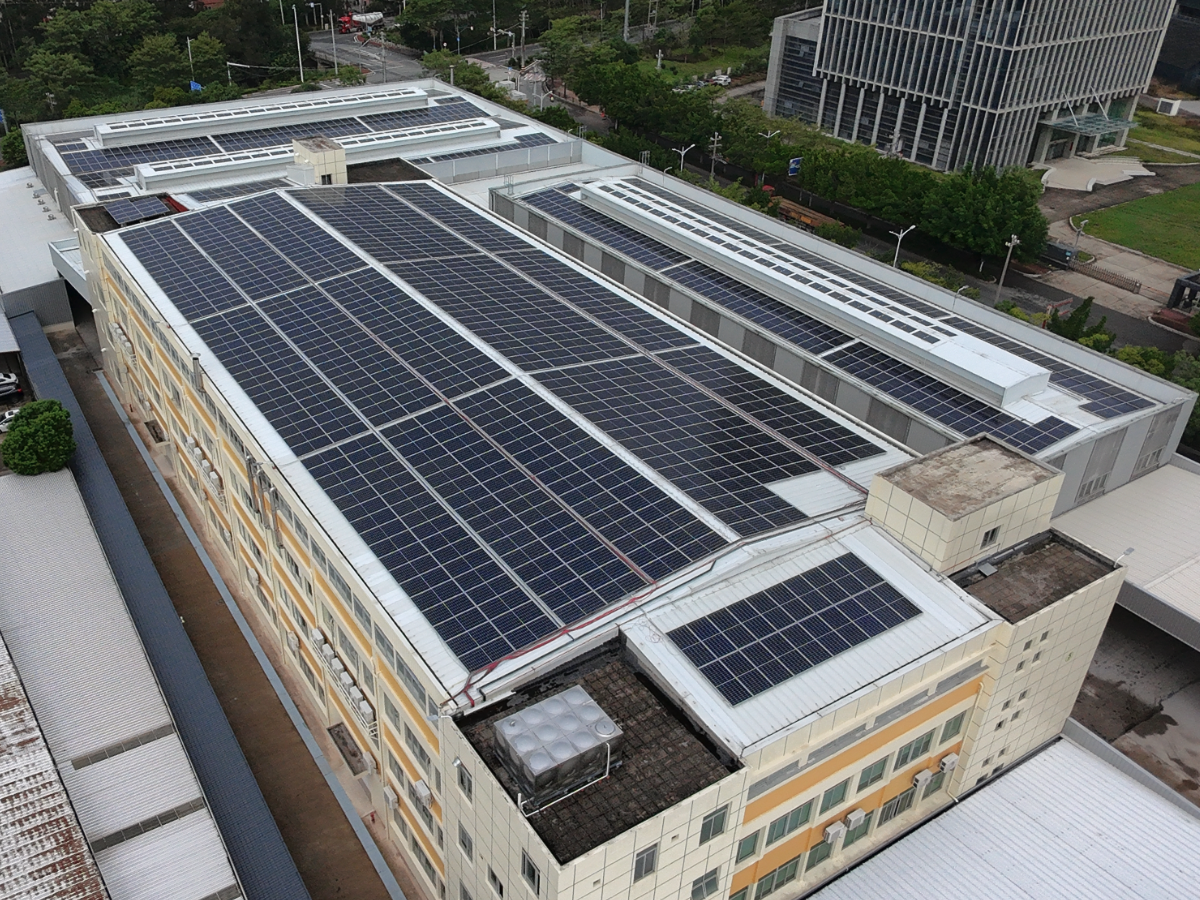
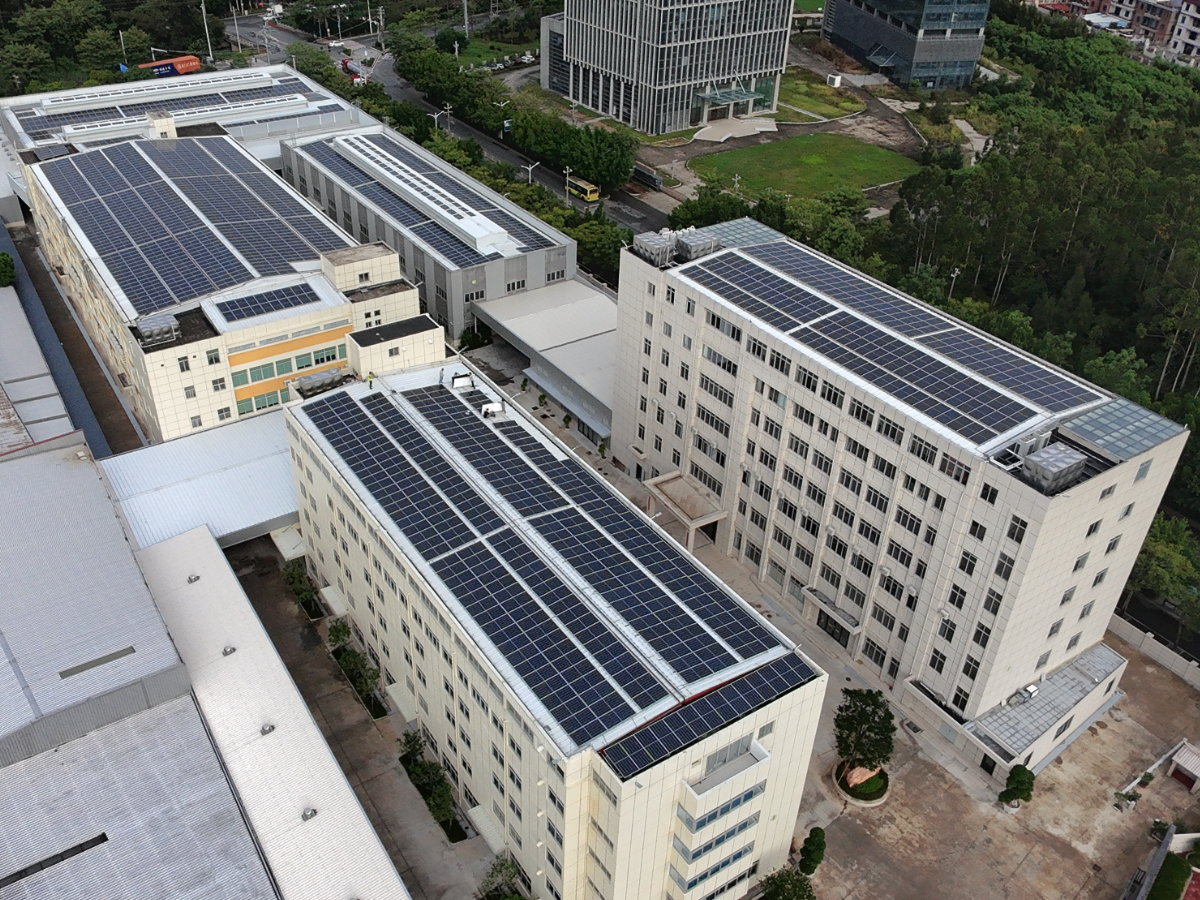
A photovoltaic system, commonly known as a PV system, represents a revolutionary technology that converts sunlight directly into electricity through semiconductor materials. This innovative energy solution harnesses solar radiation using photovoltaic cells, which are typically made from silicon-based materials that exhibit the photovoltaic effect. When photons from sunlight strike these specialized cells, they generate direct current electricity that can be converted into alternating current for immediate use or stored for later consumption. The core components of a PV system include solar panels, inverters, mounting structures, monitoring equipment, and electrical safety devices. Solar panels serve as the primary energy conversion units, while inverters transform the generated direct current into usable alternating current electricity. The mounting system securely positions panels at optimal angles to maximize solar exposure throughout the day. Modern PV systems incorporate advanced monitoring capabilities that track energy production, system performance, and potential maintenance needs in real-time. These systems can be designed for various scales, from small residential rooftop installations to massive utility-scale solar farms spanning hundreds of acres. Grid-tied PV systems connect directly to the electrical grid, allowing excess energy to be fed back into the network, while off-grid systems operate independently with battery storage for continuous power supply. Hybrid systems combine both approaches, providing grid connection with backup battery capabilities. The technological features of contemporary PV systems include maximum power point tracking, anti-islanding protection, remote monitoring capabilities, and smart grid integration. Applications span residential homes, commercial buildings, industrial facilities, agricultural operations, and utility-scale power generation. The versatility of PV system installations allows for ground-mounted, rooftop-mounted, and even floating solar configurations on water bodies.
The implementation of a PV system delivers numerous compelling advantages that make it an attractive investment for property owners and businesses seeking sustainable energy solutions. Financial benefits represent the most immediate advantage, as PV systems dramatically reduce monthly electricity bills by generating free power from sunlight. Property owners typically see significant cost savings within the first year of installation, with many systems paying for themselves within six to ten years through reduced utility expenses. The long-term financial returns continue for decades, as most PV systems maintain productive operation for 25 to 30 years with minimal maintenance requirements. Environmental benefits position PV systems as crucial tools in combating climate change and reducing carbon footprints. These clean energy systems produce electricity without generating harmful emissions, noise pollution, or requiring water for cooling processes. A typical residential PV system prevents thousands of pounds of carbon dioxide emissions annually, equivalent to planting dozens of trees or removing cars from roads for extended periods. Energy independence represents another significant advantage, as PV systems reduce reliance on traditional utility companies and protect against rising electricity costs. Property owners gain greater control over their energy production and consumption, insulating themselves from volatile energy market fluctuations. The reliability of modern PV systems ensures consistent energy generation for decades, supported by comprehensive warranties and proven track records. Technological advancements have made PV systems more efficient, durable, and cost-effective than ever before. Contemporary systems require minimal maintenance beyond occasional cleaning and annual inspections, making them practically maintenance-free investments. The scalability of PV systems allows customization to meet specific energy needs, whether for small residential applications or large commercial installations. Government incentives, tax credits, and rebate programs further enhance the financial attractiveness of PV system investments. Property values typically increase with PV system installations, as buyers increasingly prioritize energy-efficient homes and buildings. The quiet operation of PV systems creates no noise disturbance, unlike traditional generators or mechanical energy systems. Grid-tied PV systems provide additional income opportunities through net metering programs, where excess energy production generates credits or payments from utility companies.

New Product Recommendations

Exceptional Return on Investment and Long-Term Savings

Exceptional Return on Investment and Long-Term Savings

The financial performance of a PV system stands as one of its most compelling features, delivering exceptional return on investment that continues generating value for decades. Property owners who invest in PV systems typically experience immediate reductions in electricity bills, often seeing decreases of 70% to 90% in their monthly energy costs. This dramatic cost reduction translates into thousands of dollars in annual savings, making the PV system investment one of the most profitable home improvements available today. The payback period for most PV systems ranges from six to ten years, depending on local electricity rates, available incentives, and system size. After this initial payback period, the PV system continues producing free electricity for an additional 15 to 20 years, representing pure profit for the property owner. Conservative estimates suggest that a typical residential PV system can generate $20,000 to $50,000 in total savings over its operational lifetime, while commercial installations can yield savings in the hundreds of thousands or millions of dollars. The predictable nature of solar energy production allows property owners to accurately forecast their energy costs and budget with confidence, eliminating the uncertainty associated with fluctuating utility rates. Federal tax credits currently provide 30% of system costs as direct tax savings, while many states and local governments offer additional rebates and incentives. These financial incentives can reduce the initial investment by 40% to 60%, accelerating the payback period and increasing overall returns. Net metering programs in most regions allow PV system owners to sell excess electricity back to the grid, creating an additional revenue stream that further enhances investment returns. The durability and longevity of PV systems ensure that these financial benefits continue for decades with minimal ongoing costs, as most systems require only basic maintenance and carry comprehensive warranties protecting the investment.
Environmental Impact and Sustainability Leadership

Environmental Impact and Sustainability Leadership

Installing a PV system represents one of the most impactful environmental decisions property owners can make, delivering substantial reductions in carbon emissions and contributing to global sustainability efforts. A typical residential PV system prevents approximately 3,000 to 4,000 pounds of carbon dioxide emissions annually, equivalent to planting 150 to 200 trees or driving 3,000 fewer miles per year. Over its operational lifetime, a single PV system can prevent 80,000 to 100,000 pounds of carbon dioxide from entering the atmosphere, making it one of the most effective personal actions individuals can take to combat climate change. The clean energy production of PV systems eliminates the need for fossil fuel-based electricity generation, reducing dependence on coal, natural gas, and oil-fired power plants that contribute to air pollution and greenhouse gas emissions. Unlike traditional energy sources, PV systems produce electricity without consuming water resources, making them particularly valuable in drought-prone regions where water conservation is critical. The silent operation of PV systems creates no noise pollution, preserving the peaceful environment of residential neighborhoods and commercial areas. Manufacturing processes for modern PV systems have become increasingly sustainable, with many manufacturers using recycled materials and implementing carbon-neutral production facilities. The energy payback time for contemporary PV systems has decreased to just two to four years, meaning the system generates more clean energy than was required for its manufacturing and installation within this short timeframe. Recycling programs for end-of-life PV systems ensure that materials can be recovered and reused, creating a circular economy approach to solar energy technology. Property owners who install PV systems often become environmental advocates in their communities, inspiring neighbors and businesses to adopt similar sustainable practices. The visible demonstration of renewable energy commitment enhances corporate social responsibility profiles for businesses and contributes to LEED certification points for green building programs.
Advanced Technology and Smart Energy Management

Advanced Technology and Smart Energy Management

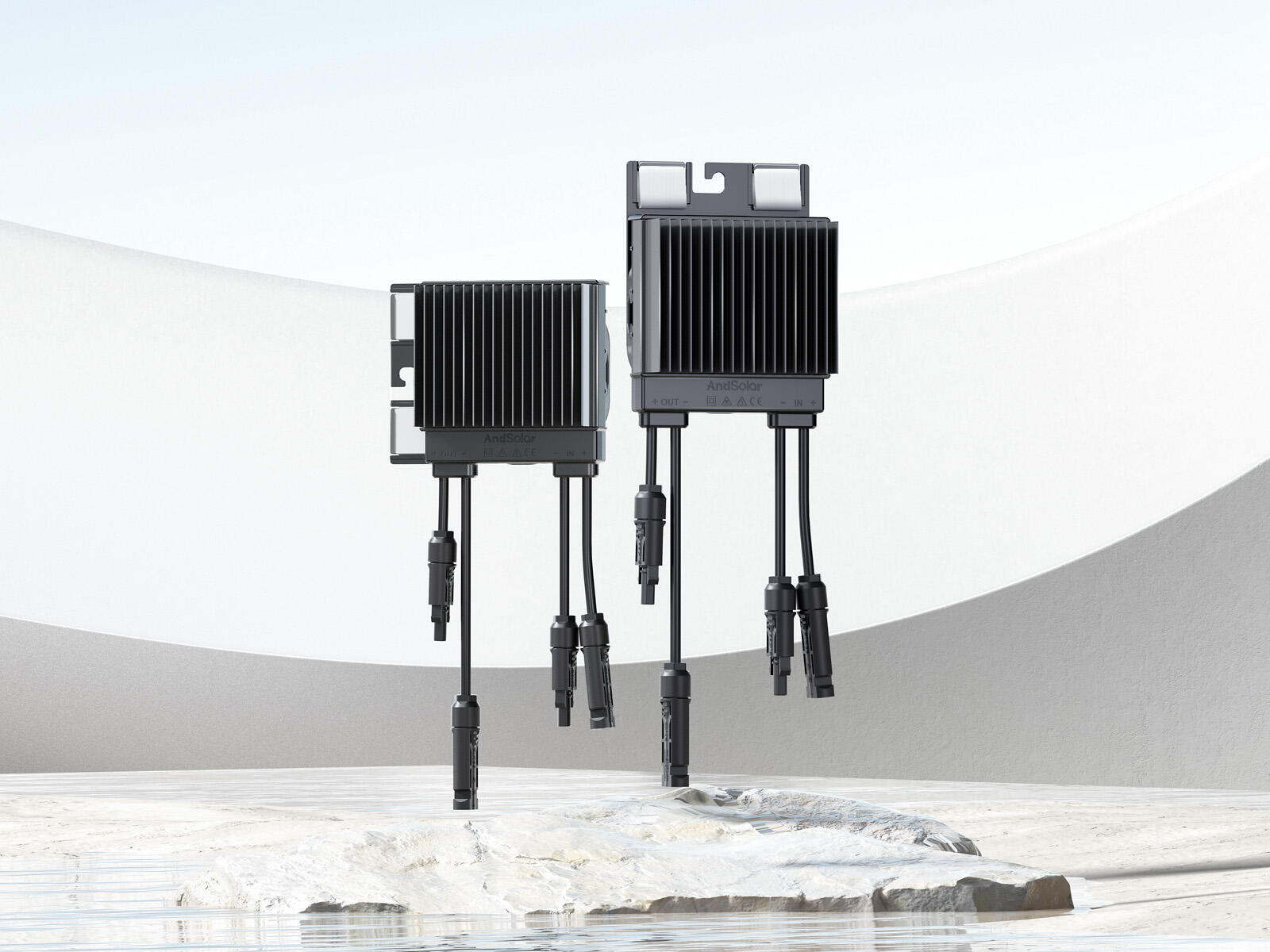
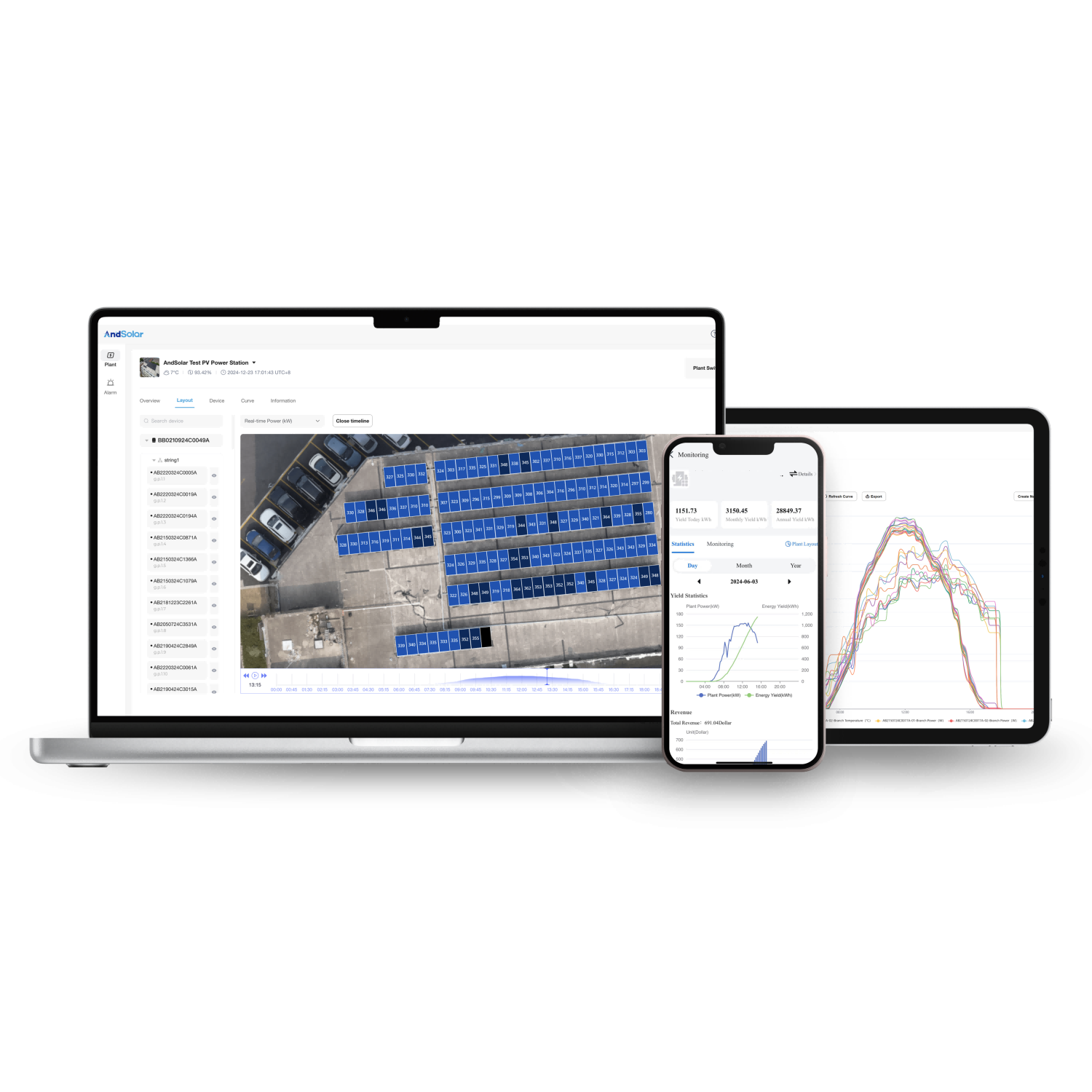
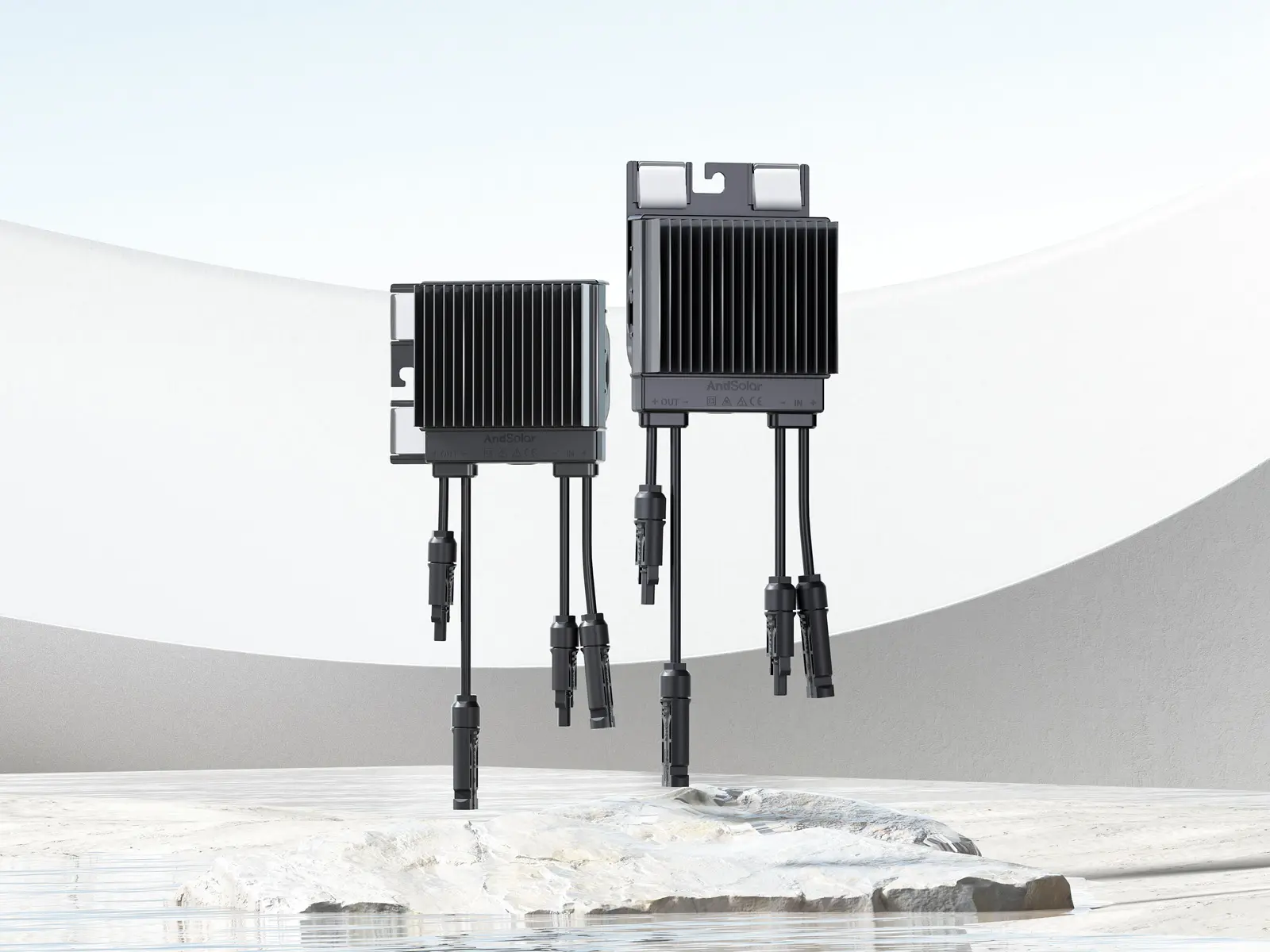
Modern PV systems incorporate cutting-edge technology that maximizes energy production while providing intelligent monitoring and management capabilities. Advanced photovoltaic cells utilize multi-layer silicon technology and anti-reflective coatings to capture more sunlight and convert it into electricity with efficiency rates exceeding 20% for standard panels and up to 26% for premium models. Maximum Power Point Tracking technology automatically adjusts system operation to extract the highest possible energy output under varying weather conditions, ensuring optimal performance throughout the day and across seasons. Smart inverters equipped with grid-support functions enhance electrical grid stability while providing real-time system monitoring and remote diagnostic capabilities. Integrated monitoring systems allow property owners to track energy production, consumption patterns, and system performance through user-friendly mobile applications and web portals. These monitoring platforms provide detailed analytics including hourly production data, weather correlations, and predictive maintenance alerts that help optimize system performance and identify potential issues before they impact energy generation. Microinverter and power optimizer technologies enable panel-level monitoring and optimization, ensuring that shading or maintenance issues with individual panels do not significantly impact overall system performance. Advanced mounting systems incorporate wind-load calculations and seismic considerations to ensure long-term structural integrity and safety. Battery storage integration capabilities allow PV systems to provide backup power during outages while storing excess energy for use during evening hours or cloudy periods. Smart energy management systems can automatically prioritize critical loads during battery operation and optimize energy usage patterns to maximize self-consumption of solar-generated electricity. Grid-interactive features enable PV systems to participate in demand response programs and virtual power plants, creating additional revenue opportunities while supporting grid reliability. Artificial intelligence and machine learning algorithms increasingly optimize PV system performance by predicting weather patterns, adjusting system parameters, and scheduling maintenance activities to minimize energy production interruptions.

Get a Free Quote

Our representative will contact you soon.
Name
Email
Phone/ WhatsApp
Company Name
Product Selection
Message
0/1000

PV System

Tips And Tricks

How Does Rapid Shutdown Enhance Safety?

16

Jun

How Does Rapid Shutdown Enhance Safety?

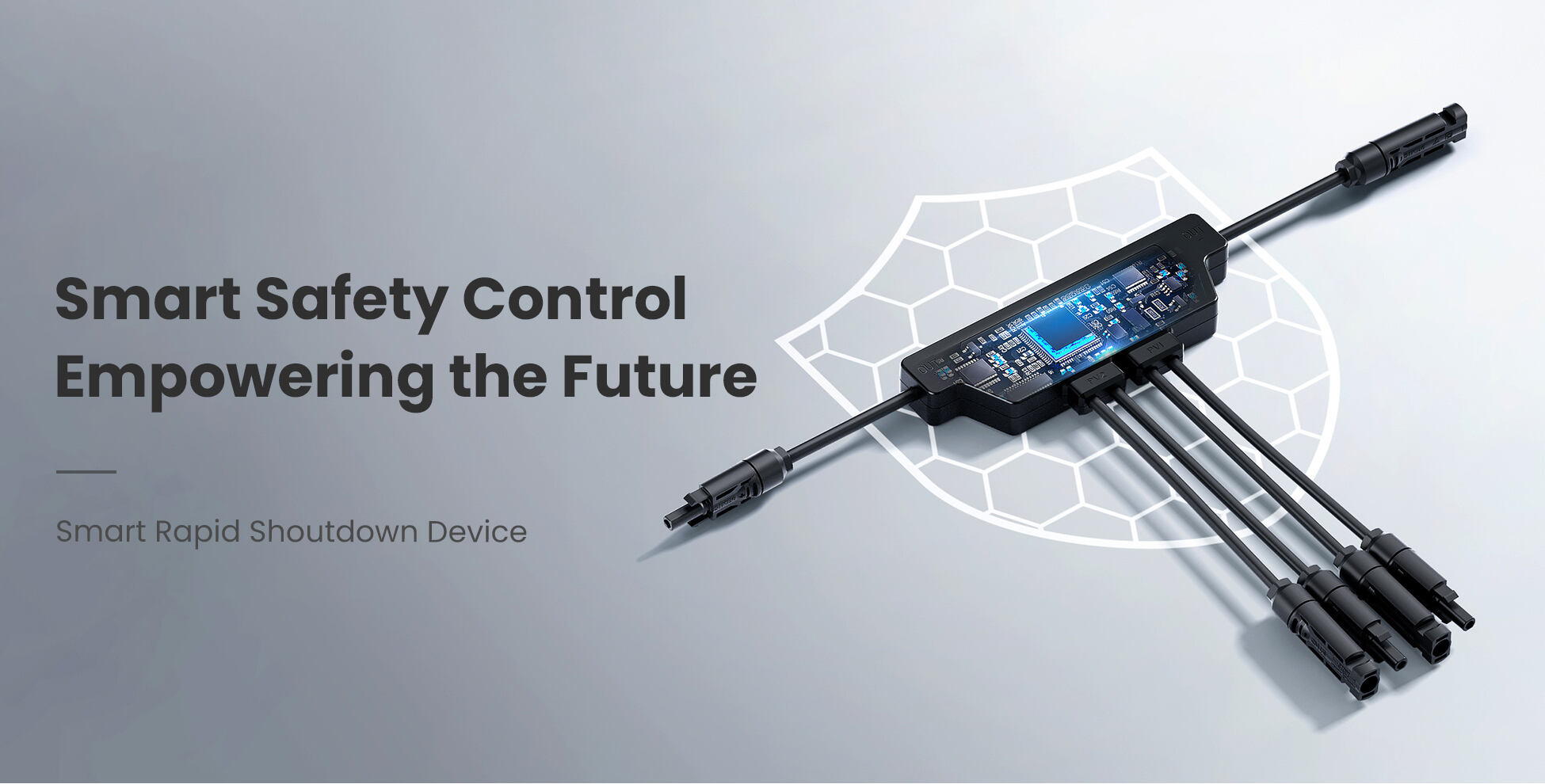
Understanding Rapid Shutdown in Solar Systems The Role of Rapid Shutdown Devices Rapid shutdown devices (RSD) are essential components of modern solar photovoltaic (PV) systems. Their primary purpose is to enhance safety by swiftly disconnecting pow...
View More
How Much Will the Optimizer Improve My Power Generation?

11

Aug

How Much Will the Optimizer Improve My Power Generation?

Unlocking Higher Energy Yields Through Advanced Optimization The evolution of solar technology has shifted the conversation from simply installing panels to maximizing their potential. Today, system owners are looking for ways to extract every possib...
View More
How Smart Solar Optimizer Reduces Energy Loss

17

Sep

How Smart Solar Optimizer Reduces Energy Loss

Revolutionizing Solar Energy Efficiency Through Advanced Optimization The solar energy industry has witnessed remarkable transformations, with smart solar optimizers emerging as game-changing technology. These innovative devices are revolutionizing h...
View More
Global Rapid Shutdown Standards: How AndSolar Meets the Standards

23

Sep

Global Rapid Shutdown Standards: How AndSolar Meets the Standards

Understanding Solar Safety Through Rapid Shutdown Innovation The evolution of solar energy systems has brought unprecedented focus on safety protocols, with rapid shutdown standards emerging as a crucial component in modern solar installations. These...
View More

Get a Free Quote

Our representative will contact you soon.
Name
Email
Phone/ WhatsApp
Company Name
Product Selection
Message
0/1000