rapid shutdown device compatibility
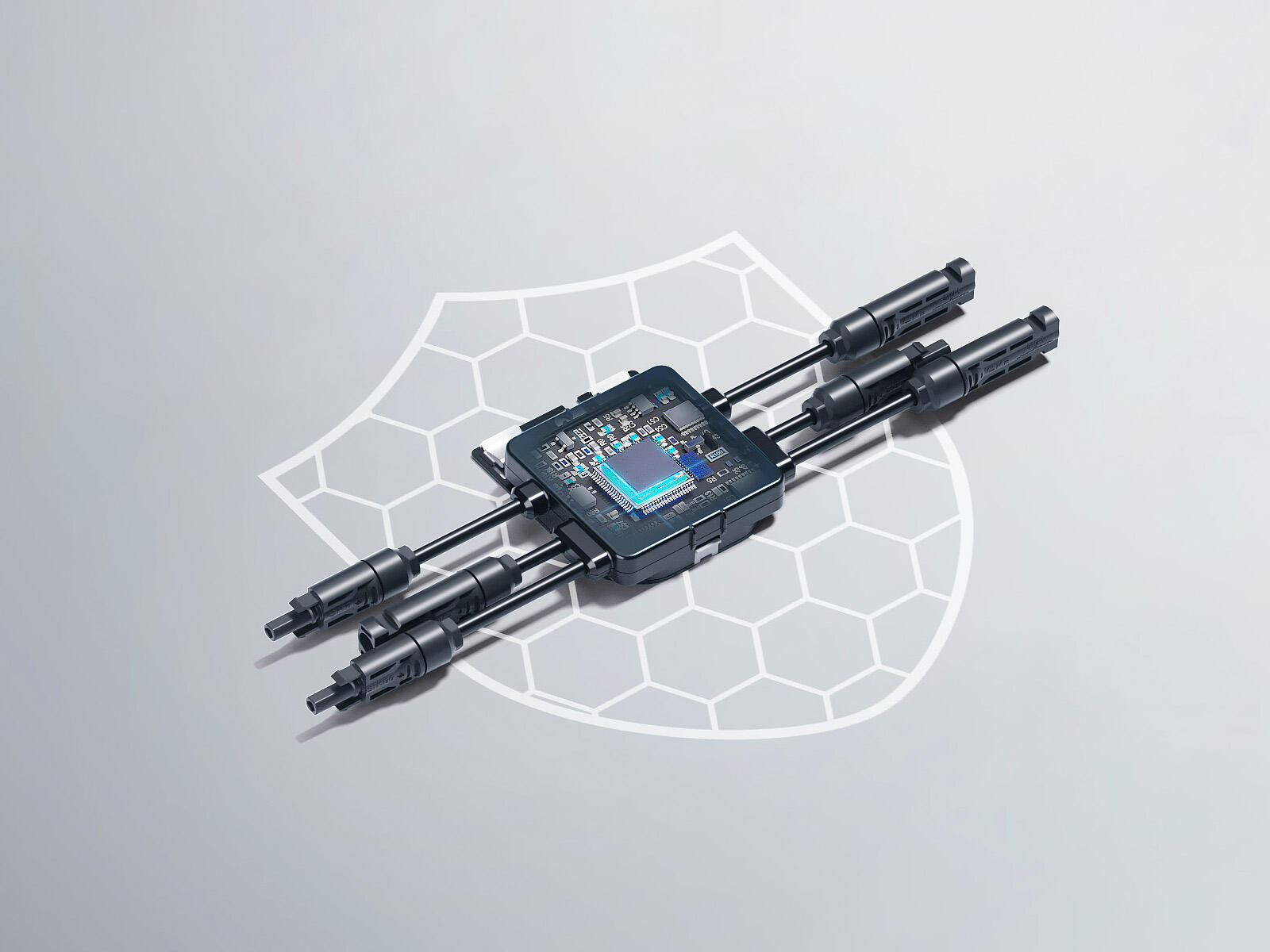
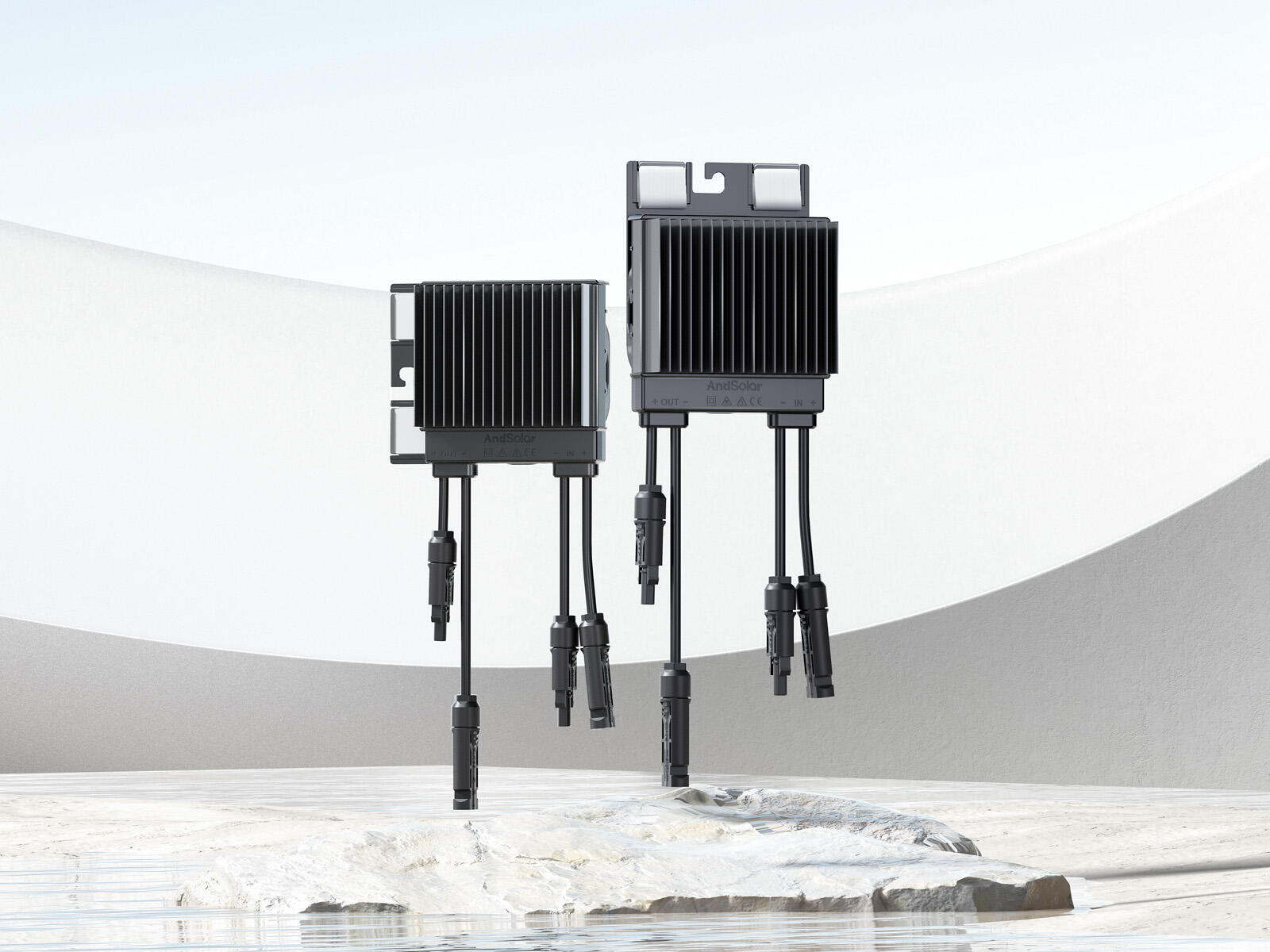
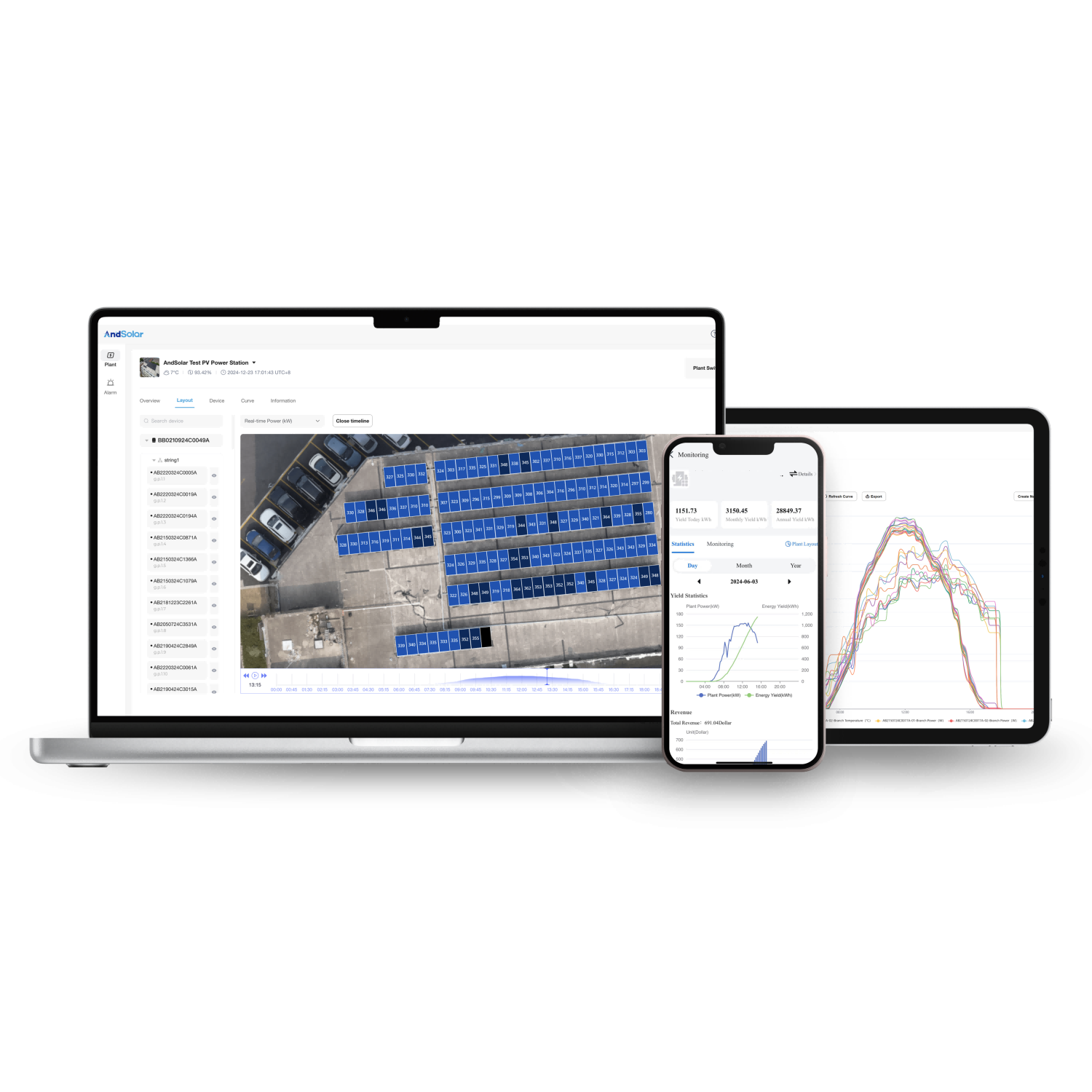
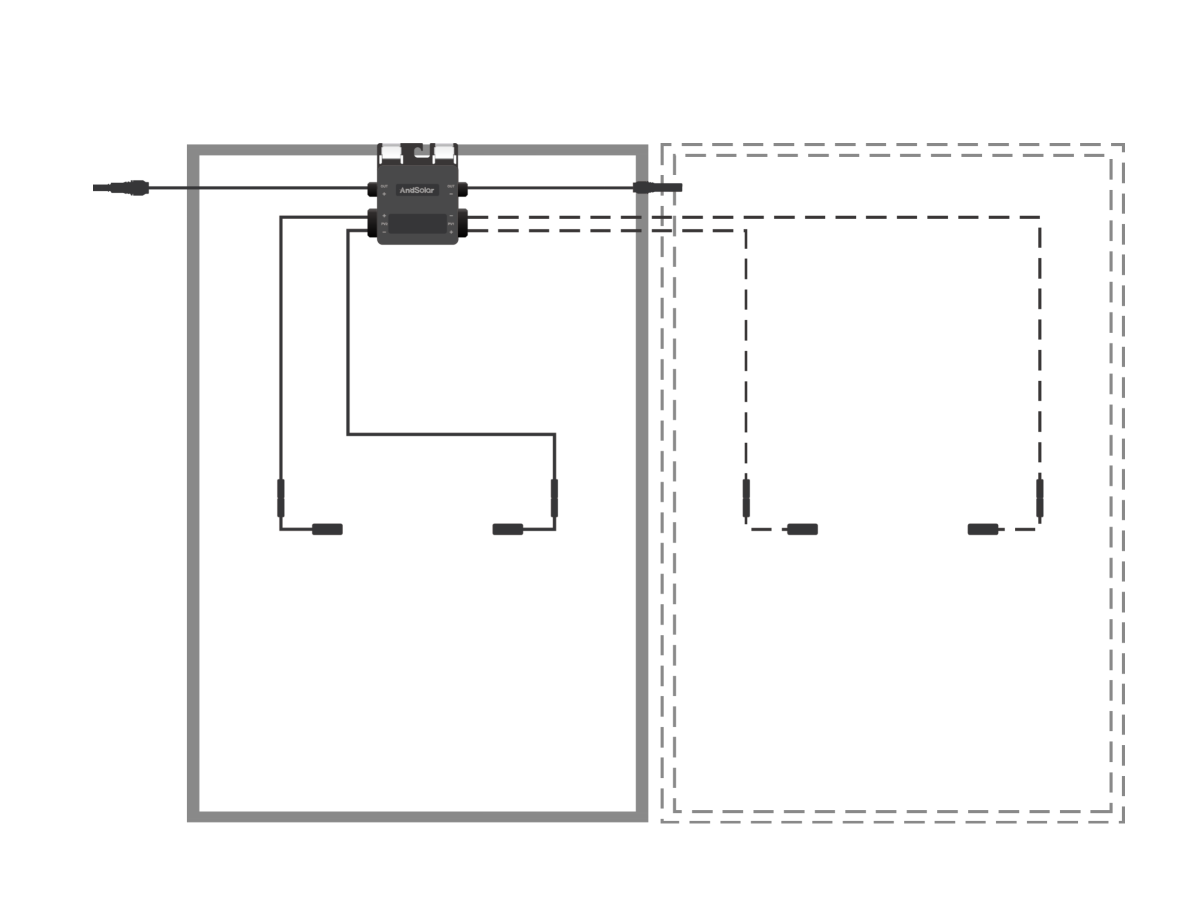
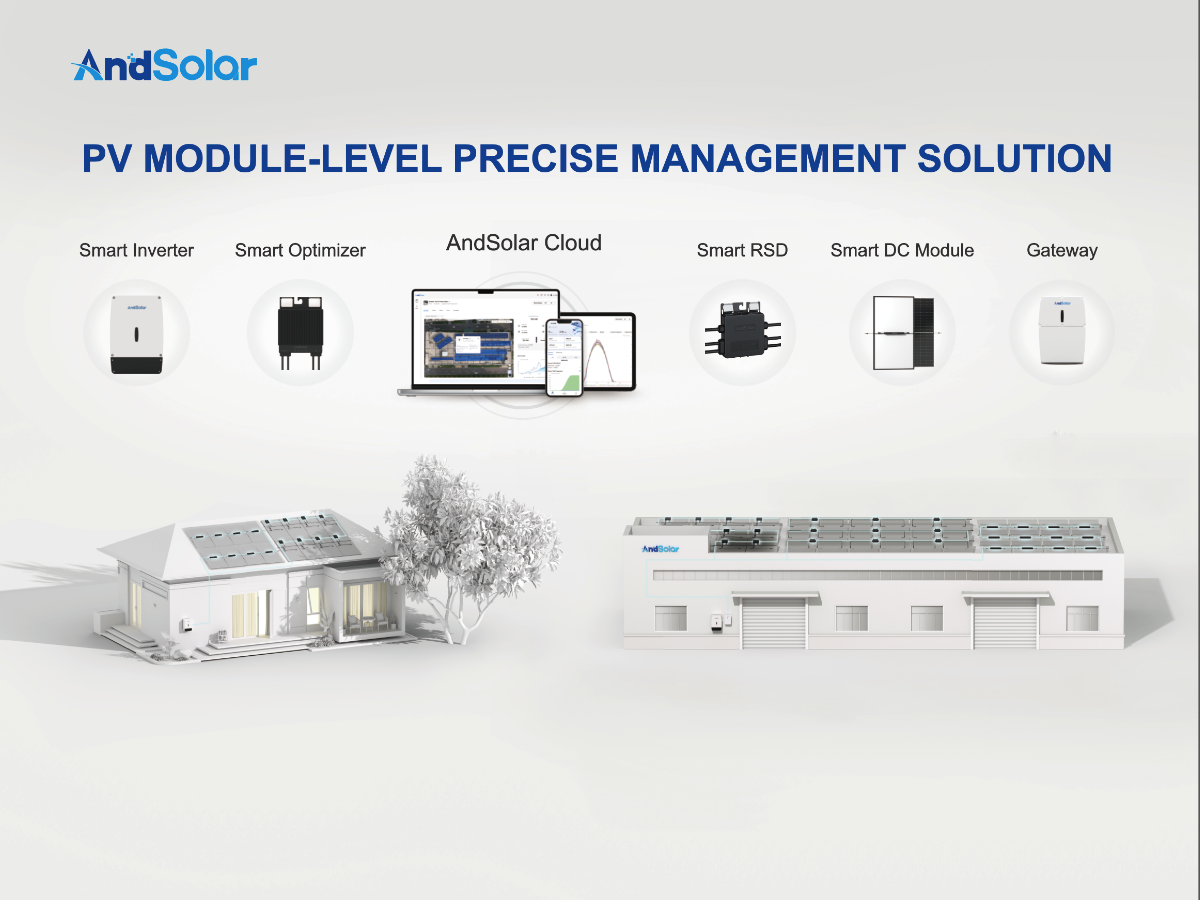
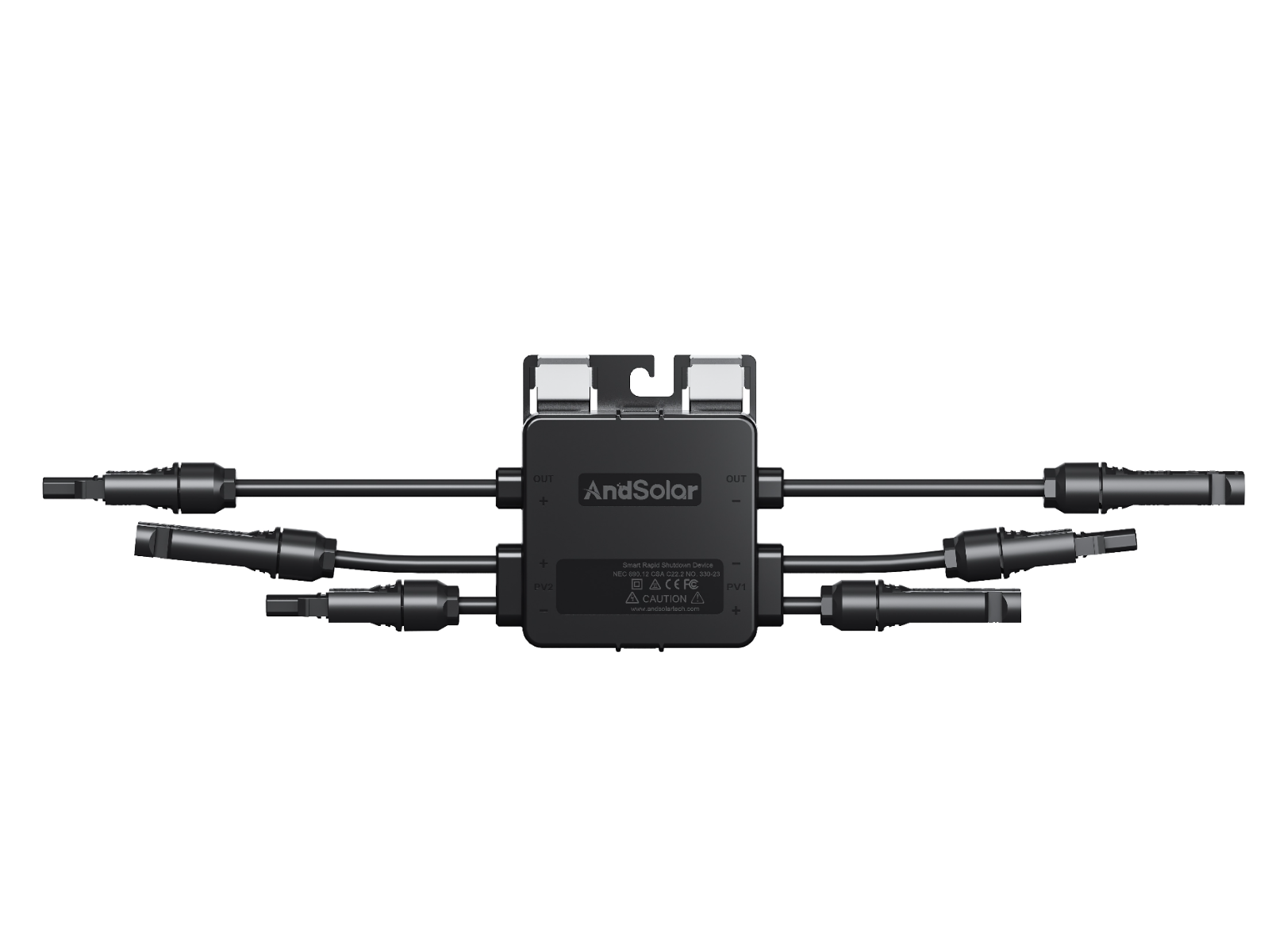
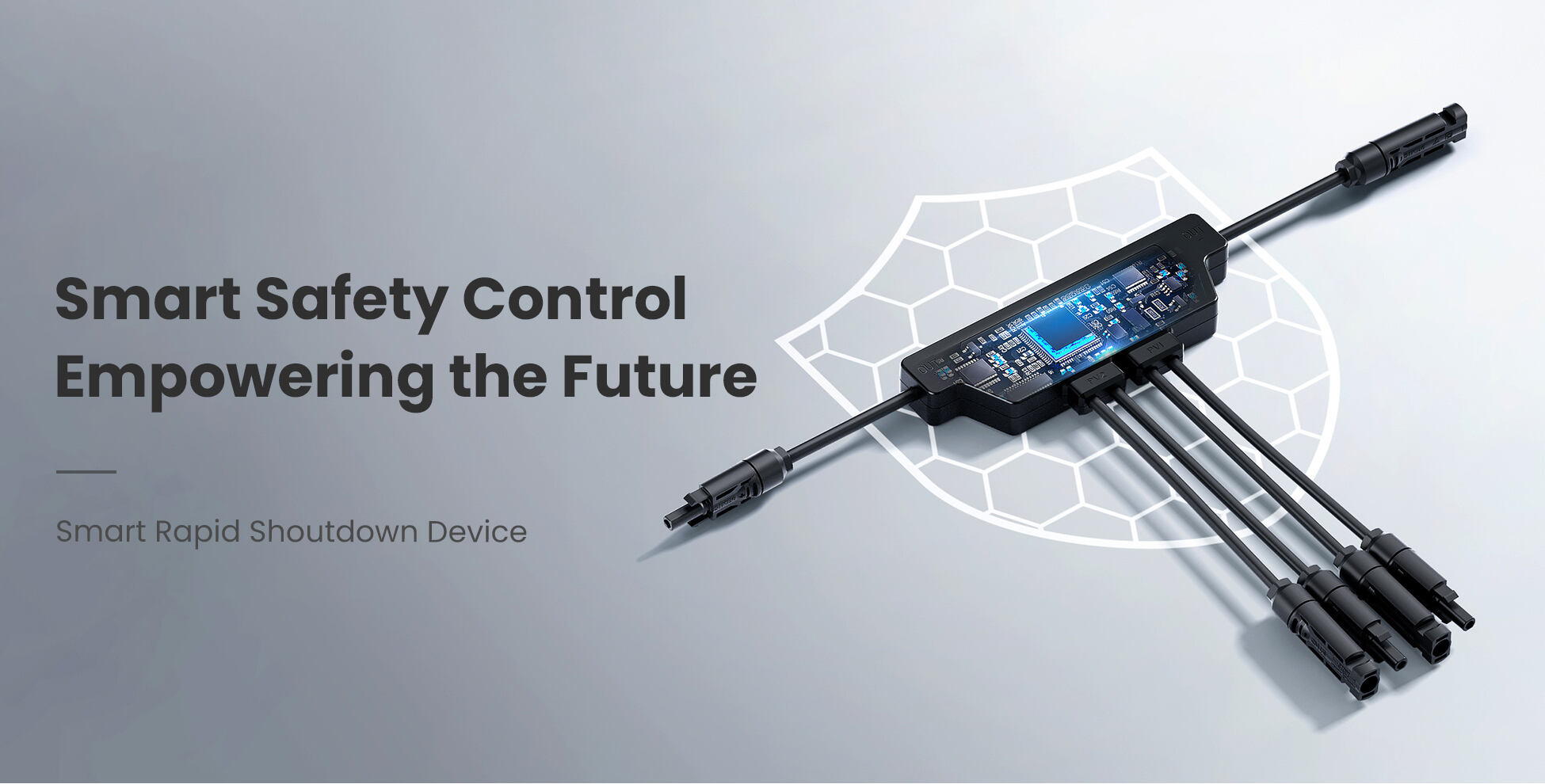
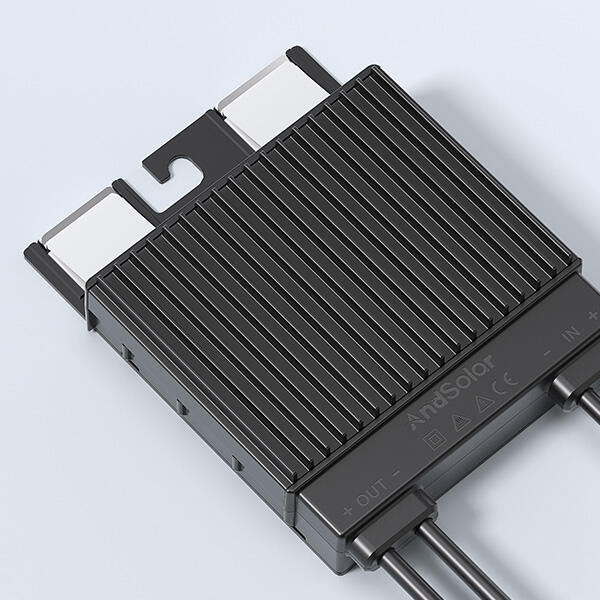
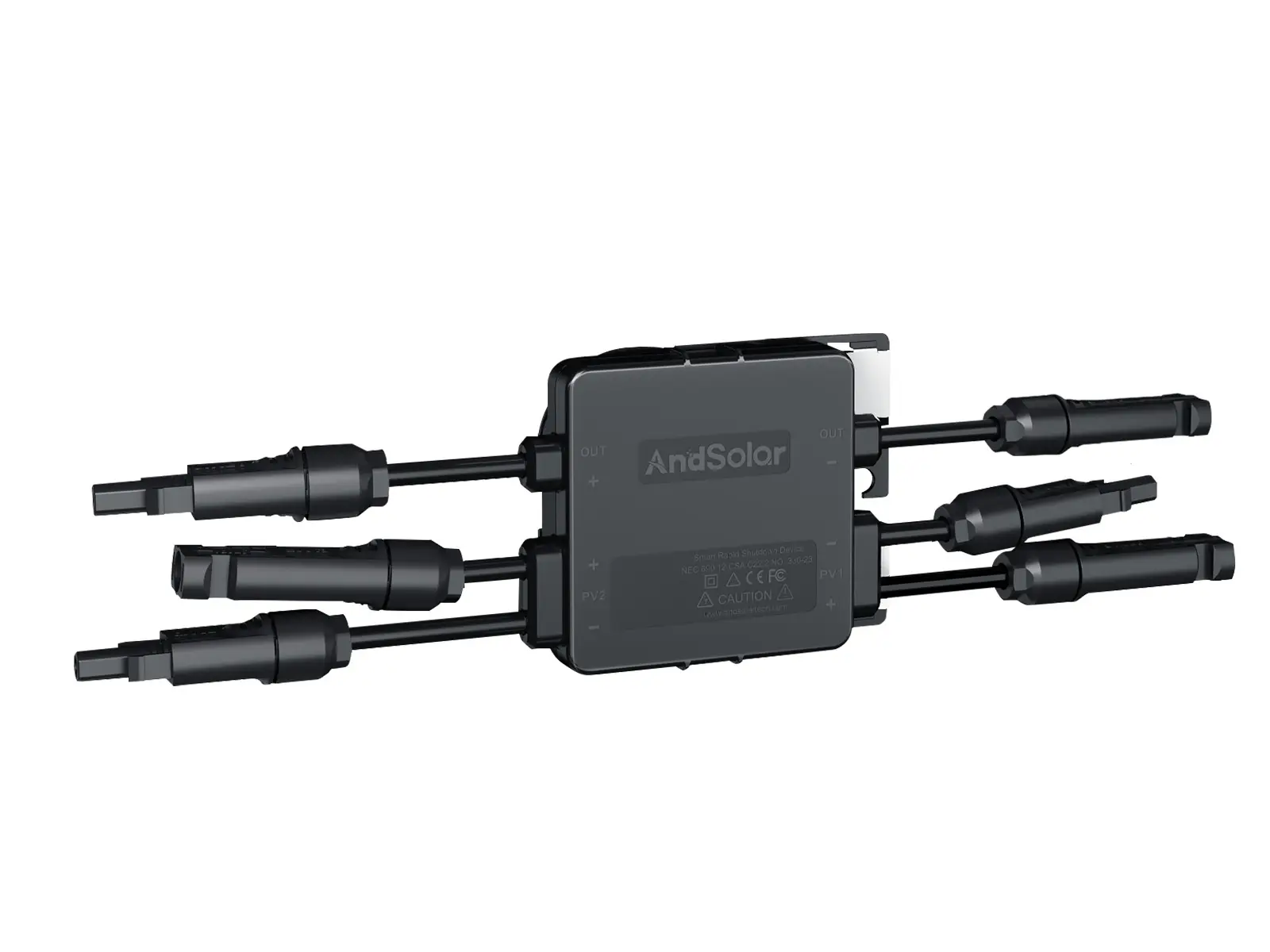
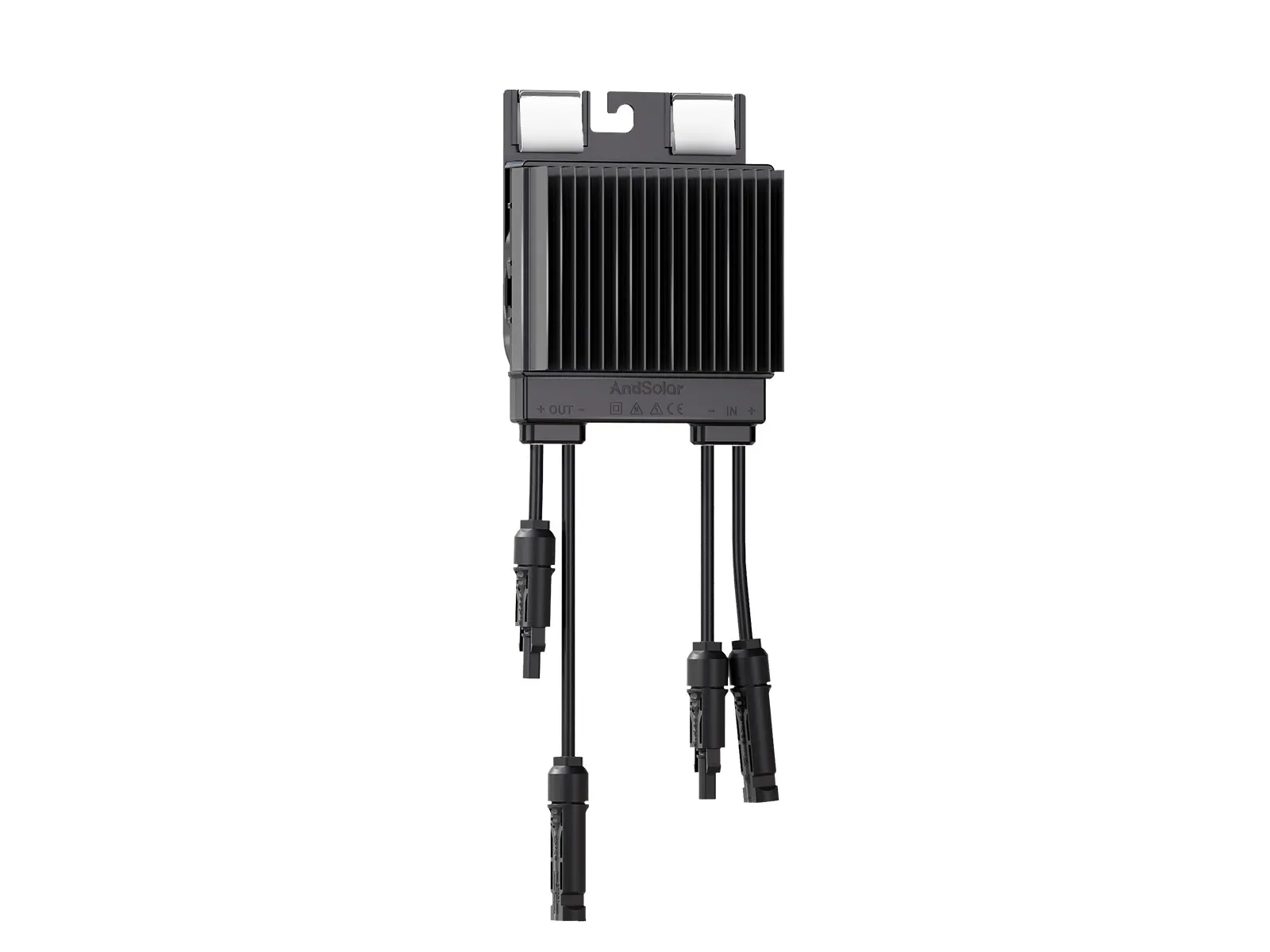
Rapid shutdown device compatibility represents a critical safety technology in modern solar energy systems, designed to enhance installer and first responder safety while maintaining optimal system performance. This compatibility framework ensures seamless integration between rapid shutdown devices and various photovoltaic system components, creating a unified safety protocol that meets stringent regulatory requirements. The primary function of rapid shutdown device compatibility centers on enabling immediate power reduction at the module level when emergency situations arise, effectively minimizing electrical hazards during maintenance, firefighting, or emergency response scenarios. The technology operates through sophisticated communication protocols that allow rapid shutdown devices to interface with inverters, power optimizers, and monitoring systems without compromising overall system functionality. Modern rapid shutdown device compatibility incorporates advanced microprocessor-controlled circuits that respond within seconds to shutdown commands, ensuring compliance with NEC 690.12 requirements while maintaining backward compatibility with existing installations. The technological features include wireless and powerline communication capabilities, allowing for remote activation and monitoring of shutdown procedures across entire solar arrays. These devices integrate multiple safety mechanisms including arc fault detection, ground fault protection, and overvoltage safeguards, all while maintaining compatibility with diverse manufacturer ecosystems. Applications span residential rooftop installations, commercial solar projects, and utility-scale developments where rapid shutdown device compatibility ensures consistent safety standards regardless of system size or complexity. The compatibility framework supports various mounting configurations, from traditional rack-mounted systems to innovative building-integrated photovoltaic installations, providing flexibility for different architectural requirements. Installation professionals benefit from standardized connection protocols that simplify deployment while ensuring reliable operation across different environmental conditions and system configurations, making rapid shutdown device compatibility an essential consideration for comprehensive solar safety management.