rapid shutdown for rooftop projects
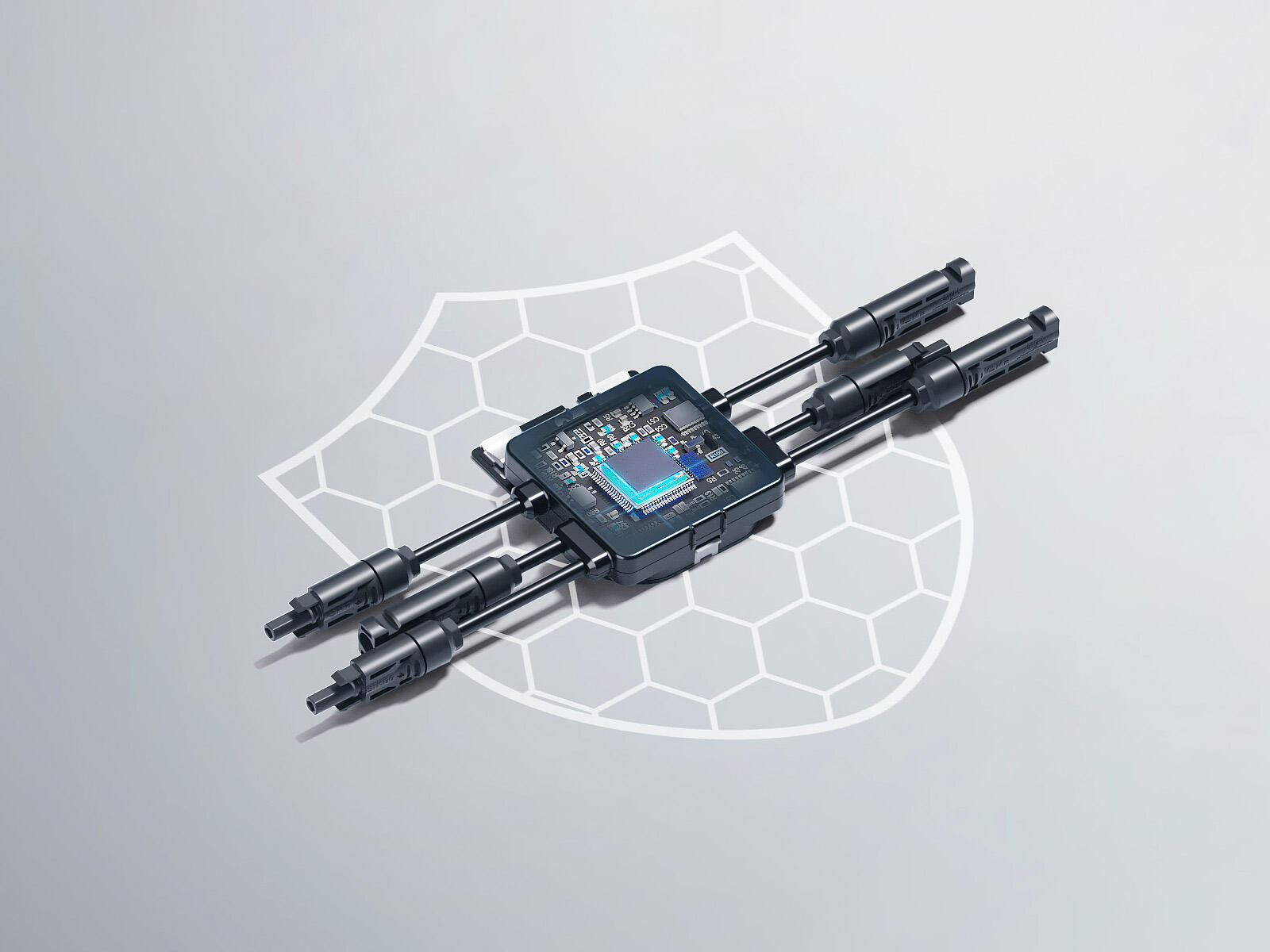
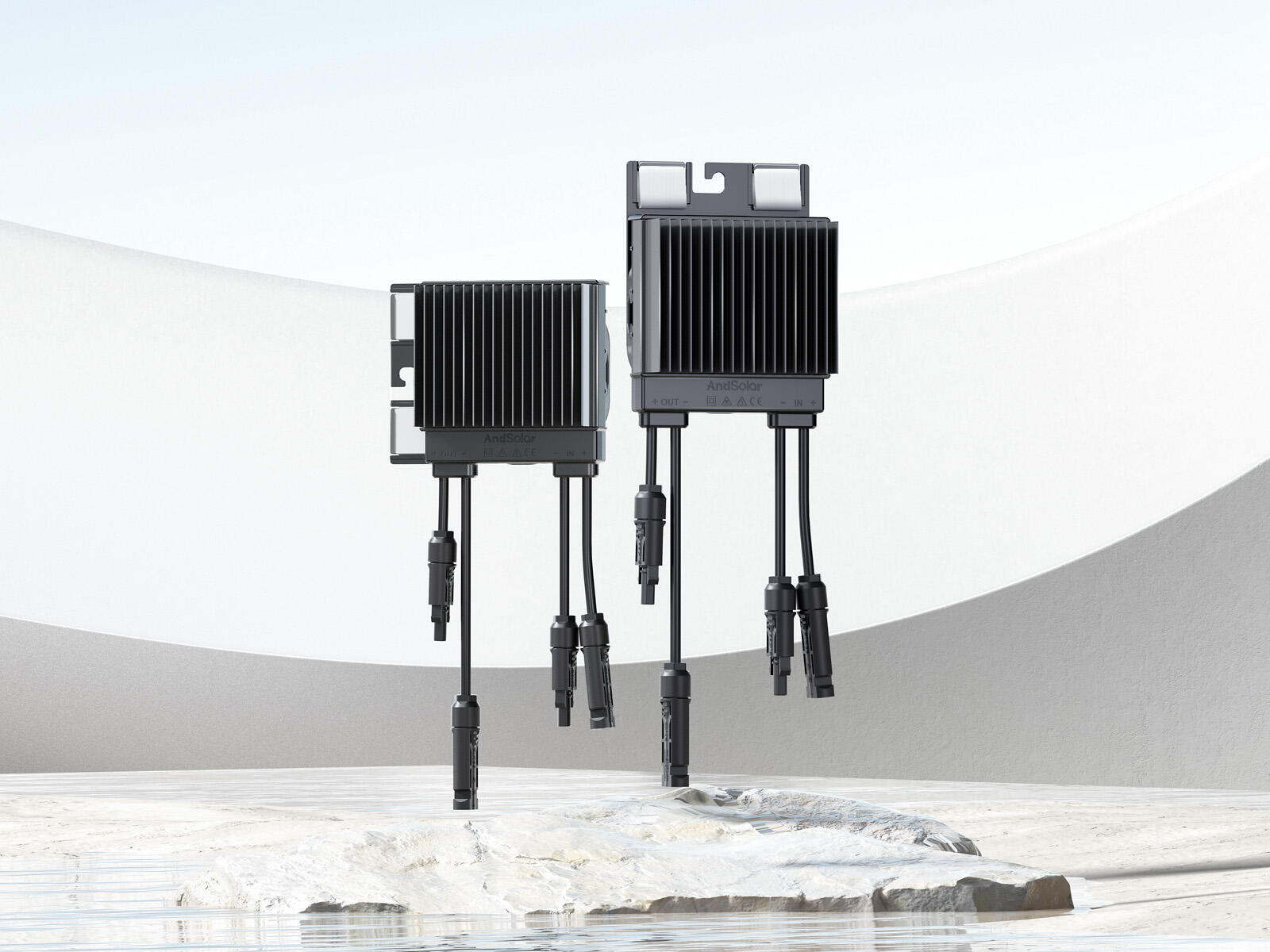
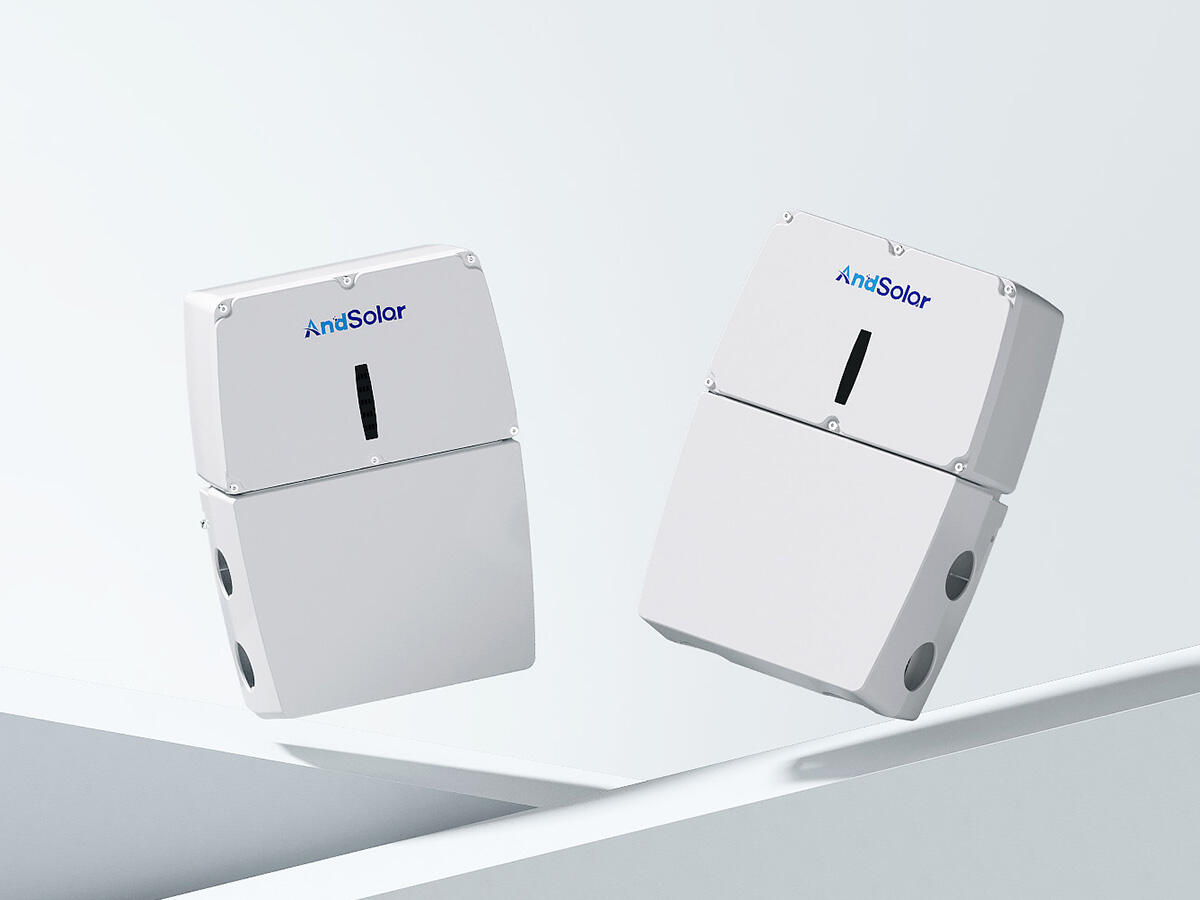
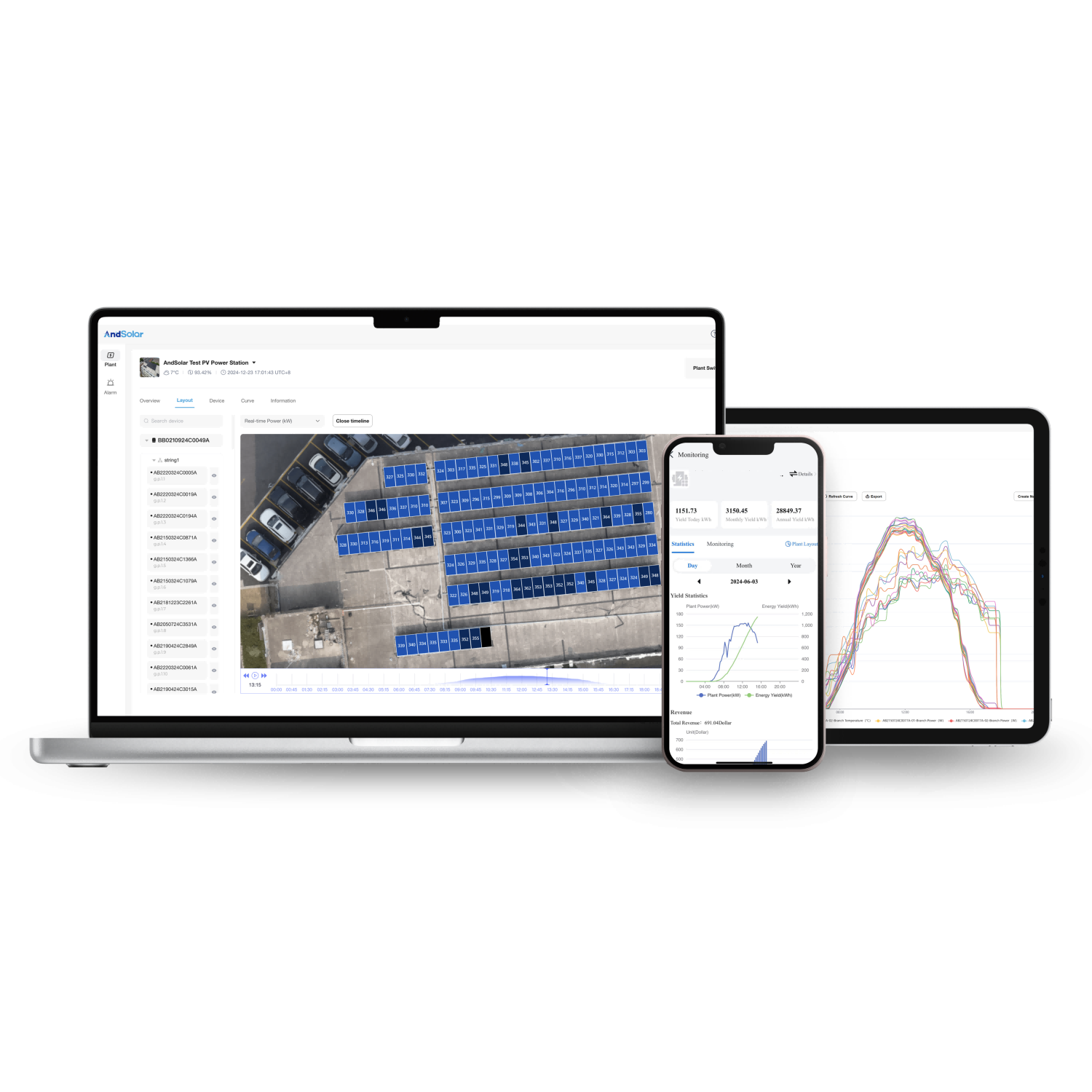
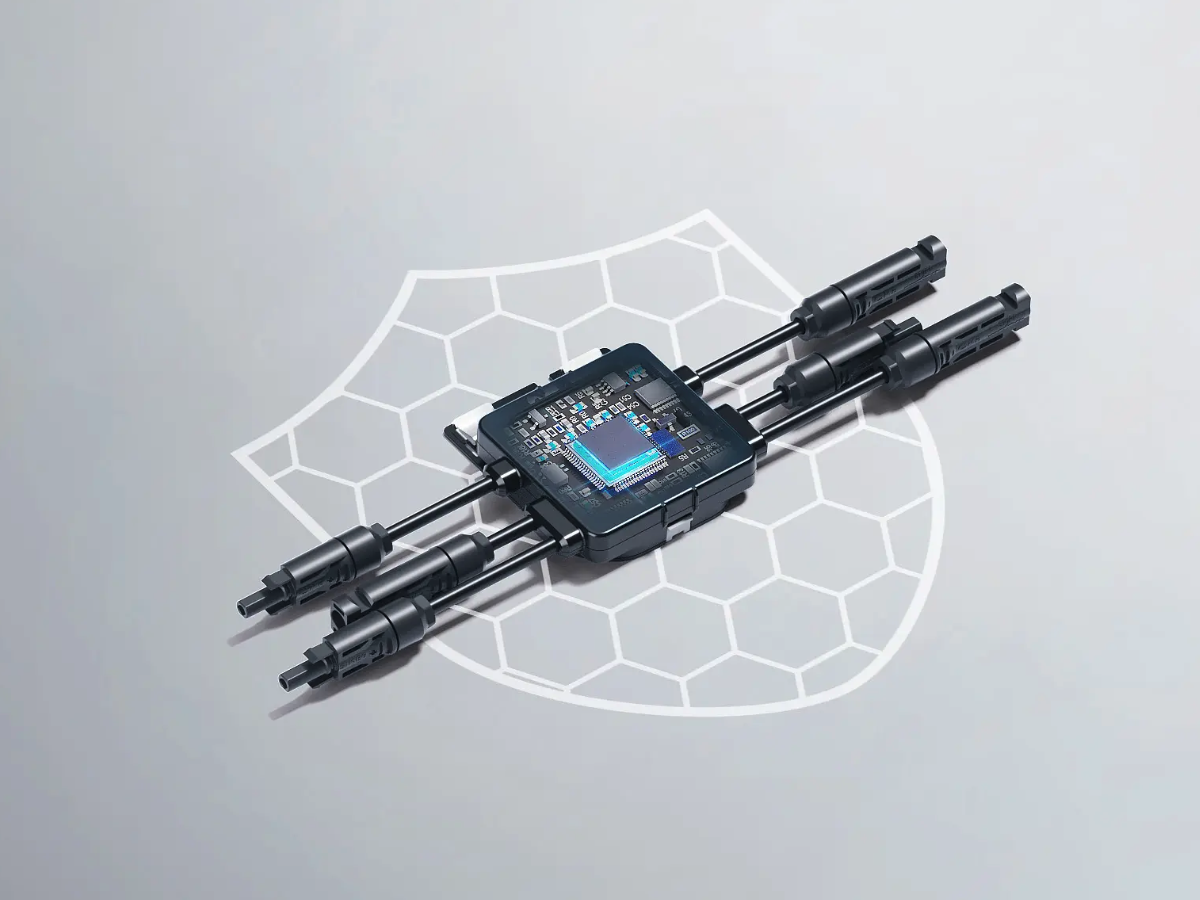
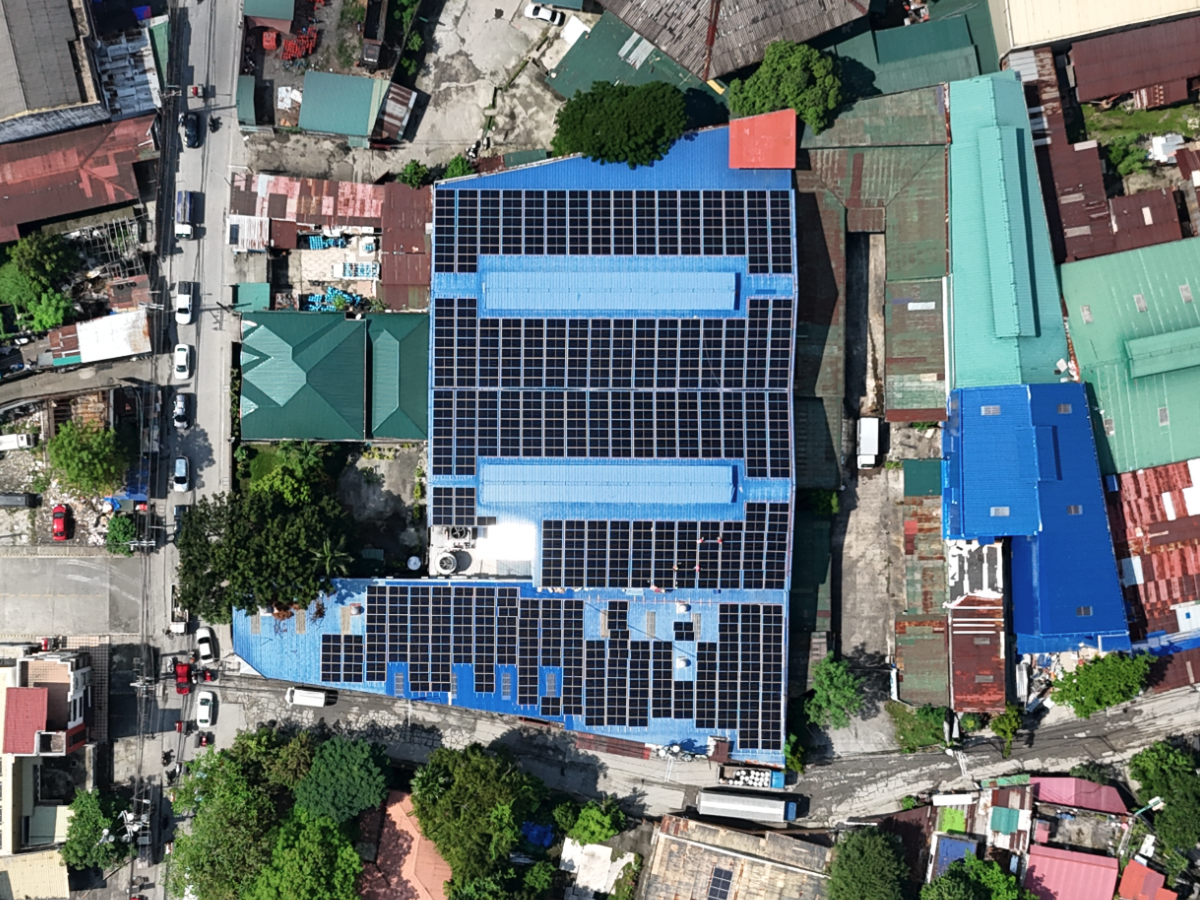
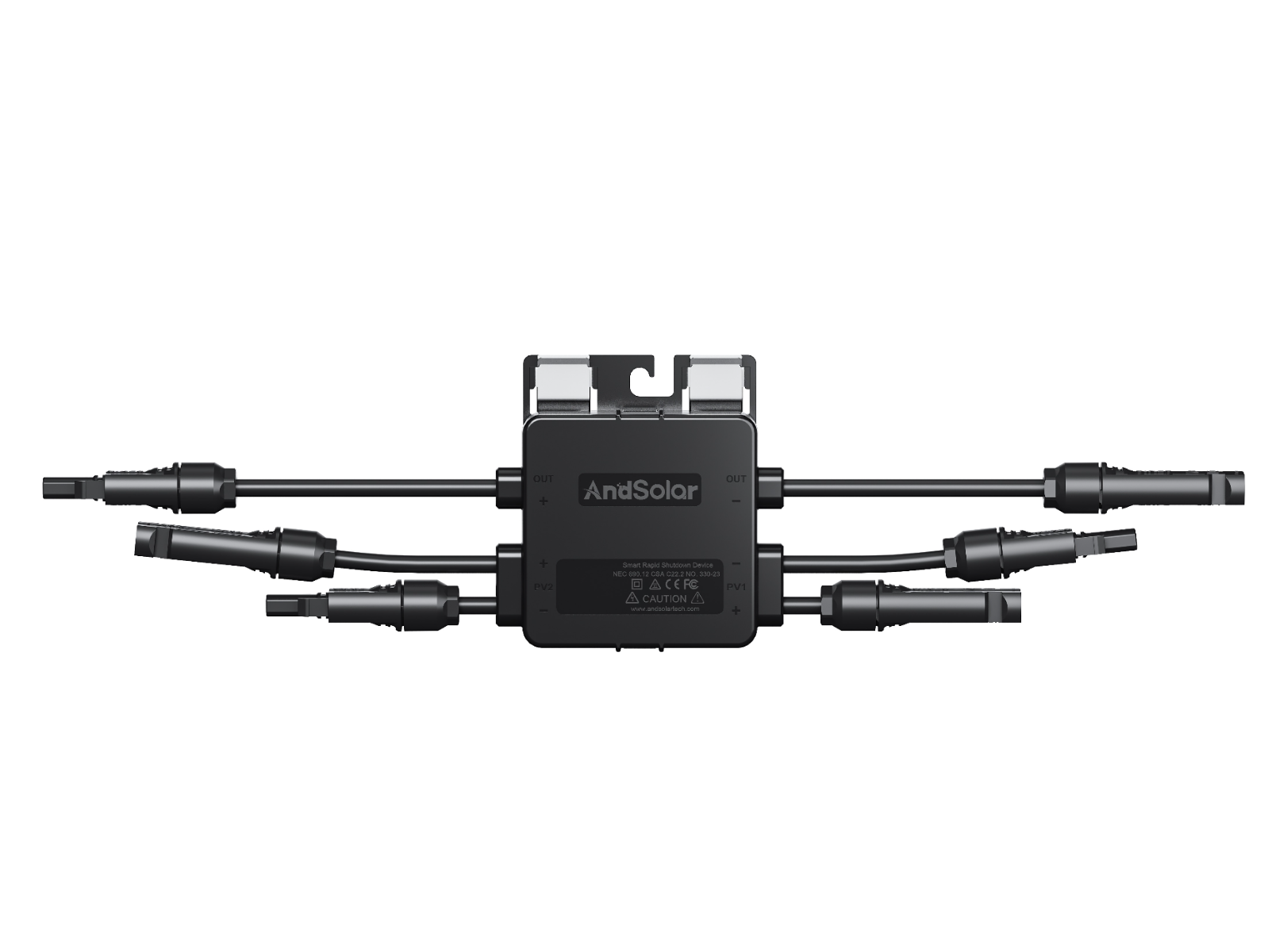
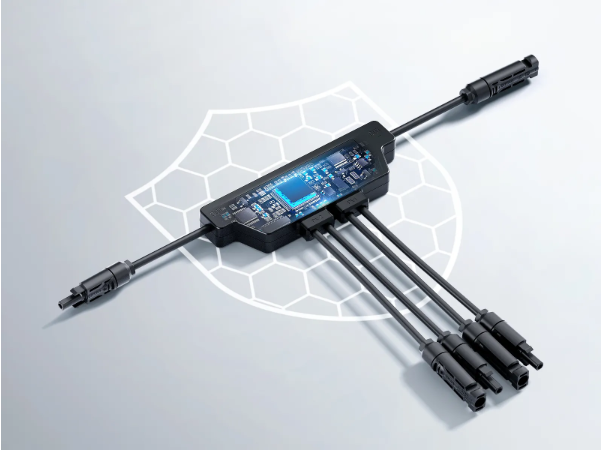
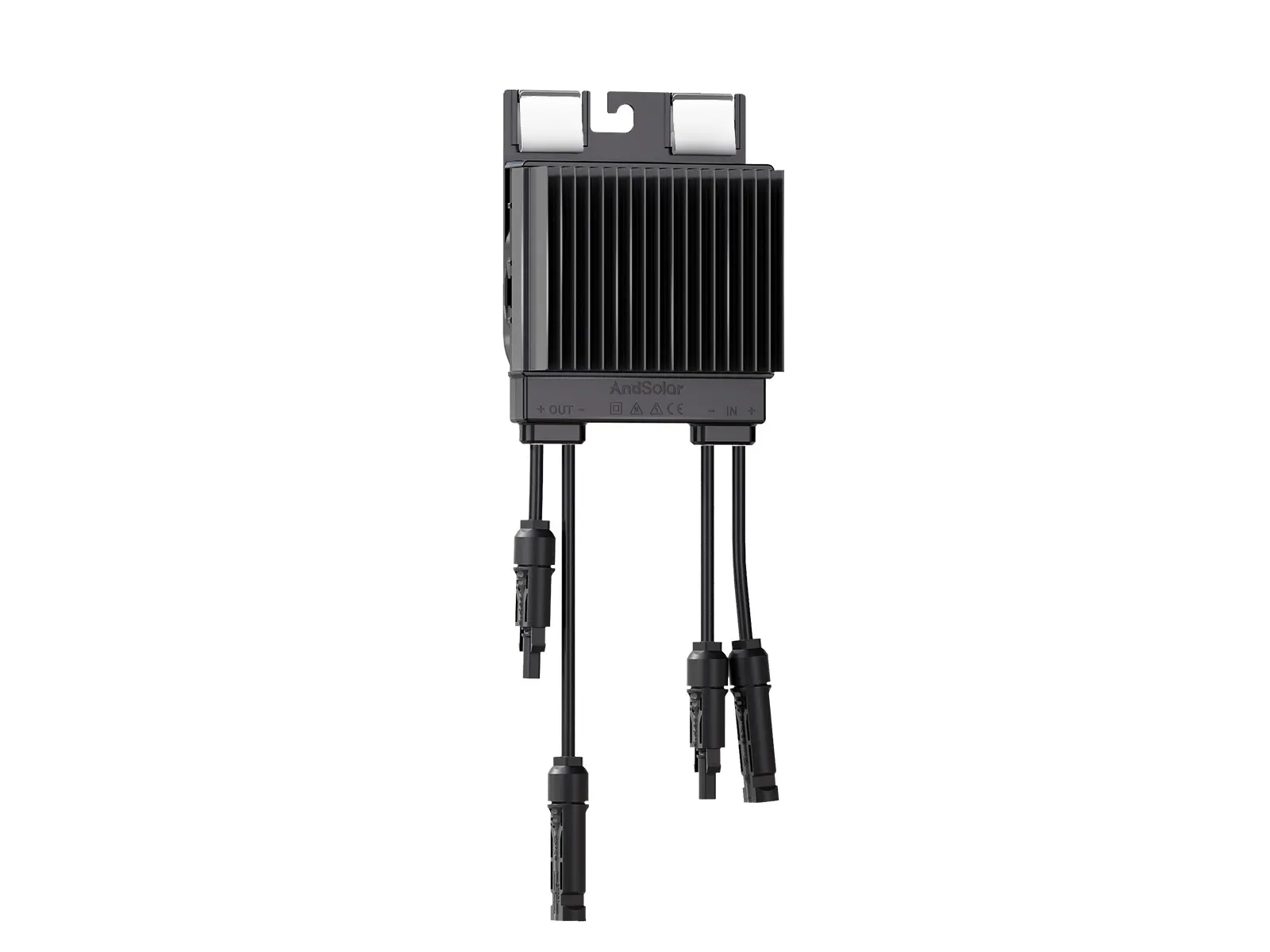
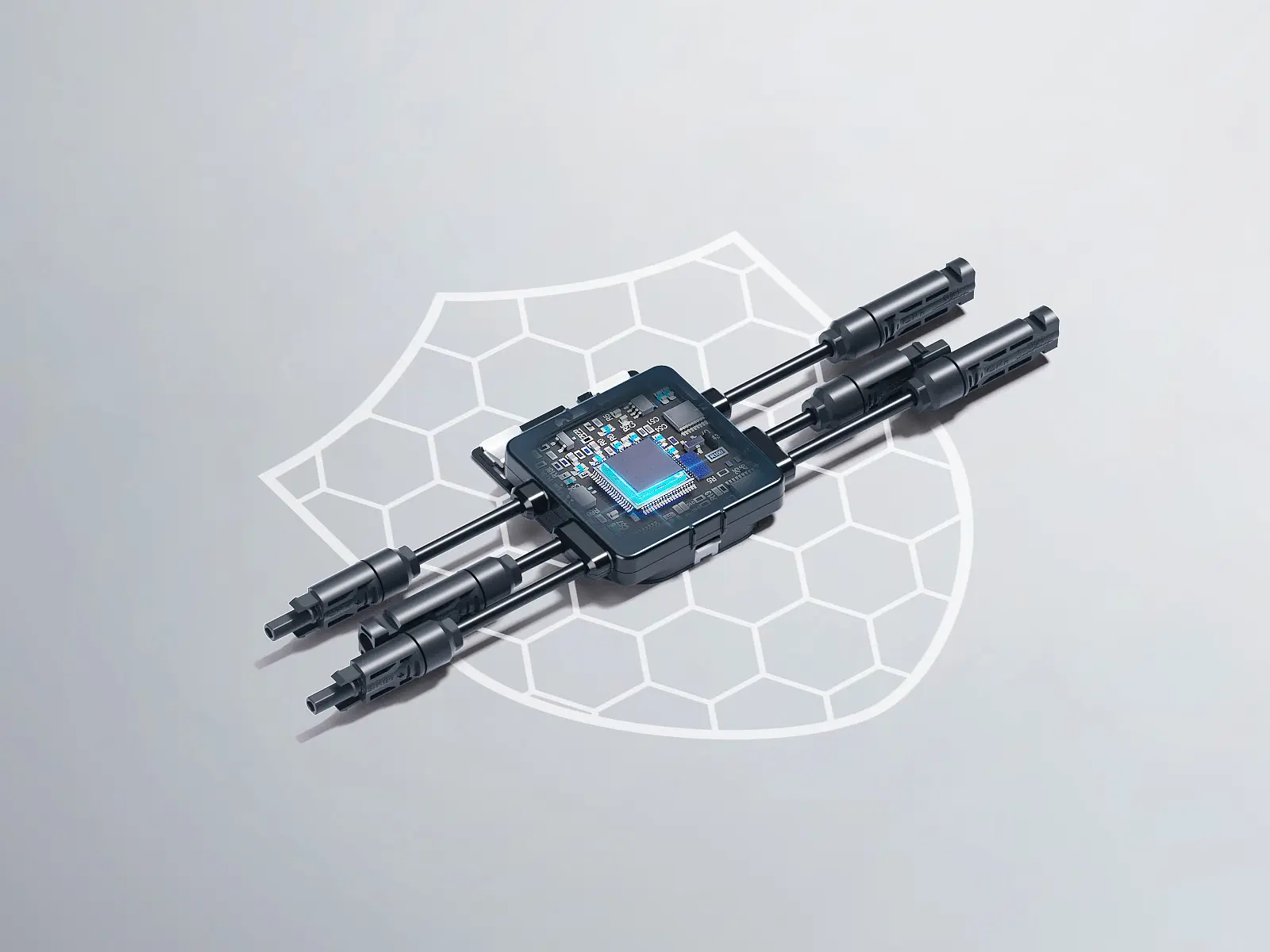
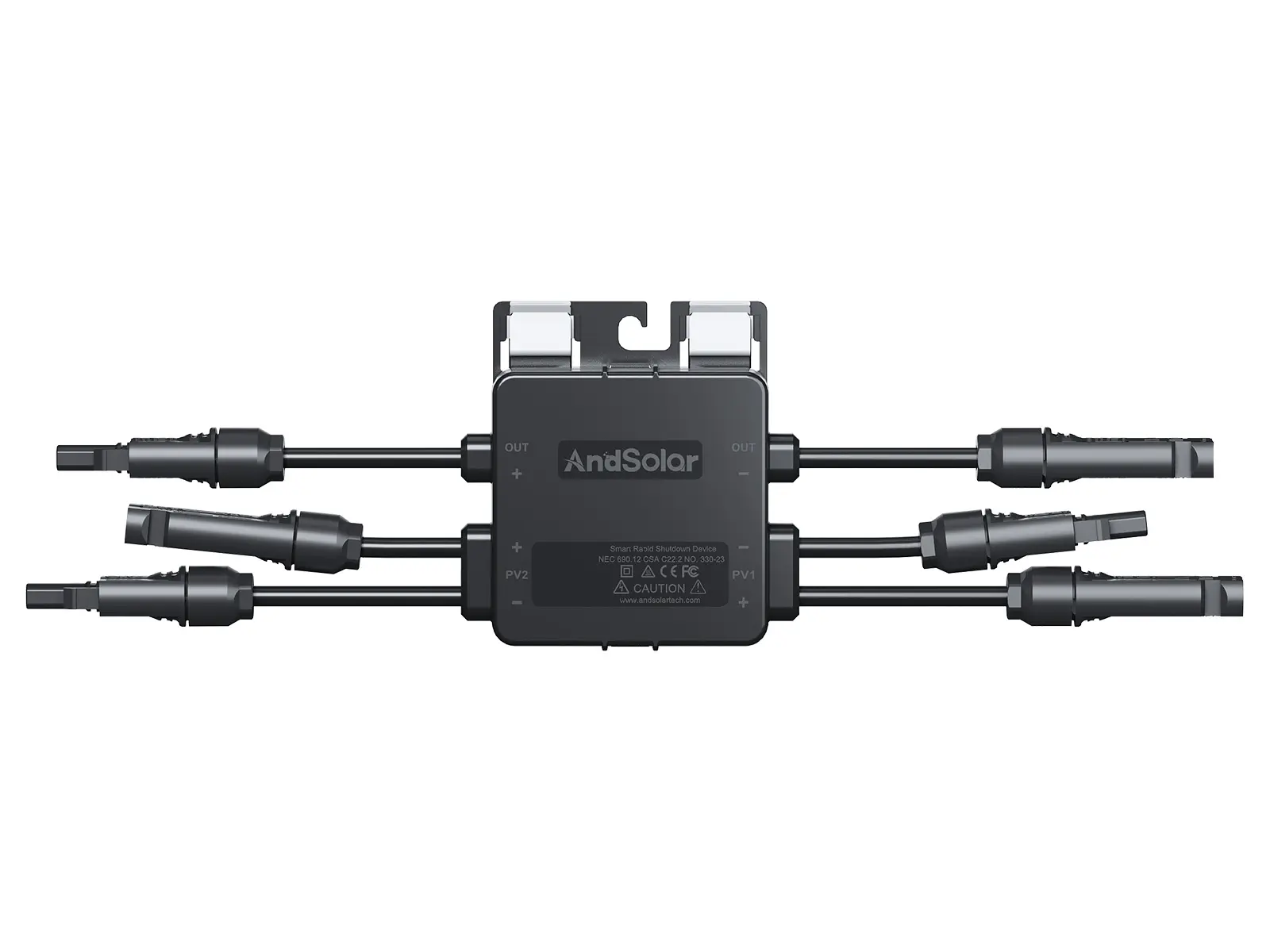
Rapid shutdown for rooftop projects represents a critical safety technology designed specifically for residential and commercial solar installations. This advanced system ensures that photovoltaic arrays can be quickly de-energized during emergency situations, maintenance procedures, or firefighting operations. The rapid shutdown for rooftop projects operates by reducing DC voltage at the module level to safe levels within seconds, typically bringing voltage down to 30 volts or less within 30 seconds of activation. The technology incorporates module-level power electronics, including power optimizers or microinverters, which communicate wirelessly with a central shutdown initiator. When activated, either manually through an emergency switch or automatically through system monitoring, the rapid shutdown for rooftop projects immediately cuts power flow from individual solar panels. This creates multiple points of isolation throughout the array rather than relying solely on a single disconnect point. The system features sophisticated monitoring capabilities that continuously track performance and safety parameters. Smart communication protocols enable real-time status updates and remote monitoring through dedicated mobile applications. Installation procedures for rapid shutdown for rooftop projects involve integrating module-level devices with each solar panel, connecting communication networks, and establishing proper grounding systems. The technology meets stringent National Electrical Code requirements, particularly NEC 690.12, which mandates rapid shutdown capabilities for rooftop solar installations. Modern implementations utilize advanced semiconductor switching technology, ensuring reliable operation across various weather conditions and temperature ranges. The rapid shutdown for rooftop projects also incorporates backup power systems to maintain communication capabilities even during grid outages, ensuring safety systems remain operational when needed most.