smart rapid shutdown device
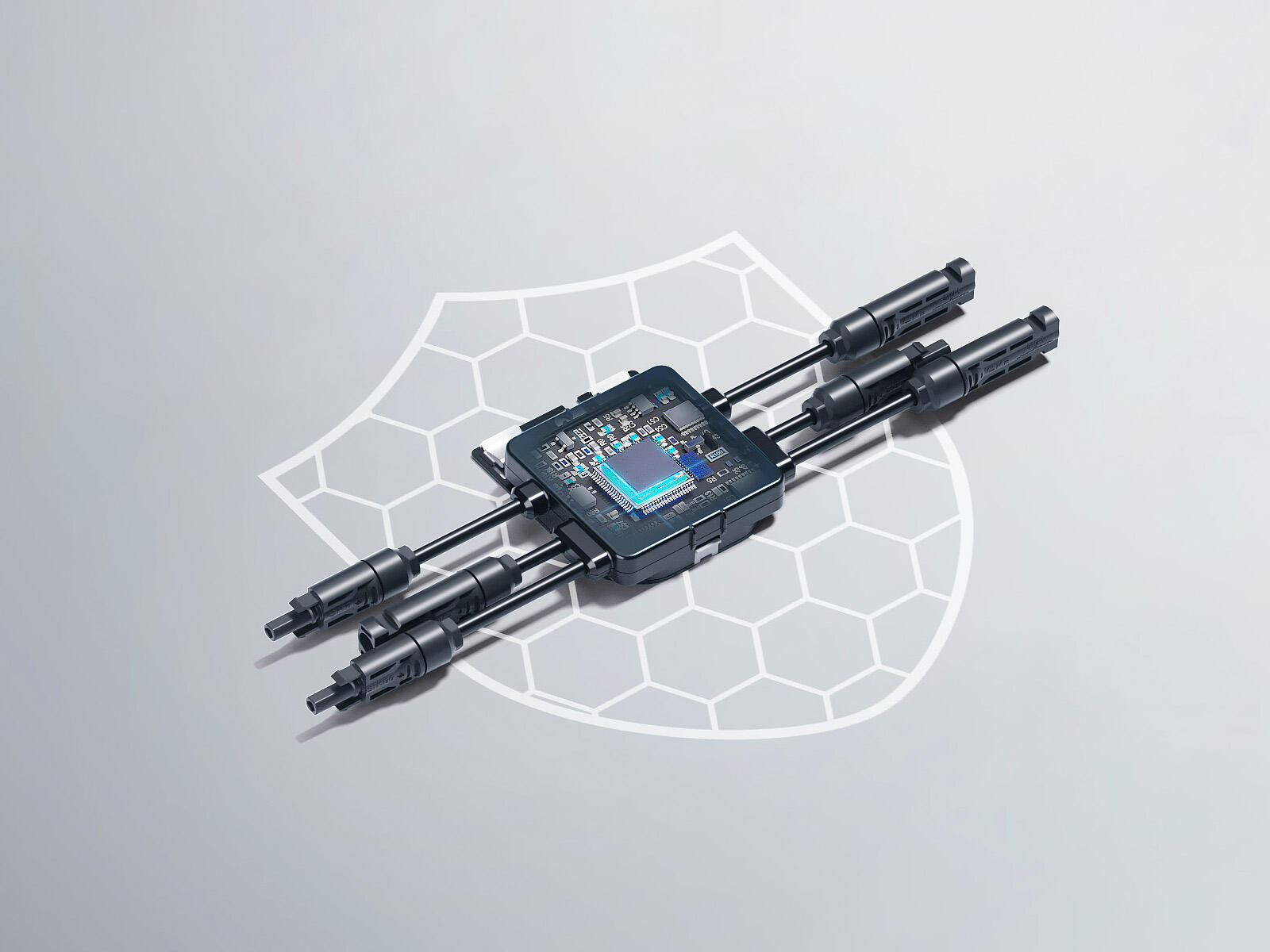
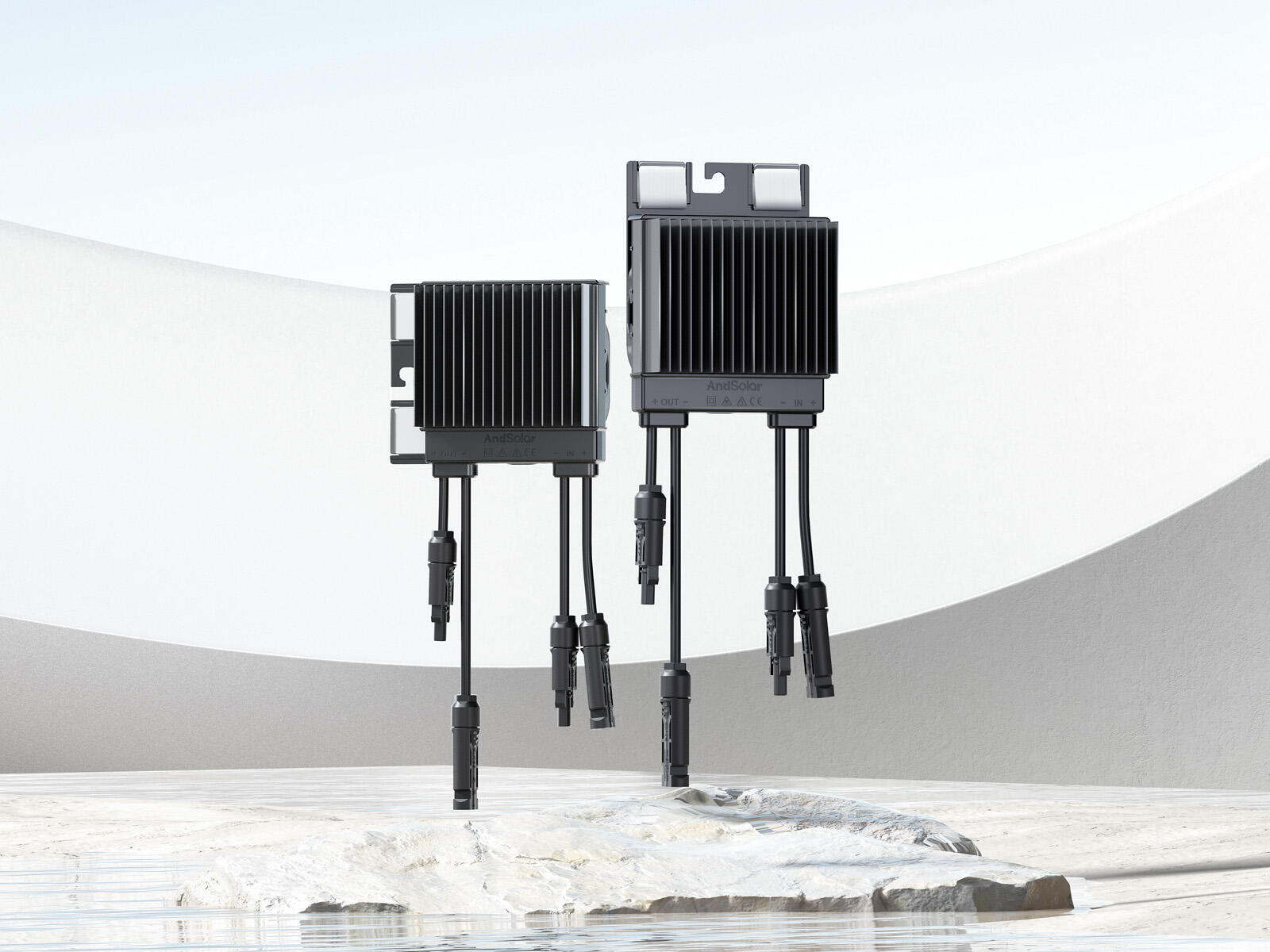
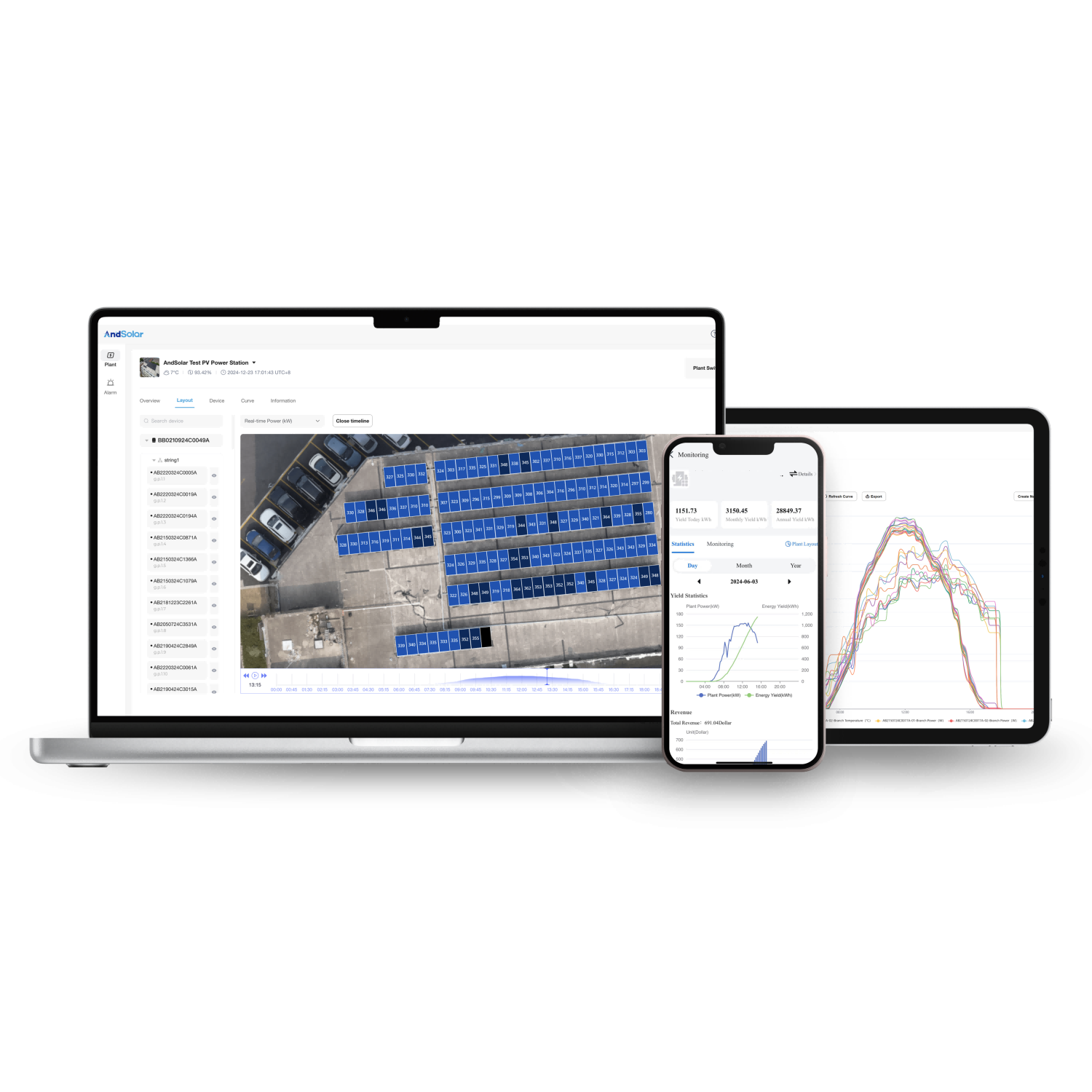
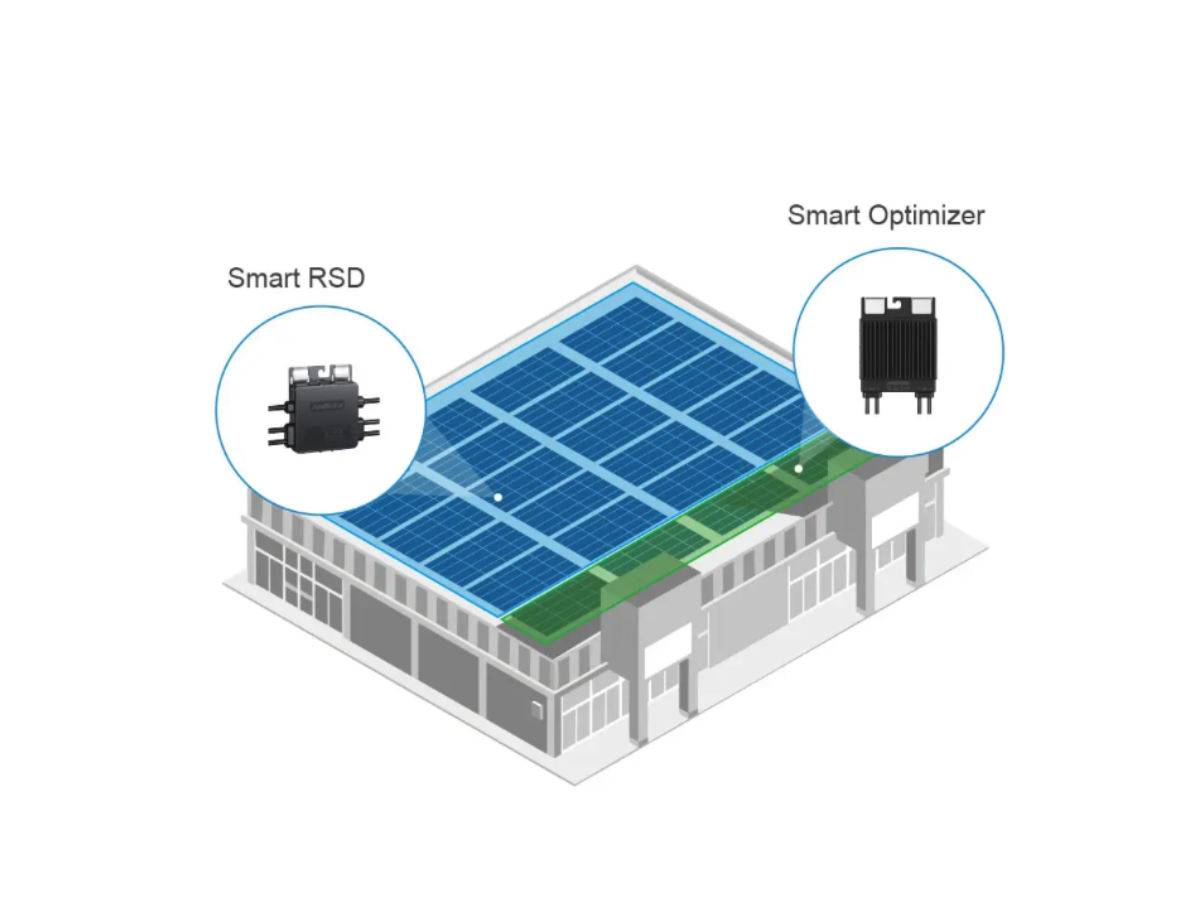
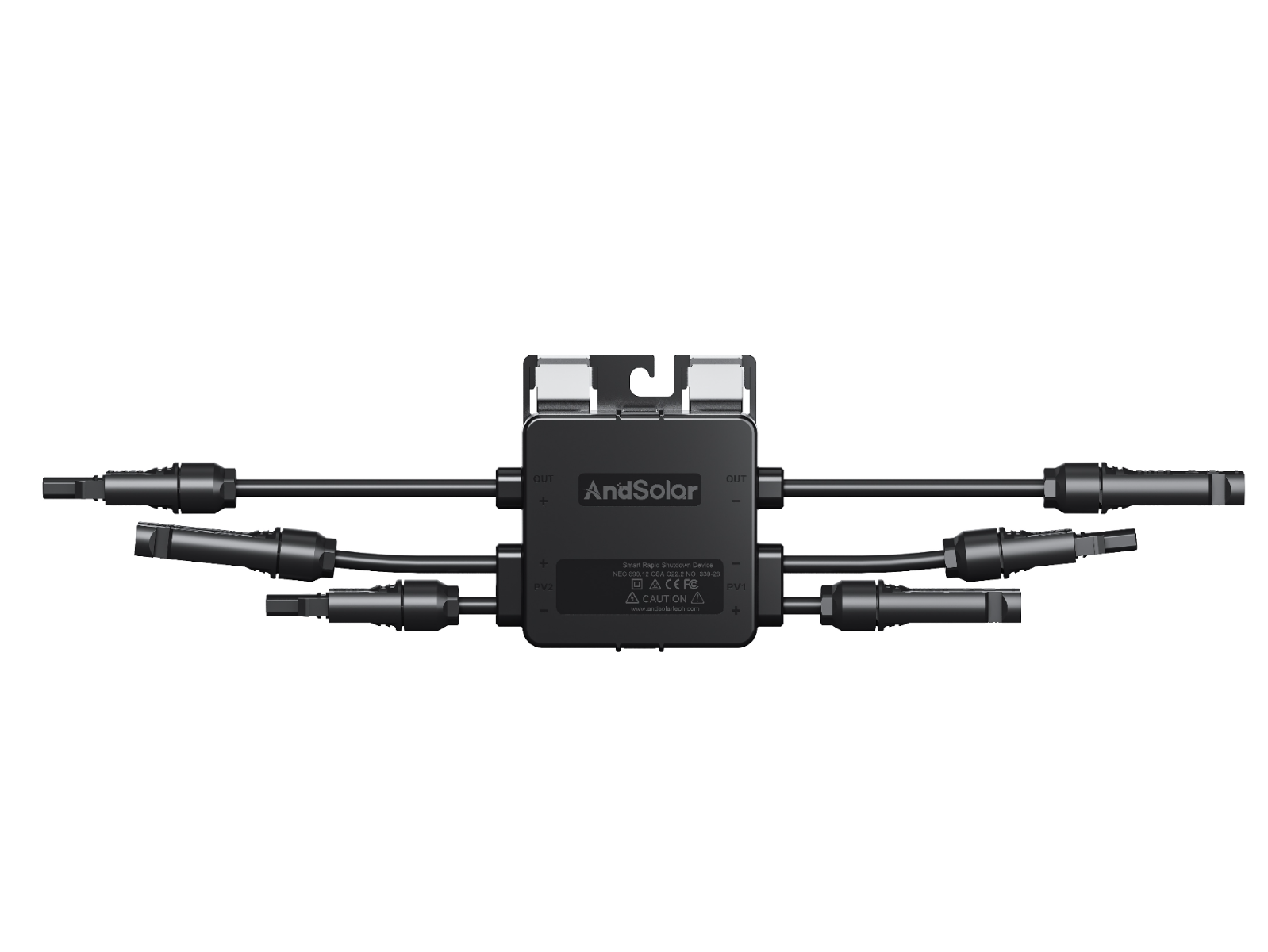
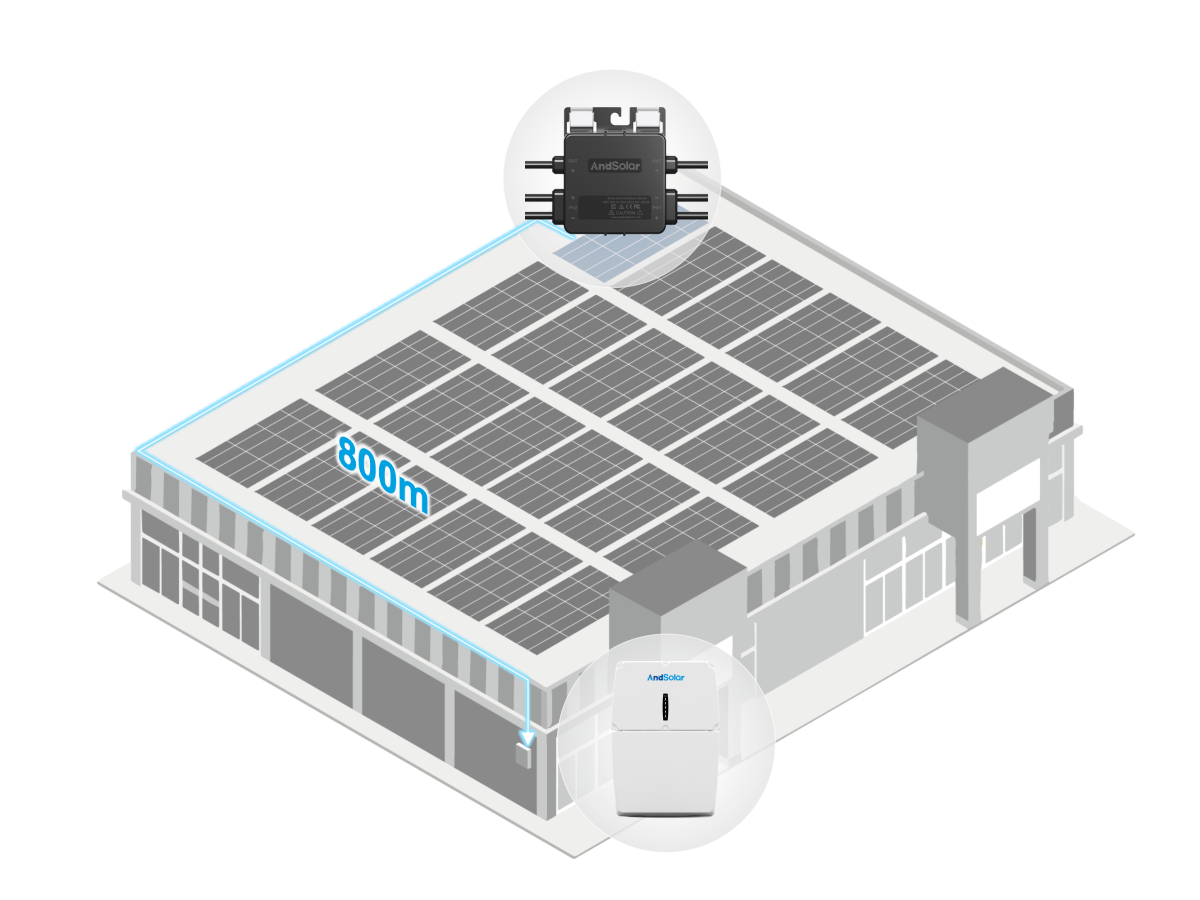
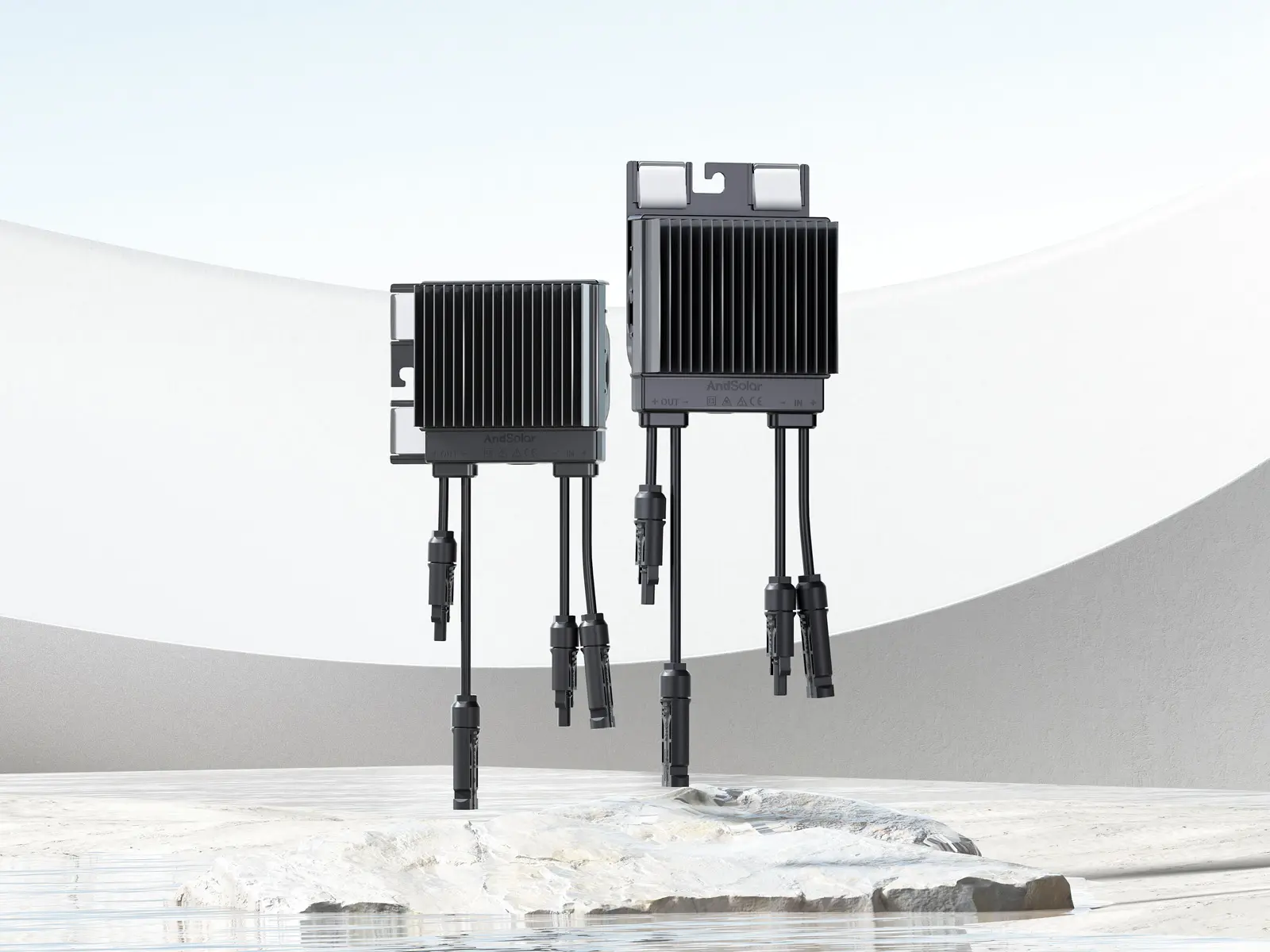
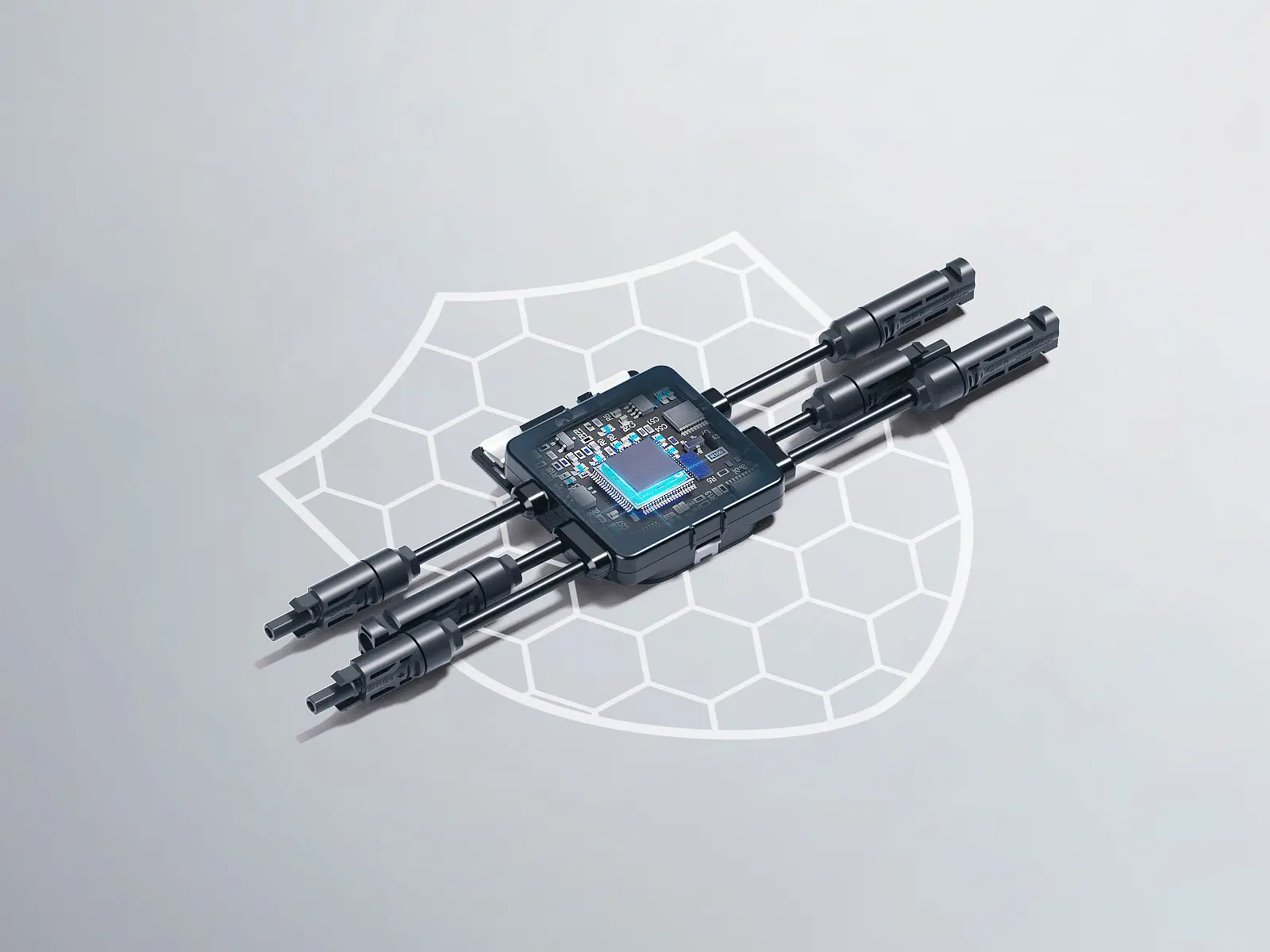
The smart rapid shutdown device represents a cutting-edge safety solution designed to protect solar photovoltaic systems and personnel during maintenance, emergencies, or fault conditions. This innovative technology provides immediate and reliable disconnection of solar panels from the electrical system, ensuring maximum safety for installers, maintenance workers, and first responders. The smart rapid shutdown device integrates seamlessly with existing solar installations while maintaining optimal system performance and compliance with stringent safety regulations. At its core, the smart rapid shutdown device utilizes advanced microprocessor technology to monitor system conditions continuously and execute shutdown commands within seconds when triggered. The device features sophisticated communication protocols that enable remote monitoring and control capabilities, allowing system operators to manage multiple installations from centralized locations. Its robust construction ensures reliable operation in harsh environmental conditions, including extreme temperatures, moisture, and UV exposure. The technological framework of the smart rapid shutdown device incorporates multiple safety redundancies and fail-safe mechanisms to guarantee consistent performance. Modern versions include wireless communication capabilities, enabling integration with smart grid systems and IoT platforms for enhanced monitoring and diagnostics. The device supports various trigger mechanisms, including manual activation, automatic fault detection, and remote shutdown commands from authorized personnel or emergency services. Applications for the smart rapid shutdown device span residential, commercial, and utility-scale solar installations across diverse geographical regions. The technology proves particularly valuable in urban environments where solar systems are integrated into building structures, requiring enhanced safety measures for maintenance activities and emergency response procedures. Industrial facilities benefit from the device's ability to isolate specific solar array sections while maintaining operation in unaffected areas, minimizing downtime and maximizing energy production efficiency.