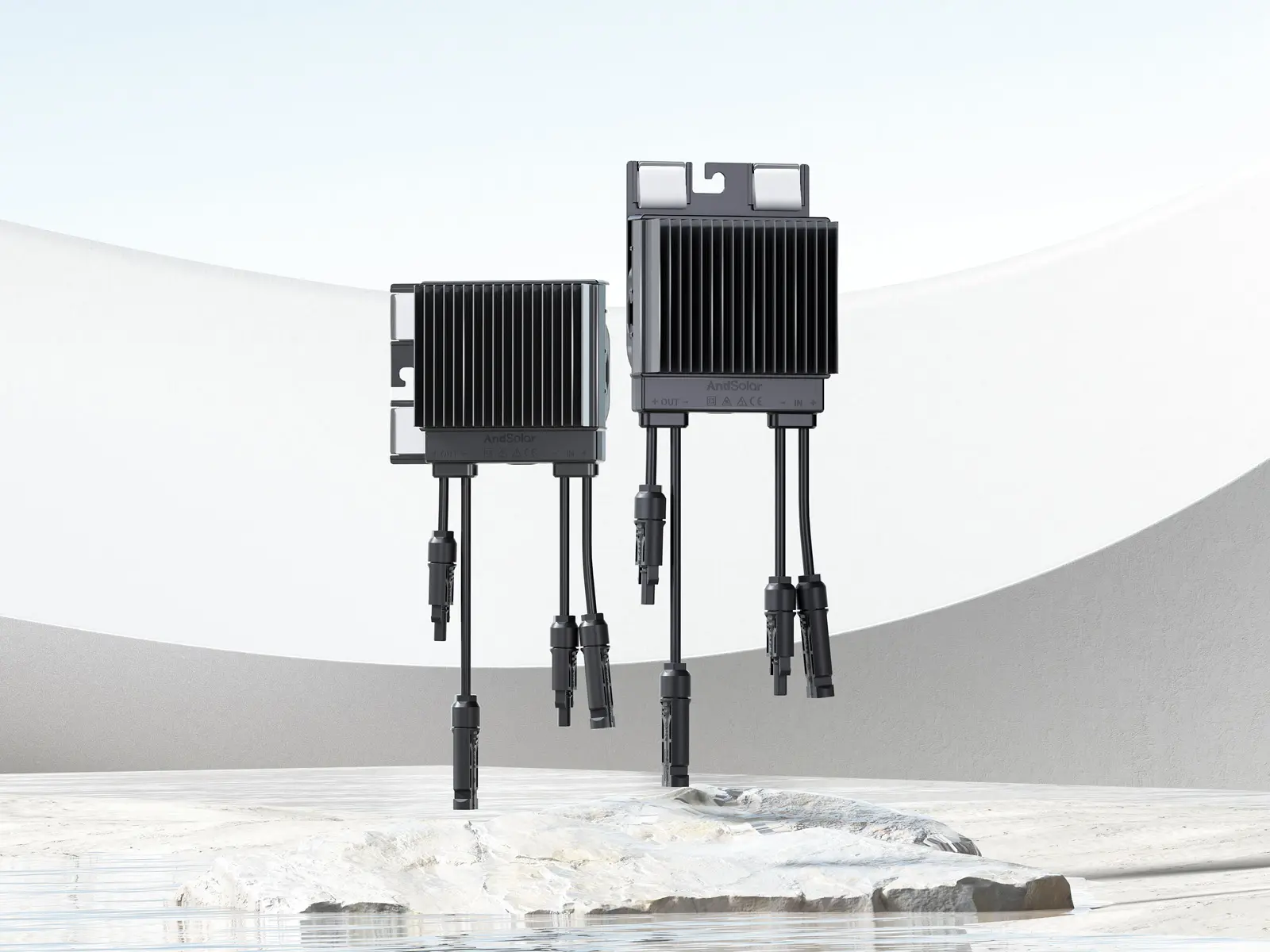
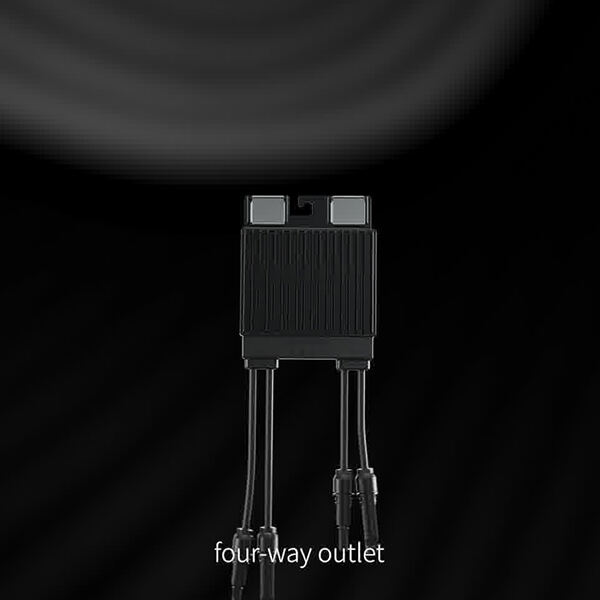
Module-Level Rapid Shutdown System: Advanced Solar Safety Technology

  • 8F, Block B, Building 1, 286 Qinglonggang Road, Suzhou City, Jiangsu Province, P. R. China
  • [email protected]
AndSolar Cloud

module-level rapid shutdown system

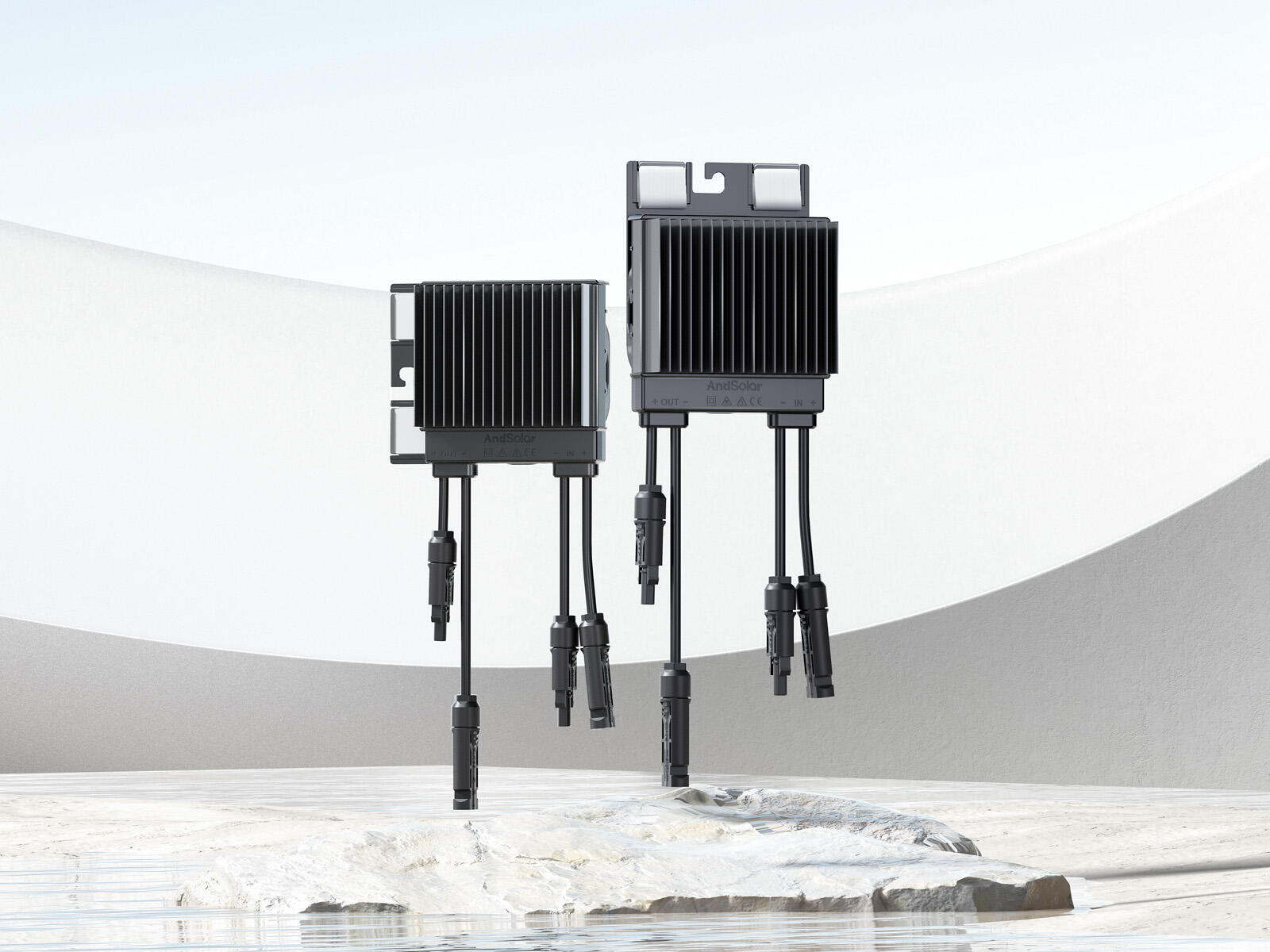
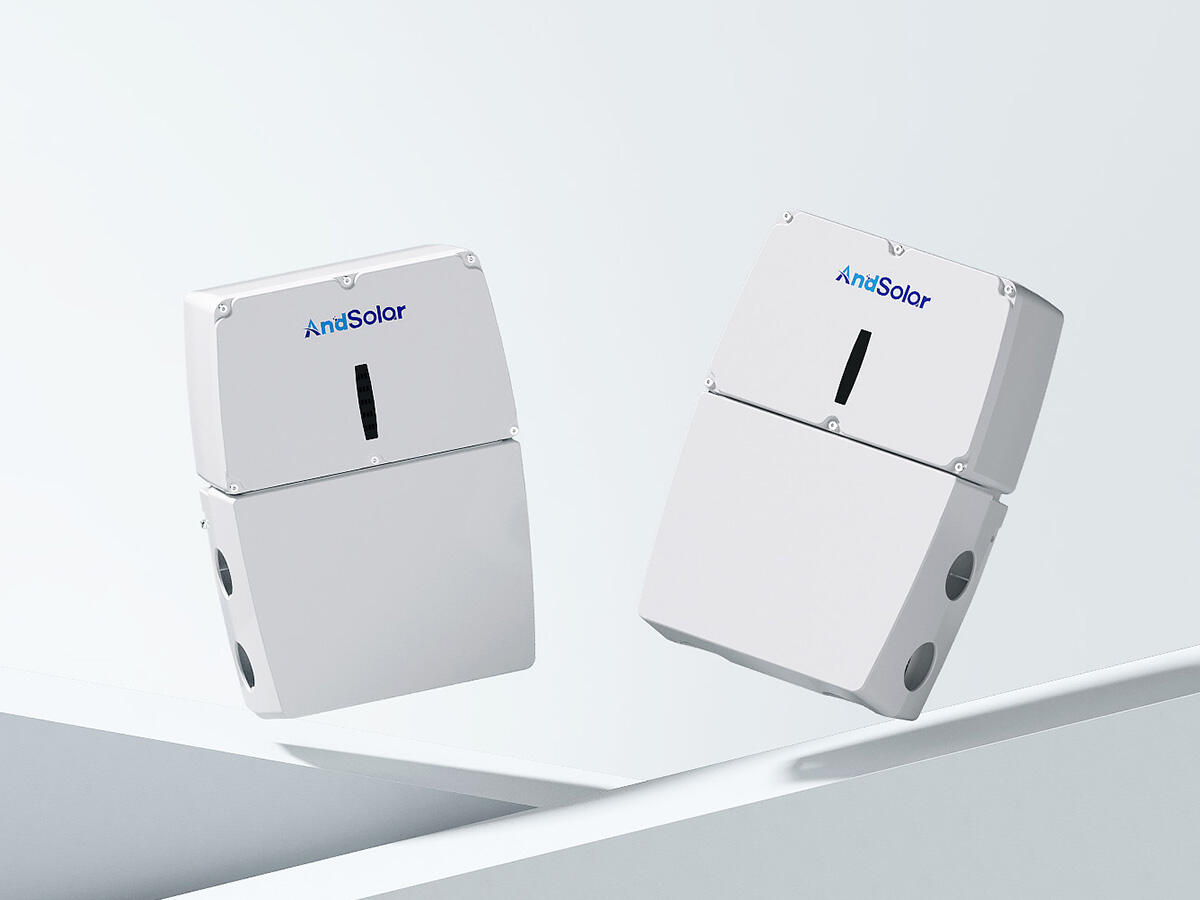
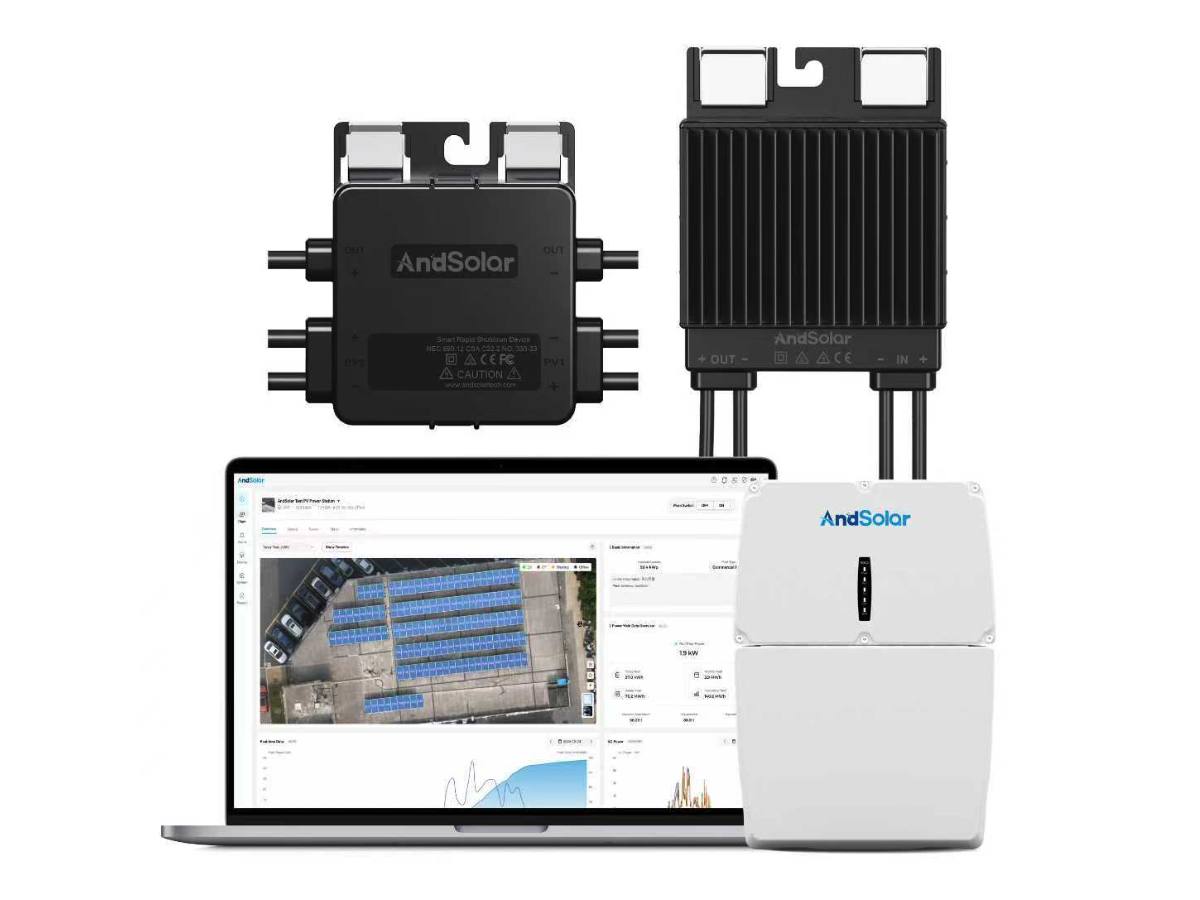
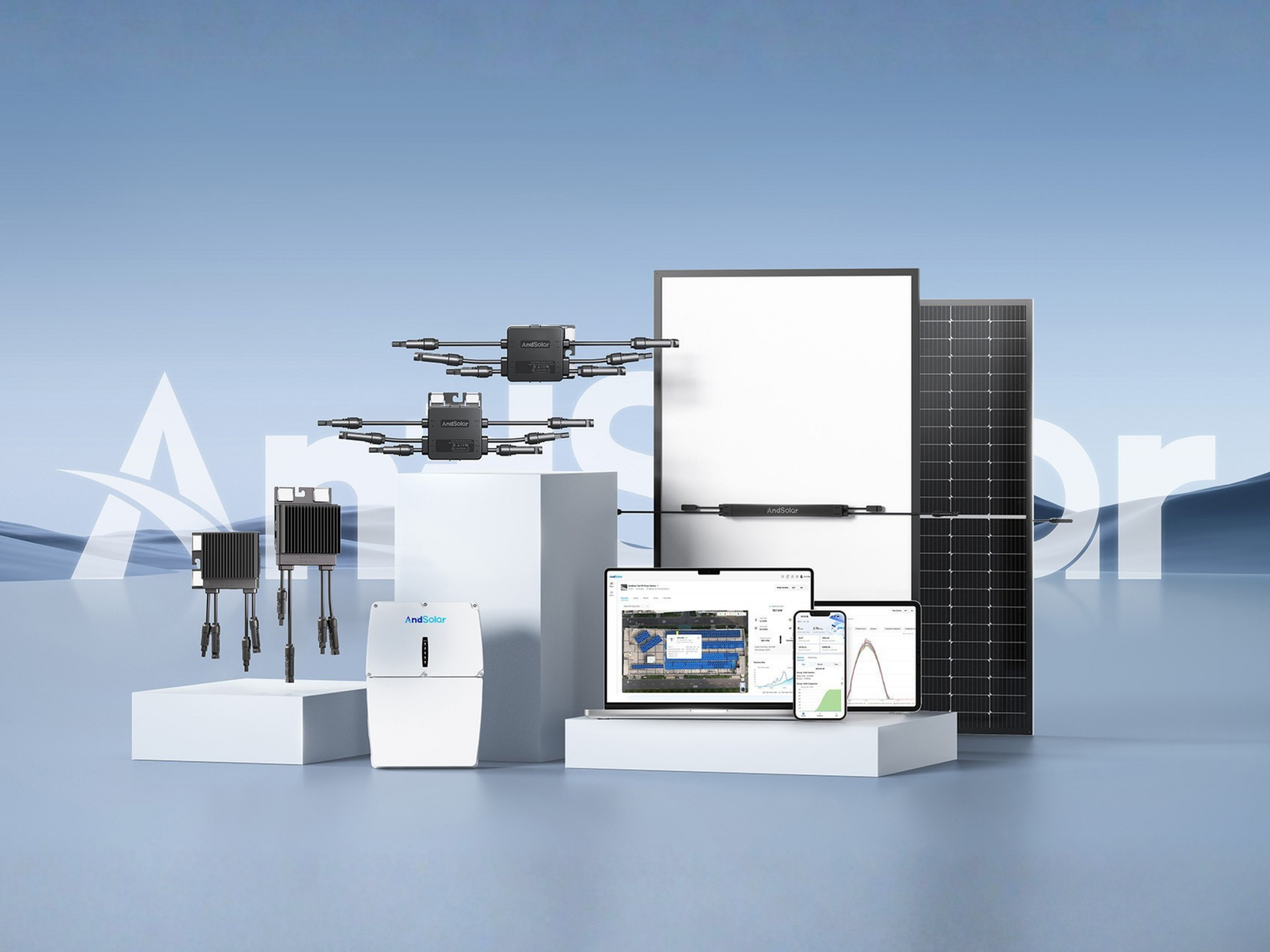
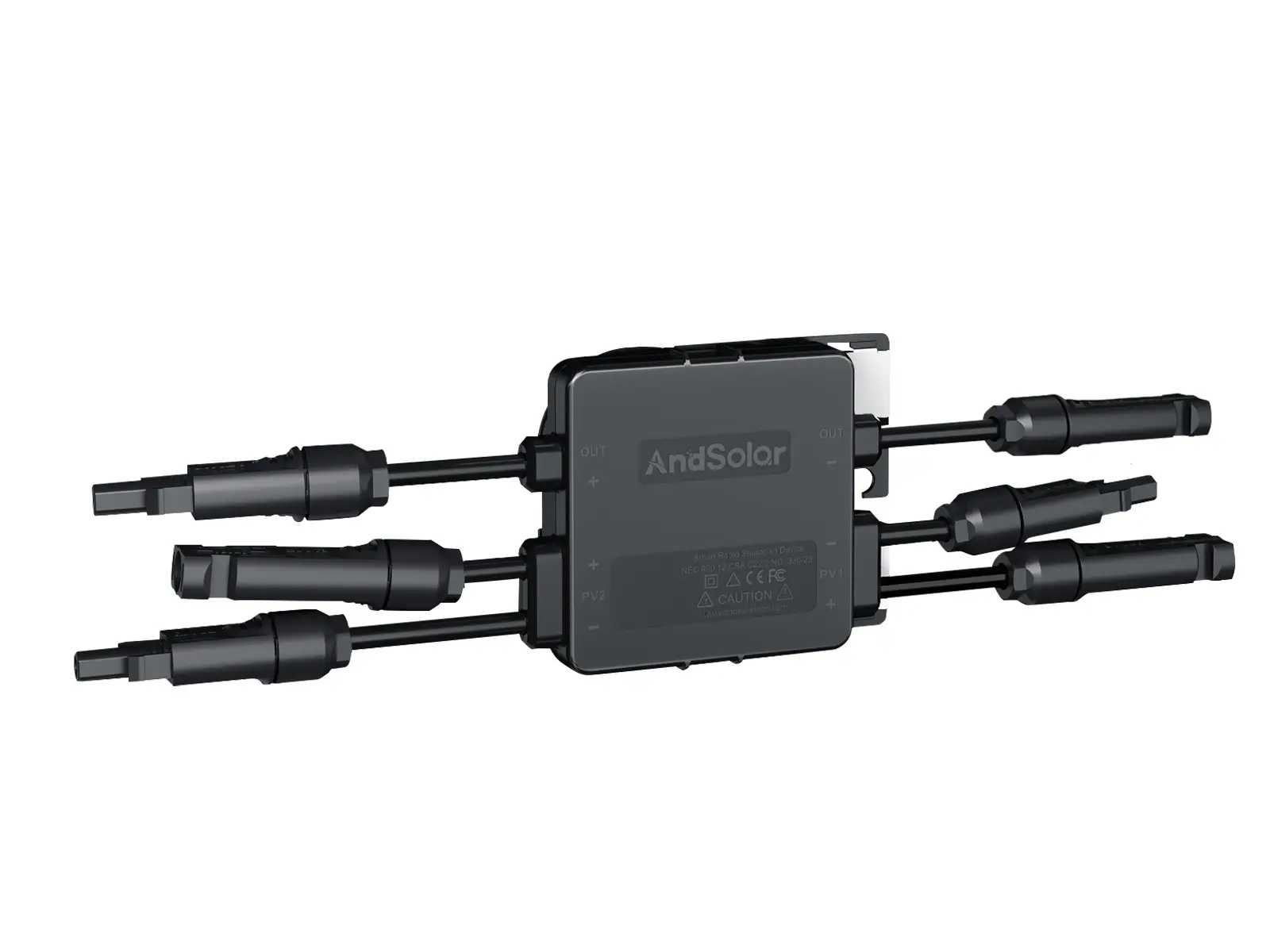
The module-level rapid shutdown system represents a cutting-edge safety technology designed to enhance solar photovoltaic installations by providing immediate electrical isolation capabilities. This advanced system operates at the individual solar panel level, offering unprecedented control and safety measures that exceed traditional string-level shutdown methods. The module-level rapid shutdown system integrates sophisticated power electronics and communication protocols to ensure that each solar module can be independently and rapidly disconnected from the electrical circuit when necessary. The primary function of this system centers around emergency response scenarios, where immediate electrical isolation becomes critical for the safety of first responders, maintenance personnel, and property protection. When activated, the module-level rapid shutdown system reduces voltage levels across the solar array to safe thresholds within seconds, typically achieving compliance with NEC 690.12 requirements that mandate voltage reduction to 30 volts or less within 30 seconds. The technological architecture incorporates intelligent monitoring capabilities that continuously assess system performance and health status. Advanced microprocessors embedded within each module-level device communicate through powerline communication or wireless protocols, enabling real-time monitoring and control. The system features robust design specifications that withstand harsh environmental conditions including extreme temperatures, moisture exposure, and UV radiation. Installation flexibility represents another key characteristic, as the module-level rapid shutdown system adapts to various mounting configurations and system architectures. The technology supports both retrofit applications for existing solar installations and seamless integration into new solar projects. Comprehensive diagnostic capabilities provide detailed performance analytics, fault detection, and predictive maintenance insights. The system maintains compatibility with leading inverter manufacturers and monitoring platforms, ensuring smooth integration within existing solar ecosystems. These technological features combine to deliver enhanced safety, improved system visibility, and simplified maintenance procedures for solar installations of all sizes.
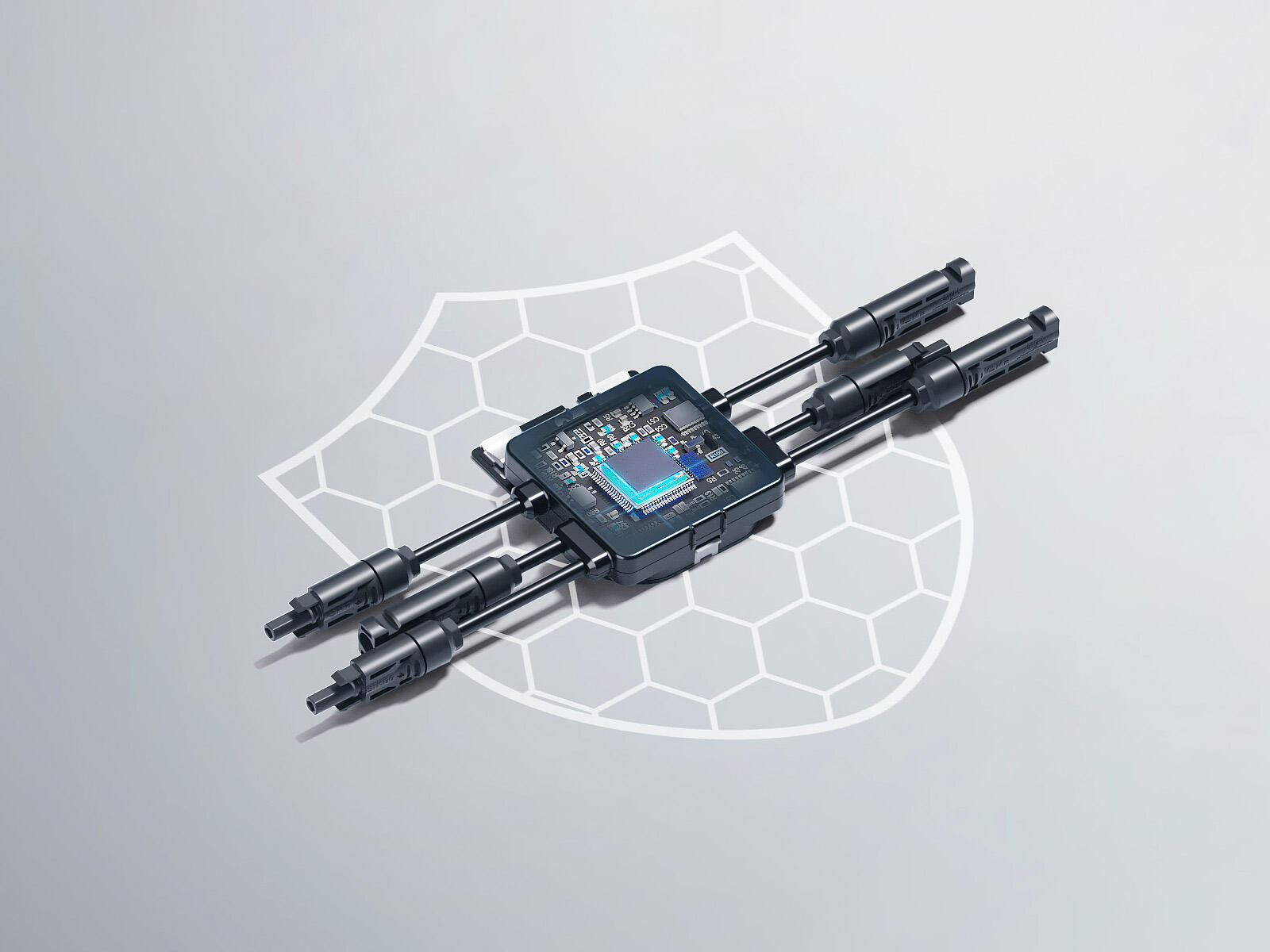
The module-level rapid shutdown system delivers significant advantages that transform solar installation safety and operational efficiency. Enhanced safety protocols represent the most compelling benefit, as this technology provides granular control over electrical hazards during emergency situations. Unlike traditional string-level systems that may leave substantial voltage present across multiple panels, the module-level rapid shutdown system eliminates electrical risks at each individual panel location. This precision approach dramatically improves safety conditions for firefighters, emergency responders, and maintenance technicians who must work near or around solar installations. The system responds instantly to shutdown commands, achieving safe voltage levels within seconds rather than minutes, which can be crucial during emergency evacuations or fire suppression activities. Improved system monitoring capabilities offer another substantial advantage through real-time visibility into individual panel performance. Users gain access to detailed analytics that identify underperforming modules, detect potential failures before they escalate, and optimize overall system efficiency. This granular monitoring eliminates the guesswork associated with system troubleshooting and enables proactive maintenance strategies that prevent costly downtime. The module-level rapid shutdown system simplifies installation and maintenance procedures by reducing complex wiring requirements and eliminating the need for additional shutdown devices at the array level. Installation teams benefit from streamlined deployment processes that reduce labor costs and project timelines. Maintenance efficiency improves through precise fault location capabilities that direct technicians to specific problem areas rather than requiring extensive system-wide diagnostics. Regulatory compliance becomes straightforward with built-in features that automatically meet or exceed current electrical codes and safety standards. The system provides documentation and reporting capabilities that simplify inspection processes and demonstrate compliance with local authorities. Long-term reliability increases through advanced protection features that shield individual modules from electrical stress and environmental factors. The distributed architecture eliminates single points of failure that could compromise entire system sections. Cost-effectiveness emerges through reduced insurance premiums, simplified permitting processes, and increased system uptime. Property owners experience peace of mind knowing their solar investment incorporates the highest safety standards while maximizing energy production and return on investment.

New Product Releases

Advanced Individual Panel Control Technology

Advanced Individual Panel Control Technology

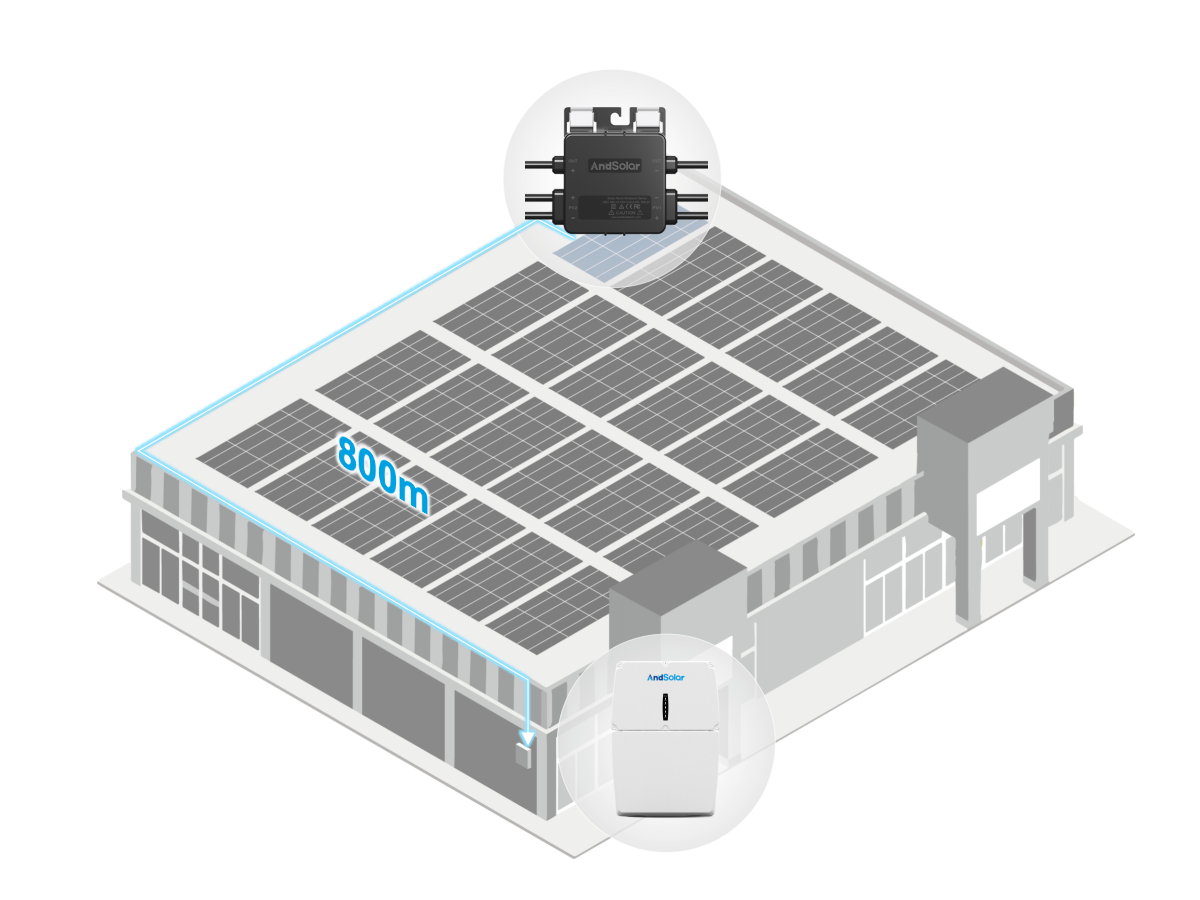
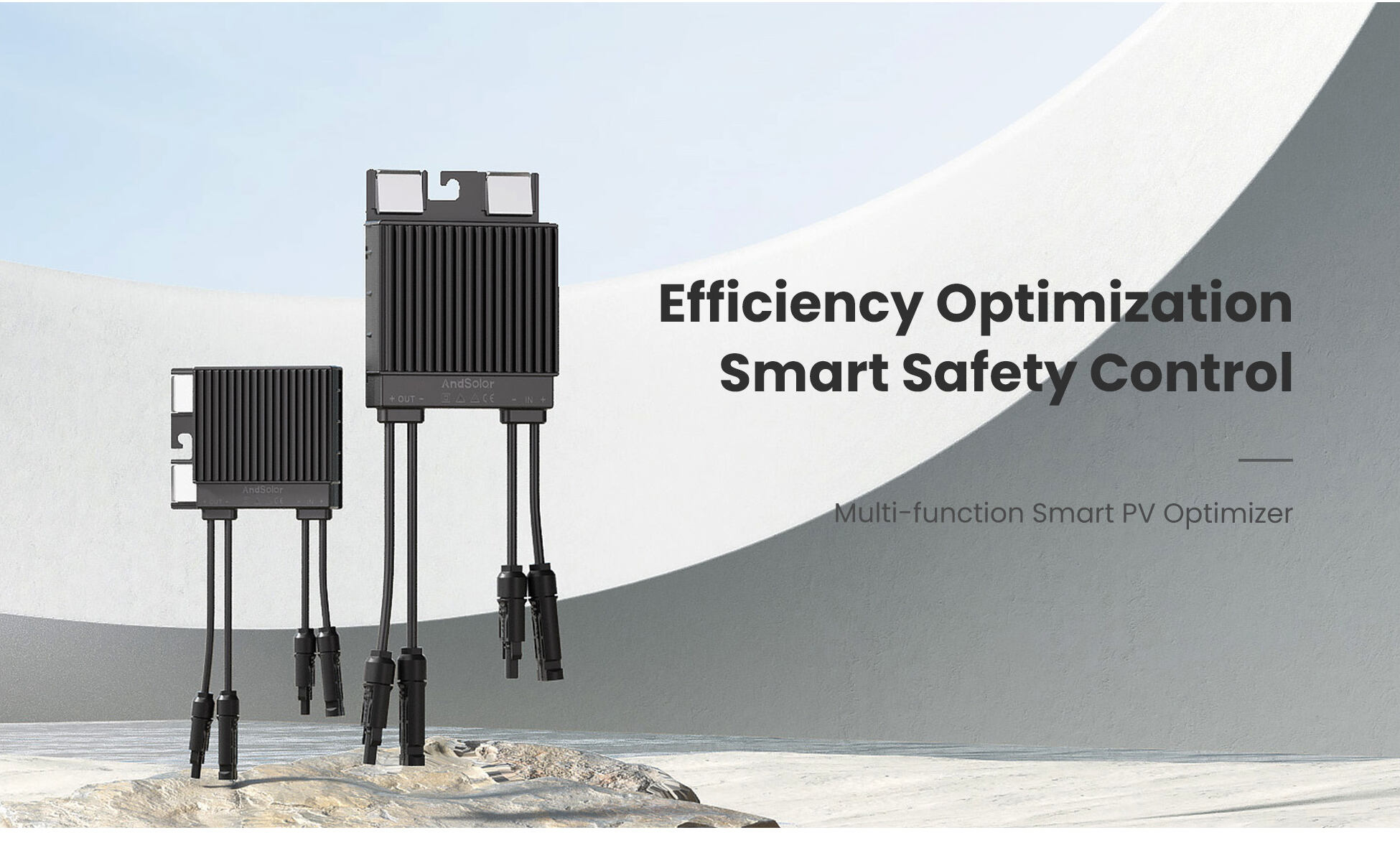
The module-level rapid shutdown system revolutionizes solar safety through its sophisticated individual panel control technology that operates independently at each solar module location. This groundbreaking approach represents a paradigm shift from traditional string-level controls by embedding intelligent shutdown capabilities directly into each solar panel connection point. The technology utilizes advanced microprocessor-controlled devices that maintain constant communication with a central control system while simultaneously monitoring local electrical conditions. When a shutdown signal is received, whether from manual activation, automatic fire detection systems, or emergency response protocols, each module-level device responds within milliseconds to isolate its associated panel from the electrical circuit. This instantaneous response capability ensures that dangerous voltages are eliminated at the source rather than relying on remote disconnect switches that may leave substantial electrical energy present throughout the wiring infrastructure. The individual control architecture provides unprecedented safety benefits by creating multiple isolated zones rather than treating the entire solar array as a single electrical entity. This granular control approach means that emergency responders can work safely around specific areas of a solar installation while other sections remain operational if needed. The technology incorporates fail-safe mechanisms that default to the safe shutdown position in case of communication loss or device malfunction, ensuring that safety remains paramount under all operating conditions. Advanced diagnostic capabilities built into each module-level device continuously monitor system health, electrical parameters, and communication integrity. These intelligent devices can detect anomalous conditions such as ground faults, arc faults, or temperature extremes and initiate protective shutdowns before hazardous situations develop. The system architecture supports various activation methods including manual switches, automatic fire detection integration, and remote commands from monitoring systems or mobile applications. Professional installers appreciate the simplified wiring requirements and reduced complexity associated with module-level implementation compared to traditional centralized shutdown systems that require extensive additional wiring and control panels.
Enhanced Safety for First Responders and Personnel

Enhanced Safety for First Responders and Personnel

The module-level rapid shutdown system addresses critical safety concerns that have historically challenged fire departments and emergency response teams when dealing with solar-equipped buildings. Traditional solar installations can present significant electrical hazards during emergency situations, as conventional shutdown methods may still leave dangerous voltage levels present throughout the DC wiring system. This advanced safety technology eliminates these concerns by ensuring that each individual solar panel can be isolated to safe voltage levels within seconds of activation. Fire departments across the country have endorsed module-level rapid shutdown systems as essential safety equipment that enables them to perform their duties without compromising crew safety or emergency response effectiveness. The technology provides multiple activation options that accommodate various emergency scenarios, including manual switches accessible to first responders, automatic integration with fire detection systems, and remote activation capabilities that can be triggered before personnel arrive on scene. Training programs for emergency responders become simplified when module-level rapid shutdown systems are installed, as the technology provides clear visual indicators and standardized operating procedures that work consistently across different installations. The system eliminates the guesswork and potential confusion associated with locating and operating multiple disconnect switches that may be scattered throughout a building or property. Maintenance personnel benefit equally from enhanced safety protocols, as the module-level rapid shutdown system allows for safe work practices during routine maintenance, repairs, or system upgrades. Technicians can isolate specific sections of a solar array while continuing to operate other areas, maximizing safety while minimizing system downtime. The technology also protects against electrical accidents that could occur during severe weather events, equipment failures, or other unexpected situations by providing automatic shutdown capabilities that respond to predetermined safety thresholds. Insurance companies recognize the value of enhanced safety features and often provide preferential rates for properties equipped with module-level rapid shutdown systems, acknowledging the reduced risk exposure associated with these advanced safety technologies.
Comprehensive System Monitoring and Diagnostics

Comprehensive System Monitoring and Diagnostics

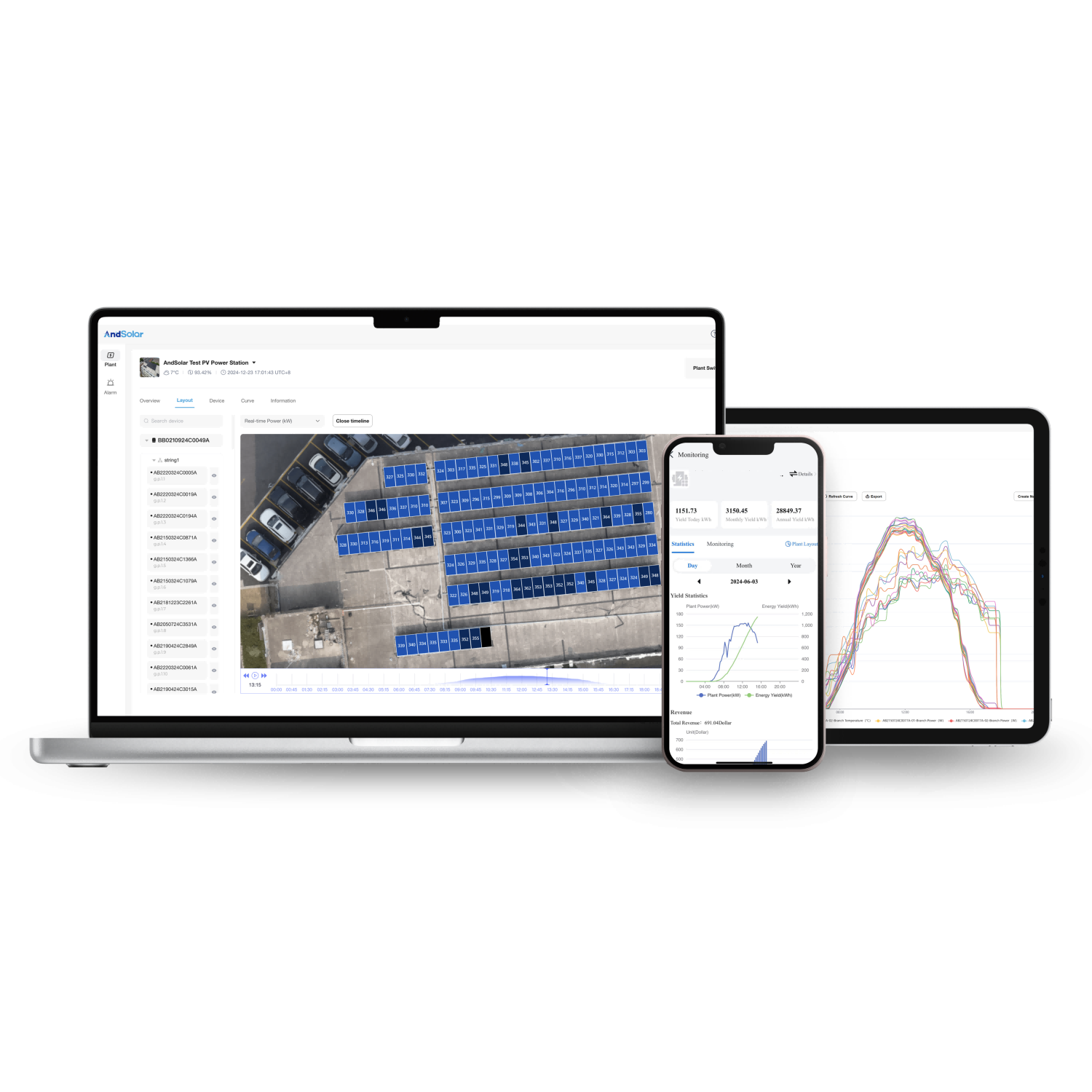
The module-level rapid shutdown system incorporates sophisticated monitoring and diagnostic capabilities that transform solar system management through unprecedented visibility into individual panel performance and overall system health. This comprehensive monitoring approach utilizes advanced communication protocols and data analytics to provide real-time insights that were previously impossible with traditional solar installations. Each module-level device continuously collects and transmits detailed performance data including power output, voltage levels, current measurements, and operating temperatures, creating a complete picture of system operation at the individual panel level. Property owners and system operators gain access to intuitive dashboards and mobile applications that present this complex data in easily understandable formats, enabling informed decision-making about system maintenance and optimization. The diagnostic capabilities extend beyond basic performance monitoring to include predictive analytics that identify potential issues before they result in system failures or safety concerns. Machine learning algorithms analyze historical performance patterns and environmental conditions to predict when individual panels or system components may require attention, enabling proactive maintenance strategies that prevent costly emergency repairs. Advanced fault detection capabilities can identify and locate specific problems such as ground faults, arc faults, or shading issues with pinpoint accuracy, dramatically reducing troubleshooting time and maintenance costs. The monitoring system provides comprehensive documentation and reporting features that satisfy regulatory requirements, insurance obligations, and warranty conditions while maintaining detailed records of system performance over time. Integration capabilities allow the module-level rapid shutdown system to communicate with existing building management systems, energy monitoring platforms, and utility grid management systems, creating a seamless flow of information that optimizes overall energy management strategies. Remote monitoring capabilities enable system operators to oversee multiple installations from centralized locations, reducing the need for physical site visits while maintaining comprehensive oversight of system performance and safety status. The data collected by the monitoring system proves invaluable for system optimization, energy production forecasting, and long-term asset management planning.

Get a Free Quote

Our representative will contact you soon.
Name
Email
Phone/ WhatsApp
Company Name
Product Selection
Message
0/1000

module-level rapid shutdown system

Latest News

Module-level power electronics (MLPE) roles in PV systems

21

Jul

Module-level power electronics (MLPE) roles in PV systems

Enhancing Solar Energy Efficiency Through Module-Level Innovations In the evolution of solar energy systems, the demand for improved efficiency, safety, and monitoring capabilities has driven the emergence of module-level technologies that fundament...
View More
The Comparison Between Module-Level Rapid Shutdown Devices and String-Level Rapid Shutdown Devices

13

Aug

The Comparison Between Module-Level Rapid Shutdown Devices and String-Level Rapid Shutdown Devices

Advancing Solar Safety Through Modern Shutdown Solutions In the evolving solar energy industry, system safety and compliance with regulations are crucial for long-term performance. Rapid shutdown devices have become a standard requirement in many reg...
View More
How Much Will the Optimizer Improve My Power Generation?

11

Aug

How Much Will the Optimizer Improve My Power Generation?

Unlocking Higher Energy Yields Through Advanced Optimization The evolution of solar technology has shifted the conversation from simply installing panels to maximizing their potential. Today, system owners are looking for ways to extract every possib...
View More
Understanding ABNT NBR 17193:2025 & Rapid Shutdown: Everything You Need to Know

23

Sep

Understanding ABNT NBR 17193:2025 & Rapid Shutdown: Everything You Need to Know

The Evolution of Solar Safety Standards in Brazil The solar energy landscape in Brazil is undergoing a significant transformation with the introduction of ABNT NBR 17193:2025, particularly focusing on rapid shutdown requirements. This revolutionary s...
View More

Get a Free Quote

Our representative will contact you soon.
Name
Email
Phone/ WhatsApp
Company Name
Product Selection
Message
0/1000