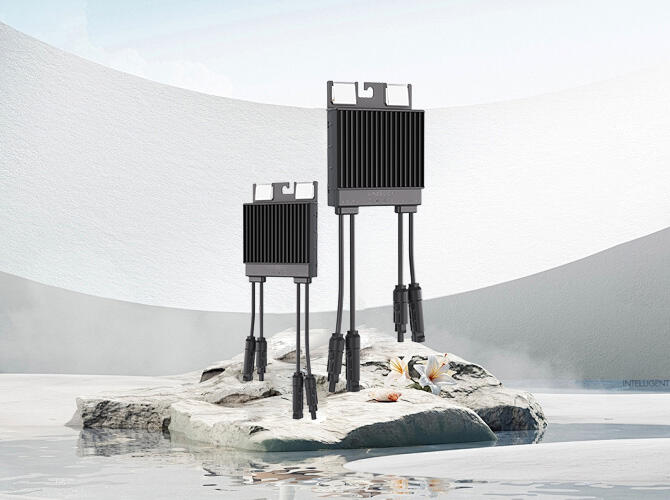
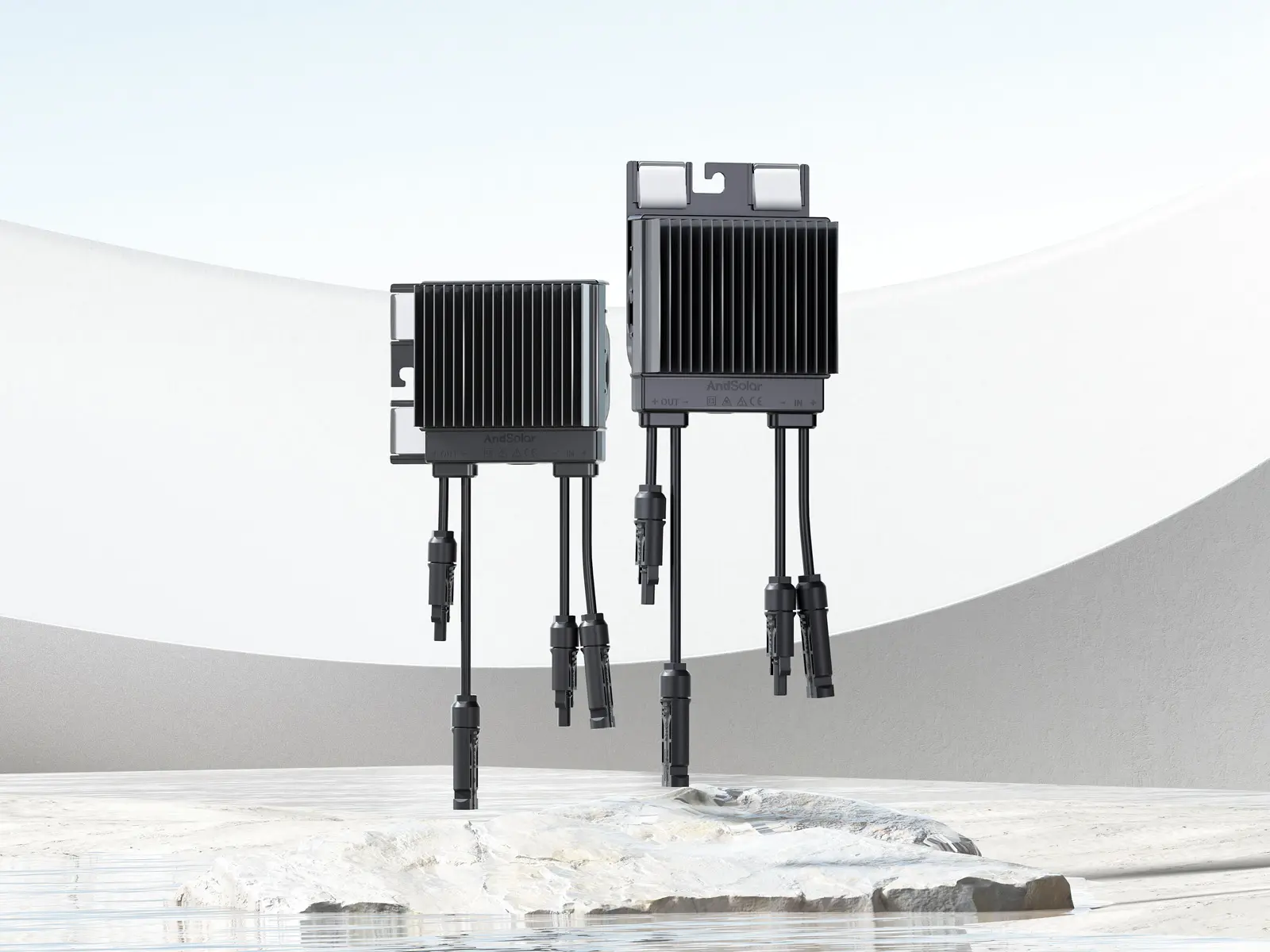
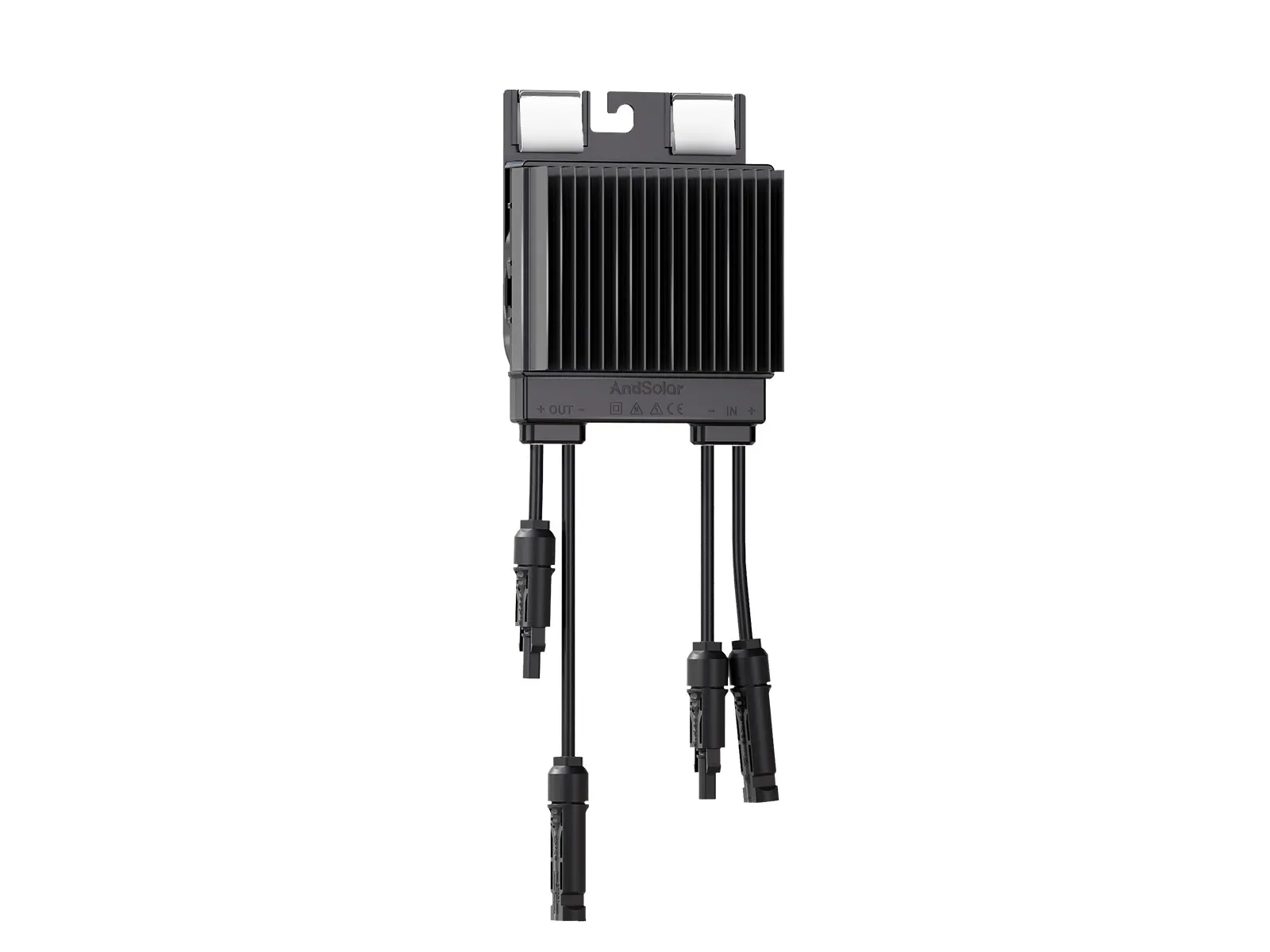
rapid shutdown system
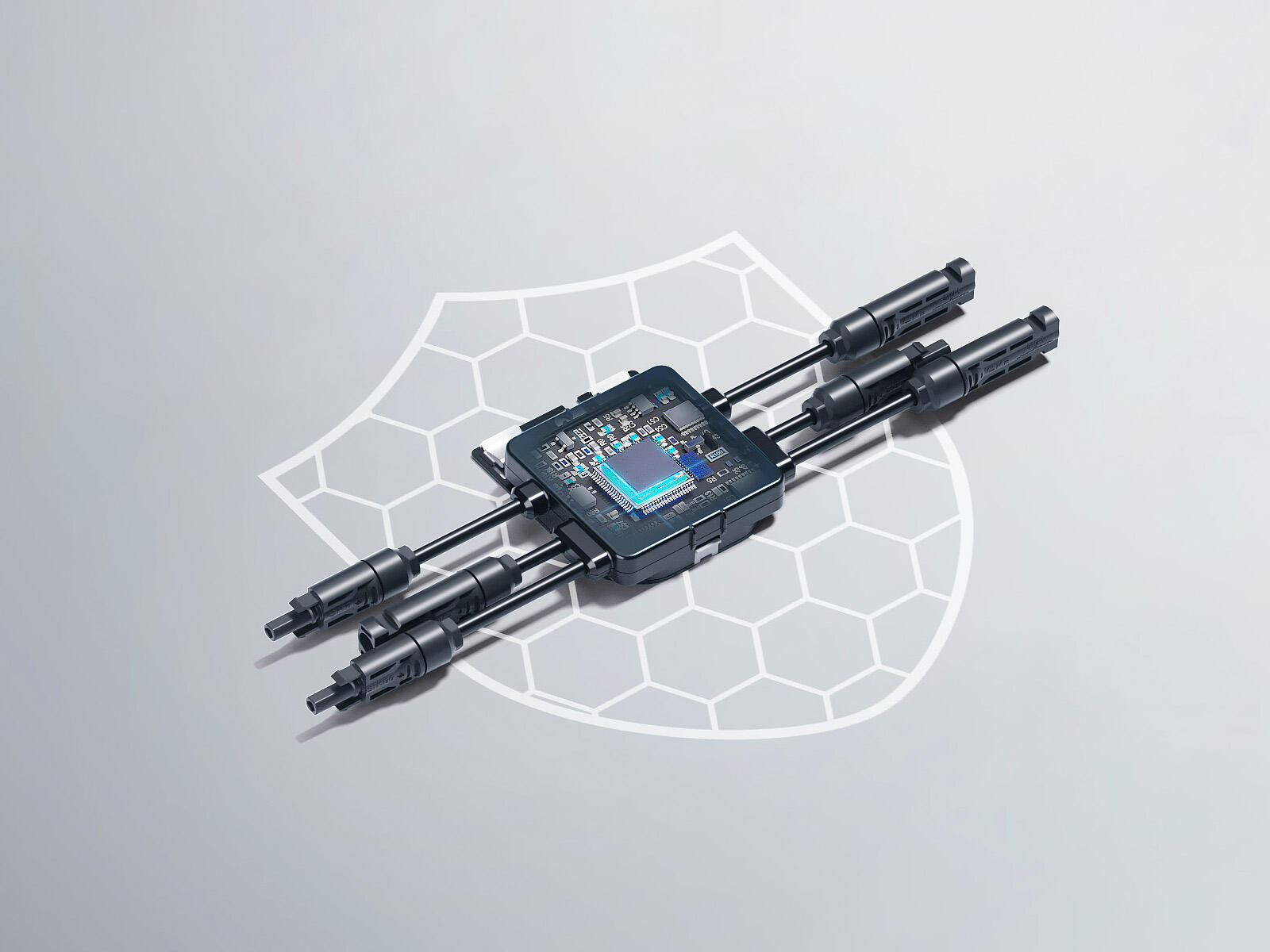
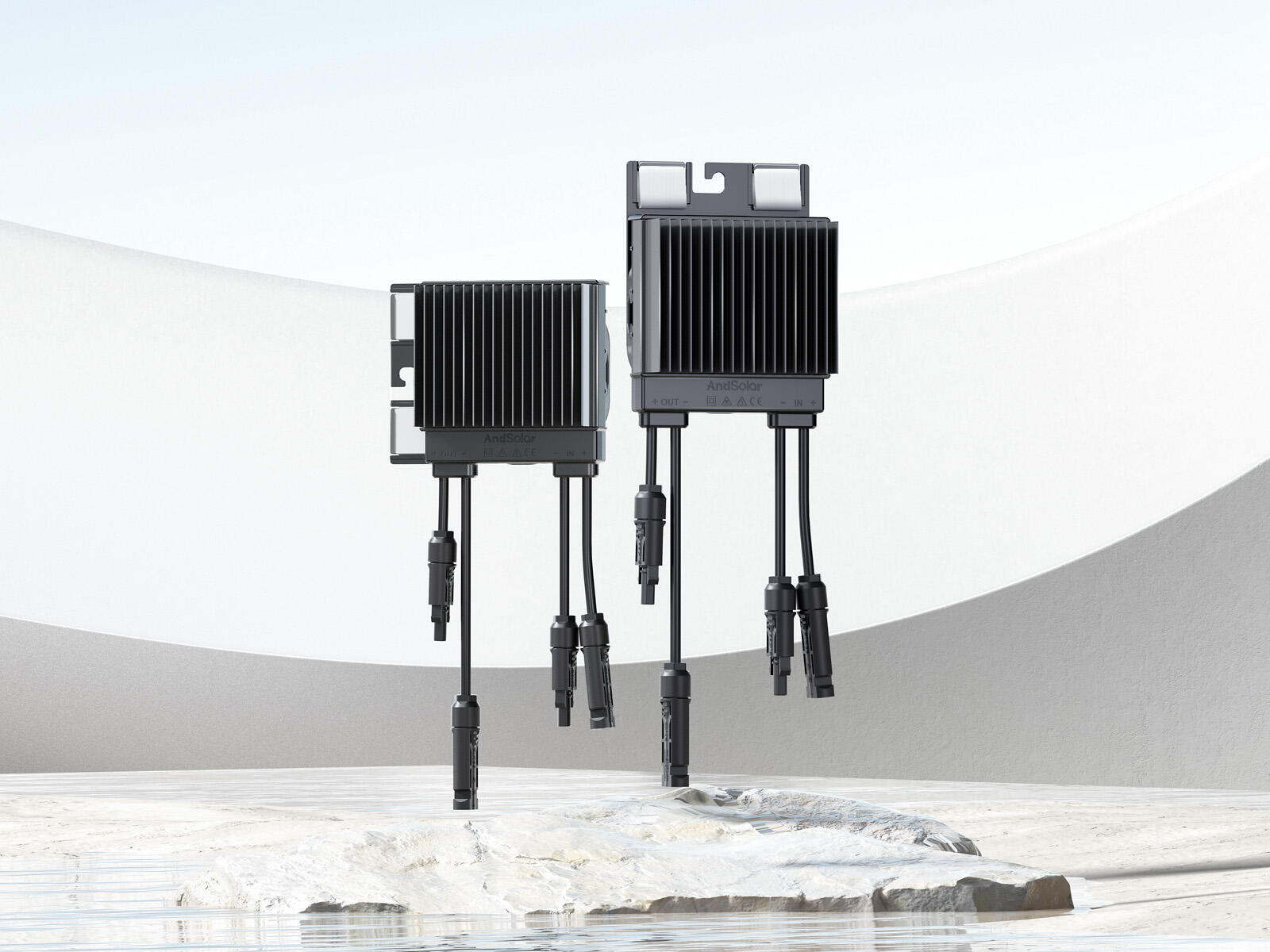
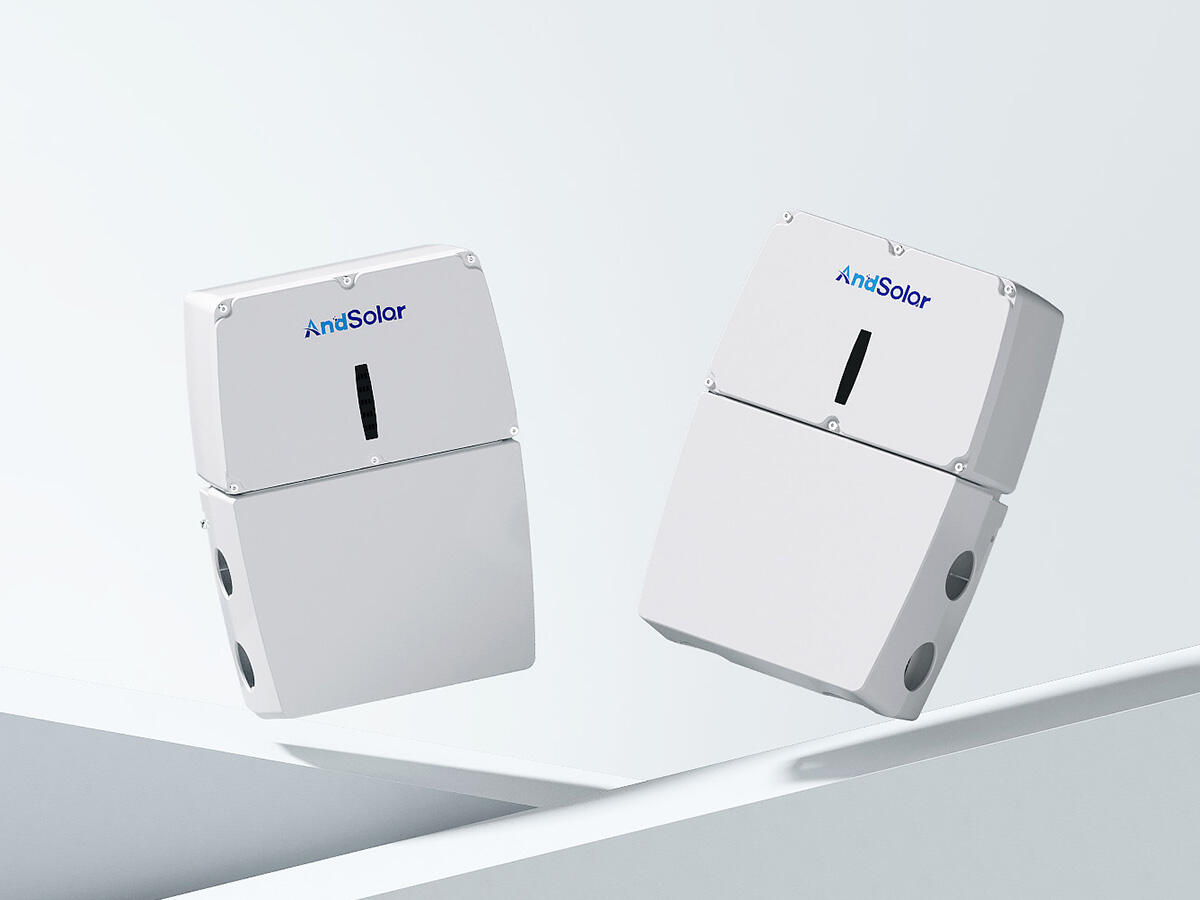
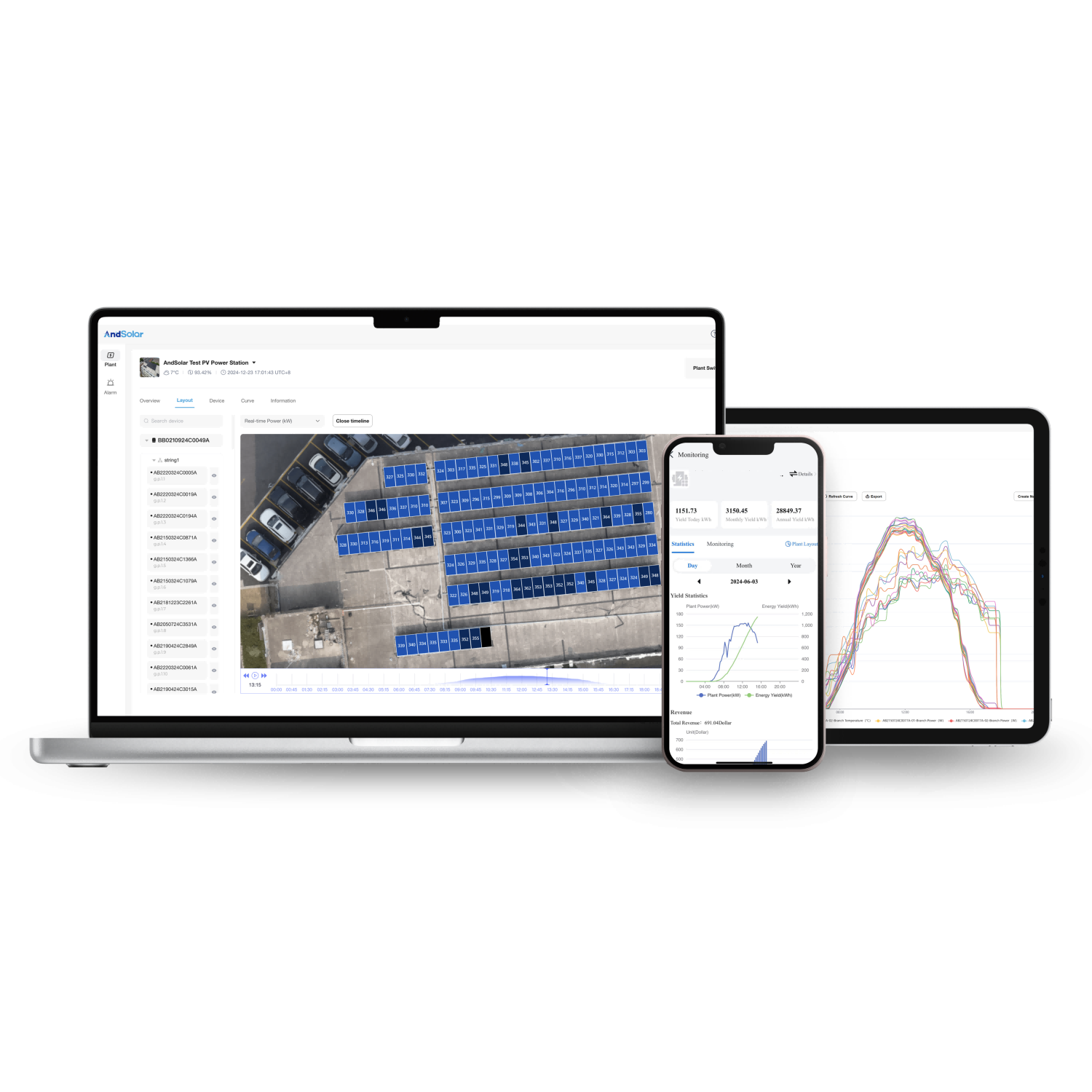
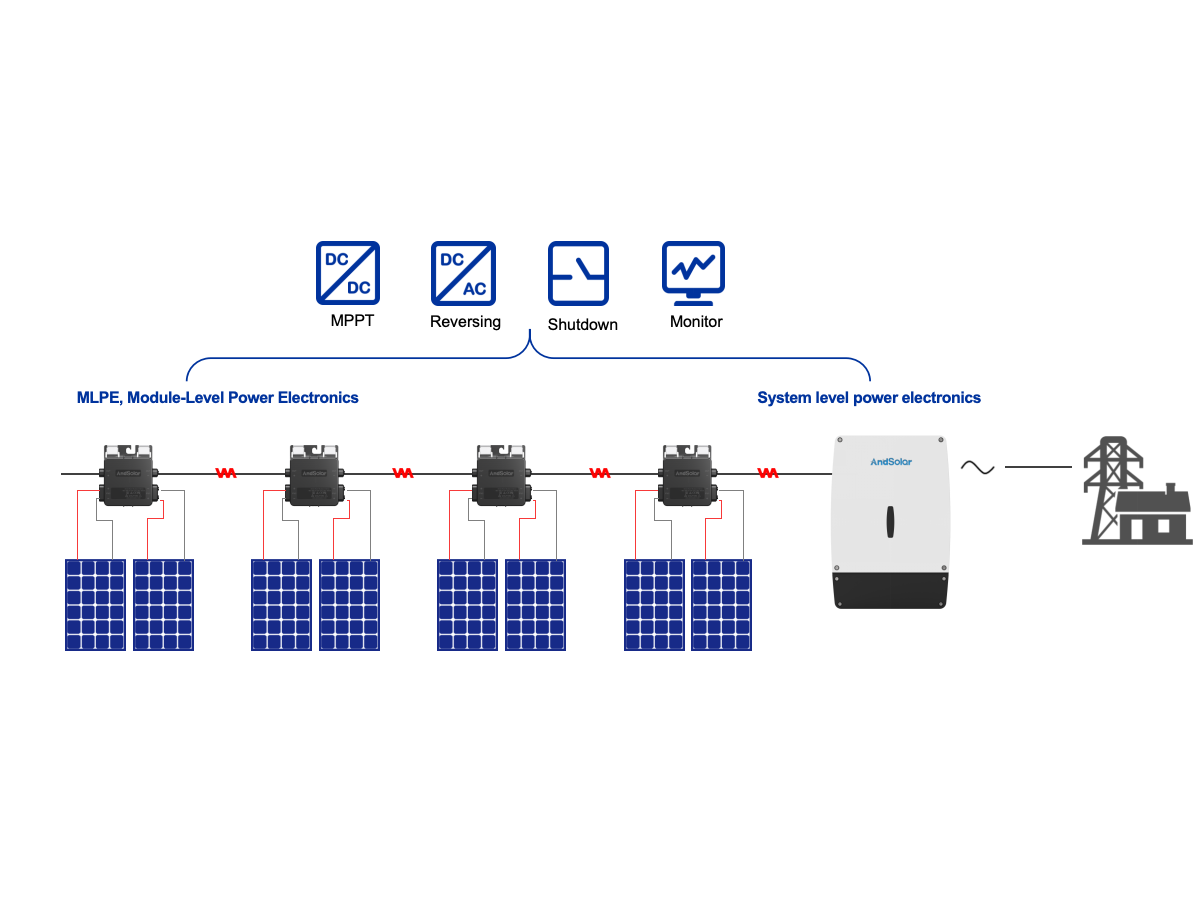
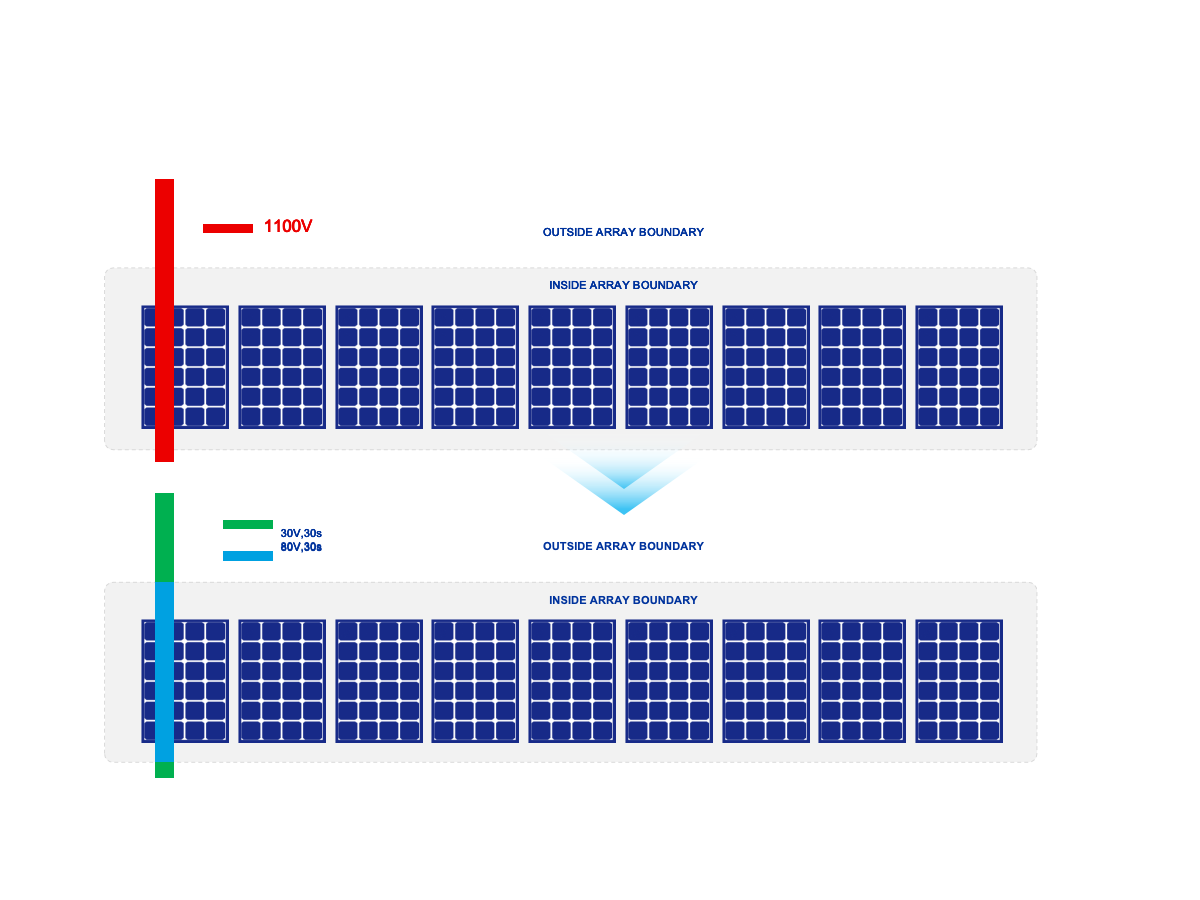
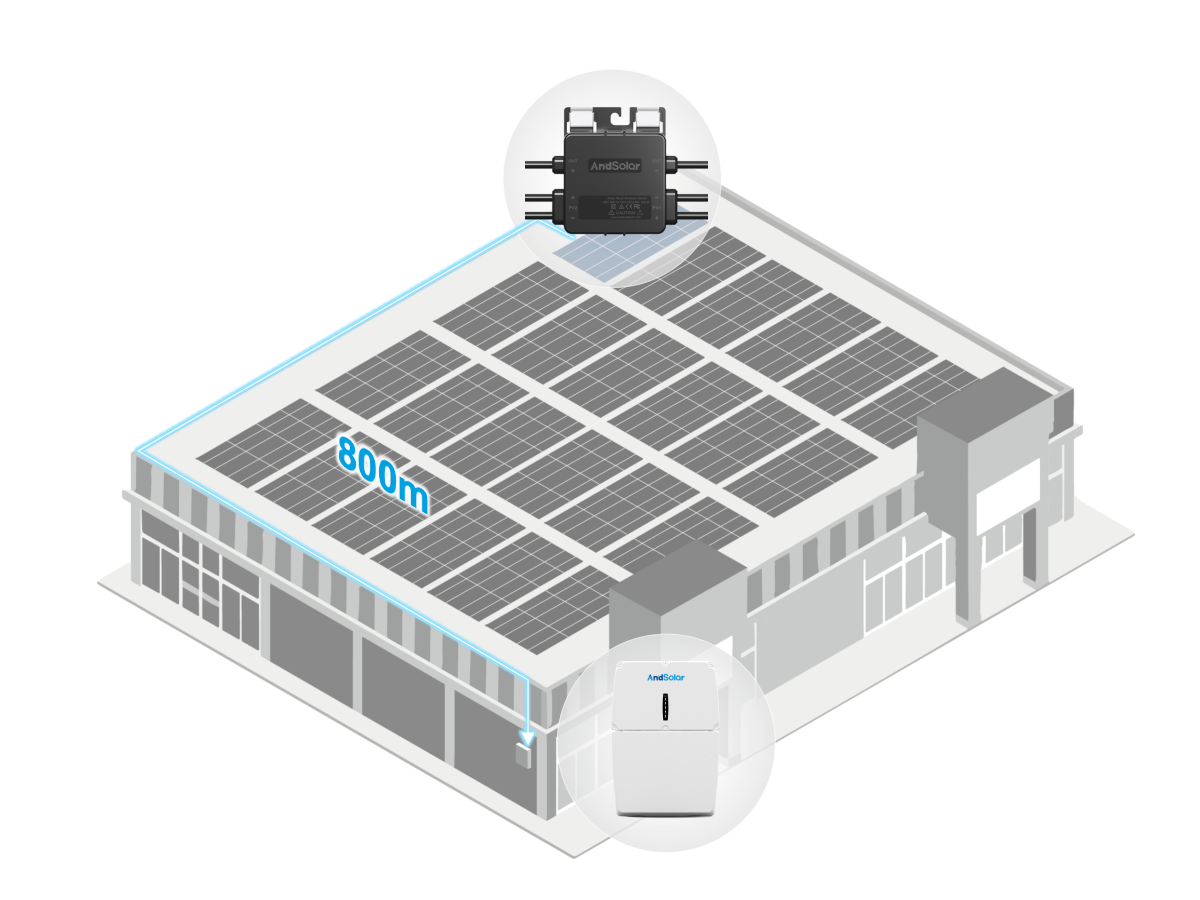
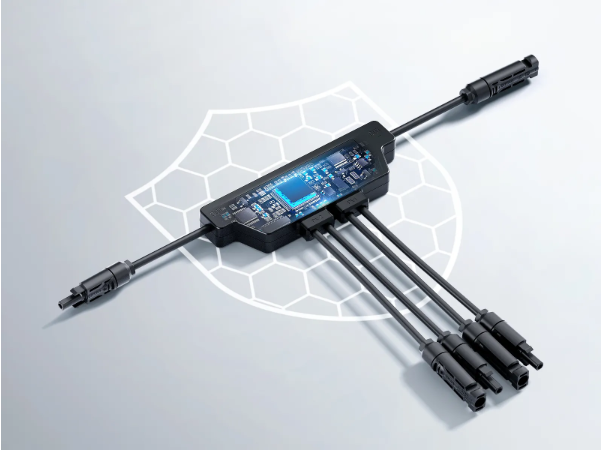
The rapid shutdown system represents a critical safety technology designed to immediately halt electrical power generation and transmission in solar photovoltaic installations when emergency conditions arise. This sophisticated system operates as an essential safeguard that protects both personnel and equipment by rapidly reducing DC voltage levels to safe thresholds within seconds of activation. The rapid shutdown system incorporates advanced monitoring capabilities that continuously assess electrical parameters, environmental conditions, and operational status throughout the solar array network. When triggered by emergency signals, equipment malfunctions, or manual activation, the system executes an immediate power isolation sequence that prevents electrical hazards during maintenance, firefighting operations, or emergency response activities. The technological framework of the rapid shutdown system relies on distributed control architecture that embeds intelligent shutdown devices at module or string levels throughout the installation. These devices communicate through robust wireless or powerline communication protocols, ensuring reliable signal transmission even under adverse conditions. The system features redundant activation pathways that include manual emergency stops, automatic fire detection integration, grid disconnect signals, and remote monitoring system triggers. Modern rapid shutdown systems utilize advanced semiconductor switching technology that enables precise voltage control and eliminates traditional mechanical relay dependencies. The rapid shutdown system finds extensive applications across residential rooftop installations, commercial building arrays, utility-scale solar farms, and specialized installations such as carports and ground-mount systems. Regulatory compliance drives widespread adoption as building codes and electrical standards increasingly mandate rapid shutdown system integration for new solar installations. The system proves particularly valuable in urban environments where fire department access and safety protocols require immediate electrical isolation capabilities. Industrial applications benefit from the rapid shutdown system integration with existing safety management systems and emergency response procedures.