Rapid Shutdown System Cost: Complete Guide to Safety Investment and ROI Benefits

  • 8F, Block B, Building 1, 286 Qinglonggang Road, Suzhou City, Jiangsu Province, P. R. China
  • [email protected]
AndSolar Cloud

rapid shutdown system cost

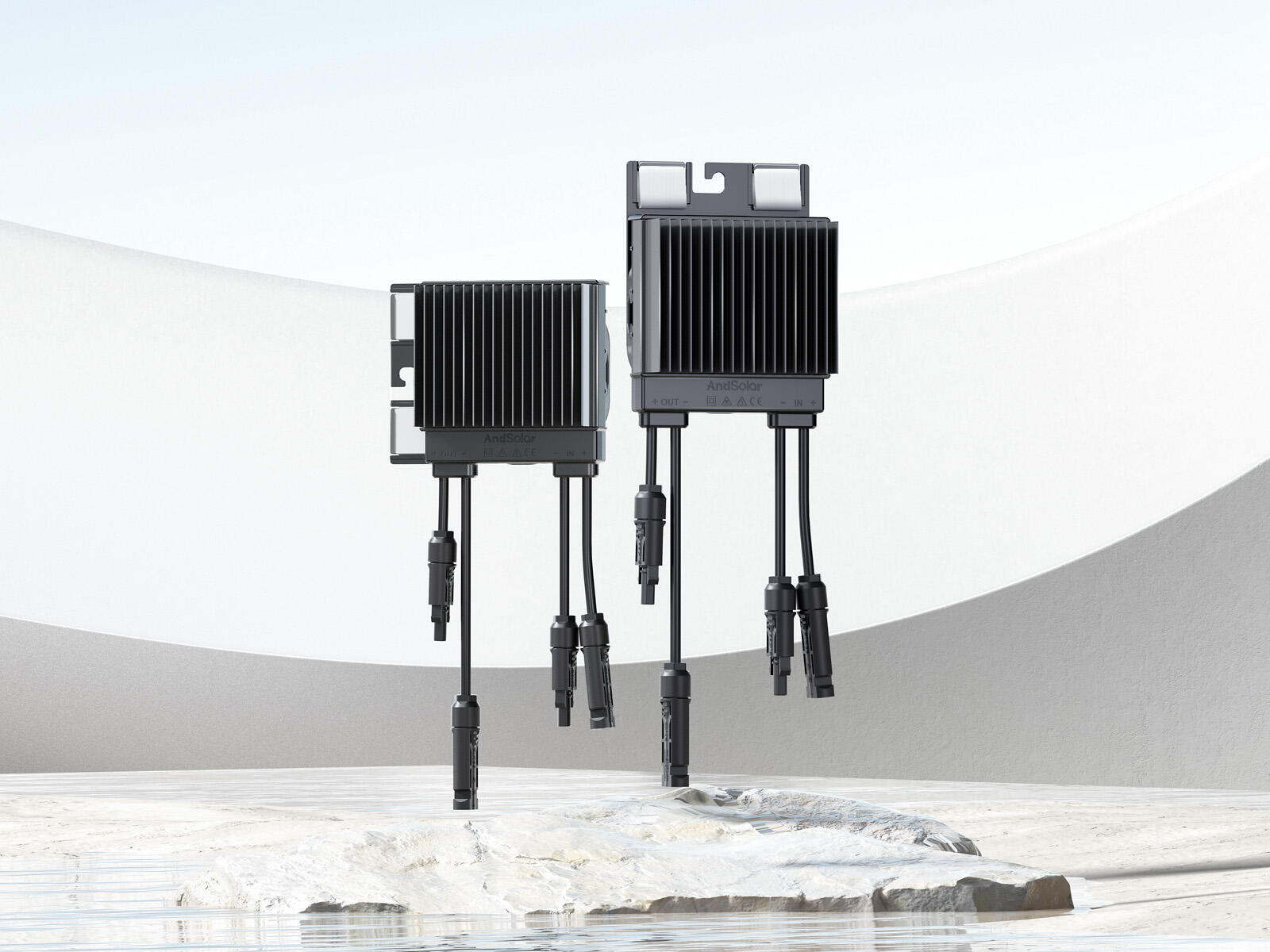
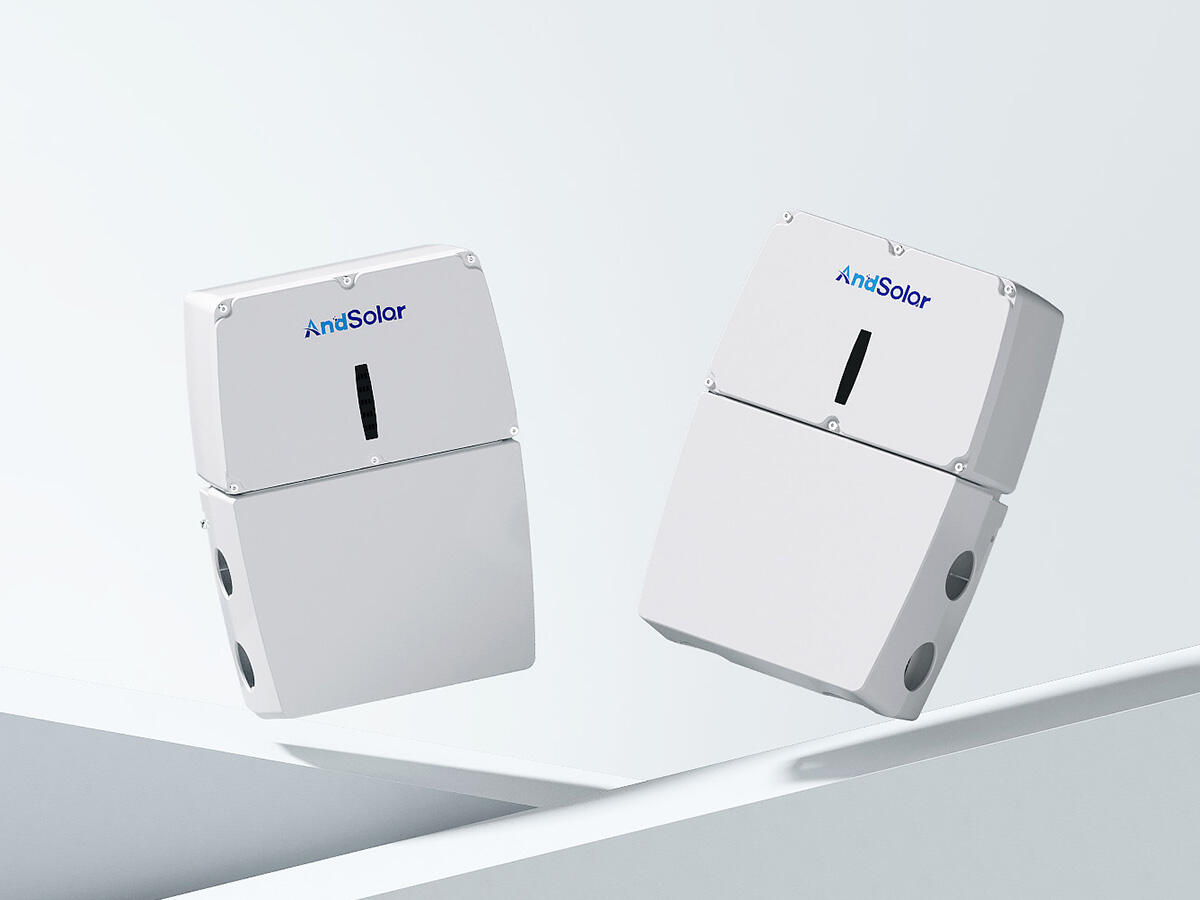
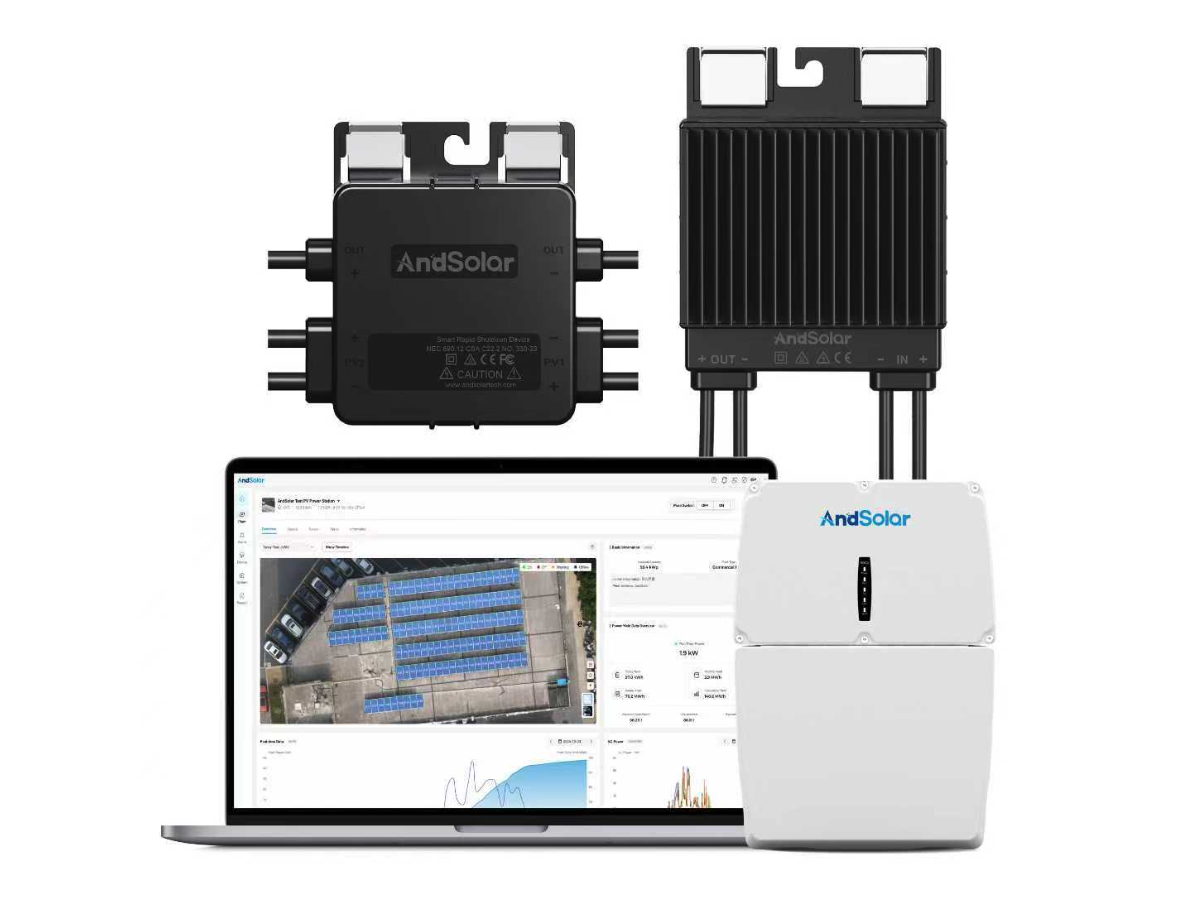
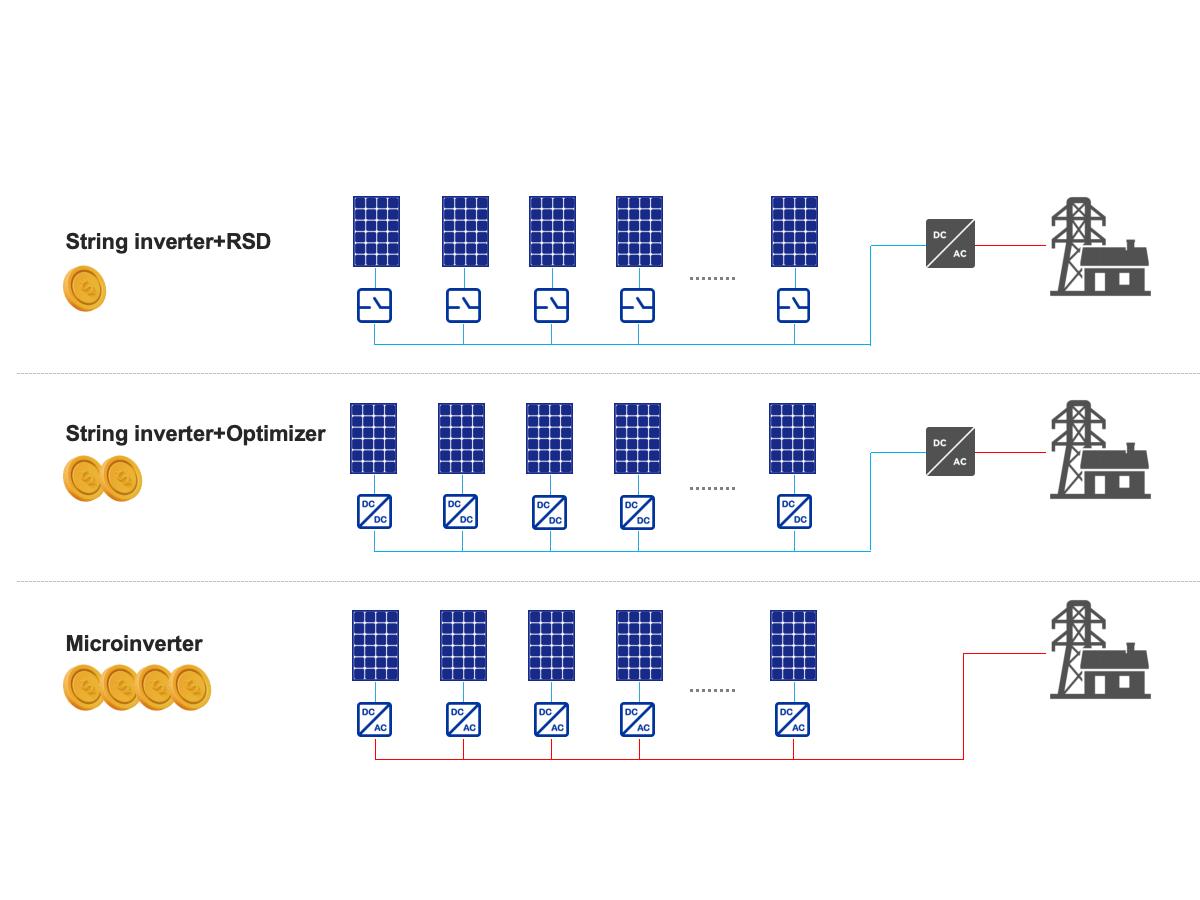
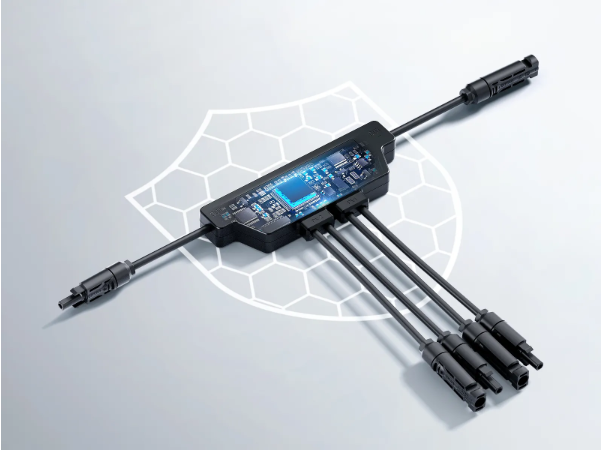
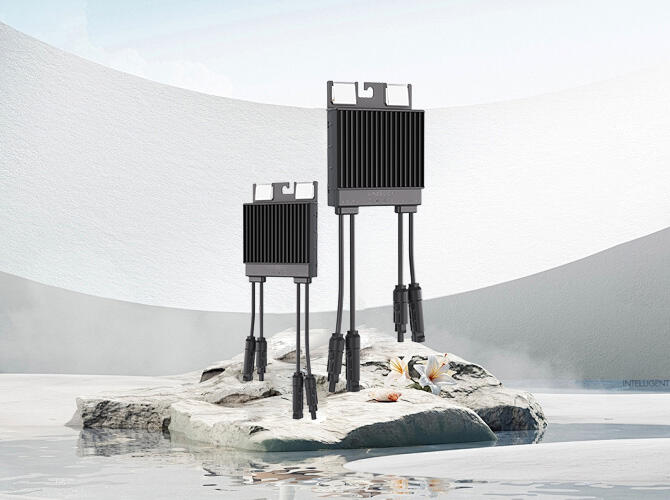
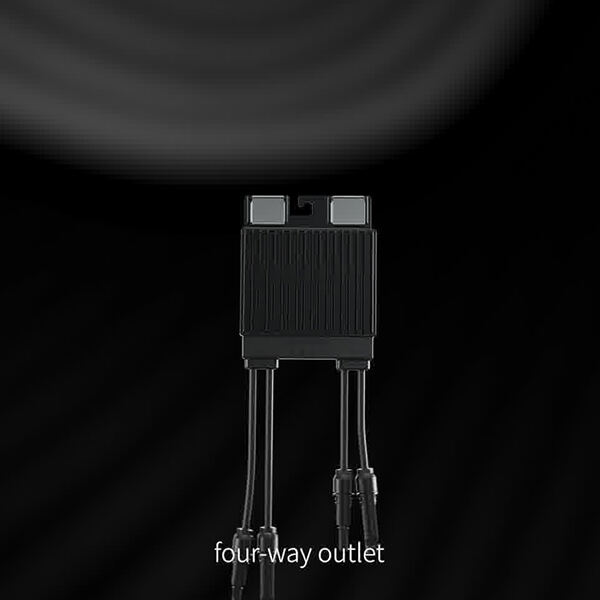
The rapid shutdown system cost represents a critical investment in modern solar energy infrastructure, designed to enhance safety protocols and regulatory compliance for photovoltaic installations. This innovative technology serves as an essential safety mechanism that enables immediate power isolation during emergency situations, maintenance procedures, or fire suppression activities. Understanding the rapid shutdown system cost involves examining both the initial equipment expenses and long-term operational benefits that justify this investment. The primary function centers on providing first responders and maintenance personnel with the ability to quickly de-energize solar panels at the module level, reducing electrical hazards during emergency interventions. Technological features include advanced power line communication protocols, integrated monitoring capabilities, and module-level power optimizers that work seamlessly with existing solar installations. The system employs sophisticated microprocessors and wireless communication networks to ensure rapid response times, typically achieving complete shutdown within seconds of activation. Applications span across residential rooftop installations, commercial solar arrays, utility-scale solar farms, and industrial photovoltaic systems where safety regulations demand enhanced protection measures. The rapid shutdown system cost varies depending on installation size, complexity, and specific regulatory requirements in different jurisdictions. Modern implementations incorporate smart grid compatibility, remote monitoring functionality, and diagnostic capabilities that provide real-time system performance data. Installation costs typically include hardware components, professional labor, system commissioning, and ongoing maintenance considerations. The technology integrates with existing inverter systems, monitoring platforms, and building management systems to create comprehensive safety networks. Regulatory compliance drives much of the rapid shutdown system cost justification, as jurisdictions worldwide implement stricter safety standards for solar installations. The system architecture supports scalable deployments, allowing for future expansion without significant infrastructure modifications. Cost-effectiveness analysis demonstrates favorable return on investment through reduced insurance premiums, enhanced property values, and improved system reliability over operational lifespans exceeding twenty-five years.
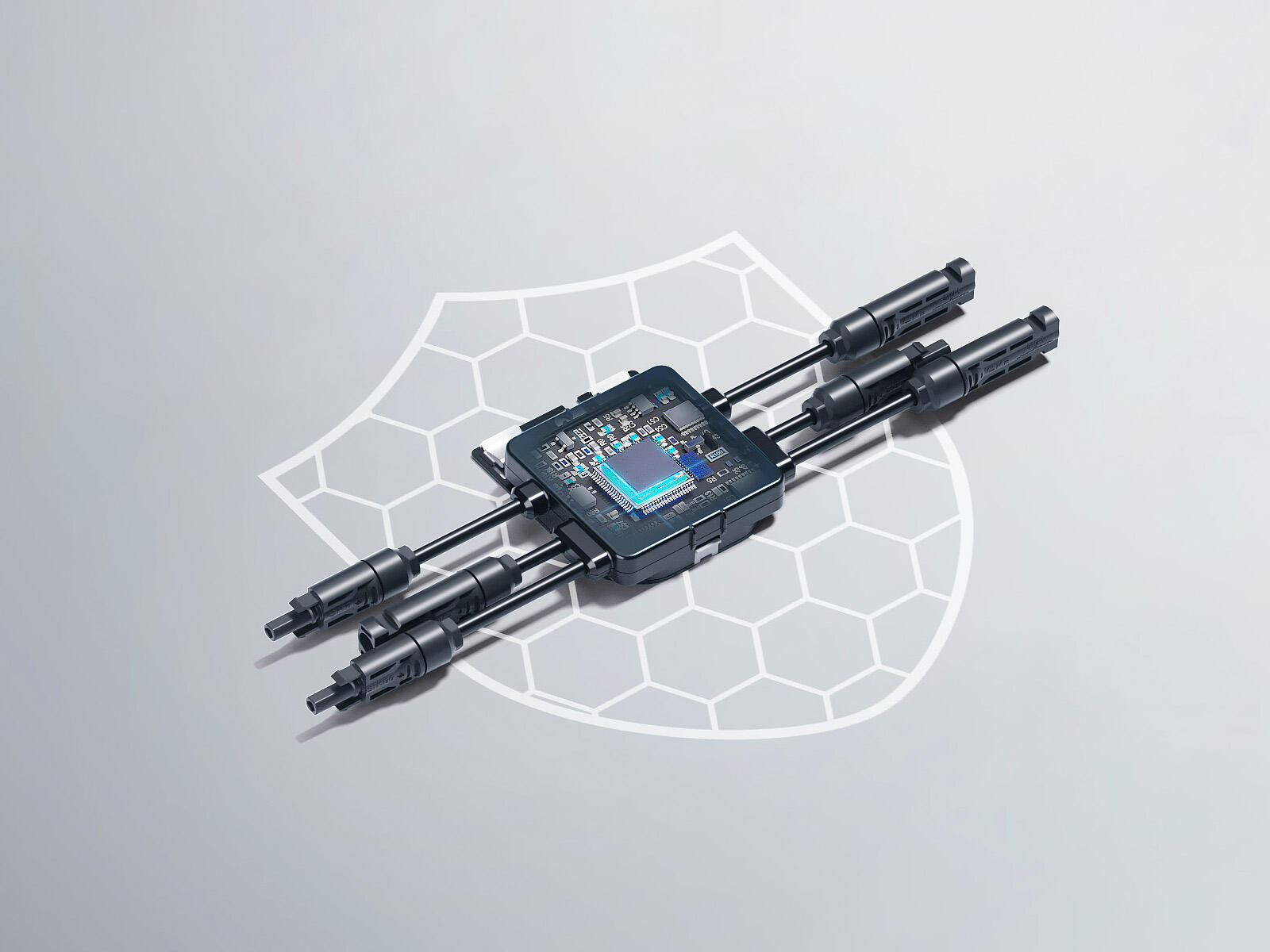
The rapid shutdown system cost delivers substantial practical benefits that extend far beyond initial investment considerations, making it an essential component for modern solar installations. First responders gain immediate access to safe working environments during emergency situations, eliminating the risk of electrical shock or electrocution when dealing with fires, accidents, or maintenance issues on properties equipped with solar panels. This safety enhancement translates directly into reduced liability exposure for property owners, often resulting in lower insurance premiums that offset portions of the rapid shutdown system cost over time. Property values typically increase when buildings incorporate advanced safety systems, as buyers and tenants recognize the enhanced protection and regulatory compliance these installations provide. Installation professionals benefit from streamlined maintenance procedures, as the system enables safe access to electrical components without complex isolation procedures or extensive safety protocols. The technology reduces operational downtime during routine maintenance, allowing technicians to perform necessary inspections and repairs more efficiently than traditional systems permit. Energy production optimization represents another significant advantage, as the monitoring capabilities integrated within rapid shutdown systems provide detailed performance analytics that identify underperforming components before they impact overall system efficiency. Remote diagnostic capabilities eliminate many site visits, reducing maintenance costs while providing continuous system health monitoring that prevents minor issues from developing into expensive repairs. Regulatory compliance becomes straightforward with proper rapid shutdown system implementation, avoiding costly retrofits or legal complications that arise from non-compliant installations. The technology future-proofs solar investments by ensuring compatibility with evolving safety standards and regulatory requirements across different jurisdictions. Integration capabilities allow seamless connection with smart home systems, building management platforms, and utility grid management systems, creating comprehensive energy management solutions. Long-term reliability reduces replacement costs and extends system operational life, while advanced diagnostic features provide early warning of potential component failures. The rapid shutdown system cost proves justified through reduced operational expenses, enhanced safety margins, improved system performance, and increased property values that compound over decades of operation.

New Product Recommendations

Enhanced Safety Protocol Integration

Enhanced Safety Protocol Integration

The rapid shutdown system cost incorporates comprehensive safety protocol integration that transforms how solar installations interact with emergency response procedures and routine maintenance activities. This sophisticated safety framework provides multiple layers of protection through advanced communication networks that instantly respond to shutdown commands from various sources including manual switches, automated fire detection systems, and remote monitoring platforms. The integration extends beyond basic power interruption to include intelligent monitoring of electrical parameters, arc fault detection, and ground fault protection that work collectively to prevent dangerous conditions before they develop into serious safety hazards. Emergency responders receive clear visual indicators of system status through LED displays and audible signals that confirm successful shutdown completion, eliminating guesswork during critical response situations. The system maintains detailed event logs that document all shutdown activities, providing valuable forensic information for insurance claims, regulatory inspections, and system performance analysis. Advanced integration capabilities enable coordination with building automation systems, fire suppression equipment, and security networks to create comprehensive safety ecosystems that respond intelligently to various emergency scenarios. The rapid shutdown system cost includes specialized training programs for emergency personnel, ensuring local fire departments and first responders understand system operation and can utilize safety features effectively during emergency situations. Installation includes tamper-resistant components and secure communication protocols that prevent unauthorized system manipulation while maintaining accessibility for authorized personnel during emergencies. The technology supports multiple activation methods including physical switches, wireless remote controls, and smartphone applications that provide flexibility for different user preferences and operational requirements. Integration with existing electrical panels requires minimal modifications while providing maximum safety enhancement through proper grounding, surge protection, and electrical isolation capabilities. The system continuously monitors its own operational status, providing self-diagnostic capabilities that ensure safety functions remain operational throughout the installation's service life, alerting users to any maintenance requirements before safety capabilities become compromised.
Cost-Effective Regulatory Compliance Solution

Cost-Effective Regulatory Compliance Solution

The rapid shutdown system cost represents an intelligent investment strategy that addresses evolving regulatory requirements while providing long-term financial benefits through comprehensive compliance solutions. Regulatory landscapes continue evolving across international markets, with jurisdictions implementing increasingly stringent safety standards that require rapid shutdown capabilities for new installations and retrofits of existing systems. This proactive approach to compliance eliminates the risk of costly future modifications when regulations change, as the system architecture supports firmware updates and feature enhancements that maintain compliance without hardware replacements. The technology meets current National Electrical Code requirements, International Fire Code standards, and local regulatory variations through flexible configuration options that adapt to specific jurisdictional requirements. Compliance documentation generated automatically by the system simplifies inspection processes, reducing administrative costs and ensuring accurate record-keeping for regulatory submissions and insurance requirements. The rapid shutdown system cost includes comprehensive certification from recognized testing laboratories, providing assurance that installations meet applicable safety standards and performance specifications required by local authorities. Professional installation services ensure proper configuration for specific regulatory environments, while ongoing support maintains compliance as standards evolve over time. The system generates detailed compliance reports that demonstrate adherence to safety requirements, supporting permit applications, insurance claims, and regulatory inspections with documented evidence of proper installation and operation. Cost savings emerge through streamlined approval processes, as regulatory authorities recognize certified rapid shutdown systems and often expedite permit approvals for compliant installations. The technology supports multiple compliance pathways, allowing installers to choose approaches that minimize costs while meeting applicable requirements in different jurisdictions. Future regulatory changes can often be accommodated through software updates rather than hardware replacements, protecting the initial rapid shutdown system cost investment against obsolescence. Integration with utility interconnection requirements simplifies grid connection processes, while compatibility with emerging smart grid standards ensures long-term viability as electrical infrastructure continues modernizing. The system provides audit trails and documentation that satisfy regulatory reporting requirements, reducing administrative burden while ensuring continuous compliance monitoring throughout the installation's operational life.
Advanced Performance Monitoring and Optimization

Advanced Performance Monitoring and Optimization

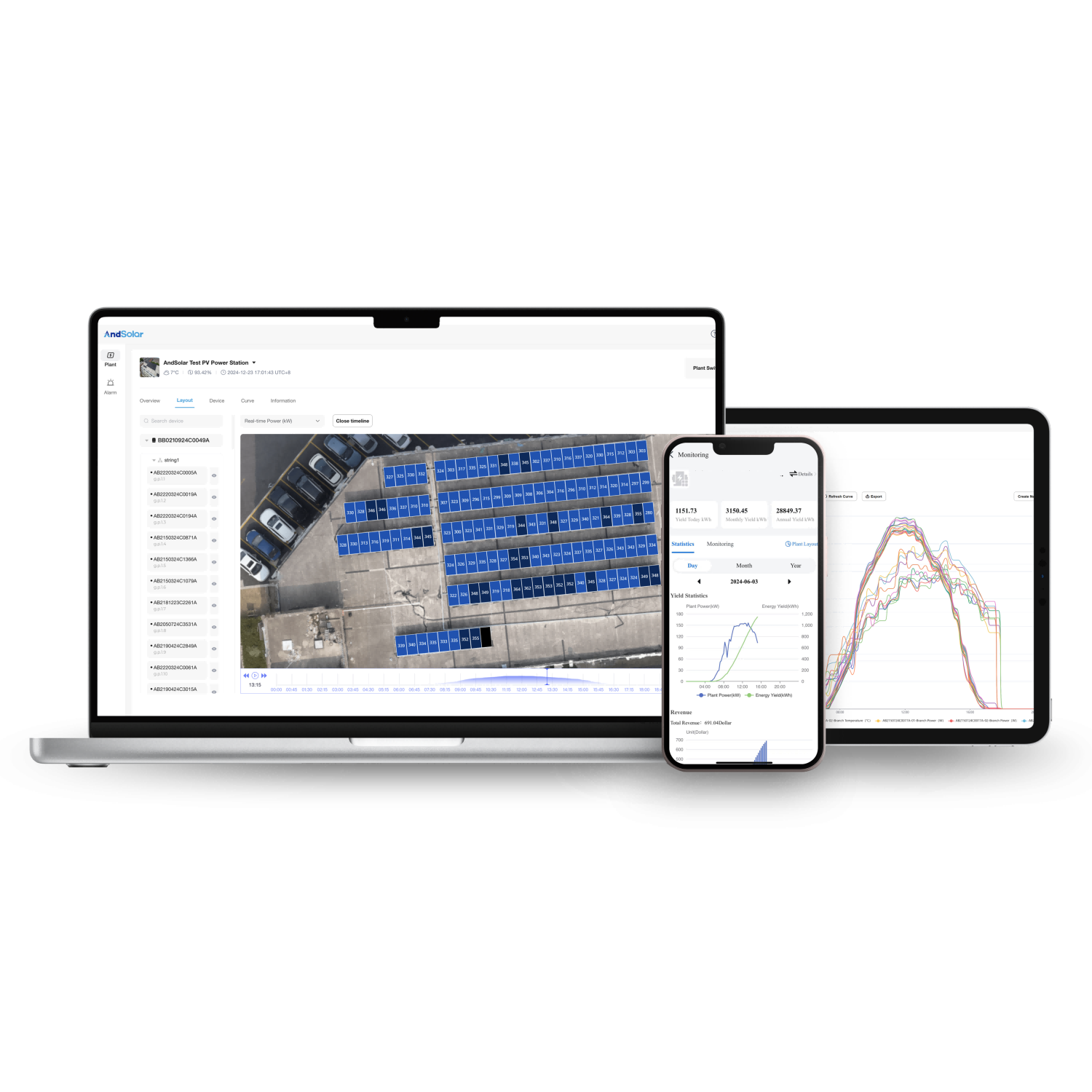
The rapid shutdown system cost encompasses sophisticated performance monitoring and optimization capabilities that transform solar installations into intelligent energy production systems with comprehensive diagnostic and analytical features. Real-time monitoring extends beyond basic safety functions to include detailed performance analytics at the module level, providing granular insights into energy production patterns, system efficiency trends, and component health indicators that enable proactive maintenance strategies. The technology captures extensive operational data including voltage levels, current measurements, temperature readings, and power output statistics that create comprehensive system profiles for optimization analysis. Advanced algorithms analyze this data to identify performance anomalies, predict maintenance requirements, and optimize energy production through intelligent system adjustments that maximize return on investment. Remote monitoring capabilities enable system owners and maintenance professionals to access performance data from anywhere, reducing site visit requirements while maintaining comprehensive system oversight through secure web-based interfaces and mobile applications. The system generates automated alerts for performance deviations, component failures, or safety concerns that require attention, enabling rapid response to issues before they impact energy production or system reliability. Integration with energy management systems provides comprehensive facility monitoring that coordinates solar production with energy consumption patterns, storage systems, and grid interaction to optimize overall energy economics. The rapid shutdown system cost includes predictive maintenance algorithms that analyze historical performance data to forecast component replacement schedules, helping system owners budget for future maintenance requirements while minimizing unexpected repair costs. Performance benchmarking features compare actual energy production against theoretical calculations and similar installations, identifying opportunities for system improvements or configuration adjustments that enhance overall efficiency. The technology supports multiple communication protocols that enable integration with existing monitoring systems, building management platforms, and utility programs that provide additional value streams through demand response participation and grid services. Data export capabilities facilitate detailed analysis using external software tools, while built-in reporting functions generate professional performance summaries for stakeholder communications, regulatory submissions, and insurance documentation requirements.

Get a Free Quote

Our representative will contact you soon.
Name
Email
Phone/ WhatsApp
Company Name
Product Selection
Message
0/1000

rapid shutdown system cost

Latest News

The Role of MLPE in PV Systems.

30

Jun

The Role of MLPE in PV Systems.

Understanding MLPE in Solar PV Systems Defining MLPE Technologies MLPE, (Module-Level Power Electronics), is a crucial factor in increasing the performance of a solar PV system. This includes technology like microinverters and DC optimize...
View More
How Does the Rapid Shutdown Policy Improve Solar Safety Standards?

13

Aug

How Does the Rapid Shutdown Policy Improve Solar Safety Standards?

Strengthening Solar Power Systems Through Advanced Safety Measures In the rapidly expanding solar industry, safety has emerged as one of the most critical aspects of system design and operation. As more residential, commercial, and utility-scale inst...
View More
Understanding ABNT NBR 17193:2025 & Rapid Shutdown: Everything You Need to Know

23

Sep

Understanding ABNT NBR 17193:2025 & Rapid Shutdown: Everything You Need to Know

The Evolution of Solar Safety Standards in Brazil The solar energy landscape in Brazil is undergoing a significant transformation with the introduction of ABNT NBR 17193:2025, particularly focusing on rapid shutdown requirements. This revolutionary s...
View More
Global Rapid Shutdown Standards: How AndSolar Meets the Standards

23

Sep

Global Rapid Shutdown Standards: How AndSolar Meets the Standards

Understanding Solar Safety Through Rapid Shutdown Innovation The evolution of solar energy systems has brought unprecedented focus on safety protocols, with rapid shutdown standards emerging as a crucial component in modern solar installations. These...
View More

Get a Free Quote

Our representative will contact you soon.
Name
Email
Phone/ WhatsApp
Company Name
Product Selection
Message
0/1000