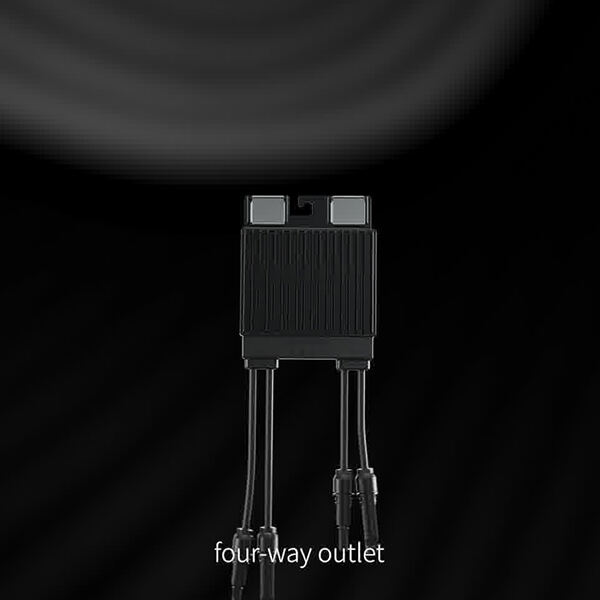
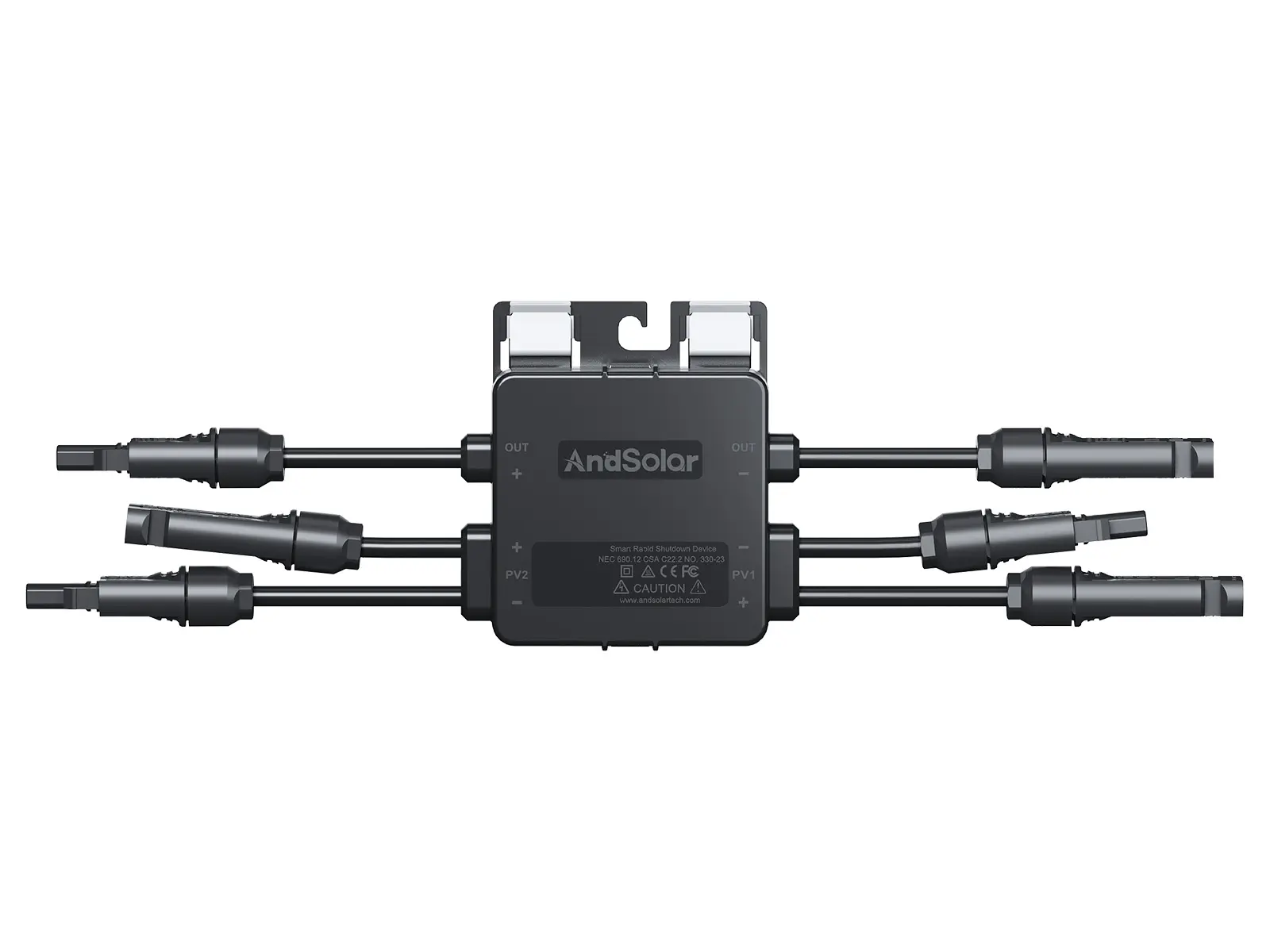
Module-Level Rapid Shutdown Device: Advanced Solar Safety Technology for Code Compliance

  • 8F, Block B, Building 1, 286 Qinglonggang Road, Suzhou City, Jiangsu Province, P. R. China
  • [email protected]
AndSolar Cloud

module-level rapid shutdown device

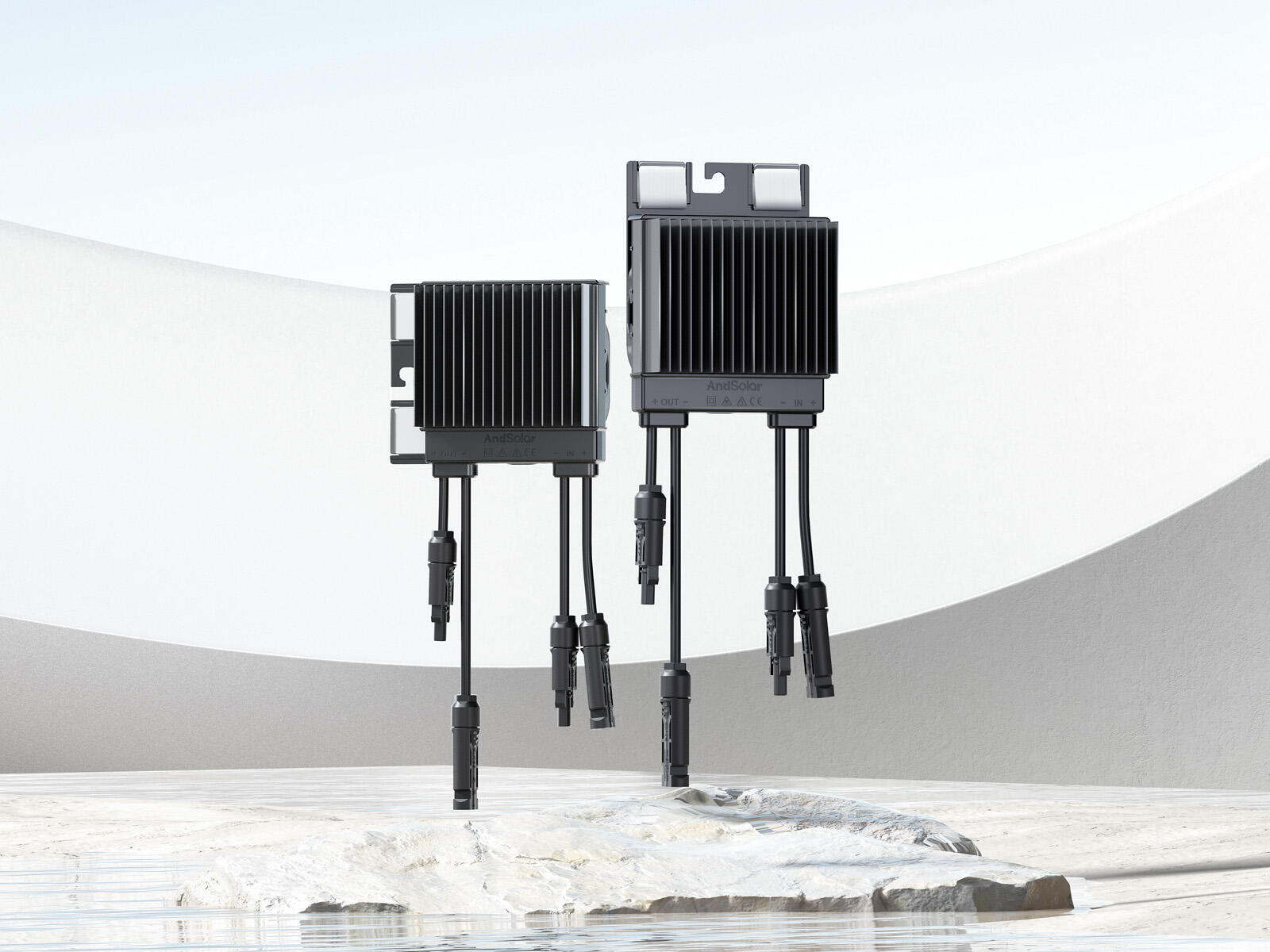
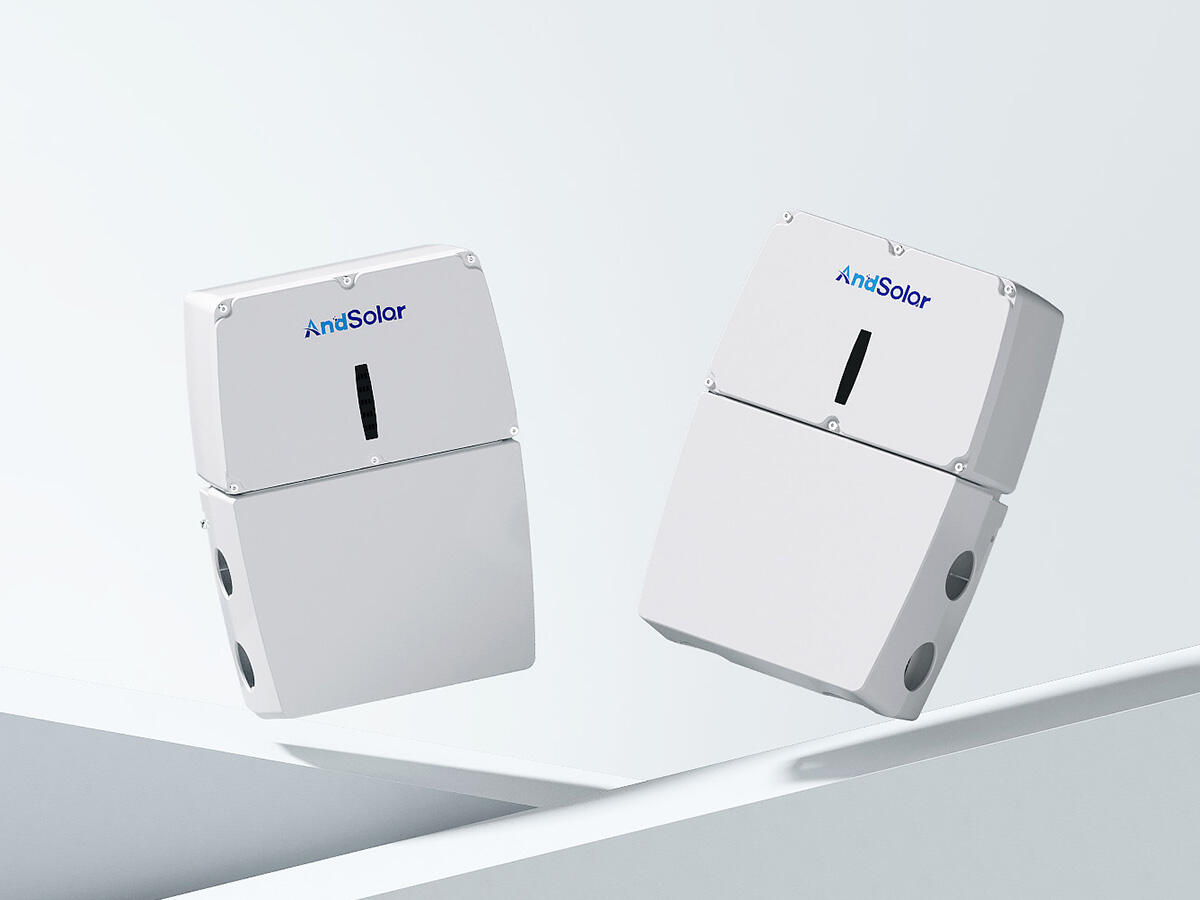
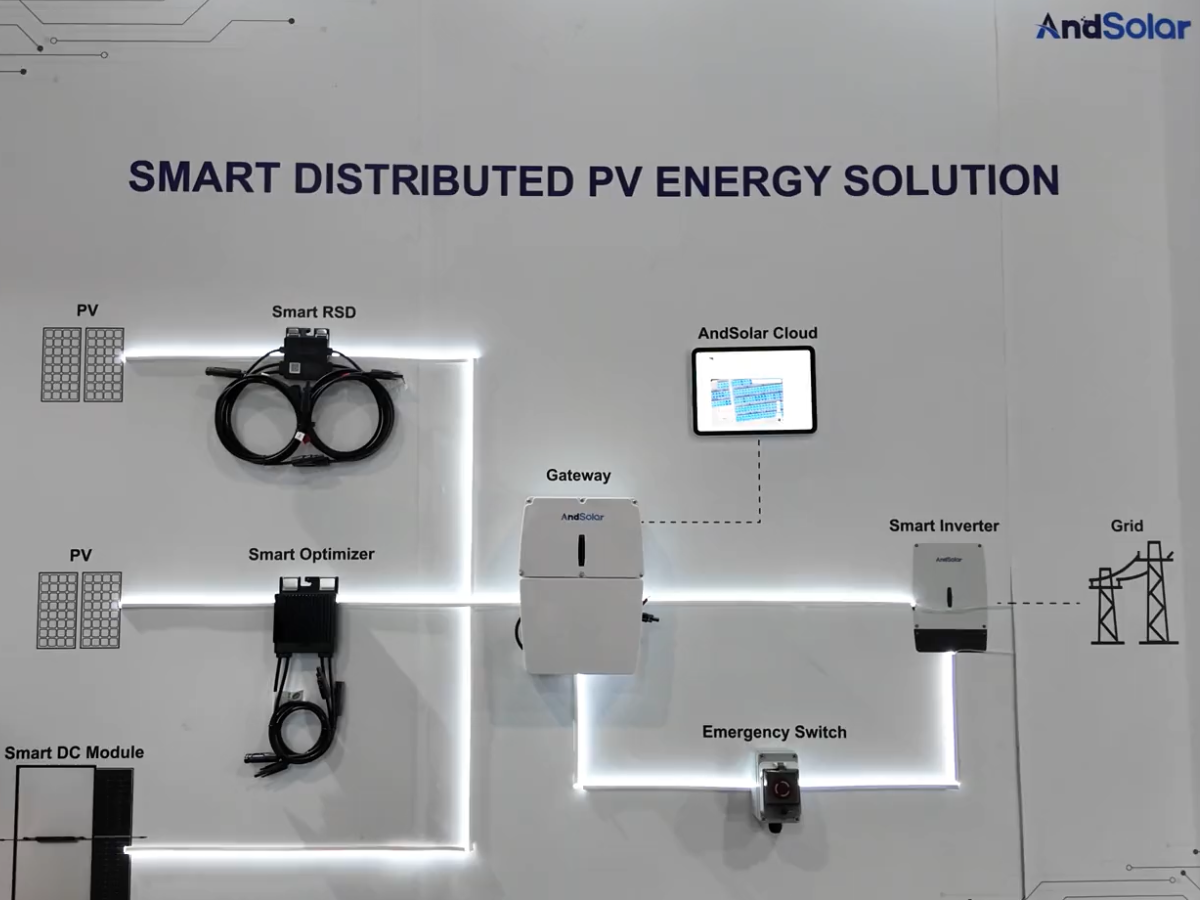
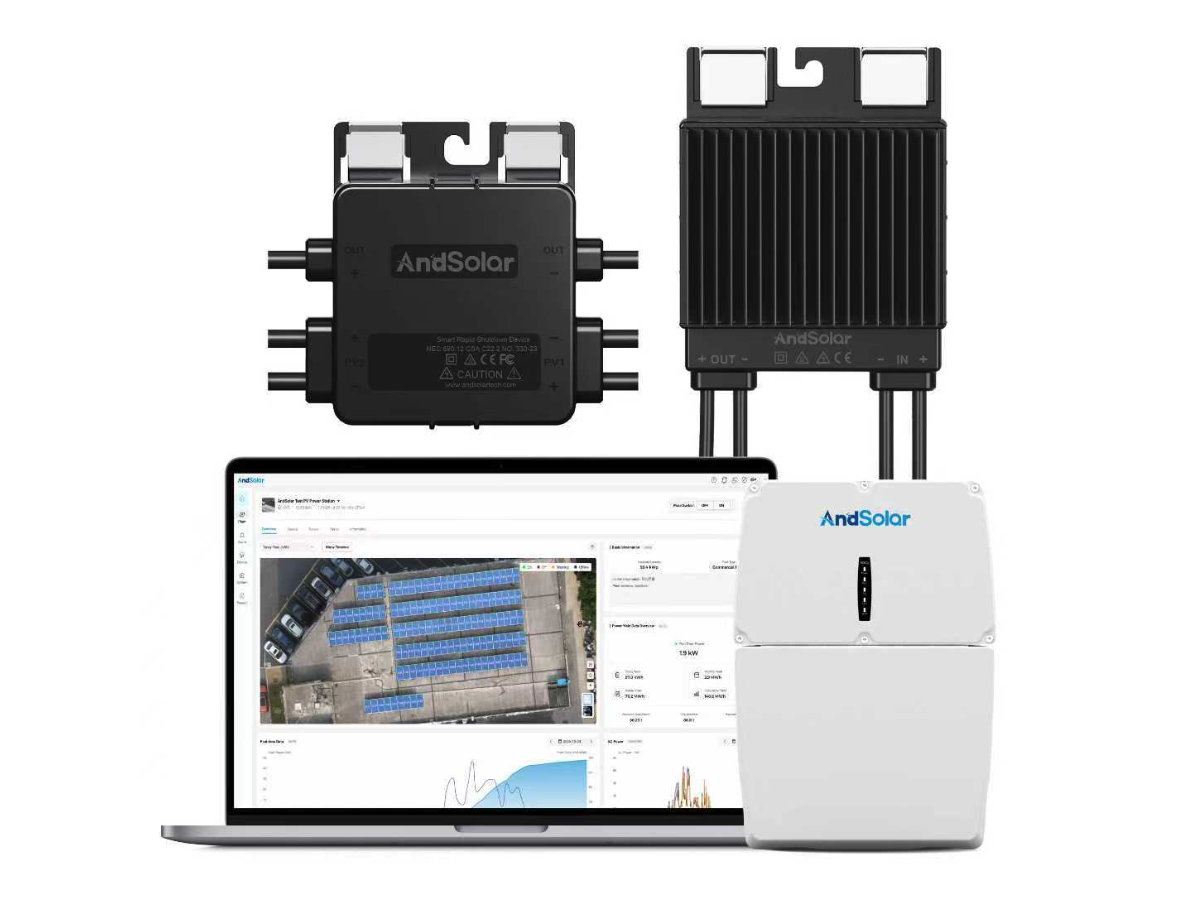
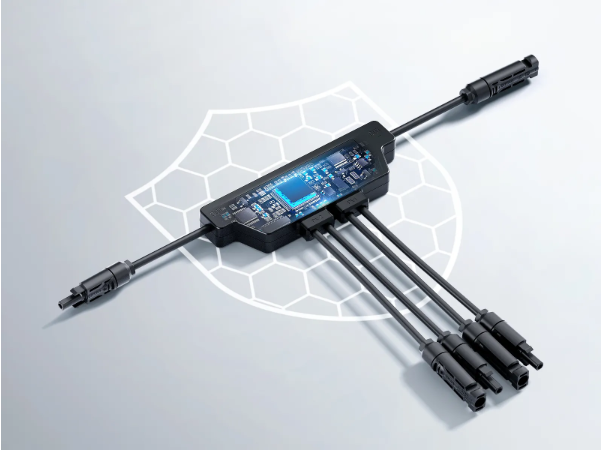
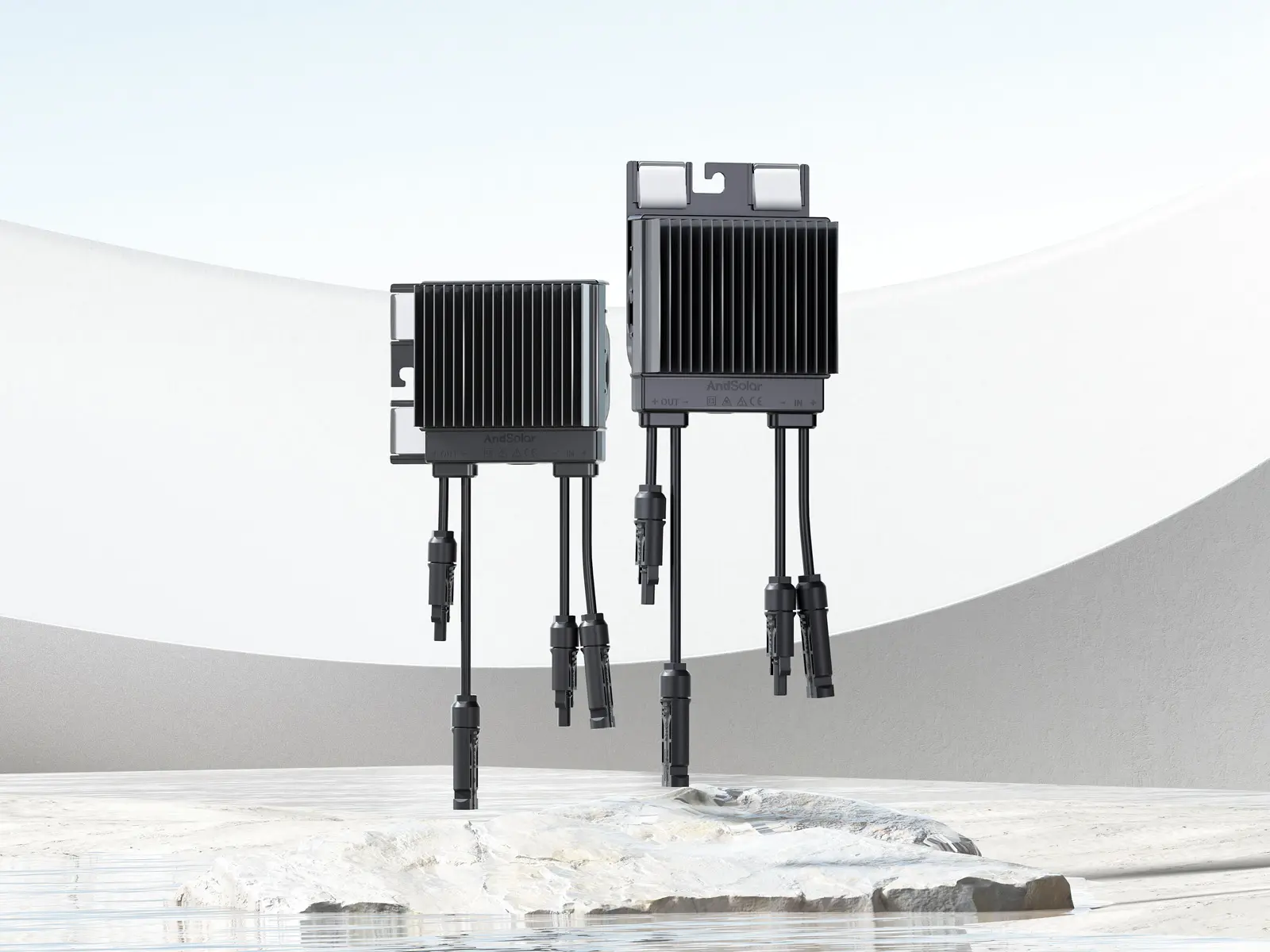
A module-level rapid shutdown device represents a critical safety component in modern solar photovoltaic systems, designed to provide immediate power disconnection at the individual panel level during emergency situations or maintenance procedures. This innovative technology addresses stringent safety requirements established by electrical codes, particularly the National Electrical Code (NEC) 690.12, which mandates rapid shutdown capabilities for solar installations. The module-level rapid shutdown device integrates seamlessly with solar panels, offering granular control over each photovoltaic module within an array. Unlike traditional string-level shutdown systems, this device operates at the individual panel level, ensuring complete voltage reduction within specified timeframes. The primary function involves monitoring system conditions continuously and responding instantaneously to shutdown signals from firefighters, maintenance personnel, or automatic safety systems. When activated, the module-level rapid shutdown device reduces DC voltage to safe levels within seconds, typically below 30 volts within the array boundary and 80 volts outside the boundary. The technological architecture incorporates advanced semiconductor switching elements, microprocessor control units, and wireless or powerline communication protocols. These components work together to ensure reliable operation across varying environmental conditions, from extreme temperatures to high humidity levels. The device features robust enclosure designs that protect internal components from moisture, dust, and physical damage while maintaining optimal thermal management. Installation procedures are streamlined through plug-and-play connectivity options, reducing labor costs and potential wiring errors. The module-level rapid shutdown device supports various communication methods, including powerline carrier communication, wireless radio frequency transmission, and hybrid approaches that combine multiple technologies for enhanced reliability. Modern implementations include diagnostic capabilities that provide real-time status monitoring, fault detection, and performance analytics. These features enable proactive maintenance scheduling and system optimization while ensuring compliance with evolving safety regulations. The device typically integrates with existing solar panel frames or junction boxes, maintaining aesthetic appeal while adding essential safety functionality.
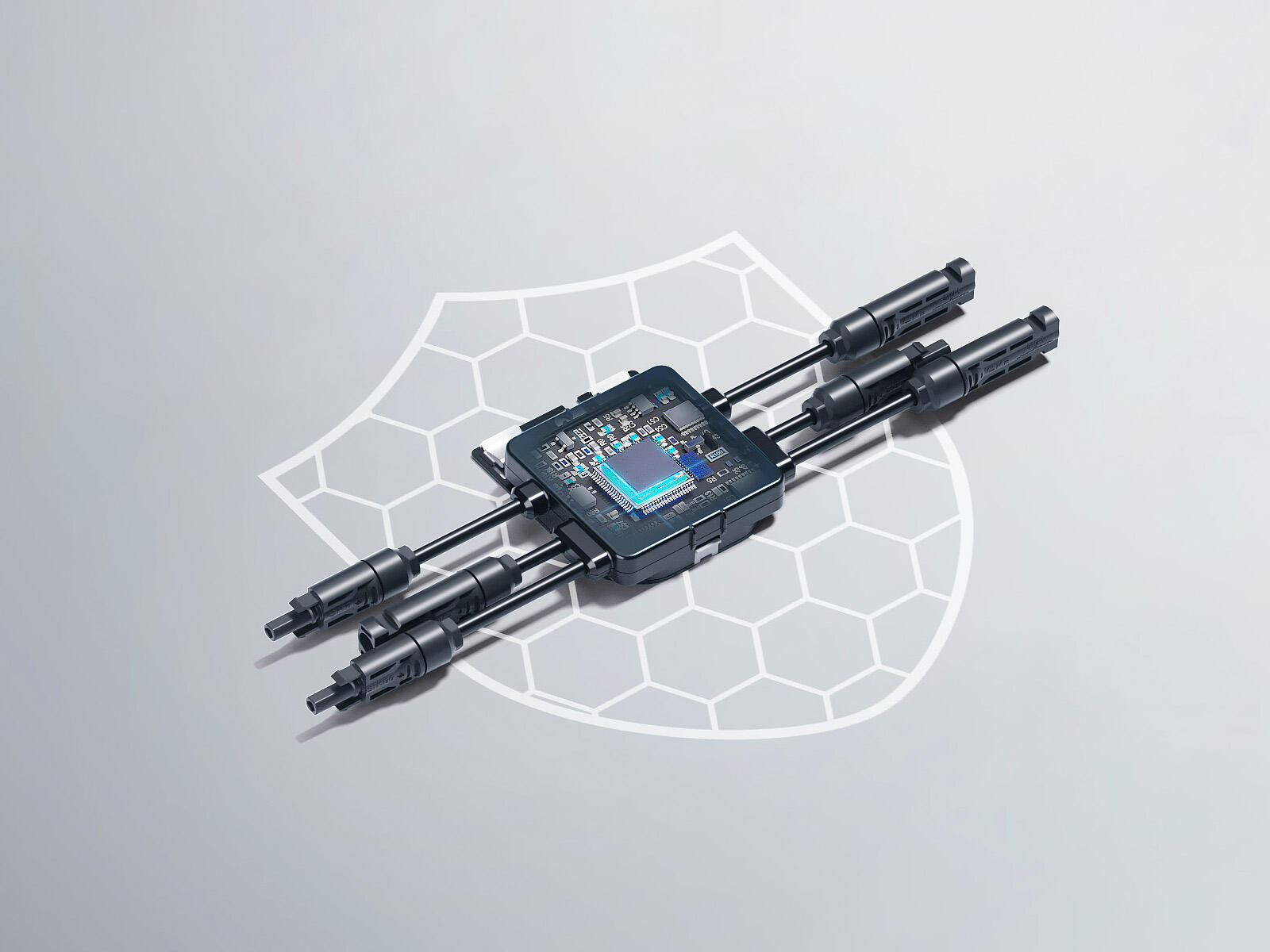
The module-level rapid shutdown device delivers substantial benefits that directly impact safety, compliance, and operational efficiency for solar system owners and installers. First and foremost, this technology dramatically enhances personnel safety by eliminating dangerous DC voltages at the individual panel level, creating a safer working environment for emergency responders and maintenance teams. When firefighters arrive at a scene involving solar installations, they can quickly activate shutdown procedures knowing that each panel will reduce its voltage output to safe levels within moments. This capability prevents electrical shock hazards and reduces the risk of arc faults that could potentially ignite fires or cause explosions. The device ensures full regulatory compliance with current and emerging electrical codes, protecting property owners from legal liabilities and insurance complications. Installation teams benefit from simplified compliance verification processes, as the module-level rapid shutdown device provides clear documentation of safety system functionality through integrated monitoring features. Property owners gain peace of mind knowing their solar investment meets the highest safety standards while maintaining optimal energy production capabilities. The technology offers superior system reliability compared to string-level alternatives, as individual panel control prevents single-point failures from compromising entire array sections. When one panel experiences issues or requires maintenance, the module-level rapid shutdown device allows targeted shutdown without affecting neighboring panels, maximizing system uptime and energy generation. This granular control capability translates directly into improved return on investment through reduced maintenance costs and minimized power loss events. The device features advanced diagnostic capabilities that provide valuable insights into individual panel performance, enabling predictive maintenance strategies that prevent costly failures before they occur. System owners can monitor each panel's operational status remotely, identifying potential issues early and scheduling maintenance during optimal weather windows. Installation flexibility represents another significant advantage, as the module-level rapid shutdown device adapts to various panel types, mounting configurations, and system architectures without requiring extensive modifications to existing designs. The technology supports both residential and commercial applications, scaling seamlessly from small rooftop installations to large utility-scale projects. Integration with smart home systems and energy management platforms opens additional possibilities for automated optimization and remote monitoring capabilities.

New Product Releases

Advanced Safety Integration and Emergency Response Capabilities

Advanced Safety Integration and Emergency Response Capabilities

The module-level rapid shutdown device incorporates sophisticated safety mechanisms that provide unparalleled protection for emergency responders and maintenance personnel working around solar installations. This technology addresses critical safety concerns that traditional shutdown systems cannot adequately resolve, particularly in emergency situations where rapid voltage reduction is essential for personnel safety. The device continuously monitors system conditions through integrated sensors that detect various fault conditions, including ground faults, arc faults, and overcurrent situations. When emergency responders arrive at a scene involving solar installations, they can activate the module-level rapid shutdown device through multiple methods, including manual switches, wireless remote controls, or automatic triggering systems that respond to fire alarm activation. The shutdown sequence initiates immediately upon receiving the activation signal, with each device communicating with its neighbors to ensure coordinated system-wide shutdown within the required timeframe. The technology incorporates redundant safety mechanisms that prevent single-point failures from compromising the shutdown function, including backup power sources that maintain operation during grid outages and fail-safe designs that default to the safe shutdown state when communication is lost. Advanced semiconductor switching elements provide reliable voltage interruption capabilities across a wide range of environmental conditions, from extreme temperature variations to high humidity and moisture exposure. The module-level rapid shutdown device includes visual and audible indicators that confirm successful shutdown activation, providing clear feedback to emergency personnel and system operators. These indicators remain active even during power outages, utilizing stored energy or backup power sources to maintain visibility. The device supports integration with building management systems and fire alarm panels, enabling automatic shutdown activation when fire detection systems are triggered. This integration eliminates the need for manual intervention during emergency situations, ensuring rapid response even when personnel are not immediately available to activate shutdown procedures. The technology includes comprehensive logging capabilities that record all shutdown events, providing valuable data for incident investigation and regulatory compliance documentation. These records include timestamps, activation methods, response times, and system status information that can be accessed by authorized personnel for analysis and reporting purposes.
Intelligent Monitoring and Diagnostic Excellence

Intelligent Monitoring and Diagnostic Excellence

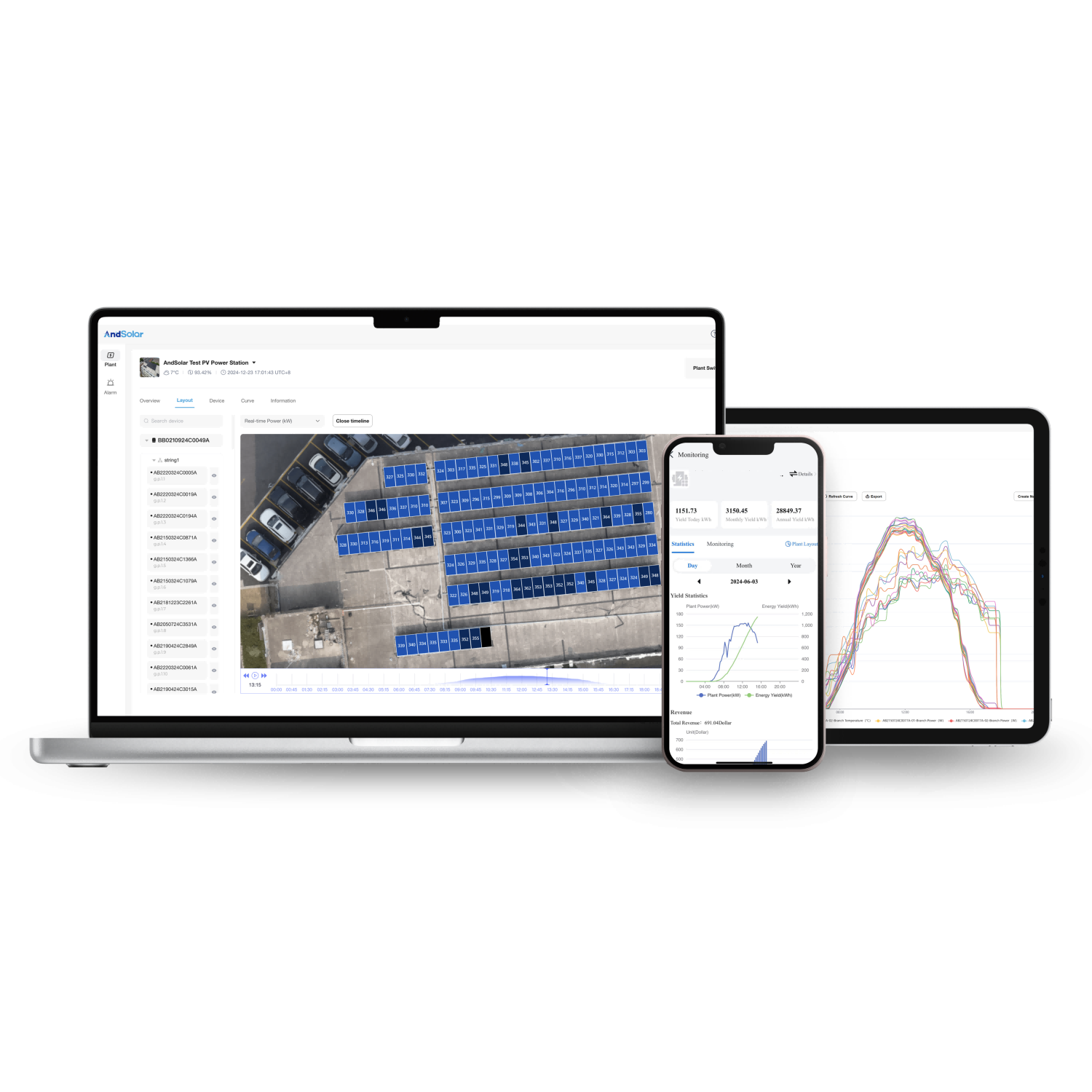
The module-level rapid shutdown device features comprehensive monitoring and diagnostic capabilities that transform solar system management from reactive maintenance to proactive optimization. This intelligent technology continuously collects performance data from each individual panel, creating detailed operational profiles that enable precise system analysis and predictive maintenance strategies. The integrated monitoring system tracks multiple parameters simultaneously, including voltage output, current generation, temperature variations, and communication signal strength, providing a complete picture of each panel's operational status. Advanced algorithms analyze this data in real-time, identifying subtle performance degradations that might indicate developing issues such as cell degradation, wiring problems, or environmental factors affecting panel efficiency. The diagnostic system generates automated alerts when performance metrics deviate from expected parameters, enabling maintenance teams to address potential problems before they result in significant power loss or system failures. These early warning capabilities significantly reduce maintenance costs by preventing minor issues from escalating into major repairs or component replacements. The module-level rapid shutdown device supports remote monitoring through various communication protocols, including wireless connectivity, powerline communication, and cellular networks, ensuring that system operators can access diagnostic information regardless of their physical location. The monitoring interface provides intuitive dashboards that display individual panel performance alongside array-level summaries, making it easy for system operators to identify trends and optimize system performance. Historical data retention capabilities enable long-term performance analysis, helping system owners understand seasonal variations, aging effects, and environmental impacts on their solar investment. The diagnostic system includes self-testing functions that verify device functionality and communication integrity on regular schedules, ensuring that the shutdown system remains operational when needed. These automated tests generate reports that document system readiness for regulatory compliance and insurance requirements. The intelligent monitoring capabilities extend beyond basic performance tracking to include advanced analytics that optimize energy production through smart load balancing and environmental response algorithms. The system can automatically adjust operating parameters based on weather conditions, time of day, and historical performance patterns to maximize energy harvest while maintaining safety compliance.
Seamless Installation and System Integration Benefits

Seamless Installation and System Integration Benefits

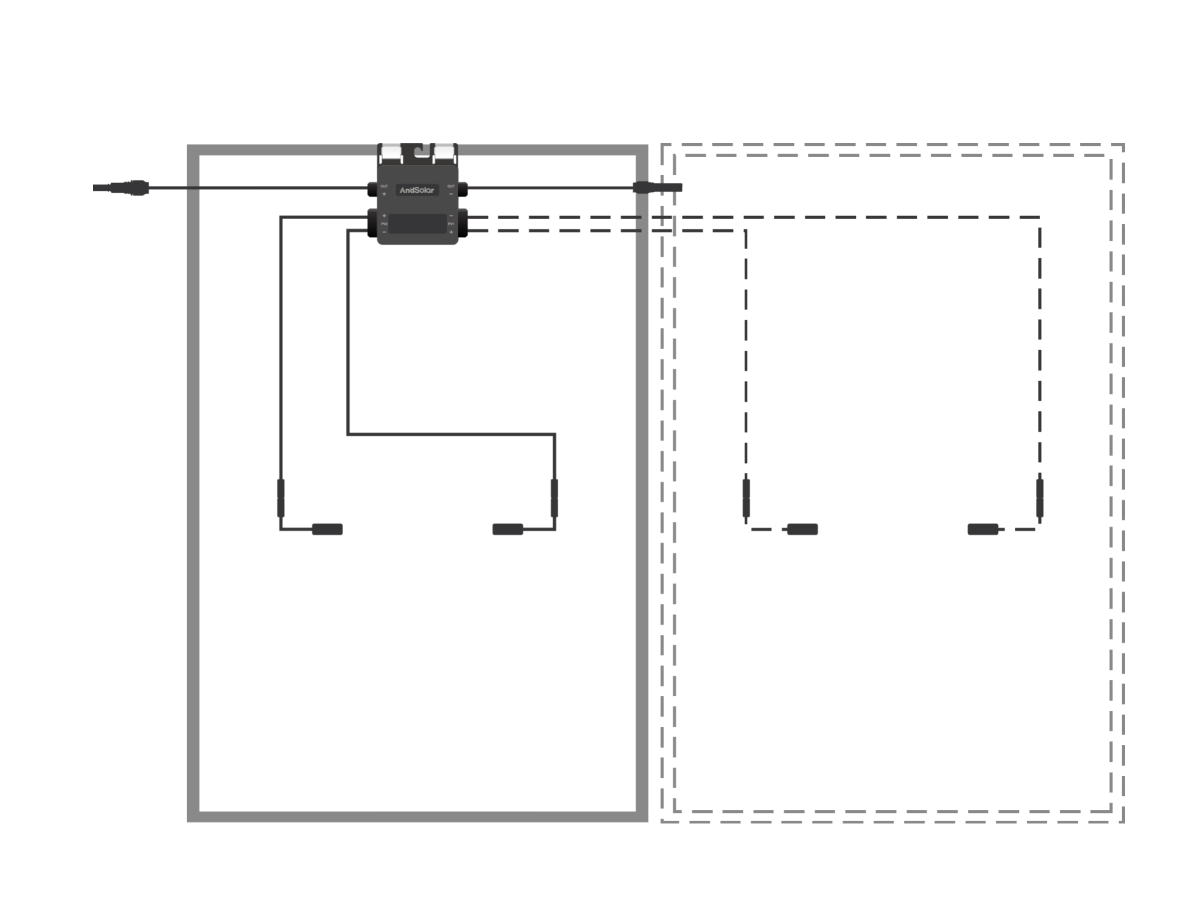
The module-level rapid shutdown device offers exceptional installation flexibility and system integration capabilities that streamline deployment processes while reducing overall project costs and complexity. This technology is designed with installer convenience in mind, featuring plug-and-play connectivity options that eliminate complex wiring procedures and reduce the potential for installation errors. The device integrates directly with standard solar panel junction boxes or mounting frames, requiring minimal modifications to existing panel designs while maintaining aesthetic appeal and structural integrity. Installation teams benefit from comprehensive compatibility across multiple panel manufacturers and mounting systems, allowing them to specify the module-level rapid shutdown device for virtually any solar project without concern for integration challenges. The technology supports various communication architectures, including daisy-chain configurations, star topologies, and hybrid approaches that combine multiple communication methods for enhanced reliability and flexibility. This communication versatility enables installers to adapt the system to unique site conditions, building layouts, and customer requirements without compromising performance or safety compliance. The device includes built-in commissioning features that automatically configure communication parameters and verify system functionality during initial startup, reducing commissioning time and ensuring proper operation from day one. Advanced cable management solutions integrated into the module-level rapid shutdown device simplify wire routing and strain relief while maintaining compliance with electrical codes and manufacturer warranties. The technology accommodates both AC and DC system architectures, supporting integration with microinverters, power optimizers, and traditional string inverters without requiring additional interface components. Installation documentation is streamlined through automated system mapping features that generate accurate as-built drawings and compliance certificates, reducing paperwork requirements and simplifying inspection processes. The device supports scalable deployment strategies that allow system expansion without requiring modifications to existing installations, protecting the customer's investment and enabling future growth. Maintenance procedures are simplified through accessible test points and diagnostic interfaces that enable field technicians to verify system operation and troubleshoot issues efficiently. The module-level rapid shutdown device includes weather-resistant enclosures and connection systems that withstand harsh environmental conditions while maintaining long-term reliability and performance. Integration with smart inverter technologies enables advanced grid support functions and utility communication capabilities that may become increasingly important as solar adoption continues to grow and grid modernization efforts expand.

Get a Free Quote

Our representative will contact you soon.
Name
Email
Phone/ WhatsApp
Company Name
Product Selection
Message
0/1000

module-level rapid shutdown device

Tips And Tricks

Rapid shutdown for solar: What you need to know

16

Jun

Rapid shutdown for solar: What you need to know

What Is Solar Rapid Shutdown? Definition and Core Purpose Solar rapid shutdown is an essential safety measure referring to the quick disconnection of photovoltaic (PV) panels from the power system. This process ensures the system stops producing ele...
View More
How to choose the rapid shutdown device for your solar installation

21

Jul

How to choose the rapid shutdown device for your solar installation

Making the Right Safety Choice for Solar Installations As solar energy adoption continues to rise in both residential and commercial sectors, safety considerations are becoming a top priority during system design and installation. One of the most cr...
View More
Module-level power electronics (MLPE) roles in PV systems

21

Jul

Module-level power electronics (MLPE) roles in PV systems

Enhancing Solar Energy Efficiency Through Module-Level Innovations In the evolution of solar energy systems, the demand for improved efficiency, safety, and monitoring capabilities has driven the emergence of module-level technologies that fundament...
View More
Will Rapid Shutdown Devices Affect Solar System Performance?

13

Aug

Will Rapid Shutdown Devices Affect Solar System Performance?

Optimizing Solar System Safety Without Compromising Efficiency In the modern solar energy landscape, safety and performance go hand in hand. The industry has evolved from focusing solely on maximizing energy yield to ensuring that systems operate wit...
View More

Get a Free Quote

Our representative will contact you soon.
Name
Email
Phone/ WhatsApp
Company Name
Product Selection
Message
0/1000