RSD with Monitoring: Advanced Real-Time Monitoring Solutions for Enhanced Operational Efficiency

  • 8F, Block B, Building 1, 286 Qinglonggang Road, Suzhou City, Jiangsu Province, P. R. China
  • [email protected]
AndSolar Cloud

RSD With Monitoring

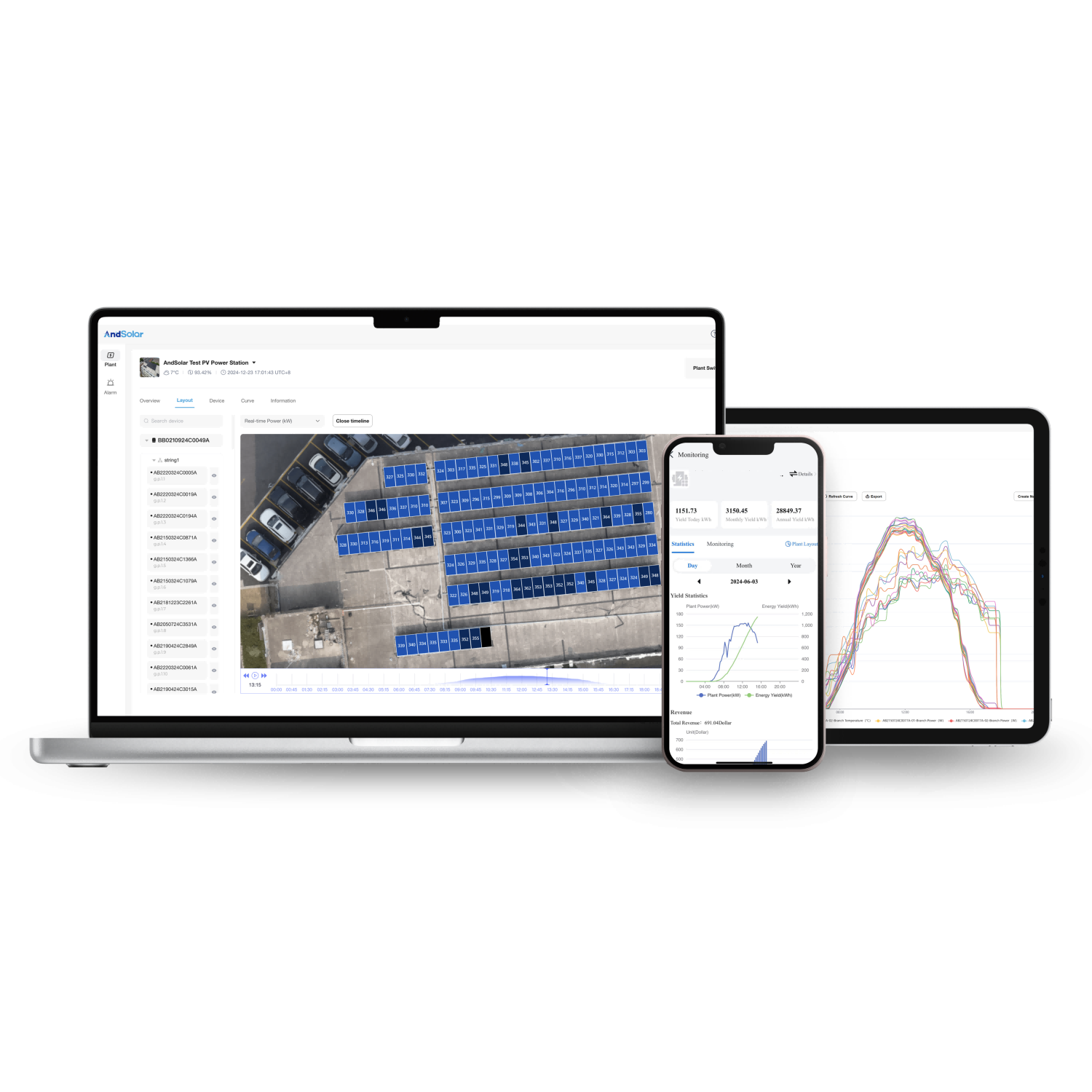
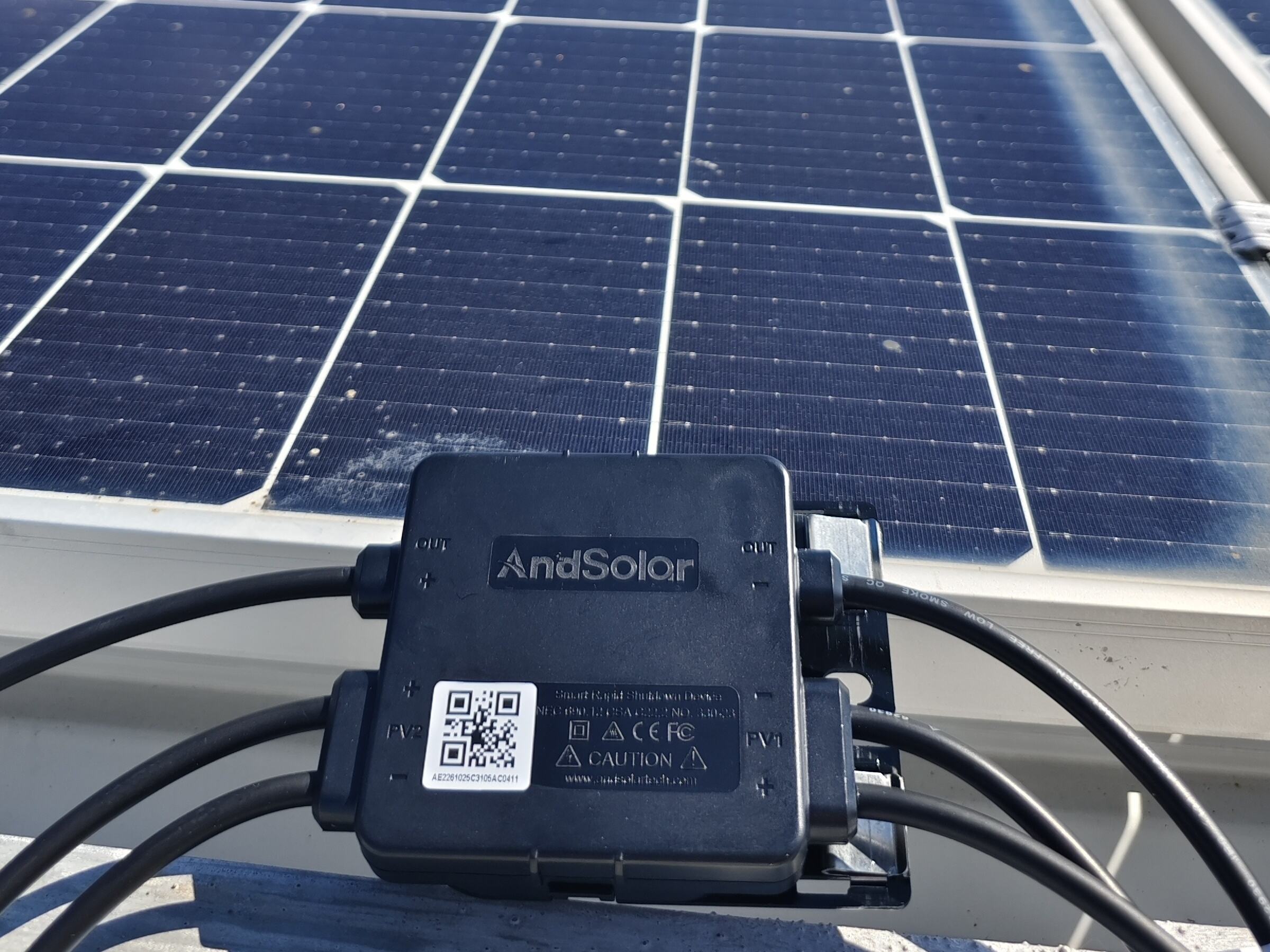
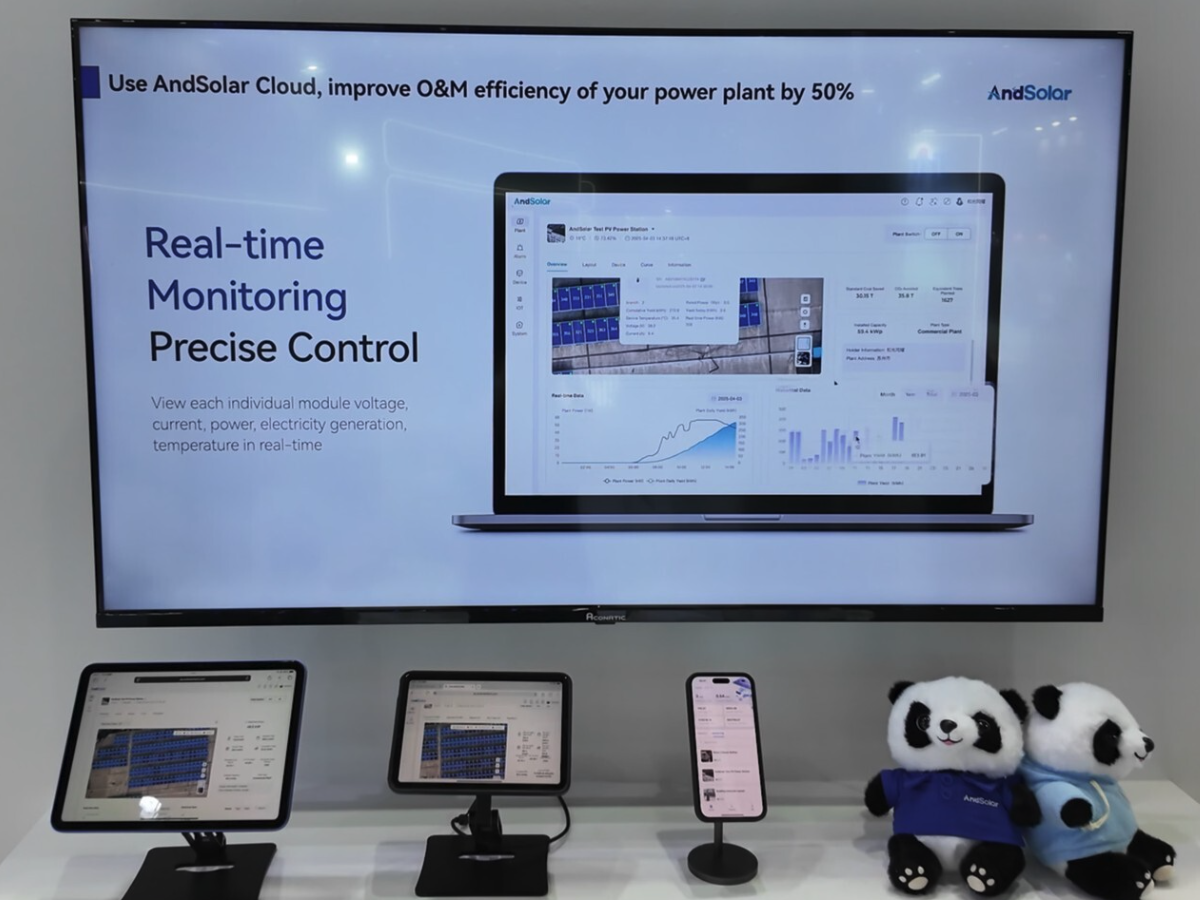
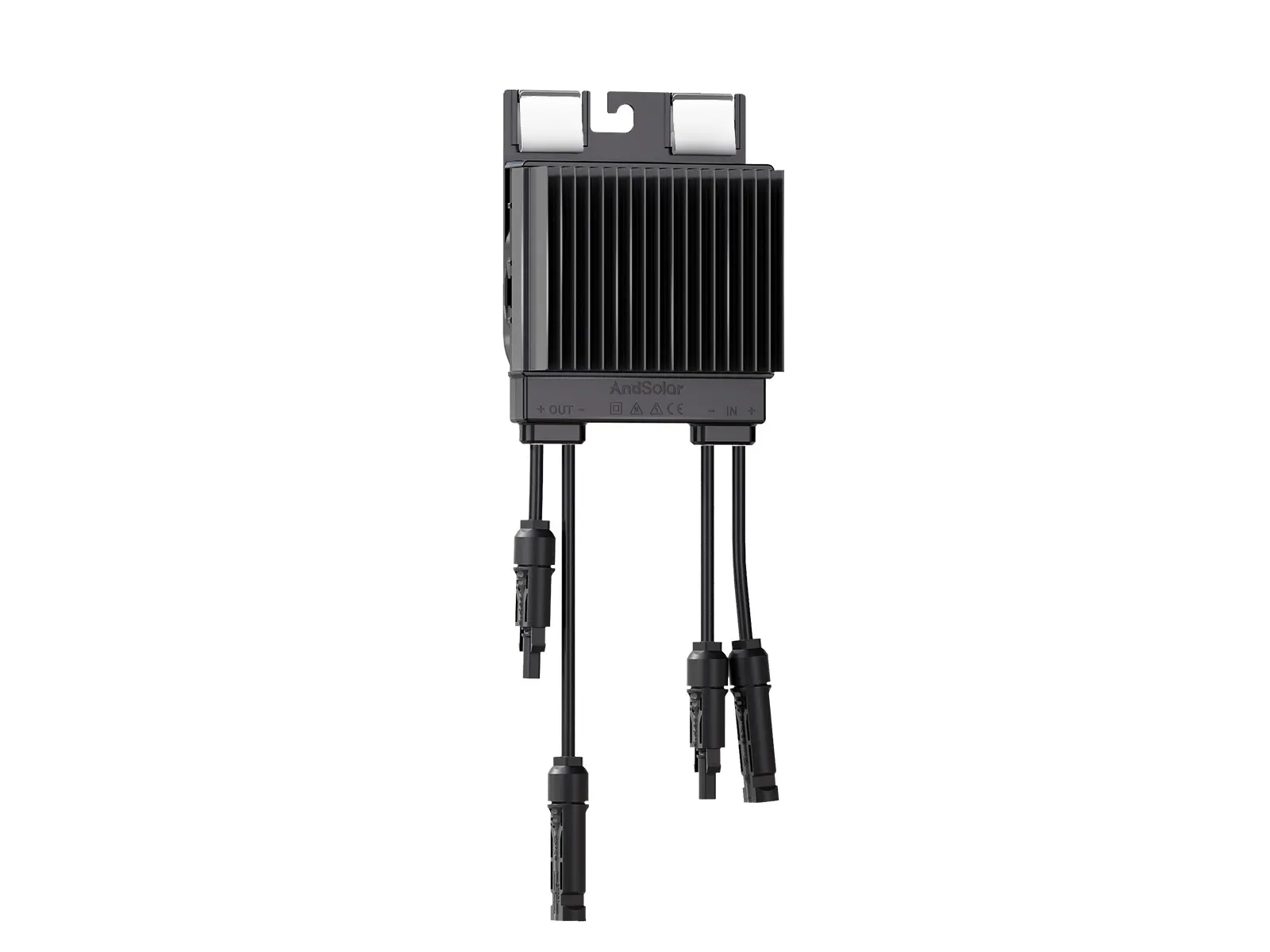
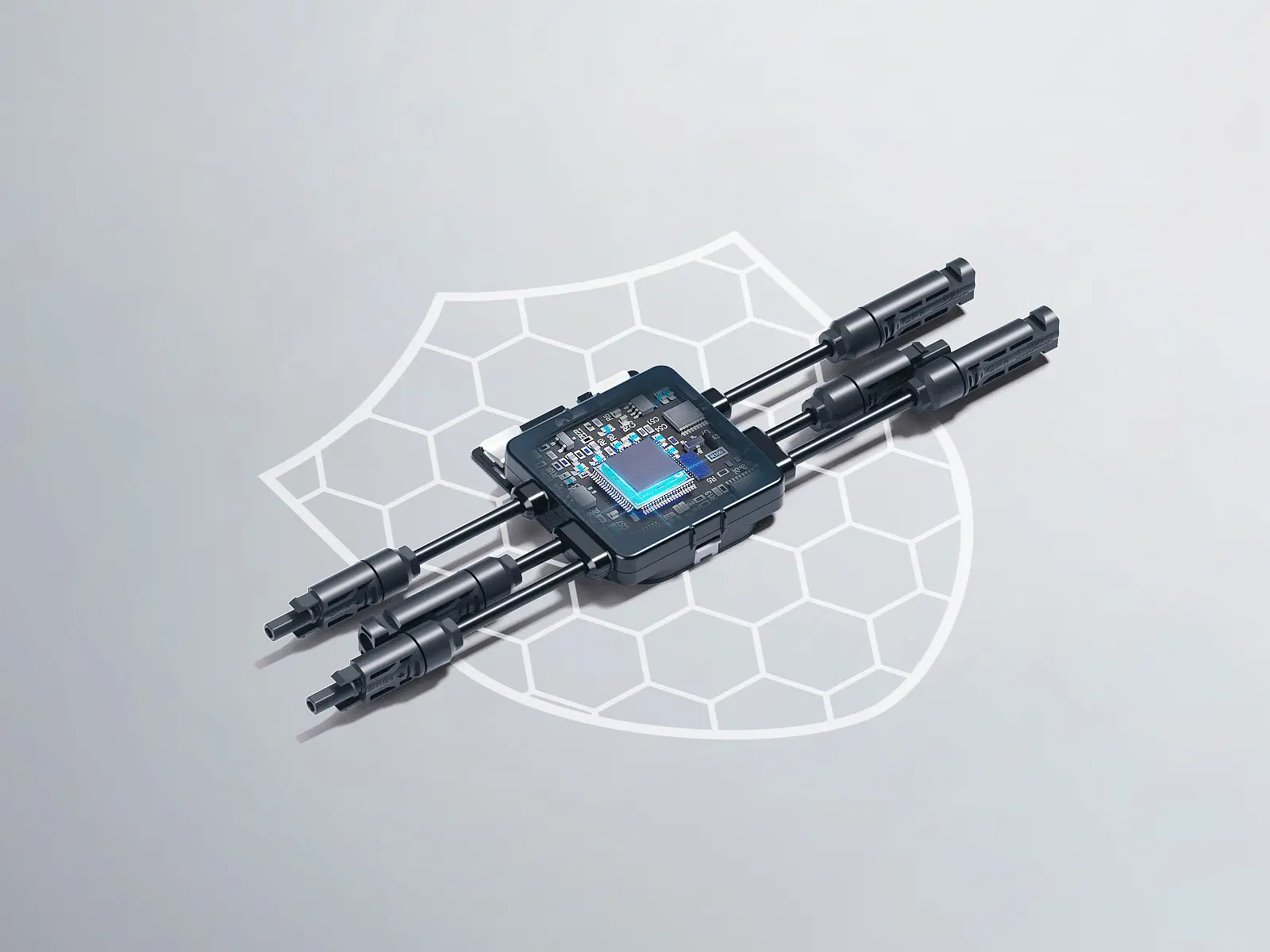
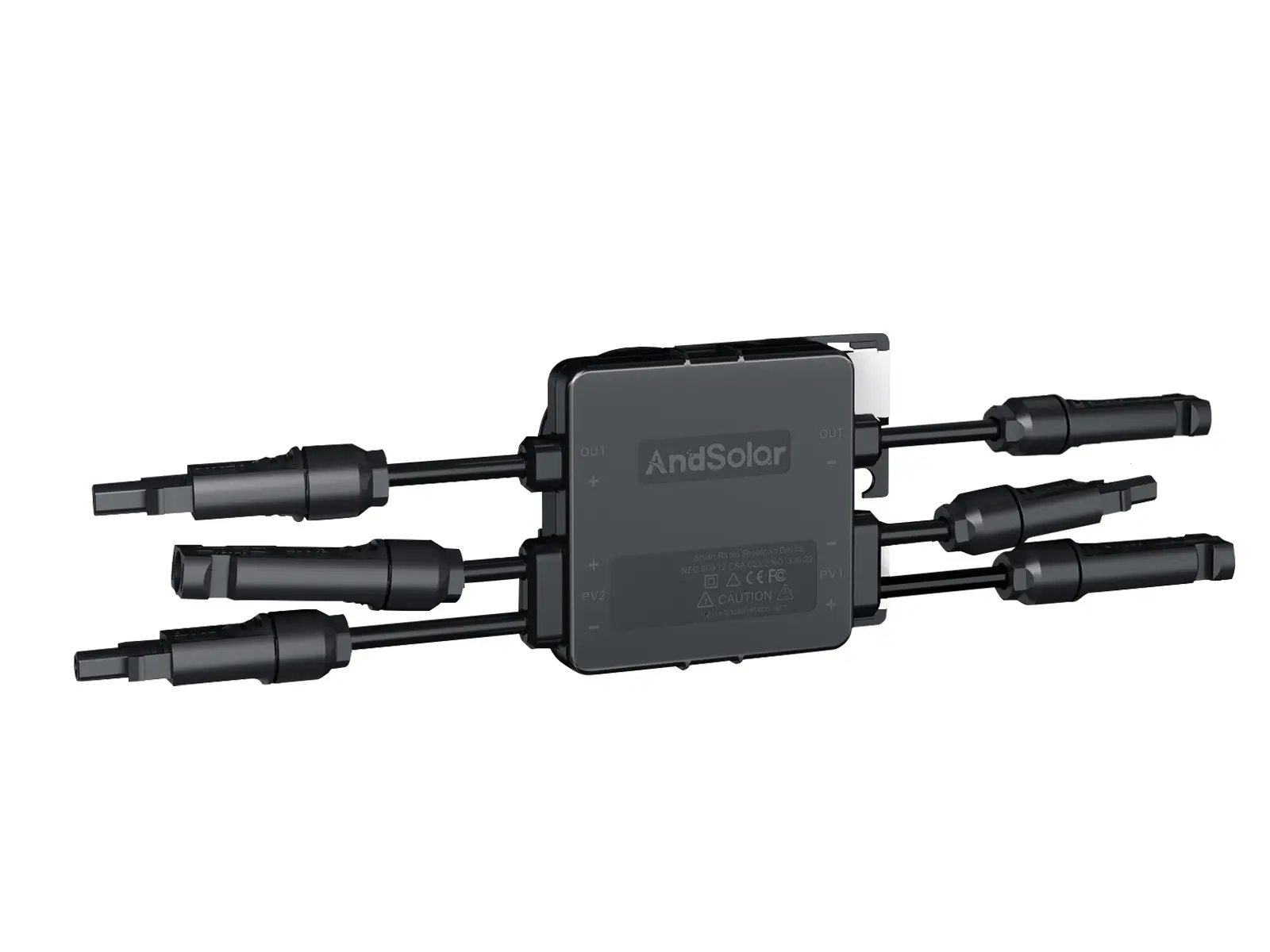
The RSD with monitoring is a safety solution designed for photovoltaic systems that combines rapid shutdown capability with real-time monitoring functions. The device supervises voltage levels, communication status, and operating conditions of solar modules while maintaining reliable shutdown protection for PV installations. The RSD with monitoring can transmit device data to a monitoring platform, allowing operators to observe system performance and respond quickly when abnormal conditions appear. Through continuous data collection and communication with inverters or controllers, the system supports event alerts, status visualization, and operational diagnostics. This monitoring architecture helps maintain safe photovoltaic operation and improves the management of solar power systems in residential, commercial, and industrial installations.
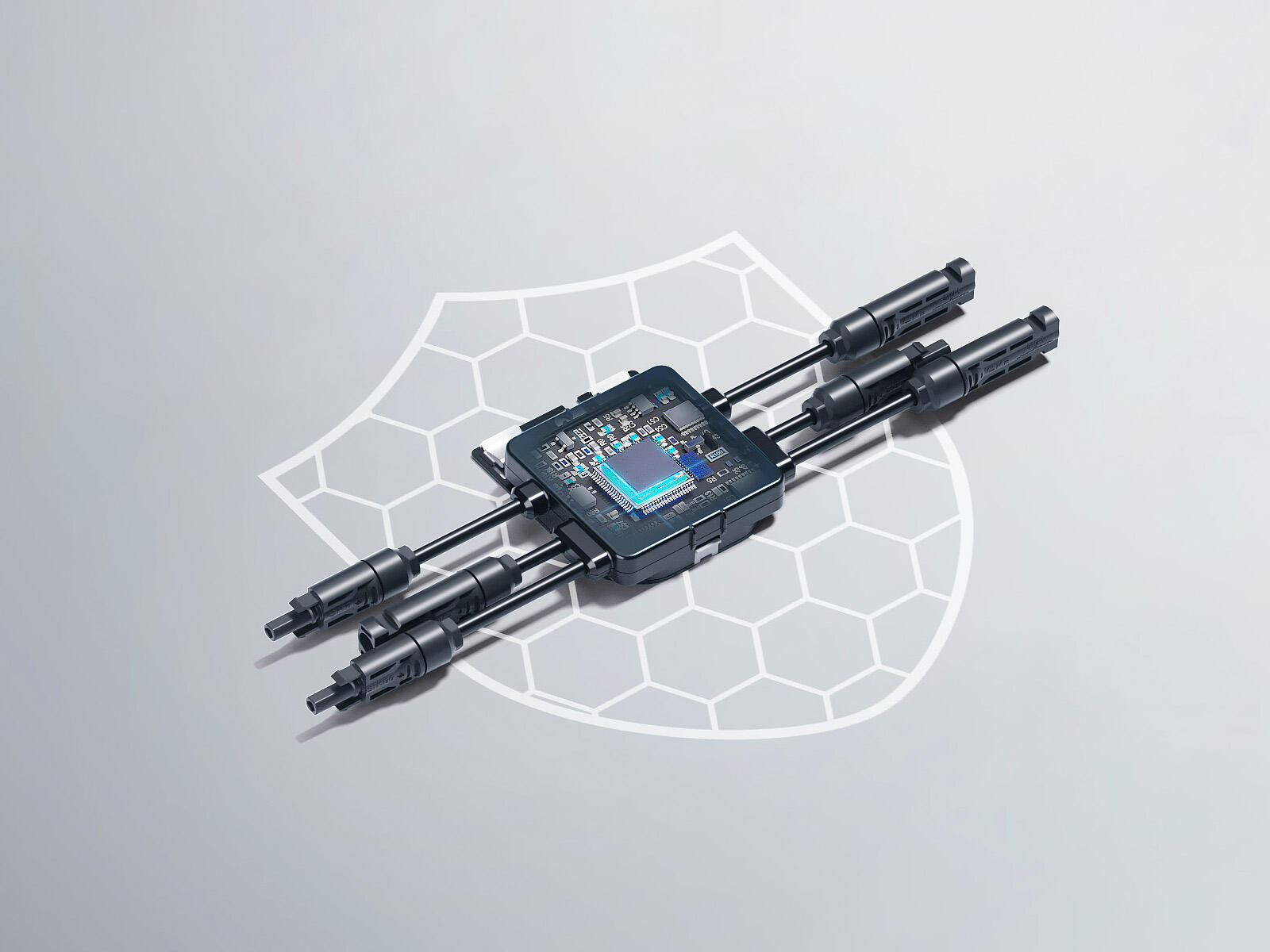

The RSD with monitoring delivers practical operational value for photovoltaic systems by combining rapid shutdown protection with continuous device supervision. This monitoring function helps operators identify abnormal voltage, communication interruptions, or device faults before they affect system safety. Maintenance teams gain access to real-time information about shutdown unit status, enabling faster troubleshooting and reducing unnecessary inspection time.
The system provides clear monitoring dashboards that display module-level data, device connectivity, and shutdown readiness. This visibility allows technicians to understand system conditions quickly and respond effectively when alarms or warnings appear. The RSD with monitoring also records operational data and event logs, supporting safety verification and system maintenance documentation for photovoltaic installations.The scalable monitoring structure allows the RSD with monitoring to be used in residential, commercial, and large solar projects. Integration with solar inverters and communication gateways ensures stable operation within existing photovoltaic systems. Remote monitoring capabilities allow operators to review device status, analyze historical data, and maintain reliable shutdown protection, helping improve the safety management and maintenance efficiency of modern solar power installations.

New Product Recommendations

Advanced Real-Time Analytics and Predictive Intelligence

Advanced Real-Time Analytics and Predictive Intelligence

The RSD with monitoring incorporates sophisticated analytical engines that transform raw operational data into actionable intelligence through advanced algorithms and machine learning capabilities. This powerful feature continuously processes incoming data streams from multiple sources, identifying patterns, anomalies, and trends that human operators might miss during routine monitoring activities. The predictive intelligence component utilizes historical data combined with real-time inputs to forecast potential equipment failures, maintenance requirements, and operational bottlenecks before they impact your business operations. This proactive approach enables organizations to shift from reactive maintenance strategies to predictive maintenance models, resulting in significant cost savings and improved operational reliability. The analytics platform presents complex data relationships through intuitive visualizations, including customizable dashboards, heat maps, and trend graphs that make critical information immediately accessible to decision-makers at all organizational levels. Advanced filtering and drill-down capabilities allow users to examine specific time periods, equipment groups, or performance metrics with granular detail, facilitating precise troubleshooting and optimization efforts. The system's ability to correlate data from disparate sources provides comprehensive insights into operational interdependencies, helping organizations understand how changes in one area affect overall performance. Machine learning algorithms continuously refine their accuracy by learning from new data patterns, ensuring that predictive capabilities improve over time without requiring manual intervention. Alert prioritization features ensure that critical issues receive immediate attention while filtering out minor fluctuations that don't require intervention, reducing alert fatigue and improving response efficiency. The RSD with monitoring supports custom analytics modules that can be tailored to specific industry requirements or unique operational challenges, providing flexibility that generic monitoring solutions cannot match. Integration with external data sources, such as weather data, market conditions, or supply chain information, enables comprehensive analysis that considers all factors affecting operational performance, delivering unprecedented visibility into business operations.
Comprehensive Multi-Platform Integration and Scalability

Comprehensive Multi-Platform Integration and Scalability

The RSD with monitoring features exceptional integration capabilities that seamlessly connect with existing enterprise systems, legacy equipment, and modern IoT devices through standardized protocols and custom API configurations. This comprehensive connectivity ensures that organizations can implement the monitoring solution without disrupting current operations or requiring expensive infrastructure overhauls. The system supports industry-standard communication protocols including MQTT, OPC-UA, Modbus, and REST APIs, enabling connection to virtually any device or system within your operational environment. Cloud-native architecture provides unlimited scalability, allowing the RSD with monitoring to grow from monitoring a few critical assets to overseeing entire enterprise operations across multiple locations and facilities. Distributed deployment options support both on-premises installations for sensitive data requirements and hybrid cloud configurations that balance security needs with scalability benefits. The platform's microservices architecture ensures that individual components can be updated or scaled independently without affecting overall system performance, providing operational flexibility and minimizing maintenance disruptions. Multi-tenant capabilities enable organizations with complex structures to maintain separate monitoring environments for different departments, facilities, or subsidiaries while centralizing administrative oversight and reporting functions. The RSD with monitoring supports edge computing deployments that process data locally for immediate response while synchronizing with central systems for comprehensive analysis and reporting. This distributed processing capability ensures reliable operation even during network connectivity issues and reduces bandwidth requirements for remote locations. Database compatibility spans multiple platforms including SQL Server, Oracle, PostgreSQL, and NoSQL solutions, allowing integration with existing data infrastructure and supporting diverse organizational preferences. The system's modular design enables selective feature deployment, allowing organizations to implement monitoring capabilities gradually while maintaining full system integration and data consistency. Automated backup and disaster recovery features ensure business continuity through redundant data storage and failover capabilities that maintain monitoring operations during system maintenance or unexpected outages. The RSD with monitoring accommodates regulatory compliance requirements across various industries through configurable data retention policies, audit trails, and security controls that meet stringent standards.
Enhanced Security Framework with Comprehensive Access Control

Enhanced Security Framework with Comprehensive Access Control

The RSD with monitoring implements a robust multi-layered security architecture designed to protect sensitive operational data and ensure system integrity against evolving cyber threats. This comprehensive security framework incorporates enterprise-grade encryption protocols for data transmission and storage, utilizing AES-256 encryption standards that meet government and industry security requirements. Role-based access control systems ensure that users can only access information and functions appropriate to their responsibilities, with granular permission settings that administrators can customize based on organizational hierarchy and operational needs. Multi-factor authentication adds an additional security layer, requiring users to verify their identity through multiple methods before accessing sensitive monitoring data or system configuration options. The system maintains detailed audit logs that track all user activities, system changes, and data access attempts, providing comprehensive forensic capabilities for security investigations and regulatory compliance reporting. Network security features include VPN support, firewall integration, and intrusion detection capabilities that monitor for suspicious activities and automatically respond to potential threats. The RSD with monitoring supports secure communication channels through SSL/TLS protocols and certificate-based authentication, ensuring that all data transmissions remain protected from interception or tampering. Regular security updates and patches are automatically deployed through secure channels, maintaining system protection against newly discovered vulnerabilities without requiring manual intervention from IT staff. Data sovereignty controls allow organizations to specify where sensitive information is stored and processed, supporting compliance with regional data protection regulations such as GDPR, HIPAA, and industry-specific requirements. The system includes secure backup and recovery procedures that encrypt archived data and test restoration processes regularly to ensure data availability during emergency situations. Advanced threat detection algorithms monitor system behavior patterns and flag unusual activities that might indicate security breaches or unauthorized access attempts. The RSD with monitoring supports integration with existing security information and event management systems, providing centralized security monitoring that incorporates monitoring system activities with broader organizational security oversight. Privacy controls enable selective data sharing and anonymization features that protect sensitive information while enabling necessary operational visibility and analysis capabilities for authorized personnel.

Get a Free Quote

Our representative will contact you soon.
Name
Email
Phone/ WhatsApp
Company Name
Product Selection
Message
0/1000

RSD With Monitoring

Latest News

Module-level power electronics (MLPE) roles in PV systems

21

Jul

Module-level power electronics (MLPE) roles in PV systems

Enhancing Solar Energy Efficiency Through Module-Level Innovations In the evolution of solar energy systems, the demand for improved efficiency, safety, and monitoring capabilities has driven the emergence of module-level technologies that fundament...
View More
The Comparison Between Module-Level Rapid Shutdown Devices and String-Level Rapid Shutdown Devices

13

Aug

The Comparison Between Module-Level Rapid Shutdown Devices and String-Level Rapid Shutdown Devices

Advancing Solar Safety Through Modern Shutdown Solutions In the evolving solar energy industry, system safety and compliance with regulations are crucial for long-term performance. Rapid shutdown devices have become a standard requirement in many reg...
View More
AndSolar Power Optimizers Vs. Traditional String Inverters in MPPT

17

Sep

AndSolar Power Optimizers Vs. Traditional String Inverters in MPPT

Maximizing Solar Energy Harvesting Through Advanced Technology The solar industry continues to evolve with innovative solutions that enhance energy production and system efficiency. At the forefront of this evolution is the ongoing debate between sol...
View More
Understanding ABNT NBR 17193:2025 & Rapid Shutdown: Everything You Need to Know

23

Sep

Understanding ABNT NBR 17193:2025 & Rapid Shutdown: Everything You Need to Know

The Evolution of Solar Safety Standards in Brazil The solar energy landscape in Brazil is undergoing a significant transformation with the introduction of ABNT NBR 17193:2025, particularly focusing on rapid shutdown requirements. This revolutionary s...
View More

Get a Free Quote

Our representative will contact you soon.
Name
Email
Phone/ WhatsApp
Company Name
Product Selection
Message
0/1000