RSD for Floating PV Projects: Advanced Rapid Shutdown Devices for Water-Based Solar Installations

  • 8F, Block B, Building 1, 286 Qinglonggang Road, Suzhou City, Jiangsu Province, P. R. China
  • [email protected]
AndSolar Cloud

rsd for floating pv projects

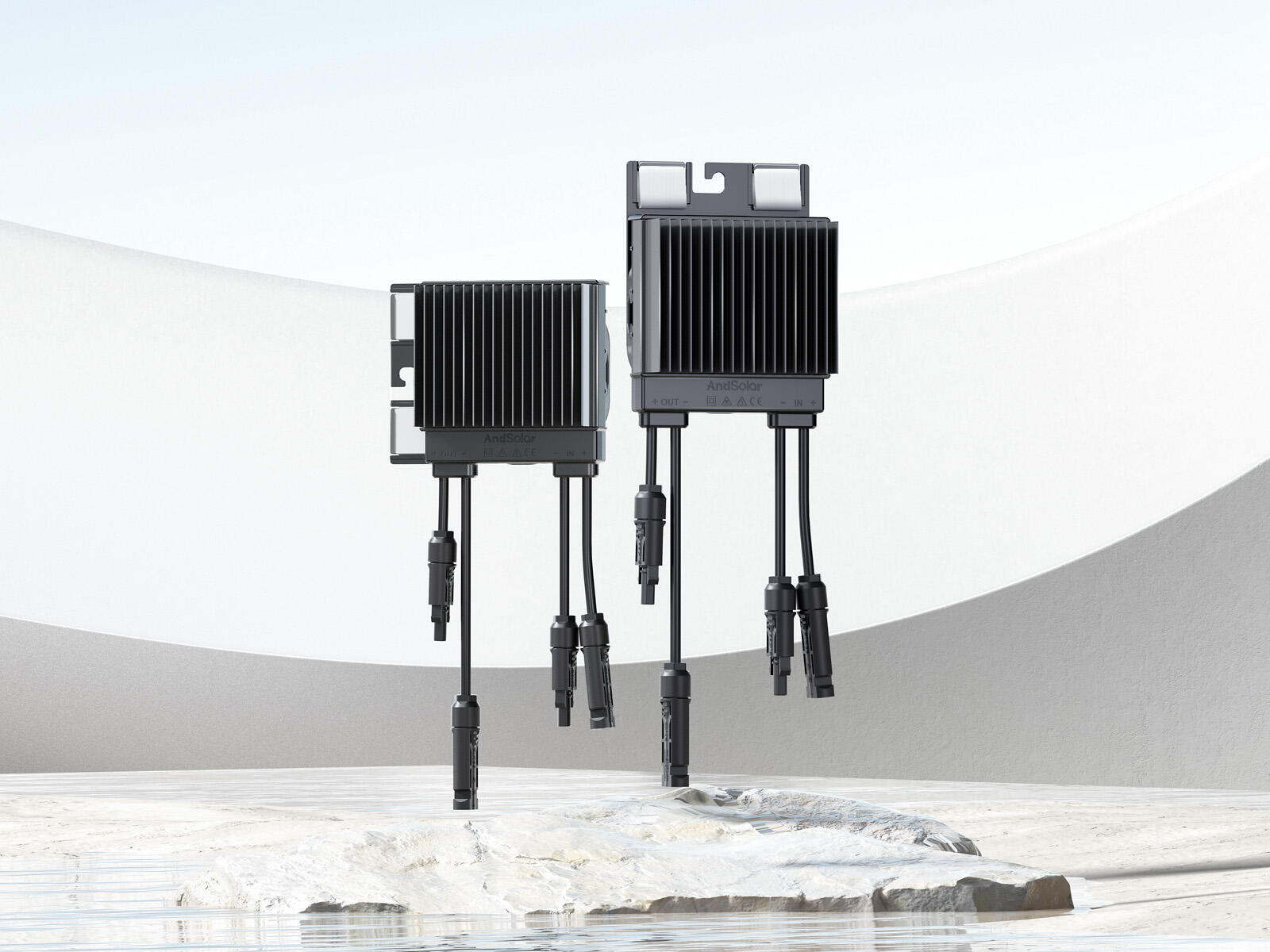
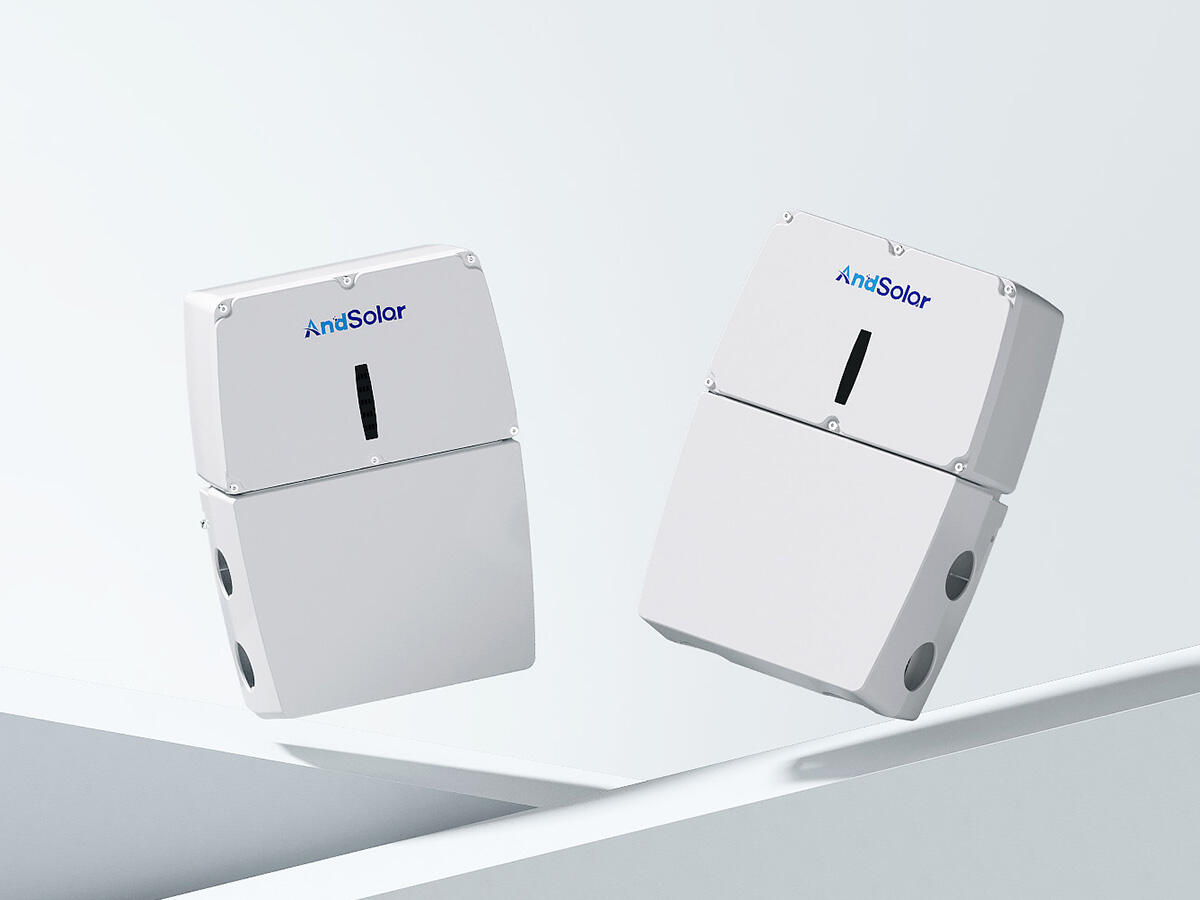
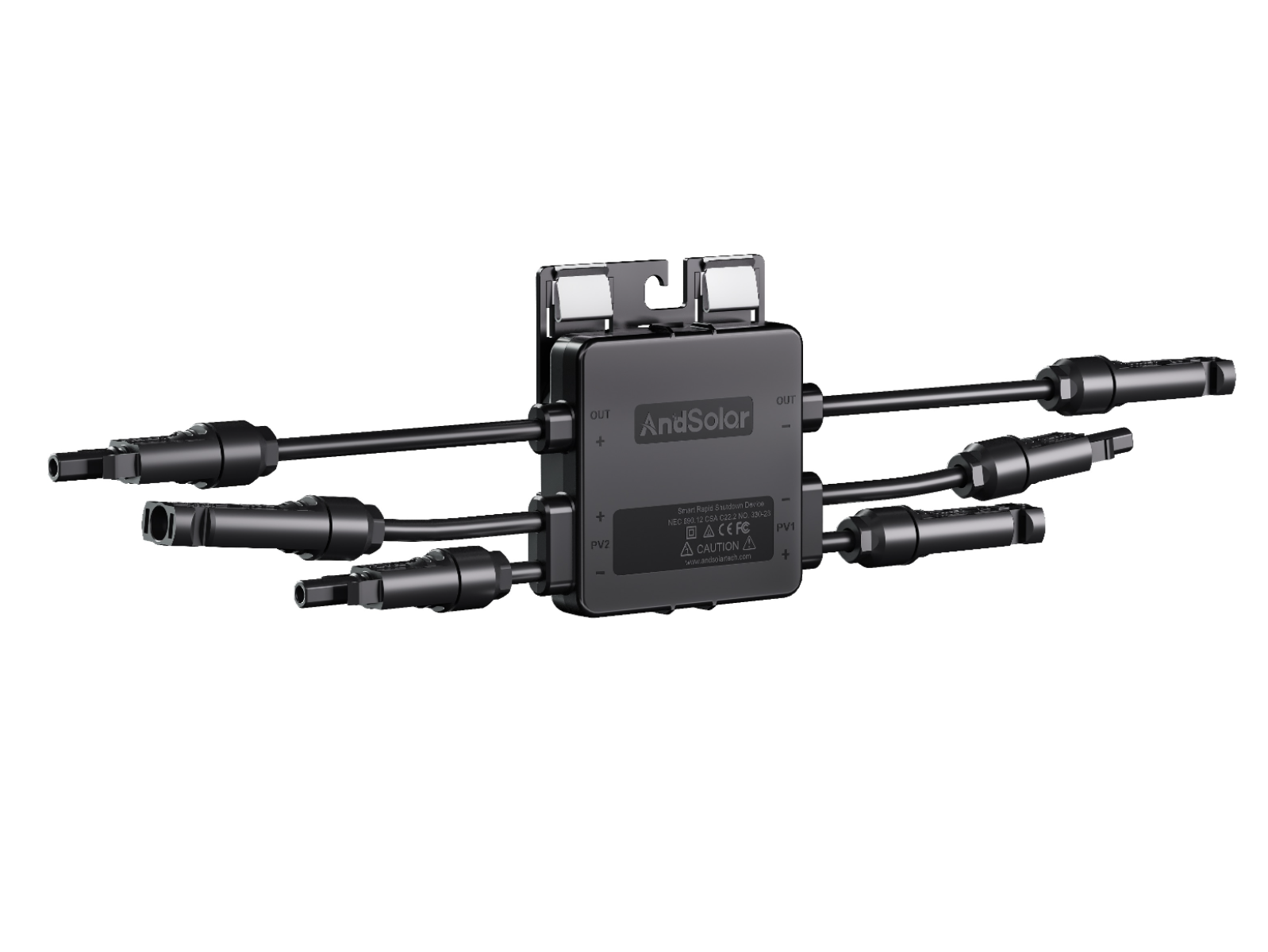
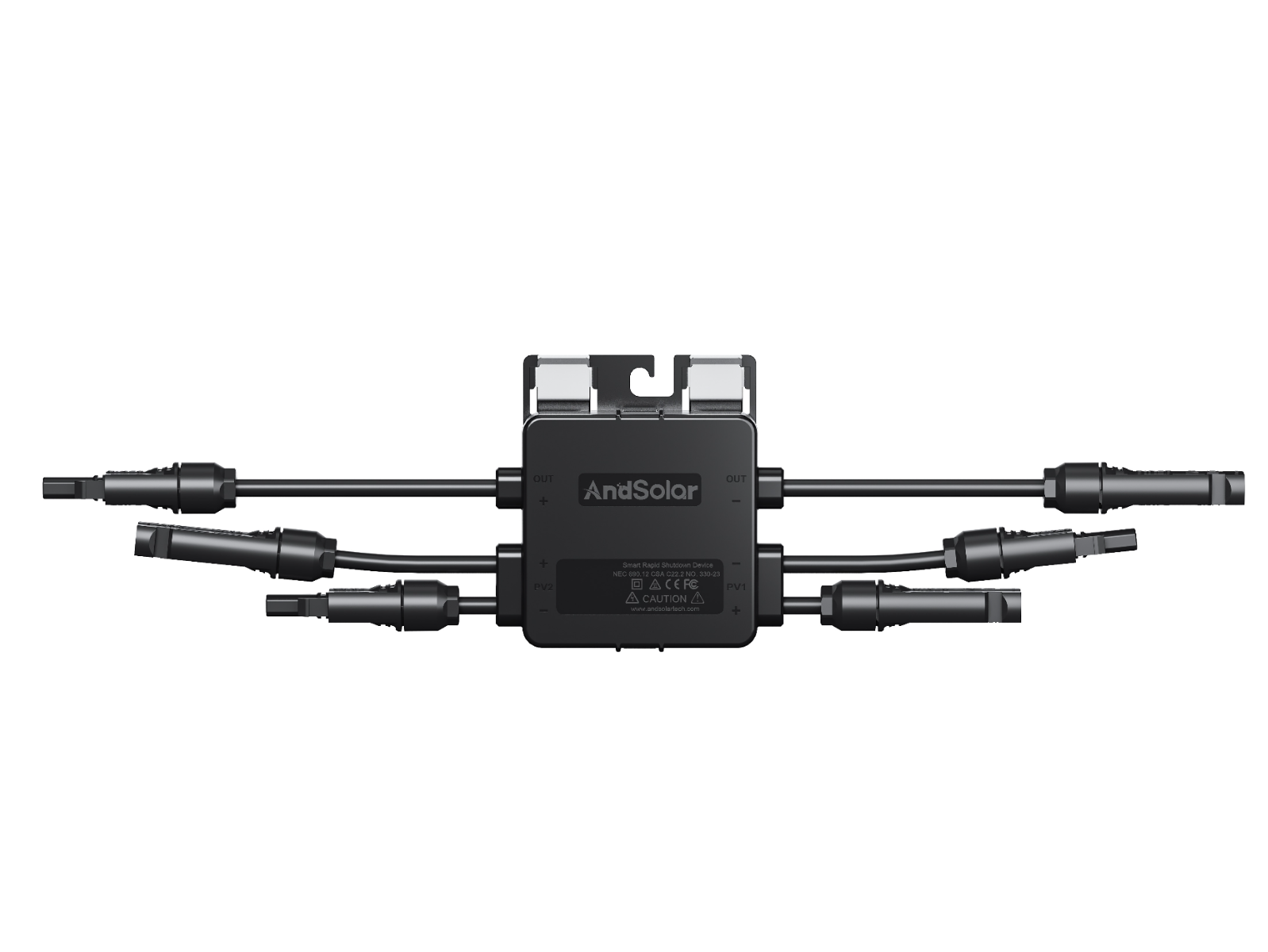
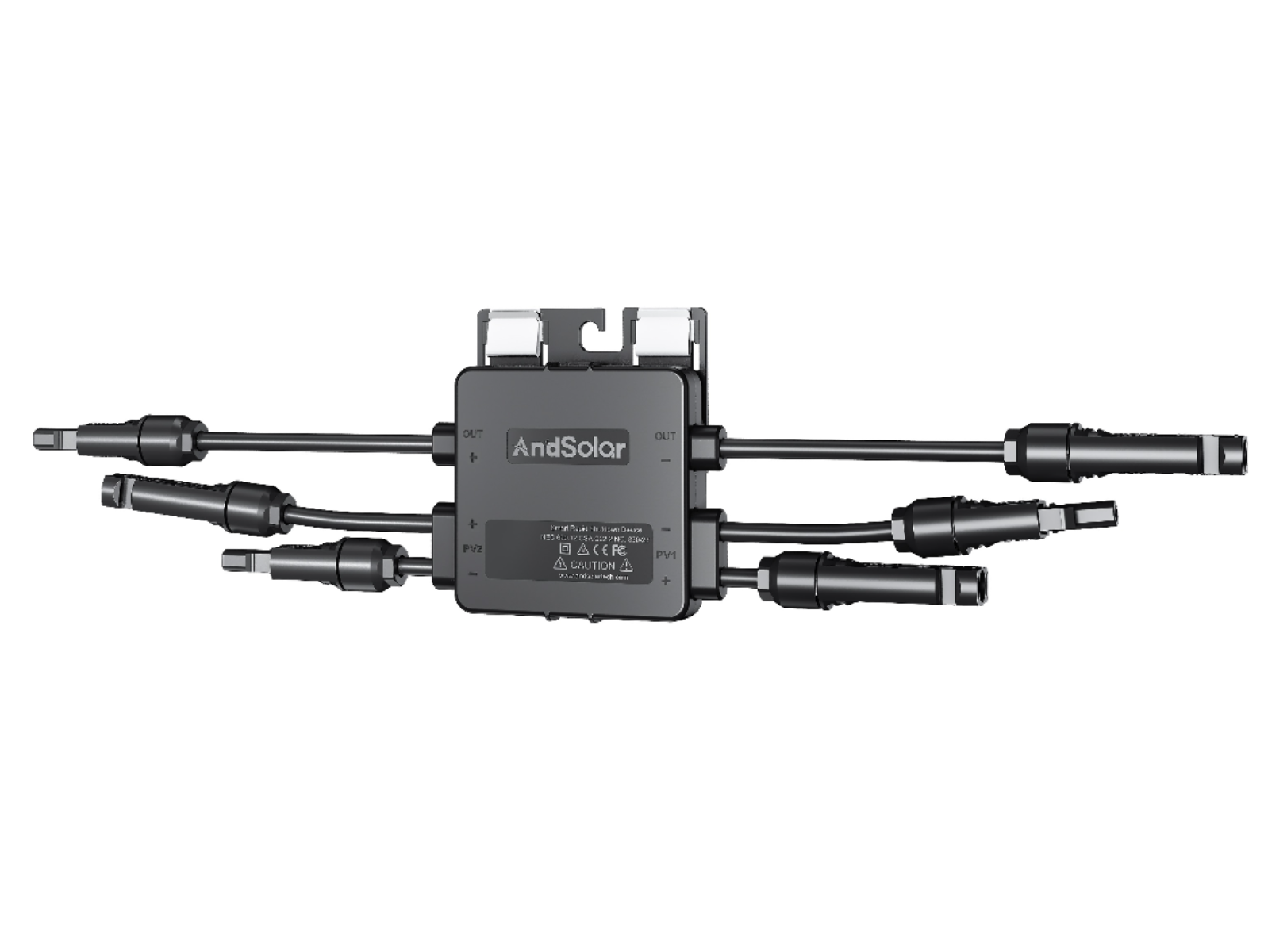
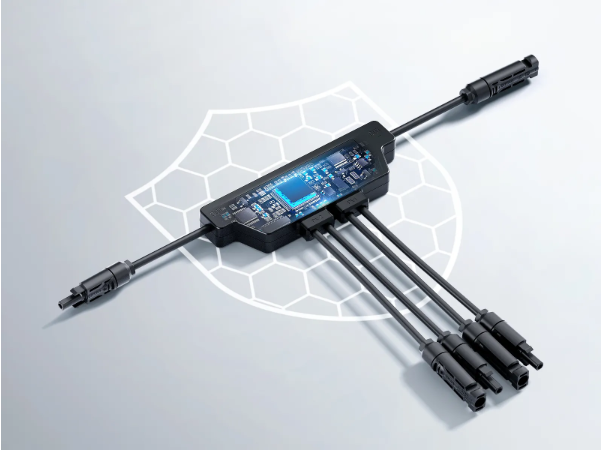
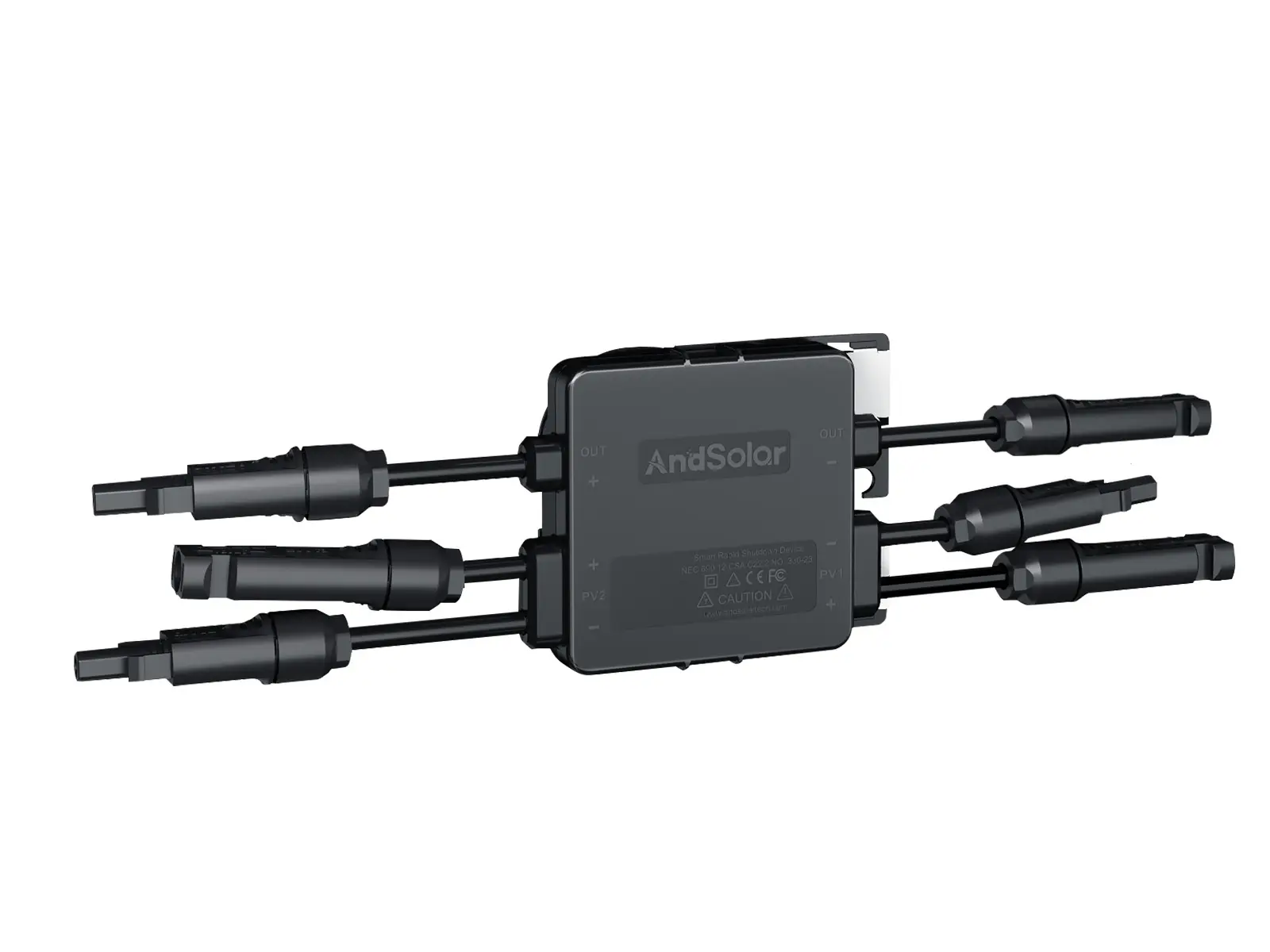
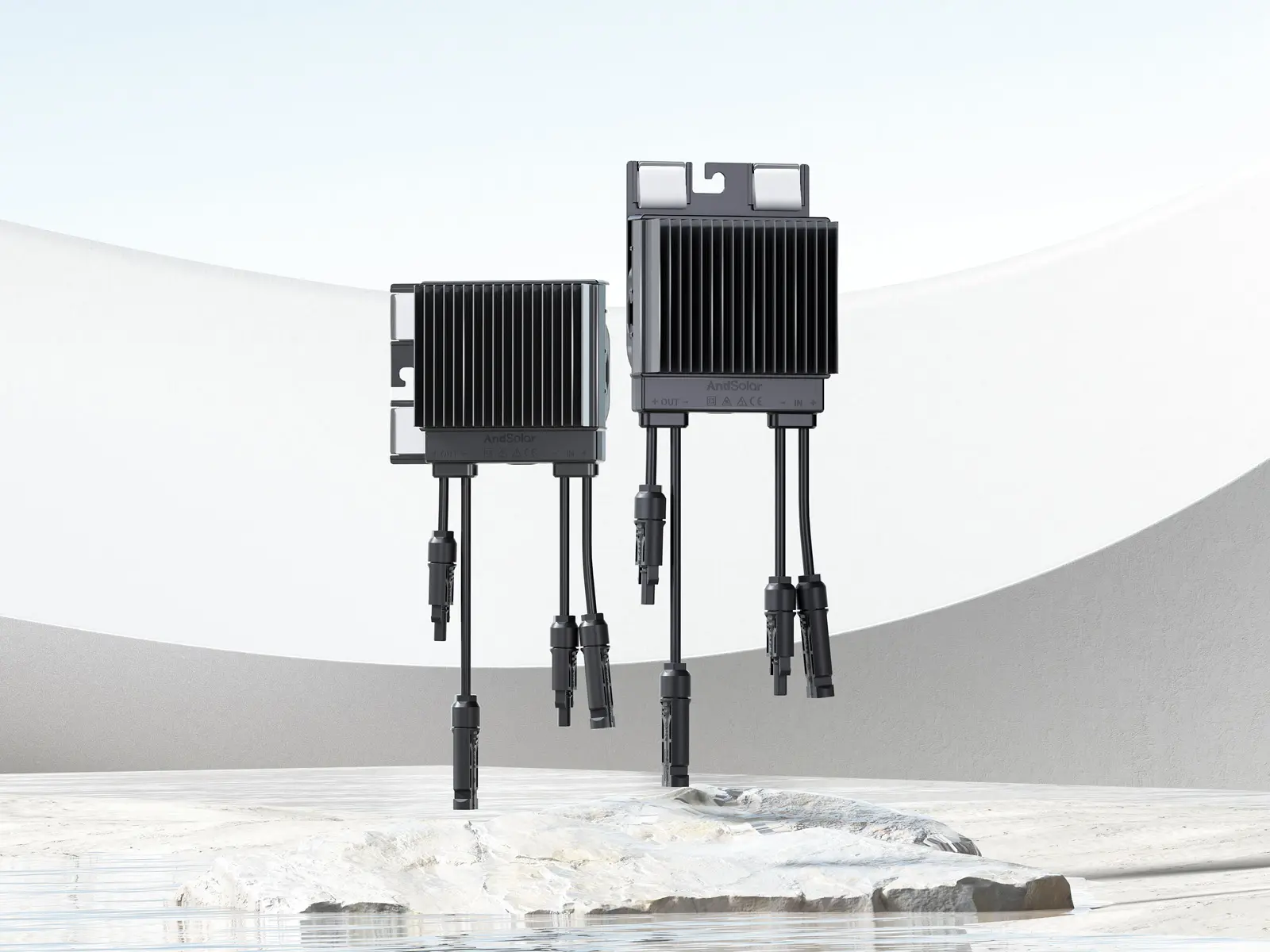
Rapid Shutdown Devices (RSD) for floating PV projects represent a critical safety technology designed specifically for photovoltaic installations mounted on water surfaces. These sophisticated electronic devices provide immediate power isolation capabilities, ensuring that solar panels can be quickly disconnected from the electrical grid during emergency situations or maintenance operations. The rsd for floating pv projects incorporates advanced monitoring and control systems that continuously assess system performance while maintaining the highest safety standards required for aquatic environments. The primary function of rsd for floating pv projects involves real-time voltage regulation and instantaneous power cutoff mechanisms that respond within seconds to emergency signals or abnormal operating conditions. These devices feature waterproof enclosures rated for marine environments, corrosion-resistant materials, and specialized communication protocols that enable seamless integration with floating solar installations. The technological architecture includes microprocessor-controlled switching circuits, wireless communication modules, and environmental sensors that monitor water levels, weather conditions, and system performance parameters. Applications for rsd for floating pv projects span across utility-scale installations on reservoirs, lakes, and coastal waters, as well as commercial floating solar farms and distributed energy systems. The devices support various mounting configurations compatible with different floating platform designs, including high-density polyethylene floats, aluminum pontoons, and modular floating structures. Advanced diagnostic capabilities enable remote monitoring and predictive maintenance, reducing operational costs and extending system lifespan. The rsd for floating pv projects also incorporates smart grid connectivity features, allowing for dynamic load management and grid stabilization functions that enhance overall energy system reliability.
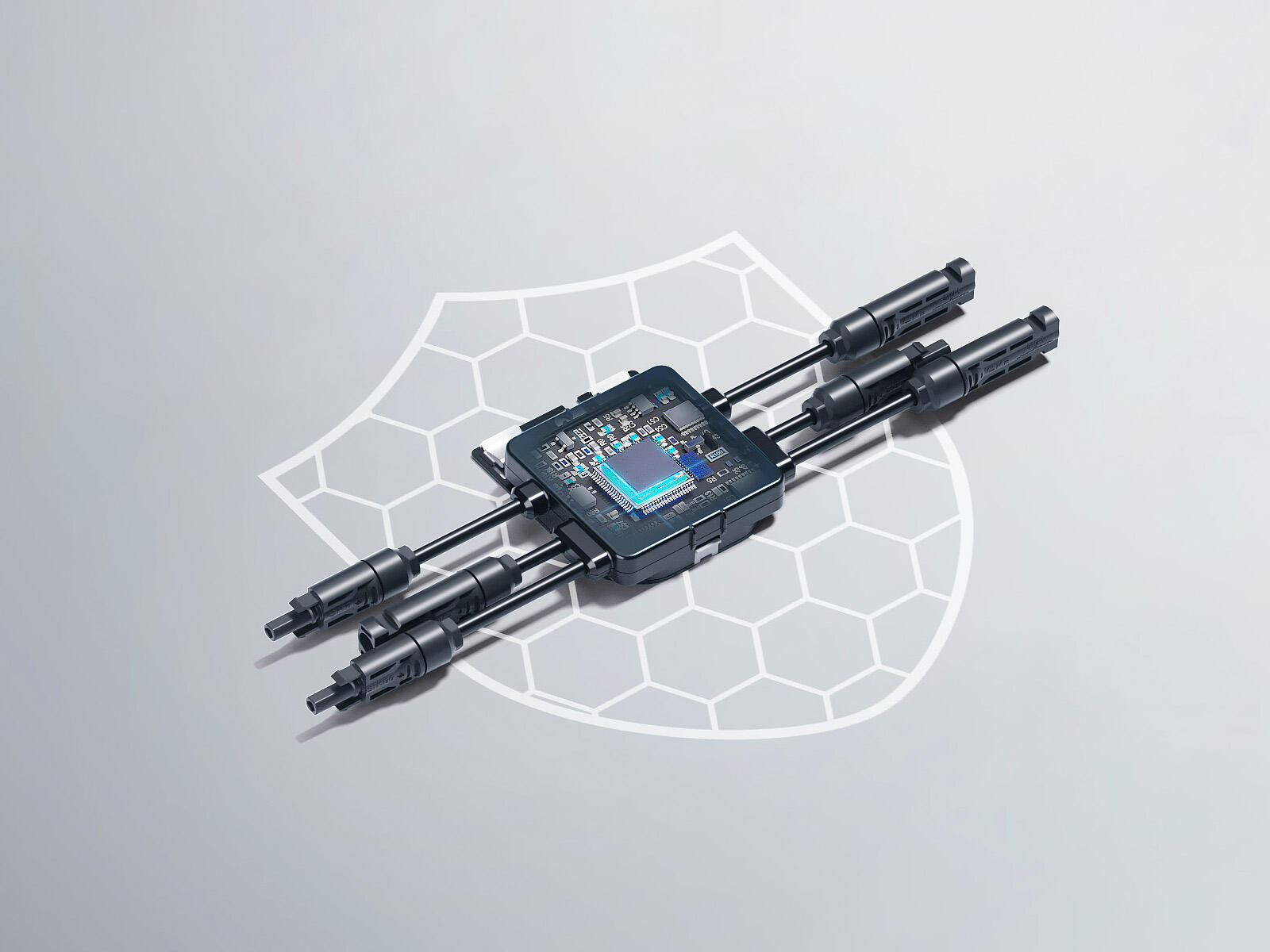
The rsd for floating pv projects delivers exceptional safety benefits that significantly reduce risks associated with water-based solar installations. These devices provide instantaneous power disconnection capabilities that protect maintenance personnel, emergency responders, and nearby communities from electrical hazards during storms, flooding, or equipment malfunctions. The enhanced safety protocols built into rsd for floating pv projects ensure compliance with international maritime safety standards and electrical codes, giving project developers confidence in regulatory approval processes. Installation teams benefit from streamlined deployment procedures that minimize time spent working over water surfaces, reducing project timelines and labor costs. The robust construction of rsd for floating pv projects withstands harsh marine environments, including saltwater exposure, temperature fluctuations, and high humidity conditions that typically challenge conventional electrical equipment. This durability translates directly into lower maintenance requirements and extended operational lifespans, delivering superior return on investment for project owners. System performance optimization represents another significant advantage, as rsd for floating pv projects continuously monitor and adjust electrical parameters to maximize energy production efficiency. These devices identify and isolate underperforming panel sections without affecting the entire array, maintaining optimal power output even when individual components experience issues. Remote monitoring capabilities eliminate the need for frequent on-site inspections, reducing operational expenses and minimizing environmental impact on aquatic ecosystems. The modular design of rsd for floating pv projects allows for scalable implementations that adapt to various project sizes, from small commercial installations to massive utility-scale developments. Integration with existing power management systems occurs seamlessly, reducing commissioning time and technical complexity during project deployment. Financial benefits include reduced insurance premiums due to enhanced safety features, lower maintenance costs through predictive diagnostics, and improved energy yields through optimized system performance. The rsd for floating pv projects also supports grid stability requirements, enabling participation in ancillary service markets that provide additional revenue streams for project operators.

New Product Recommendations

Advanced Marine Environment Protection and Reliability

Advanced Marine Environment Protection and Reliability

The rsd for floating pv projects incorporates cutting-edge environmental protection technologies specifically engineered for challenging aquatic conditions. These devices feature IP68-rated enclosures that provide complete protection against water ingress, ensuring reliable operation even during severe weather events or temporary submersion. The specialized coating systems resist corrosion from saltwater, chlorinated water, and other aggressive chemicals commonly found in aquatic environments, extending equipment lifespan far beyond conventional electrical components. Temperature regulation systems within the rsd for floating pv projects maintain optimal operating conditions across extreme temperature ranges, from freezing winter conditions to intense summer heat reflecting off water surfaces. Humidity management technologies prevent condensation buildup that could compromise electrical connections or sensitive electronic components. The marine-grade materials used in construction include stainless steel hardware, UV-resistant polymers, and specially formulated gaskets that maintain their sealing properties over decades of exposure to harsh environmental conditions. Vibration dampening systems protect internal components from mechanical stress caused by wave action, wind loading, and thermal expansion of floating platforms. The rsd for floating pv projects undergoes rigorous testing protocols that simulate accelerated aging conditions, salt spray exposure, thermal cycling, and mechanical shock to validate long-term reliability. These comprehensive testing procedures ensure that each device meets or exceeds industry standards for marine electrical equipment, providing project developers with confidence in system performance and longevity. Redundant safety systems within the rsd for floating pv projects include backup power supplies, multiple communication pathways, and fail-safe operating modes that maintain critical functions even when primary systems experience disruptions. This multi-layered approach to reliability ensures that safety systems remain operational when needed most, protecting both equipment investments and human safety in challenging aquatic environments.
Intelligent Monitoring and Predictive Maintenance Capabilities

Intelligent Monitoring and Predictive Maintenance Capabilities

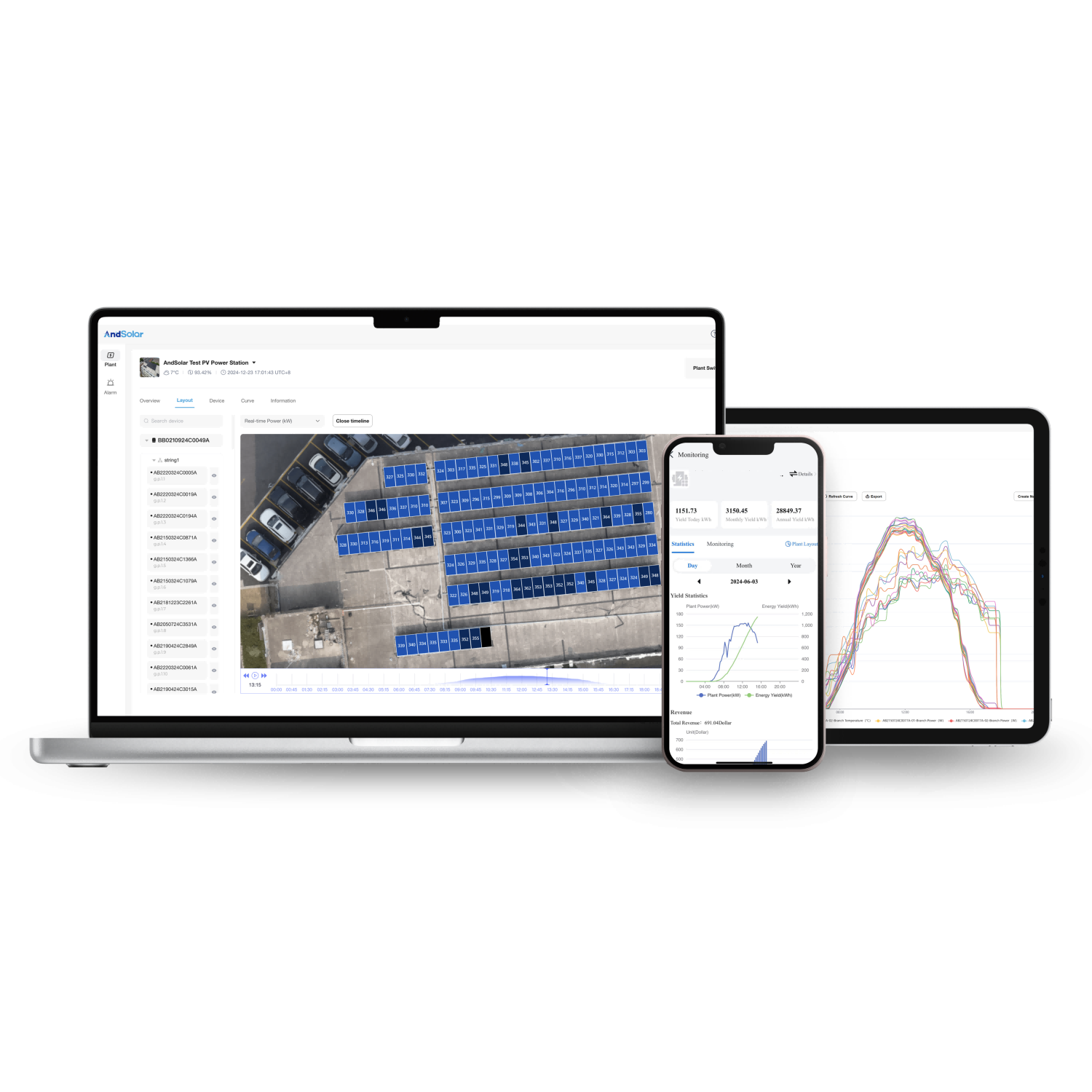
The rsd for floating pv projects features sophisticated monitoring systems that continuously collect and analyze performance data from multiple sensors throughout the installation. These intelligent monitoring capabilities track electrical parameters including voltage, current, power output, and harmonic distortion while simultaneously monitoring environmental conditions such as water temperature, ambient temperature, humidity levels, and wave height. Advanced algorithms process this data in real-time to identify potential issues before they develop into serious problems, enabling proactive maintenance strategies that minimize downtime and repair costs. The predictive maintenance functionality of rsd for floating pv projects utilizes machine learning techniques to establish baseline performance patterns and detect anomalies that indicate developing component failures or performance degradation. Automated alert systems notify maintenance teams when parameters deviate from normal operating ranges, providing specific diagnostic information that speeds troubleshooting and repair processes. Remote diagnostic capabilities eliminate the need for maintenance personnel to travel to offshore installations for routine inspections, reducing operational costs and safety risks associated with water-based maintenance activities. The comprehensive data logging features of rsd for floating pv projects maintain detailed historical records that support warranty claims, insurance assessments, and performance optimization studies. Integration with cloud-based monitoring platforms enables real-time access to system status information from any location with internet connectivity, allowing project managers to oversee multiple installations efficiently. The intelligent monitoring systems also support integration with weather forecasting services, enabling proactive system protection measures before severe weather events occur. Customizable reporting features generate detailed performance summaries, maintenance schedules, and compliance documentation required by regulatory agencies and project stakeholders. The rsd for floating pv projects can interface with existing energy management systems, providing seamless data integration that supports comprehensive facility monitoring and control strategies.
Scalable Integration and Future-Ready Technology Platform

Scalable Integration and Future-Ready Technology Platform

The rsd for floating pv projects employs modular architecture that accommodates installations ranging from small distributed systems to large utility-scale developments spanning hundreds of megawatts. This scalability ensures that project developers can implement consistent safety and monitoring standards across diverse project portfolios while maintaining cost-effectiveness at any scale. The flexible communication protocols supported by rsd for floating pv projects include industry-standard interfaces such as Modbus, DNP3, and IEC 61850, ensuring compatibility with virtually any supervisory control and data acquisition system or energy management platform. Future-ready design principles incorporated into rsd for floating pv projects anticipate evolving industry standards and technological advances, with upgradeable firmware and expandable hardware platforms that protect technology investments over extended operational lifespans. The devices support both wired and wireless communication options, enabling deployment flexibility that adapts to specific site conditions and infrastructure constraints. Advanced cybersecurity features protect against potential threats to critical energy infrastructure, including encrypted communications, secure authentication protocols, and intrusion detection systems that maintain system integrity in connected environments. The rsd for floating pv projects incorporates artificial intelligence capabilities that continuously optimize system performance based on changing environmental conditions, energy demand patterns, and grid requirements. These smart features enable dynamic response to grid stability needs, supporting frequency regulation, voltage control, and reactive power compensation services that enhance overall grid reliability. Interoperability with emerging energy storage systems ensures that rsd for floating pv projects can support hybrid renewable energy installations that combine solar generation with battery storage or other complementary technologies. The standardized mounting systems and electrical interfaces simplify integration with various floating platform designs, reducing engineering complexity and installation costs across different project configurations. Regular software updates delivered through secure over-the-air mechanisms ensure that rsd for floating pv projects remain current with latest safety standards, communication protocols, and performance optimization algorithms throughout their operational lifetime.

Get a Free Quote

Our representative will contact you soon.
Name
Email
Phone/ WhatsApp
Company Name
Product Selection
Message
0/1000

rsd for floating pv projects

Latest News

Rapid shutdown for solar: What you need to know

16

Jun

Rapid shutdown for solar: What you need to know

What Is Solar Rapid Shutdown? Definition and Core Purpose Solar rapid shutdown is an essential safety measure referring to the quick disconnection of photovoltaic (PV) panels from the power system. This process ensures the system stops producing ele...
View More
When Should You Use Power Optimizers?

17

Jun

When Should You Use Power Optimizers?

Understanding Power Optimizers in Solar Systems What Are Power Optimizers? Power optimizers are applied in solar system for energy harvest purpose. These smart devices are connected to every solar panel to optimise and manage the panel. Pow...
View More
Why rapid shutdown device necessary for PV system

21

Jul

Why rapid shutdown device necessary for PV system

Enhancing Solar Safety through Smart Shutdown Solutions The solar industry has evolved tremendously over the past decade, with increasing attention not only to efficiency and performance but also to safety and regulatory compliance. One of the most ...
View More
How Much Will the Optimizer Improve My Power Generation?

11

Aug

How Much Will the Optimizer Improve My Power Generation?

Unlocking Higher Energy Yields Through Advanced Optimization The evolution of solar technology has shifted the conversation from simply installing panels to maximizing their potential. Today, system owners are looking for ways to extract every possib...
View More

Get a Free Quote

Our representative will contact you soon.
Name
Email
Phone/ WhatsApp
Company Name
Product Selection
Message
0/1000