module-level rapid shutdown
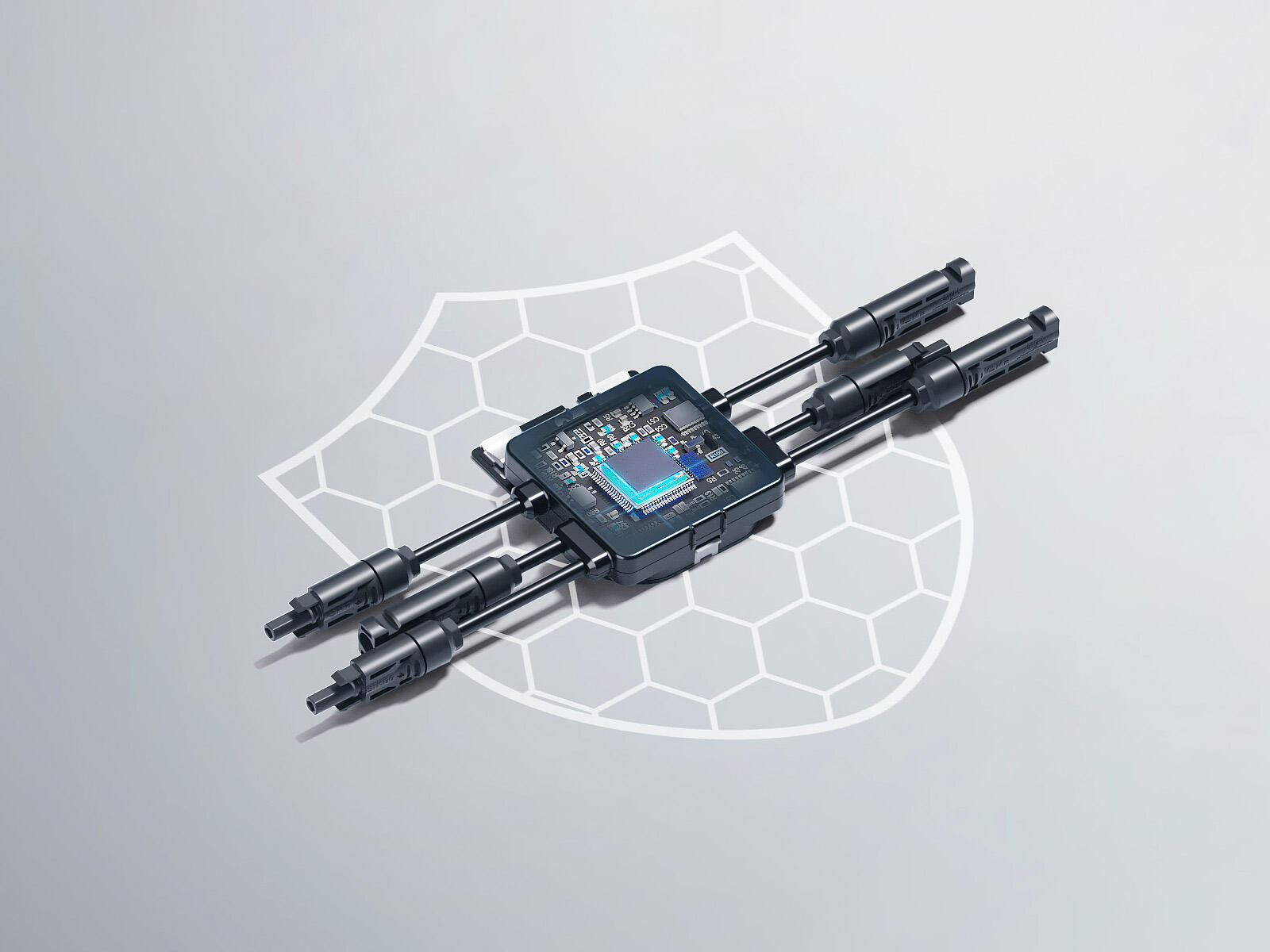
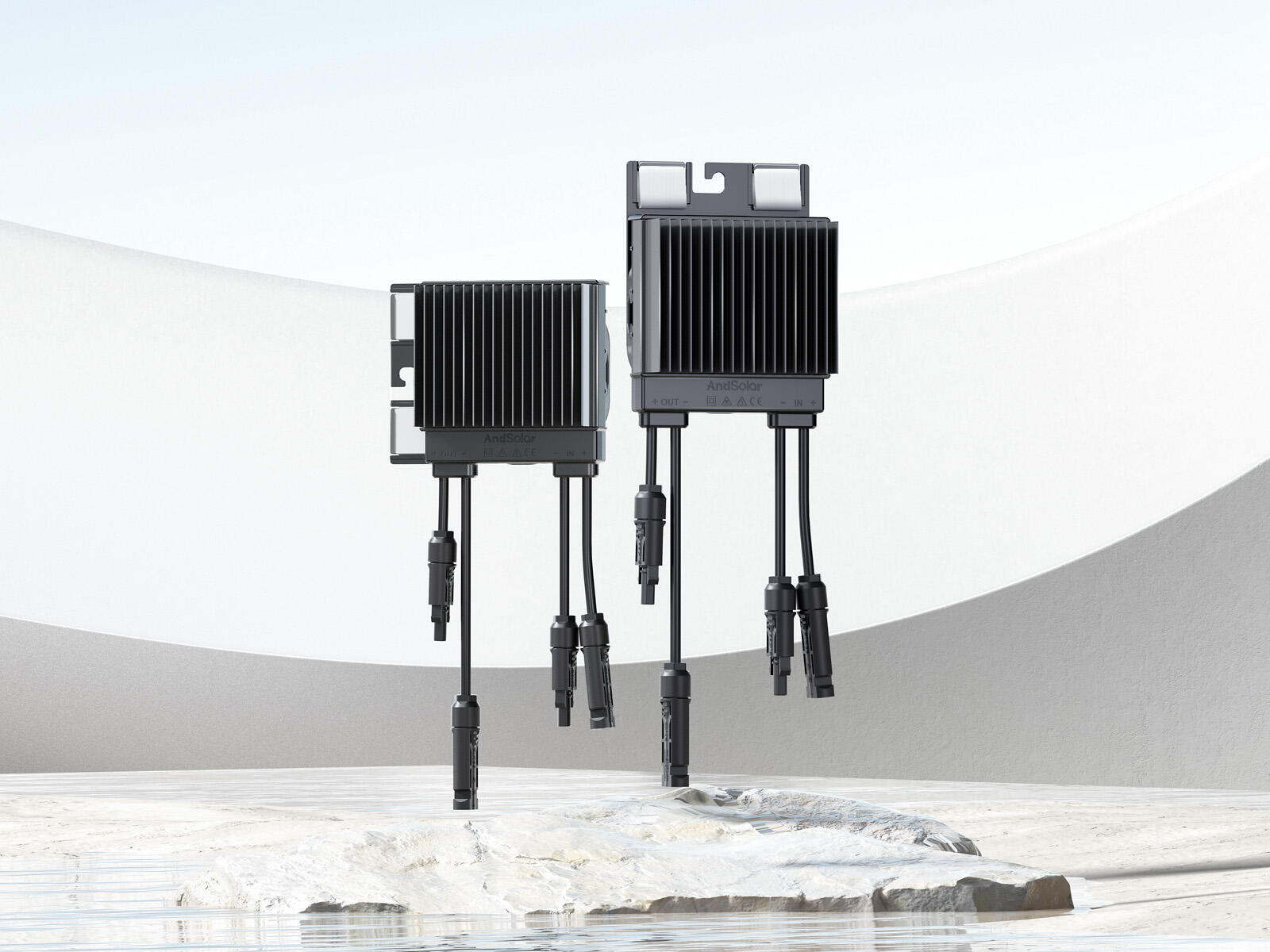
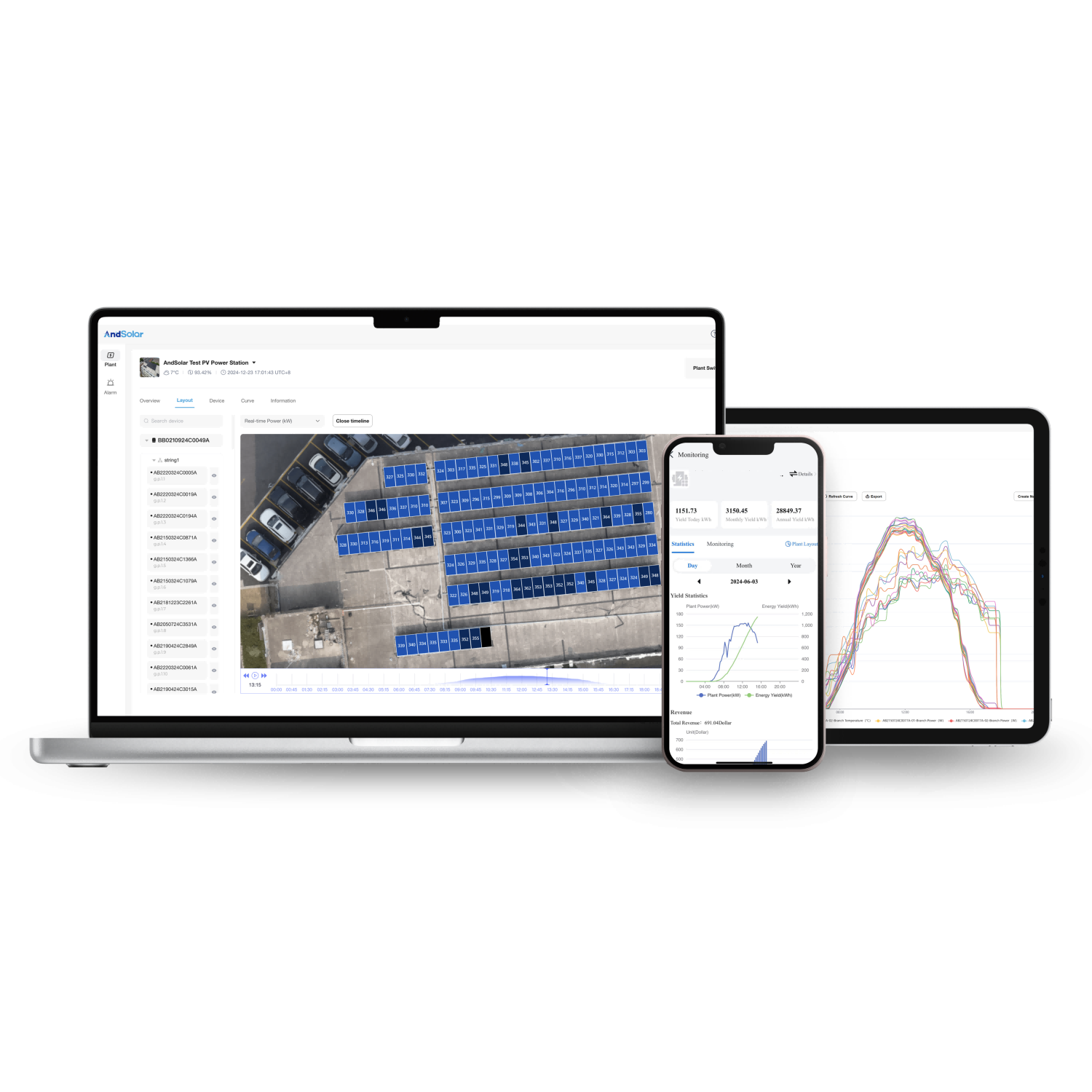
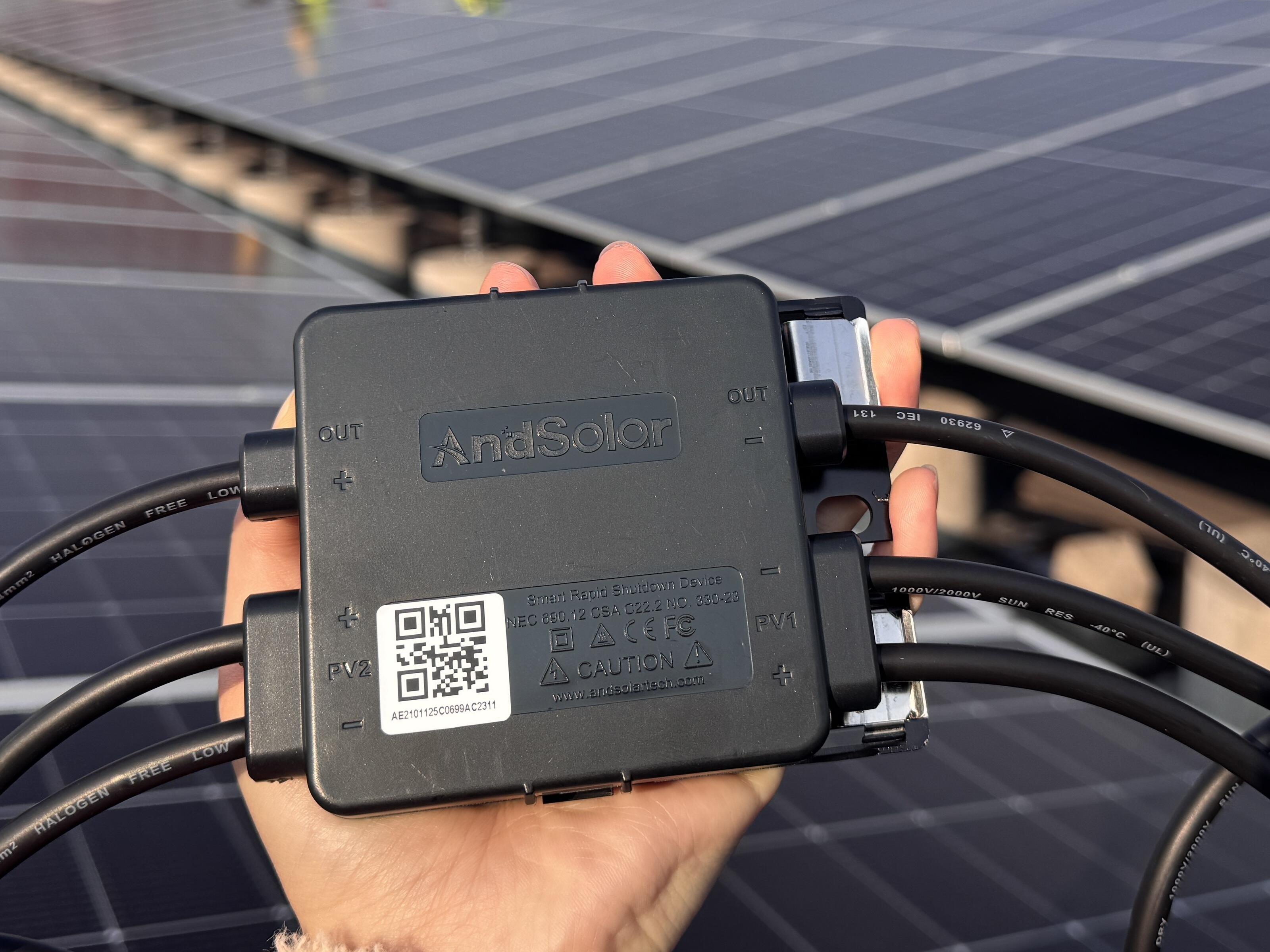
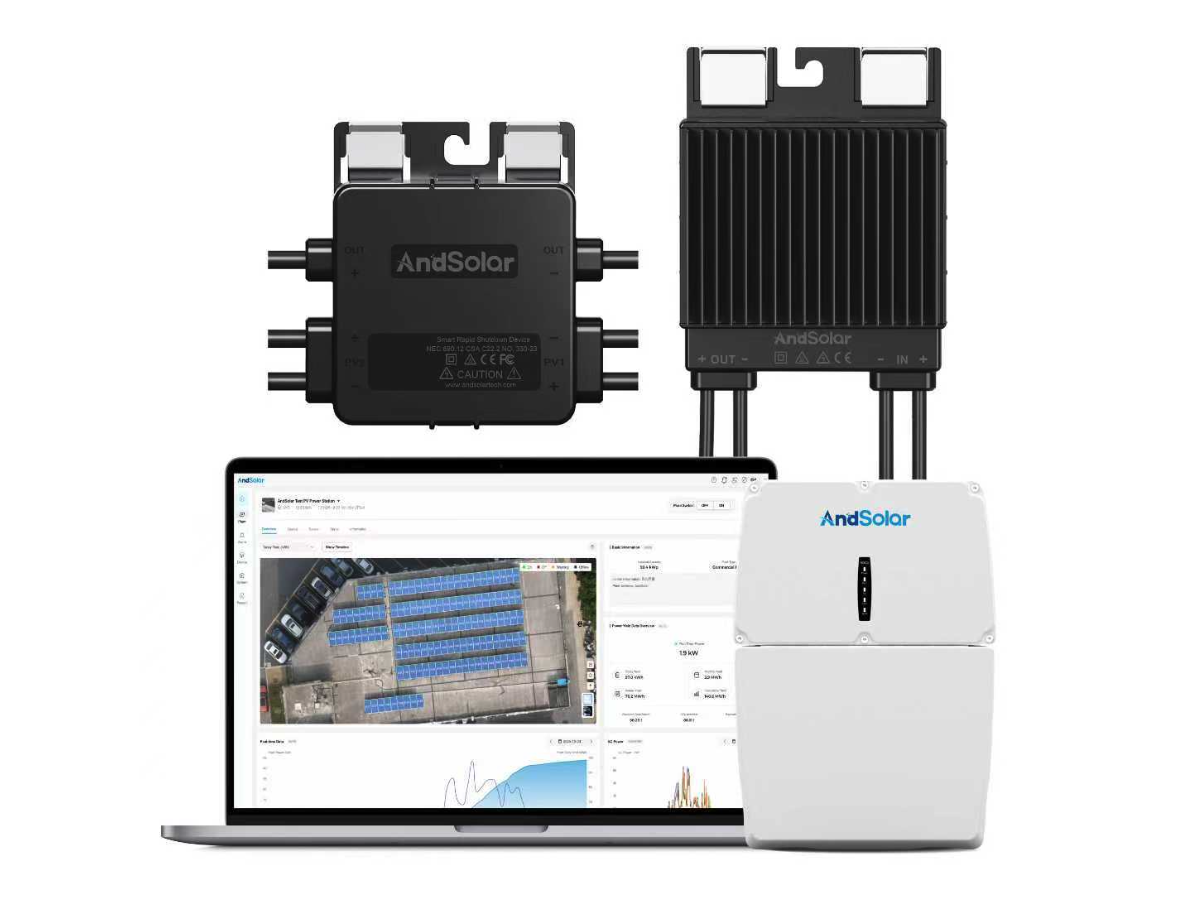
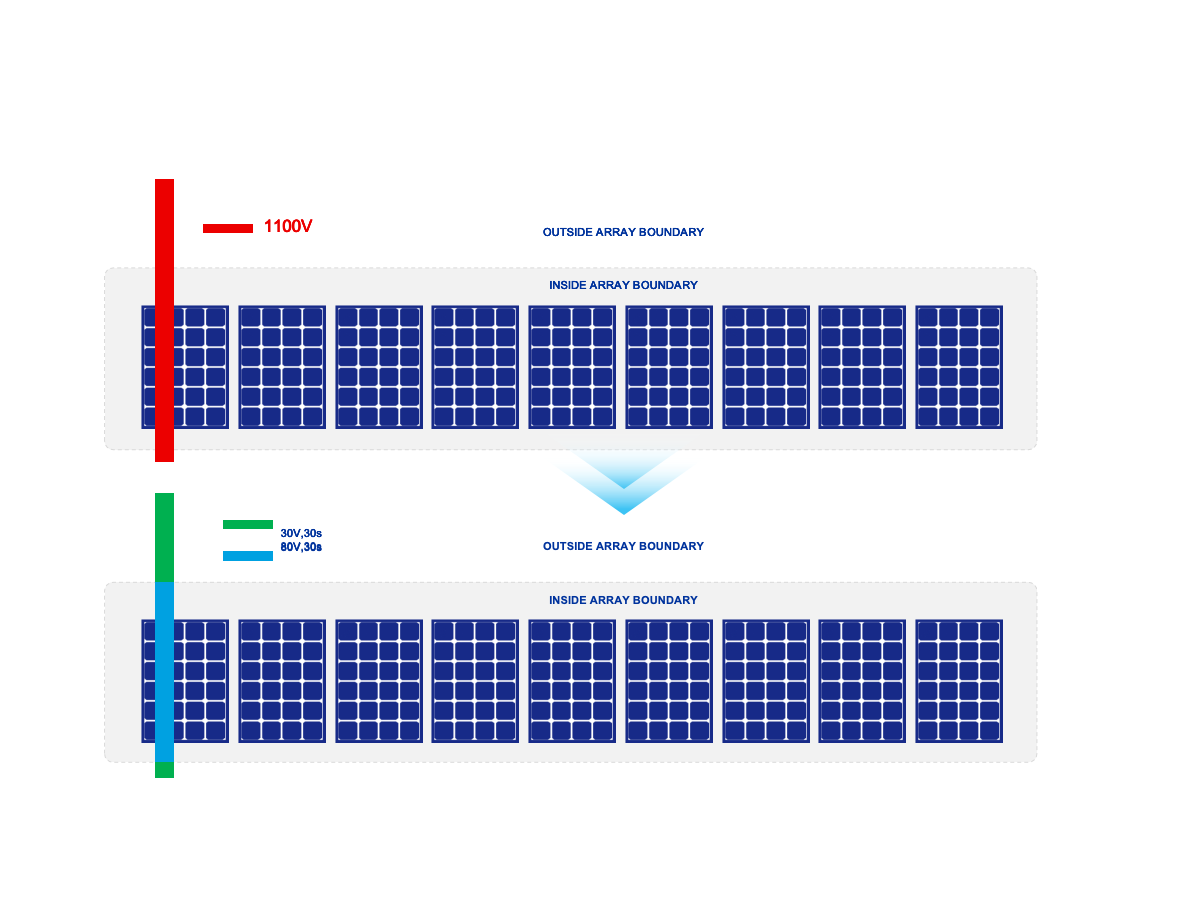
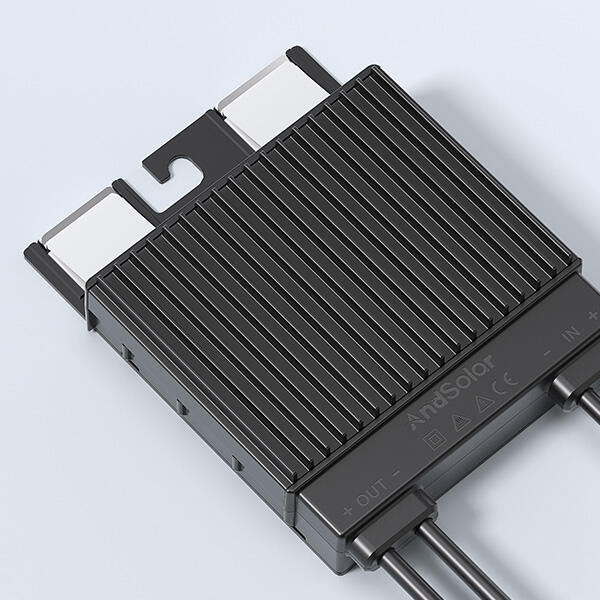
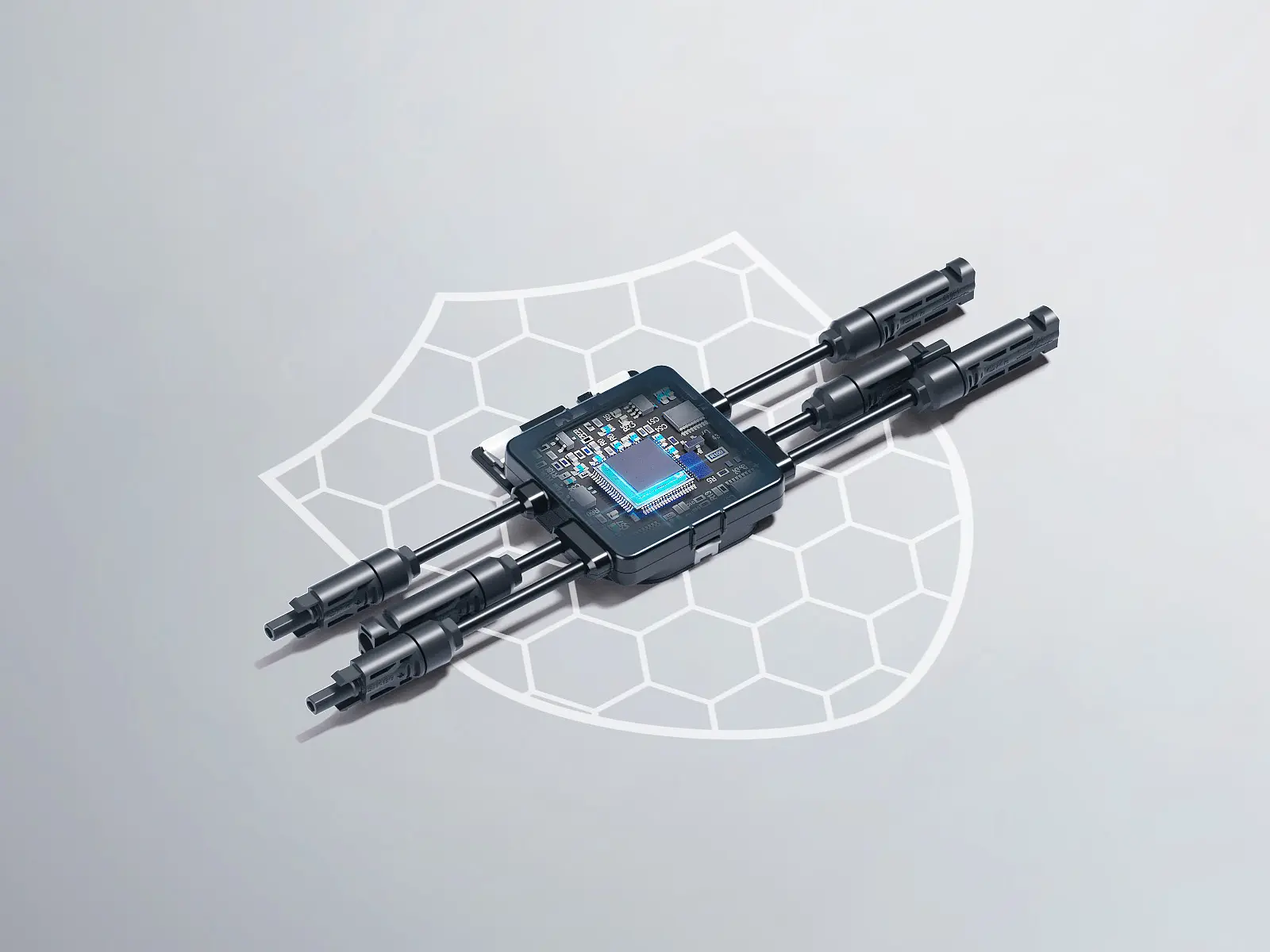
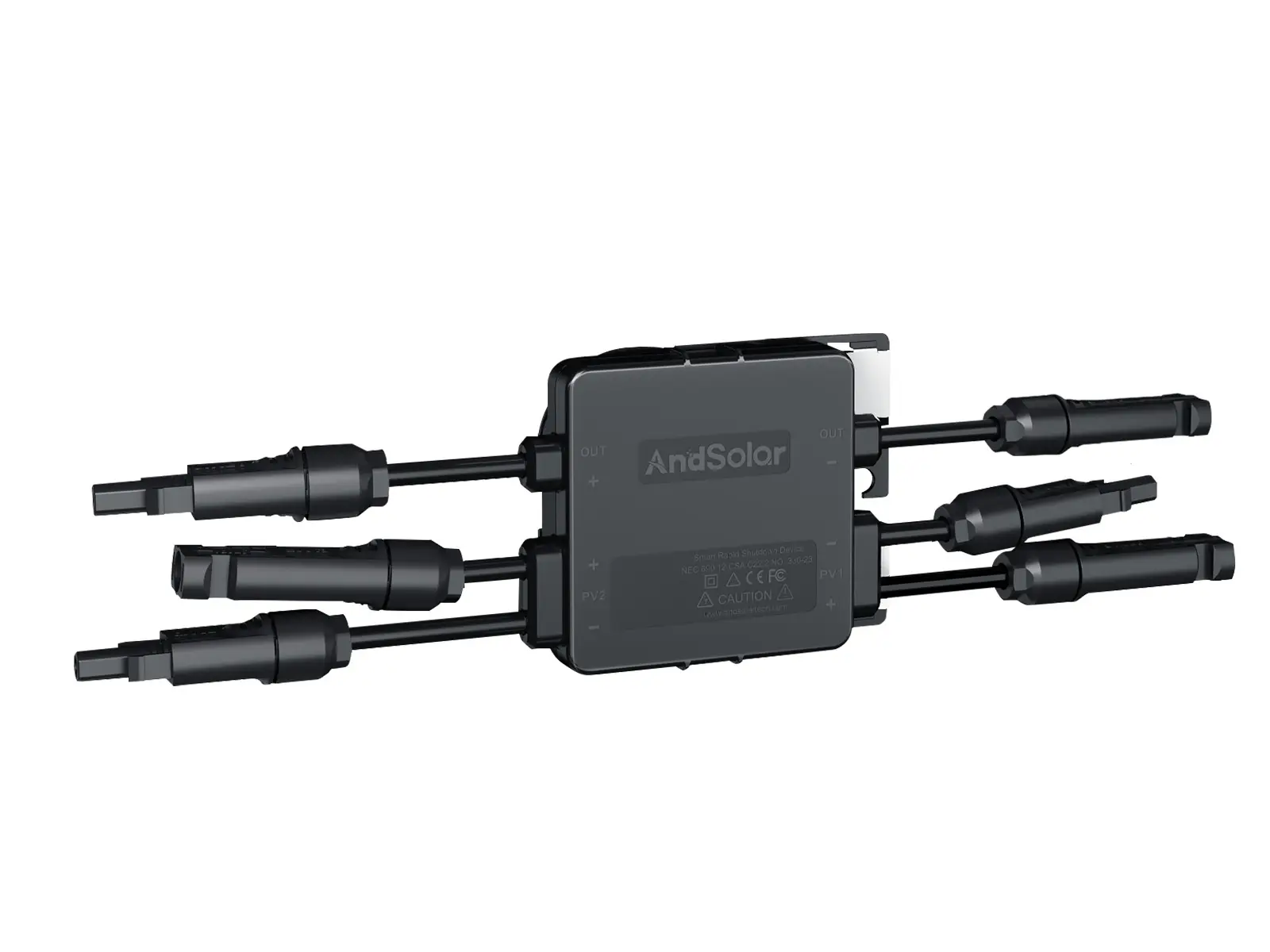
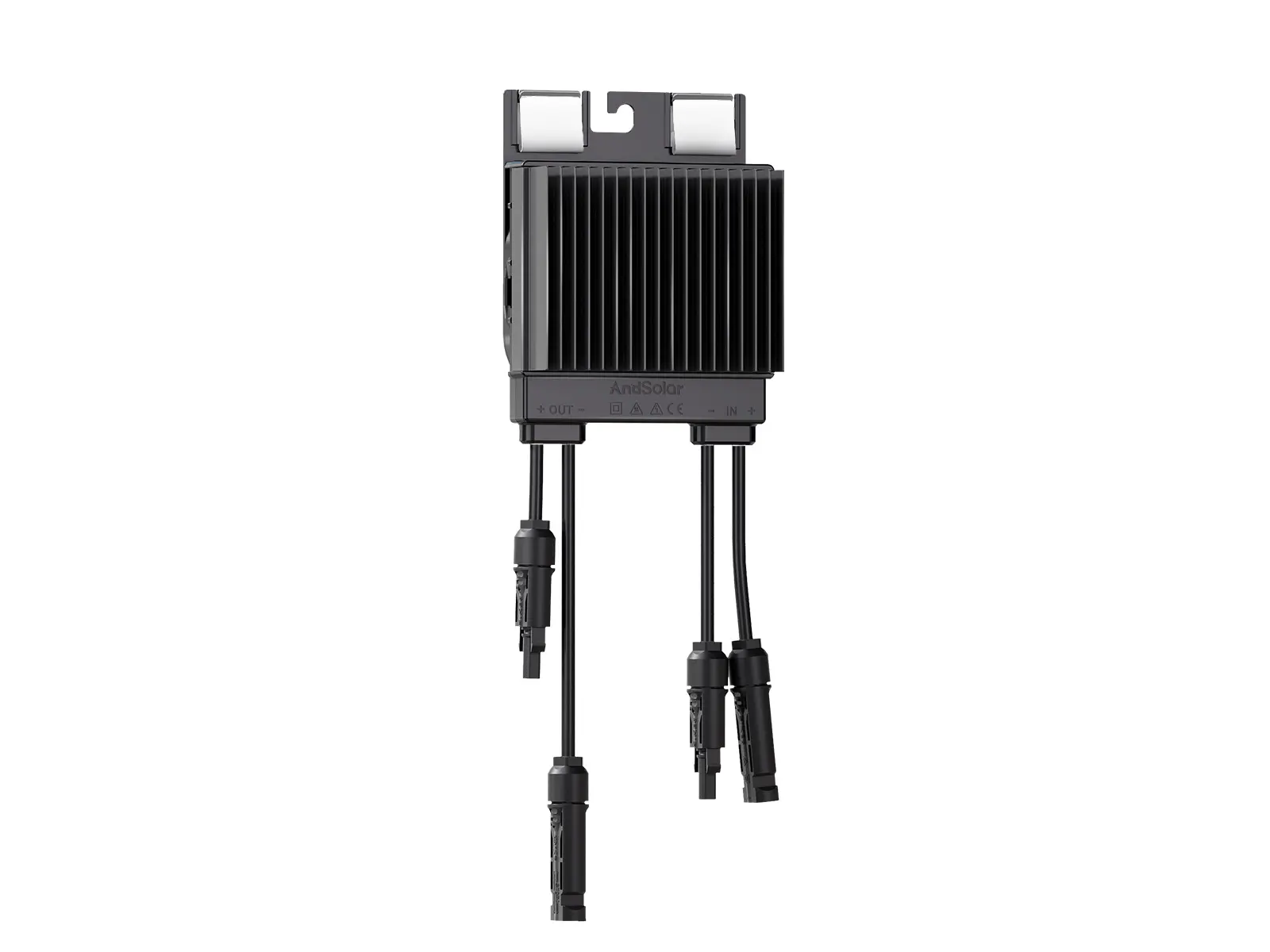
Module-level rapid shutdown represents a groundbreaking safety technology that revolutionizes solar energy system protection and emergency response capabilities. This innovative system provides immediate power isolation at the individual solar panel level, ensuring enhanced safety for homeowners, installers, and first responders during emergencies or maintenance procedures. Unlike traditional string-level shutdown systems that operate across multiple panels simultaneously, module-level rapid shutdown offers precise control over each photovoltaic module within the installation. The technology integrates seamlessly with existing solar infrastructure while delivering superior performance monitoring and diagnostic capabilities. Each module-level rapid shutdown device communicates wirelessly with the central control system, enabling real-time status updates and immediate response to emergency signals. The system automatically activates when triggered by fire department personnel, utility workers, or homeowners through designated control mechanisms. Advanced semiconductor technology powers the rapid shutdown functionality, utilizing high-efficiency power electronics that minimize energy loss during normal operation. The devices feature robust weatherproof enclosures designed to withstand extreme environmental conditions including temperature fluctuations, moisture exposure, and ultraviolet radiation. Installation requires minimal additional wiring since the module-level rapid shutdown units mount directly onto individual solar panels or integrate into junction boxes. The technology supports various communication protocols including powerline communication and wireless mesh networking to ensure reliable signal transmission across the entire solar array. Compliance with National Electrical Code requirements makes module-level rapid shutdown essential for residential and commercial solar installations in many jurisdictions. The system provides continuous operational feedback, allowing users to identify performance issues, maintenance needs, and potential safety concerns before they become critical problems. This proactive approach significantly extends system lifespan while maintaining optimal energy production efficiency throughout the installation's operational period.